Is Sauger Good to Eat?
Many anglers across South Carolina are familiar with the thrill of catching a big largemouth bass or the fight of a striped bass, but when it comes to lesser-known species like the sauger, questions often arise, especially around their culinary value. If you've ever wondered if that sauger you reeled in is worth keeping for the dinner table, you're not alone. This guide aims to clear up all your curiosities, offering a comprehensive look into the sauger as a food fish, how to prepare it, and what makes it a delicious catch for any Palmetto State angler.
Understanding the Sauger as a Food Fish
Sauger, often overshadowed by its larger cousin the walleye, is a truly underrated gem in the realm of table fare. While not as widely distributed or as heavily targeted as some other species in South Carolina, those who know them understand the sauger's delicious potential. They're a freshwater fish that, when handled properly, can provide a fantastic meal.
The Sauger's Flavor Profile and Texture
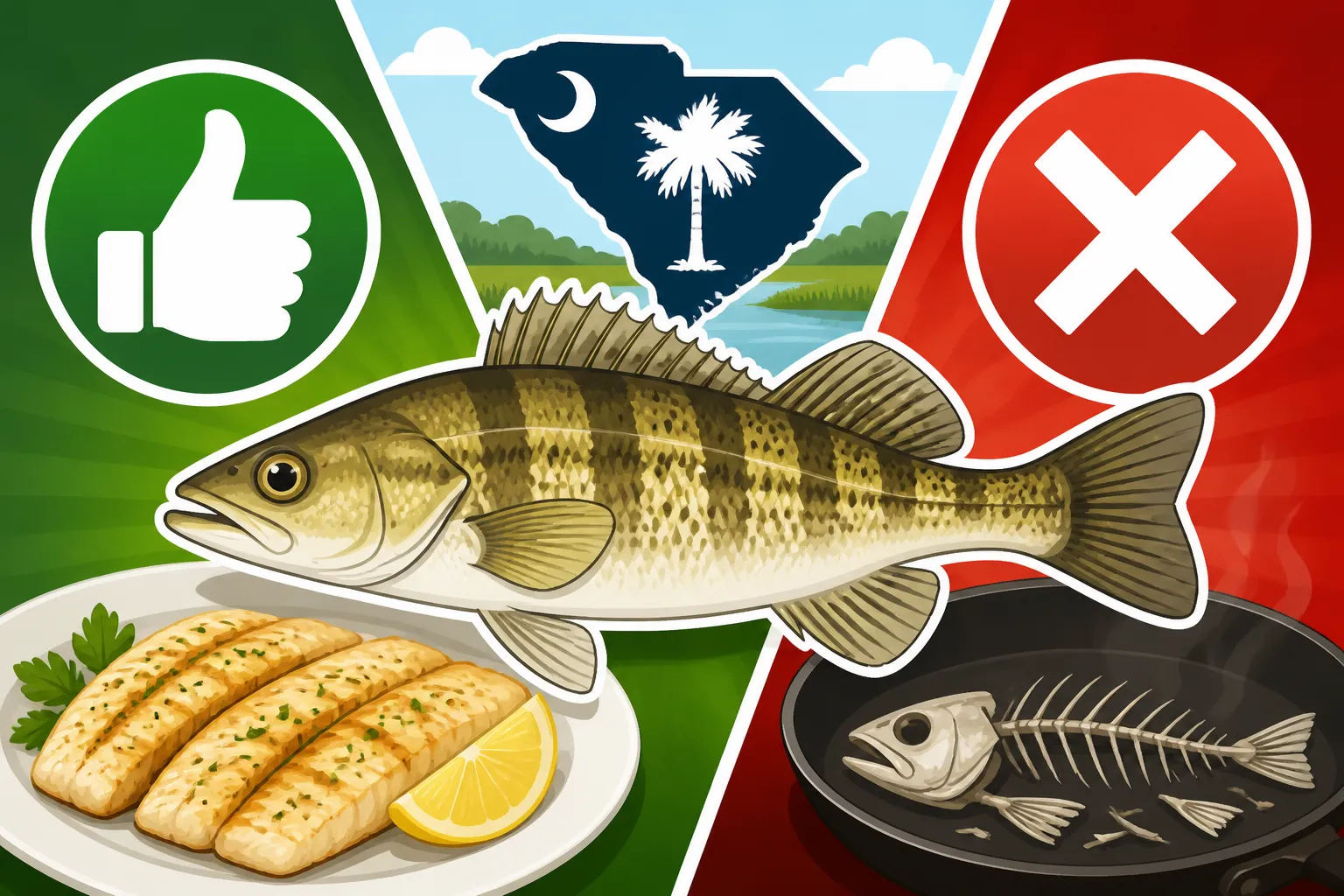
If you're looking for a fish with a strong, "fishy" taste, the sauger isn't it. In fact, one of its most appealing qualities is its wonderfully mild, delicate flavor. It's often described as clean and sweet, making it palatable even for those who are typically hesitant about eating fish. The flesh is white, flaky, and firm, but not tough, which lends itself beautifully to a variety of cooking methods. Think of it as a freshwater equivalent to some of the finest mild whitefish you'd find in a seafood market. It’s similar in texture and taste to walleye, perhaps even a bit flakier due to generally smaller muscle structure. This mildness means it doesn't require heavy seasoning to mask any strong flavors, allowing its natural goodness to shine through.
Factors Affecting Sauger Taste
Like any fish, the taste and quality of a sauger can be influenced by several factors. The first is its diet; sauger primarily feed on smaller fish, crustaceans, and insect larvae, which contribute to their clean flavor profile. Water quality also plays a significant role. Fish caught from clean, cool, and well-oxygenated waters tend to taste better than those from murky or stagnant environments. In South Carolina, where sauger can be found in various river systems and reservoirs, seeking out fish from healthy, flowing waters will generally yield the best results. Furthermore, how quickly you process the fish after catching it, and how well it's kept on ice, dramatically impacts its flavor and texture. A sauger left to warm up in a livewell or bucket will never taste as good as one that was immediately placed on ice. Prompt cooling halts enzyme activity that can degrade the flesh, preserving that delicate taste.
Preparation and Cooking Methods for Sauger
Once you've decided to keep your sauger for the table, the next step is proper preparation. This is where you can truly ensure that delicious, flaky white meat makes it to your plate in prime condition.
Cleaning and Filleting Sauger
Proper cleaning is paramount for any fish destined for the plate, and sauger are no exception. Start by thoroughly rinsing the fish under cold water. For filleting, you'll want a very sharp, flexible filleting knife—a crucial tool for any serious angler, and something readily available from retailers like Amazon. Begin by making a cut behind the gill plate, down to the backbone. Then, turn the blade flat and run it along the backbone towards the tail, carefully separating the fillet. Flip the fillet skin-side down and remove the skin by running your knife between the flesh and the skin, holding the skin firmly at the tail end.
Sauger have small, often bony fins, so it's best to trim these away completely. You might also notice a thin line of darker red meat along the lateral line; while not always necessary, some anglers prefer to remove this for an even milder taste. Once filleted, rinse the fillets again and pat them dry with paper towels. Drying the fish ensures a better sear or crispier crust when cooking. If you're not cooking them immediately, store them in an airtight container in the coldest part of your refrigerator for no more than a day or two, or freeze them properly for longer storage.
Popular Cooking Techniques
The mild, flaky nature of sauger makes it incredibly versatile in the kitchen. Here are some of the most popular and effective cooking methods:
- Pan-Frying: This is arguably the most classic and favored method. A light dredge in seasoned flour, cornmeal, or a simple breading mixture creates a crispy exterior while keeping the inside moist and flaky. Fry in a shallow amount of hot oil or butter until golden brown.
- Baking/Roasting: For a healthier option, sauger fillets bake beautifully. Season with herbs, lemon, and a touch of butter or olive oil. Wrap in foil for steaming or bake uncovered for a slightly firmer texture.
- Grilling: Thicker sauger fillets can be grilled, especially if placed in a fish basket or on cedar planks to prevent sticking and breaking. The smoky flavor from the grill complements the fish's mildness.
- Broiling: Similar to baking, broiling offers a quick cooking method with direct heat, resulting in a slightly caramelized exterior. Keep a close eye on it, as broiling can quickly overcook delicate fish.
- Deep Frying: For that classic fish-fry experience, deep frying sauger yields a wonderfully crispy batter and tender interior. Just make sure your oil is at the correct temperature to avoid greasy fish.
Here's a quick comparison of common cooking methods:
| Cooking Method | Preparation Notes | Best For | Texture Result |
|---|---|---|---|
| Pan-Frying | Light dredge (flour/cornmeal), shallow oil | Quick meals, crispy exterior | Crispy outside, flaky inside |
| Baking/Roasting | Seasoned, butter/oil, foil or uncovered | Healthier option, easy cleanup | Moist, tender, firm |
| Grilling | Fish basket/cedar plank, medium-high heat | Smoky flavor, outdoor cooking | Slightly smoky, firm, flaky |
| Broiling | High direct heat, quick cook time | Fast cooking, slight char | Tender, slightly caramelized |
| Deep Frying | Batter coating, hot oil | Classic fish fry, indulgent | Crispy batter, juicy meat |
Sauger Recipes and Seasoning Ideas
Because of its mild flavor, sauger is a fantastic canvas for various seasonings. Simple is often best. A squeeze of fresh lemon juice, a sprinkle of salt and pepper, and a dash of your favorite seafood seasoning are usually all you need to bring out its natural taste. Dill, parsley, garlic powder, and paprika are also excellent choices.
For a classic South Carolina-style meal, try pan-frying your sauger fillets with a light cornmeal dredge, perhaps mixed with a little Old Bay seasoning. Serve with a side of creamy grits and fresh collard greens. Another delicious option is to bake the fillets with a pat of butter, lemon slices, and fresh dill. You can even experiment with Asian-inspired flavors, using a light soy sauce glaze or a sprinkle of ginger and scallions. Remember, sauger cooks quickly, so avoid overcooking to maintain that desirable moist, flaky texture. A good recipe often starts with fresh, quality ingredients, and the sauger itself provides an excellent foundation.
Health and Nutritional Benefits of Eating Sauger
Beyond its delicious taste, sauger also offers several health and nutritional benefits, making it a smart choice for a balanced diet.
Nutritional Value
Sauger is an excellent source of lean protein, which is essential for muscle repair, growth, and overall body function. For anglers actively out on the water, getting enough protein is key! It's also a good source of important vitamins and minerals, including B vitamins (like B12, crucial for nerve function and red blood cell production), phosphorus, and selenium. Phosphorus is important for bone health, and selenium is a powerful antioxidant that helps protect cells from damage. While not as high in Omega-3 fatty acids as some cold-water marine fish like salmon, sauger still contributes a beneficial amount of these healthy fats, which are known to support heart health and brain function. Including fish like sauger in your diet a few times a week can be a great way to boost your intake of these vital nutrients.
Mercury Levels and Consumption Advisories
When it comes to freshwater fish, particularly predatory species, many anglers naturally wonder about mercury levels. Sauger, being a predator, can accumulate mercury over its lifespan. However, compared to larger, longer-lived predatory fish like large bass or older catfish, sauger are generally smaller and have shorter lifespans, meaning their mercury accumulation is typically lower.
That said, it's always prudent to be aware of and follow any local consumption advisories issued by state health and environmental agencies. For South Carolina, you would typically check with the Department of Health and Environmental Control (DHEC) for specific recommendations regarding fish caught in local waters. These advisories often provide guidance on the frequency of consumption, especially for sensitive populations like pregnant women, nursing mothers, and young children. Generally, a varied diet that includes different types of fish, both freshwater and saltwater, is a good approach to minimize potential risks while still enjoying the nutritional benefits of seafood. Always fish smart and eat smart!
Sauger Fishing in South Carolina: What Anglers Need to Know
Before you can enjoy a delicious sauger dinner, you first have to catch them! While not as ubiquitous as some other species, sauger can be found in various parts of the state. Knowing where and how to target them will increase your chances of bringing home a tasty meal.
Where to Find Sauger in South Carolina
Sauger tend to prefer deeper, cooler, and clearer waters with some current. They are often found in larger rivers and the deeper sections of reservoirs, particularly in areas with rocky bottoms or submerged structure like old timber or drop-offs. In South Carolina, you'll find sauger primarily in river systems that feed into larger lakes, and in the lakes themselves, especially those with good flow. Think about the Savannah River, the Congaree, Broad, and Santee River systems, and the larger reservoirs fed by these rivers. These areas provide the oxygenated water and forage fish that sauger thrive on. Targeting these transitional zones where river meets lake, or deep river bends, can be particularly productive. Sauger Fishing Spots in South Carolina delves deeper into specific locations.
Sauger Regulations and Limits
Just like with any fish species in South Carolina, there are regulations in place to ensure healthy fish populations. These regulations cover minimum size limits, daily creel limits (the number of fish you can keep), and sometimes even specific seasons or gear restrictions. These rules can change, so it's absolutely crucial for every angler to consult the most current South Carolina Department of Natural Resources (SCDNR) regulations before heading out. Ignorance of the law is never an excuse, and violating regulations can lead to penalties. Often, you can find a printed guide at bait shops or sporting goods stores, or easily access the full regulations online through the SCDNR website. Knowing your South Carolina Fishing License Guide and the specific rules for sauger will help ensure you have a legal and enjoyable fishing trip.
Catching and Handling Sauger for the Table
Catching sauger is a rewarding experience, and there are specific techniques that tend to be more effective. Sauger are typically bottom-oriented fish, so vertical jigging with spoons or small lead-head jigs tipped with minnows or soft plastics is a very popular and successful method. Trolling with crankbaits that dive to the depth where sauger are holding can also be effective. When you hook a sauger, handle it gently. While they don't have super sharp teeth like some predators, they do have small, rasp-like teeth, so be careful when unhooking.
For those planning to keep their catch for dinner, immediate and proper handling is key. As soon as you land a sauger you intend to eat, put it on ice. A quality cooler filled with ice, perhaps a robust roto-molded cooler you found on Amazon, will keep the fish cold, firm, and fresh until you can fillet it. This rapid chilling stops the breakdown of the flesh and prevents that undesirable "fishy" taste. The sooner the fish is chilled, the better it will taste. Even a few degrees difference in storage temperature can impact the final culinary quality. For more specific advice on targeting these fish, check out South Carolina Sauger Fishing Tips for Beginners. Knowing the difference between sauger and walleye can also be helpful; sometimes anglers confuse them, so understanding Walleye vs Sauger: How to Tell Them Apart is good knowledge to have.
Disclaimer
This article is for general informational purposes only and does not constitute professional advice. Laws, prices and regulations vary by location and change over time. Consult a qualified professional for guidance on your specific situation.