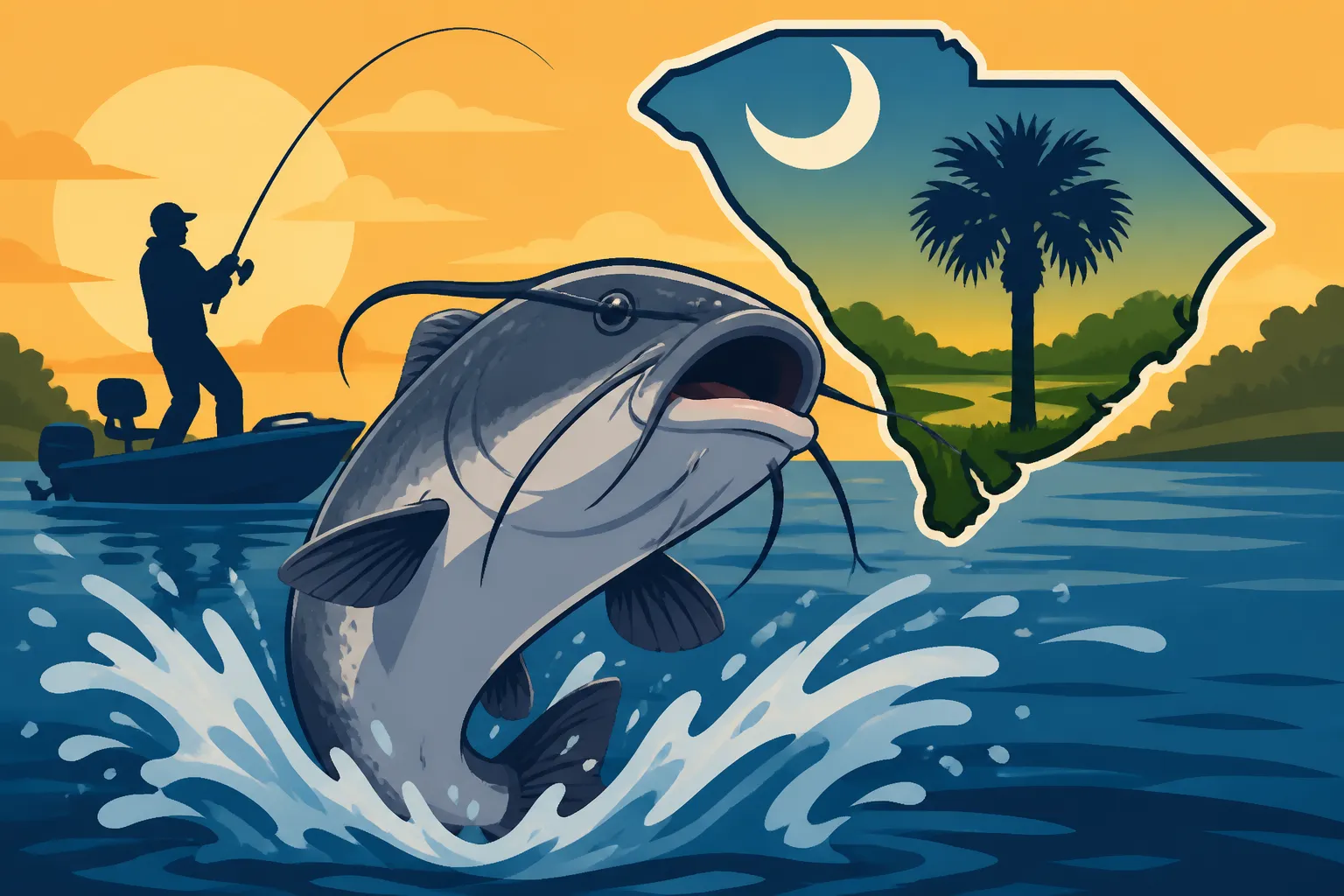
Top Catfish Fishing Holes for Trophy Cats
It’s a special kind of frustration, isn't it? You dream of that epic battle with a monster catfish, a true trophy that bends your rod to its breaking point, but often you end up with smaller panfish or just a quiet day. The truth is, finding those legendary "trophy cats" in South Carolina takes more than just dropping a line in any old water. It takes knowing the right spots where these giants actually lurk. This guide is all about revealing those premier catfish fishing holes, sharing exactly where to go and what you'll need to finally hook that beast you've been dreaming of.
Understanding South Carolina's Catfish Culture
South Carolina has a rich tradition of catfish angling, and for good reason. Our waters are absolutely brimming with these powerful, often underestimated fish. But if you're chasing that true "trophy," you're likely thinking about something specific: the massive Blue Catfish or the stealthy, equally impressive Flathead Catfish.
The Lure of Trophy Blue and Flathead Catfish
When we talk about trophy catfish, we're usually picturing the majestic Blue Catfish, known for its sheer size and incredible fighting ability, or the cunning Flathead Catfish, a predatory behemoth that can grow to astonishing proportions. Blue cats are generally more omnivorous, willing to take a variety of baits, and often found in deeper, open waters of large rivers and reservoirs. They’re notorious for their schooling behavior and can create a feeding frenzy once you find them. Flatheads, on the other hand, are strictly piscivorous—they eat only live fish—and tend to prefer heavy cover like submerged timber, rock piles, or undercut banks, often in areas with strong current. They're ambush predators, waiting patiently for a meal to swim by. Both species offer an unparalleled angling experience, pushing your gear and your grit to their limits. The thrill of hooking into a fish that could easily weigh more than your tackle box is what keeps so many of us coming back for more.
Where Big Catfish Thrive
Trophy catfish aren't just everywhere. They have specific preferences that define their habitats. Generally, these giants seek out deep holes, especially those found in river bends where the current has carved out significant depressions. Confluence points, where two rivers or major creeks merge, are also prime real estate, as these areas often concentrate baitfish and create current breaks where big cats can lie in wait. Submerged structures like old roadbeds, bridge pilings, standing timber, or even deep ledges provide crucial cover and ambush points. In reservoirs, look for creek channels, humps, and points that drop off into deeper water. Understanding these habitat preferences is the first step in narrowing down your search, turning a vast body of water into a manageable hunting ground.
Prime Freshwater Lakes for Monster Catfish
South Carolina boasts some truly legendary lakes that are practically synonymous with trophy catfishing. These aren't just pretty places to cast a line; they're proven producers of personal bests and state records.
Lake Moultrie: A Catfish Paradise
Ask any serious catfisherman in South Carolina where to find a monster, and Lake Moultrie will almost certainly be at the top of their list. As part of the sprawling Santee Cooper Lakes system, Moultrie offers over 60,000 acres of prime habitat. The lake is relatively shallow in many areas but features deep river channels, expansive flats, and countless submerged stumps and timber, especially in its northern sections. These features provide perfect ambush points and foraging areas for giant Blue Catfish and Flatheads. Anglers frequently target the main lake basin, focusing on the old Cooper River and Wadboo Creek channels. Drifting cut bait, especially gizzard shad or herring, across these deeper contours is a highly effective method. You'll often find active fish near the Pinopolis Dam, where current attracts baitfish, creating a feeding frenzy opportunity. It’s not uncommon for Moultrie to produce blue cats well over 50 pounds, with several pushing the 100-pound mark. If you’re looking to break a personal record, this is definitely a destination you need to explore. For those looking to learn the ropes on these productive waters, consider booking a guided trip, which you can easily find on platforms like FishingBooker, to tap into local expertise. You might also want to check out our dedicated guide on Lake Moultrie Catfish and Crappie Fishing Guide for more species-specific details.
Lake Marion: The Santee Cooper System's Other Gem
Right next to Lake Moultrie, and connected by the famous Diversion Canal, lies Lake Marion, often called South Carolina’s "inland sea." This lake, even larger than Moultrie, covers over 110,000 acres and is equally renowned for its trophy catfish. Lake Marion is characterized by its vast cypress forests, submerged timber, and deep creek channels, particularly the old Santee River channel that winds through its depths. The abundance of cover and diverse bottom structure makes it a haven for both Blue and Flathead Catfish. Many anglers find success drifting baits along the edges of the submerged cypress stands or anchoring in the deeper holes of the river channel. The upper lake near the river entries, especially where the Congaree and Wateree Rivers feed in, is particularly productive, as these areas concentrate baitfish. The sheer size and complexity of Lake Marion mean there are always new spots to discover, but focusing on areas with prominent structure and current is a solid strategy for finding those big fish. Our Lake Marion Fishing Spots and Access Points article can give you more insights into navigating this massive lake.
Lake Wateree: A Midlands Hotspot
Further up in the Midlands, Lake Wateree, a 13,000-acre reservoir, is another fantastic destination for trophy Blue Catfish. While it might not have the sheer acreage of the Santee Cooper lakes, Wateree holds its own when it comes to producing big blues, with fish regularly exceeding 40 pounds. The lake is fed by the Wateree River and features numerous creek channels, main lake humps, and extensive timbered areas. Anglers often target the deeper sections of the river channel, especially around turns and bends, and also focus on the lower end of the lake near the dam. Night fishing on Lake Wateree can be exceptionally productive, as large catfish often move into shallower areas to feed after dark. Drifting large cut baits, like shad or herring, or anchoring on deep ledges are common and successful techniques here. Its proximity to Columbia makes it a popular choice for many local anglers. You can explore more about this lake in our Lake Wateree Fishing Spots in South Carolina guide.
Lake Monticello: Nuclear Lake Giants
Lake Monticello presents a truly unique opportunity for trophy catfish. This 6,700-acre reservoir serves as a cooling pond for a nuclear power plant, which means its waters remain significantly warmer than other lakes, even in winter. This extended warm-water period allows catfish to grow to incredible sizes at an accelerated rate. Lake Monticello is famous for producing some of the largest Blue Catfish in the state, with fish well over 80 pounds being caught regularly. The hot water discharge area is a magnet for baitfish and, consequently, monster cats year-round. Anglers here often employ heavy tackle and large cut baits, fishing deep humps, points, and drop-offs. The deeper sections of the lake, particularly those influenced by the warm water, are where the true giants reside. While access can be more controlled than other lakes, the potential for a truly record-breaking fish makes it an irresistible draw for serious trophy hunters.
Top River Systems for Relentless Catfish Action
While lakes offer expansive grounds, South Carolina's major river systems provide dynamic, current-rich environments that are absolute havens for trophy catfish. These rivers carve out deep channels and create powerful currents that naturally concentrate bait and offer ideal ambush points for big predators.
The Santee River: A Legendary Flow
The Santee River, especially the section below the Lake Marion dam and diversion canal, is legendary among catfishermen. This powerful river flows through the Lowcountry, offering a vast, untamed environment where Blue Catfish and Flatheads grow to monumental sizes. The strong currents, deep holes, and abundant natural structure like fallen trees and log jams create perfect habitat for these predatory fish. Anglers often focus on the deep outside bends of the river, where the current has scoured out significant depressions, and at the mouths of smaller creeks that feed into the main river. Drift fishing with large cut baits, such as shad, mullet, or even pieces of carp, is a highly effective technique here. The Santee's reputation for producing numerous catfish in the 50-plus pound range is well-deserved, making it a bucket-list destination for many. If you're planning a trip, be sure to study the river's unique features, as conditions can vary greatly depending on water levels and current. Our Santee River Fishing Spots for Catfish article can help you pinpoint some promising areas.
The Congaree River: Columbia's Catfish Goldmine
Flowing right through the heart of the state near Columbia, the Congaree River is another powerhouse for trophy catfish, particularly Blue Cats. This river is known for its strong currents, deep channels, and rocky bottom, providing excellent oxygenation and a consistent food supply. The stretch of river within and just outside Columbia is particularly productive, offering convenient access for many anglers. Key spots include the numerous deep holes and eddies formed around shoals and bridge pilings. The confluence of the Broad and Saluda Rivers, which form the Congaree, is a major hotspot, as it funnels an immense amount of water and baitfish into a concentrated area. Bottom fishing with heavy weights and large pieces of cut bait or whole shad is the go-to method here. Night fishing on the Congaree can yield truly spectacular results, with trophy-sized catfish moving into shallower feeding flats under the cover of darkness. Many local guides offer trips on the Congaree, which can be an excellent way to learn the nuances of fishing this powerful river. You can also get more details on Congaree River Catfish Fishing Spots Near Columbia.
The Cooper River: Estuary Giants
The Cooper River, flowing from Lake Moultrie towards Charleston Harbor, offers a unique blend of freshwater and brackish environments that can hold surprisingly large catfish. While often associated with saltwater species closer to the coast, the upper and middle sections of the Cooper, where freshwater influence is strong, are home to impressive populations of Blue Catfish. The river is deep and wide in many sections, with numerous submerged structures and creek mouths that act as feeding stations. Anglers targeting trophy cats here often focus on the deeper channels and sharp drops, particularly where tidal currents push baitfish through. Cut mullet, menhaden, or shad are excellent baits. The Cooper River’s unique characteristic is its tidal flow, even far upstream, which means understanding the tides can be crucial for predicting catfish movements and feeding patterns. Fishing around slack tide or the beginning of an incoming/outgoing tide can often be the most productive.
Strategies for Targeting Trophy Catfish in These Hotspots
Finding the right spot is only half the battle. To truly land a trophy catfish in South Carolina, you need the right gear, the right techniques, and a keen understanding of when and how these giants feed.
Essential Gear and Bait for Big Cats
When you're chasing trophy catfish, you need to step up your gear game. Forget those flimsy panfish rods; we're talking about serious heavy-duty equipment.
- Rods and Reels: Opt for heavy to extra-heavy action rods, typically 7 to 9 feet long, capable of handling large weights and powerful fish. Pairing these with conventional or large spinning reels spooled with at least 50-80 pound braided line is essential. Some seasoned trophy hunters even go with 100-pound braid, especially when fishing around heavy cover. The strength of the line isn't just for landing the fish; it's also crucial for breaking free from snags without losing your entire setup.
- Terminal Tackle: Use strong circle hooks, typically sizes 8/0 to 12/0, which are designed to hook fish in the corner of the mouth, minimizing harm and ensuring a solid hookset. Heavy weights (often 3-8 ounces, depending on current) are necessary to hold your bait on the bottom in strong currents or deep water. A fish-finder rig or a Carolina rig, using a heavy swivel to prevent line twist and a leader of 60-100 pound monofilament or fluorocarbon, are standard setups.
- Bait: This is where the magic often happens for big cats. For Blue Catfish, fresh cut bait is king. Gizzard shad, herring, white perch, or even pieces of carp or bream are highly effective. The fresher the better! For Flathead Catfish, live bait is almost always preferred. Live bluegill, sunfish, or small perch (where legal and available) are irresistible to these ambush predators. Always check local regulations regarding the use of live bait and baitfish species. Our guide on Best Bait for Summer Catfish Fishing offers even more suggestions. And for those looking to rig their cut bait perfectly, check out How to Rig Cut Bait for Catfish.
Techniques for Landing a Monster
Once your gear is ready, it's about employing the right techniques to put your bait in front of these behemoths.
- Bottom Fishing: This is the most common and often most effective method for trophy catfish. Using a heavy weight, you present your bait directly on the bottom where catfish primarily feed. Anchoring upriver from a deep hole or structure and letting your bait settle into the sweet spot is a classic tactic. Patience is key here; big fish often take their time.
- Drift Fishing: This technique is fantastic for covering larger areas, especially on big lakes like Marion and Moultrie or expansive river sections. You allow your boat to slowly drift with the wind or current, dragging your baits along the bottom. This presents your bait to more fish and helps you locate active feeding grounds. Using multiple rods at different depths and distances from the boat can increase your chances. This is especially effective for species like Blue Catfish that might be scattered across a flat.
- Understanding Structure and Current: Big catfish are inherently lazy predators. They will position themselves where current brings food to them or where they can ambush prey with minimal effort. Look for current seams, eddy lines, and the calm water just behind prominent structures or deep drops. Knowing How to Bottom Fish for Catfish in these conditions is paramount. In rivers, the deeper side of a river bend often has slower water and deep scour holes where large cats rest and feed.
Timing is Everything: Best Seasons and Times
Catfish, like all fish, are influenced by seasonal changes, water temperature, and time of day.
- Seasonal Patterns: While you can catch catfish year-round in South Carolina, spring and fall are often considered prime times for trophy fish. In spring, as water temperatures rise, catfish become very active, feeding heavily before and during the spawn. In fall, they feed aggressively to put on weight for the colder months. Summer can be excellent for night fishing, as the biggest cats often become more active after the sun goes down to escape the heat and hunt. During winter, they typically congregate in deeper holes, and a slow, patient approach can still yield giants.
- Night Fishing: For trophy catfish, especially during the warmer months, night fishing is incredibly productive. Catfish have excellent senses of smell and touch, which they use to navigate and hunt in low light conditions. Big blues and flatheads often move out of deep water and into shallower flats or along channel edges to feed under the cover of darkness. Make sure you have adequate lighting and safety gear if you plan a nighttime excursion. Our Night Fishing Techniques for Catfish guide has some great tips, and if you’ve ever wondered, Is Night Fishing Better for Catfish?, the answer is often a resounding yes for those aiming for giants.
- Weather and Water Conditions: Pay attention to weather fronts and water levels. A rising barometer often signifies improving fishing conditions, while falling barometric pressure can make fish lethargic. Heavy rains can sometimes stir up bait and attract catfish to feeder creeks, but excessively muddy water can sometimes slow the bite. High water often pushes catfish closer to flooded cover, while low water concentrates them in main channels. Always keep an eye on river gauges and lake levels for the best intel. Many anglers even consult platforms like FishingBooker to see when local guides are having success, which often correlates with optimal conditions.
| Fishing Spot | Primary Trophy Species | Key Features for Catfish | Best Techniques | Notes |
|---|---|---|---|---|
| Lake Moultrie | Blue, Flathead Catfish | Deep river channels, submerged timber, Pinopolis Dam current | Drifting cut bait, anchoring on ledges | Part of Santee Cooper system, known for 50lb+ blues. |
| Lake Marion | Blue, Flathead Catfish | Old Santee River channel, cypress flats, submerged timber | Drifting cut bait, anchoring near structure | Vast lake, connected to Moultrie, upper lake productive. |
| Lake Wateree | Blue Catfish | River channels, humps, timbered areas, dam region | Bottom fishing, night fishing with cut bait | Consistent producer of 40lb+ blues, good for night trips. |
| Lake Monticello | Blue Catfish | Warm water discharge, deep humps, swift current areas | Heavy bottom fishing with large cut bait | Year-round warm water accelerates growth, potential for 80lb+ fish. |
| Santee River | Blue, Flathead Catfish | Deep river bends, log jams, current seams below dam | Drift fishing, anchoring in holes with cut bait | Legendary river, powerful currents, abundant cover. |
| Congaree River | Blue Catfish | Strong currents, deep scour holes, rocky bottom, bridge pilings | Heavy bottom fishing, night fishing, cut bait/live bait | Accessible near Columbia, major confluence point. |
| Cooper River | Blue Catfish | Deep channels, tidal influence, creek mouths | Bottom fishing, understanding tidal movements, cut bait | Unique blend of fresh/brackish water, tidal currents matter. |
Disclaimer
Please remember that fishing regulations in South Carolina can change. Always consult the latest rules and regulations from the South Carolina Department of Natural Resources (SCDNR) before you head out. This guide is for informational purposes only and does not supersede official regulations.