Tugaloo River Arm Bass Fishing on Lake Hartwell
Navigating the vastness of Lake Hartwell, especially trying to pinpoint those elusive bass on a specific arm, can feel like searching for a needle in a haystack. Many anglers, even seasoned ones, find themselves overwhelmed by the sheer size and diverse habitats. This comprehensive guide is designed to cut through that confusion, offering a deep dive into the unique characteristics, seasonal patterns, and effective techniques for bass fishing the Tugaloo River Arm of Lake Hartwell, empowering you to consistently land more fish.
Unpacking the Tugaloo River Arm's Unique Bass Habitat
The Tugaloo River Arm, part of the massive Lake Hartwell system, isn't just another section of water; it's a vibrant, complex ecosystem that bass call home. Understanding its specific characteristics is key to unlocking its incredible fishing potential. Unlike some of the wider, more open sections of the lake, the Tugaloo retains much of its riverine heritage, presenting a different set of challenges and opportunities for anglers.
Geological Features and Water Conditions
The Tugaloo River Arm is characterized by deeper, often clearer waters compared to other arms of Lake Hartwell, particularly downstream towards the dam. This clarity is due to the primarily rocky and sandy bottom composition in many areas, with less incoming sediment from agricultural runoff. You'll encounter steep banks, numerous bluffs, and sudden depth changes that create fantastic habitat for both largemouth and spotted bass. These submerged structures, including old creek beds, roadbeds, and vast timber stands, are literal highways and apartment complexes for baitfish and the predators that stalk them. The deeper channels mean that water temperatures can remain more stable, especially in the extreme heat of summer or the cold of winter, offering refuge for bass.
Consider a scenario where you're out on the Tugaloo in late spring. While the main lake might be warming rapidly, the deeper pockets and bluff walls of the Tugaloo can hold slightly cooler water, keeping bass in a more active feeding mode. These areas are often prime locations for suspended fish, particularly spotted bass, which are known to suspend over deep water following baitfish schools. The sheer drops and submerged points provide ambush points, making these geological features critical for understanding bass movement. When you're looking for Lake Hartwell Fishing Spots on the South Carolina-Georgia Border, remember the Tugaloo's distinct geological advantages.
Forage Base and Ecosystem Dynamics
The health and abundance of bass in the Tugaloo River Arm are directly tied to its robust forage base. Threadfin and gizzard shad are the primary food source, congregating in large schools that bass relentlessly pursue. You'll often see these baitfish flickering on your electronics, or even busting the surface early in the morning, indicating active feeding. Beyond shad, the Tugaloo also supports a healthy population of bluegill, sunfish, and even small crappie, all of which serve as opportunistic meals for hungry bass. The presence of these diverse baitfish populations allows bass to grow to impressive sizes, offering anglers the chance at true trophy catches.
The ecosystem dynamics here also include the presence of other predator species, such as striped bass and walleye in certain areas, which can compete for the same food sources but also indicate a thriving environment. This competition can sometimes make bass more aggressive and less hesitant to strike. Understanding where these baitfish are holding – whether suspended in open water, schooling over points, or hiding in brush piles – is paramount. If you can locate the bait, you're usually not far from the bass. For example, during colder months, shad will often ball up in major creek arms or deep pockets, and bass will stack up right alongside them.
Seasonal Bass Patterns on the Tugaloo River Arm
Bass behavior on the Tugaloo River Arm changes dramatically with the seasons, influenced by water temperature, light penetration, and the spawn cycle. Knowing these patterns is like having a cheat sheet to where the fish are and what they're willing to bite. Adapting your approach from one season to the next is not just a suggestion; it's a necessity for consistent success.
Spring: Pre-Spawn and Spawning Frenzy
Spring on the Tugaloo is arguably the most anticipated time for bass anglers, as the water begins to warm into the 50s and 60s Fahrenheit, signaling the impending spawn. During the pre-spawn phase, bass are focused on feeding heavily to gain energy for reproduction. They move from their deeper winter haunts into shallower staging areas, like points, humps, and secondary creek channels, often near the main river channel but within easy reach of suitable spawning flats. This is when you can find some of the biggest females of the year gorging on shad. Think about throwing larger profile baits like lipless crankbaits, jerkbaits, and spinnerbaits to cover water and locate these active fish.
As the water temperatures creep into the mid-60s, the spawning frenzy truly begins. Bass move onto shallow flats, protected coves, and pockets with hard bottoms (like gravel or sand) to build their nests. This is often the time for sight fishing, where you can spot bass on their beds. While exciting, remember to respect the fish and their reproductive cycle. Post-spawn, the fish become lethargic for a short period before resuming aggressive feeding as they recover. Many anglers find that focusing on the backs of pockets and coves, or around isolated cover near spawning areas, can be incredibly productive during this recovery phase. For a deeper dive into these strategies, you might want to read our guide on Spring Bass Fishing on South Carolina's Lake Hartwell.
Summer: Deep Water and Thermocline Tactics
When the scorching South Carolina summer heat arrives, pushing water temperatures into the 80s and higher, bass on the Tugaloo Arm seek refuge in deeper, cooler, and more oxygenated water. This often means they’ll be congregating around the thermocline – the layer of water where temperature changes most rapidly. On Lake Hartwell, this thermocline can typically be found anywhere from 15 to 30 feet deep, though it varies. Bass will relate to deep structure like submerged timber, roadbeds, rock piles, and deep points that drop off into the main river channel.
Techniques for summer bass fishing here often involve fishing vertically or slow-rolling baits along the bottom. Drop-shotting, Carolina rigging, and deep cranking are all highly effective methods. Look for schools of baitfish on your sonar, and you'll likely find bass lurking nearby, either just below or within the bait ball. Early mornings and late evenings offer brief windows where bass might move shallower to feed, but for the majority of the day, you’ll be targeting them in the depths. Remember, consistency in summer means being prepared to fish deep. For more on this, check out our article on How to Fish Deep Structure for Bass in Summer.
Fall: Feeding Blitz and Transition Zones
Fall on the Tugaloo River Arm is a season of transition, but it's also a fantastic time for bass fishing. As water temperatures begin to cool, bass become incredibly active, instinctively feeding heavily to build up fat reserves for the upcoming winter. This "feeding blitz" often sees bass chasing baitfish into the backs of creek arms and along shallower points. The cooling water reinvigorates them, and they'll often be found in shallower water than during the peak of summer, but still relating to distinct features.
Anglers can have great success by covering water with reaction baits like crankbaits, spinnerbaits, and chatterbaits along creek channel bends, submerged humps, and rocky points. Topwater action can also explode during the early morning and late evening hours, especially as baitfish are pushed to the surface by aggressive bass. Don't overlook secondary points and ditches within the creek arms, as these can act as staging areas for bass moving in and out of shallower foraging grounds. Knowing these patterns will significantly improve your chances; our piece on Fall Bass Fishing Around Rocky Points on South Carolina's Lake Hartwell offers even more insights.
Winter: Slow Bites and Suspended Fish
Winter fishing on the Tugaloo can be challenging, but it can also yield some of the biggest bass of the year for patient anglers. As water temperatures drop into the 40s and low 50s, bass metabolism slows down significantly. They become less active and often suspend in deep water, especially around the main river channel or deep creek channels. They’ll congregate near large schools of baitfish, but their feeding windows will be much shorter and their strikes more subtle.
The key to winter success is slowing down your presentation considerably. Vertical jigging spoons, slow-rolling swimbaits, and finesse techniques like drop-shotting or shaky head jigs are often the most productive. Look for bass relating to isolated timber, bluff walls, and deep brush piles, often suspending at the same depth as the bait. Patience is absolutely crucial. You might only get a few bites all day, but they could be from true trophy-sized fish. On days with sunny skies and stable weather, bass might move up onto sun-warmed rocky banks for short periods, offering a slightly different target.
Top Techniques and Lures for Tugaloo Bass
Successfully fishing the Tugaloo River Arm for bass means having a diverse arsenal of techniques and a clear understanding of when and where to deploy them. It’s not just about throwing your favorite lure; it’s about presenting the right offering in the right place at the right time.
Targeting Structure and Cover
Bass are inherently structure-oriented fish, and the Tugaloo Arm is loaded with it. From natural rock formations and bluff walls to man-made brush piles and standing timber, identifying and effectively fishing these areas is paramount. For instance, a steep rock bluff might hold bass suspended along its face, especially during summer or winter, while a long, tapering point might be a highway for bass moving to and from shallower feeding grounds in spring and fall. Submerged humps, often overlooked, can be absolute magnets for schools of bass, particularly spotted bass, which love to roam open water but will relate to subtle changes in bottom contour.
When fishing these structures, consider the angle of your approach. Often, casting parallel to a bluff wall or working a bait down a point in a methodical pattern will outproduce random casts. Pay close attention to your electronics to identify subtle depth changes, isolated stumps, or baitfish schools that indicate prime holding areas. Knowing Best Lures for Largemouth Bass in Muddy Water or clear water will depend heavily on the specific conditions you encounter around these structures.
Lure Selection for Different Conditions
The variety of conditions on the Tugaloo Arm necessitates a versatile lure selection.
For Reaction Bites:
- Crankbaits: Deep-diving crankbaits are excellent for targeting bass on deep points and humps in summer and fall. Medium-diving crankbaits work well in spring and fall for shallower to mid-depth cover.
- Spinnerbaits: A classic for covering water, especially around submerged timber, brush, and stained water. Good for targeting active fish in spring and fall.
- Jerkbaits: Fantastic for suspended fish, especially in cooler water (spring and fall, even winter). Their erratic darting action can trigger aggressive strikes.
- Lipless Crankbaits: Ideal for covering vast shallow flats or riprap banks, particularly in pre-spawn, mimicking fleeing baitfish.
For Finesse Presentations:
- Drop Shots: A go-to for deep, clear water situations, especially when bass are suspended or very lethargic. Excellent for spotted bass and finicky largemouth.
- Shaky Head Jigs: Versatile for pitching into cover, dragging along rocky bottoms, or targeting bass holding tight to structure.
- Carolina Rigs: Great for presenting soft plastics along deeper contours, covering ground while maintaining bottom contact, often imitating a crawfish or lizard.
For Topwater Excitement:
- Walking Baits (e.g., Heddon Super Spook): Perfect for imitating dying baitfish on calm mornings or evenings, particularly in warmer months.
- Poppers: Excellent for drawing strikes from bass hiding in shallow cover or along shorelines.
Seasonal Lure Application Table:
| Season | Primary Lure Types | Target Depth/Location | Typical Species Targeted |
|---|---|---|---|
| Spring | Lipless Crankbaits, Jerkbaits, Spinnerbaits, Jigs, Wacky Rigs | Shallow flats, points, secondary creeks, spawning beds | Largemouth, Spotted Bass |
| Summer | Deep Diving Crankbaits, Drop Shots, Carolina Rigs, Jigs, Worms | Deep points, humps, thermocline, main channel structure | Largemouth, Spotted Bass |
| Fall | Crankbaits, Spinnerbaits, Topwater, Chatterbaits, Swimbaits | Creek arm bends, shallow points, transition zones, riprap | Largemouth, Spotted Bass |
| Winter | Jigging Spoons, Drop Shots, Small Swimbaits, Ned Rigs | Deep main river/creek channels, bluff walls, suspended fish | Largemouth, Spotted Bass |
Advanced Tactics: Electronics and Presentation
Modern electronics are game-changers on a lake like Hartwell. High-definition sonar, side-imaging, and even forward-facing sonar can help you locate subtle structures, submerged timber, and most importantly, schools of baitfish and the bass holding near them. Learning to interpret your graphs will save you countless hours of blind casting. Don't just look for fish arches; look for bait balls, thermocline layers, and even individual pieces of timber.
Presentation is equally critical. It's not enough to just cast; you need to understand how to make your bait look alive and enticing. This means varying your retrieve speed, adding pauses, twitching your rod tip, or allowing your bait to fall naturally. For example, when fishing a jig around brush piles, a subtle lift and drop, feeling for the "tick" or "thump," is often more effective than a fast, erratic retrieve. Similarly, when drop-shotting for suspended bass, a slight quiver of the rod tip can make a soft plastic bait dance enticingly without moving it away from the strike zone. If you're struggling to understand South Carolina Bass Fishing Techniques by Season, focusing on these details will make a huge difference.
Navigating and Accessing the Tugaloo River Arm
The Tugaloo River Arm is a substantial body of water, and knowing how to safely and effectively navigate it is crucial for a productive day of bass fishing. Proper access points and awareness of potential hazards can make or break your trip.
Key Boat Ramps and Access Points
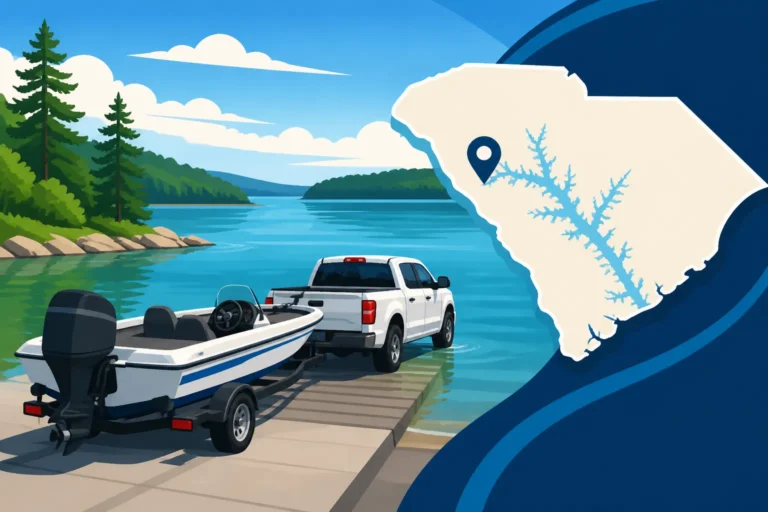
There are several excellent public boat ramps that provide direct access to the Tugaloo River Arm. On the South Carolina side, a popular option is the Tugaloo State Park ramp, which offers good facilities and puts you right in the heart of the arm. Another great choice is the Clemson Littlejohn Coliseum ramp, though it's a bit further down towards the main lake, it still offers good access. On the Georgia side, closer to the upper reaches, Tugaloo Bend Park offers a launch. It's always a good idea to check ramp conditions, especially after heavy rains or during periods of low water.
Before heading out, familiarize yourself with the ramp locations and ensure your vehicle and trailer are equipped for launching. Some ramps can be quite steep. Having a reliable mapping system on your boat or phone is indispensable, not just for finding fishing spots but for safely returning to your chosen ramp. Our guide on Lake Hartwell Boat Ramps on the South Carolina Side offers a more comprehensive list and details.
Safety Considerations and Navigational Challenges
Lake Hartwell, being a large Corps of Engineers lake, presents certain navigational challenges, especially on the Tugaloo Arm. The most significant of these is the abundant submerged timber, particularly in the upper reaches and within creek channels. While this timber provides fantastic bass habitat, it can be hazardous to boaters if not navigated carefully. Always keep an eye on your depth finder and GPS charts, and avoid running at high speeds in unfamiliar areas, especially near the old river channel.
Weather can also change quickly in the Upstate of South Carolina. Thunderstorms can roll in rapidly, bringing high winds and dangerous lightning. Always check the forecast before you leave and be prepared to take shelter if conditions deteriorate. Life jackets are a must for everyone on board, and it’s always wise to let someone know your float plan – where you’re going and when you expect to return. Being prepared ensures a safe and enjoyable day on the water.
Why the Tugaloo Arm Stands Out for Bass Anglers
While Lake Hartwell as a whole is an exceptional fishery, the Tugaloo River Arm possesses a unique blend of characteristics that make it a favorite among dedicated bass anglers, distinguishing it from other sections of this expansive lake.
Trophy Potential and Species Diversity
The Tugaloo Arm consistently produces quality bass, both in terms of size and numbers. It's known for its healthy populations of both largemouth bass and spotted bass. The largemouth here grow large, thanks to the rich forage base and ample cover provided by the extensive submerged timber and deep pockets. It's not uncommon to pull 5-pounders from the Tugaloo, and trophy-class fish pushing into the double digits are certainly a possibility for persistent anglers.
Spotted bass, with their aggressive nature and tendency to school, provide fast action, especially in the deeper, clearer sections. They might not reach the sheer size of a largemouth, but a 3- to 4-pound Tugaloo spot puts up an incredible fight and is a testament to the arm's vibrant ecosystem. This diversity means you can tailor your approach to target either species or simply enjoy whatever bites, making every trip dynamic. If you're chasing a truly exceptional fish, you'll be interested in a guide to South Carolina's Best Bass Fishing Lakes and the potential for a trophy.
The Challenge and Reward of the Tugaloo
Fishing the Tugaloo Arm isn't always easy, and that's precisely what draws many anglers. Its deep, clear water and abundant structure demand a thoughtful, adaptable approach. It's not a place where you can just randomly cast and expect consistent results. Success often comes from meticulous preparation, understanding seasonal movements, and a willingness to adapt techniques. This inherent challenge, however, makes the reward of a successful day all the sweeter.
Imagine spending hours dissecting a deep point with your electronics, finally identifying a subtle school of bass, making the perfect cast with a drop shot, and feeling that distinctive thump. The fight of a strong Tugaloo bass from deep water is an unforgettable experience. It's this combination of challenge and profound reward that solidifies the Tugaloo River Arm's reputation as a premier bass fishing destination.
Hiring a Local Guide for an Edge
For anglers new to Lake Hartwell or those wanting to maximize their chances on the Tugaloo Arm, hiring a local fishing guide can be an invaluable investment. These professionals spend countless hours on the water, possess an intimate knowledge of the current bite, seasonal patterns, and hidden hotspots. A good guide can teach you specific techniques for the Tugaloo, help you navigate its complexities, and put you on fish much faster than you might find them on your own.
Platforms like FishingBooker are excellent resources for finding reputable Lake Hartwell guides who specialize in bass fishing. You can read reviews, compare different captains, and even book your trip directly. A guide provides all the necessary gear, often including specialized electronics and baits, and can share insights into the local ecosystem, ensuring you not only catch fish but also learn a tremendous amount about fishing this remarkable body of water. Whether you’re looking for a half-day or full-day excursion, a local expert can turn a challenging day into a productive and educational one. You can find several skilled guides specializing in Tugaloo River Arm Bass Fishing on Lake Hartwell through these services, ensuring you get local expertise tailored to this specific section of the lake.
Disclaimer
Please note that fishing regulations, including size limits, bag limits, and licensing requirements, are subject to change. Always consult the latest rules and regulations published by the South Carolina Department of Natural Resources (SCDNR) before heading out on the water. This guide is for informational purposes only and does not constitute legal or official advice.