How to Rig Cut Bait for Catfish
It’s a frustrating truth for many anglers in South Carolina: you can spend hours on the water, meticulously casting, reeling, and hoping, only to come up empty-handed when targeting those elusive, big catfish. The secret often isn't just where you fish, but how you present your bait. This comprehensive guide will strip away the guesswork, walking you through the ins and outs of rigging cut bait specifically for catfish, ensuring your next trip is filled with more bends in your rod and fewer unanswered questions.
Why Cut Bait is Your Catfish Secret Weapon in South Carolina
Let's face it, when you're after those hard-fighting blues, flatheads, or even big channel cats, you need something with undeniable appeal. Live bait certainly has its place, but cut bait? That's where the magic truly happens for many trophy cat anglers. The reason is simple: scent. Catfish are primarily scavengers, equipped with an incredible sense of smell and taste, far superior to many other freshwater species. They use these senses to track down decaying organisms and injured baitfish, making a potent scent trail your most effective calling card.
A properly prepared piece of cut bait releases a continuous plume of scent into the water, signaling to every catfish in the vicinity that a meal is ready and waiting. This isn't just about attracting fish that are actively feeding; it can also draw in those lazier, bigger fish from further away that might not chase a lively minnow. Whether you're drifting the deep channels of the Santee Cooper Lakes or casting into the Congaree River, cut bait works tirelessly to bring the fish to you.
Beyond the irresistible scent, cut bait offers incredible versatility. You can tailor the size and type of bait to the target species and conditions. A small chunk of shad might be perfect for channel cats in a pond, while a large slab of fresh mullet could be the ticket for a monster blue cat in the main river channel. This adaptability allows anglers to present a natural food source that bigger fish are accustomed to, often leading to more aggressive bites and larger catches.
Many anglers find themselves frustrated with live bait that either dies on the hook too quickly or gets picked apart by smaller, unwanted fish. With cut bait, you minimize these issues. It's robust, stays on the hook well, and continues to emit scent even after multiple bumps and nibbles. This means more time fishing and less time re-baiting, especially when you're trying to cover a lot of water or waiting for that one big bite. It’s a reliable, efficient method that has proven its worth time and time again in South Carolina's diverse waters.
Preparing the Perfect Cut Bait and the Right Tackle Setup
Before you can rig your cut bait effectively, you need to select the right kind of bait and prepare it properly. Then, we’ll dive into the essential tackle components that will give you the best chance of landing a monster. This isn't just about throwing any old fish on a hook; there's a method to the madness!
Choosing and Preparing Your Cut Bait
The best cut bait is almost always fresh, oily, and locally sourced. In South Carolina, some of the top choices include gizzard shad, threadfin shad, mullet, white perch, and even bluegill. The oilier the fish, the better, as these natural oils are what create that powerful scent trail catfish can't resist. You can often catch your own baitfish using a cast net, or purchase them from a local bait shop.
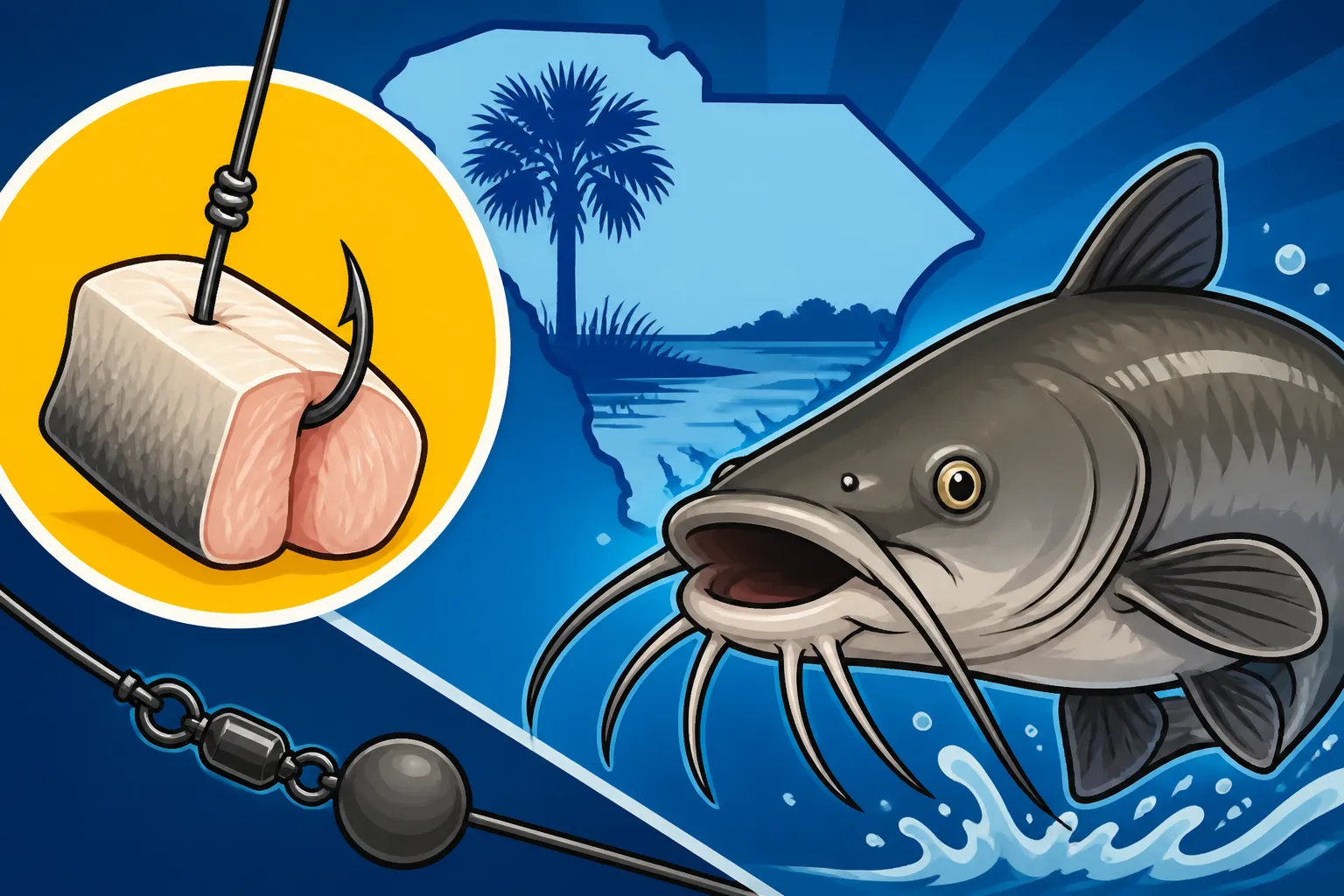
Once you have your baitfish, proper preparation is key. For larger catfish, you'll want to cut your bait into chunks or strips. For example, a medium-sized shad can be cut into 1-inch to 3-inch chunks, often through the backbone, exposing plenty of blood and guts. For very large blue or flathead catfish, some anglers will use whole sides of larger baitfish, or even a full head and tail section. The goal is always to maximize the exposed surface area that releases scent. Use a sharp, sturdy bait knife – you can find excellent options on Amazon, often in a convenient sheath.
For species like channel catfish, smaller chunks or strips, often from the belly meat, can be very effective. It's about matching the hatch, so to speak, to what the local catfish are accustomed to eating. Don’t be afraid to experiment with different sizes and shapes on the same outing until you find what the fish prefer that day. Some anglers even score the flesh of larger chunks to allow for even more scent dispersion.
A quick tip: if you're not using the bait immediately, keep it on ice or in a cooler. Freshness is paramount. While catfish are scavengers, they still prefer bait that hasn't completely putrefied. The goal is strong scent, not necessarily rot. For more general advice, consider reading up on "Best Bait for Summer Catfish Fishing".
Essential Tackle for Cut Bait Catfishing
Your tackle setup needs to be robust enough to handle the powerful strikes and heavy runs of South Carolina's largest catfish. This isn't the time for finesse ultralight gear.
- Rods and Reels: Opt for medium-heavy to heavy action rods, typically 7 to 10 feet long, paired with baitcasting reels that have a strong drag system and high line capacity. Spinning gear can work for smaller channel cats, but for true trophy hunters, a sturdy baitcaster is a must. Brands like Penn or Abu Garcia are popular choices among seasoned catfishermen.
- Fishing Line: Monofilament line in the 20-50 lb test range is a common choice for its shock absorption and abrasion resistance. However, many experienced anglers now prefer braided line (30-80 lb test) due to its superior strength, sensitivity, and smaller diameter. If using braid, a monofilament or fluorocarbon leader is often tied on to provide some stretch and abrasion resistance in rocky areas.
- Hooks: This is critical. Circle hooks are overwhelmingly recommended for catfish, especially when using cut bait, as they are designed to hook fish in the corner of the mouth, leading to fewer gut-hooked fish and easier releases. Sizes typically range from 5/0 to 10/0, depending on your target fish size and bait size. Look for strong, sharp hooks – cheap hooks will bend under pressure. J-hooks can also be used, but require more precise hook-setting timing.
- Weights: You'll need weights to get your bait down to the bottom and keep it there, especially in current. Egg sinkers, pyramid sinkers, or flat bank sinkers are common. Sizes vary from 1/2 oz to several ounces, depending on the depth and current. For example, if you're fishing the swift currents of the Broad River, you'll need significantly more weight than in a calm cove on Lake Greenwood.
- Swivels and Leaders: A strong barrel swivel or a three-way swivel is essential for connecting your main line to your leader and preventing line twist. Leaders should be made of monofilament or fluorocarbon, often 30-80 lb test, and about 12-24 inches long. This adds an extra layer of protection against sharp teeth and abrasive structures. You can easily find packs of high-quality swivels and leader material on Amazon.
When assembling your tackle, think about the fighting power of a 50-pound blue cat. Every component needs to be up to the task.
Essential Rigs and Gear for Catfish Cut Bait
Choosing the right rig is just as important as the bait itself. Different situations call for different setups, and understanding the nuances will significantly improve your success rate. Here, we’ll explore the most popular and effective rigs for cut bait catfishing in South Carolina.
The Carolina Rig: A Bottom-Fishing Staple
The Carolina rig is perhaps the most widely used and effective rig for bottom-feeding catfish, especially when fishing lakes, ponds, or slower-moving rivers. It’s designed to allow your bait to move freely and naturally along the bottom while your weight holds the main line in place.
Here’s how to tie it:
- Main Line: Start with your main line coming off your reel.
- Slide a Sinker: Thread an egg sinker onto your main line. The size will depend on current and depth, but typically 1-3 ounces works well. This sliding sinker is key, allowing a fish to pick up the bait without immediately feeling the weight.
- Add a Bead: After the sinker, slide a small plastic or glass bead onto your main line. This bead acts as a buffer, protecting your knot from the constant banging of the sinker.
- Tie a Swivel: Tie a strong barrel swivel to the end of your main line using a Palomar knot or an improved clinch knot. This is where your leader will attach.
- Attach the Leader: Tie a fluorocarbon or monofilament leader (12-24 inches long) to the other end of the swivel. The leader allows your bait to float or drift slightly above the bottom, giving it a more natural presentation.
- Tie the Hook: Finally, tie your circle hook (or J-hook, if preferred) to the end of your leader. Make sure the hook size matches your bait size.
The Carolina rig is excellent for fishing various bottom structures, from sandy flats to rocky ledges. When a catfish takes the bait, the sliding sinker allows the line to pull freely through, giving the fish time to fully inhale the bait before feeling resistance, which is perfect for circle hooks to do their job. For more on this, check out "How to Bottom Fish for Catfish".
The Santee Cooper Rig: Ideal for Lifted Bait
Developed on the famous Santee Cooper Lakes, this rig is a variation of the Carolina rig designed to keep your cut bait elevated slightly off the bottom. This is particularly effective in areas with soft, mucky bottoms where your bait might get buried, or when you want to present your bait above vegetation or snags.
To tie the Santee Cooper rig:
- Follow Carolina Rig Steps: Begin by tying a standard Carolina rig as described above, up to tying the hook.
- Add a Pegged Float: The key difference is adding a small, cylindrical foam float (often called a peg float or cigar float) to your leader, just a few inches above the hook. You can adjust its position to control how high off the bottom your bait will float. Some anglers use a toothpick or small peg to secure the float in place.
The float lifts your bait, making it more visible and keeping it out of the junk on the bottom. This is incredibly useful in South Carolina's major reservoirs, like Lake Marion or Lake Moultrie, where sediment can be an issue. The added visual appeal can also draw attention from catfish cruising slightly above the bottom. This rig is fantastic for the "Santee Cooper Lakes: South Carolina's Legendary Bass Fishery" which also holds abundant catfish.
Other Useful Rigs and Gear
While the Carolina and Santee Cooper rigs are foundational, a few other elements can enhance your cut bait game:
- Three-Way Swivel Rig: This rig is excellent for fishing in strong currents or when you want to present multiple baits at different depths. One eye of the swivel attaches to your main line, another to a short leader with a weight (often a bank sinker), and the third to a longer leader with your cut bait. This allows the bait to drift more freely in the current.
- Slip Bobber Rig: While not strictly a bottom rig, a slip bobber rig allows you to present cut bait at a precise depth above the bottom, which can be useful when catfish are suspended or when fishing over submerged structure. This is particularly effective for channel catfish in shallower waters or around brush piles.
- Rod Holders: When fishing multiple rods with cut bait, sturdy rod holders are invaluable. They keep your rods secure and positioned for optimal bite detection. You can find durable bank fishing rod holders on Amazon that drive into the ground or attach to pier railings.
- Bait Needles: For larger, tougher baits, a bait needle can help thread your hook through the bait, ensuring it's securely attached and perfectly presented. This minimizes damage to the bait and keeps it on the hook longer.
Putting it All Together: Casting, Placement, and Maximizing Your Bites
Now that you've got your bait prepped and your rig tied, it's time to put it all into action. But simply casting out isn't enough; strategic placement, understanding the bite, and knowing how to react are crucial for consistent success when using cut bait for catfish.
Strategic Casting and Bait Placement
Catfish are often found near structure, ledges, drop-offs, and in current breaks. When using cut bait, you want to place your rig directly in these feeding zones. If you're fishing a river, look for areas where the current slows down, like behind submerged logs, boulders, or river bends. These are ambush points where catfish wait for food to drift by. For instance, if you're targeting those big flatheads in the Congaree River, casting near current seams or deep holes can be incredibly effective.
In lakes and reservoirs, focus on humps, submerged creek channels, points, and areas near fallen trees or brush piles. Many anglers find success by casting multiple lines, each at a slightly different distance or angle, to cover more water and locate where the fish are holding. Remember that catfish often patrol these areas, following scent trails, so a good spread can increase your chances significantly. Don't be afraid to let your bait sit for a while; cut bait works by scent, which takes time to disperse and attract fish. Consider exploring some of "South Carolina's Best Catfish Fishing Spots" to find prime locations.
Understanding the Bite and Setting the Hook
One of the most common frustrations for new catfishermen is knowing when to set the hook. With cut bait and circle hooks, the technique is often counter-intuitive to what many anglers are used to. When a catfish takes the bait, you'll typically see your rod tip start to bend, or your line will start to move steadily. The crucial part: do not set the hook by yanking the rod.
Instead, let the fish take the bait and swim off. The circle hook is designed to rotate and catch in the corner of the fish's mouth as the line tightens. Once you see a steady pull or your rod tip is fully bent, simply begin reeling steadily while applying gentle pressure, lifting the rod tip slightly to ensure the hook seats itself. This allows the circle hook to do its job, resulting in solid hookups and minimizing gut-hooked fish. It takes a little practice to trust the circle hook, but it's a game-changer for catfish safety and your success rate.
Dealing with Common Challenges and Maximizing Success
Even with the perfect rig, you'll encounter challenges. "Bait stealers" like smaller panfish or turtles can quickly strip your cut bait. If this is a persistent problem, try increasing your bait size or opting for tougher pieces of meat. Sometimes, simply moving to a different spot can alleviate the issue.
Current is another factor. In strong currents, your bait might not stay put. Increase your weight size to hold the bottom, or consider using a Three-Way Swivel Rig, which allows your bait to dance more naturally with the flow while the weight is anchored. Conversely, in slack water, a Santee Cooper rig can lift your bait above bottom debris and make it more visible. "How to Anchor for Catfish in Current" can provide more in-depth strategies.
Weather and seasonal changes also impact catfish behavior. For instance, "Catfish Fishing Techniques for South Carolina Lakes in Summer" might involve fishing deeper holes during the heat of the day, while cooler months might find fish holding in different areas. Always consult a local fishing report or knowledge from experienced anglers to adapt your approach.
Here’s a quick overview of rigging considerations:
| Rig Type | Ideal Conditions | Bait Presentation | Pros | Cons |
|---|---|---|---|---|
| Carolina Rig | Lakes, slow rivers, varied bottoms | On or near bottom, natural drift | Versatile, natural presentation, good for big fish | Can get buried in soft mud |
| Santee Cooper Rig | Mucky bottoms, submerged vegetation, current | Elevated off bottom, highly visible | Prevents bait burial, excellent scent dispersion | Requires an extra float |
| Three-Way Swivel | Strong currents, presenting multiple depths | Drifts freely with current, stable weight | Good for active fish in moving water | Can be prone to tangles if not tied well |
| Slip Bobber | Suspended fish, varying depths, shallow areas | Anywhere in water column, adjustable depth | Allows precision depth, can cover open water | Less effective for deep bottom fishing |
Remember, consistency is key. Keep your hooks sharp, your knots strong, and your bait fresh. With these techniques and a little patience, you'll be well on your way to catching those legendary South Carolina catfish using cut bait.
Disclaimer
This article is for general informational purposes only and does not constitute professional advice. Laws, prices and regulations vary by location and change over time. Consult a qualified professional for guidance on your specific situation.