Gigging Prohibited From December Through February
It can be incredibly frustrating to hit the water, ready for a day of fishing, only to realize you're unknowingly breaking a regulation. One common point of confusion for many anglers in the Palmetto State revolves around the winter gigging ban for spotted seatrout. This guide is here to clear up exactly what that ban entails, why it’s in place, and how you can still enjoy fantastic fishing during those colder months without running afoul of the rules.
Understanding the South Carolina Seatrout Gigging Ban
If you love chasing spotted seatrout along the South Carolina coast, it's absolutely crucial to understand that come winter, one specific method of harvest is put on hold. This isn't just a suggestion; it's a critical conservation measure designed to protect these popular inshore game fish when they are most vulnerable.
The Specific Dates and Species Affected
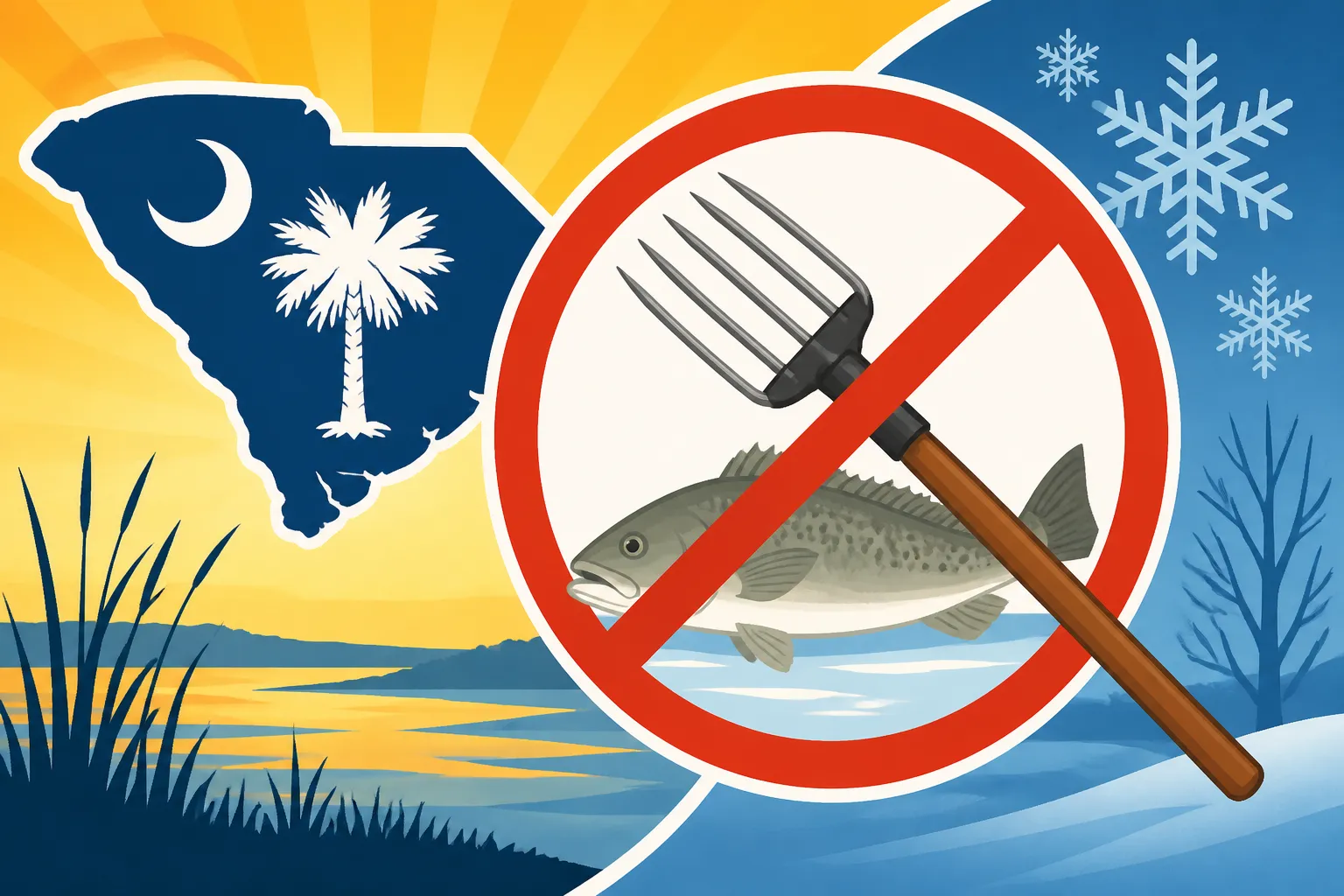
The gigging prohibition for spotted seatrout in South Carolina runs annually from December 1st through the last day of February. This means that during those three months – December, January, and February – you cannot harvest spotted seatrout using a gig. It's really specific, only applying to the act of gigging and only for spotted seatrout. Other species are not affected by this particular rule, and you can still catch spotted seatrout using other legal methods. The South Carolina Department of Natural Resources (SCDNR) implements these measures to ensure the long-term health of our fisheries, especially for species like the delicate spotted seatrout. For a full rundown on all the rules, it's always a good idea to check out the official sources, but this specific closure is one of the more significant ones to remember if you're out looking for "specks" during winter. You can learn more about general rules in the South Carolina Fishing Seasons Guide.
During these colder months, spotted seatrout exhibit different behaviors than they do in warmer parts of the year. As water temperatures drop, these fish become less active and tend to congregate in deeper, warmer pockets within estuaries, creeks, and river systems. They're trying to conserve energy and find thermal refuge, making them easier to locate and, unfortunately, easier to harvest in large numbers if certain methods were permitted. This concentration makes them particularly susceptible to overfishing, which could have devastating effects on their populations for years to come. The ban is a direct response to this natural vulnerability, acting as a protective shield during a critical period for the species.
What "Gigging" Actually Means
For those new to coastal fishing or unfamiliar with the term, "gigging" refers to a specific method of fishing that involves impaling fish with a multi-pronged spear, or "gig." This technique is typically done at night, often with the aid of bright lights, from a boat in shallow waters or while wading. Anglers actively search for fish in the clear, shallow water, and once a target is spotted, they use the gig to spear it. It's a highly visual and often very effective way to harvest fish, especially those that are either stationary or moving slowly in shallow water.
The equipment is pretty straightforward: usually a long pole with several sharp prongs at the end, coupled with powerful lights that illuminate the shallow bottom. You might see folks out on a flat-bottom boat, slowly cruising the marsh edges or mudflats, shining lights into the water. When they see a flounder or a redfish, they'll make their move. However, when it comes to spotted seatrout, even though they might be visible in the shallows during other times of the year, this method is off-limits during the specified winter months. This distinction between gigging and other forms of fishing, like traditional rod and reel, is key to understanding the regulation. While you can typically gig for flounder and other species in South Carolina, the spotted seatrout are given a specific reprieve during this critical time.
Why the Gigging Ban Exists in South Carolina
The South Carolina Department of Natural Resources (SCDNR) doesn't just put these bans in place on a whim. There's a lot of science and careful consideration that goes into every regulation, all with the goal of protecting our precious marine resources for current and future generations of anglers.
Protecting Vulnerable Wintering Seatrout Populations
The primary reason for the winter gigging ban on spotted seatrout is directly tied to their behavior and vulnerability in colder temperatures. As winter descends on the South Carolina coast, water temperatures in the shallow estuaries drop significantly. Spotted seatrout, being a somewhat delicate species compared to, say, a robust redfish, become less active and seek out warmer, deeper holes and channels. These "wintering holes" can be critical congregation points where large numbers of fish gather to escape the cold.
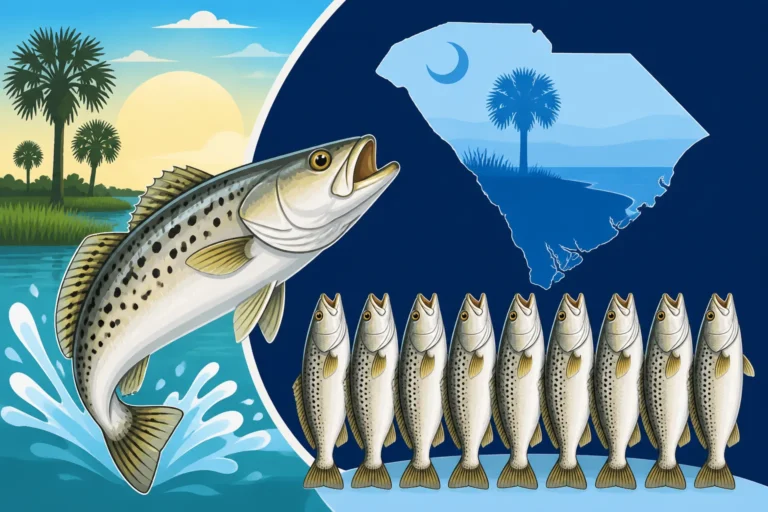
When these fish are grouped together in these predictable locations, they become incredibly easy targets for gigging. Think about it: they're sluggish, concentrated, and often visible in the clear water under bright lights. Allowing gigging during this period could lead to rapid overharvesting of these crucial winter aggregations. This isn't just about catching a few extra fish; it could decimate local populations and severely impact future spawning success. SCDNR understands that a healthy spawning stock is the backbone of a sustainable fishery, and protecting these vulnerable wintering fish is paramount to ensuring there are plenty of spotted seatrout for anglers to enjoy year after year. This conservation effort highlights the state's proactive approach to maintaining its diverse fish populations, including rules like the South Carolina Spotted Seatrout Daily Bag Limit of 10 Fish and the South Carolina Spotted Seatrout Minimum Size 14 Inches.
Conservation Efforts and Sustainable Fisheries Management
The gigging ban is a prime example of South Carolina's broader commitment to sustainable fisheries management. The SCDNR constantly monitors fish populations, studies their life cycles, and gathers data from anglers and commercial fishermen alike. Regulations like this ban are not arbitrary; they are data-driven decisions made to balance recreational and commercial fishing opportunities with the ecological needs of the species. It's a delicate dance, ensuring that we can all enjoy the thrill of the catch without depleting the natural resources that make South Carolina a premier fishing destination.
Beyond just the spotted seatrout, these conservation efforts apply to a wide range of species. For instance, you see similar protective measures, albeit different ones, for other popular fish like redfish, with specific South Carolina Redfish Slot Limit Rules designed to protect their spawning stock. By implementing seasonal closures for specific methods, the state aims to reduce fishing pressure during critical times, allowing fish populations to recover and thrive. This ensures that generations to come will still have vibrant ecosystems and abundant fish to pursue, whether you're fishing inshore or offshore. It's about being responsible stewards of our natural world, ensuring that the beauty and bounty of our waters remain for everyone to appreciate.
Alternatives to Gigging During the Winter Ban
Just because you can't gig for spotted seatrout during December, January, and February doesn't mean you have to hang up your fishing hat. In fact, these months offer some fantastic opportunities for other types of fishing. It's all about adapting your techniques and targeting.
Successful Rod-and-Reel Techniques for Winter Seatrout
If catching spotted seatrout is still your goal, don't worry! You absolutely can. It just requires a change in tactics. During the winter, seatrout tend to move slower and often hold in deeper water, so your approach needs to reflect that. The key is to slow down your retrieve and present baits where the fish are congregating.
One of the most effective methods is fishing with live bait, particularly live shrimp, which you can often find at local bait shops even in winter. Rig a live shrimp under a popping cork, but instead of aggressively popping it, try a much gentler, slower retrieve, letting the shrimp do most of the work. Alternatively, a "bottom rig" with a small weight and a fluorocarbon leader, tipped with a live shrimp, mud minnow, or even a small piece of cut bait, can be incredibly effective when dropped directly into those deeper holes or along channel edges. For those who prefer artificials, soft plastic lures on light jig heads (1/8 to 1/4 ounce) are fantastic. Colors like natural shrimp, root beer, or pearl often work well. The trick is to bounce these lures very slowly along the bottom, mimicking a sluggish or injured baitfish. Think subtle twitches and long pauses, letting the jig fall slowly. Many anglers find success with Gulp! Shrimp from Berkeley, often available on platforms like Amazon, which offer scent and action that fish find irresistible even when they're not actively feeding. Remember, consistency in finding those deeper, warmer spots is crucial. Look for areas with dark mud bottoms, oyster beds, or submerged structure in protected creeks and rivers. You can learn more about how to do this in How to Catch Spotted Seatrout in South Carolina During the Gigging Ban.
Targeting Other Species During the Winter Months
While seatrout gigging is off the table, South Carolina's diverse waters offer plenty of other fantastic fishing opportunities in winter. Many anglers actually look forward to this time of year for targeting other popular species that thrive in cooler conditions.
Redfish (Red Drum): Redfish are incredibly resilient and remain active throughout the winter. Like seatrout, they often school up in large numbers in shallow, protected creeks and flats. On sunny, mild days, you might even find them "tailing" in the mud, rooting for fiddler crabs and other crustaceans. Fly anglers and sight-casters cherish these clear, calm winter days for stalking redfish. For traditional bait fishing, cut mullet, shrimp, or mud minnows on a weedless jig head or a Carolina rig are very effective. Focus on oyster beds, shallow mudflats adjacent to deeper channels, and marsh grass edges on a falling tide.
Sheepshead: These "convict fish" are a winter favorite. Sheepshead are structure-oriented fish, meaning you'll find them around docks, piers, jetties, rock piles, and bridge pilings, especially where barnacles and oysters are present. They're notoriously finicky eaters, requiring small hooks and patient angling. Fiddler crabs, oyster pieces, or barnacles are the baits of choice, fished directly next to the structure with minimal weight. The bite can be incredibly subtle, so a sensitive rod is key. Many anglers choose specific sheepshead jigs from brands like Z-Man, which can also be easily found on Amazon.
Black Drum: Similar to redfish and sheepshead, black drum are often found in the same inshore areas, particularly around oyster beds and deeper channels. They respond well to cut bait (shrimp, blue crab pieces) on a bottom rig. They can grow quite large, offering a powerful fight, and are also delicious table fare.
Trout (Freshwater): Don't forget about freshwater options! If you're in the Upstate, winter can be prime time for trout fishing in the cold mountain streams, especially for stocked rainbow and brown trout. Check out streams like the Chattooga River or the Eastatoe Creek. Fly fishing with nymphs or small streamers, or spin fishing with small inline spinners or PowerBait, can yield excellent results. For more details on freshwater opportunities, consider checking out the South Carolina Freshwater Fishing Calendar.
Consequences of Violating the Gigging Ban
Ignoring fishing regulations, even if it feels like a minor oversight, can lead to serious consequences. The SCDNR takes conservation efforts very seriously, and violations of the spotted seatrout gigging ban are no exception.
Penalties and Enforcement
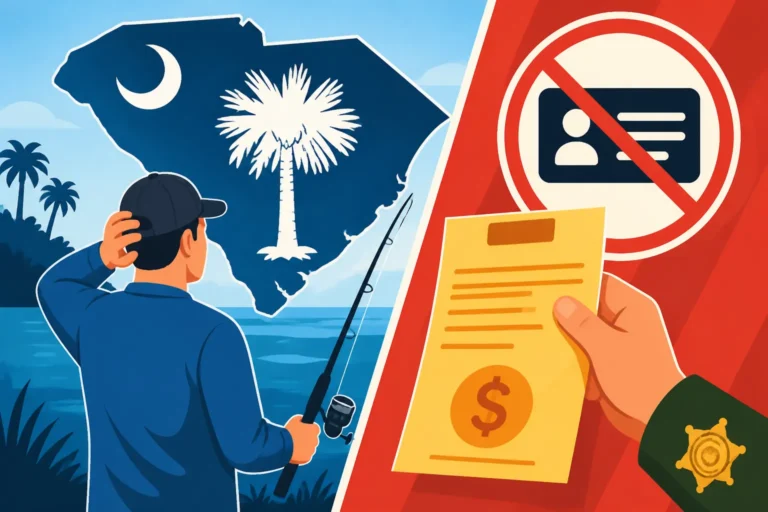
Getting caught gigging for spotted seatrout during the prohibited season carries legal ramifications. While the exact penalties can vary depending on the severity of the offense, multiple factors, and whether it's a first-time or repeat violation, you can expect to face significant fines. These fines can range from several hundred dollars to potentially thousands. Beyond monetary penalties, offenders could also face the forfeiture of their fishing gear (including their gig, boat, and lights), and even the suspension or revocation of their South Carolina fishing license. This means you wouldn't be allowed to fish in the state for a certain period, which for a passionate angler, is a tough pill to swallow. Enforcement is conducted by SCDNR law enforcement officers, who patrol coastal waters by boat and often perform checks at boat ramps and popular fishing areas. They are highly trained and vigilant, and simply saying "I didn't know" is generally not an acceptable defense. The state is quite clear about Penalties for Fishing Without a License in South Carolina, and violating other regulations is treated with similar gravity.
Imagine spending an evening out on the water, thinking you're just enjoying a peaceful night, only to be approached by an SCDNR boat. A check reveals you're gigging for seatrout in January. Suddenly, your peaceful night turns into a costly court appearance, a hefty fine, and the inconvenience of potentially losing your ability to fish for months or even years. It's a risk simply not worth taking when so many other legal and enjoyable fishing methods are available during the winter. Remember, these officers are out there to protect the resource, and they are not afraid to enforce the rules for everyone's benefit.
The Broader Impact on Fisheries and Angler Reputation
Beyond the immediate legal and financial hit, violating fishing regulations, especially a conservation-focused ban like this one, has broader, more damaging impacts. When individuals ignore rules designed to protect vulnerable fish populations, they contribute to the overexploitation of the species. This can lead to a decline in fish numbers, smaller average sizes, and a reduced overall health of the fishery. If enough people disregarded the gigging ban, the spotted seatrout population could suffer significantly, eventually leading to stricter regulations for everyone, or even a complete closure of the fishery for a period.
Furthermore, illegal fishing activity tarnishes the reputation of the entire angling community. The vast majority of fishermen are ethical, conservation-minded individuals who respect the rules and want to see healthy fish populations thrive. When a few bad apples break the law, it casts a shadow over everyone, potentially leading to negative public perception and making it harder for responsible anglers to advocate for their interests. It undermines the very foundation of sustainable sportfishing. Responsible anglers understand that adhering to rules like Gigging Restrictions for Seatrout Explained is not just about avoiding a ticket; it's about being a good steward of the environment and ensuring that the joy of fishing can be passed down through generations.
South Carolina Spotted Seatrout Gigging Ban Overview
Here's a quick summary of the key points regarding the South Carolina spotted seatrout gigging ban:
| Feature | Details |
|---|---|
| Species Affected | Spotted Seatrout (also known as "speckled trout") |
| Prohibited Method | Gigging (impaling fish with a multi-pronged spear, typically at night with lights) |
| Ban Period | Annually from December 1st through the last day of February |
| Reason for Ban | To protect vulnerable spotted seatrout when they congregate in deeper, warmer waters during winter, making them highly susceptible to overharvest by gigging. Aims to ensure sustainable populations for future years. |
| Legal Alternatives | Rod-and-reel fishing (using appropriate baits and techniques for slow, cold-water presentations), targeting other species (redfish, sheepshead, black drum, freshwater trout) |
| Consequences of Violation | Significant fines, potential forfeiture of gear (gig, boat, lights), suspension or revocation of fishing license. Contributes to resource depletion and harms angler reputation. |
| Conservation Goal | To promote responsible fisheries management and ensure healthy, thriving spotted seatrout populations for generations of South Carolina anglers. |
Navigating South Carolina's Fishing Regulations with Confidence
Understanding fishing regulations in South Carolina might seem like a daunting task at times, but it's a vital part of being a responsible angler. The winter gigging ban for spotted seatrout from December through February is a prime example of a regulation designed with the long-term health of our fisheries in mind. While it means adjusting your methods for a few months, it opens the door to exploring other exciting techniques and targeting different species that thrive in the cooler waters.
Whether you're slowly bouncing a soft plastic for a winter trout, trying your hand at sheepshead around bridge pilings, or sight-casting for schooling redfish on a sunny flat, South Carolina offers abundant opportunities. Remember that adhering to rules like this ban, as well as checking the latest South Carolina Fishing License Requirements in South Carolina and understanding all other relevant regulations, not only keeps you out of trouble but also actively contributes to the conservation efforts that preserve the rich fishing heritage of our state. So, gear up, choose your alternative methods wisely, and continue to enjoy the fantastic fishing South Carolina has to offer, all year long.
Disclaimer: Fishing regulations can change. While every effort has been made to provide accurate and up-to-date information, it is the angler's responsibility to verify current rules and regulations with the South Carolina Department of Natural Resources (SCDNR) before fishing. This guide is for informational purposes only and should not be considered legal advice.