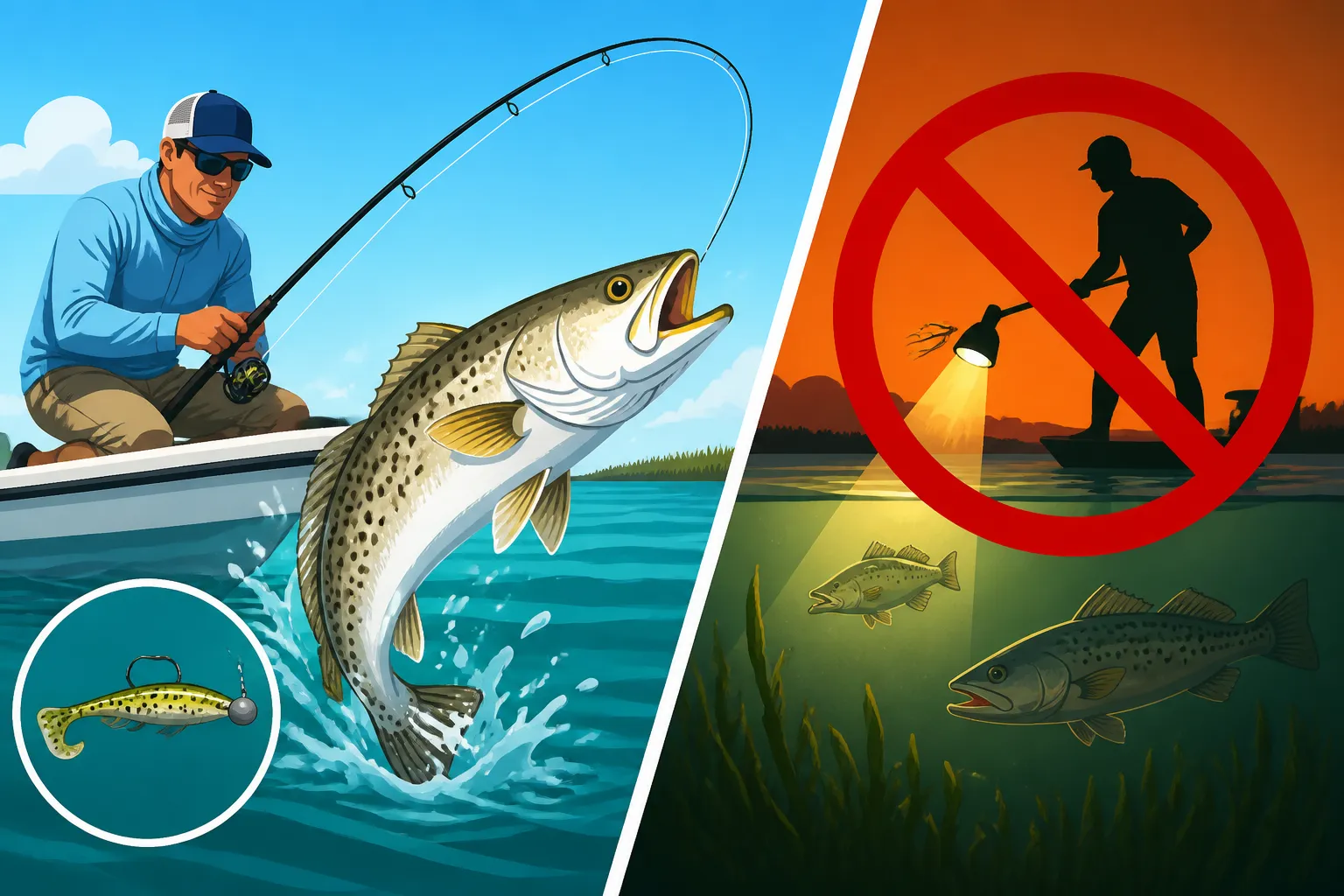
How to Catch Spotted Seatrout in South Carolina During the Gigging Ban
It's incredibly frustrating when you're geared up for some prime winter fishing, only to hit a snag with regulations like South Carolina's spotted seatrout gigging ban. Many anglers feel like their hands are tied when the temperatures drop and the gigging lights are supposed to stay dark, wondering if there’s even a point in heading out. But trust me, you absolutely can still catch plenty of spotted seatrout in South Carolina during the colder months, even without a gig. This comprehensive guide is here to walk you through exactly how to adapt your tactics, select the right gear, and find those elusive winter seatrout using traditional rod and reel methods, ensuring your winter fishing adventures are still fruitful.
Understanding South Carolina's Seatrout Gigging Ban
Let's address the elephant in the room first: the gigging ban. It's a regulation that causes a lot of head-scratching and disappointment for those who love targeting spotted seatrout with a gig during the colder nights. The frustration is totally understandable; you've got your boat, your lights, and your keen eye ready to go, only to be told it's a no-go for a significant part of the winter. But understanding why the ban exists can help us appreciate the conservation efforts behind it and pivot to other effective strategies.
Why the Gigging Ban Exists
The primary reason behind the South Carolina's Winter Gigging Ban for Seatrout is conservation. During the colder months, specifically from December through February, spotted seatrout in South Carolina waters tend to school up in deeper, warmer pockets of water, often becoming less active. This makes them particularly vulnerable to gigging, which is a highly effective method when fish are concentrated and lethargic. The South Carolina Department of Natural Resources (SCDNR) implements this ban to protect these concentrated populations, especially the larger, more mature breeding stock, ensuring the sustainability of the fishery for years to come. It’s all about giving the fish a chance to weather the winter without excessive pressure, allowing them to disperse and reproduce come spring. While it might feel like a personal inconvenience, it’s a vital step in maintaining healthy fish populations.
Key Dates and Restrictions
The South Carolina Spotted Seatrout Gigging Ban Dates are typically in effect from December 1st through the end of February each year. During this three-month period, it is illegal to harvest spotted seatrout by gigging in all South Carolina waters. This means no impaling fish with a multi-pronged spear, whether from a boat, pier, or by wading. However, and this is crucial for our discussion, the ban does not apply to traditional rod and reel fishing methods. So, while you can't gig, you can absolutely still cast a line and catch them. It's a common misconception that the ban means no seatrout fishing at all in winter, but that’s simply not the case. You can continue to target them, provided you adhere to the standard Spotted Seatrout Size and Bag Limits in South Carolina and use legal fishing methods. The distinction between gigging and rod-and-reel fishing is a critical one, and it's what opens up opportunities for winter anglers willing to adapt.
Essential Gear for Winter Rod and Reel Seatrout Fishing
Once you’ve made peace with the gigging ban, the next step is to equip yourself properly for rod and reel fishing. Winter seatrout can be a bit more finicky and less aggressive than their warm-water counterparts, so having the right tackle and bait makes all the difference. You're not going for brute strength here; you're going for finesse, sensitivity, and presentation. Thinking about how the fish behave in colder water is key to selecting your setup.
Rods, Reels, and Line Selection
For winter spotted seatrout, light to medium-light spinning gear is your best friend. A 6'6" to 7' fast-action spinning rod provides the sensitivity needed to detect subtle bites in cold water, where fish often just "mouth" the bait. Pair this with a 2500 or 3000 series spinning reel. Brands like Shimano, Daiwa, or Penn offer excellent options that are durable and smooth, which you can easily find on platforms like Amazon. The goal is a balanced setup that allows for long, accurate casts with lighter lures while still having enough backbone to handle a decent-sized trout.
For line, a braided line of 10-15 lb test is ideal for its sensitivity and minimal stretch. This allows you to feel those faint taps even when fishing in deeper water or with a longer cast. Remember, in cold water, fish might not hammer your lure; sometimes it's just a slight increase in pressure or a subtle twitch of the line. Tie on a fluorocarbon leader of 15-20 lb test, about 2-3 feet long. Fluorocarbon is nearly invisible underwater, which is a huge advantage when fishing for cautious winter trout, and its abrasion resistance helps against oyster shells or rough structures. You want that stealth factor, especially when the water is clear and the fish are less aggressive.
Lures and Baits That Perform
This is where you truly adjust your strategy for How to Catch Spotted Seatrout in South Carolina During the Gigging Ban. Forget the aggressive topwater blow-ups of summer; winter seatrout are usually holding deeper and require a slower, more subtle presentation.
- Soft Plastics: These are arguably the most versatile and effective winter seatrout lures. Think paddle tails, jerk shads, or grubs in sizes ranging from 3 to 4.5 inches. Colors like chartreuse, white, pearl, clear with glitter, or a "new penny" (copper/gold flake) are often highly productive. The key is to rig them on lightweight jig heads, typically 1/8 to 1/4 ounce, sometimes even lighter if the current allows. This slow fall and subtle action are irresistible to lethargic trout. You can find a huge variety of these, along with compatible jig heads, on Amazon, from brands like Z-Man or Gulp! by Berkley.
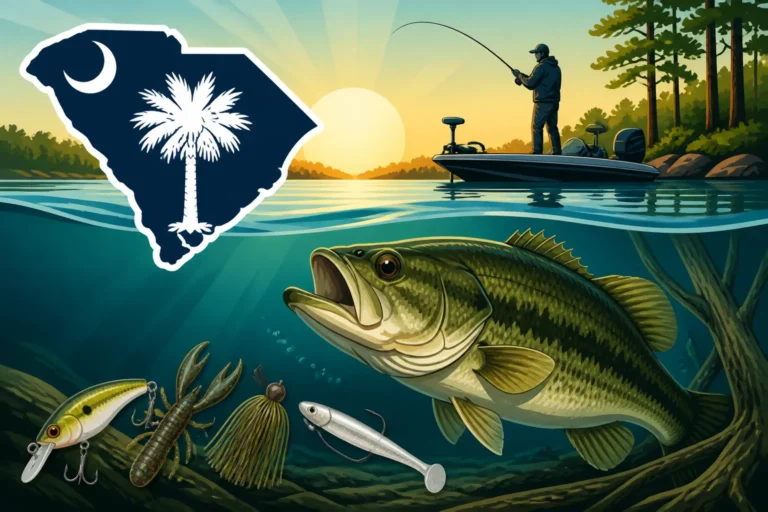
- Sinking Plugs: MirrOlure (specifically the MirrOdine or 52M series) are classic winter trout killers. These hard baits suspend or slowly sink, mimicking injured baitfish. Work them with a twitch-pause retrieve, allowing them to hang in the strike zone for a moment. Their realistic profiles and subtle movements are deadly.
- Live Bait: When in doubt, live bait is hard to beat, especially in winter. Live shrimp, mud minnows, or small finger mullet are absolute magnets for seatrout. Present them under a popping cork if the water isn't too deep, or, more commonly in winter, on a Carolina rig or a simple jig head rig fished near the bottom. The natural movement and scent of live bait can entice even the most reluctant fish.
- Scent Additives: Given the slower metabolism of winter fish, adding a scent attractant to your soft plastics or even live bait can give you an edge. Products like Pro-Cure or Fishbites can make a significant difference, providing that extra olfactory appeal that encourages a bite.
Proven Techniques for Targeting Seatrout in Winter
Now that you've got your gear sorted, let's talk about how to actually get those spotted seatrout to bite during the colder months when they're not as active. It’s all about understanding their winter behavior and presenting your bait or lure in a way that appeals to their slower metabolism. Remember, patience is a virtue, especially when the water is cold.
Fishing Deeper Holes and Channels
One of the most critical aspects of How to Catch Spotted Seatrout in South Carolina During the Gigging Ban is locating where they congregate. As water temperatures drop, seatrout seek out warmer, more stable environments. This means they'll often move from shallow flats into deeper holes, channels, and creek mouths. These areas act as thermal refuges, offering slightly warmer water and protection from harsh cold fronts.
Look for areas where feeder creeks dump into larger estuaries, especially on an outgoing tide. The deeper pockets in these channels, often ranging from 5 to 15 feet, can hold large schools of trout. Oyster beds adjacent to these deeper channels are also prime targets, as they provide structure and hold small baitfish. Similarly, docks, bridges, and other structures that provide cover and depth can be excellent ambush points. Use your fishfinder to pinpoint these deeper depressions and bait concentrations. A common scenario might be targeting a 10-foot deep channel bend where the current is a bit slower, allowing trout to conserve energy while waiting for an easy meal.
Slow Retrieves and Subtle Presentations
Winter trout aren't chasing down fast-moving prey. Their metabolism is slowed, and they prefer an easy meal. This demands a slower retrieve and a more subtle presentation from you.
- Jigging Soft Plastics: Cast your soft plastic lure (on a lightweight jig head) to the edge of a deep channel or hole. Let it sink all the way to the bottom. Then, use a slow, subtle lift-and-drop retrieve. Think of it less as a vigorous jigging motion and more as a gentle hop or drag along the bottom. The goal is to imitate a stunned or injured baitfish that's struggling to swim. The bites will often feel like a light "thump" or simply added weight on your line. It’s imperative to be constantly in touch with your lure.
- Suspending Lures: If you're using sinking or suspending plugs like the MirrOlure, cast it out and let it sink to your desired depth. Then, retrieve it with a series of gentle twitches, followed by a pause. The pause is critical in cold water; it gives the trout time to react to the lure hanging enticingly in their strike zone. Sometimes, the fish will hit it on the pause as it slowly rises or falls.
- Live Bait Rigs: When using live shrimp or mud minnows, a simple Carolina rig or a free-lined bait (with minimal weight) can be incredibly effective. Cast it near deep structure or channel edges and allow the bait's natural movements to attract attention. The key is to let the bait do the work and not retrieve too quickly. Imagine a struggling shrimp slowly drifting by – an easy target for a hungry, but sluggish, trout.
Reading the Tides and Weather
Tides play a significant role in winter seatrout fishing, just as they do any other time of year, but perhaps with a slightly different emphasis. During the colder months, a strong incoming or outgoing tide can concentrate baitfish, which in turn draws in trout. However, extreme tidal movements might make it harder for trout to hold in one spot, so look for periods of slack tide or gentler current in those deeper holes.
Additionally, pay close attention to weather patterns. Clear, sunny days following a cold front can make fishing tough, as the water can be clearer and colder, making fish even more wary. Overcast days, or those with a consistent barometric pressure, can often be more productive. The hour or two before a cold front arrives, when the barometer is steadily dropping, can also trigger a feeding frenzy. Think about when the fish might be most comfortable and therefore most willing to feed. This often means fishing later in the day after the sun has had a chance to warm the water slightly, or during those stable weather windows.
Finding the Best Winter Seatrout Spots
Even with the gigging ban in full swing, finding productive fishing grounds for spotted seatrout isn't impossible. It just requires a shift in perspective, moving away from the shallow grass flats of warmer months and focusing on areas that provide depth, cover, and a stable environment. When Why Gigging Gets Banned but Rod-and-Reel Fishing Doesn't comes up, remember it's all about fish behavior and vulnerability.
Deep Creeks and Estuary Channels
As mentioned earlier, deeper water is where winter seatrout seek refuge. This makes the deeper sections of tidal creeks and estuary channels absolute hotspots. These aren't necessarily the largest rivers, but rather the meandering creeks that branch off bigger waterways like the Cooper River or the Waccamaw River. Look for areas where the creek bends sharply or where it bottlenecks, creating natural deep pockets. These spots often have current breaks where fish can lie in wait without expending too much energy.
Consider mapping out several such areas on your GPS or a marine chart before you go. The trick is to identify the sections that maintain a depth of 5-15 feet consistently throughout the tide cycle. On a quiet winter morning, you might find a school of trout holding tight to the bottom in an 8-foot-deep channel, barely moving. A perfectly presented soft plastic or a slowly retrieved MirrOlure can be incredibly effective in these settings. Places near Murrells Inlet or Mount Pleasant, where numerous creeks wind through the marsh, offer countless opportunities for this type of fishing.
Oyster Bars and Shell Rakes Near Depth
Oyster bars and shell rakes are fish magnets year-round, but in winter, their importance is amplified when they are situated close to deeper water. These structures provide essential habitat for small crustaceans and baitfish, which in turn attract hungry seatrout. The rough texture of the oyster shells also helps to break up current and create eddies, offering protected spots for fish to hold.
When targeting these areas in winter, focus on the edges of the oyster bars that drop off into deeper channels or holes. The trout won't be sitting on top of the exposed oysters; they'll be just off the edge, ready to dart out and grab a meal. Cast your lure or bait past the oyster bar and retrieve it slowly along the drop-off. You might need to experiment with how close to the oysters you fish, as too close could mean snags, but too far could mean missing the strike zone. This is where a fluorocarbon leader really shines, providing both stealth and some abrasion resistance against the sharp shells. A good example would be targeting the vast oyster banks in Charleston Harbor, specifically where they transition into the main shipping channels.
Docks and Piers with Deep Water Access
While piers might seem like a summer activity, those with access to deep water can be productive in winter for rod and reel anglers. Similarly, private docks on deeper creeks and canals can hold good numbers of fish. The pilings and associated structure offer cover and protection from currents, and often, deeper water is readily available nearby.
Fishing from a pier means you might need to adjust your casting technique to reach those deeper channels or holes. Use heavier jig heads if necessary to get your lure down quickly, or opt for a Carolina rig with live bait. For dock fishing, focus on the shady side or areas with structure like boat lifts or submerged pilings. Cast your lure parallel to the dock or just past it, allowing it to sink and then working it slowly back. The key is to be patient and thoroughly work any promising structure. Remember, you might not be the only one out there, so be respectful of other anglers and private property. Consider checking out areas around Hilton Head Island where many residential docks line deeper waterways.
| Lure/Bait Type | Recommended Size/Weight | Key Retrieve Technique | Best for Conditions | Notes |
|---|---|---|---|---|
| Soft Plastic Paddle Tails | 3-4.5 inches, 1/8 – 1/4 oz jig head | Slow, subtle hop/drag on bottom | Deeper channels, low current | Versatile, good scent retention |
| Sinking Plugs (e.g., MirrOlure MirrOdine) | 2-3.5 inches | Twitch-pause, allow to suspend | Moderate depth, clear water | Mimics injured baitfish, classic choice |
| Live Shrimp | Medium size | Free-lined, Carolina rig, light jig head | Deep holes, any current | Natural scent and action, very effective |
| Mud Minnows / Finger Mullet | 2-3 inches | Carolina rig, free-lined with float | Deeper structures, current breaks | Hearty, good for targeting larger fish |
| Scent Additives | N/A | Apply to soft plastics or live bait | All conditions, especially slow bite | Enhances attraction, crucial in cold water |
Adapting Your Approach for Cold-Water Trout
Successfully catching spotted seatrout during the gigging ban isn't just about finding the right spots and using the right gear; it's also about truly understanding and adapting to their behavior in colder water. This means slowing down your entire approach and thinking like a cold-blooded predator.
Slower Metabolism, Slower Bites
When water temperatures drop below 60 degrees Fahrenheit, and especially below 55, spotted seatrout, like most cold-blooded fish, experience a significant slowdown in their metabolism. This means they digest food slower, require less energy, and are generally less inclined to chase down a meal. You won't see the aggressive, slashing strikes often associated with warmer months. Instead, bites will be subtle – a light tap, a feeling of added weight, or just a slight twitch of your line.
This is why sensitivity in your rod and line is paramount. You need to be able to feel these almost imperceptible takes. It also means you need to be incredibly patient. Don't be quick to retrieve your lure or bait if you don't feel a strong bite right away. Often, a trout will mouth a bait for a few seconds before committing. Hold your rod tip high to maintain a tight line, and watch your line for any unnatural movement. Think about what the South Carolina Spotted Seatrout Daily Bag Limit of 10 Fish means for conservation; targeting these slower-moving fish ethically is key.
The Importance of Water Temperature
While you can't control the water temperature, understanding its impact on trout behavior can help you plan your fishing trips. Even a few degrees difference can dictate where fish hold and how willing they are to feed. After a prolonged period of cold weather, a few days of sunshine can warm up shallow, dark-bottomed creeks or mudflats just enough to attract baitfish, and consequently, trout looking for an easy meal.
Conversely, a sudden drastic drop in temperature can shock the fish, making them completely shut down for a day or two. If possible, try to fish during the warmest part of the day, typically late morning to mid-afternoon, when the sun has had a chance to penetrate the water. This also means paying attention to South Carolina Free Fishing Days in 2026 and other events, as these can be great times to practice new techniques and see how fish react to different conditions without the pressure of a license.
Ethical Angling and Conservation
Even during the gigging ban, responsible angling practices remain crucial. Because spotted seatrout are often schooled up and vulnerable in deeper holes during winter, it’s easy to catch a lot of fish quickly if you hit the right spot. While the daily bag limit is generous, consider practicing catch and release, especially for the larger "gator" trout which are valuable breeders.
Handle fish gently, especially in cold weather when their recovery time can be longer. Use a de-hooking tool to minimize damage, and if you plan to release, try to keep the fish in the water as much as possible. These conservation-minded actions ensure that the fishery remains healthy and robust for future generations, long after the South Carolina's Winter Gigging Ban for Seatrout is lifted. By being thoughtful about how we fish, we contribute to the long-term enjoyment of South Carolina's incredible natural resources.
Disclaimer
Fishing regulations, including bag limits, size restrictions, and seasonal closures, can change. Always consult the latest official South Carolina Department of Natural Resources (SCDNR) regulations before heading out to fish. This guide is for informational purposes only and does not constitute legal advice.