Hilton Head Seabass Fishing Trips
The enchanting waters surrounding Hilton Head Island call to many anglers, promising unforgettable experiences. While many dream of battling big reds in the marshes or powerful king mackerel offshore, there's another incredible species that consistently delivers exciting action and delicious table fare: the enigmatic seabass. If you're pondering a trip to reel in these feisty bottom dwellers, you're likely wondering what a dedicated Hilton Head seabass fishing trip actually entails, from choosing the right boat to the techniques you'll use. This guide will meticulously break down everything you need to know to plan your ultimate seabass adventure in the Lowcountry.
The Allure of Seabass Fishing in Hilton Head's Waters
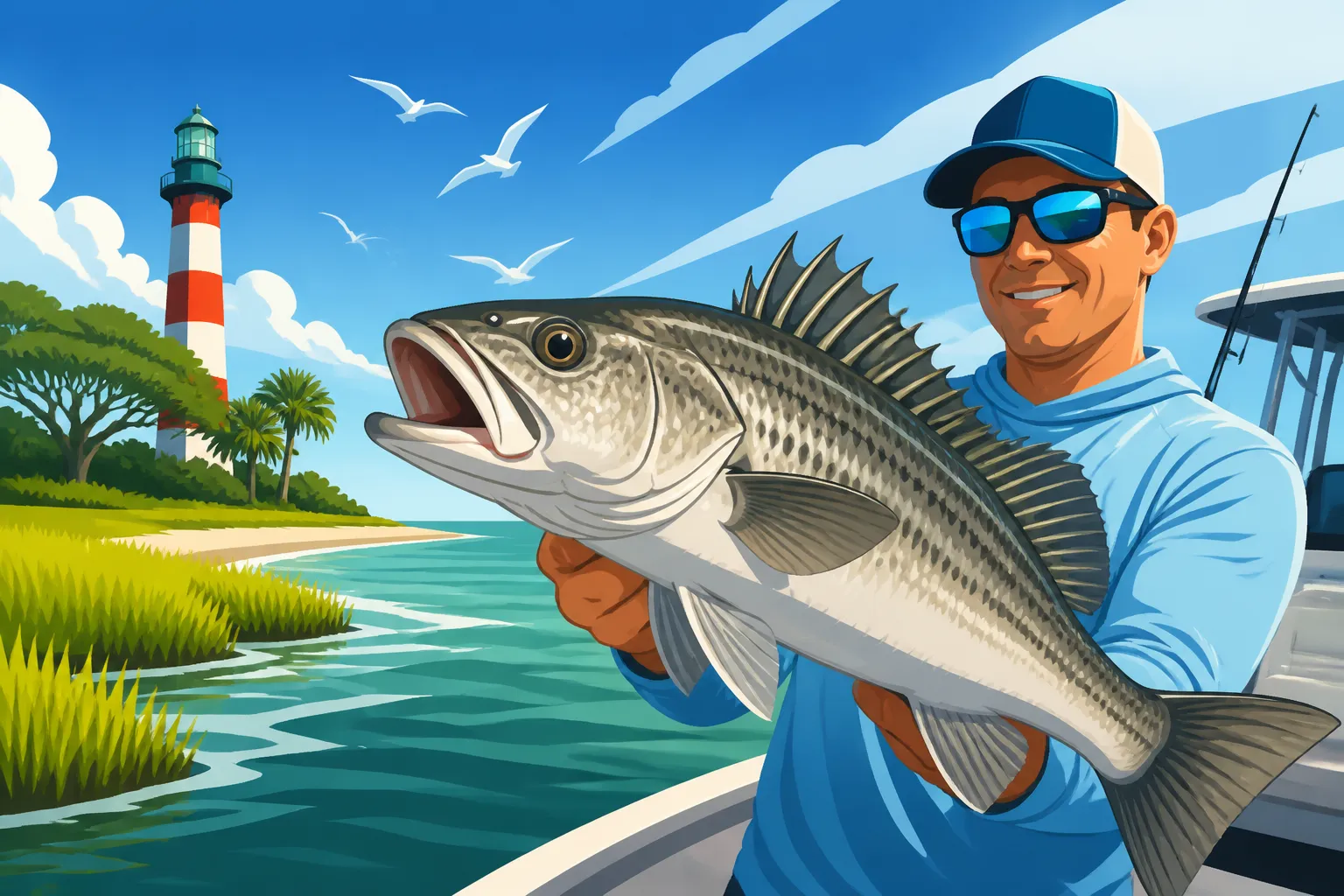
When folks talk about "seabass" off the coast of South Carolina, they're typically referring to the Black Sea Bass. These aren't your typical pond bass; they're charismatic, hard-fighting inhabitants of the deeper Atlantic, known for their mottled dark coloring, prominent dorsal spines, and surprisingly strong pull on the line. They're a fantastic target for anglers of all skill levels because they're generally abundant, willing to bite, and don't require overly specialized techniques. Plus, they're absolutely delicious!
Their popularity stems not just from their flavor but also their accessibility. While they do require an offshore trip, they don't necessarily demand heading out to the extreme reaches of the continental shelf. This makes them a prime candidate for a half or full-day charter, giving you a genuine offshore experience without the commitment of an extended deep-sea voyage. Understanding these fantastic fish is the first step to a successful trip.
What Kind of Seabass Are We Talking About?
The primary target when you're on a Hilton Head seabass fishing trip is almost always the Black Sea Bass (Centropristis striata). These are not the massive, deep-dwelling wreckfish or grouper that sometimes get lumped into the "seabass" category in other parts of the world. Our local Black Sea Bass are typically smaller, though still respectable, ranging from pan-sized keepers up to larger "humpbacks" that can weigh several pounds. They're characterized by their dark, often brownish-black bodies with lighter spots or bars, and sometimes a prominent hump on the head of larger males.
They are known for their aggressive feeding habits and their tendency to congregate in large numbers around structure. This makes them a joy to catch, as you often get multiple bites in quick succession, leading to a bustling and exciting fishing experience. While other species like Red Porgy, Grunts, or even small Snapper might also come up from the same bottom-dwelling habitats, the Black Sea Bass is the star of these trips due to its consistent presence and sporting qualities.
Where Do Hilton Head Seabass Live?
Black Sea Bass are creatures of structure. They love to hang out around anything that provides cover and a place to ambush prey. This means offshore reefs, shipwrecks, ledges, rocky outcrops, and "live bottom" areas – which are essentially natural hard-bottom habitats covered in corals, sponges, and other invertebrates. These structures are teeming with the smaller fish, crustaceans, and other marine life that seabass prey upon.
From Hilton Head, these prime seabass habitats are usually found several miles offshore in waters ranging from 40 to 100 feet deep, sometimes even deeper. Your charter captain will have specific GPS coordinates for countless productive spots, often referred to as "numbers," which are closely guarded secrets passed down through generations of local anglers. It's these underwater terrains that dictate where your captain will take you, ensuring you're dropping your lines directly into the heart of the seabass action. Exploring these diverse underwater landscapes makes every trip a unique adventure.
Navigating Hilton Head Seabass Charter Options
So, you're ready to chase those feisty seabass! The next big step is choosing the right charter. Hilton Head offers a fantastic array of fishing charters, and finding one that specializes in or regularly targets seabass is key. It's not just about getting on a boat; it's about matching your expectations with the right captain and vessel for the experience you envision.
This decision often comes down to balancing trip length, cost, and the specific expertise of the crew. Whether you're a seasoned angler or bringing the whole family, there's a perfect seabass trip waiting for you. Think about what you want to get out of the day – a quick morning trip, an all-day deep-sea adventure, or something in between – and let that guide your selection.
Deciding on Your Trip Type: Half-Day, Full-Day, or Extended
When looking for a Hilton Head seabass trip, you'll typically find several duration options, each with its own advantages. A half-day trip (usually 4-5 hours) is a popular choice, especially for families or those new to offshore fishing. These trips are often sufficient to reach productive nearshore seabass grounds, get plenty of bites, and be back at the dock by lunchtime or dinner. They're a great way to experience the thrill of offshore fishing without a full-day commitment.
For a more comprehensive experience, a full-day trip (typically 8 hours) allows the captain to venture further offshore to less pressured spots or deeper wrecks that might hold larger, more abundant seabass. With more travel time, you'll have more actual fishing time at multiple locations, increasing your chances of a substantial catch. Some charters even offer extended full-day or even multi-day trips for the most dedicated anglers, pushing out to 30-50 miles or more offshore. While less common specifically for seabass, these longer trips often target a broader range of species, with seabass being a welcome bycatch. For these deeper excursions, it's wise to consult resources like South Carolina Offshore Fishing Charters Explained to understand the full scope of what's possible.
| Trip Type | Typical Duration | Distance from Shore | Common Targets | Best For |
|---|---|---|---|---|
| Half-Day | 4-5 hours | Nearshore (5-15 miles) | Seabass, Snapper, Grunts | Families, beginners, shorter commitment |
| Full-Day | 8 hours | Mid-shore (15-30 miles) | Larger Seabass, Snapper, Grouper | Enthusiasts, good chance at multiple species |
| Extended Full-Day | 10+ hours | Offshore (30+ miles) | Large Seabass, Grouper, Amberjack, Pelagics | Serious anglers, trophy opportunities |
What to Look for in a Reputable Seabass Charter
Choosing the right captain and crew is paramount for a successful and enjoyable seabass fishing trip. Look for charters that have a strong reputation for targeting bottom fish, especially seabass, as this indicates they have the right gear, expertise, and knowledge of the local honey holes. A great captain will be passionate about fishing, prioritize safety, and be excellent at communicating with all skill levels on board, from novice to experienced.
Don't hesitate to ask questions before booking. Inquire about the boat's amenities, safety equipment, and what kind of fishing license is covered for passengers. Platforms like FishingBooker are invaluable here, as they allow you to browse numerous Hilton Head charters, compare their offerings, read genuine reviews from past customers, and often filter by target species. Seeing what other anglers experienced can give you a clear picture of what to expect and help you find a guide who will put you on the fish. You can also gain valuable insights by checking out general advice on Choosing the Right South Carolina Fishing Guide.
Understanding Costs and Inclusions
The cost of a Hilton Head seabass fishing trip can vary quite a bit, largely depending on the trip duration, the size and type of boat, and whether it's a private or shared charter. Generally, longer trips on larger, more luxurious boats will naturally be at the higher end of the spectrum. Shared trips, where you book a single spot on a boat with other anglers, are usually more budget-friendly than booking a private charter for your group. For a deeper dive into the financial aspects, consider reading South Carolina Charter Fishing Costs and Trip Types.
Most reputable charters will include all the necessary fishing gear, bait, and tackle in the price. They'll also typically have a blanket fishing license that covers all passengers, so you usually won't need to purchase your own South Carolina Fishing License Guide. Many also provide coolers with ice for your catch and sometimes for your personal drinks and snacks. However, it's always smart to clarify what's included before you book. You'll want to know if you need to bring your own food and beverages, and whether gratuity for the crew is expected or included (it almost always isn't, but we'll get to that).
The Hilton Head Seabass Fishing Experience: From Deck to Dock
Once you've booked your trip, the excitement really builds! A Hilton Head seabass charter is more than just catching fish; it's an immersive experience in the rich marine environment off our coast. From the moment you step aboard, you'll be part of a team, working with your captain and crew to locate those productive spots and reel in your bounty.
The techniques for seabass are generally straightforward, making them accessible even for beginners, but the nuances of bait presentation and feeling the bite come with practice. You'll learn a lot from your captain and crew, gaining insights into the local fishery that only years on the water can provide.
Typical Gear and Techniques for Seabass
Seabass fishing typically involves bottom fishing, which means getting your bait or lure down to where the fish are holding near structure. Charters will usually provide stout conventional rods and reels spooled with braided line, often topped with a fluorocarbon leader. These setups are designed to handle the heavy weights needed to get to the bottom, withstand the strong currents, and muscle feisty seabass away from snags.
The primary technique involves dropping a weighted rig, often a two-hook "chicken rig," to the bottom. Once you feel your weight hit, you'll typically reel up a crank or two to keep your bait just above the structure. The trick is to feel for the tell-tale "tap-tap-tap" of a seabass bite, then set the hook with a firm lift of the rod. Sometimes, a more active jigging technique with artificial lures can also be highly effective, especially when seabass are aggressive. Your captain will guide you on the best approach for the day's conditions.
Bait and Lure Choices for Successful Seabass Trips
Black Sea Bass aren't particularly picky eaters, which is great news for anglers! The most common and highly effective baits used on Hilton Head seabass trips are natural options like fresh cut squid, pieces of cut fish (such as menhaden or mackerel), or even small live baits. Squid, in particular, is a universal favorite, staying on the hook well and attracting a wide range of bottom dwellers. Your charter will supply a generous amount of fresh bait, ensuring you have plenty of opportunity to chum and fish effectively.
Beyond natural baits, artificial lures can also be incredibly productive. Jigs, especially those tipped with a piece of bait or a soft plastic, can entice aggressive strikes. "Gulp!" soft plastics, known for their scent and action, are another excellent choice for imitating shrimp or small baitfish. The key is presentation – ensuring your bait is appealingly offered near the structure where the seabass lurk. The captain will likely have specific preferences based on the day's bite and conditions, so trust their expertise.
Handling Your Catch: Regulations and Filleting
Once you've reeled in a nice Black Sea Bass, understanding the regulations is crucial. South Carolina has specific size and bag limits for seabass to ensure a healthy and sustainable fishery. Your captain will be intimately familiar with the current rules, including the minimum size limit and the daily creel limit per person, and will make sure all legal fish are kept and undersized ones are safely released. It’s important to familiarize yourself with South Carolina Fishing Bag Limits Explained and other species-specific regulations.
After a successful trip, most Hilton Head fishing charters offer complimentary fish cleaning and filleting services right at the dock. The crew will expertly process your catch, transforming whole fish into ready-to-cook fillets. This service is a huge convenience, saving you the messy work and ensuring your delicious seabass is prepared perfectly for your dinner table. Don't forget to bring a cooler to transport your fillets home on ice!
Maximizing Your Hilton Head Seabass Adventure
Planning a fishing trip should be exciting, not stressful. With a little preparation and understanding of what's expected, your Hilton Head seabass charter will be an unforgettable highlight of your visit. It’s about more than just the fish; it’s about the fresh air, the camaraderie, and the stunning beauty of the South Carolina coast.
By taking a few proactive steps, you can ensure a smooth, comfortable, and highly productive day on the water. From packing the right essentials to knowing how to show appreciation to your crew, these tips will help you make the absolute most of your offshore fishing experience.
Preparing for Your Offshore Excursion
An offshore fishing trip, even for a half-day, requires a bit more preparation than a quick trip to the pier. First and foremost, consider motion sickness remedies if you're prone to it, and take them well in advance as directed. The open ocean can be unpredictable, and being prepared means you can fully enjoy the experience. Dressing in layers is also a smart move; it might be chilly on the way out early in the morning, but the sun can get intense once you're on the fishing grounds.
Beyond that, pack essentials like sunscreen, a hat, sunglasses, and comfortable non-slip shoes. Bring plenty of water and any snacks or drinks you might want throughout the trip, as these are typically not provided by the charter (though some higher-end ones might offer them). A small waterproof bag can be handy for keeping your phone and other personal items dry. For a comprehensive packing list, check out What to Bring on a South Carolina Fishing Charter.
Essential Charter Etiquette and Tipping Your Crew
Being a good guest on a fishing charter contributes to everyone's enjoyment and a smoother trip. Always listen carefully to the captain and crew's instructions, especially regarding safety and fishing techniques. They are there to help you catch fish and ensure a safe journey. Be mindful of other anglers on board, allowing everyone space to cast and reel without tangling lines.
Perhaps one of the most important aspects of charter etiquette is gratuity. While it's not strictly mandatory, tipping your fishing guide and crew is customary and highly appreciated, reflecting their hard work, expertise, and assistance throughout the day. A standard tip typically ranges from 15-20% of the total charter cost, given directly to the captain or first mate at the end of the trip. If you had an exceptional experience, consider tipping on the higher end of that range. This gesture acknowledges their dedication and service. More details can be found in Tipping Your South Carolina Fishing Guide.
Best Times and Conditions for Hilton Head Seabass
While seabass can be caught year-round off Hilton Head, certain seasons tend to be more productive. Generally, the cooler months of fall, winter, and spring often see more consistent seabass action as they tend to be more concentrated. During the warmer summer months, they can be found, but often require venturing a bit further offshore. It’s always a good idea to consult the captain or booking platform, such as FishingBooker, about the current conditions and expected bite for the time of year you plan to visit. You can also review South Carolina Saltwater Fishing Seasons for a broader perspective.
Weather conditions play a significant role in any offshore trip. While a good captain will never take you out in unsafe conditions, calm seas generally make for a more comfortable and enjoyable experience. Light winds and stable barometric pressure can often lead to a more active bite. Always be prepared for changes in weather and sea state, as conditions can shift quickly in the open ocean. Booking your trip with a reputable charter means they’ll keep a close eye on the forecast and communicate any necessary adjustments to ensure your safety and enjoyment.
Disclaimer
This article is for general informational purposes only and does not constitute professional advice. Laws, prices and regulations vary by location and change over time. Consult a qualified professional for guidance on your specific situation.