Do Hilton Head Charter Prices Include the Tip?
One common question that pops up when folks are dreaming of a fantastic fishing trip off Hilton Head Island is about the overall cost, and let's be honest, nobody likes surprises, especially when it comes to money. It can be frustrating to think you've got the total price locked down, only to find out there are additional expectations. This guide is here to clear up the confusion around whether those Hilton Head fishing charter prices actually include the tip, so you can budget with confidence and enjoy your time on the water without a hitch.
Understanding Hilton Head Charter Pricing Structures
When you're looking into booking a fishing charter, particularly around a popular spot like Hilton Head, it's easy to assume the price you see advertised is the only price you'll pay. But, as with many service-based industries, there's often more to it than just the initial booking fee. Dissecting what's included and what's not is crucial for setting your expectations and your budget.
What's Typically Included in a Base Charter Price?
Generally, when you book a fishing charter on Hilton Head Island, the base price covers the fundamental components needed for a successful day out. Think of it as the operational cost of getting you on the water and equipped for fishing. This almost always includes the boat itself, naturally, along with the invaluable expertise of your licensed captain and often a mate, depending on the vessel size and trip type. They're not just driving the boat; they're navigating the waters, putting you on the fish, and ensuring your safety.
You can also expect that the basic fishing gear will be provided. This means rods, reels, and a starter pack of tackle suitable for the target species of your trip. Don't worry about bringing your own basic bait either; live or artificial bait, appropriate for the local conditions and fish, is usually part of the package. Lastly, the cost of fuel for the boat's engines is almost universally rolled into the advertised charter price. After all, the boat isn't going anywhere without it! These inclusions are standard because they are essential to the service being offered, ensuring you have the necessary equipment to actually go fishing. Many platforms, like FishingBooker, clearly list these inclusions when you're browsing options for Hilton Head Island Fishing Charters, South Carolina.
Common Exclusions You Might Not Expect
Now, here's where the waters can get a little murky, and it's where many anglers, especially first-timers, can get caught off guard. While the base price covers a lot, there are several things that are almost universally not included. The most prominent, and the focus of our discussion, is the captain and mate's tip. This is a crucial distinction, as tips are a significant portion of a fishing guide's income and are treated separately from the charter fee.
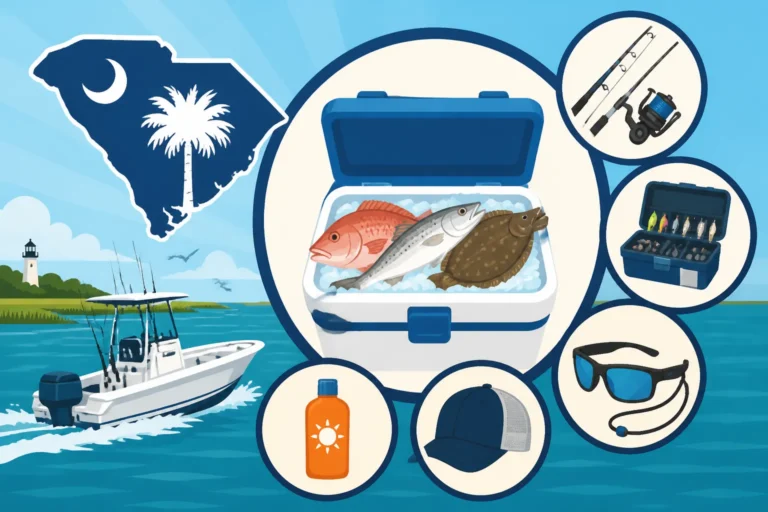
Beyond gratuities, you should also plan for your own food and beverages. While some high-end, longer offshore charters might offer catering, for most standard half-day or full-day inshore trips, you'll need to pack your own snacks, drinks, and lunch. Another common exclusion involves specialized tackle or specific lures you might want to try that aren't part of the standard kit. If you break a rod or lose an exorbitant amount of expensive lures, some charters might have a policy about charging for replacements. And, unless specified, things like sunscreen, hats, polarized sunglasses, and appropriate foul-weather gear are always your responsibility. It's really helpful to consult the "What to Bring" section when booking, or even better, just ask the captain directly. Understanding these exclusions upfront helps avoid that uncomfortable moment at the end of a great day when the final bill is tallied.
How Trip Length and Type Influence the Base Cost
The duration and nature of your fishing adventure significantly impact the overall base cost of a Hilton Head charter. It's a pretty straightforward concept: more time on the water generally means a higher price tag. A typical half-day trip, which might be around 4 hours, will naturally be less expensive than a full-day excursion, often lasting 6 to 8 hours. Longer trips demand more fuel, more bait, and, of course, more of the captain's and mate's time and expertise. You can find detailed breakdowns in resources like South Carolina Charter Fishing Costs and Trip Types.
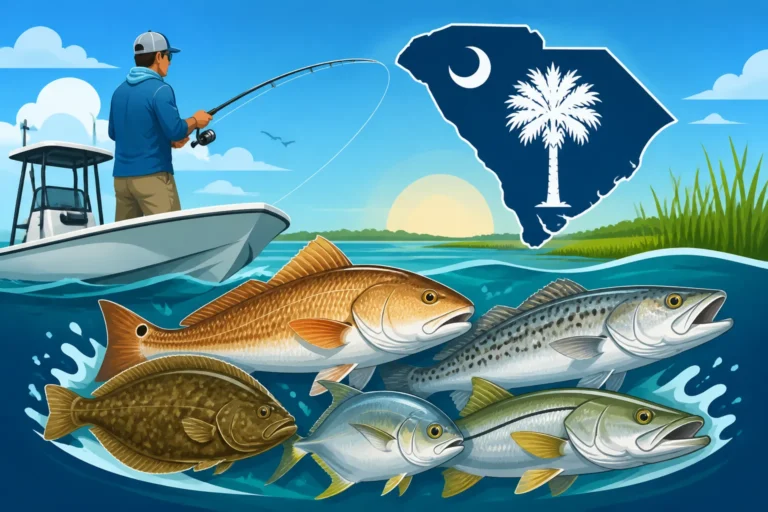
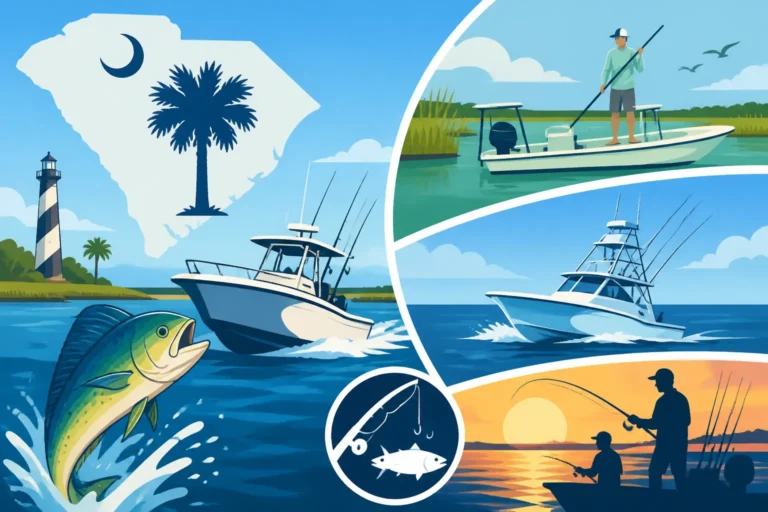
Beyond length, the type of fishing also plays a huge role. Inshore charters, which focus on the calmer waters of creeks, estuaries, and sounds, targeting species like redfish and speckled trout, generally have a lower base cost than offshore trips. This is because offshore fishing requires larger, more powerful boats, more fuel to travel far distances out into the Atlantic, and often more specialized gear for bigger game fish like mahi-mahi or king mackerel. Deep-sea fishing demands a different level of preparation and resources, hence the higher price point. When you're considering your options, whether it's an inshore jaunt or an offshore adventure, remember that these differences in trip type and length are fundamental to the pricing structure you'll encounter on Hilton Head Island.
The Tipping Culture in South Carolina Charter Fishing
Tipping is an ingrained part of many service industries, and fishing charters in South Carolina are certainly no exception. It’s not just a polite gesture; it’s a customary practice that helps support the hardworking professionals who make your fishing dreams a reality.
Why Tipping is Standard Practice for Fishing Guides
Let's be real, running a fishing charter is tough work. Your captain and mate are up before dawn, preparing the boat, getting bait, and meticulously checking conditions. They spend hours on the water, often under the sun or in challenging weather, tirelessly working to put you on fish, untangle lines, bait hooks, net catches, and ensure everyone has a safe and enjoyable time. After you've left with your cooler full of fish and memories, they're still working – cleaning the boat, scrubbing fish boxes, organizing tackle, and preparing for the next trip.
Just like servers in a restaurant or bellhops at a hotel, fishing guides rely on tips as a significant part of their income. The base charter fee covers the operational costs and a portion of their professional services, but the tip is the direct reflection of your appreciation for their effort, knowledge, and the quality of your experience. It's how you acknowledge their hard work and dedication. Without a robust tipping culture, many excellent guides wouldn't be able to sustain their businesses, making it harder for all of us to enjoy these incredible experiences. Understanding this helps clarify why it’s almost never included in the upfront price. If you're new to charter fishing, learning First-Time Charter Fishing Tips for South Carolina Visitors will definitely help you navigate these social norms.
The Expected Tipping Range for Hilton Head Charters
So, if the tip isn't included, how much should you set aside? While it's important to remember that I can't give you current, specific percentages, the standard industry practice for fishing charters, including those around Hilton Head, generally falls within a common range. This percentage is typically calculated on the total charter cost (before taxes or any extra fees for special requests).
Factors that influence the exact amount you choose to tip include the level of service provided, the captain's and mate's effort, their helpfulness, their professionalism, and yes, even how many fish you managed to reel in (though a good captain will always work hard, regardless of whether the fish are biting!). A fantastic day with a knowledgeable, friendly, and hardworking crew usually warrants a tip at the higher end of the customary range, while a less-than-stellar experience, perhaps due to factors beyond the crew's control or a lack of effort, might see you adjust accordingly. Think of it as a recognition of excellent customer service and their skill in providing a memorable adventure. Platforms like FishingBooker often have guides or FAQs about general tipping expectations, which can be a good starting point for budgeting.
When to Adjust Your Tip: Good, Great, and Less-Than-Stellar Experiences
Deciding on the exact amount to tip isn't always cut and dry; it's a personal decision that reflects your experience. A good experience, where the crew was professional, the boat was clean, and you caught some fish, might warrant a tip within the standard, customary range. This acknowledges their satisfactory service and the effort they put in.
A great or truly exceptional experience, however, often calls for something a bit more generous. Did the captain go the extra mile to find fish? Was the mate incredibly patient with your kids, teaching them how to cast or bait a hook? Did they handle a challenging situation with grace and skill? Were they informative and engaging, making the day not just about fishing but also about learning about the local ecosystem? These are the moments that truly make a trip memorable, and a higher tip shows your profound appreciation for that outstanding service. You might find more advice on this in articles like Tipping Your South Carolina Fishing Guide.
On the flip side, what about a less-than-stellar experience? It's rare to have a truly bad charter, especially with reputable captains found through services like FishingBooker, but sometimes things don't go as planned. Perhaps the weather turned unexpectedly, or the fish just weren't biting, despite the crew's best efforts. In these situations, if the crew remained professional, safe, and tried their hardest, a standard tip is still generally appropriate. The tip acknowledges their effort and service, not just the size of the catch. However, if there was a clear lack of effort, professionalism, or if safety was compromised, you have every right to adjust your tip downwards to reflect your dissatisfaction, though this is a conversation usually best had privately and respectfully. Remember, the tip is a reflection of their performance, not solely the fish count.
Navigating Communication with Your Charter Captain
Open communication is your best friend when booking any kind of service, and fishing charters are no different. It helps to clarify expectations, avoid misunderstandings, and ensures everyone is on the same page before you even step foot on the boat.
Asking About Tipping Before You Book
Feeling awkward asking about money? You're not alone, but trust me, it's far better to ask upfront than to be surprised or feel unsure at the end of your trip. When you're making inquiries about a Hilton Head fishing charter, whether by phone, email, or through a booking platform, it's perfectly acceptable, and even advisable, to ask directly about their tipping policy. A professional captain or booking agent will be happy to explain the local customs and what they typically expect.
You might ask, "Is gratuity included in the listed price?" or "What's the customary tip for the captain and mate?" Most experienced captains understand that clients want to plan their budgets effectively and will appreciate your directness. This conversation sets a clear expectation for both parties and allows you to factor the tip into your overall trip cost from the very beginning. Remember, there's no shame in being informed! If you're using a platform like FishingBooker, many guides include this information in their listing details or an FAQ section, making it easier to research without a direct conversation.
Clarifying What Your Charter Price Covers
Beyond tipping, take the opportunity to confirm everything else that's included in your specific charter package. While we've discussed general inclusions, different charters may offer slightly varied packages. For instance, some might provide bottled water, while others expect you to bring everything. Some might include a cooler with ice, others won't.
Ask about things like bait (is it all included, or just a certain amount?), tackle (are there extra charges for lost lures or broken rods?), and even the fishing license requirements. While most South Carolina fishing charters operate under a blanket license that covers their passengers, it's always good to confirm. For more details on what should be covered, refer to South Carolina Charter Fishing Licenses and Gear Included and What's Included in a South Carolina Charter Fishing Trip. Getting a comprehensive understanding of what you're paying for ensures there are no hidden costs or unexpected needs once you're out on the water. This due diligence makes for a much smoother and more enjoyable experience for everyone involved.
What If You're Unsure How Much to Tip?
Even after asking, you might still feel a little uncertain about the precise amount to tip, especially if it's your first time out or if the experience was truly exceptional (or perhaps a bit challenging). Don't panic! If you've had a great day and want to show your appreciation but are unsure of the exact figure, there are a few approaches.
First, you can discreetly ask the booking agent if you used one, or even the captain directly (perhaps at the end of the trip, in a quiet moment, if you feel comfortable). You can phrase it as, "We had an amazing time, and we want to make sure we're tipping appropriately for your excellent service. What's customary for a trip like this?" Most captains would prefer you ask than guess and potentially undershoot. Alternatively, you can always lean on widely available advice from online resources or experienced anglers about customary ranges. It's also acceptable to consider the total effort put in. Did the mate spend the entire day rigging lines, helping with kids, and keeping everything spotless? That extra effort often merits a tip towards the higher end of the spectrum. No matter what, aim for a tip that feels fair and genuinely reflects your appreciation for their hard work and dedication.
Maximizing Your Hilton Head Charter Experience (and Why Tipping Matters)
A fishing charter is more than just a boat ride; it's an immersive experience, a chance to connect with nature, and hopefully, to catch some fantastic fish. Understanding the nuances, like tipping, contributes to a smoother, more enjoyable day for everyone involved.
The Value of a Great Fishing Guide
A great fishing guide in Hilton Head is more than just someone who drives a boat. They are historians of the local waterways, meteorologists predicting the best conditions, biologists understanding fish behavior, and skilled anglers who can practically smell where the fish are hiding. They invest years learning the tides, the currents, the seasonal patterns, and the secret spots that aren't on any map. Their expertise significantly increases your chances of a successful and memorable outing. They handle all the logistics, from ensuring safety equipment is up to par to having the right bait and tackle for the day's target species.
Beyond the technical skills, a truly great guide enhances the entire experience. They are patient teachers for beginners, engaging storytellers, and often just genuinely good company. They work tirelessly to make sure your day is enjoyable, often putting your needs and desires ahead of their own comfort. This deep knowledge, hard work, and dedication are precisely what you're investing in when you book a charter, and a tip is a direct way to acknowledge that invaluable contribution to your adventure. For a deeper dive into finding the right guide, check out Choosing the Right South Carolina Fishing Guide.
Ensuring a Smooth End to Your Trip
The end of a fishing charter can be a bit of a whirlwind. You're often tired but exhilarated, with fish to clean and stories to tell. Making sure the tipping process is smooth and respectful is important. While there's no hard and fast rule about when to give the tip, it's generally done at the end of the trip, after the boat has returned to the dock, and you've had a chance to gather your belongings and say your goodbyes.
You can hand the tip directly to the captain, who will then typically split it with the mate, or you can ask if they prefer the mate receive their portion directly. Presenting it discreetly in an envelope or folded cash is a polite way to do it. A simple "Thank you, we had an amazing time!" accompanied by the tip is usually sufficient. This small act of gratitude ensures that the day ends on a positive note for both you and the hard-working crew. If you had an exceptional experience, a quick review on a booking site like FishingBooker or a personal recommendation to friends goes a long way in further supporting your guide.
Planning Your Budget with Tipping in Mind
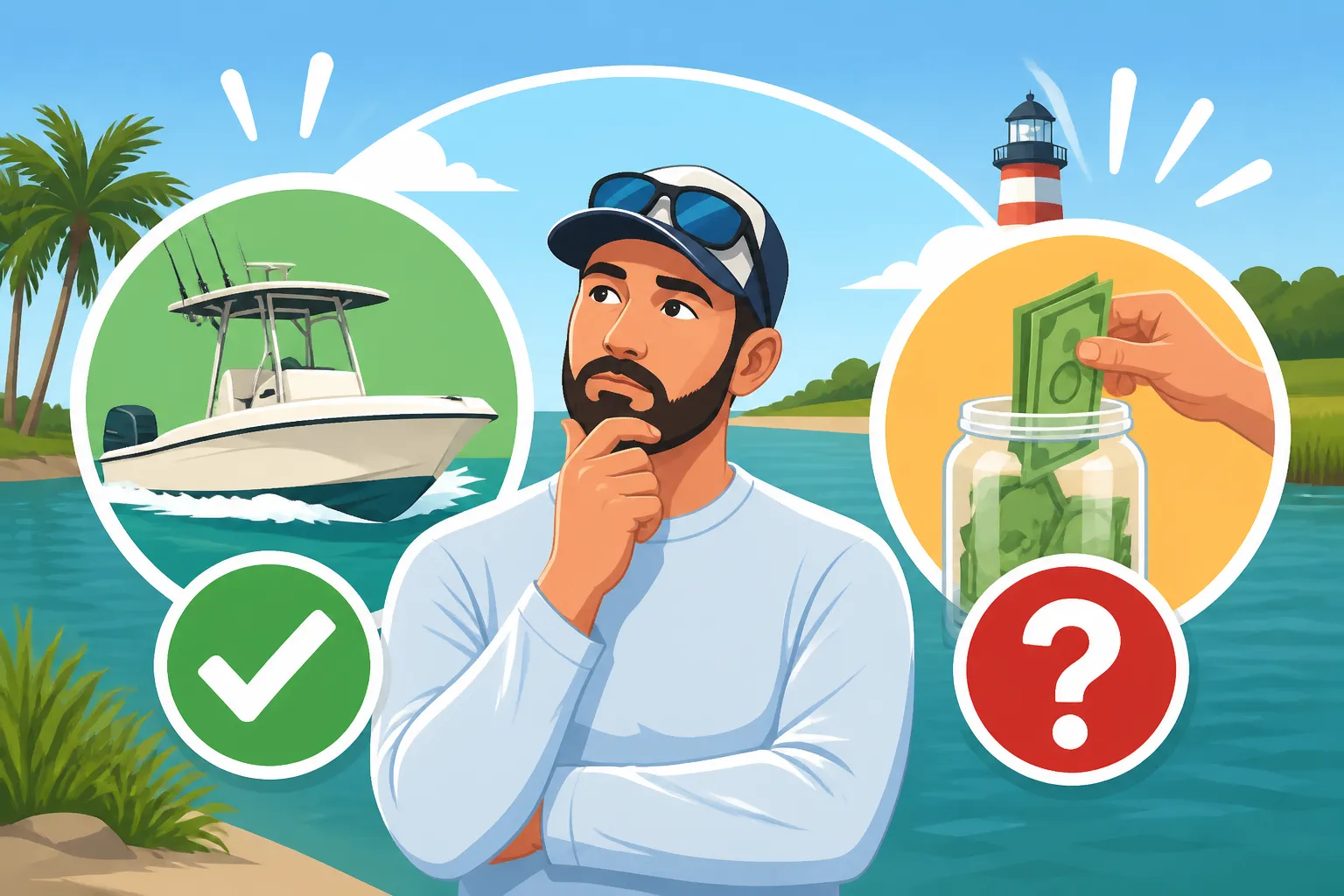
The best way to avoid any awkwardness or stress about tipping is to plan for it from the very beginning. When you're researching Hilton Head Half-Day Fishing Charter Cost or Hilton Head Full-Day Fishing Charter Cost, always factor in the customary tip amount on top of the advertised charter price. Treat it as an essential part of the overall cost, just like you would for gas in your car or food for your picnic.
By allocating a portion of your budget specifically for gratuity, you ensure that you're prepared and can freely express your appreciation for the captain and crew's hard work. This upfront planning allows you to relax and fully immerse yourself in the fishing experience, knowing that all your financial bases are covered. So, before you even look at rods and reels, make sure your budget includes that little extra for the folks who will make your fishing trip truly unforgettable.
| Item | Typically Included in Base Price | Typically Excluded from Base Price | Notes |
|---|---|---|---|
| Boat & Captain/Crew | Yes | No | Essential for the charter's operation. |
| Basic Rods, Reels & Tackle | Yes | No | Standard gear for target species is provided. |
| Bait (Live or Artificial) | Yes | No | Adequate bait for the trip duration. |
| Fuel for the Trip | Yes | No | Cost of running the boat is covered. |
| Gratuity/Tip for Crew | No | Yes | Customary and expected, based on service quality. |
| Fishing License for Passengers | Often (check with charter) | Sometimes (check with charter) | Many charters have blanket licenses, but confirm individual needs. |
| Food & Beverages | No | Yes | Anglers usually bring their own snacks and drinks. |
| Specialized or Premium Lures | No (unless requested/provided) | Yes | Specific high-end or specialty lures might be extra or require your own gear. |
| Fish Cleaning/Filleting | Often (check with charter) | Sometimes (check with charter) | Many captains offer this as a courtesy; confirm beforehand. See Cleaning and Filleting Your Catch After a South Carolina Charter. |
| Sunscreen, Hats, Personal Gear | No | Yes | Your personal comfort items are your responsibility. |
| Booking Fees/Processing Fees | Sometimes (check platform) | Sometimes (check platform) | Depending on how you book, third-party fees may apply. Check How to Book a Fishing Charter in South Carolina. |
Disclaimer
This article is for general informational purposes only and does not constitute professional advice. Laws, prices and regulations vary by location and change over time. Consult a qualified professional for guidance on your specific situation.