Lake Marion Bass Fishing Spots in South Carolina
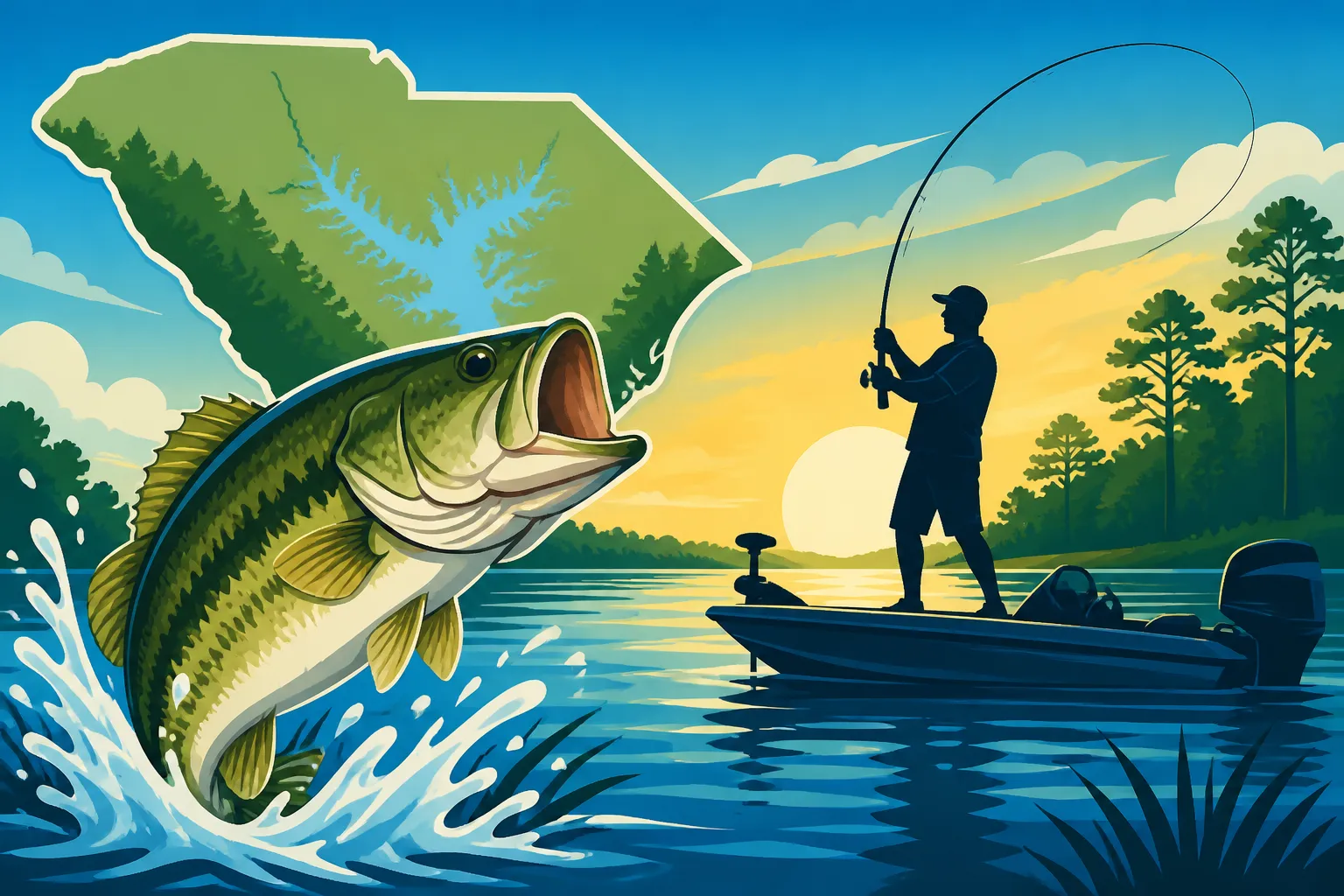
Trying to navigate a massive, diverse lake like Marion for bass can feel like searching for a needle in a haystack, especially when you're staring at thousands of acres of water and don't know where to begin. This guide is designed to cut through that overwhelm, pointing you directly to the prime largemouth bass fishing spots on Lake Marion, offering seasoned advice on techniques, and helping you make the most of your South Carolina bass fishing adventure.
Understanding Lake Marion's Bass Fishery
Lake Marion, often called the "Big Lake," is South Carolina's largest lake, a vast freshwater reservoir that's part of the Santee Cooper Lakes system. It's a bass fishing legend, known for producing impressive numbers of largemouth bass, including trophy-sized specimens that make any angler's heart pound. But its sheer size, over 110,000 acres, can be intimidating. Understanding what makes this lake tick is the first step to unlocking its secrets.
Why Lake Marion is a Bass Angler's Paradise
What truly sets Lake Marion apart as a bass angler's paradise is its incredible diversity of habitat. Unlike many sterile, man-made lakes, Marion boasts extensive shallow-water cypress forests, deep river channels, submerged stump fields, vast grass beds, and countless feeder creeks. This rich tapestry of cover and structure provides ideal conditions for largemouth bass to thrive, offering both ample foraging opportunities and protective sanctuaries. The lake's nutrient-rich waters support a booming population of baitfish, including shad, shiners, and various panfish, which translates directly into healthy, aggressive bass. The sheer abundance of different environments means that no matter the season or conditions, there's always a pattern to be found and bass to be caught. It's truly a dynamic fishery that rewards anglers who are willing to adapt and explore. For a broader overview of the legendary bass fishery in the area, you might find our guide on Santee Cooper Lakes: South Carolina's Legendary Bass Fishery insightful.
Key Factors Influencing Bass Location
Largemouth bass are creatures of habit, but those habits are heavily influenced by environmental factors. On Lake Marion, three major elements dictate where bass will congregate: water temperature, available cover and structure, and the presence of baitfish. Water temperature is perhaps the most critical, dictating everything from spawning patterns in spring to deep-water retreats in summer and winter. Bass are cold-blooded, so their metabolism and activity levels are directly tied to the water's warmth.
Cover refers to physical objects like cypress trees, grass beds, lily pads, and fallen timber that bass use for ambush points and protection from predators and harsh sunlight. Structure, on the other hand, refers to changes in the lake bed's contour, such as ledges, humps, creek channels, and points. Bass often orient themselves to these features, using them as travel routes or staging areas. Finally, bass will always be found close to their food source. If you can locate schools of baitfish, whether through visual cues like diving birds or by using your sonar, you're often one step closer to finding the bass that are feeding on them. Understanding these interwoven factors is key to predicting where the bass will be hiding.
Top Lake Marion Bass Fishing Spots to Target
Lake Marion is enormous, but certain areas consistently produce excellent bass fishing due to their unique characteristics and the abundance of suitable habitat. Knowing where to focus your efforts can save you a lot of time and lead to more successful outings. From the iconic cypress forests to the deeper channels, each spot offers different opportunities and requires specific approaches. For more general details on where to drop a line, check out our comprehensive article on Lake Marion Fishing Spots and Access Points.
The Diverse Habitats of Cypress Stump Flats
The cypress stump flats on Lake Marion are arguably its most famous and productive bass fishing grounds. These vast, shallow areas, particularly prevalent in the upper and middle sections of the lake, are dotted with ancient cypress trees and their extensive root systems. This creates an incredible maze of natural cover that bass absolutely love. The water here is often stained, offering bass excellent camouflage, and the countless stumps and submerged logs provide endless ambush points.
Anglers targeting these areas often find success by slow-rolling spinnerbaits or buzzbaits over the tops of submerged stumps, especially during lower light conditions. Flipping and pitching jigs or Texas-rigged soft plastics into the thickest cover, right up against the cypress knees, can also be incredibly effective. Don't be afraid to get right into the thick stuff; that's where the biggest bass often hide. The key is to be patient, make precise casts, and be prepared for explosive bites. Remember, snagging is common in these areas, so bring plenty of extra lures and be ready to retrieve them.
Targeting Deep Channels and Ledges
While the cypress flats get a lot of attention, the deeper channels and ledges are equally vital, especially during hotter months or cold fronts when bass move to more stable water temperatures. Lake Marion was formed by flooding the Santee River basin, so remnants of the old river channel wind through the lake, often reaching depths of 20 to 40 feet or more. These channels, along with submerged ledges and drop-offs, serve as superhighways for bass, connecting different feeding and resting areas.
Anglers targeting these deeper zones often rely on electronics to locate schools of baitfish and concentrations of bass. Carolina rigs, deep-diving crankbaits, football jigs, and heavy Texas-rigged worms are excellent choices for working these depths. Focus on areas where the channel bends, where smaller creeks intersect the main channel, or where submerged humps rise from the deeper bottom. Bass will often stage along the edges of these drop-offs, moving up to feed on passing baitfish. Don't overlook the bridges crossing the lake; their pilings and surrounding structure can also hold significant numbers of fish in these deeper waters.
Productive Coves and Creek Mouths
Lake Marion is fed by numerous creeks and tributaries, and their mouths, along with the many protected coves around the lake's perimeter, offer prime bass habitat. These areas often feature a mix of grass beds, submerged timber, and shallower water, making them ideal spawning grounds in spring and consistent feeding zones throughout the year. The creeks can also provide a cooler water refuge during summer heat or warmer water during winter, depending on the inflow.
During the spring spawn, bass will move into these shallower coves and creek arms. You can target them with weightless worms, shallow crankbaits, or even topwater lures early in the morning. As the season progresses, bass will move to the deeper sections of these coves or position themselves at the creek mouths, waiting for baitfish to be flushed out. In the fall, baitfish will often congregate in these same areas, drawing bass in for a feeding frenzy. Look for points within the coves, submerged brush piles, or healthy stands of hydrilla and milfoil, as these are classic bass holding spots.
Essential Techniques and Lures for Lake Marion Bass
Catching bass on Lake Marion isn't just about knowing where to go; it's also about knowing how to present your bait effectively. The dynamic nature of the lake and its resident bass means you'll need a diverse set of techniques and lures in your arsenal to be consistently successful.
Adapting to Seasonal Bass Patterns
The key to consistent bass fishing on Lake Marion is understanding how the fish behave throughout the year. Each season presents unique challenges and opportunities, and successful anglers adapt their strategies accordingly.
- Spring (Pre-Spawn & Spawn): As water temperatures rise into the 50s and 60s, bass move from deep wintering grounds to shallower spawning areas. During pre-spawn, they're often found on points and secondary channels leading into coves, feeding aggressively. Crankbaits, spinnerbaits, and lipless crankbaits are excellent choices. Once the water hits the mid-60s, bass move to beds. Sight fishing with soft plastics (like Senkos or creature baits) or jigs can be very productive. For a deeper dive into this crucial period, check out our article on Largemouth Bass Spawn Timing in South Carolina Reservoirs.
- Summer: When water temperatures soar into the 80s, bass often seek refuge in deeper, cooler water, concentrating around the main river channel ledges, submerged humps, and deep brush piles. Early mornings and late evenings can still offer shallow bites, but daytime fishing often means going deep. Texas-rigged worms, Carolina rigs, deep-diving crankbaits, and jigging spoons are go-to baits. Topwater action can be great at dawn and dusk.
- Fall: As temperatures begin to cool, baitfish become more active and bass follow suit, often moving into shallower creeks and coves to feed. This is a fantastic time for a variety of techniques. Spinnerbaits, buzzbaits, crankbaits, and bladed jigs can all be highly effective as bass gorge themselves in preparation for winter. Look for schooling activity, especially around baitfish congregations.
- Winter: Bass typically move to their deepest haunts during winter, often congregating in large schools along the main river channel or in deep holes. They become less active, but a slow presentation can still tempt them. Jigging spoons, blade baits, and slow-rolled deep-diving crankbaits are good choices. For more specific seasonal tips, our guide on Santee Cooper Bass Fishing Seasons in South Carolina offers even more depth.
Recommended Baits and Lures for Success
With Lake Marion's varied habitat, having a diverse tackle box is crucial. Here are some of the most consistent performers:
- Soft Plastics: These are arguably the most versatile baits for Lake Marion. Texas-rigged worms (like Zoom Ol' Monster or Trick Worms) are exceptional for working through cypress stumps and grass beds. Creature baits are fantastic for flipping and pitching into heavy cover. Weightless wacky-rigged Senkos are deadly around docks and shallow grass. Flukes and swimbaits can mimic baitfish in open water.
- Jigs: Both casting jigs and flipping jigs are indispensable. Use casting jigs to fish deeper ledges and humps, and flipping jigs to penetrate dense cover. Black and blue, green pumpkin, and brown are classic colors.
- Crankbaits: Deep-diving crankbaits (like Strike King 6XD or Norman DD22) are essential for targeting bass on deeper channels and ledges, especially in summer. Shallow-diving and square bill crankbaits excel in the cypress flats and around shallow cover.
- Spinnerbaits & Bladed Jigs: These shine in the stained water of Lake Marion, particularly in spring and fall. Chartreuse and white combinations are often deadly. A ChatterBait (bladed jig) can work wonders around grass and scattered cover, offering a unique vibration.
- Topwater Lures: When conditions are right (low light, calm water), topwater baits can provide exhilarating strikes. Frogs are excellent over dense lily pads and matted grass. Poppers and walking baits (like a Heddon Zara Spook) are great for open water and around shallow cover.
Understanding Best Lures for Largemouth Bass in Muddy Water might also give you an edge, as Lake Marion can get stained after heavy rains.
Planning Your Lake Marion Bass Fishing Trip
A successful trip to Lake Marion isn't just about what you do on the water; it's also about planning ahead. Knowing your access points and considering the benefits of a guided trip can significantly enhance your experience.
Public Access and Boat Ramps
Lake Marion offers numerous public access points and boat ramps, making it relatively easy for anglers with their own boats to get on the water. Some of the most popular ramps include Santee State Park, Potato Creek, and public access points along the US-301 causeway. These ramps typically offer ample parking and good facilities.
Before heading out, it's always a good idea to check local conditions and ramp availability, especially during peak seasons or after heavy rains. Some areas might have specific regulations or closures. Many anglers also find success by launching from private marinas around the lake, which often offer additional amenities. For a detailed list of where you can launch, our article on Boat Ramps on Lake Marion and Lake Moultrie provides specific locations and details.
Considering a Guided Trip
For those new to Lake Marion, or even seasoned anglers looking to quickly learn the nuances of the lake, hiring a local fishing guide can be an invaluable investment. A professional guide brings years of experience, up-to-date knowledge of current patterns, and the right equipment to put you on fish. They can teach you specific techniques, help you navigate the vast waters, and point out productive spots that might otherwise take years to discover.
Many excellent guides operate on Lake Marion, specializing in largemouth bass. You can often find reputable guides through local tackle shops, fishing forums, or online booking platforms like FishingBooker. A guided trip is a fantastic way to accelerate your learning curve and maximize your chances of catching quality bass. When researching, consider what you want from your trip: a half-day or full-day, specific species focus, or a lesson in certain techniques. Checking out reviews on platforms like FishingBooker can help you find a guide that matches your preferences. Furthermore, if you're thinking about a guided experience more generally, our How to Book a Fishing Charter in South Carolina guide offers helpful information.
Lake Marion Bass Fishing Overview
To help you quickly identify key areas and techniques, here's a summary table of some of Lake Marion's top bass fishing spots:
| Fishing Spot / Area | Primary Habitat Features | Best Seasons | Recommended Techniques | Target Lures / Baits |
|---|---|---|---|---|
| Cypress Stump Flats | Extensive cypress trees, submerged wood | Spring, Fall, Summer | Flipping, Pitching, Topwater, Jigging | Jigs, Soft Plastics, Frogs, Spinnerbaits |
| Main River Channel Ledges | Deep drop-offs, hard bottom, structure | Summer, Winter, Transition | Carolina Rigs, Deep Cranking, Jigging Spoons | Heavy Worms, Deep Crankbaits, Spoons |
| Creek Mouths & Coves | Grass beds, timber, shallow flats | Spring, Fall | Wacky Rigs, Shallow Cranking, Spinnerbaits | Senkos, Square Bills, Bladed Jigs |
| Submerged Humps/Points | Isolated structure, depth changes | Year-Round | Carolina Rigs, Jigs, Crankbaits | Heavy Worms, Football Jigs, Crankbaits |
| Boat Docks / Piers | Shade, structure, transition areas | Year-Round | Skipping, Flipping, Finesse | Jigs, Small Worms, Swim Jigs |
Disclaimer
Please remember that fishing conditions, regulations, and fish behavior can change rapidly. Always check the latest South Carolina Department of Natural Resources (SCDNR) regulations before you head out, and prioritize safety on the water. This guide is for informational purposes only and does not guarantee fishing success.