Shortnose Sturgeon: South Carolina’s Protected River Giant
It's an experience many a South Carolina angler can recount: you're out on one of our beautiful rivers, perhaps targeting catfish or striped bass, when suddenly you see a massive, prehistoric-looking creature breach the surface or feel an unexpected, powerful pull on your line. More often than not, this mysterious leviathan is the Shortnose Sturgeon, a truly ancient and critically protected species that shares our waterways. This guide aims to pull back the curtain on this elusive river giant, exploring its unique characteristics, its crucial role in our aquatic ecosystems, the challenges it faces, and what every angler needs to know to help protect South Carolina's living fossil.
The Enigma of the Shortnose Sturgeon: Why This River Giant is So Special
When you think of fish, you probably picture something sleek, finned, and perhaps scaled. The Shortnose Sturgeon, however, looks like it swam straight out of the dinosaur age, which, in a way, it did. These incredible creatures are a testament to ancient survival, navigating our rivers with an air of dignified mystery. They aren't just big fish; they're vital indicators of river health and hold a special place in the history of our waterways.
A Glimpse into the Past: Evolutionary History
Imagine a fish that has witnessed the ebb and flow of millennia, evolving little since the Cretaceous period. That's the Shortnose Sturgeon for you. They belong to a family of fish that has been around for over 200 million years, predating most modern fish species. When you see one, you're looking at a living fossil, a direct link to a time when giant reptiles roamed the earth. This incredible evolutionary lineage is why they possess such distinctive features, like their cartilaginous skeletons (though they do have some bone development), five rows of bony plates called scutes along their bodies instead of scales, and a unique, shark-like tail. Their existence is a powerful reminder of nature's resilience and the deep history held within our river systems. It’s hard not to feel a sense of awe when you consider the sheer amount of time these creatures have been swimming around, essentially unchanged, in the rivers we now fish.
Unique Physical Characteristics and Identification
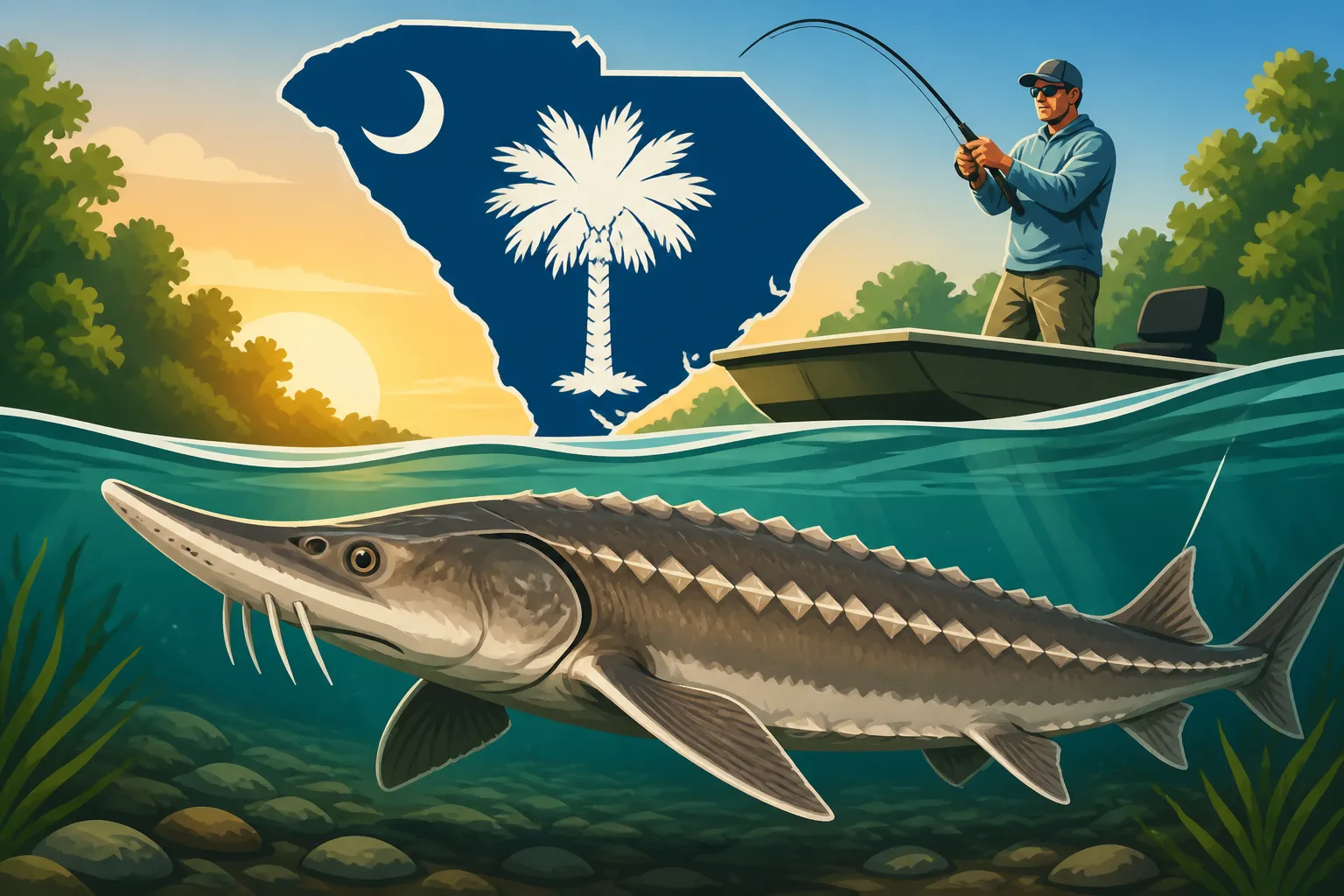
Identifying a Shortnose Sturgeon is an unforgettable experience, thanks to their striking appearance. Unlike the more common fish species you might encounter, sturgeon possess a distinct morphology that makes them stand out. Their long, torpedo-shaped bodies can stretch several feet, though Shortnose Sturgeon are generally smaller than their more famous cousin, the Atlantic Sturgeon. The snout is, as the name suggests, relatively short and blunt compared to other sturgeon species, and it features four barbels – whisker-like sensory organs – positioned closer to the tip of the snout rather than the mouth itself. These barbels are crucial for foraging along the river bottom, helping them locate prey in murky waters. Atlantic Sturgeon in South Carolina: A Rare Catch offers more insight into their larger relatives.
Their mouths are protractile, meaning they can extend outwards like a vacuum cleaner hose to suck up food. This isn't a biting or chewing mouth; it's designed for suction feeding on small invertebrates, worms, and mollusks found in the riverbed. The rows of bony scutes running along their backs and sides provide armor, offering protection against predators, though fully grown sturgeon have few natural enemies. The color can vary, usually a grayish-brown to olive-green on top, fading to a lighter, often white, underside. Spotting one of these giants is often a once-in-a-lifetime moment for many anglers. If you're ever looking for a detailed field guide to help with identification for South Carolina fish species, you can find excellent options on Amazon, often with detailed illustrations of these unique features.
The Crucial Role They Play in River Ecosystems
Beyond their ancient lineage and unique looks, Shortnose Sturgeon play a vital, often unseen, role in maintaining the health and balance of our river ecosystems. As bottom feeders, they act as natural custodians of the riverbed, stirring up sediments and consuming detritus and small organisms. This foraging behavior helps to recycle nutrients and can influence the distribution of smaller invertebrates, which are, in turn, food for other fish species. Think of them as the gentle, industrious giants that keep the river's plumbing in good order.
Their presence is also an indicator of good water quality and healthy river habitats. Sturgeon are sensitive to pollution and habitat degradation, particularly disruptions to their spawning grounds and migratory routes. A thriving Shortnose Sturgeon population suggests that the river system can support a wide array of life, from the smallest insects to the largest fish. Protecting these fish isn't just about saving one species; it's about safeguarding the entire ecological web that relies on healthy, flowing rivers, impacting everything from the macroinvertebrates to the South Carolina's Nine Native Sunfish Species Explained that share their home.
Where the Shortnose Sturgeon Roams: South Carolina's River Sanctuaries
While sturgeon are elusive, they aren't completely hidden. They have specific preferences for where they live, feed, and spawn, making certain rivers in South Carolina particularly important for their survival. Understanding these critical habitats is key to their conservation.
Key River Systems Supporting Sturgeon Populations
In South Carolina, Shortnose Sturgeon are primarily found in our larger coastal river systems. These include the Cooper, Santee, Winyah Bay, and Ashepoo, Combahee, and Edisto (ACE Basin) rivers. These rivers offer the mix of deep channels, slow-moving currents, and soft, silty bottoms that sturgeon favor for feeding. They are anadromous, meaning they spend most of their adult lives in brackish estuarine waters but migrate upstream into freshwater to spawn. This means they need healthy, unimpeded access between the salty coast and the freshwater spawning grounds far inland.
The Santee River system, in particular, including parts of the Santee-Cooper lakes, has historically been a significant stronghold for both Shortnose and Atlantic Sturgeon. You might find them in the deeper sections of the Santee River Fishing Spots in South Carolina. The Congaree River, a major tributary of the Santee, also sees sturgeon migrations, especially upstream into areas like the Congaree River Fishing Spots Near Columbia, South Carolina, where they seek suitable spawning gravel and rocks. These stretches of river are like critical highways and nurseries for these ancient fish, making their protection paramount.
The Importance of Upstream and Downstream Migrations
The life cycle of the Shortnose Sturgeon is intricately tied to its migratory patterns. Much like salmon, they undertake epic journeys between their feeding grounds and spawning areas. Adult sturgeon migrate upstream into freshwater during late winter and early spring to reproduce. They seek out specific spawning habitats, often characterized by gravel or rocky bottoms with moderate current, where they lay their eggs. After spawning, the adults will typically move back downstream to the richer, food-laden brackish waters of the estuary.
The newly hatched sturgeon larvae and juveniles will spend a period of time in the freshwater nursery habitats before gradually making their way downstream to the brackish estuaries as they grow. This two-way migration is incredibly vulnerable to obstacles like dams, dredging, and water quality issues. A single barrier can cut off access to vital spawning or feeding grounds, effectively isolating populations and hindering their ability to reproduce successfully. This dependency on clear migratory paths highlights why river management needs to consider the entire length of these systems.
Challenges to Their Habitat in South Carolina
Despite their resilient nature, Shortnose Sturgeon face significant threats in South Carolina's rapidly developing landscape. Habitat loss and degradation are perhaps the most pressing concerns. Urbanization and agricultural runoff can introduce pollutants into rivers, impacting water quality and potentially harming sturgeon eggs and juveniles. Sedimentation from construction and development can smother crucial spawning grounds, rendering them unusable.
Dams, even those without hydroelectric power, pose a huge problem by physically blocking migration routes. Many of South Carolina's rivers have historical dams that have prevented sturgeon from reaching upstream spawning areas they once utilized for centuries. While efforts are underway to mitigate some of these impacts, the cumulative effect of human activity puts immense pressure on these already fragile populations. Protecting their habitats means thinking holistically about river health, from the headwaters to the coast, and considering how every development or change might affect these protected river giants. If you're passionate about local conservation, you might find some great books on river ecology and South Carolina's unique aquatic life on Amazon, which can help deepen your understanding.
The Protected Status: Understanding Why You Can't Catch Them
Coming across a Shortnose Sturgeon in South Carolina is a truly special event, but it's crucial to understand that these fish are federally protected. This isn't just a suggestion; it's a strict legal mandate aimed at preventing their extinction. For anglers, this means a unique responsibility to know the rules and act accordingly if you ever have an encounter.
Federal and State Protections in Place
The Shortnose Sturgeon is listed as an endangered species under the U.S. Endangered Species Act. This federal designation means it is illegal to "take" (which includes harass, harm, pursue, hunt, shoot, wound, kill, trap, capture, or collect, or to attempt to engage in any such conduct) this species. South Carolina's Department of Natural Resources (SCDNR) fully supports and enforces these federal protections, reinforcing the critical need to conserve this vulnerable fish. These protections extend beyond simply not catching them; they also cover actions that could indirectly harm their habitat or disrupt their life cycle.
The reasoning behind this strict protection is simple: Shortnose Sturgeon populations have plummeted over the past century due to overfishing (before their protected status), habitat destruction, and water quality degradation. Their slow growth rate and late maturity mean they are particularly susceptible to population declines and take a long time to recover. Therefore, every individual fish is precious, and every effort must be made to ensure their survival. Ignoring these protections isn't just breaking a fishing rule; it's actively contributing to the potential loss of an ancient species. You can find general information on South Carolina's Freshwater Fishing Regulations through the SCDNR website, which also covers these protected species.
Penalties for Illegal Catching or Harassing Sturgeon
Let's be very clear: intentionally catching, harming, or possessing a Shortnose Sturgeon is a serious offense with significant legal repercussions. Because they are federally endangered, penalties can be severe, involving hefty fines and potential jail time. We're not talking about a slap on the wrist for forgetting your fishing license; this is on a different level entirely. The exact fines can vary depending on the severity of the offense, but they can easily run into the tens of thousands of dollars, and even felony charges are possible.
Enforcement officers, including SCDNR wardens and federal agents, take these protections very seriously. They patrol our rivers and investigate any reports of sturgeon harassment. It's not worth the risk, for you or for the fish. The best approach is to be informed, vigilant, and respectful of these magnificent creatures. This underscores the importance of understanding all regulations, not just those for popular game fish. For instance, knowing about Penalties for Fishing Without a License in South Carolina gives you a sense of the seriousness of conservation laws.
Accidental Catches: What to Do If It Happens
Sometimes, despite your best intentions, an accidental catch happens. You might be targeting Where to Catch Catfish in South Carolina or striped bass and suddenly find a sturgeon on your line. It's a rare occurrence, but it can happen, especially if you're fishing in areas where sturgeon are known to frequent. The key is to know exactly what to do to minimize harm and ensure the fish's best chance of survival.
If you accidentally hook a Shortnose Sturgeon, do not bring it into your boat or onto the bank if you can avoid it. Keep the fish in the water as much as possible. Cut the line as close to the hook as safely possible. Don't try to remove the hook, as this can cause more damage to its delicate mouthparts and barbels. Minimize handling and get the fish released quickly and gently. If it appears lethargic, try to revive it by holding it upright in the water, facing into a gentle current, until it regains its strength and swims off on its own. Report the incident to SCDNR if you feel it's necessary, especially if the fish appears injured or you have concerns. Remember, quick action and minimal stress are vital for the sturgeon's survival. Even on a What Fish Can You Catch on a South Carolina Freshwater Charter? trip, the rules for accidental catches still apply, and a good captain will always be prepared to handle such a situation responsibly.
Conservation Efforts: Protecting South Carolina's Living Fossils
The battle to save the Shortnose Sturgeon isn't just about regulations; it's an active, ongoing effort involving scientists, state agencies, and the public. These magnificent fish represent a crucial part of our natural heritage, and ensuring their future requires dedication and concerted action.
Research and Monitoring Programs
Understanding an endangered species is the first step towards saving it, and that's where extensive research and monitoring programs come in. SCDNR, often in collaboration with federal agencies and universities, conducts studies to track sturgeon populations in South Carolina's rivers. This involves tagging individual fish with acoustic transmitters to monitor their movements, identify critical spawning and feeding habitats, and determine migration routes. They also use methods like gillnetting and electrofishing to sample populations, assess age structures, and study reproductive success.
This data is incredibly valuable, providing insights into population trends, factors affecting survival, and the effectiveness of conservation strategies. For example, understanding when and where sturgeon spawn helps define critical protection zones and timing for activities like dredging. Researchers also analyze water quality and habitat characteristics in key areas to pinpoint specific environmental stressors. These scientific endeavors are foundational to making informed decisions about how best to manage and recover Shortnose Sturgeon populations. Organizations often publish findings, and sometimes you can even find field guides and research publications for purchase on platforms like Amazon if you want to dive deeper into the science.
Habitat Restoration and Management
Protecting the Shortnose Sturgeon means protecting their home. Habitat restoration and management are critical components of conservation efforts. This often involves projects aimed at improving water quality, restoring natural river flow, and removing or modifying barriers to migration. For example, efforts might focus on reducing sediment runoff from surrounding lands or improving wastewater treatment to decrease pollutants in the river. Fish ladders or other passage solutions are sometimes explored at dams to help sturgeon and other anadromous fish bypass these obstacles.
Another key aspect is the protection of critical spawning habitats. This could involve designating specific areas as protected zones or implementing regulations that restrict activities that could disturb the riverbed during spawning seasons. Sometimes, even the thoughtful removal of old, submerged structures can help clear pathways or improve water flow. These projects are complex and often require long-term commitments, but they are essential for creating an environment where sturgeon can thrive, reproduce, and ultimately recover.
How Anglers and the Public Can Contribute to Conservation
Conservation isn't just for scientists and government agencies; every angler and citizen has a role to play. For those of us who love being on South Carolina's waters, simply being aware and informed is a huge first step. Knowing how to identify a sturgeon and understanding their protected status is paramount. If you're fishing in known sturgeon habitats, be extra vigilant. Consider using barbless hooks, which can make accidental release easier and less damaging to the fish.
Beyond responsible angling, you can contribute by reporting any suspected illegal activity or injured sturgeon to the SCDNR. Getting involved with local conservation groups that focus on river health or supporting initiatives for dam removal or habitat restoration can also make a real difference. Even simple actions, like properly disposing of trash and avoiding littering along our waterways, contribute to healthier habitats for all aquatic life, including our ancient river giants. Every little bit helps ensure that future generations of South Carolina anglers will also have the chance to witness the majesty of the Shortnose Sturgeon. Is It Legal to Catch Sturgeon in South Carolina? – the answer is a resounding no, and active participation in conservation helps us uphold that.
Distinguishing Sturgeon from Other River Species
It's easy to mistake an unfamiliar fish for something else, especially when it's as unique as a sturgeon. Given their protected status, accurate identification is incredibly important. Knowing the key differences can prevent accidental harm and ensure you're always fishing within the rules.
Shortnose Sturgeon vs. Atlantic Sturgeon
While both Shortnose and Atlantic Sturgeon are found in South Carolina's waters and are federally protected, there are distinct differences between the two. The most obvious is size: Atlantic Sturgeon are considerably larger, often reaching lengths of 10-15 feet and weighing hundreds of pounds, making them one of the South Carolina's Sturgeon: The State's Rarest River Giants. Shortnose Sturgeon, while still substantial, are typically much smaller, usually growing to 3-4 feet and rarely exceeding 5 feet.
Another key differentiator is the snout. As the name suggests, the Shortnose Sturgeon has a blunter, shorter snout. The Atlantic Sturgeon's snout is longer, more pointed, and often has a slight upward curve. The barbels on a Shortnose Sturgeon are typically closer to the tip of the snout than the mouth, while on an Atlantic Sturgeon, they are usually closer to the mouth. The number and arrangement of the bony scutes can also differ, though this can be harder to discern quickly. Both species are dark-colored dorsally with lighter undersides. Knowing these subtle yet important distinctions is crucial for anyone who spends time on our coastal rivers.
Here's a quick comparison:
| Feature | Shortnose Sturgeon | Atlantic Sturgeon |
|---|---|---|
| Average Size | 3-4 feet (rarely over 5 feet) | 10-15 feet (can exceed 20 feet) |
| Snout | Relatively short, blunt | Longer, more pointed, often slightly upturned |
| Barbels | Closer to tip of snout | Closer to mouth |
| Conservation | Federally Endangered | Federally Endangered |
| Habitat | Larger coastal rivers, estuaries | Larger coastal rivers, estuaries, open ocean |
Dispelling Myths: Often Mistaken for Catfish or Alligator Gar
Because of their large size and sometimes unusual appearance, sturgeon are occasionally mistaken for other large river fish, particularly catfish or even alligator gar. However, a closer look reveals significant differences. Catfish, like the blue catfish or flathead catfish that frequent our rivers, have smooth skin (no scales or scutes), prominent barbels around their mouths, and a very different head shape. Their adipose fin (a small fleshy fin between the dorsal and tail fins) is also a dead giveaway that it's a catfish, something sturgeon lack.
Alligator gar, while also primitive-looking with bony armor, have long, tooth-filled snouts that are completely different from a sturgeon's under-slung, protractile mouth. Gar are predatory fish, whereas sturgeon are bottom-feeders. The bony scutes on a sturgeon are unique and don't quite match the interlocking scales of a gar. If you find yourself pondering if you've caught something truly unusual, take a moment to observe its distinct features – the five rows of bony scutes, the short, blunt snout, and the barbels near the tip of that snout – and you'll likely confirm it's a Shortnose Sturgeon. Education is power, and being able to correctly identify the fish you encounter is a fundamental part of being a responsible angler in South Carolina.
Disclaimer
This article is for general informational purposes only and does not constitute professional advice. Laws, prices and regulations vary by location and change over time. Consult a qualified professional for guidance on your specific situation.