Catfish Fishing Spots on Lake Wateree
It can be incredibly frustrating to hit a new lake, eager to reel in some serious catfish, only to spend hours chasing whispers and internet rumors about where the big ones are hiding. You've heard Lake Wateree is a legendary spot, but without insider knowledge, it can feel like a vast, intimidating expanse. This comprehensive guide will cut through the guesswork, revealing the most productive catfish fishing spots on Lake Wateree and equipping you with the strategies to make your next trip a resounding success.
Understanding Lake Wateree's Catfish Appeal
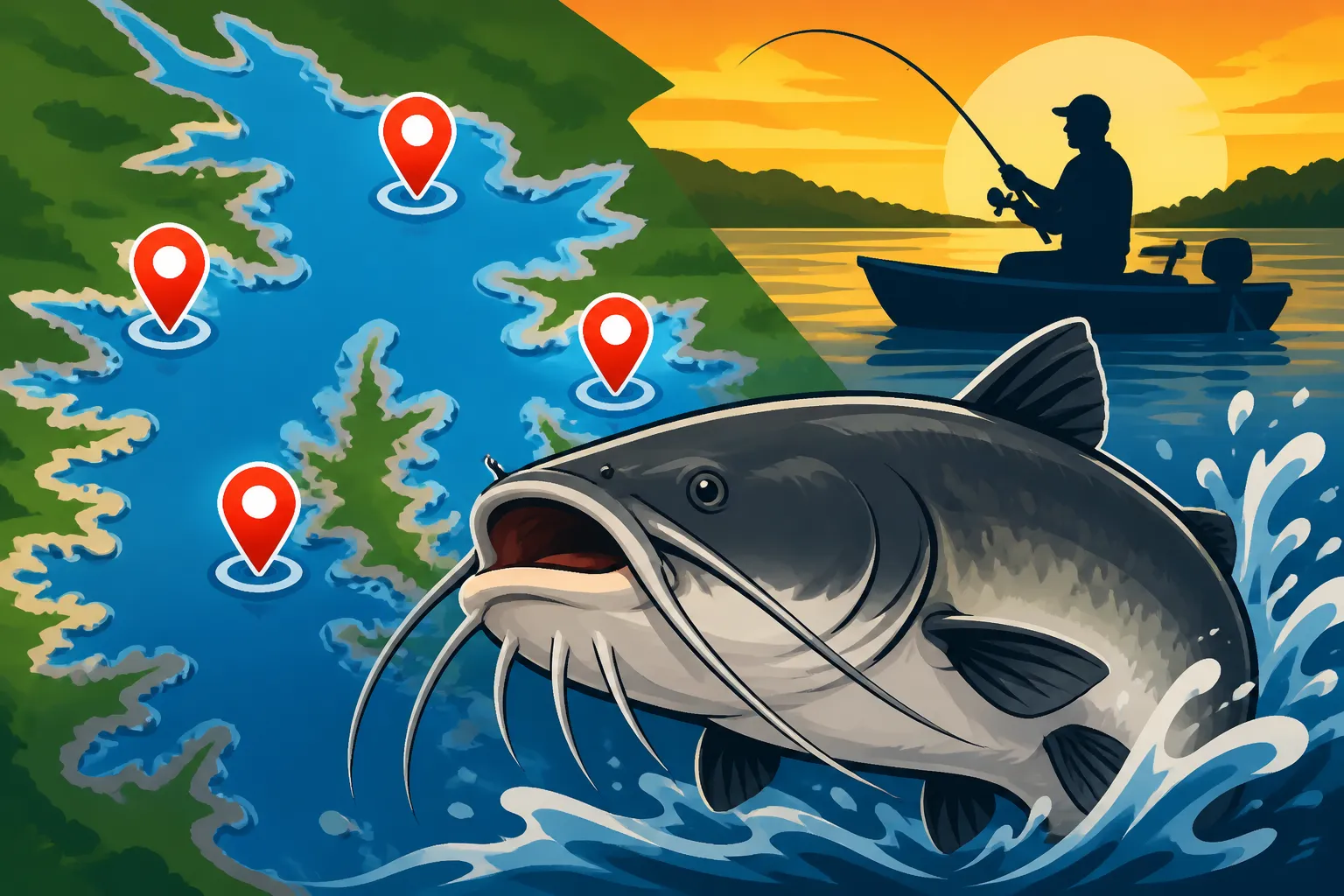
Lake Wateree, nestled in the heart of South Carolina, isn't just another pretty reservoir; it's a true catfish mecca, renowned for its prolific populations of blue catfish, channel catfish, and even some hefty flatheads. This sprawling lake, covering over 13,000 acres, offers a diverse range of habitats that these whiskered predators absolutely thrive in. From shallow, nutrient-rich creeks to deep, winding river channels, there's a reason anglers flock here seeking their next trophy cat.
What makes Wateree so special for catfish is its intricate underwater topography combined with a robust forage base. The lake is essentially an impoundment of the Wateree River, which feeds it a constant supply of baitfish, crustaceans, and other aquatic life. This continuous influx of food, coupled with extensive cover in the form of submerged timber, rock piles, and old creek beds, creates an ideal environment for catfish to grow large and plentiful. It’s not just about size, though; the sheer numbers of fish mean you’re rarely without a bite if you know where to look.
Anglers often speak of Wateree in hushed tones when discussing catfish, and it’s not an exaggeration. The lake consistently produces impressive catches, from numerous eating-sized channel cats to monster blue catfish tipping the scales over 50 pounds. This reputation isn't built on luck; it's a testament to the lake's ecological health and the dedicated efforts of local fisheries management. Understanding these underlying factors is the first step to truly appreciating and effectively fishing this incredible body of water.
The Congaree and Wateree River Influence
The lifeline of Lake Wateree, and a major reason for its phenomenal catfish fishery, is its direct connection to the Congaree and Wateree River systems. Before the lake was impounded, it was these natural river channels that carved out the deep trenches and bends that now lie submerged beneath the surface. This riverine heritage means that even within the lake, there's a distinct current, especially in the main channel, which catfish absolutely love. They use these currents to ambush prey and conserve energy.
The river's flow brings in a steady supply of nutrients, debris, and, most importantly, forage. Shad, bream, and other small fish are constantly washed into the lake, creating a buffet for hungry catfish. These river systems also act as natural highways for migratory fish, ensuring a fresh supply of food year-round. Understanding this river influence is key; think of the main lake as a series of river sections and connected oxbows, rather than just a static body of water.
Furthermore, the upstream connections to rivers like the Broad and Saluda (which form the Congaree) mean a vast watershed contributes to the lake's biodiversity. This complex hydrological system creates unique conditions, from varying water temperatures to different sediment loads, all of which play a role in where catfish decide to feed and spawn throughout the year. Experienced anglers know to pay close attention to river levels and discharge rates, as these can dramatically impact catfish activity in the lake.
Prime Structural Elements
Beneath Lake Wateree's surface lies a treasure trove of structure, each element acting as a potential hotspot for catfish. Unlike featureless impoundments, Wateree boasts an incredible array of submerged features. We're talking about old creek channels that snake through the lakebed, their edges providing perfect ambush points; deep holes carved out by the ancient river flow; and vast flats that transition into sharp drop-offs. These natural formations are critical to locating catfish, as they provide cover, feeding lanes, and staging areas.
Beyond natural structure, man-made elements often become prime catfish real estate. When the lake was formed, not everything was cleared. This left behind remnants of old homesteads, farm roads, bridge pilings, and vast fields of submerged timber. These forgotten structures, often invisible from the surface, are magnets for baitfish and, consequently, for the catfish that prey on them. A good fish finder is invaluable here, helping you pinpoint these hidden gems.
Think of these structural elements as apartment complexes for fish. The creek channels are the main streets, the deep holes are the quiet cul-de-sacs, and the submerged timber are the bustling marketplaces. Catfish, being opportunistic feeders, will often relate to these structures for safety, comfort, and easy access to food. Learning to read your electronics to identify these features, such as distinct depth changes or clusters of submerged trees, will dramatically increase your success rate on Lake Wateree.
Top Catfish Fishing Spots on Lake Wateree
Finding the best catfish spots on Lake Wateree is less about luck and more about understanding the patterns of the fish and the layout of the lake. While catfish can be found almost anywhere, certain areas consistently produce bigger fish or higher numbers. These locations often combine deep water, current, abundant forage, and ample cover, creating a perfect storm for active catfish. Knowing these honey holes can save you hours of searching and put you right on the fish.
Lake Wateree is vast, so breaking it down into manageable sections helps. We'll explore specific arms, main channel features, and hidden structures that are proven catfish producers. Remember, catfish are always on the move, following bait and adjusting to water conditions, so while these are prime areas, flexibility and observation are key to consistent success. Always consult a good lake map and use your electronics to scout these areas thoroughly before dropping anchor.
The Wateree Creek Arm and Its Tributaries
The Wateree Creek arm, located on the northern end of the lake, is an absolute goldmine for catfish anglers. This area features numerous smaller creeks and coves that feed into the main arm, bringing in a constant flow of nutrients and baitfish. Catfish often congregate in these shallower, nutrient-rich areas, especially during warmer months or when spawning. Look for the mouths of these smaller creeks where they meet the main arm, as these are natural funnels for fish movement.
Specifically, focus on the deeper holes and bends within the Wateree Creek arm itself. As the creek winds, it carves out depressions that provide catfish with sanctuary from current and bright sunlight. During cooler periods, these deeper pockets can hold large schools of fish. Early mornings and evenings often see catfish moving shallower into the creek beds to feed, making them excellent times to target these areas with cut bait or large worms.
Furthermore, the submerged timber that often lines these creek channels offers prime ambush points. Imagine an old creek bed now underwater, with trees and brush still standing. These dense areas provide cover for baitfish, which in turn attract catfish. Using a stout rod and heavy line is essential here, as you'll often be fishing right in the thick of it. The Wateree Creek arm is a fantastic starting point for any angler targeting Lake Wateree's abundant catfish.
Main Channel Bends and Deep Holes
The old Wateree River channel, which snakes its way through the entire length of the lake, is arguably the most consistent producer of trophy catfish. This is where the deepest water and strongest currents are found, and big blue catfish, in particular, love to hold in these conditions. Focus your efforts on the outside bends of the river channel, where the current has scoured out even deeper holes. These depressions, often ranging from 30 to 60 feet or more, are prime wintering and summer holding grounds.
Catfish will often position themselves along the edges of these channels, just out of the main current, waiting for baitfish to drift by. A good fish finder will not only help you locate the channel itself but also identify ledges, humps, and subtle contours along its banks where fish might be staging. Anchoring up-current from one of these deep holes and allowing your baits to drift naturally into the strike zone is a highly effective strategy.
Another key feature of the main channel are the confluence points, where major creeks or other significant bodies of water merge with the river channel. These areas create turbulent currents and concentrate baitfish, making them natural feeding zones for catfish. Examples include where sections like the Wateree Creek arm merge with the main channel. These areas are excellent for a variety of species, including the abundant catfish you're after. You might even find some productive areas by exploring how the Congaree River and Wateree River meet.
Submerged Roadbeds and Old Bridge Pilings
Lake Wateree's history as a flooded landscape means that many man-made structures from before its creation now lie hidden beneath the surface, acting as incredible fish attractors. Old roadbeds, for instance, often run for considerable distances across the lakebed, creating subtle elevation changes and harder bottom compositions compared to the surrounding soft mud. Catfish, especially flatheads, love to orient themselves along these underwater highways, ambushing passing prey.
Similarly, the remnants of old bridge pilings or even entire bridges that once spanned the Wateree River are absolute magnets for catfish. These concrete or wooden structures provide vertical relief and excellent current breaks, creating perfect hiding spots. Over time, these pilings often accumulate brush and debris, further enhancing their appeal as habitat. When you locate one of these, you've found a high-percentage spot that could hold multiple large fish.
Using your sonar to meticulously scan areas where roads or bridges once crossed the river is crucial. Once you identify these structures, position your boat to drift or anchor directly over or just up-current from them. Dropping heavy baits right on these submerged features can be incredibly productive, as catfish will often hunker down tightly against them. Some anglers have even had success exploring the deep flats and structure. For boat ramps and general access, check out the article on Lake Wateree Boat Ramps for South Carolina Anglers.
The Lower Lake Flats and Drop-offs
As you move towards the dam, the lower sections of Lake Wateree open up into wider, deeper flats, but don't let the seemingly uniform appearance fool you. These expansive areas are often interspersed with subtle drop-offs, underwater humps, and remnants of timber lines that run parallel to the old river channel. These features, though less pronounced than in other areas, are critical holding spots for catfish, particularly the massive blue catfish the lake is famous for.
These deeper flats, especially those with a soft, muddy bottom, are prime feeding grounds where catfish root around for invertebrates and prey on baitfish schools. The key is to find the transition zones where the flats meet a sudden drop-off into deeper water. These edges act as highways for fish moving between feeding and resting areas. Drifting across these flats with multiple lines at varying depths can be a highly effective way to locate active fish.
During the cooler months, these deeper, more stable environments become essential wintering grounds. Large schools of catfish will congregate here, conserving energy and waiting for warmer temperatures. Even in summer, they offer a refuge from the intense heat and boat traffic in shallower areas. Don't overlook the expansive nature of these lower lake areas; they might require more patience and extensive scanning with your electronics, but the rewards can be truly spectacular.
Essential Techniques and Baits for Lake Wateree Catfish
Knowing where the catfish are is only half the battle; knowing how to catch them is the other. Lake Wateree's catfish respond well to a variety of techniques, but some are undoubtedly more effective than others, especially when combined with the right bait choices. Whether you're a seasoned catfisherman or just starting out, mastering a few core techniques will significantly boost your catch rate on this prolific lake.
Remember, catfish are primarily scavengers and opportunistic predators, meaning they're drawn to strong scents and readily available food sources. They also have excellent senses of smell and touch, allowing them to locate food in dark or murky water. Adjusting your presentation and bait according to water conditions and the specific species you're targeting will make all the difference.
Bottom Fishing and Drifting Strategies
Bottom fishing is, hands down, the most popular and effective method for targeting catfish on Lake Wateree. This technique involves presenting your bait directly on the lakebed, where catfish spend much of their time rooting around for food. A classic Carolina Rig, consisting of a sinker (often a slip sinker), a swivel, and a leader with a hook, is the go-to setup. The weight keeps your bait down, while the leader allows the bait to move naturally with the current, making it more appealing.
When anchored, deploy multiple rods around your boat, varying the distances and depths if you're on a ledge or drop-off. This helps you cover more water and quickly identify the depth at which fish are feeding. Heavy-duty rods and reels are a must, as you'll often be battling big fish in strong currents or heavy cover. Make sure your drags are set correctly, as a powerful catfish can strip line in an instant. Learn more about how to bottom fish for catfish effectively.
Drifting is another highly productive strategy, particularly over large flats or along expansive channel edges. This involves allowing your boat to be pushed by the wind or a slow current, dragging your bottom rigs along the lakebed. This technique covers a lot of water, allowing you to present your bait to numerous fish you might not have found by simply anchoring. A controlled drift, often achieved with a drift sock or by occasionally engaging your trolling motor, is crucial for keeping your lines from tangling and ensuring your baits are presented naturally.
Best Baits for Lake Wateree's Whiskered Wonders
When it comes to catfish, bait is king, and Lake Wateree is no exception. While prepared stink baits have their place, fresh cut bait is often the most effective for attracting the lake's larger blue and flathead catfish. Shad, bluegill, or even small carp caught directly from the lake make excellent choices. Cut these into chunks or strips, ensuring they bleed slightly to create a scent trail that catfish can't resist. The fresher the bait, the better.
For channel catfish, a wider variety of baits will work. Chicken livers are a classic choice, known for their strong scent. Dough balls, shrimp, and even hot dogs can also be effective, especially for smaller, eating-sized channel cats. Some anglers swear by commercially available stink baits, which come in various forms like dip baits or punch baits. These are designed to be extremely potent and can be very effective in stained or muddy water. Learn more about the best bait for summer catfish fishing if you're planning a warm-weather trip.
When targeting flatheads, live bait is often preferred. A lively bluegill, bream, or small carp hooked through the back or lips will entice these predatory cats. Flatheads are more aggressive hunters than blues or channels and prefer live, struggling prey. Using a heavy leader and a large circle hook is essential when fishing with live bait to ensure a solid hookset and to prevent the fish from swallowing the hook too deeply. You can find more details on how to rig cut bait for catfish for various situations.
Night Fishing for Trophy Catfish
If you're serious about landing a true trophy catfish on Lake Wateree, then night fishing is an absolute must. Catfish, particularly the larger blues and flatheads, are far more active under the cover of darkness. They move out of their deep-water sanctuaries and into shallower feeding areas, taking advantage of the reduced boat traffic and cooler water temperatures. This shift in behavior makes them more vulnerable and aggressive.
During the night, focus your efforts on the same structural elements that are productive during the day – main channel bends, deep holes adjacent to flats, and submerged roadbeds. However, pay extra attention to shallower points, humps, and the edges of weed lines or timber that might be ignored during daylight hours. Catfish will often push baitfish into these areas, making them prime ambush points. The question of "is night fishing better for catfish?" is almost always answered with a resounding yes by Wateree regulars.
Setting up for night fishing requires a bit more preparation. Ensure you have adequate lighting (headlamps, boat lights, glow sticks for your rods), bug spray, and all your gear organized. Many anglers use light-up bobbers or rod tip lights to detect bites in the dark. The peace and quiet of night fishing on Lake Wateree, broken only by the sound of your reel screaming, is an unforgettable experience and often leads to the biggest fish of your life.
Planning Your Lake Wateree Catfish Trip
A successful fishing trip to Lake Wateree isn't just about finding the right spots and using the best bait; it also involves thoughtful planning. Understanding the nuances of the lake's seasons, knowing where to access the water, and considering whether to enlist the help of a professional guide can greatly enhance your overall experience and success.
Lake Wateree is a popular destination, so a little foresight can go a long way in ensuring a smooth and enjoyable outing. From checking regulations to preparing for different conditions, being well-prepared is key to a memorable day (or night!) on the water.
Seasonal Considerations for Catfish Action
Catfish action on Lake Wateree varies throughout the year, largely influenced by water temperature and the fish's spawning cycles. Spring (March-May) is often considered one of the best times to fish, as catfish move shallower to feed aggressively before the spawn. They can be found in creek channels and on flats adjacent to deeper water. The spawn typically occurs from late spring into early summer, and while fishing can be tough during the peak, pre-spawn and post-spawn periods are excellent.
Summer (June-August) sees catfish moving into deeper, cooler water, often suspending over the main channel or hunkering down in deep holes and under heavy cover during the heat of the day. Night fishing becomes particularly effective during these warmer months. Fall (September-November) is another fantastic period, as catfish once again become highly active, feeding heavily to bulk up for winter. They can be found transitioning between deep and shallow water, often following baitfish schools.
Even winter (December-February) can be productive, especially for large blue catfish. They tend to school up in massive numbers in the deepest sections of the main river channel, often near structures like the dam or deep bends. While bites might be slower, the potential for a monster catch is high. Adapting your techniques and targeting specific depths based on the season is crucial for consistent success.
Boat Ramps and Access Points
Lake Wateree offers several public boat ramps and access points, making it relatively easy to launch your vessel and get onto the water. Popular options include the Wateree State Park ramp, which provides good facilities, and the Beaver Creek ramp, known for its access to the upper lake areas. Additionally, several county ramps and private marinas dot the shoreline, offering various amenities. It's always a good idea to check local conditions and ramp fees before heading out.
When choosing a ramp, consider which part of the lake you plan to fish. If you're targeting the Wateree Creek arm, a ramp on the northern end will save you considerable travel time. If the lower lake is your focus, look for ramps closer to the dam. Always ensure your boat and trailer are in good working order, as some ramps can be steep or experience heavy traffic, especially on weekends. For a full breakdown of options, check out the article on Lake Wateree Boat Ramps for South Carolina Anglers.
A smooth launch and retrieval can set the tone for your entire trip, so familiarize yourself with the chosen access point beforehand. Use online maps or apps to scout the area, identify parking availability, and note any potential challenges like shallow water at the ramp during low lake levels. Being prepared at the ramp means more time on the water, chasing those big catfish.
Hiring a Local Guide
While this guide provides a wealth of information, there's no substitute for the hands-on experience and local knowledge of a professional fishing guide. A seasoned Lake Wateree catfish guide can put you on fish faster, teach you advanced techniques, and share insights into current conditions that only years on the water can provide. This is especially valuable if you're new to the lake or are specifically targeting a trophy fish.
Many excellent guides operate on Lake Wateree, specializing in catfish. They typically provide all the necessary gear, bait, and often even handle the required fishing licenses for their clients. A guided trip is a fantastic way to learn the lake quickly, refine your skills, and almost guarantee a productive day. It's an investment that often pays off with both fish in the boat and invaluable lessons learned.
Booking a guide is easier than ever with platforms like FishingBooker, which connect you with reputable local captains. You can browse profiles, read reviews, and compare trip offerings to find the perfect match for your group and fishing goals. Whether you're planning a family outing or a serious hunt for a monster cat, considering a guide, perhaps through FishingBooker, can turn a good trip into a legendary one. For more insights into choosing a guide, take a look at our guide on choosing the right South Carolina fishing guide.
| Catfish Hotspot Type | Key Features | Best Catfish Species | Ideal Fishing Methods | Tips for Success |
|---|---|---|---|---|
| Wateree Creek Arm | Shallow coves, bends, submerged timber, creek mouths | Channel, Blue, some Flathead | Bottom fishing, anchored, drifting | Target creek mouths and deeper bends; use cut bait. Excellent in spring and fall. |
| Main Channel Bends | Deep holes, strong current, sharp drop-offs | Blue, Channel (especially larger fish) | Anchored bottom fishing, controlled drift | Fish outside bends in 30-60+ ft; use large cut bait. Prime for trophy blues year-round. |
| Submerged Roadbeds/Pilings | Hard bottom, vertical structure, current breaks | Flathead, Blue, Channel | Anchored, precise bait placement | Use electronics to pinpoint structures; fish tight to cover with live or fresh cut bait. Good for ambush predators. |
| Lower Lake Flats/Drop-offs | Expansive muddy flats, subtle depth changes, humps | Blue, Channel | Drifting, fan casting | Cover large areas with drift rigs; look for transitions to deeper water. Excellent for schooling blues in winter/summer. |
South Carolina Fishing License Requirements
Before you even think about dropping a line in Lake Wateree or any other body of water in the state, you absolutely need to make sure you're properly licensed. South Carolina takes its fisheries management seriously, and fishing without the appropriate license can lead to fines and a ruined trip. It's a simple step that ensures you're fishing legally and contributing to the conservation efforts that keep our waters so productive.
For fishing in freshwater lakes like Wateree, you'll need a valid South Carolina freshwater fishing license. This applies to both residents and non-residents, though the costs and options might differ. Kids typically have different requirements, so it's always best to check the current rules. The good news is that getting a license is straightforward and can be done online, at local retailers, or through SCDNR offices. Always carry your license with you while fishing, either a physical copy or a digital version on your phone. To learn more about specific regulations, check out our comprehensive guide on South Carolina's Freshwater Fishing Regulations.
Disclaimer
Always check the latest South Carolina Department of Natural Resources (SCDNR) regulations before heading out on any fishing trip, as rules, bag limits, and size restrictions can change. This guide is for informational purposes only and should not be considered legal advice.