Is Sheepshead Good to Eat?
You've just reeled in a Sheepshead, that distinctive convict-striped fish, and now you're looking at it, wondering, "Is this thing actually good to eat?" It's a common question, and honestly, many anglers overlook this incredible South Carolina delicacy because of its challenging appearance or the effort it takes to prepare. But trust me, you’re in for a treat if you give it a chance, and this guide will show you exactly why Sheepshead deserves a spot on your dinner plate.
The Flavor Profile of South Carolina Sheepshead
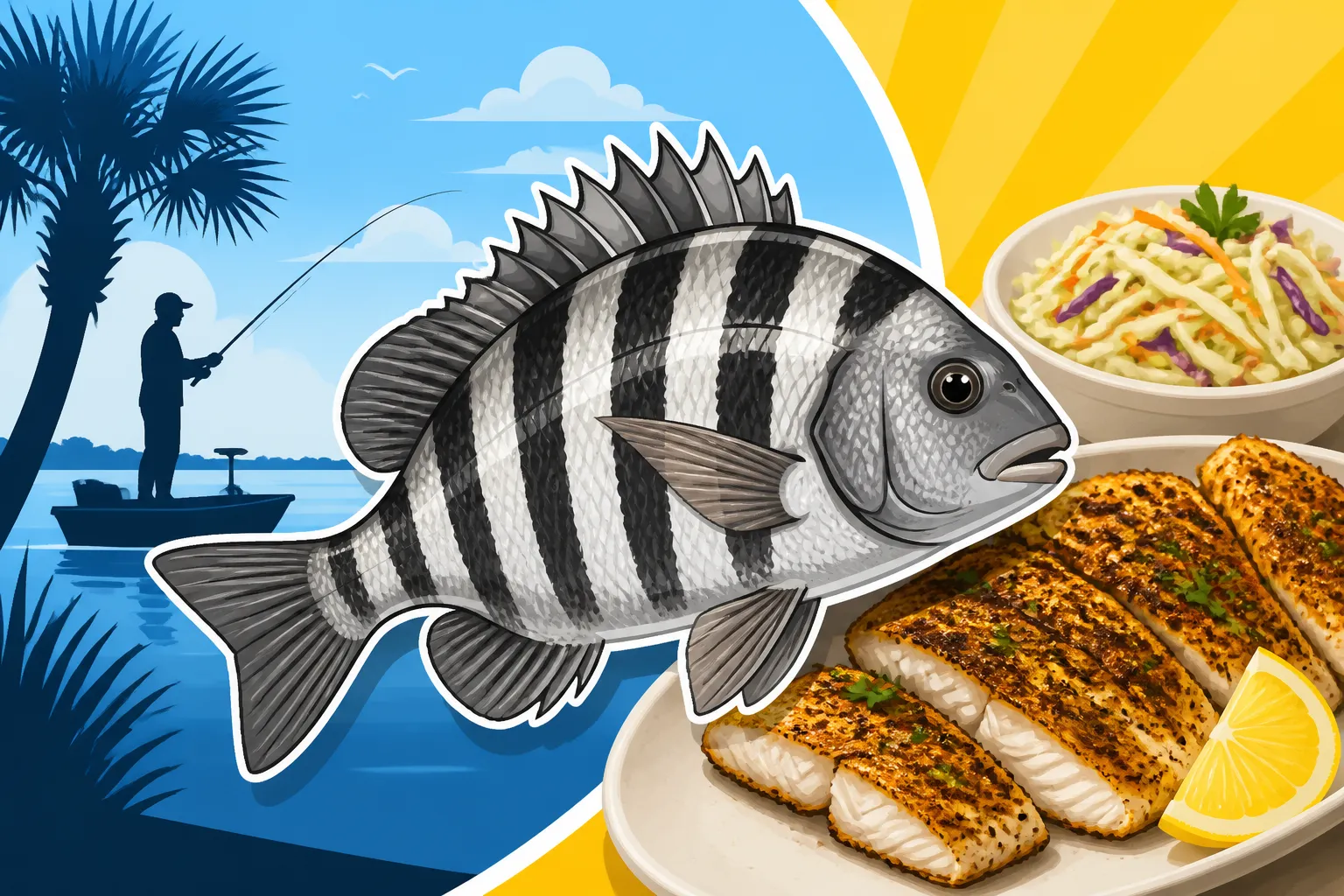
Let's get right to the heart of the matter: what does Sheepshead taste like? Many folks, especially those who aren't familiar with our coastal waters, might assume a fish with a mouth full of human-like teeth might have a strange flavor. But that couldn't be further from the truth. Sheepshead, locally known as "convict fish" due to its distinctive black and white stripes, consistently ranks high among inshore species for its culinary value. It's a firm, white, flaky fish with a clean, slightly sweet, and distinctively briny taste that often surprises first-timers.
What Makes Sheepshead Taste So Distinct?
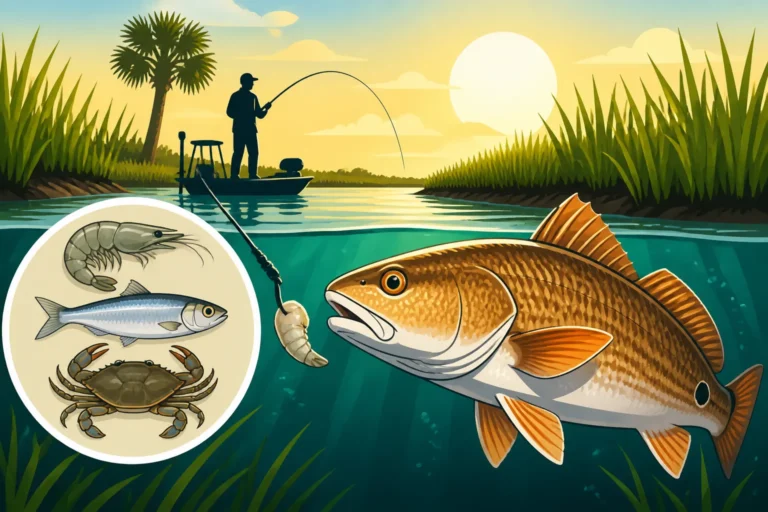
The secret to the Sheepshead's incredible flavor lies almost entirely in its diet. These fish are true connoisseurs of the marine world, using their powerful, almost human-like teeth to crunch down on shellfish and crustaceans. Think oysters, barnacles, fiddler crabs, mussels, and shrimp – all the gourmet delights of the saltmarsh. When a fish feeds exclusively on such high-quality, briny foods, that flavor absolutely translates directly into its flesh.
Imagine a Sheepshead foraging around the pilings of a bridge crossing the Intracoastal Waterway near Murrells Inlet, or perhaps picking barnacles off a jetty in Charleston Harbor. Every single morsel it consumes contributes to the lean, clean, and subtly sweet taste you'll experience when you take a bite. It’s not a "fishy" taste in the way some oily fish can be; instead, it has a delicate, almost shellfish-like sweetness that's truly unique. This direct link between diet and flavor is why experienced anglers specifically seek out Sheepshead for the table. It's truly a taste of the Lowcountry in every bite.
Comparing Sheepshead to Other Popular Fish
To really appreciate Sheepshead, it helps to compare it to some other popular fish you might already enjoy. While it has its own distinct character, it shares some desirable traits with other sought-after species. Its firm texture and white, lean meat often draw comparisons to snapper or even grouper, though with a slightly more pronounced, delicate sweetness. If you're used to freshwater fish, it's a completely different ballgame; there's no muddy or earthy flavor here.
Let's break down how Sheepshead stacks up:
| Feature | Sheepshead | Red Snapper | Grouper | Flounder | Speckled Trout |
|---|---|---|---|---|---|
| Flavor | Sweet, briny, clean, delicate | Mild, sweet, clean | Mild, sweet, flaky | Very mild, delicate, slightly sweet | Mild, somewhat earthy depending on diet |
| Texture | Firm, flaky, moist | Firm, moist, medium flakes | Firm, large flakes, moist | Very delicate, fine flakes, tender | Medium-firm, smaller flakes, tender |
| Color | Pearly white | Bright white | White | Bright white | Pinkish-white |
| Diet | Crustaceans, shellfish, barnacles | Crustaceans, small fish, worms | Fish, squid, crustaceans | Small fish, crustaceans, worms | Small fish, shrimp, invertebrates |
| Oiliness | Very low | Low | Low | Very low | Low to medium |
| Versatility | Excellent for grilling, baking, frying | Excellent for all methods | Excellent for all methods | Best baked, broiled, fried | Great baked, broiled, fried |
As you can see, Sheepshead holds its own among top-tier table fish. It's a lean fish, meaning it's not oily, which contributes to its clean flavor and makes it incredibly versatile in the kitchen. Many anglers consider it superior to even some commonly celebrated species, especially when it's freshly caught from South Carolina's pristine coastal waters. If you're interested in South Carolina Saltwater Fish Species Worth Targeting, Sheepshead definitely makes the cut!
Handling and Preparing Your Sheepshead Catch
So, you're convinced Sheepshead is good to eat. Now comes the practical part: getting it from the hook to the plate. Sheepshead are notoriously tough to clean, a fact that contributes to their overlooked status. Their scales are incredibly thick and hard, and their bone structure is robust. But don't let that deter you! With the right technique and a little patience, you'll be enjoying its delicious fillets in no time.
The Art of Filleting a Sheepshead
Filleting a Sheepshead is definitely a skill that improves with practice. If you're used to soft-scaled fish, you'll immediately notice the difference. You need a very sharp, sturdy fillet knife – and I mean sharp. Dull knives will just slide off the scales or make the job much harder. Some anglers even prefer a dedicated "scaler" tool or a heavy-duty pair of kitchen shears to cut through the tough skin around the fins before filleting.
Here’s a general approach:
- Preparation is Key: Lay your Sheepshead on a solid, non-slip surface. You might want to wear a cut-resistant glove on your non-dominant hand for safety, especially if you're new to this.
- Initial Cut: Start by making a cut behind the pectoral fin, angled slightly towards the head. Go deep enough to feel the backbone, but don't cut through it.
- Along the Spine: Turn your knife and carefully run it along the backbone towards the tail. This is where the sharp knife really shines; you'll need to apply consistent pressure to cut through the tough skin and rib cage.
- Rib Cage: When you reach the rib cage, you have a couple of options. You can either cut over the ribs and then separate the fillet from the rib meat, or if you're comfortable, cut the fillet off the backbone entirely and then trim the rib meat later. Many prefer the latter, as it's often easier to remove ribs from a detached fillet.
- Skinning: Once you have your fillet, skinning it is usually straightforward. Place the fillet skin-side down, hold the tail end firmly, and use your knife at a slight angle to separate the meat from the skin, working towards the thicker part of the fillet.
It might sound daunting, but once you get the hang of it, you'll be efficient. Some folks even use electric fillet knives to make quick work of these tough fish. For those looking for tips on catching them, checking out How to Catch Sheepshead Around South Carolina's Piers and Jetties can give you an edge before you even get to cleaning. Don't forget, a good cutting board that grips the fish is essential, and you can find excellent options for fillet knives and boards on online retailers like Amazon.
Best Cooking Methods for Sheepshead
Once you have those beautiful, white Sheepshead fillets in hand, the real fun begins! Because Sheepshead meat is so lean and firm, it's incredibly versatile. The key is often to let its natural, sweet flavor shine through without overpowering it.
- Grilling: This is one of the most popular methods. A simple seasoning of salt, black pepper, and maybe a squeeze of lemon juice is often all it needs. Brush the fillets with a little olive oil to prevent sticking, and grill over medium-high heat until flaky. It holds up exceptionally well on the grill, unlike some more delicate fish.
- Baking or Broiling: If grilling isn't an option, baking or broiling in the oven works wonderfully. A light dusting of seasoned breadcrumbs or a simple herb butter can elevate the dish. Bake at 375-400°F (about 190-200°C) until the fish flakes easily with a fork. Broiling gives it a nice crisp top in just a few minutes.
- Frying: For a classic Southern treat, lightly pan-frying or deep-frying Sheepshead is fantastic. A cornmeal or flour-based breading gives it a delicious crust, complementing the firm, moist interior. Just be mindful of cooking times; because it's so lean, it can dry out if overcooked.
- Steaming or Poaching: While less common, these methods really highlight the delicate sweetness of the fish. Serve steamed Sheepshead with a light vegetable medley or a simple lemon-dill sauce.
My personal go-to is often pan-seared with a little butter, garlic, and fresh parsley. It’s simple, quick, and really lets the unique flavor of the Sheepshead come through. Pairing it with some local South Carolina sweet potatoes or fresh greens makes for a perfect meal. If you're looking for more general culinary guidance for your catch, you might find some useful information in Is Flounder Good to Eat? What South Carolina Anglers Say or even Is Largemouth Bass Good to Eat? A South Carolina Angler's Guide, though Sheepshead certainly has its own distinct profile.
Nutritional Benefits and Considerations
Beyond its fantastic taste, Sheepshead is also a highly nutritious choice. As anglers, we often focus on the thrill of the catch or the deliciousness of the meal, but knowing you're eating something healthy adds another layer of satisfaction.
A Healthy Choice for Seafood Lovers
Sheepshead is an excellent source of lean protein, which is essential for muscle repair and overall body function. It's a low-fat fish, making it a great option for those watching their caloric intake. While not as rich in omega-3 fatty acids as some fattier fish like salmon, it still contributes to a healthy diet, offering beneficial fats without the heavy oils.
You'll also find a good array of vitamins and minerals in Sheepshead, including B vitamins (especially B12), phosphorus, and selenium. These are important for energy metabolism, bone health, and antioxidant defense. Plus, as a wild-caught, naturally feeding fish from clean coastal waters, you're getting a product free from many of the concerns associated with farmed fish. It's truly a wholesome and delicious meal straight from the ocean to your plate.
Sourcing and Sustainability
One of the great things about Sheepshead fishing in South Carolina is that it's a relatively sustainable fishery. These fish are abundant in our inshore waters, around structures like jetties, docks, and bridges. They're not typically targeted by large commercial operations in the same way some offshore species are, meaning most Sheepshead are caught by recreational anglers.
When you're out fishing, always remember to be mindful of local regulations. South Carolina has specific South Carolina Redfish Slot Limit Rules and limits for many species, including Sheepshead, to ensure healthy populations for future generations. Knowing South Carolina's Freshwater Fishing Regulations and Saltwater Fishing Rules in South Carolina is crucial for responsible angling. By adhering to size and bag limits, and practicing catch-and-release for fish you don't intend to eat, you're helping to protect this valuable resource. Fishing for Sheepshead is not just about bringing home dinner; it's about connecting with nature and being a good steward of our incredible aquatic environments.
So, the next time you hear a seasoned local angler rave about Sheepshead, or you find yourself debating whether to keep that striped beauty, don't hesitate. You'll be joining a growing number of people who appreciate this challenging but incredibly rewarding fish. Its unique flavor, firm texture, and healthy attributes make it a true gem of South Carolina's coastal bounty.
Disclaimer
This article is for general informational purposes only and does not constitute professional advice. Laws, prices and regulations vary by location and change over time. Consult a qualified professional for guidance on your specific situation.