Hilton Head Mahi-Mahi Charter Fishing Trips
The dream of hooking into a powerful, acrobatic mahi-mahi offshore from Hilton Head is one that fuels many anglers, but knowing how to turn that dream into a reality can feel overwhelming. From figuring out the best time to go to understanding what a charter trip actually entails, it's easy to get lost in the details. This guide is here to cut through the confusion and provide you with all the essential information you need to plan an incredible mahi-mahi fishing adventure from the beautiful waters of Hilton Head Island.
Why Chase Mahi-Mahi Off Hilton Head?
There's something uniquely exhilarating about targeting mahi-mahi, also known as dolphin fish or dorado, off the coast of Hilton Head. These vibrant, fast-swimming predators aren't just a treat for the eyes with their iridescent blues, greens, and yellows; they offer an unparalleled fishing experience that keeps anglers coming back for more. The waters off Hilton Head provide prime habitat for these pelagic beauties, especially during certain times of the year when the conditions align perfectly.
The Thrill of the Fight
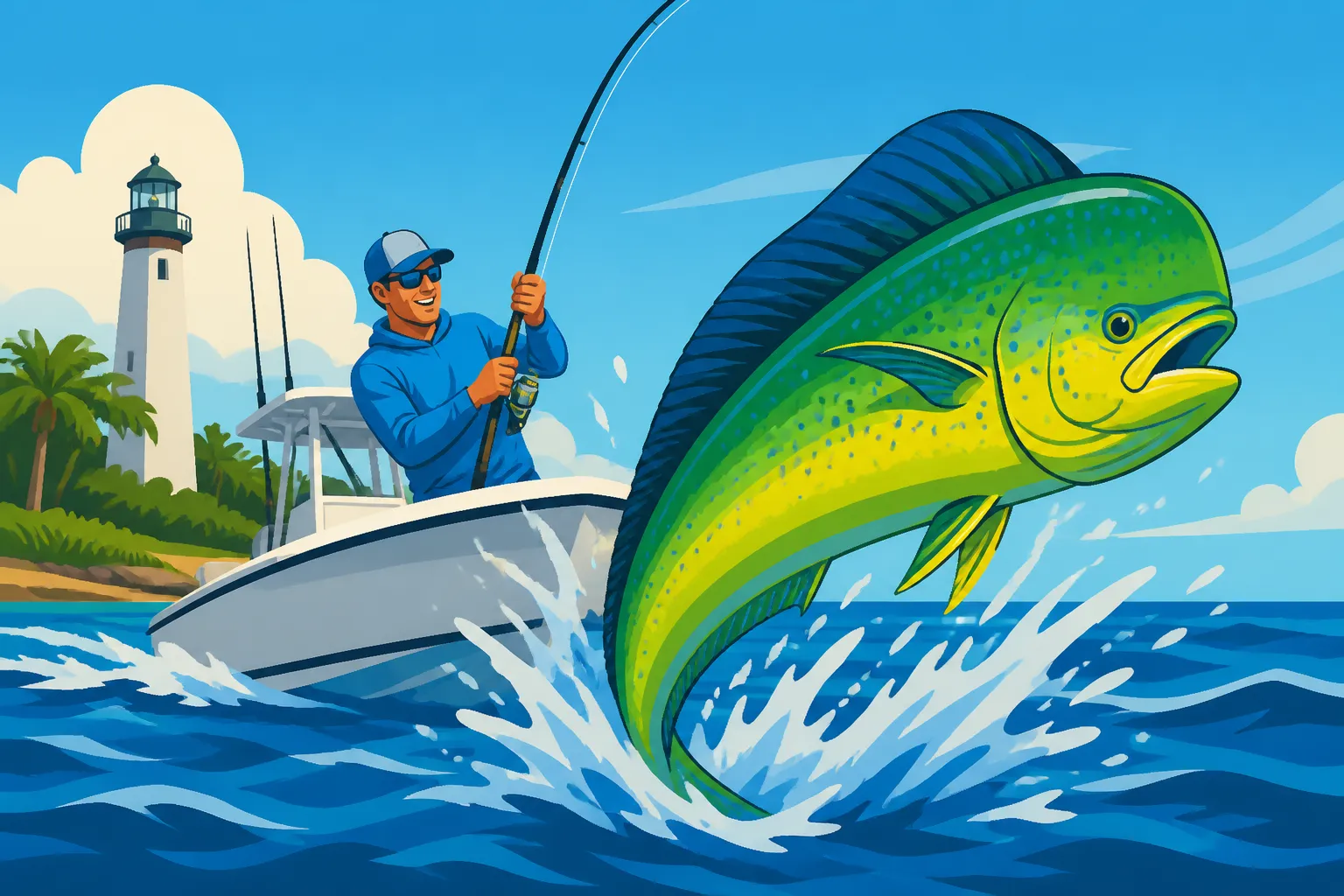
Imagine the scene: you're miles offshore, the sun glinting off the vast expanse of the Atlantic, and suddenly, a reel screams. This isn't just a gentle tug; it's an explosive, high-speed run from a fish that can leap and thrash with incredible power. Mahi-mahi are renowned for their acrobatic aerial displays, often jumping clear out of the water multiple times during a fight. Their sheer speed and stamina test every angler's skill, making each catch a memorable battle. It's the kind of heart-pounding action that defines offshore sport fishing, leaving you with shaking arms and an adrenaline rush long after the fish is in the boat. This isn't just fishing; it's an intense, engaging athletic challenge against one of the ocean's most spectacular creatures.
The initial strike is often subtle, a swift tug that quickly escalates into a full-blown tug-of-war. You'll feel the rod double over, line peeling off the reel at an alarming rate. Then, just when you think you might be gaining ground, the mahi-mahi bursts into the air, shimmering in the sunlight, shaking its head violently in an attempt to throw the hook. Your charter captain and mate will be barking instructions, guiding you through the motions of pumping and reeling, reminding you to keep the line tight. It’s a coordinated dance between angler, crew, and fish, culminating in the triumphant moment when the vibrant fish is brought alongside the boat.
Seasonal Considerations for Mahi
While mahi-mahi can sometimes be encountered outside their peak season, their presence off Hilton Head is highly seasonal. The warmer waters of late spring, summer, and early fall are generally the most productive times to target these fish. As the Gulf Stream currents bring warmer water closer to the coast, baitfish move in, and the mahi-mahi follow, creating excellent opportunities for anglers. During these months, the offshore environment becomes a vibrant ecosystem, teeming with life that supports these apex predators. Understanding these seasonal patterns is key to maximizing your chances of a successful trip.
Typically, the best window for mahi-mahi fishing off Hilton Head stretches from May through October. June, July, and August often represent the peak of the season, when the water temperatures are consistently warm and the migratory patterns of mahi-mahi bring them into greater numbers within striking distance of charter boats. During these months, you're more likely to encounter larger schools of fish and potentially trophy-sized individuals. However, even the shoulder months can offer fantastic fishing, especially if an early warm spell or a lingering summer holds the fish in the area longer. It’s always a good idea to check with local charter captains or fishing reports right before you plan your trip, as conditions can vary from year to year, influencing fish availability and behavior.
What Makes Mahi-Mahi a Top Game Fish
Beyond their incredible fighting ability, mahi-mahi are prized for several reasons that solidify their status as a top game fish. Their striking coloration, which often fades shortly after being caught, is truly breathtaking when they are fresh from the water. They are also incredibly fast-growing, making them a sustainable target for sport fishing. Perhaps most importantly for many anglers, mahi-mahi are absolutely delicious. Their firm, white, flaky meat is highly sought after and can be prepared in countless ways, from grilling and baking to frying. Catching a mahi-mahi means not only an unforgettable battle but also a fantastic meal to share with family and friends.
The visual appeal of a fresh mahi-mahi is hard to describe. As they come out of the water, they literally glow with an electric mix of emerald green, sky blue, and vibrant yellow, often with iridescent spots and stripes that seem to shift and change color before your eyes. This dazzling display is part of what makes them so captivating. Then, there's the culinary aspect. Unlike some powerful game fish that are primarily caught for sport, mahi-mahi offers the best of both worlds. Whether you prefer it blackened with a squeeze of lime, grilled simply with some olive oil and herbs, or even pan-seared with a tropical salsa, the delicate, sweet flavor of fresh mahi-mahi is a true delight. It transforms a successful fishing trip into a memorable dining experience.
Planning Your Hilton Head Mahi-Mahi Charter Trip
Deciding to go on a mahi-mahi charter from Hilton Head is the first exciting step, but the planning process can sometimes feel daunting. There are many factors to consider, from choosing the right boat and captain to understanding the logistics of offshore fishing. Taking the time to plan carefully ensures you have the best possible experience, maximizing your chances of encountering these magnificent fish and enjoying every moment on the water.
Choosing the Right Charter
Selecting the perfect charter for your mahi-mahi adventure is crucial. You'll want to look for a captain and crew with extensive experience specifically targeting mahi-mahi offshore. This means they understand the subtle signs of where these fish might be, such as current breaks, temperature changes, and floating debris. Ask about the boat's amenities, safety equipment, and what's included in the trip (bait, tackle, licenses). Don't be shy about asking for recent fishing reports or testimonials. Platforms like FishingBooker can be incredibly helpful for comparing different charters, reading reviews, and understanding what each offers. A knowledgeable and well-equipped charter can make all the difference between a good trip and a truly legendary one.
When evaluating charters, consider the captain's communication style and willingness to answer your questions. A great captain will explain their strategy, what conditions they're looking for, and what you can expect throughout the day. Some charters specialize in specific types of offshore fishing, and you want one that regularly targets pelagic species like mahi-mahi, tuna, and wahoo. Ensure the boat is well-maintained and has all the necessary safety gear, including life jackets, radios, and emergency beacons. South Carolina Fishing Charters: The Complete Guide offers a broader look at what to expect from charter operations in the area, which can help you narrow down your choices. You can also get a good sense of a charter's reputation by reading through customer feedback on booking sites.
Understanding Trip Lengths and Costs
Mahi-mahi fishing is an offshore endeavor, meaning these trips are generally longer than inshore excursions. You'll typically find options for half-day (4-6 hours), three-quarter day (7-8 hours), and full-day (9-12 hours) charters. For mahi-mahi, a full-day or at least a three-quarter day trip is usually recommended, as it allows enough time to travel to the offshore grounds, locate the fish, and spend ample time fishing. Shorter trips might limit your range or fishing time, making them less ideal for targeting these migratory species. Costs will vary significantly based on trip length, boat size, and the number of anglers, but expect offshore trips to be a significant investment due to fuel costs, specialized gear, and crew expertise.
Here's a general idea of how trip lengths might impact your mahi-mahi experience:
| Trip Type | Duration | Typical Distance Offshore | Mahi-Mahi Potential | Best For |
|---|---|---|---|---|
| Half-Day | 4-6 Hours | Closer nearshore/near reef | Limited | Family fun, inshore, quick trips (not ideal for dedicated mahi) |
| Three-Quarter Day | 7-8 Hours | Farther nearshore/reef | Moderate | Good compromise, more time to hunt mahi-mahi if close |
| Full-Day | 9-12 Hours | Deep offshore (Gulf Stream) | Excellent | Dedicated mahi-mahi hunting, trophy potential, wider search area |
As you can see, the longer trips give you a much better shot at hitting the prime mahi-mahi grounds. Remember, these are not just fishing excursions; they are experiences. The price reflects the specialized equipment, the fuel to run offshore, and the seasoned knowledge of the captain and crew. When looking at South Carolina Charter Fishing Costs and Trip Types, remember that the cost per person can decrease if you're sharing a charter with a group. Booking a charter often requires a deposit, and understanding the cancellation policy, especially for weather-related issues, is also important.
What to Pack and Prepare
An offshore mahi-mahi trip means you'll be spending a significant amount of time under the sun and exposed to the elements. Smart packing can make your trip much more comfortable and enjoyable. Essentials include plenty of water and snacks, sun protection (sunscreen, hat, sunglasses, long-sleeved UPF clothing), and comfortable, non-slip shoes. It's also wise to bring a light jacket or rain gear, as offshore weather can be unpredictable. If you're prone to seasickness, take preventative measures well before the trip. Most charters will provide all necessary fishing gear and tackle, but confirm this when booking. What to Bring on a South Carolina Fishing Charter provides a comprehensive list of items you might want to consider for any charter trip in the region.
Don't forget a cooler in your car for bringing home your delicious catch, and maybe some ziploc bags to protect your fillets. While the charter will likely have a cooler on board for drinks and fish, having your own for the drive home ensures everything stays fresh. Layers of clothing are always a good idea; it can be chilly in the morning offshore and then heat up significantly by midday. A good pair of polarized sunglasses will help you spot floating debris or weed lines that might be holding fish. And if you're a photography enthusiast, a waterproof camera is a fantastic way to capture those vibrant mahi-mahi colors and incredible fighting action without worrying about splashes.
On the Water: Mahi-Mahi Fishing Techniques and Hotspots
Once you're aboard your chosen charter and heading out past the jetties of Hilton Head, the real adventure begins. Mahi-mahi fishing is a dynamic process that relies on the captain's knowledge of currents, baitfish, and migratory patterns. It's not just about dropping a line; it's about actively searching for these elusive, fast-moving fish in the vast expanse of the ocean.
Trolling for Dorado Mahi-Mahi
The primary technique for targeting mahi-mahi on offshore charters is trolling. This involves dragging multiple lines behind the boat at a slow, steady speed, presenting a spread of baits and lures to entice strikes. Captains will often use a combination of natural baits, such as ballyhoo, and artificial lures like skirts, feathers, or chuggers, rigged to imitate baitfish. The spread is carefully designed to cover different depths and present a tantalizing buffet to any mahi-mahi swimming nearby. The thrill comes from watching the spread, waiting for a rod to bend violently or a reel to scream, signaling that a dorado has hit one of the offerings.
Successful trolling is a fine art, perfected by experienced captains. They adjust speed, direction, and lure placement based on sea conditions, water temperature, and what they're seeing on their electronics. The baits are often rigged to skip and dance on the surface or run slightly below, mimicking fleeing prey. The crew works tirelessly, monitoring the lines, clearing weeds, and being ready to react the moment a fish strikes. When a mahi-mahi hits, it often triggers a feeding frenzy, and the captain might quickly turn the boat to keep the school interested, sometimes even pitching live baits to keep the action going. This rapid response and quick thinking are why going with a professional South Carolina Offshore Fishing Charters Explained guide makes such a difference.
Finding the "Weedlines" and Structure
Mahi-mahi are highly attracted to floating structure and current breaks in the open ocean. These can include Sargassum weed lines, floating logs, debris, or even temperature changes where warmer currents meet cooler water. These areas act as natural aggregation points, providing shelter and drawing in smaller baitfish, which in turn attract predators like mahi-mahi. Experienced captains will spend their time searching for these indicators, knowing that where there's structure or a current break, there's a higher chance of finding feeding mahi-mahi. This "hunting" aspect is a significant part of the offshore fishing experience.
It's truly fascinating to see how a seemingly barren stretch of ocean can suddenly come alive around a patch of floating sargassum. These dense mats of seaweed create a miniature ecosystem, offering refuge for juvenile fish, crabs, and shrimp, which then become a smorgasbord for mahi-mahi. Similarly, temperature breaks and current rips concentrate plankton and baitfish, creating invisible highways and feeding stations for pelagic species. The captain will use their electronics, knowledge of local currents, and keen eyesight to spot these subtle but critical features. Once a promising area is found, the trolling pattern becomes more focused, sometimes circling the structure multiple times to thoroughly work the area. Tuna and Wahoo Charters off the South Carolina Coast also utilize similar strategies, as these pelagic species share a preference for such offshore conditions.
The Frenzy: What Happens When You Hook One
Mahi-mahi are known for their schooling behavior, and when one fish is hooked, it often creates a "frenzy" where other mahi-mahi in the school become highly aggressive and competitive. This is when the action really heats up! The crew will quickly work to keep the hooked fish near the boat, sometimes even leaving it in the water, while other lines are cast out with live bait or lures to capitalize on the agitated school. It's not uncommon for multiple rods to go off simultaneously, leading to an exhilarating chaos of screaming reels, bent rods, and vibrant fish leaping across the water. This fast-paced, multi-fish action is a highlight of any mahi-mahi trip and a testament to their schooling nature.
Imagine the scene: you're fighting a beautiful mahi, it's jumping and pulling, and suddenly another line screams! Then another! The deck becomes a flurry of activity as the captain skillfully maneuvers the boat, the mate quickly deploys more baits, and anglers scramble to grab rods. It’s a moment of pure adrenaline, where every sense is heightened. The goal is to keep the school around the boat for as long as possible, picking off as many fish as current regulations allow. This is where the teamwork of a good charter crew truly shines, seamlessly managing multiple hooked fish and ensuring everyone gets a shot at the action.
Post-Trip: Filleting Your Catch and Local Regulations
After a thrilling day on the water battling beautiful mahi-mahi, the adventure isn't quite over. Bringing your catch back to the dock involves understanding how to care for the fish and knowing the local regulations that govern what you can keep. Enjoying the fruits of your labor is part of the experience, but always within the bounds of sustainable practices.
Handling Your Catch
Once a mahi-mahi is brought aboard, proper handling is essential to preserve its quality and flavor. Most reputable charters will have an icebox or fish box readily available to immediately place your catch on ice. This rapid cooling helps maintain the fish's freshness, firm texture, and vibrant color. The crew will usually be skilled at bleeding and gutting the fish quickly, which further enhances the meat quality. Upon returning to the dock, many charters offer filleting services for a small fee, or the mate might fillet the fish as part of their service. This ensures you go home with pristine fillets, ready for cooking. Cleaning and Filleting Your Catch After a South Carolina Charter goes into greater detail about this crucial step in the fishing process.
The process often starts with the crew stunning the fish quickly and humanely to minimize stress. Then, a swift cut to bleed the fish, often by severing the gills, is crucial. This removes any lingering blood from the meat, which can otherwise impart an undesirable "fishy" flavor. Immediately after bleeding, the fish are submerged in an icy slush. This combination of bleeding and rapid cooling is what elevates a good catch to a great meal. When you get back to the dock, having the fish professionally filleted by someone who does it every day means you'll maximize your yield and get clean, boneless portions that are perfect for cooking.
South Carolina Regulations for Mahi-Mahi
Even when fishing with a charter, it's good to have a general awareness of the regulations for mahi-mahi in South Carolina waters. While your captain is ultimately responsible for adhering to all federal and state fishing laws, knowing the basic rules regarding size limits and bag limits is helpful. These regulations are in place to ensure the sustainability of the mahi-mahi population for future generations of anglers. Your charter captain will always keep you informed of the current limits and ensure that all fish kept are within legal parameters. Remember, regulations can change, so rely on your captain for the most up-to-date information during your trip.
It's worth noting that offshore species like mahi-mahi are often managed by both state and federal regulations, especially when fishing far offshore in federal waters. This adds another layer of complexity that your charter captain navigates seamlessly. The rules generally cover minimum size requirements, ensuring fish have had a chance to reproduce, and daily bag limits, which restrict the number of fish an individual angler or vessel can keep. These measures, along with the fast growth rate of mahi-mahi, contribute to a healthy and robust fishery. You might also want to explore general South Carolina Fishing License Requirements in South Carolina to understand how licenses apply, though many charters cover a blanket license for their passengers.
Enjoying Your Mahi
The best part of a successful mahi-mahi trip is undoubtedly enjoying your fresh catch. Mahi-mahi is incredibly versatile and lends itself to a wide array of culinary preparations. Whether you prefer it simply grilled with a squeeze of lemon, seared and topped with a fresh mango salsa, or even used in fish tacos, its firm, white, mild-flavored meat is a delight. Don't be afraid to experiment with different recipes. Sharing your fresh mahi-mahi with friends and family is the perfect way to cap off an incredible offshore fishing adventure from Hilton Head and recount the thrilling battles you experienced.
There are countless ways to savor your mahi. A simple preparation often highlights its natural sweetness – a quick sear in a hot pan with a little butter and herbs, or a few minutes on the grill. For something a bit more adventurous, consider marinating it in lime juice and spices for ceviche, or breading and frying it for classic fish and chips. The beauty of fresh mahi-mahi is its clean flavor, allowing it to pair well with a variety of sauces and seasonings without being overpowered. So fire up the grill, get out your favorite cookbook, and enjoy the delicious rewards of your Hilton Head mahi-mahi charter fishing trip!
Disclaimer
This article is for general informational purposes only and does not constitute professional advice. Laws, prices and regulations vary by location and change over time. Consult a qualified professional for guidance on your specific situation.