Hilton Head Half-Day Fishing Charter Cost
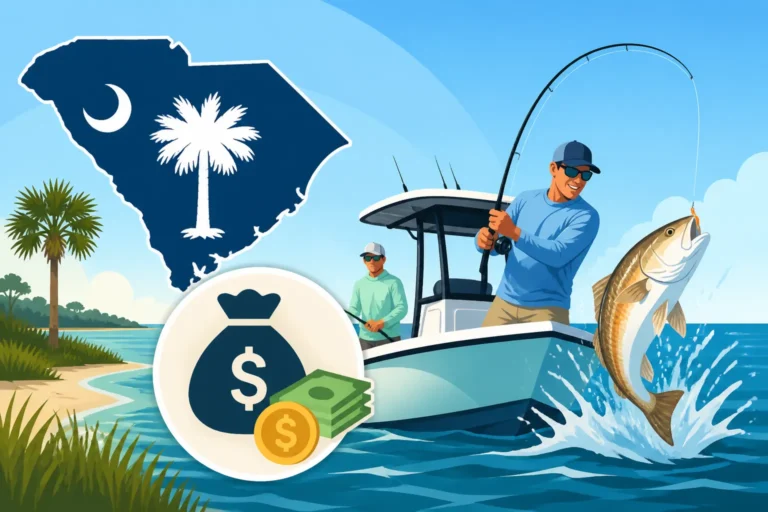
Planning a fishing trip to Hilton Head Island is incredibly exciting, but the question of "how much will it cost?" can quickly douse some of that enthusiasm. It's a real concern for many of us, trying to balance an unforgettable experience with our budget. This guide is here to shed some light on the various factors that influence the cost of a half-day fishing charter in Hilton Head, helping you understand what to expect and how to plan for a fantastic trip without any unwelcome surprises.
Understanding the Variables That Influence Half-Day Charter Costs on Hilton Head
When you're looking into a half-day fishing charter on Hilton Head, it's not as simple as just one flat price. There are several moving parts that contribute to the final figure, and understanding these can help you budget more effectively and choose the right trip for your group. Many anglers initially only consider the advertised rate, but savvy planners know there's more to it.
The Base Rate: What You're Paying For
The base rate for a half-day charter is your starting point, and it covers the fundamental elements of your fishing adventure. This typically includes the boat itself, the invaluable expertise and time of your professional fishing guide, and generally a good portion of the necessary fishing gear. Think of it as the core package. However, this "base" can fluctuate quite a bit.
For instance, a smaller, inshore boat designed for navigating the shallow creeks and flats will likely have a different base rate than a larger, more robust vessel equipped for venturing a bit further offshore, even if both are offering a "half-day" trip. The type of boat dictates its operational costs, maintenance, and the specialized gear it carries. Moreover, the guide's experience plays a significant role. A highly sought-after guide with years of local knowledge, a proven track record, and perhaps a reputation for consistently putting clients on trophy fish might command a higher base rate than a newer, less experienced captain. When researching, platforms like FishingBooker often provide detailed descriptions of the boats and guide profiles, which can help you gauge the value.
It's also crucial to remember that this base rate is almost always per trip, not per person, up to a certain number of anglers. So, if a charter is advertised at a particular rate, it usually means that price covers, say, the first two or three people, with additional charges if your group exceeds that initial number. This is a common industry practice, and it directly ties into how group size impacts your overall cost.
Group Size and Its Impact on Price
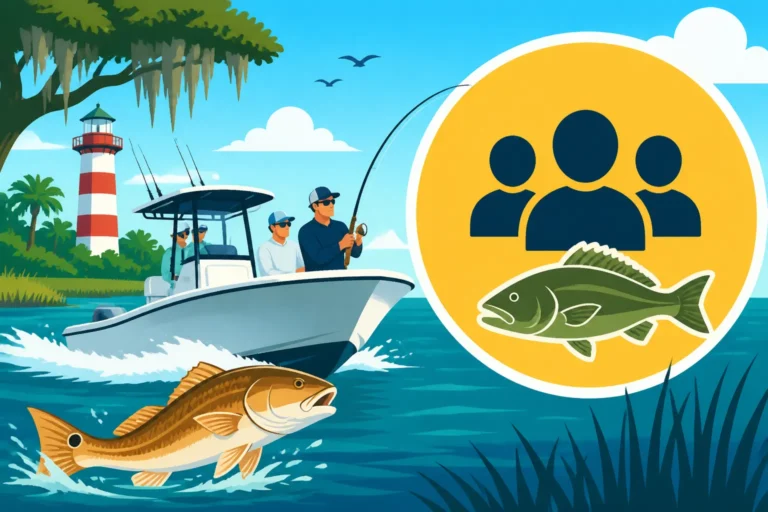
The number of people in your fishing party is one of the most significant factors influencing the total cost of a half-day charter. As mentioned, charters typically quote a base price for a minimum number of anglers, perhaps two or three, and then add a per-person fee for each additional individual up to the vessel's maximum capacity. This structure is in place because more people mean more bait, more wear and tear on equipment, and often a bit more effort from the guide to manage lines and ensure everyone has a good experience.
Let's imagine you're planning a trip with two friends. A charter might have a base rate for two anglers, and then an additional charge for that third person. If you were to bring a fourth, fifth, or even sixth person (depending on the boat's capacity), each would incur that extra fee. While this increases the total price of the charter, it can actually make the trip more affordable per person if you divide the cost amongst a larger group. For a family of four, for example, splitting the total cost makes the experience much more accessible than if just one or two people were footing the entire bill. Before booking, always clarify the capacity of the boat and how many people are included in the base rate to avoid any surprises.
Seasonality and Demand
Just like booking a hotel or flight, the time of year you choose to go fishing on Hilton Head can significantly impact charter prices. The Lowcountry experiences distinct fishing seasons, and certain times are simply more popular than others. Peak seasons, which generally align with school holidays, summer vacations, and popular fishing tournaments, tend to see higher demand. When demand is high, charter prices often reflect that.
For instance, booking a half-day trip in July or August, when families are flocking to the island for summer breaks, will likely be pricier than securing the same trip in, say, late January or early February. Similarly, major holiday weekends can also push prices up. If you have some flexibility in your schedule, consider booking during the shoulder seasons—late spring, early fall—when the weather is still beautiful, the fishing can be fantastic, and the crowds (and often prices) are a bit lighter. Weekdays, even during peak season, can sometimes offer a slightly better rate or more availability compared to weekends. Always check the seasonal trends when planning your Best Time of Year to Book a South Carolina Fishing Charter.
Typical Inclusions and Potential Extra Expenses
One of the beauties of charter fishing is that many of the essentials are taken care of for you, but it’s crucial to understand what’s typically included and where you might encounter additional costs. This foresight helps you create a realistic budget and avoid any surprises once you're on the water.
What's Usually Included in a Hilton Head Half-Day Charter
Generally, a reputable Hilton Head half-day fishing charter will include most of what you need for a successful trip. This nearly always covers the South Carolina fishing license for all passengers on board, meaning you don't need to worry about obtaining individual South Carolina Fishing License Requirements in South Carolina yourself. This is a huge convenience! Beyond the license, the charter typically supplies all the necessary fishing tackle, from rods and reels to lines, hooks, and sinkers. You'll also find that basic bait, often live or fresh dead bait appropriate for the target species, is part of the package.
Additionally, most charters provide a cooler with ice, so you can keep your drinks and snacks cold, and often a space to store any fish you catch. Fuel is usually built into the price, particularly for inshore half-day trips where distances aren't excessively long. However, it's always, always a good idea to confirm these inclusions directly with the charter captain or through the booking platform you're using. Some guides might have different policies, so a quick confirmation ensures you're all on the same page before you set sail. When browsing options on a platform like FishingBooker, pay close attention to the "What's Included" section of each listing.
Costs You Might Encounter Beyond the Base Price
While many essentials are covered, there are a few extra expenses that can crop up, and it's good to be aware of them. For longer or offshore half-day trips, some charters might levy a separate fuel surcharge, especially if gas prices are particularly high. This isn't super common for standard inshore half-days, but it's worth asking about if you're venturing further out.
Another potential cost relates to live bait. While basic live bait is usually included, if you're targeting a specific species that requires premium or a very large quantity of live bait, some captains might offer it as an upgrade for an additional fee. Fish cleaning is another area where policies vary. Some guides happily clean and fillet your catch as part of the service, while others might charge a small fee for this extra labor. Again, clarify this beforehand if it's important to you.
Perhaps the most significant "extra" is gratuity for your hard-working captain and crew. While not mandatory, it is highly customary to tip your fishing guide, especially if they provided an excellent experience, worked hard to put you on fish, and were helpful throughout the trip. The typical range for a good tip is a certain percentage of the charter's total cost. We have a great article on Tipping Your South Carolina Fishing Guide that can give you more specific guidance on this. Finally, don't forget to budget for your own food and drinks (beyond what can be kept on ice), sunscreen, hats, appropriate clothing, and any personal items you might need for your day on the water. Reviewing a What to Bring on a South Carolina Fishing Charter list can help you get prepared.
Half-Day vs. Other Charter Options: Value and Experience
Choosing the right duration for your fishing charter can be a tough decision. A half-day trip offers a unique balance, but it’s helpful to understand how it stacks up against other options to ensure you get the best value and experience for your particular needs.
Why Choose a Half-Day Charter?
A half-day charter, typically lasting around 4 hours, is an incredibly popular choice for a multitude of reasons, especially in a vibrant destination like Hilton Head. First and foremost, it's ideal for families with younger children or beginner anglers. Four hours is often the perfect amount of time to get comfortable on the boat, learn some basic techniques, and enjoy the thrill of catching fish without anyone getting restless or overtired. It’s definitely a more approachable option than a full-day trip, which can sometimes be a bit much for little ones or those new to the sport. Is a Half-Day or Full-Day Hilton Head Charter Better for Beginners? delves into this more.
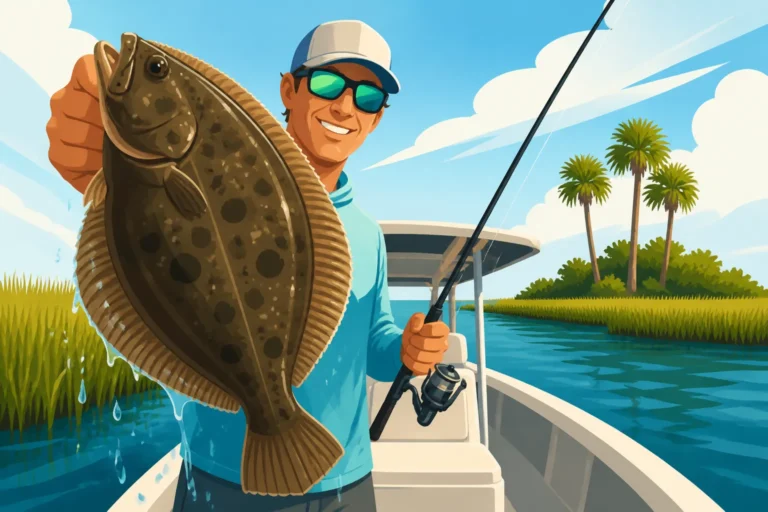
For those visiting Hilton Head with a packed itinerary, a half-day trip allows you to fit in a fantastic fishing adventure without consuming your entire day. You can be out on the water in the morning or afternoon and still have plenty of time for other island activities, dining, or relaxation. Despite being shorter, a half-day is still ample time to target specific species, especially inshore. For instance, focusing on redfish or spotted seatrout in the Lowcountry's abundant marsh creeks can yield impressive results in just a few hours. This focused approach makes it efficient and effective, giving you a taste of the fantastic Hilton Head Inshore Fishing Charters experience without the commitment of a longer trip.
Comparing Half-Day to Full-Day and Shorter Trips
To truly understand the value of a half-day charter, let's compare it to its counterparts: full-day trips and shorter excursions.
| Charter Type | Duration (Approx.) | Typical Targets (Hilton Head) | Cost Implication | Ideal For |
|---|---|---|---|---|
| Half-Day | 4-5 hours | Redfish, Trout, Flounder (inshore); smaller offshore species (e.g., King Mackerel, Black Sea Bass) | Moderate total cost; good per-hour value. | Families, beginners, those with limited time, targeting specific inshore species, testing the waters of charter fishing. |
| Full-Day | 8+ hours | Offshore species (Mahi, Tuna, Wahoo), deeper wrecks for snapper/grouper; extensive inshore exploration. | Higher total cost; potentially better per-hour value for distant spots. | Serious anglers, targeting big game offshore, exploring multiple distant spots, maximizing catch opportunities. |
| Shorter Trip | 2-3 hours | Kids' trips for panfish, specific quick bites, sightseeing. | Lower initial cost; higher per-hour cost usually. | Very young children, quick introduction to fishing, limited attention spans, very tight schedules. |
A full-day charter (typically 8 hours or more) offers significantly more fishing time, allowing the captain to travel further to a wider range of spots and giving you more opportunities to catch fish, potentially larger or more diverse species. This is often the preferred choice for dedicated anglers looking to maximize their time on the water or venture further offshore for pelagic species. However, the total cost for a full-day trip will be substantially higher.
Conversely, some operations offer even shorter trips, perhaps 2-3 hours, often geared specifically towards very young children or as a quick introduction. While the initial cost is lower, the per-hour cost is usually higher, and the actual fishing time can feel quite rushed. The half-day option strikes a comfortable middle ground, providing a substantial amount of fishing time for a reasonable outlay, particularly for targeting species like redfish, spotted seatrout, or flounder inshore. You might consider specific Hilton Head Redfish Fishing Charter Trips or Hilton Head Speckled Trout Fishing Charters for that perfect half-day focus.
Inshore vs. Offshore Half-Day Charters and Their Price Differences
The fishing environment plays a huge role in the cost of a half-day charter. On Hilton Head, you generally have two main categories: inshore and offshore, and their price points can differ considerably.
Inshore Half-Day Charters: These trips focus on the calmer, shallower waters of the sounds, estuaries, and marsh creeks surrounding Hilton Head. They typically target species like redfish, spotted seatrout, and flounder. The boats used for inshore charters are often smaller, shallower-draft vessels that don't burn as much fuel, and the distances traveled are much shorter. This generally translates to a lower overall cost for an inshore half-day trip compared to an offshore one. You're paying for the guide's expertise in navigating these complex waters and knowing where the fish hide, rather than extensive fuel consumption. These trips are fantastic for action and sight fishing opportunities. Learn more about them in South Carolina Inshore Fishing Charters Explained.
Offshore Half-Day Charters: While some "half-day offshore" options exist, they usually mean venturing just a few miles beyond the inlets to nearshore reefs or wrecks. These trips target species such as king mackerel, Spanish mackerel, cobia, or smaller bottom fish like black sea bass. The boats needed for offshore fishing are larger, more powerful, and require more fuel to cover greater distances and handle choppier conditions. They also carry heavier-duty tackle for bigger fish. Consequently, an offshore half-day charter will almost always be more expensive than its inshore counterpart due to higher operational costs, greater fuel consumption, and specialized equipment. If you're dreaming of bigger game, even on a half-day, be prepared for a higher price tag. We cover more on these trips in South Carolina Offshore Fishing Charters Explained.
Finding the Best Value for Your Hilton Head Half-Day Charter
Securing a great half-day fishing charter on Hilton Head isn't just about finding the lowest price; it's about finding the best value – an excellent experience that fits your budget. A little research and smart planning can make all the difference.
Researching and Booking Your Charter
The first step to finding a great charter is thorough research. Don't just pick the first name you see. Start by reading reviews from previous customers on various platforms. These firsthand accounts can offer invaluable insights into the captain's personality, the condition of the boat, the quality of the gear, and the overall fishing experience. Look for consistent positive feedback about professionalism, fish-finding ability, and safety. Pictures of past catches can also give you a good idea of what's possible.
Online booking platforms are incredibly helpful tools for this process. Websites like FishingBooker allow you to compare multiple Hilton Head charters side-by-side, filter by duration (like half-day trips), and read extensive reviews. They often list what's included and excluded, making it easier to understand the true cost upfront. You can also contact captains directly through these platforms or via their own websites if you prefer a more personal touch. Booking in advance, especially if you're traveling during peak season or have specific dates in mind, is highly recommended to secure your preferred captain and avoid disappointment. For a comprehensive guide, check out How to Book a a Hilton Head Fishing Charter.
Budgeting for Your Trip: Tips and Tricks
Once you have a good idea of the base rates, it's time to build a comprehensive budget for your Hilton Head half-day fishing adventure. Remember to factor in all potential costs, not just the initial charter fee. This includes:
- The base charter rate: Confirm how many people are included and any additional per-person fees.
- Fuel surcharges: Clarify if any apply, especially for offshore trips.
- Live bait upgrades: If you desire specialty bait, ask about its cost.
- Fish cleaning: Determine if this is included or an extra service.
- Gratuity: Always factor in a tip for your guide (around 15-20% is standard for good service).
- Personal supplies: Don't forget snacks, drinks, sunscreen, hats, and any other personal comfort items.
One of the best ways to reduce the individual cost of a charter is to split it with friends or family. If a boat has a base rate for two anglers but can accommodate four, bringing two extra people means the cost is divided by four instead of two, significantly lowering the per-person expense. Consider pooling resources with fellow travelers. You might also find better deals by booking during the quieter off-peak seasons or opting for a weekday trip instead of a weekend.
While it's tempting to go for the absolute cheapest option, always prioritize safety and the reputation of the guide. A slightly higher-priced charter with a proven safety record, well-maintained equipment, and an experienced captain is often a much better value in the long run than a bargain trip that compromises on quality or safety. For a broader overview, take a look at our South Carolina Fishing Charter Cost Guide.
Choosing a half-day fishing charter on Hilton Head is an incredible way to experience the natural beauty and thrilling fishing opportunities of the South Carolina coast. By understanding the factors that influence costs, from group size and seasonality to inclusions and potential extras, you can approach your booking with confidence. With a little research and careful budgeting, you're well on your way to a memorable and rewarding fishing adventure without any budget-busting surprises.
Disclaimer
This article is for general informational purposes only and does not constitute professional advice. Laws, prices and regulations vary by location and change over time. Consult a qualified professional for guidance on your specific situation.