Average Cost of a South Carolina Fishing Charter
Deciding to book a fishing charter in South Carolina is an exciting step, but often, the first question that pops into mind (after "what will we catch?") is "how much is this going to cost me?" It's a completely valid concern, and it can feel a bit overwhelming trying to figure out what a fair price looks like when you're faced with so many options. This guide is here to walk you through the various elements that influence the price of a South Carolina fishing charter, helping you understand the typical ranges and what to expect so you can plan your perfect angling adventure without any sticker shock.
Understanding the Factors That Influence South Carolina Fishing Charter Costs
The truth is, there isn't one single "average cost" for a South Carolina fishing charter because so many variables come into play. It's less about a fixed price and more about a sliding scale that adjusts based on the kind of experience you're seeking. From the moment you start dreaming about your trip, several key decisions will shape the final price tag.
Trip Duration and Type
One of the biggest drivers of cost is simply how long you plan to be out on the water and what kind of fishing you want to do. Short trips are naturally more budget-friendly than extended excursions, but they also offer different experiences.
Typically, you'll find options for half-day, three-quarter day, and full-day charters. A half-day trip, often lasting around four hours, is a fantastic choice for families with young children or those who are new to fishing and want a taste of the action without committing to a full day on the waves. They're usually the most economical entry point into charter fishing. However, with less time, the captain has fewer opportunities to move to different spots or adapt to changing conditions, meaning you might not venture as far or target as many species.
Three-quarter day trips, usually six hours, offer a nice middle ground. They allow for more travel time to productive fishing grounds and give you a longer window to target more elusive species or try various techniques. This extra couple of hours can make a significant difference in the quality and quantity of your catch. Then there are full-day charters, which can run anywhere from eight to ten hours or more. These are the most immersive experiences, often allowing the boat to travel much farther offshore or cover extensive inshore territory. You'll have ample time to chase specific species, often switch tactics, and really settle into the rhythm of the day. Naturally, the longer the trip, the higher the cost, reflecting the increased fuel, crew time, and operational expenses. You can learn more about these options by reading South Carolina 4-Hour vs 8-Hour Charter Fishing Cost.
Target Species and Specialization
The type of fish you're hoping to catch also plays a significant role in charter pricing. Some species require specialized gear, longer travel times, or more advanced techniques, all of which contribute to a higher cost.
For example, an inshore charter focusing on species like redfish, spotted seatrout, or flounder in the marsh creeks and estuaries tends to be less expensive than an offshore trip. Inshore charters usually involve less fuel, operate closer to port, and often use lighter tackle. These trips are incredibly popular and offer consistent action, making them a great value. Many charters specializing in these species are equipped for it, and the captains are experts in navigating the shallower waters of the lowcountry. Discover more about specific trips with South Carolina Inshore Charter Fishing Trip Cost.
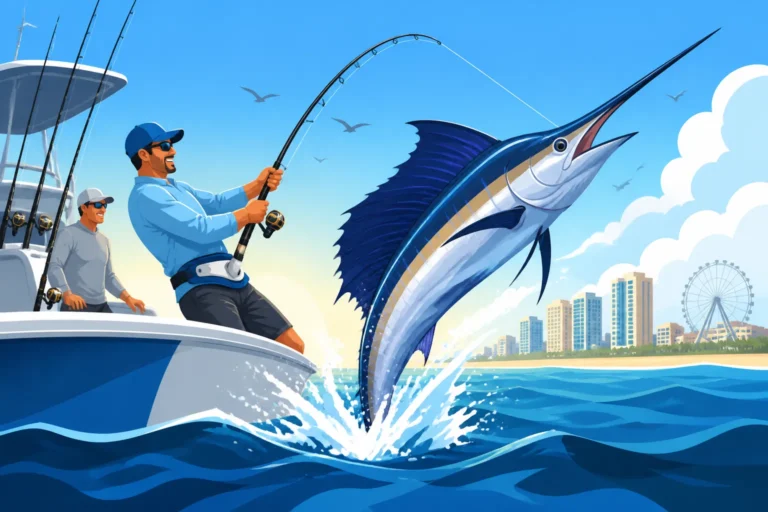
On the other hand, venturing offshore for pelagic species like tuna, wahoo, or mahi-mahi (dolphin fish) will command a higher price. These trips require larger boats, significantly more fuel to travel many miles out to the Gulf Stream, and heavy-duty, specialized tackle. The boats are typically equipped with advanced electronics to locate fish far from shore, and the crew is often larger and highly experienced in big-game fishing. Similarly, specialty trips targeting specific, hard-to-find fish like summer tarpon or sharks might also have unique pricing due to the specific timing, location, and gear required. These trips are for anglers seeking a truly unique challenge and are priced accordingly.
Boat Size, Amenities, and Crew Experience
Just like hotels, fishing charters come in various levels of comfort and luxury, and the price often reflects the quality and size of the vessel, as well as the expertise of the crew.
A smaller, bay boat designed for two to four anglers on an inshore trip will generally be more affordable than a large, luxurious sportfishing yacht equipped with air conditioning, multiple staterooms, and high-end electronics. Larger boats cost more to maintain, fuel, and dock, and these overheads are factored into the charter price. If you’re looking for a comfortable experience for a larger group or desire specific amenities, expect to pay a premium. The type of boat influences your experience significantly, from how much space you have to move around to the stability in choppier waters.
The experience and reputation of your captain and crew are also invaluable. Highly sought-after captains with decades of local knowledge, a proven track record of finding fish, and excellent customer service will often charge more. Their expertise can significantly increase your chances of a successful and enjoyable trip. A seasoned crew ensures safety, handles the complexities of running the boat, and is adept at helping anglers, especially beginners, maximize their chances of a great catch. While it might cost a bit more, investing in an experienced crew can often be the difference between a good trip and a truly memorable one.
Seasonality and Demand
Just like any tourist activity, the demand for fishing charters in South Carolina fluctuates throughout the year, impacting pricing.
Peak season, which generally aligns with spring break, summer vacations, and certain fishing tournaments, sees the highest demand. During these times, charters are booked solid, and prices tend to be at their highest. If you plan to fish during these periods, especially in popular destinations like Charleston or Hilton Head, it's wise to book well in advance to secure your preferred date and captain. You might find less room for negotiation on price during these bustling times. For a full breakdown of the best times to book, check out Best Time of Year to Book a South Carolina Fishing Charter.
Conversely, the shoulder seasons (late fall and early spring, outside of major holidays) and the slower winter months often present opportunities for slightly lower rates or special promotions. While the weather might be a bit cooler or more unpredictable, the fishing can still be fantastic for certain species, and you'll often have less competition on the water. For example, winter can be excellent for large striped bass in freshwater lakes or big redfish in coastal estuaries, and you might find more availability and potentially better deals on charters. It pays to be flexible with your dates if budget is a primary concern.
What's Typically Included (and Not Included) in Your Charter Fee?
One of the biggest points of confusion for first-time charter anglers is understanding exactly what their payment covers. It’s crucial to know this upfront to avoid any surprises.
Standard Inclusions
Most reputable South Carolina fishing charters include several essentials in their base price, making it a relatively hassle-free experience once you're aboard.
You can generally expect all necessary fishing gear, including rods, reels, and tackle, to be provided. This is a huge convenience, as you don't need to worry about bringing your own equipment or ensuring it's suitable for the target species. The charter will have everything from light spinning tackle for inshore species to heavy trolling gear for offshore giants. Also included is bait – whether it's live shrimp for redfish, cut mullet for catfish, or rigged ballyhoo for offshore trolling, your captain will supply the freshest and most effective bait for the day's target.
Another significant inclusion is the required fishing license for all anglers on board. This is a massive relief for visitors or those who don't have an annual South Carolina license, as the charter's license often covers everyone under a blanket commercial permit, eliminating the need for individual purchases. This means you don't have to navigate the How to Get a Fishing License in South Carolina process yourself. Safety equipment, such as life jackets, first-aid kits, and emergency communication devices, is always on board and meets Coast Guard requirements. Many charters also provide ice and coolers for your catch, ensuring your fish stay fresh until you get back to the dock. These inclusions ensure that you only need to focus on the fun part: fishing! If you're wondering what other aspects of the trip are covered, read What's Included in a South Carolina Charter Fishing Trip.
Common Exclusions
While charters are largely all-inclusive for the actual fishing, there are some common items and services that are usually not part of the base fee, and budgeting for these is important.
Gratuity for the captain and mate is almost always extra and is a significant part of their income. A customary tip for a good experience typically ranges from 15-20% of the total charter cost. This is a way to show appreciation for their hard work, knowledge, and effort in making your trip successful and enjoyable. Don't forget to factor this into your overall budget. You can learn more about this by checking out Tipping Your South Carolina Fishing Guide.
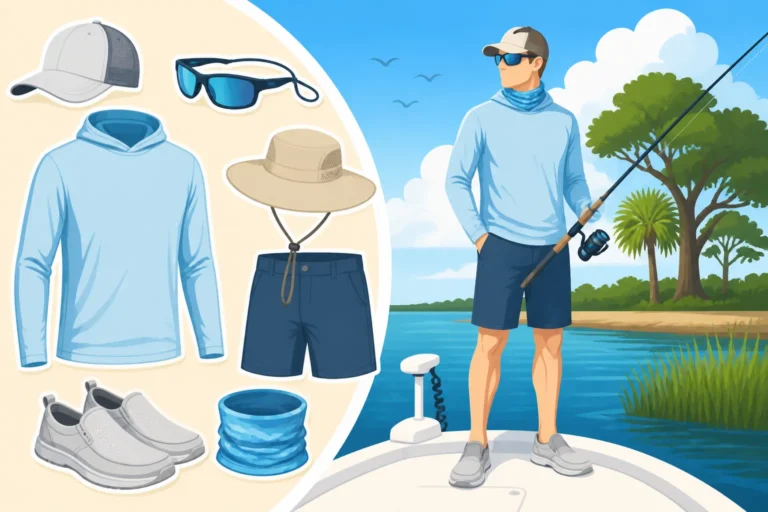
Many charters do not provide food or beverages beyond water, so you'll want to pack your own snacks, sandwiches, and drinks for the duration of your trip, especially on longer excursions. Sunscreen, hats, and appropriate clothing are also personal items you'll need to bring. While the charter might have ice for your fish, you might want to bring a small cooler for your personal drinks and snacks. Lastly, fish cleaning and filleting services at the dock are sometimes an additional fee, though many captains or their mates will gladly do it for a reasonable charge. It's always best to clarify these potential extra costs when you book your trip so there are no surprises when you return to the dock with your prized catch.
Exploring Average Price Ranges for Different South Carolina Charters
Since providing exact numbers can be misleading due to constant fluctuations, it's more helpful to think about the typical price ranges you might encounter for different types of South Carolina fishing charters. These ranges are influenced by all the factors we've discussed – duration, boat size, target species, and the captain's reputation.
Inshore Fishing Charters
Inshore charters are incredibly popular along the South Carolina coast, from the Lowcountry marshes near Charleston and Hilton Head to the shallower waters around Murrells Inlet. These trips typically target species like redfish, spotted seatrout, flounder, and sometimes smaller sharks or various panfish.
For a standard half-day (4-hour) inshore trip, you can expect prices to be at the lower end of the charter spectrum. These trips are often ideal for two to three anglers, offering a more intimate experience. For a longer, three-quarter day (6-hour) inshore trip, the cost will naturally increase, providing more fishing time and allowing the captain to explore more spots. Full-day (8-hour) inshore trips, while less common than offshore full-days, are available for serious anglers who want to maximize their time targeting specific inshore species or cover a wider range of habitats. These will be at the higher end of the inshore price scale. These trips are fantastic for experiencing the unique ecosystem of South Carolina's estuaries. To dive deeper into these options, read South Carolina Inshore Charter Fishing Trip Cost.
Nearshore and Offshore Fishing Charters
When you start talking about heading out into the open ocean, the prices generally go up. Nearshore fishing takes you a few miles off the coast, targeting species like king mackerel, Spanish mackerel, cobia, and various bottom fish. Offshore charters involve much longer runs, often 30-80 miles or more, to the Gulf Stream or artificial reefs and ledges, for big game such as tuna, mahi-mahi, wahoo, and sometimes marlin.
A half-day nearshore trip, which might be around 4-5 hours, will be more expensive than an inshore half-day due to increased fuel consumption and the larger vessel typically required. These trips are a great way to experience ocean fishing without committing to a full-day offshore journey. Three-quarter day nearshore or shorter offshore trips (6-7 hours) will see another bump in price, giving you more time to get to productive grounds and fish. The most substantial investment comes with full-day offshore charters (8-12 hours). These trips are for the dedicated angler looking for a serious big-game experience. The substantial fuel costs, the larger, more powerful boats, and the highly specialized gear and crew all contribute to a significantly higher price point. If you're interested in these longer adventures, check out South Carolina Offshore Charter Fishing Trip Cost.
Specialty Charters
Beyond the standard inshore and offshore options, some charters offer unique, specialized experiences that might fall into their own pricing categories. These can include shark fishing trips, tarpon charters during the summer months, or even night fishing excursions for certain species like redfish or speckled trout, especially during warmer months.
These specialty trips might have different pricing structures due to the specific timing, methods, or gear involved. For instance, a dedicated shark fishing trip might be shorter in duration but involve heavier tackle and specific baits, leading to a unique price. Tarpon trips are highly seasonal and require captains with intimate knowledge of these migratory giants, often translating to a premium. When considering these unique opportunities, always inquire about the specific pricing and what makes them different from a standard inshore or offshore trip.
Here's a general idea of how different South Carolina fishing charter types typically compare in terms of cost:
| Charter Type | Typical Duration | Primary Targets | Relative Cost Level |
|---|---|---|---|
| Inshore | Half-day (4 hrs) | Redfish, Spotted Seatrout, Flounder | Entry-Level |
| 3/4-day (6 hrs) | Redfish, Spotted Seatrout, Flounder, more exploration | Mid-Range | |
| Full-day (8+ hrs) | Enhanced inshore experience, more spots | Mid-to-High | |
| Nearshore | Half-day (4-5 hrs) | King Mackerel, Spanish Mackerel, Cobia | Mid-Range |
| 3/4-day (6-7 hrs) | King Mackerel, Spanish Mackerel, Cobia, Bottom Fish | High | |
| Offshore | Full-day (8-12+ hrs) | Mahi-Mahi, Tuna, Wahoo, Sailfish, Marlin | Premium |
| Specialty | Variable | Shark, Tarpon, Night Fishing | Variable |
Remember, these are relative comparisons. A "mid-range" offshore trip will still be considerably more expensive than a "mid-range" inshore trip.
Smart Strategies for Booking a South Carolina Fishing Charter
Now that you have a better understanding of the factors influencing charter costs, let's talk about how to navigate the booking process like a seasoned pro and ensure you get the best value for your money.
Comparing Options and Reading Reviews
The internet has made it incredibly easy to research and compare fishing charters. Don't jump on the first listing you see! Take your time to browse different captains and boats in your desired fishing area, whether it's Charleston, Myrtle Beach, Hilton Head, or another coastal town. Platforms like FishingBooker are fantastic resources because they aggregate listings from many different charter operations, allowing you to see their offerings side-by-side. This helps you identify options that fit both your budget and your fishing goals.
Pay close attention to customer reviews. These can offer invaluable insights into the captain's personality, the boat's condition, the crew's helpfulness, and, most importantly, the overall fishing experience. Look for consistent positive feedback about communication, fish-finding ability, and safety. A charter with many glowing reviews, even if slightly higher in price, often provides a much better value in terms of experience and satisfaction. Don't hesitate to contact a few different charters with any questions you have. This initial interaction can tell you a lot about their customer service and responsiveness. If you want some tips on booking, read How to Book a Fishing Charter in South Carolina.
Asking About Deposits and Cancellation Policies
Before you commit to a booking, always clarify the charter's deposit requirements and cancellation policy. Most charters require a deposit to secure your date, which is standard practice. This deposit protects the captain from last-minute cancellations while also committing you to the trip.
However, life happens, and sometimes plans change, or Mother Nature intervenes. Understand their policy regarding weather-related cancellations. Reputable charters will always prioritize safety and will cancel or reschedule if conditions are unsafe (e.g., high winds, storms). In such cases, they should offer a full refund of your deposit or the option to reschedule. For personal cancellations, know the timeframe required to receive a partial or full refund of your deposit. A 30-day notice might yield a full refund, while a 24-hour notice typically means you'll forfeit your deposit. Being clear on these policies upfront prevents misunderstandings and protects your investment. Some charters might even offer a South Carolina Fishing Charter Refund Policy for Cancelled Trips if you have specific circumstances.
Clarifying What to Bring and What's Provided
We've touched on this before, but it bears repeating: don't assume anything is included. Before your trip, have a clear conversation or review the charter's website/booking confirmation to understand exactly what you need to bring and what they will provide.
Double-check on the availability of ice, water, and coolers. If you need to bring your own snacks and drinks, make sure you know if there's space on board to store them. Confirm the gear situation – while rods, reels, and bait are usually included, some specialty trips might have different requirements or offer optional upgrades. Ask about fish cleaning services and any associated costs. Knowing these details ahead of time allows you to pack appropriately, budget for any additional services, and ensure a comfortable day on the water. A good charter service will be transparent about these details, so you can focus on the excitement of the trip! If you're traveling with kids, you might want to consider Family-Friendly Fishing Charters in South Carolina which often cater to specific needs.
Disclaimer
This article is for general informational purposes only and does not constitute professional advice. Laws, prices and regulations vary by location and change over time. Consult a qualified professional for guidance on your specific situation.