Free Fishing License Age Cutoff for Children
One of the most common questions and biggest headaches for families planning a fishing trip in South Carolina is figuring out who actually needs a fishing license, especially when it comes to the little ones. You're trying to plan a fun day out, get the rods ready, and suddenly you're wading through regulations, wondering if your 12-year-old needs a permit just to drop a line. This guide is here to clear up that confusion, specifically addressing the free fishing license age cutoff for children in the Palmetto State, so you can focus on making memories, not deciphering rulebooks.
Understanding the Age Exemption for Young Anglers in South Carolina
It’s easy to get bogged down in the specifics of fishing regulations, and figuring out who needs a license can feel like a puzzle. When you’re introducing the joys of fishing to a child, the last thing you want is a bureaucratic hurdle. Thankfully, South Carolina makes it pretty straightforward for the youngest anglers, offering an exemption that allows many children to fish without needing their own license.
The Magic Number: Under 16 Years Old
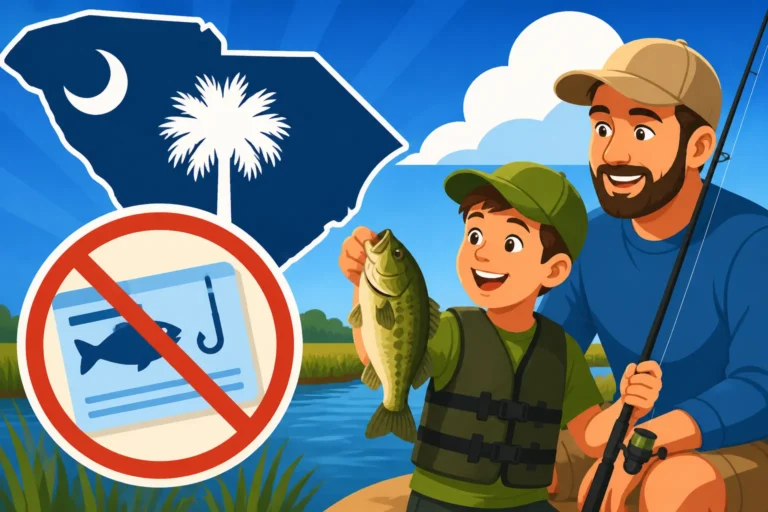
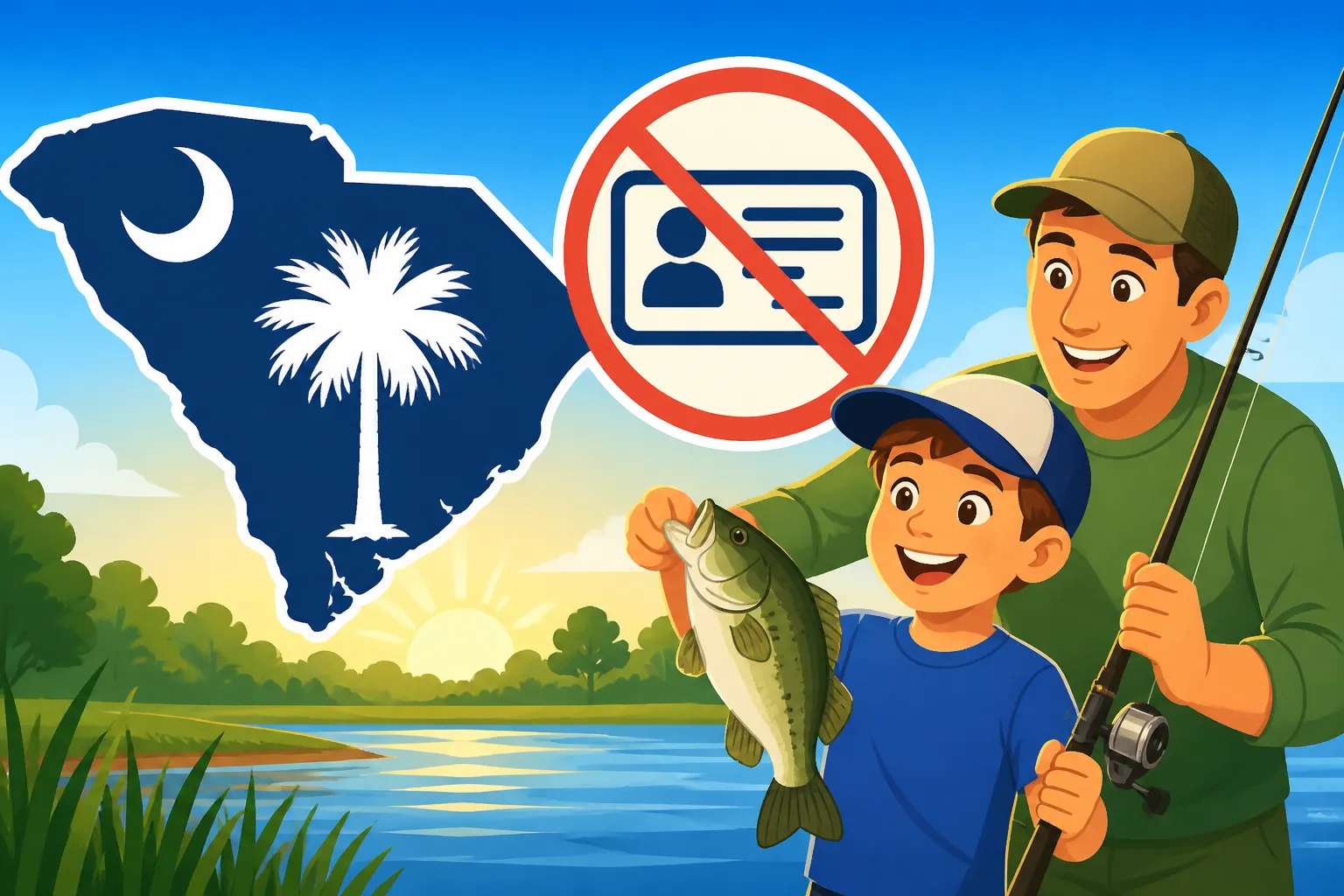
Let's get right to the heart of it: children under the age of 16 do not need a fishing license in South Carolina. This applies to both freshwater and saltwater fishing. That's right, if your child is 15 years old or younger, they can cast their line, reel in a catch, and enjoy the beautiful waters of South Carolina without you needing to purchase a separate license for them. This age requirement is a significant benefit for families, encouraging kids to get outdoors and experience fishing without the added cost or administrative steps.
Imagine you're taking your nephew, who's just turned 10, out to Lake Murray for some crappie fishing. He's excited to try out his new rod. Under this rule, you don't have to worry about whether he's legal to fish; as long as he's under 16, he's covered. It's a fantastic way the state promotes youth involvement in a beloved outdoor activity. You can learn more about the specifics of these exemptions in our detailed guide on South Carolina Fishing License Exemptions by Age.
Why This Exemption Encourages Youth Participation
This "under 16" rule isn't just a random number; it's a thoughtful approach by the South Carolina Department of Natural Resources (SCDNR) to foster a love for fishing in the next generation. Think about it:
- Reduced Barrier to Entry: For many families, especially those on a budget or just trying fishing for the first time, the cost of an additional license for each child can add up. By removing this barrier, it makes fishing more accessible.
- Simpler Planning: Parents and guardians already have a lot to manage when planning an outing. Not having to navigate the licensing process for kids simplifies things significantly.
- Focus on Fun: With fewer administrative worries, the focus shifts squarely to teaching kids how to fish, the thrill of the catch, and appreciating nature. This positive introduction is crucial for building lifelong anglers.
This policy helps to ensure that fishing remains a family-friendly activity, passed down through generations. It's truly a win-win for both the state's conservation efforts and for families looking to create lasting memories on the water.
Important Regulations Still Apply to Young Anglers
While the license exemption for children under 16 is fantastic, it's crucial to understand that it doesn't mean a free-for-all on the water. All other fishing regulations, including size limits, bag limits, and fishing seasons, still apply to young anglers. The goal is to encourage participation while also teaching responsible and sustainable fishing practices from a young age.
Bag Limits and Size Restrictions are Universal
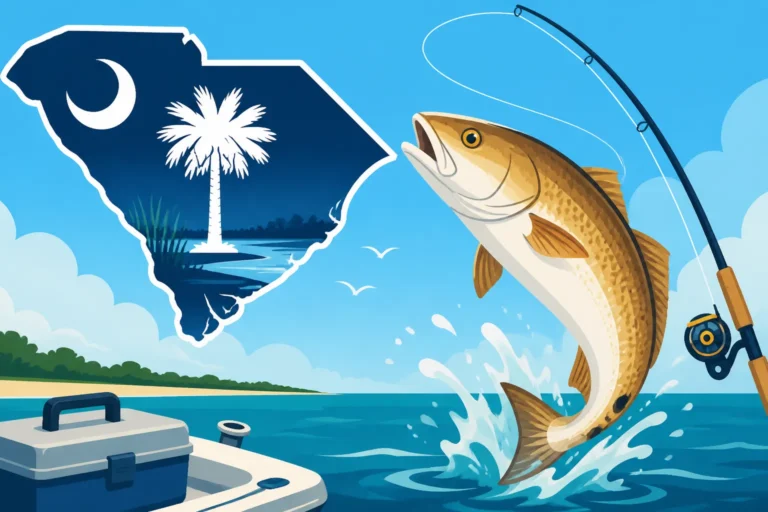
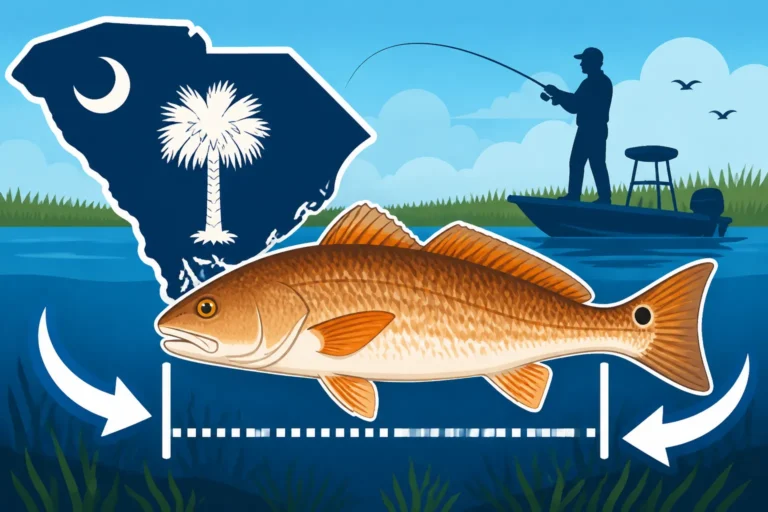
Even if your child doesn't need a license, they absolutely must adhere to all published bag limits and size restrictions for the fish species they are targeting. For instance, if you're out fishing for redfish in the Lowcountry, and the current slot limit is 18 to 25 inches, your 12-year-old cannot keep a redfish that is outside that slot, regardless of their license status. The same goes for the daily bag limit – if it's two redfish per person, your child's catch counts towards that limit.
This is a fundamental aspect of conservation. Teaching kids early on that there are rules to protect fish populations ensures that future generations will also have abundant opportunities to fish. It's a great chance to educate them on the importance of releasing undersized fish gently and only keeping what's legal and what they'll eat. Our article on South Carolina Fishing Bag Limits Explained offers a deeper dive into these important rules.
Consider a scenario: your family is enjoying a day of fishing on Lake Moultrie, and your 14-year-old pulls in a beautiful largemouth bass. You need to know the specific regulations for that lake, including length limits and daily creel limits. If it's too short, it goes back in the water. If you've already reached your boat's limit, even if it's the biggest fish of the day, it's catch-and-release time. This instills discipline and respect for the ecosystem.
Adult Supervision and Their License Responsibility
While your child might be exempt, you, as the supervising adult, almost certainly need a valid South Carolina fishing license. This is a common point of confusion. The exemption for children covers them, but it doesn't extend to the adults accompanying them. Whether you're actively fishing yourself or just helping your child bait a hook and cast, if you're involved in the act of fishing, you need to be properly licensed.
For example, if you're bank fishing on the Edisto River with your 8-year-old, and you're both holding rods, you must have your freshwater fishing license. If you're merely observing and not touching a rod, it's a different story. However, most parents or guardians are actively assisting, making their own license a necessity. This is a critical point covered in South Carolina Fishing License Requirements in South Carolina. Make sure your license is current and appropriate for the type of water you're fishing – freshwater, saltwater, or a combination. The cost differences between these licenses are important to understand, as detailed in Freshwater vs Saltwater Fishing License Costs Compared.
Special Opportunities: South Carolina's Free Fishing Days
South Carolina offers special "Free Fishing Days" each year, often coinciding with national events or holidays. These days are fantastic opportunities for everyone, regardless of age, to fish without a license. This is especially beneficial for adults who might be trying fishing for the first time or who rarely fish and don't want to buy an annual license just for one outing.
For children already exempt, these days might seem less impactful, but they serve as a broader invitation to the public to experience fishing. It means that if you have friends or relatives visiting who are over 16 and want to join your family fishing trip, they can do so without purchasing a temporary license on these specific days. Be sure to check the SCDNR website for the exact dates each year, as they can vary. For example, you can find details on dates like South Carolina Free Freshwater Fishing Day May 25 2026 and South Carolina Free Freshwater Fishing Day July 4 2026. It’s a wonderful initiative to get more people hooked on fishing, and it further reinforces the state's commitment to making fishing accessible.
Preparing for a Successful Family Fishing Adventure
Planning a fishing trip with kids, whether they need a license or not, requires a bit more thought than just grabbing your rod and heading out the door. From ensuring they have the right gear to understanding different fishing environments, a little preparation goes a long way in making the experience enjoyable and successful for everyone.
Essential Gear and Safety for Young Anglers
You don't need to break the bank to get kids started in fishing, but having the right basic gear can make a huge difference. A simple, easy-to-use rod and reel combo is perfect for beginners. Think about something durable and relatively tangle-free. A spincast reel is often ideal for younger children due to its simplicity. Beyond the rod, consider:
- Bait: Live bait like worms or crickets are usually irresistible to panfish and offer instant gratification, keeping kids engaged. For saltwater, shrimp or small cut bait works wonders.
- Tackle Box Basics: A few hooks (size 6-10 for panfish), sinkers (split shot), and bobbers are really all you need to start.
- Safety Gear: This is non-negotiable. A well-fitting life vest is a must, especially if fishing near or on open water. Sunscreen, hats, and plenty of water are also crucial for a comfortable day outdoors.
- Comfort Items: Snacks, drinks, and maybe a small foldable chair can keep spirits high, especially during slower fishing periods. You can find many affordable and kid-friendly fishing starter kits at most sporting goods stores or through online retailers.
Creating a checklist beforehand ensures you don't forget anything important. Imagine you're heading to Lake Greenwood for a day of bluegill fishing. Your 7-year-old is super excited. Having a small tackle box with pre-tied rigs and a bucket for their catches, plus that ever-important sunscreen, will make the day much smoother. For more guidance on specific rules for youth, check out Fishing License Rules for Kids in South Carolina.
Navigating Freshwater and Saltwater Environments
South Carolina offers an incredible diversity of fishing environments, from mountain trout streams to vast coastal estuaries. While the "under 16" license exemption applies to both freshwater and saltwater, the type of fishing you choose will impact the kind of fish you target and the regulations you need to follow.
- Freshwater Fishing: Lakes like Lake Murray, Lake Hartwell, and the Santee Cooper lakes are teeming with largemouth bass, crappie, catfish, and various sunfish. Rivers like the Congaree and Edisto offer excellent opportunities for catfish and other species. Freshwater fishing often requires lighter tackle and can be very rewarding for kids due to the abundance of panfish. Our guide to South Carolina's Freshwater Fishing Regulations will give you a good overview.
- Saltwater Fishing: The state's extensive coastline, including areas around Charleston, Hilton Head, and Myrtle Beach, is home to redfish, spotted seatrout, flounder, and many other species. Inshore fishing in estuaries and tidal creeks is particularly popular with families. Saltwater conditions can be a bit more dynamic with tides and currents, but the thrill of a strong tug from a saltwater species is unforgettable. For coastal adventures, be sure to review Saltwater Fishing Rules in South Carolina.
Knowing your target species and environment beforehand allows you to select appropriate bait, tackle, and to look up the specific regulations that apply.
Where to Find More Up-to-Date Information
Regulations can sometimes change, and it’s always best to verify the latest information directly from the source. The South Carolina Department of Natural Resources (SCDNR) website is your go-to resource for all official fishing regulations, licensing details, and updates. They have comprehensive guides and often publish alerts for any changes.
You can also purchase licenses (for adults) and find information through the "Go Outdoors South Carolina" portal. This online platform makes it easy to manage your fishing licenses and ensures you have the most current information at your fingertips. For a step-by-step guide on this, see How to Buy a Fishing License on Go Outdoors South Carolina. Don't hesitate to give the SCDNR a call if you have specific questions that aren't clearly answered online; their staff are usually very helpful.
Addressing Common Questions and Scenarios
Even with a clear age cutoff, some questions naturally arise when planning a fishing trip with children. It's easy to overthink things or worry about specific scenarios. Let's tackle some of these common points of confusion to ensure your family's fishing trip is as stress-free as possible.
What if a Child is "Helping" but Not Actively Fishing?
This is a scenario many parents ponder. What if your 10-year-old is just holding your rod for a minute, or helping you net a fish, but isn't casting their own line? The general rule of thumb is that if a child is participating in the act of fishing, even if it's with an adult's rod, they are considered an angler. However, since they are under 16, they still wouldn't need a license.
The key takeaway here is that the "under 16" exemption is quite broad and forgiving. It's designed to make it easy for kids to be involved. The concern for licenses usually falls on the adult who is legally responsible and does need a license to facilitate the fishing activity. As long as the adult is properly licensed, and the child is under 16, you generally have nothing to worry about in terms of the child's license.
Fishing in Private Ponds and Lakes
Another frequent question is about fishing in private ponds or lakes. Do you need a license then? The good news is that typically, no fishing license is required to fish in a private pond or lake in South Carolina, provided that the water is entirely enclosed within private property and contains no public access from other public waters. This exemption applies to everyone, regardless of age, provided they have permission from the landowner.
This is a fantastic option for introducing very young children to fishing in a controlled, safe environment without any license worries for anyone. Many family farms or private communities have such ponds, offering excellent opportunities for catching sunfish or small bass. It's important to confirm the private nature of the pond; if it connects to a creek or river that is considered public water, then licenses (for those over 16) would be required. For more details on this, you can check out Do You Need a License to Fish From a Private Pond?.
Grandparents Taking Kids Fishing
Grandparents often love taking their grandchildren fishing, and the same rules apply here. If Grandma or Grandpa is taking their grandchild, who is under 16, fishing, the grandchild is still exempt from needing a license. However, Grandma or Grandpa, if they are over 16, will need their own valid South Carolina fishing license.
This situation highlights the importance of the adult supervisor being properly licensed. It's a responsibility that falls to the adult facilitating the fishing trip. If the grandparents are senior residents, they might even qualify for special senior lifetime licenses or discounts, which can make their own licensing very affordable. Understanding these specifics can prevent any awkward encounters with game wardens. We cover more on this in Fishing License Rules for Grandparents Taking Kids Fishing.
Summary of Youth Fishing License Requirements
To make it super easy to remember, here’s a quick breakdown of South Carolina's age requirements for fishing licenses:
| Age Group | Fishing License Required? | Notes |
|---|---|---|
| Under 16 Years Old | No | Exempt for both freshwater and saltwater. All other regulations (bag/size limits) still apply. |
| 16 Years and Older | Yes | Must possess a valid SC fishing license (freshwater or saltwater, as applicable) to fish in public waters. |
| Free Fishing Days | No | No license required for anyone (resident or non-resident) on designated free fishing days. |
| Private Ponds | No | No license required for anyone if fishing in a wholly private, enclosed pond with landowner permission. |
This table should serve as a handy reference point for quickly determining who needs a license on your next South Carolina fishing adventure. Remember, while kids are exempt from the license, teaching them to follow all other rules is paramount to being a responsible angler.
Final Thoughts on Youth Fishing in South Carolina
South Carolina truly wants to encourage young people to fall in love with fishing, and the simple, clear rule that children under 16 don't need a fishing license is a testament to that commitment. This exemption removes a significant barrier, making it easier and more affordable for families to get out on the water.
However, remember that this freedom comes with responsibility. It's up to us, the adult anglers and mentors, to ensure that these young, impressionable minds learn to fish ethically, respecting bag limits, size restrictions, and the environment. Take the time to explain why these rules exist – to protect our precious fish populations and ensure that the joy of fishing can be passed down for generations to come.
So, pack your snacks, grab the life vests, and let those kids cast away! The Palmetto State's waters are waiting, and with one less thing to worry about, you can fully embrace the experience of introducing a child to the timeless pleasure of fishing. If you ever need to dig into the broader requirements, our comprehensive South Carolina Fishing License Guide is an excellent resource.
Disclaimer
Please be aware that fishing regulations, including those concerning licenses, age exemptions, and bag limits, can change. While every effort has been made to provide accurate and up-to-date information in this guide, it is always your responsibility to consult the official South Carolina Department of Natural Resources (SCDNR) website or their current regulations handbook before heading out. This content is for informational purposes only and should not be considered legal advice.