Best Lures for Flounder in Muddy Water
Trying to catch flounder in South Carolina's murky, muddy waters can feel like searching for a needle in a haystack. The crystal-clear vision they usually rely on is gone, leaving many anglers scratching their heads about what bait or lure could possibly entice a bite. This guide is here to shed some light on the best lures and techniques to successfully target flounder when the water conditions are less than ideal, helping you fill your cooler even when the visibility drops.
The Challenge of Muddy Water Flounder Fishing
When the water turns turbid from heavy rains, strong tides, or boat traffic, flounder fishing becomes a different ballgame. These flatfish are ambush predators, often burying themselves in the bottom substrate and relying on their excellent camouflage and keen eyesight to pounce on unsuspecting prey. Muddy water drastically reduces their visual hunting advantage, making them less likely to spot a fast-moving, brightly colored lure.
Reduced Visibility and Flounder's Ambush Tactics
Think about it: if you can barely see your hand in the water, a flounder can't either. This doesn't mean they stop feeding; it just means their tactics change. They become even more reliant on their other senses – namely, their lateral line (which detects vibrations) and their sense of smell. Instead of darting out from a well-camouflaged spot to chase a visually appealing bait, they're more likely to stay hunkered down, waiting for something to literally bump into them or give off a strong scent signature. This changes our approach entirely. We need lures that create a commotion, emit a potent aroma, or both, to compensate for the lack of visibility. It's about getting noticed in a crowded, murky world.
Scent and Vibration Becoming Key
In these challenging conditions, anything that helps a flounder "find" your lure without seeing it is a huge advantage. This means scent and vibration move from being bonuses to absolute necessities. A flounder sitting on the bottom won't see a subtle flash, but it will certainly feel the thumping of a paddle tail swimbait or smell a juicy scent trail drifting by. This is why many seasoned South Carolina anglers keep a variety of scented soft plastics and rattling jigs in their tackle boxes, especially when the forecast calls for rain or heavy winds that churn up the estuaries and inlets. Understanding this shift in sensory reliance is the first step to successful muddy water flounder fishing.
Top Lure Categories for Muddy Water Flounder
When the water is discolored, you need lures that shout, "Here I am!" rather than whisper. This typically means focusing on baits that have a strong scent, create noticeable vibrations, or offer a distinct profile that can be felt or seen even in low light. Let's dive into the categories that consistently produce results.
Scented Soft Plastics: The Ol' Reliable
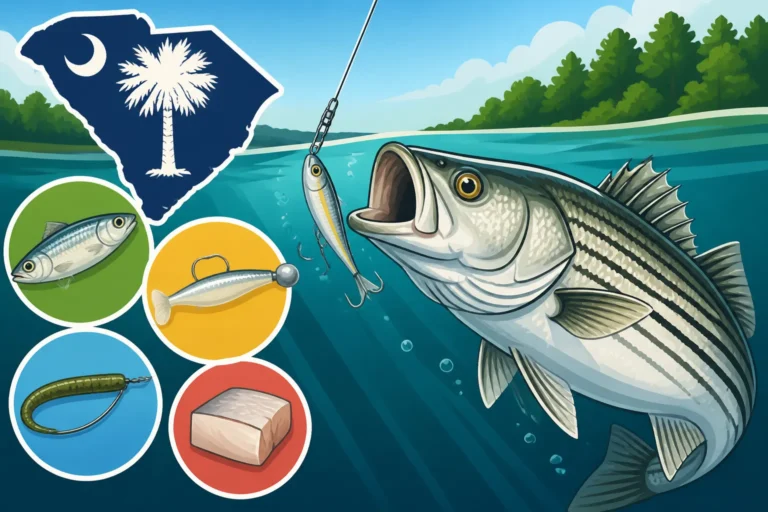
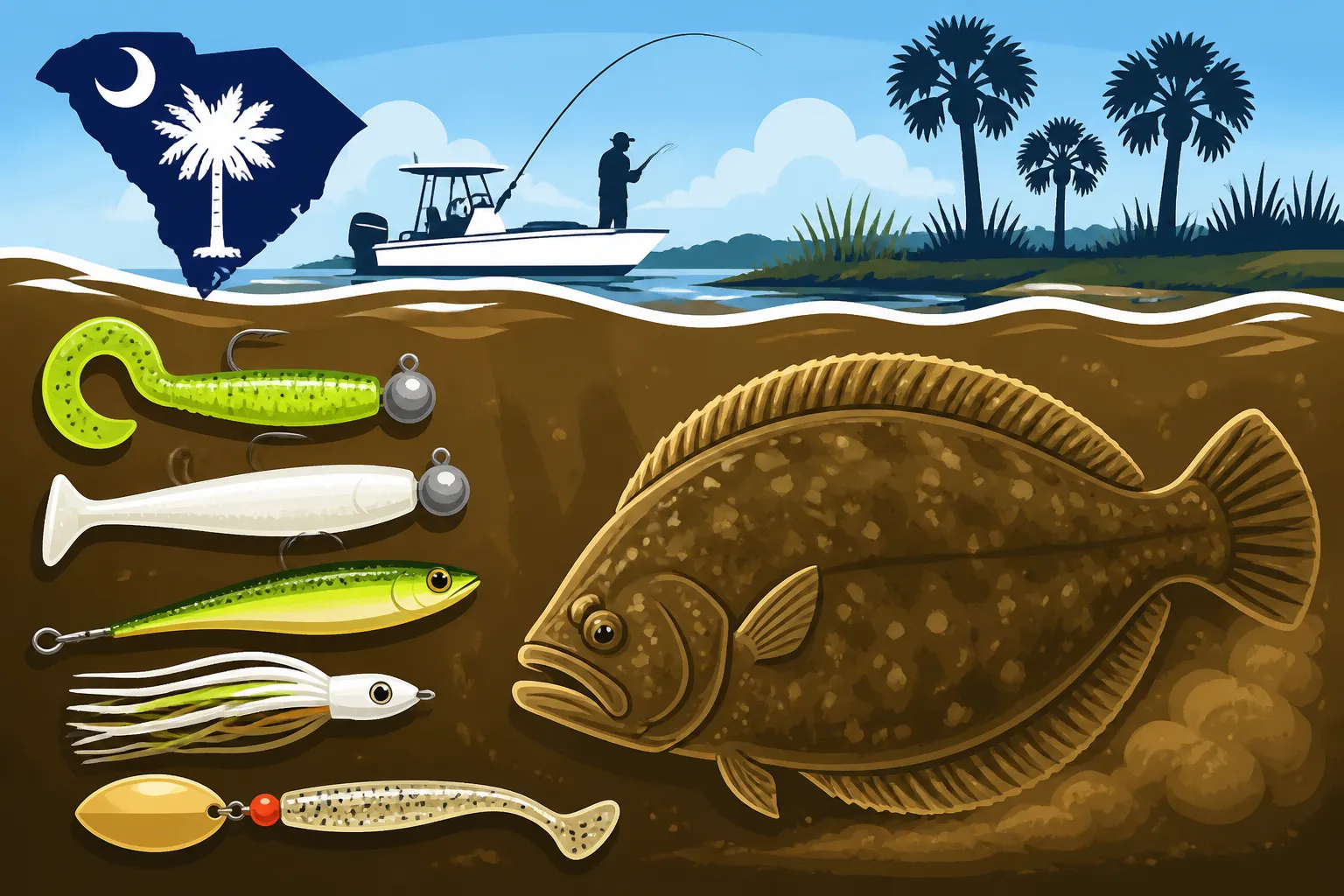
Scented soft plastics are arguably the most effective lures for flounder in muddy water, or any water condition for that matter. Brands like Berkley Gulp! are practically legendary for their ability to attract flounder, largely due to the potent scent they release. These aren't just plastic shapes; they're designed to mimic natural prey and release a powerful fish-attracting scent trail that flounder can't ignore, even when they can't see a thing. You can find a huge variety of these on Amazon, from shrimp imitations to minnow profiles.
When fishing these, the key is often a slow, deliberate retrieve. Let them bounce along the bottom, kicking up little puffs of mud, mimicking a struggling baitfish or shrimp. The scent trail will do the heavy lifting, drawing flounder in from nearby hiding spots. Pair them with a jig head that’s heavy enough to maintain bottom contact in the current but light enough to allow for a natural presentation. Remember, flounder are often lethargic in muddy water, so a subtle, scent-rich offering is usually more effective than a fast-moving, erratic one. Many anglers swear by the 3-inch or 4-inch sizes for flounder, particularly the "New Penny" or "Chartreuse Shad" colors, which we'll discuss more later.
Vibrating Baits: Getting Their Attention
While scent is crucial, vibration is its close cousin in murky conditions. Lures that displace a lot of water or contain rattles can grab a flounder's attention from a distance, guiding them toward your offering through their lateral line.
Paddle tail swimbaits on a jig head are fantastic for this. The paddle tail creates a noticeable thump in the water as it's retrieved, sending out vibrations that flounder can pick up. Colors like chartreuse, white, or even dark patterns for a strong silhouette work well. Crankbaits or lipless crankbaits, though less common for flounder, can also be effective if fished slowly along the bottom, as their internal rattles and wobbling action create a lot of noise and vibration. You want something that pushes water and makes a racket, signaling "meal time" to a flounder that's relying on feel rather than sight. Experiment with different retrieve speeds until you find what triggers a bite – often, a slow, steady retrieve with occasional pauses is best.
Jigging Spoons and Bucktails: A Flash and a Thump
Don't overlook traditional jigging spoons and bucktails, especially when flounder are holding in deeper pockets or along channel edges. While spoons primarily rely on flash, their erratic fall and wobble also create a distinct vibration. Bucktails, particularly when tipped with a scented trailer (like a piece of Gulp! shrimp or a strip of cut bait), combine vibration, profile, and scent.
The flash from a jigging spoon might not be as effective in truly opaque water, but the metallic clang and the way it shimmies on the retrieve can still attract attention. Bucktails, with their weighted head and pulsating deer hair, push a good amount of water and present a compact, natural-looking profile. Adding a plastic trailer or natural bait to a bucktail is a classic move that enhances both scent and action, making it incredibly appealing to a lurking flounder. Work these baits with short hops and drops along the bottom. The goal is to imitate a struggling baitfish or a shrimp trying to escape, making an easy target for a camouflaged flatfish. These traditional options often outperform more modern lures when conditions get tough, proving their timeless effectiveness.
Key Lure Features for Success in Murky Conditions
Choosing the right lure isn't just about the type; it's about the specific characteristics that make it stand out in less-than-ideal water. When the visibility is low, you need features that enhance a flounder's other senses.
Color Choices: Bright and Contrasting
In muddy water, the rules of color change. Forget subtle, natural hues; you need colors that offer maximum contrast against the murky backdrop or literally glow. Bright, fluorescent colors like chartreuse, pink, and bright orange are fantastic because they stand out. They might not be seen clearly, but they create a visible "blob" or "hotspot" that can catch what little light penetrates the water.
Conversely, some anglers swear by very dark colors like black or dark purple, especially on a moonless night or in extremely dense mud. The theory here is that a dark lure creates a strong silhouette against any ambient light, making it easier for a flounder to detect its shape rather than its specific color. White is another excellent choice, offering good contrast and often mimicking the belly of many baitfish. It's often a good idea to have a few options in both bright and dark contrasting colors to see what the flounder are responding to on any given day. Remember, it's about making your lure as conspicuous as possible under challenging circumstances.
Added Scent and Rattles: Enhancing Appeal
We've touched on this, but it bears repeating: scent and rattles are game-changers in muddy water. If your soft plastic isn't already scented, consider adding a scent attractant. There are many options available, from gels and sprays to pre-soaked baits. Brands like Pro-Cure or Dr. Juice can be easily applied to any soft plastic, bucktail, or even a natural bait, creating a potent odor plume that can draw flounder in from a distance. Many anglers use the small bottles of attractant found on Amazon to keep their lures smelling irresistible.
Rattles, whether built into a lure or added externally, provide an auditory cue that flounder can home in on. Small glass or plastic rattles can be inserted into soft plastics, or you can opt for jig heads that come with integrated rattles. The clicking and clacking sounds mimic feeding baitfish or crustaceans, piquing a flounder's predatory instinct. These subtle enhancements can make the difference between a frustrating skunk and a successful day on the water, proving invaluable when the water looks like chocolate milk.
Weight and Profile: Staying in the Strike Zone
The weight and profile of your lure are critical for keeping it in the strike zone. Flounder are bottom dwellers, and in muddy water, they're often even more reluctant to move far from the bottom. This means your lure needs to get down to them and stay there, especially if there's any current.
Use jig heads that are heavy enough to maintain constant contact with the bottom. In strong currents, this might mean bumping up from a 1/4 oz to a 3/8 oz or even 1/2 oz jig. The goal isn't just to get it down, but to feel it ticking or bouncing along the bottom. If you can't feel the bottom, your lure is likely too high in the water column for flounder. A compact, realistic profile is generally preferred, mimicking common flounder prey like small baitfish or shrimp. Overly large or bulky lures can sometimes appear unnatural or intimidating in these conditions. Find that sweet spot between enough weight to hug the bottom and a natural profile that entices a bite.
Here's a quick comparison of popular lure types for muddy water flounder:
| Lure Type | Primary Attraction | Key Features for Muddy Water | Ideal Presentation |
|---|---|---|---|
| Scented Soft Plastics | Scent & Vibration | Strong fish-attracting scent, paddle/curly tails, bright/dark colors | Slow drag, gentle hops on bottom |
| Paddle Tail Swimbaits | Vibration & Profile | Strong tail kick, good water displacement, bright/dark colors | Slow, steady retrieve; occasional pauses |
| Bucktail Jigs | Vibration & Profile | Pulsating hair, weighty head, often tipped with scent | Bounced or dragged along the bottom, tipped with bait |
| Jigging Spoons | Flash & Vibration | Erratic wobble, metallic sound (some have rattles) | Vertical jigging, slow lift-and-fall |
Rigging and Presentation Techniques for Muddy Water
Having the right lures is only half the battle. How you rig them and how you present them to the fish is equally, if not more, important, especially when flounder are relying on senses other than sight. A subtle change in your retrieve can make all the difference.
Slow and Low: The Flounder Mantra
This is perhaps the most critical piece of advice for flounder fishing in any condition, but especially in muddy water. Flounder are not known for chasing down fast-moving prey, and in low visibility, they're even less inclined to exert themselves. Your retrieve needs to be painfully slow. Think of it as a methodical drag or a series of gentle hops along the very bottom.
Let your lure sink until it makes contact with the seabed. Then, slowly lift your rod tip a few inches, allowing the lure to hop or glide forward, before letting it fall back to the bottom on a semi-slack line. Repeat. This mimics a wounded baitfish or a crawling crab, an easy meal for a camouflaged flounder. Pay close attention to any subtle taps or added weight, as flounder bites can be incredibly light. They often just "thump" the bait or simply hold it. Setting the hook on instinct and light pressure is key. Remember, patience is a virtue when targeting these flatfish, and a slow, low presentation is your best friend. This technique is especially effective in areas like the inshore creeks and estuaries of South Carolina, where current often dictates how fish position themselves.
Fan Casting and Structure Focus
When visibility is limited, you can't rely on sight fishing for flounder. You need to systematically cover the water column where flounder are likely to be hiding. This is where fan casting comes in. Instead of casting to one spot, make casts in a fan-like pattern, covering a wide arc in front of you. This ensures your lure passes over as much potential flounder habitat as possible.
Focus your efforts around structure where flounder naturally ambush prey. This includes oyster beds, docks, jetties, rock piles, and submerged vegetation. Even small changes in bottom contour, like a drop-off or a sand bar, can hold flounder. In muddy water, these structures become even more important as they provide current breaks and ambush points that concentrate baitfish, and thus, flounder. Don't be afraid to make multiple casts to the same area, slowly working your lure through every inch of a promising spot. Flounder are masters of camouflage, and you often have to put the lure right on their nose to elicit a strike. Look for areas with a slower current, as flounder will often seek refuge from the main flow. Understanding Tide-Based Techniques for Inshore Fishing will greatly improve your success.
Leader Material and Line Choice
While perhaps not as critical as lure selection and presentation, your leader and line choices still play a role. In muddy water, the visibility of your line isn't as much of a concern for the fish, but durability and sensitivity are.
Many South Carolina anglers opt for a fluorocarbon leader. While its low visibility is a bonus, its abrasion resistance is often more important when fishing around oyster shells, barnacle-encrusted pilings, and rocky bottoms where flounder love to hide. A 20-30 lb fluorocarbon leader is a good starting point, providing a good balance of strength and suppleness. For your main line, braided line is a popular choice due to its excellent sensitivity and strength-to-diameter ratio. The lack of stretch in braid allows you to feel those subtle flounder bites and maintain better contact with your lure as it crawls along the bottom. If you're fishing from a boat in deeper water, understanding How to Fish Deep Water From a Boat might also give you some extra tips on line management. Combine these elements, and you'll be well on your way to catching flounder even when the water looks like coffee.
Before you head out, make sure you're up to date on all the local rules. Check out the South Carolina Fishing License Guide and get familiar with the South Carolina Flounder Fishing Regulations Explained to ensure a legal and enjoyable trip.
Disclaimer
This article is for general informational purposes only and does not constitute professional advice. Laws, prices and regulations vary by location and change over time. Consult a qualified professional for guidance on your specific situation.