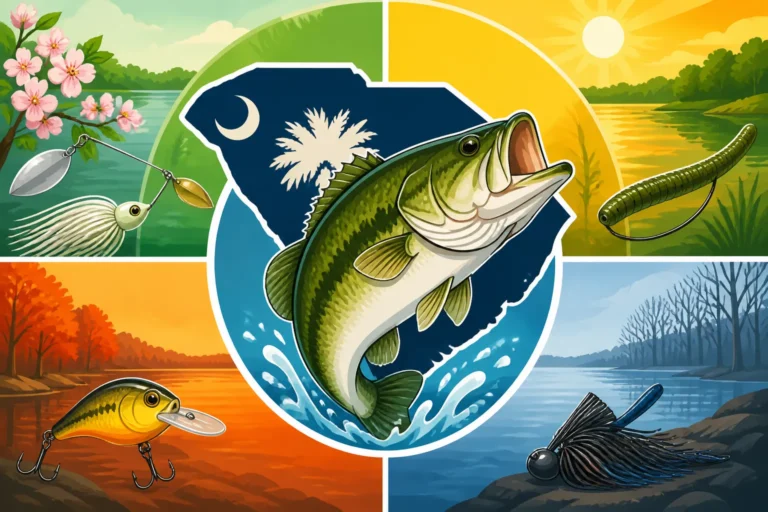
How Water Temperature Affects Morning Bite Timing
Ever felt the frustration of setting your alarm for an ungodly hour, getting out on the water as the sun paints the sky, only for the fish to act like they're still fast asleep? You’re not alone. It’s a common scenario for anglers across South Carolina, and often, the silent culprit is something you can't see but profoundly feel: water temperature. This guide will dive deep into how those subtle shifts in water temperature, especially in the early morning, dictate whether your fishing trip starts with a bang or a whimper, and how you can use that knowledge to your advantage.
The Science Behind the Morning Bite and Water Temperature
It might seem overly academic, but understanding the biology behind fish behavior and water temperature is genuinely a game-changer for your morning fishing success. Fish aren't just swimming around randomly; their activity, including when and how they feed, is intricately linked to their environment, and water temperature is arguably the biggest factor.
Why Temperature Fluctuations Matter for Fish Metabolism
Think of fish as cold-blooded creatures – which they are! Unlike us warm-blooded folks, their internal body temperature mirrors the water around them. This means that water temperature directly controls their metabolic rate. When the water is too cold, their metabolism slows down dramatically. They become sluggish, less active, and their digestive system operates at a snail's pace. This means they don't need to eat as often, and when they do, they're not expending much energy to chase down a meal.
Conversely, when the water gets too warm, their metabolism can actually speed up to an uncomfortable degree, leading to stress, lower oxygen levels, and an urge to seek cooler, deeper waters or shade. The sweet spot, the "goldilocks" zone, is where their metabolism is optimal – they're active, hungry, and willing to chase. In South Carolina, with our sometimes extreme temperature swings from chilly mornings to scorching afternoons, these metabolic changes happen constantly, directly influencing that crucial morning bite. Understanding these metabolic shifts allows you to predict their behavior far better than just guessing.
The "Comfort Zone" – Every Species Has One
Just like you prefer a certain temperature in your home, every fish species has an ideal "comfort zone" or preferred temperature range for feeding, spawning, and overall well-being. Stray too far outside that range, and their behavior changes. For example, a largemouth bass thrives and actively feeds when water temperatures are typically between 65-75°F (18-24°C). If the morning water temperature dips significantly below that, especially after a cold night, they're going to be less inclined to ambush your lure.
On the other hand, a species like a stocked trout in the Upstate mountain streams prefers much colder water, often in the 50-65°F (10-18°C) range. Knowing these species-specific preferences is paramount. If you're targeting striped bass on Lake Murray, knowing their preferred temperature range will guide your morning strategy. If the surface water is too cold, you might need to adjust your approach and look for them in deeper, more stable thermal layers. This foundational understanding is the key to unlocking consistent morning bites, rather than just hoping for the best.
Seasonal Morning Bite Trends in South Carolina
South Carolina offers incredible fishing opportunities year-round, but the morning bite timing changes drastically with each season, primarily due to how water temperatures fluctuate. What works for a crisp fall morning won't cut it in the dog days of summer.
Spring: Warming Waters and Energetic Bites
Ah, spring in South Carolina! It's a glorious time for fishing. As winter's chill recedes, the sun climbs higher, and the water slowly but steadily begins to warm. This warming trend, especially in the mornings, kickstarts fish metabolism. After a long, slower winter, fish become more active and hungry, preparing for the upcoming spawn.
In early spring, when morning surface temperatures might still be a bit cool, fish, especially bass and crappie, will often move into shallower, darker-bottomed areas that absorb sunlight more quickly. Even a few degrees difference in a shallow cove can make all the difference. As the morning progresses and the sun works its magic, these areas become hotspots. The bite can start off slow, picking up considerably an hour or two after sunrise once the water has warmed a bit. This is a prime time for targeting areas with good sun exposure. You can often find fish very shallow. For more insight into this active period, check out our guide on Lake Hartwell Spring and Fall Bass Fishing Patterns in South Carolina.
Summer: The Early Bird Catches the… Cooler Water
Summer in South Carolina is synonymous with heat, and that means water temperatures can soar. For many freshwater species like largemouth bass, and even some inshore saltwater species, the morning becomes the most crucial feeding window precisely because it offers the coolest water temperatures of the day. As the sun rises and beats down, surface water heats up rapidly.
Therefore, the earlier you're on the water in summer, the better. The fish are often more active just before sunrise and in the immediate hours after, taking advantage of the slightly cooler, more oxygenated water. Once the sun is high and the water starts to bake, many fish retreat to deeper, cooler thermal refuges, or seek dense shade structure. For striped bass in larger reservoirs like Lake Murray, they'll often be found deep early, but even those schools might be shallower than mid-day. This is especially true for our coastal redfish, who will often feed aggressively on shallow flats at first light before the sun pushes them into deeper creeks or under oyster beds. Our article on Lake Murray Summer Striped Bass Techniques in South Carolina elaborates on how important early morning is.
Fall: Cooling Down and Feeding Frenzies
Fall is another fantastic time to fish in South Carolina, often considered by many anglers to be the best. As air temperatures cool, so does the water, but not too quickly. This prolonged period of moderate, gradually cooling water triggers a "feed up" instinct in many species as they prepare for winter. The morning bite can be absolutely phenomenal.
Unlike summer, where you're chasing the coolest water, in fall, you're often looking for the warmest water you can find in the morning. Shallow flats, points, and sun-drenched banks will retain heat better overnight and warm up quicker in the early sun. Fish are often right there, eager to gorge themselves. The bite can be consistent from dawn and often lasts well into the mid-morning, sometimes all day, particularly on overcast days. Species like crappie and bass become very aggressive, making it a prime time for active presentations.
Winter: Slow and Steady Wins the Meal
Winter fishing in South Carolina presents a unique challenge, primarily because water temperatures can drop significantly, especially in the freshwater lakes and rivers. Mornings, therefore, become a test of patience and precision. Fish metabolism slows way down, meaning they don't need to eat as often, and when they do, they prefer an easy meal.
In winter, the warmest part of the day, ironically, is often the afternoon, after hours of sun exposure. However, fish still feed in the mornings. The key is to look for areas that hold heat or offer thermal stability. Deeper channels, points near creek mouths, and areas with dark, rocky bottoms that absorb sunlight can be productive. The morning bite will likely be slower, with fish not willing to chase far. You’ll need to present your baits slowly and deliberately. Don’t expect fast-paced action, but a persistent angler can still find success. Our guide on Winter Fishing Techniques in South Carolina Lakes has more specific tactics for these chilly mornings.
Reading the Water: Practical Tips for Anglers
Understanding the theory is great, but putting it into practice on the water is where the real magic happens. Learning to "read" the water and using the right tools can drastically improve your morning bite timing.
Essential Tools for Temperature Tracking
You can't effectively adjust your strategy if you don't know the water temperature. This isn't just about guessing if it feels warm or cold; it's about getting precise readings.
- Thermometer: A simple, readily available water thermometer is your best friend. Many come with a small float and a string, allowing you to easily cast it out and get a reading. You can find excellent, durable options on platforms like Amazon that are designed for fishing. Some even attach to your boat or kayak for continuous readings.
- Fishfinders/Depth Finders with Temp Sensors: Modern fishfinders are incredible pieces of technology. Most come equipped with a transducer that provides real-time water temperature readings. This is invaluable, especially if you're targeting deeper-dwelling species like striped bass, as it allows you to see temperature changes at different depths, helping you locate thermal layers. Brands like Garmin and Lowrance offer models with highly accurate temperature sensors.
- Weather Apps/Online Resources: While not direct water temperature readings, good weather apps or fishing forecast websites can give you an idea of air temperature trends, which directly influence water temperature over time. You can use these to anticipate if the water is likely warming or cooling overnight or throughout the day, helping you plan your approach.
Regularly checking the water temperature, both at the surface and at depth if possible, gives you crucial data to interpret fish behavior and make informed decisions about where to cast and what to use.
Interpreting Temperature Changes for Morning Success
Once you have your temperature readings, the real skill comes in interpreting them. It's not just about hitting a magic number; it's about understanding the context.
- Sudden Drops: A sharp drop in morning water temperature, perhaps after an unseasonably cold night or a strong cold front, will almost always slow the bite down. Fish will become lethargic and seek warmer, deeper water or areas with thermal cover. This is when you know to slow down your presentation.
- Gradual Warming: In spring and fall, a gradual warming trend in the morning, where the temperature slowly rises a few degrees over an hour or two, is a signal for increased activity. Fish that were sluggish at dawn will become more active as their metabolism kicks in.
- Stable Temperatures: Sometimes, after a period of consistent weather, you'll find very stable morning water temperatures. This can lead to predictable bites. If the water is in the ideal range for your target species, you might experience a sustained, aggressive bite right from the get-go.
- Thermoclines: In deeper lakes, especially in summer, a thermocline forms – a distinct layer where water temperature changes rapidly with depth. Fish, particularly bass and striped bass, will often congregate just above or within this layer where temperatures and oxygen levels are optimal. Your fishfinder's temperature gauge can help you pinpoint this depth, making your morning casts incredibly efficient. Understanding striped bass behavior, for example, is heavily reliant on finding these thermal breaks.
By observing these patterns, you can make real-time adjustments. If the water's colder than expected, you might switch to smaller baits or slower retrieves. If it's warming up nicely, you can speed things up and use more aggressive lures.
Adapting Your Approach for Optimal Morning Bites
Knowing the water temperature is only half the battle. The other half is using that information to adapt your fishing techniques. This means adjusting your lure choices and how you present them.
Lure and Bait Selection Based on Water Temperature
The type of lure or bait you choose should directly correlate with how active fish are, which is, you guessed it, driven by water temperature.
- Cold Water (Below comfort zone): When the water is cold, fish are sluggish. They don't want to expend much energy. This calls for smaller, subtle baits and lures that are easy targets.
- Live Bait: Minnows, worms, or shiners presented slowly under a bobber or on a bottom rig are often irresistible.
- Soft Plastics: Finesse worms, jigs with small trailers, or grub tails worked very slowly along the bottom can entice a strike. Colors that contrast the water are good, but movement is key. For more on cold water choices, see Best Bait Choices for Cold Weather Fishing.
- Small Crankbaits/Jerkbaits: Slow-sinking or suspending jerkbaits that can be twitched and paused for extended periods can mimic a struggling baitfish.
- Moderate Water (Comfort zone): This is when fish are most active and aggressive. You can use a wider variety of lures and presentations.
- Moving Baits: Spinnerbaits, chatterbaits, lipless crankbaits, and swimbaits are excellent for covering water and triggering reaction strikes.
- Topwater: In the warmer parts of this range, especially on calm mornings, topwater lures like poppers, walking baits, and frogs can be incredibly exciting.
- Jigs and Worms: Still effective, but you can work them a bit faster and more aggressively.
- Warm Water (Above comfort zone): While the morning bite is crucial here, fish might still be somewhat lethargic if the water is too warm, or they'll be very sensitive to oxygen levels.
- Deep Diving Crankbaits: To target fish that have retreated to cooler, deeper water.
- Heavy Jigs/Spoons: Dropped directly onto schools of fish located by your fishfinder.
- Live Bait: Again, live bait remains king, as it presents a natural, effortless meal to heat-stressed fish. For redfish in South Carolina's coastal estuaries, live shrimp or mud minnows are often deadly early in warm mornings. If you're targeting South Carolina Redfish Slot Limit and Tide-Based Techniques, live bait is often a consistent winner.
Keep a good variety of lures in your tackle box. Amazon offers convenient tackle organizers to keep everything sorted for quick changes on the water.
Presentation Techniques for Different Temperature Zones
It's not just what you use, but how you use it. Your retrieve speed, depth, and even the line you choose can all be adjusted based on water temperature.
- Slow Down in Cold Water: This is perhaps the most critical rule. When the water is cold, fish move and feed slowly. Your retrieve should match this pace. Think slow drags, long pauses, and minimal action. If you're fishing a jig, let it sit on the bottom longer. For a worm, barely twitch it. Don't be afraid to fish an area thoroughly with a painfully slow retrieve.
- Vary Speed in Moderate Water: This is your chance to experiment! Start with a moderate retrieve and adjust based on fish reaction. Sometimes they want a fast retrieve, other times a stop-and-go. Keep an eye on your South Carolina Bass Fishing Techniques by Season for optimal speed variations.
- Focus on Depth in Warm Water: As mentioned, warm water often pushes fish deeper to cooler thermal layers. Use techniques that get your bait down efficiently.
- Vertical Jigging: For suspending fish or those on deep structure.
- Carolina Rigs/Drop Shots: To present baits precisely on the bottom or at a specific depth.
- Trolling: For open-water species like striped bass, covering vast areas at deeper depths can be effective, especially if you're trying to find them in a thermocline.
- Consider Line Type: In clear, cold water, fluorocarbon line is excellent due to its low visibility and sensitivity. In warmer, stained water where fish might be more aggressive, a heavier monofilament or braided line might be more suitable for handling bigger fish and thicker cover.
By becoming a keen observer of water temperature and adapting your lure, bait, and presentation accordingly, you'll transform your morning fishing trips from a game of chance into a strategic hunt. It takes practice, but the rewards are well worth the effort when you consistently find that morning bite that others miss. For more specific insights into how fish react to different conditions, exploring topics like What Time of Day Do Bass Bite Best? can offer additional layers of understanding.
| Water Temperature Range | Fish Activity Level | Recommended Lure/Bait Type | Preferred Retrieve/Presentation |
|---|---|---|---|
| Cold (Below 50°F/10°C) | Very Low, Sluggish | Live Minnows, Small Jigs, Finesse Worms | Extremely Slow, Bottom Contact, Long Pauses |
| Cool (50-60°F/10-15°C) | Low to Moderate | Jigs, Jerkbaits, Spinnerbaits, Live Bait | Slow to Moderate, Erratic Twitches, Varying Depths |
| Moderate (60-75°F/15-24°C) | High, Aggressive | Crankbaits, Spinnerbaits, Topwater, Soft Plastics | Moderate to Fast, Aggressive, Experiment |
| Warm (75-85°F/24-29°C) | Moderate (Early/Deep) | Deep Diving Crankbaits, Live Bait, Heavy Jigs | Fast to Moderate (early), Slow (deep), Vertical |
| Hot (Above 85°F/29°C) | Very Low, Stressed | Live Bait (presented slowly & deep) | Very Slow, Focus on Shade/Deep Water |
Remember, these are general guidelines, and fish behavior can vary. Always check local conditions and adapt your strategy. Good luck on the water, fellow South Carolina angler!
Disclaimer
This article is for general informational purposes only and does not constitute professional advice. Laws, prices and regulations vary by location and change over time. Consult a qualified professional for guidance on your specific situation.