Dawn Fishing Techniques for Freshwater Lakes
There’s a special kind of magic that settles over South Carolina’s freshwater lakes just before the sun peeks over the horizon. But that magic hour, when the world is quiet and the fish are stirring, can also be a mystery. Many anglers hit the water at dawn, full of hope, only to leave wondering if they missed something crucial. This guide is here to unravel that mystery, providing you with actionable dawn fishing techniques to turn those early morning starts into memorable catches on our beloved Palmetto State lakes.
Why Dawn Fishing Reigns Supreme on South Carolina's Freshwater Lakes
You know that feeling, right? That crisp, cool air of pre-dawn, the misty breath rising off the water, the sounds of the lake just waking up. It’s not just beautiful; it's often the absolute best time to be on the water. Fish, much like us, have their peak activity periods, and for many species in our freshwater lakes, that prime time is when the first sliver of light hits the eastern sky.
The Magic Hour: Understanding Low Light Conditions
Think about it from a fish's perspective. Most predatory fish, especially species like largemouth bass, striped bass, and even crappie, are visual hunters, but they also use lateral lines and other senses. In the low light of dawn, they have a distinct advantage over their prey. Baitfish and smaller critters are often less wary and less visible, making them easier targets. This predatory edge makes fish more confident and aggressive, actively moving out of deeper haunts into shallower feeding grounds.
This is especially true in our South Carolina lakes, which can get quite warm during the day, particularly in the summer months. The cooler, darker conditions of dawn offer a brief reprieve from the heat, making fish feel more comfortable and willing to expend energy chasing down a meal. You'll often find them lurking along the edges of weed lines, submerged timber, or rocky points, waiting for that perfect ambush opportunity. It's often referred to as the "witching hour" for good reason—it’s when the lake truly comes alive with feeding activity.
Temperature Swings and Oxygen Levels
Beyond the dim light, the physiological changes in the water at dawn also play a huge role. As the night air cools, the surface water temperature often drops, creating a more uniform temperature profile throughout the water column, especially in shallower areas. This slight cooling can invigorate fish, making them more active and less sluggish than they might be later in the day when the sun has been beating down for hours.
Furthermore, oxygen levels in the water tend to be at their highest just after dawn. During the night, aquatic plants and algae consume oxygen through respiration, but as the sun rises, photosynthesis kicks in, replenishing and increasing dissolved oxygen. Higher oxygen levels mean fish are more comfortable, have better metabolism, and are generally more inclined to move and feed aggressively. This phenomenon is particularly noticeable in nutrient-rich lakes or those with dense aquatic vegetation, where oxygen fluctuations can be more pronounced. Understanding these subtle environmental shifts is key to maximizing your success when fishing dawn.
Essential Gear and Preparations for a Dawn Start
A successful dawn fishing trip doesn't start when your lure hits the water; it begins with careful preparation the night before. Fumbling in the dark at the boat ramp or on the shoreline can quickly turn an exciting early start into a frustrating mess. Trust me, I’ve been there, dropping my favorite pliers in the muck more times than I care to admit!
Lighting, Lures, and Layering: What to Pack
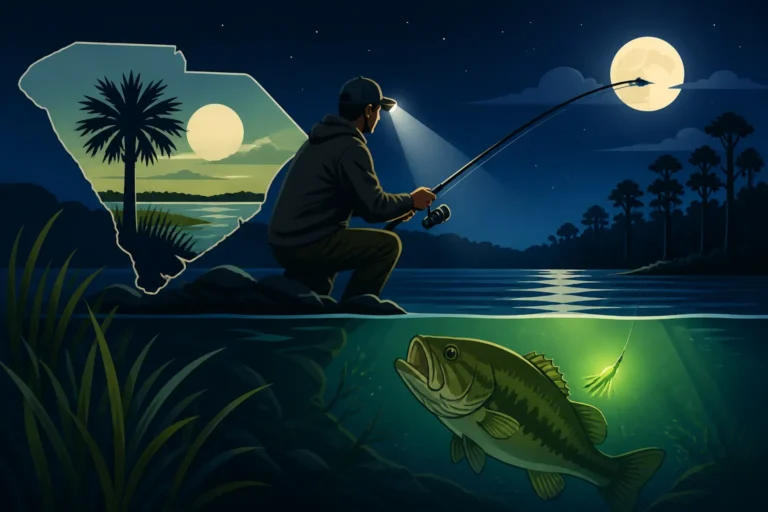
First and foremost, lighting is non-negotiable. A reliable headlamp is your best friend. It allows you to keep both hands free for rigging tackle, baiting hooks, or launching your boat. Consider packing a small, portable lantern too, especially if you're fishing from the bank or a stationary boat; it can provide ambient light without blinding you. When it comes to lures, think about what stands out in low light. Darker colors (black, blue, junebug) offer a strong silhouette against the dim sky or even an overcast dawn. Topwater baits with plenty of noise and commotion, like poppers or buzzbaits, are phenomenal for bass. For crappie, small jigs in glow-in-the-dark or chartreuse can be game-changers. You can find a fantastic selection of these specialized low-light lures on retailers like Amazon, making it easy to stock up before your next trip.
Layered clothing is also critical. South Carolina mornings can be surprisingly chilly, even in late spring or early fall, but once the sun fully rises, it can heat up quickly. Start with a moisture-wicking base layer, add a fleece or sweatshirt, and have a light, waterproof jacket handy for dew or unexpected drizzle. Don’t forget a beanie or cap to keep your head warm in the pre-dawn chill. Lastly, always check and organize your tackle the night before. Spool fresh line, tie on a few go-to lures, and make sure your livewell is ready. A little preparation goes a long way in ensuring a smooth and enjoyable start to your day.
Boat Positioning and Shoreline Strategies
For those heading out on a boat, the approach to your chosen fishing spot at dawn is as important as the cast itself. Quiet navigation is paramount. Use your trolling motor as much as possible to sneak into position, avoiding the loud roar of your outboard until absolutely necessary. Position your boat to allow for optimal casting angles toward promising structure like docks, submerged brush, or points where you suspect fish might be holding. Think about casting ahead of your boat's movement to present your lure to undisturbed fish. Safety is also a major concern in low light. Always be aware of your surroundings, use navigation lights, and keep an eye out for other boaters or hidden hazards.
If you're a bank angler, don't feel left out! Many prime spots are accessible from shore. Look for areas with quick access to deeper water, like creek channels, points, or bridge abutments. Move quietly along the bank, avoiding stomping or sudden movements that could spook fish in the shallow margins. Identify clear casting lanes free of overhead obstructions beforehand. Even walking slowly to your spot with your headlamp on can make a difference. Many anglers have found success by finding secluded points on lakes like Lake Murray or Lake Hartwell, where they can cast into prime feeding zones without disturbing the water too much. These strategic considerations, whether from boat or bank, maximize your chances of encountering actively feeding fish.
Top Dawn Fishing Techniques for South Carolina's Key Freshwater Species
Dawn fishing isn't a one-size-fits-all endeavor. The techniques you employ should be tailored to the species you're targeting. South Carolina's freshwater lakes are brimming with various popular game fish, each with its own preferred morning meal and hunting style. Let's dive into how to tackle a few of the most sought-after species as the sun comes up.
Largemouth Bass: Topwater Thrills and Subsurface Strikes
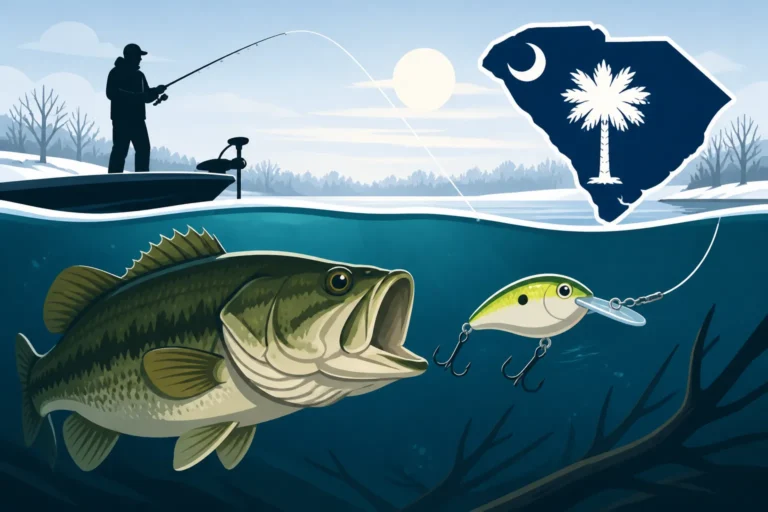
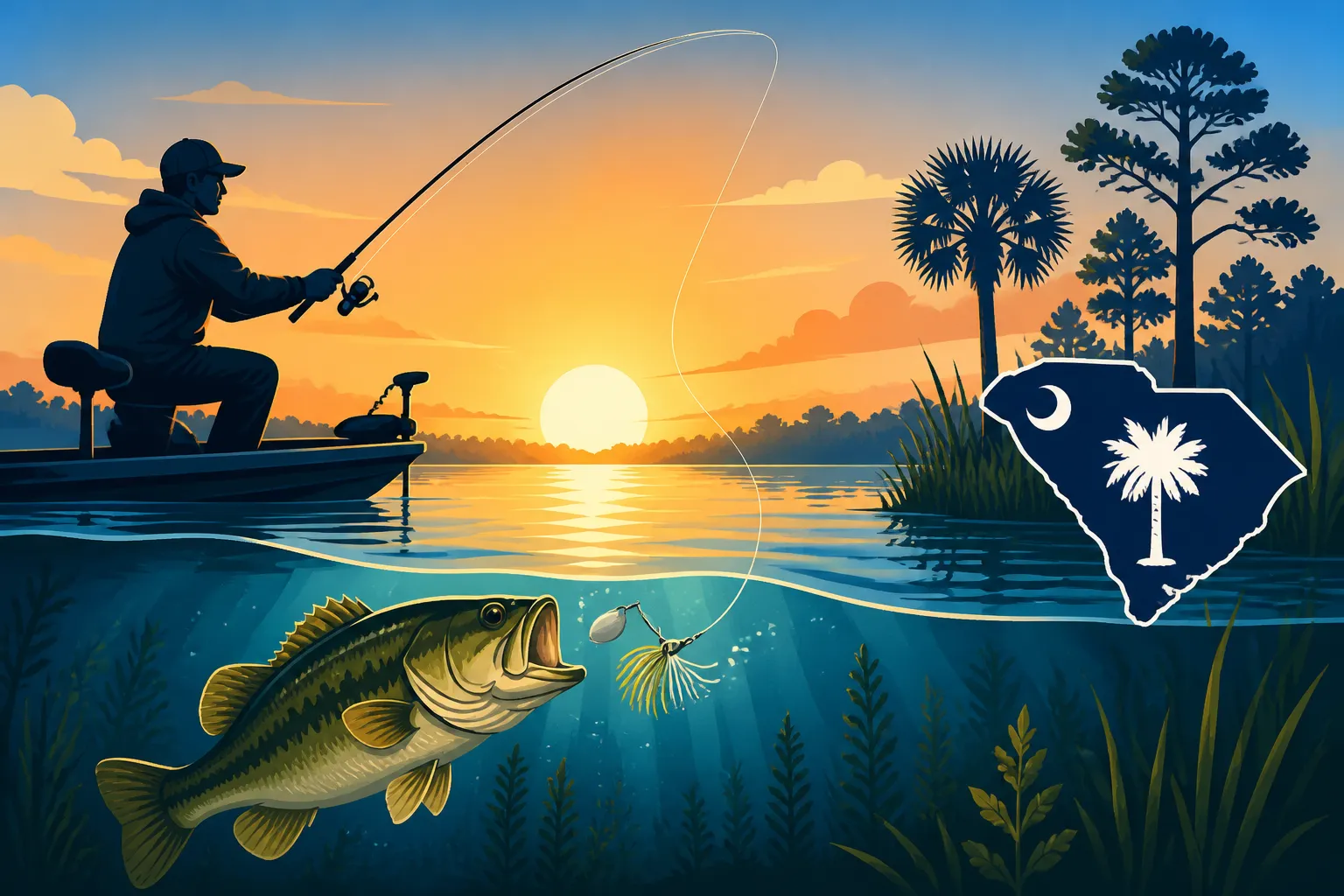
For many anglers, dawn is synonymous with largemouth bass fishing, and for good reason! This is prime time for explosive topwater action. As the light is still low, bass often feel confident enough to strike at baits presented on the surface. My personal favorites include walking baits like a Heddon Super Spook, noisy poppers, and even frog imitations fished over matted vegetation. Cast these lures close to cover—think submerged timber, weed lines, or even docks—and work them with erratic pauses and twitches. The sound and commotion can draw bass from surprising distances. If you're looking for gear, you can browse a wide array of topwater lures on Amazon to find what suits your style. For more specific guidance, check out our article on Topwater Bass Fishing Techniques for Early Morning.
If the topwater bite isn't happening, don't despair. Subsurface presentations are also highly effective at dawn. Spinnerbaits and buzzbaits, with their flash and vibration, are excellent choices for covering water quickly and drawing reaction strikes from aggressive bass. Throw these around points, coves, and shoreline structure. As the sun gets a little higher, lipless crankbaits or shallow-diving crankbaits can also be very productive, especially if bass are holding in slightly deeper water just off the shallows. The key is to experiment with retrieve speeds and pauses until you find what triggers a strike. Understanding What Time of Day Do Bass Bite Best? can certainly enhance your strategy.
Crappie and Panfish: Early Bird Catches the Minnow
Crappie, those delicious "papermouths," are another species that can be incredibly active at dawn. They often move into shallower water from their deeper daytime haunts to feed on small baitfish and insects. One of the most effective dawn techniques for crappie is vertical jigging or slow trolling with small jigs or live minnows. Look for them around brush piles, submerged Christmas trees, bridge pilings, or even under lighted docks (if fishing after dark and extending into dawn).
The trick with crappie is often finding the right depth. Use your electronics to pinpoint schools of baitfish or structure, then present your lure just above them. Small, brightly colored jigs (think chartreuse, white, or pink) or a tiny jig tipped with a minnow are usually irresistible. For those who love to fish for them, it's worth reading up on How to Find Crappie in Spring to get ahead of the game, although these dawn techniques are effective year-round. Panfish like bluegill and shellcrackers will also start to stir at dawn, often found in similar shallow, cover-rich areas. A simple worm under a bobber can lead to a fantastic morning of family-friendly fishing.
Striped Bass and Catfish: The Low-Light Opportunists
When it comes to larger, harder-fighting fish in South Carolina's freshwater lakes, striped bass and catfish are definitely low-light opportunists. Stripers, especially, are known for their aggressive feeding binges at dawn. They'll often push baitfish to the surface, creating explosive "topwater boils" that are hard to miss. When you see this, cast large topwater plugs, swimbaits, or even live bait (like blueback herring) into the fray. Look for them patrolling shallow points, creek mouths, and humps where they can ambush schools of bait. The Striped Bass Winter Fishing Patterns in Freshwater Lakes can sometimes extend into early morning patterns in other seasons, as they seek out cooler, oxygen-rich water.
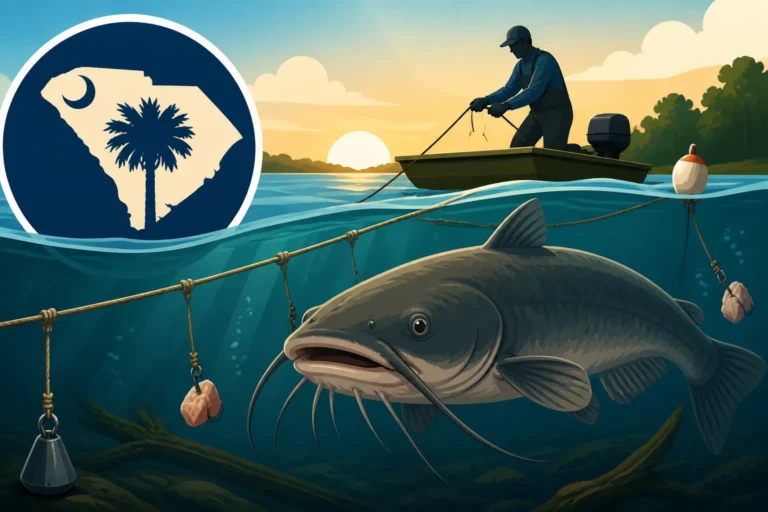
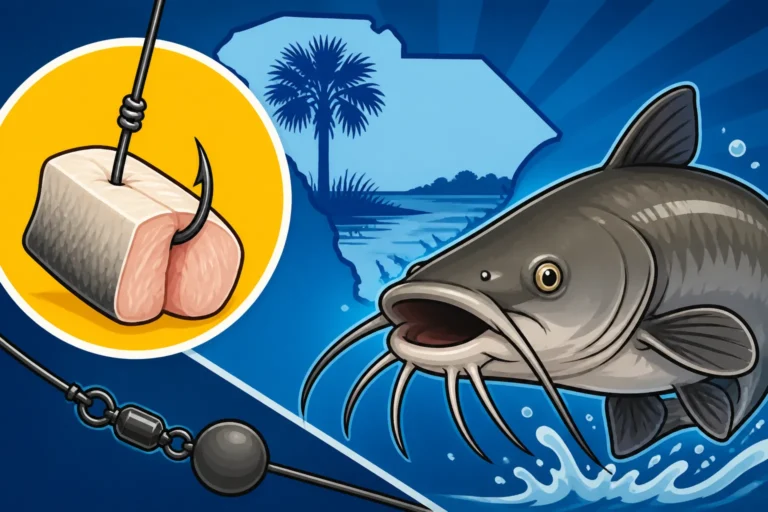
Catfish, both channel cats and flatheads, are also nocturnal or crepuscular feeders, meaning dawn is an excellent time to target them. They use their keen sense of smell to locate food in the dark, and they're often more active and less wary before the sun gets too high. The classic technique for catfish is bottom fishing with cut bait, stink baits, or live worms. Focus your efforts in deeper holes, channel swings, or along the edges of structure where current might deliver food. While Is Night Fishing Better for Catfish? explores a different time, the principles of their low-light feeding behavior still apply at dawn. Make sure you have plenty of fresh bait; for inspiration, our guide on Best Bait for Summer Catfish Fishing offers some excellent tips. If you're fishing in a current, knowing How to Anchor for Catfish in Current will be a huge advantage.
Reading the Water and Adapting Your Approach
No matter how well you plan, fishing is always about adapting to conditions. Dawn fishing, in particular, can be fickle, with rapidly changing variables. Being observant and willing to adjust your techniques can make all the difference between a slow morning and a memorable one.
Understanding Weather and Water Conditions
The weather leading up to and during your dawn fishing trip dramatically impacts fish behavior. A sudden cold front, for instance, can often shut down an otherwise promising bite. As the air pressure rises and temperatures drop, fish tend to become less active and move to deeper, more stable water. If you're heading out after a cold front, consider slowing down your retrieves, downsizing your lures, and targeting deeper structure. Our article on How Cold Fronts Affect Fish Behavior provides a more in-depth look at this common fishing challenge.
Similarly, heavy rain can alter conditions significantly. While a light, warm rain might actually trigger a bite by washing insects and nutrients into the water, heavy downpours can muddy the water, increase current, and lower water temperature. In muddy conditions, fish often rely more on their lateral lines, making noisy or vibratory lures more effective. Also, fish might move to cleaner water pockets or shallow areas where runoff provides new food sources. Knowing how to adjust your strategy after a weather event is crucial; take a moment to review Fishing Techniques After Heavy Rain to prepare yourself. Always keep an eye on recent weather patterns and water clarity to inform your lure choices and presentation.
Patience, Persistence, and Observation
Ultimately, successful dawn fishing, like all fishing, boils down to patience, persistence, and keen observation. Don't just cast blindly. Take a few moments when you first arrive at your spot to observe the water. Are there baitfish schooling on the surface? Do you see any splashes or boils that indicate feeding activity? Listen for subtle sounds. These clues can tell you where the fish are and what they might be feeding on. Sometimes, the first spot you try won't produce, and that's perfectly normal. Be persistent, try different casting angles, retrieve speeds, and even switch up your lures if something isn't working. Don't be afraid to move to a new area if your current spot isn't producing.
Remember, fishing is as much an art as it is a science. There will be days when everything lines up perfectly, and days when the fish just aren't cooperating. The goal is to maximize your chances by understanding the unique advantages dawn offers and approaching it with a thoughtful strategy. The experience of being on a quiet South Carolina lake as the sun rises is a reward in itself, regardless of the size of your catch.
| Species | Preferred Dawn Technique | Best Lure/Bait | Target Location |
|---|---|---|---|
| Largemouth Bass | Topwater/Reaction Strikes | Poppers, Buzzbaits, Spinnerbaits | Weed lines, submerged timber, docks, points |
| Crappie | Vertical Jigging/Slow Trolling | Small jigs (chartreuse, white), Live minnows | Brush piles, bridge pilings, deep structure |
| Striped Bass | Surface Lures/Live Bait | Large topwater plugs, Swimbaits, Blueback herring | Creek mouths, shallow points, humps, baitfish schools |
| Catfish | Bottom Fishing | Cut bait, Stink bait, Live worms | Deeper holes, channel swings, current edges |
This article for general informational purposes only and does not constitute professional advice. Laws, prices and regulations vary by location and change over time. Consult a qualified professional for guidance on your specific situation.