How to Catch Trout in Cooler Fall Water
Many anglers pack away their trout gear once the leaves start to turn, lamenting that the bite has shut down with the summer heat. But if you're writing off fall trout fishing in South Carolina, you're missing out on some incredibly rewarding, albeit challenging, opportunities. Cooler water brings a whole new dynamic to trout behavior, and this guide is here to equip you with the knowledge and tactics to keep those lines tight when others have given up.
Understanding Fall Trout Behavior in South Carolina
The transition from the long, hot days of summer to the crisp, cool air of fall signals a profound shift in trout behavior. They're no longer battling scorching water temperatures or the intense sun. Instead, they're preparing for winter and, for some species, getting ready to spawn. Understanding these shifts is paramount to your success.
The Metabolism Shift: How Cooler Water Changes Trout
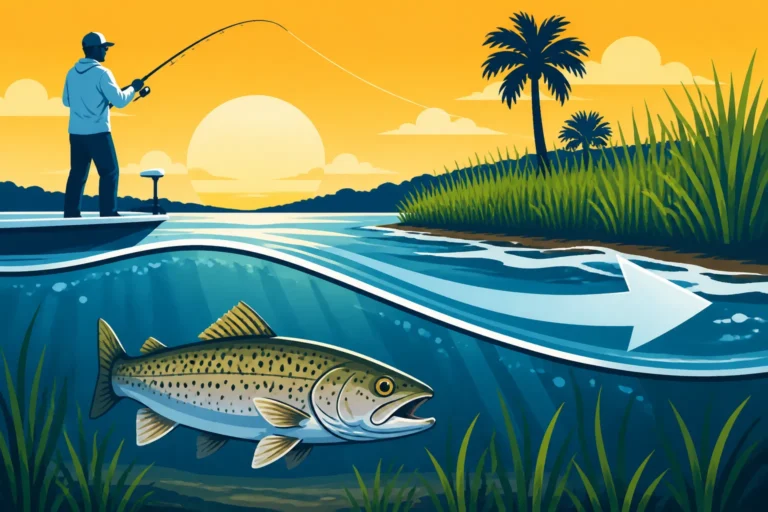
As water temperatures in South Carolina's trout streams begin to drop, often hovering in the 50s and low 60s, a trout's metabolism slows down significantly compared to its frenzied summer feeding. This doesn't mean they stop eating, but rather they become more efficient and less eager to chase down every passing meal. Instead of expending precious energy on long pursuits, they often prefer to hold in slower, deeper water, letting food come to them. Think of it like this: if you're bundled up on a chilly day, you'd rather have a hearty stew brought to your couch than have to run to the grocery store, right? Trout are similar. They'll position themselves in prime ambush points where currents deliver easy meals directly into their strike zone, conserving energy for the leaner months ahead. This requires a more patient approach from anglers, as a quick, erratic retrieve that worked in summer might just spook them now.
Fall Spawning Season and Its Impact
Fall is a crucial time for reproduction for certain trout species found in South Carolina, most notably brook trout and brown trout. Our native brook trout, those beautiful, wild fish inhabiting the colder headwaters, typically spawn from October into December. Brown trout, an introduced species, also engage in their spawning rituals during this period. During the spawn, these fish are highly focused on perpetuating their species. Males become territorial and display vibrant colors, while females concentrate on digging redds (nests) in gravelly stream bottoms. While they might still strike a fly or lure out of aggression or instinct, their primary motivation isn't hunger. They can be found in shallower, faster-moving sections of streams with clean gravel, areas they often avoid during other times of the year. This makes them accessible but also incredibly vulnerable. Anglers should exercise extreme caution and avoid disturbing spawning fish or walking on potential redds. Focus on the non-spawning trout in deeper pools or those recovering from the rigors of the spawn, rather than targeting actively spawning fish. You can learn more about specific regulations in the South Carolina's Freshwater Fishing Regulations guide.
Essential Gear for Cooler Water Trout Fishing
Success in cooler fall water isn't just about technique; it's also about having the right tools for the job and staying comfortable in potentially chilly conditions. Don't let inadequate gear cut your trip short.
Rods, Reels, and Lines for Fall
For cooler water trout fishing, a stealthy approach often pays dividends. This usually means opting for lighter tackle. For fly anglers, a 3 to 5-weight rod, typically 7 to 9 feet long, offers the finesse needed for delicate presentations with nymphs or small dries. Pair this with a matching reel and a weight-forward floating line. When it comes to leaders and tippet, fluorocarbon is your friend. Its low visibility underwater, coupled with its abrasion resistance, makes it ideal for wary fall trout. A 4X to 6X tippet is often appropriate.
Spinning enthusiasts will find a light or ultralight spinning rod (4.5 to 6.5 feet) with a fast action to be highly effective. Match it with a small spinning reel spooled with 2 to 6-pound test monofilament or fluorocarbon line. Monofilament offers a bit more stretch, which can be forgiving, while fluorocarbon provides excellent sensitivity and minimal visibility. Remember, fall trout aren't usually aggressively chasing, so your line choice needs to be subtle to avoid spooking them.
Clothing and Wading Safety
Fall in South Carolina's trout country, especially in the Upstate mountains, can be unpredictable. Mornings might start frosty, with temperatures rising moderately by midday, only to drop sharply as the sun dips. Layering is not just a suggestion; it's a necessity. Start with a moisture-wicking base layer to draw sweat away from your body, preventing chills. Add an insulating middle layer, like fleece or a puffy jacket, and top it with a waterproof and windproof outer shell. A good quality pair of breathable but insulating waders can make or break your trip, and you can find a wide range of options on platforms like Amazon. Don't forget warm socks (wool or synthetic), a warm hat, and fingerless gloves that allow for dexterity while still offering some warmth.
Wading safety is paramount. Cold water saps energy quickly and can lead to hypothermia. Always wade with a wading belt cinched tight to prevent your waders from filling with water should you fall. A sturdy wading staff can provide crucial stability, especially in slippery or swift currents. Never fish alone in remote areas, and always let someone know your float plan. The scenery might be gorgeous, but the consequences of an accident can be severe.
Effective Techniques for Fall Trout Fishing
With trout being more subdued and selective, your techniques need to adapt. Gone are the days of aggressive retrieves and loud splashes; fall demands subtlety and patience.
Mastering the Slow Presentation
In cooler fall waters, trout are rarely in a hurry. Their metabolism has slowed, and they're less inclined to chase down a fast-moving meal. This means your presentation needs to be slow, deliberate, and natural.
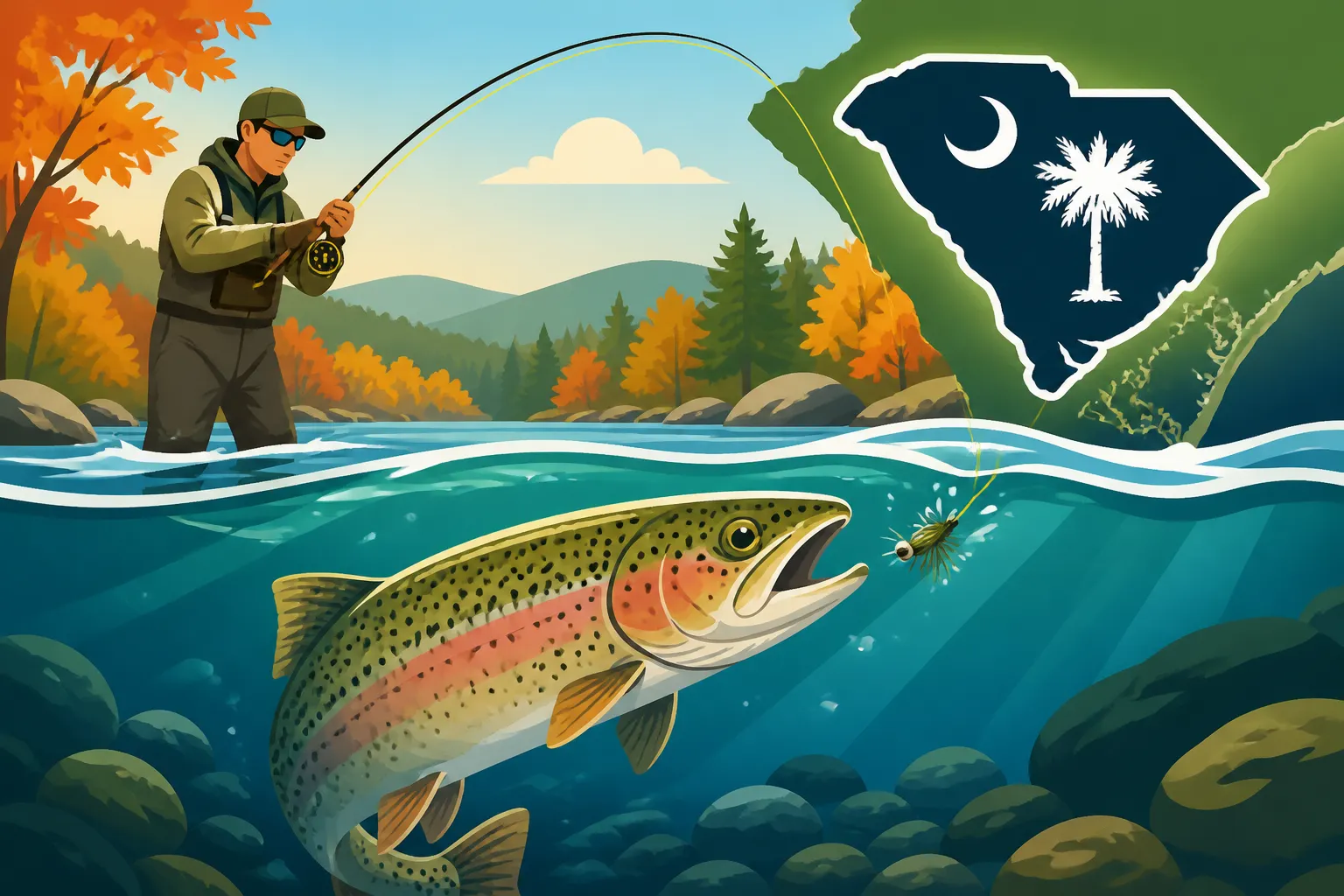
For fly anglers, nymphing becomes incredibly effective. Dead-drift your nymphs with as little drag as possible, allowing them to tumble naturally along the bottom. Use strike indicators to detect the subtlest takes, as a fall trout's bite can be incredibly light – sometimes just a slight hesitation in your indicator is all you'll see. Experiment with different weights of nymphs to ensure they get down to where the fish are holding, often in deeper pockets or slower seams. Sometimes, a very subtle twitch or pause, mimicking a struggling insect, can trigger a strike. Don't be afraid to try "short-line nymphing" in close quarters, keeping most of your line off the water for maximum control and sensitivity.
Spin fishermen should focus on slow retrieves. Let your spinners or spoons sink deeper than you might in summer, then retrieve just fast enough to impart a subtle action. Small, inline spinners with subdued colors (like black, brown, or olive) can be deadly. For those who prefer spinning gear, having a selection of small, subtle inline spinners or spoons is wise. Brands readily available on Amazon often offer multi-packs perfect for experimenting. Jigging small soft plastics or marabou jigs along the bottom can also be highly effective, mimicking injured baitfish or aquatic insects. The key is to make it easy for the trout to intercept your offering without expending much energy. Our guide on Spin Fishing Techniques for Stocked Trout Streams has more great tips.
Bait and Lure Selection for Cooler Water
Fall trout are often more opportunistic and focused on high-calorie meals. This is where bait fishing can really shine. Natural baits like worms (red wigglers or nightcrawlers) are always a reliable choice. Thread a small piece of worm onto a hook, ensuring it drifts naturally with the current. Corn, though controversial among some purists, can be incredibly effective, especially for recently stocked trout. Use a single kernel or a small cluster on a light wire hook. Prepared baits, such as PowerBait or Gulp! Trout Baits, molded into small, natural shapes, can also be very productive. Remember to keep your weights minimal to allow for a natural drift. You can learn more in our detailed guide on How to Fish Bait for Stocked Trout.
When it comes to lures for spin fishing, think small and subtle. Tiny inline spinners (size 0 or 1), small spoons (1/16 to 1/8 ounce) in silver, gold, or even matte black, and small crankbaits that imitate baitfish can work. The focus should be on lures that can be retrieved slowly while still maintaining action. Soft plastic grubs or worms rigged on a small jig head, twitched along the bottom, can also entice lethargic trout. Don't forget the small necessities – split shot, strike indicators, and extra tippet. It’s always handy to stock up on these from online retailers like Amazon before heading out.
Reading the Water: Where Trout Hide
In fall, trout tend to congregate in specific areas as they seek both thermal comfort and food. Focus your efforts on deeper pools and runs, especially those with slower currents where fish can hold without expending much energy. Look for current breaks created by large rocks, fallen trees, or undercut banks – these are prime ambush points where trout can rest while waiting for food to drift by. Woody debris and submerged cover also offer protection and act as holding lies.
Areas where feeder creeks enter larger streams can be fantastic, as they often bring in slightly warmer water (if the feeder is shallow) or wash in additional food sources. During periods of bright sunlight, trout will often move to shaded areas or deeper pockets to avoid predators and bright light. Overcast days, conversely, might see them more willing to venture into slightly shallower feeding lanes. Understanding how to interpret these water features is key, as explained in our article on How to Read a Trout Stream for Beginners.
Navigating South Carolina's Fall Trout Waters
South Carolina might not be famous for its trout fishing, but our Upstate region offers some fantastic opportunities, especially as the fall colors burst forth. Knowing where to go and understanding specific regulations will maximize your chances.
Prime Fall Trout Fishing Locations
When the air turns crisp, the Blue Ridge Mountains of South Carolina come alive with vibrant colors, and their cold, clear streams offer some wonderful fall trout fishing. These waters are primarily located in the extreme northwestern corner of the state, often within state parks, national forests, or wildlife management areas.
- Chattooga River System: The Chattooga River and its tributaries, particularly those upstream of Highway 28, are renowned for their wild trout populations, including our native brook trout. Access can be challenging, often requiring a hike, but the reward is a truly wild fishing experience amidst stunning scenery. Fall is a prime time to target these wild fish before winter sets in.
- East Fork Chattooga: This specific branch is a popular spot, often stocked, providing a good mix of catchable trout. The fall colors along this river make for a picturesque day on the water.
- Wild and Scenic Streams: Many smaller tributaries and headwaters in areas like Sumter National Forest hold wild brook trout. These are often designated as "heritage preserve" or "wild trout" streams, where regulations might be catch-and-release only or have specific gear restrictions. For those seeking the solitude of untouched waters and the thrill of catching a truly wild fish, these are excellent choices. Our guide on the Best Streams for Brook Trout in the Blue Ridge Mountains offers more insight.
- Stocked Waters: South Carolina also has several excellent stocked trout streams, where the South Carolina Department of Natural Resources (SCDNR) releases thousands of hatchery-raised trout, primarily rainbows and browns. Popular stocked streams include portions of the Chattooga River, Cheohee Creek, and the Chauga River. These streams provide more consistent action, especially for beginners or those looking to put a few fish in the pan. Fall stocking schedules often provide fresh batches of fish eager to bite.
Regulatory Considerations for Fall Trout
Before you head out, always double-check the latest South Carolina Department of Natural Resources (SCDNR) regulations. Trout fishing in South Carolina is subject to specific rules regarding bag limits, size limits, and tackle restrictions, which can vary by stream or even by section of a stream.
For instance, some streams might have a general daily creel limit, such as a South Carolina Stocked Trout Daily Limit of five fish, while others, particularly wild trout waters, might be strictly catch-and-release. Certain sections might have specific bait restrictions or require single, barbless hooks. It's not uncommon for these rules to change, so consulting the current SCDNR fishing regulations guide is crucial. This is especially true for our native brook trout waters where conservation efforts are paramount.
You'll also need a valid South Carolina fishing license. You can purchase these online, at authorized retailers, or through the SCDNR app. Make sure your license covers freshwater fishing if you're targeting trout. The good news is that typically, a standard freshwater license is all you need for trout, but it's always smart to verify. Our guide on South Carolina Fishing License Guide can help you sort out the details. Additionally, understanding How Trout Limits Vary by Stream in South Carolina and Checking a Stream's Trout Limit Before You Fish It will save you a lot of headaches and ensure you're compliant. For example, some streams might have a South Carolina Streams With a 5-Fish Trout Limit while others might have a South Carolina Streams With an 8-Fish Trout Limit. These details matter.
Here's a quick look at common fall trout considerations:
| Factor | Summer Conditions | Fall Conditions | Angler Approach |
|---|---|---|---|
| Water Temperature | Warm (65-75°F), trout stressed | Cooler (50-60°F), trout active but subdued | Focus on deep, oxygenated water; slower presentations. |
| Trout Metabolism | High, aggressive feeding | Slower, more selective feeding | Delicate, slow presentations; focus on natural drifts. |
| Food Availability | Abundant insects, baitfish | Fewer insects, opportunistic feeding; pre-spawn fuel | Nymphs, small worms, PowerBait, small subtle lures. |
| Fish Location | Deep pools, shaded areas, cold springs | Deeper pools, current breaks, spawning gravel (for some) | Target structure, look for active redds (avoid). |
| Best Time | Dawn/Dusk, cooler parts of day | Mid-day when water warms slightly | Focus on mid-morning to late afternoon. |
Consider carrying a small stream thermometer to monitor water temperatures. Knowing the exact temperature can give you a significant edge in understanding trout activity levels and where they might be holding. And as always, pack out everything you pack in, and leave the stream cleaner than you found it.
Disclaimer
This article is for general informational purposes only and does not constitute professional advice. Laws, prices and regulations vary by location and change over time. Consult a qualified professional for guidance on your specific situation.