Best Spots to Fish on South Carolina’s Free Fishing Days
The excitement of South Carolina's Free Fishing Days can quickly turn into frustration if you don't know where to cast your line. Many aspiring anglers find themselves overwhelmed by the vastness of our state's waters, wondering which spots offer the best chance for a bite without the usual license requirements. This comprehensive guide is here to cut through that confusion, pointing you toward some of the most productive and accessible fishing locations across the Palmetto State, ensuring your free fishing experience is nothing short of fantastic.
Understanding South Carolina's Free Fishing Days
Those glorious Free Fishing Days are truly a gift to South Carolina residents, offering a fantastic opportunity to enjoy our state's abundant waters without needing to purchase a state fishing license. It's an ideal time for seasoned anglers to introduce newcomers to the sport or for families to simply enjoy a relaxing day outdoors with a rod and reel in hand.
What Exactly Do Free Fishing Days Entail?
For many, the biggest hurdle to trying fishing is the upfront cost and perceived hassle of getting a license. South Carolina's Department of Natural Resources (SCDNR) addresses this directly by designating specific days each year where that requirement is waived for residents. Typically, these days fall on significant holidays or weekends, making them accessible for more people. For instance, in 2026, residents can enjoy these fantastic opportunities on South Carolina Free Freshwater Fishing Day May 25 2026 and again on South Carolina Free Freshwater Fishing Day July 4 2026. This means you can show up, cast your line, and enjoy the thrill of the catch without that particular piece of paperwork. It's a fantastic initiative to encourage participation and appreciation for our aquatic resources.
Important Rules and Clarifications
While the license requirement is lifted, it's crucial to remember that all other state fishing regulations remain firmly in place. This isn't a free-for-all; it's a chance to fish without the license fee, but responsible angling is still paramount. You’ll still need to adhere to all established South Carolina Fishing Bag Limits Explained, size restrictions, and gear requirements for the specific species you're targeting. For instance, if you're out fishing for largemouth bass, you can't just keep every single one you catch; you need to know the minimum size and daily creel limit. The SCDNR website is always your best friend for checking these details before you head out. Also, it's vital to note that these free days are generally for residents only, a point clarified in resources like Free Fishing Days for Residents Only Explained. If you're visiting from out of state, you'll typically still need to secure a nonresident license, even on these designated free days.
Prime Freshwater Spots for Free Fishing Days
South Carolina boasts an incredible array of freshwater fishing opportunities, from vast reservoirs to winding rivers and serene ponds. On free fishing days, the focus often shifts to spots that are easily accessible, known for producing a good number of bites, and offer a variety of species to keep everyone engaged.
Popular Lakes with Abundant Access
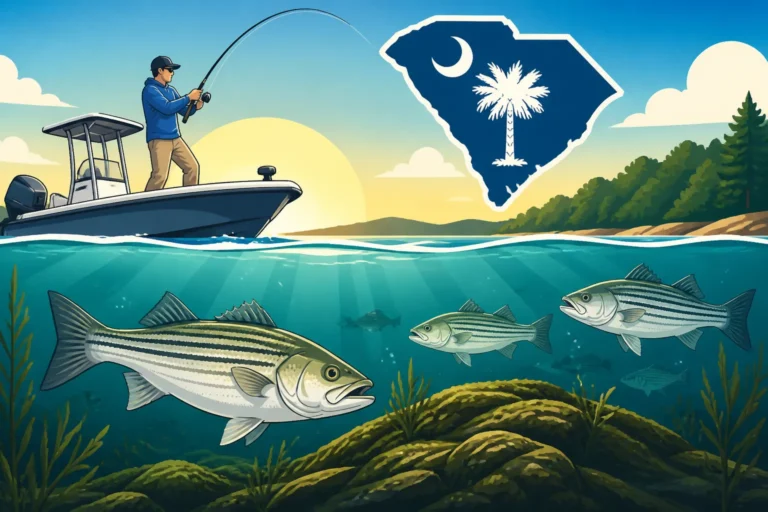
Our major lakes are fantastic destinations, often featuring public access points, boat ramps, and even dedicated bank fishing areas. Lake Murray Fishing Guide for South Carolina Anglers highlights one such gem, famous for its striped bass, largemouth bass, and crappie. On a free fishing day, you can explore many of its public parks and shorelines, especially areas like Dreher Island State Park, which offers excellent bank fishing and pier access. Another legendary destination is the Santee Cooper Lakes: South Carolina's Legendary Bass Fishery, comprising Lake Marion and Lake Moultrie. These interconnected lakes are renowned for their giant catfish, abundant crappie, and trophy largemouth bass. Many state parks, like Santee State Park, provide easily accessible bank fishing, rental boats, and piers that are perfect for a no-license day. Other fantastic options include Lake Hartwell, Lake Wateree, and Lake Greenwood, all offering multiple public access points and diverse fish populations perfect for a casual outing.
Rivers and Ponds Offering Easy Access
Beyond the major lakes, South Carolina's rivers and smaller ponds present excellent opportunities, especially for those who prefer a quieter experience or lack a boat. Many local and county parks maintain ponds or provide access to riverbanks that are ideal for bank fishing. For instance, the Congaree River near Columbia offers superb catfish fishing from its banks, and various city parks along its course provide easy entry. Similarly, the Edisto River, a beautiful blackwater river, has numerous public landings where you can wade or fish from the bank for bass, bream, and even catfish. Don't overlook the myriad of smaller community ponds, which are often stocked with bream and catfish, making them perfect for beginners or families with children. Just be sure to check local regulations, as some private ponds might still require owner permission, even on free fishing days. Understanding nuances like "Do You Need a Fishing License to Fish From a Private Pond?" can save you a headache. These smaller, more intimate spots are often featured in guides about the Best Bank Fishing Spots in South Carolina and Family-Friendly Fishing Spots in South Carolina.
Accessible Saltwater Spots for Free Fishing Days
For those who crave the salty air and the pull of a powerful redfish, South Carolina's coast offers a wealth of opportunities, even without a license, as long as you're fishing from public piers or the surf. These areas operate under a blanket fishing license covering everyone fishing from their structure.
Pier Fishing Without a License
Fishing piers are truly a godsend for saltwater anglers, especially on free fishing days. The pier itself holds the necessary permit, meaning you generally don't need your own individual license to fish from it. This makes spots like the Myrtle Beach State Park Pier, the Folly Beach Pier, or the Mount Pleasant Pier incredibly popular on free days. These piers extend far into the ocean, allowing access to deeper waters and a wider variety of species. You can expect to catch everything from whiting, croaker, and spots closer to shore, to Spanish mackerel, king mackerel, and even sharks further out. Many piers offer bait and tackle shops right on site, so you don't even need to bring much gear, though a trusty rod and reel, some basic hooks, and a cooler are always a good idea. Information like Do You Need a Fishing License to Fish From a Pier? confirms the convenience of this option.
Surf Fishing and Coastal Access
If you prefer to feel the sand between your toes while you cast, surf fishing is another fantastic option for free fishing days. The beauty of places like Myrtle Beach Surf Fishing Spots in South Carolina is that the expansive beaches offer plenty of room to spread out. You don't need a boat, just a sturdy surf rod, some pyramid sinkers, and bait like shrimp, cut mullet, or sand fleas. Anglers often target whiting, pompano, red drum (redfish), and even sharks from the surf. Key areas along the coast, from the Grand Strand down to Hilton Head, have public beach access points. While some private beaches might have restrictions, most public access points are fair game.
Beyond the open beach, specific inlets and jetties, like those found around Murrells Inlet Inshore Fishing Spots in South Carolina or the Charleston Harbor jetties, offer unique opportunities. Fishing near jetties can be productive for redfish, spotted seatrout, and flounder, as these structures attract baitfish and provide cover. The key is finding public access points to these areas, which might require a bit of local knowledge or a quick check of county and municipal park resources. Charleston Harbor Fishing Spots for South Carolina Anglers offers guidance on accessing some of the most productive waters near the historic city.
Tips for Maximizing Your Free Fishing Day Experience
A successful free fishing day isn't just about showing up; it's about smart preparation and embracing the spirit of the outing. With a little planning, you can make the most of this fantastic opportunity.
Essential Gear and Bait Considerations
Even without the license, a good fishing trip still hinges on having the right tools. You don't need fancy, expensive equipment, especially if you're new or just trying it out. A basic medium-action spinning rod and reel combo, spooled with 10-15 lb test monofilament or braided line, will serve you well for most freshwater and inshore saltwater scenarios. For tackle, think simple: an assortment of hooks (sizes 1 to 4/0), sinkers (split shot, egg, pyramid), swivels, and a few bobbers. If you're looking to stock up quickly and affordably, online retailers like Amazon offer complete beginner fishing kits that include many of these essentials, making it super easy to get started.
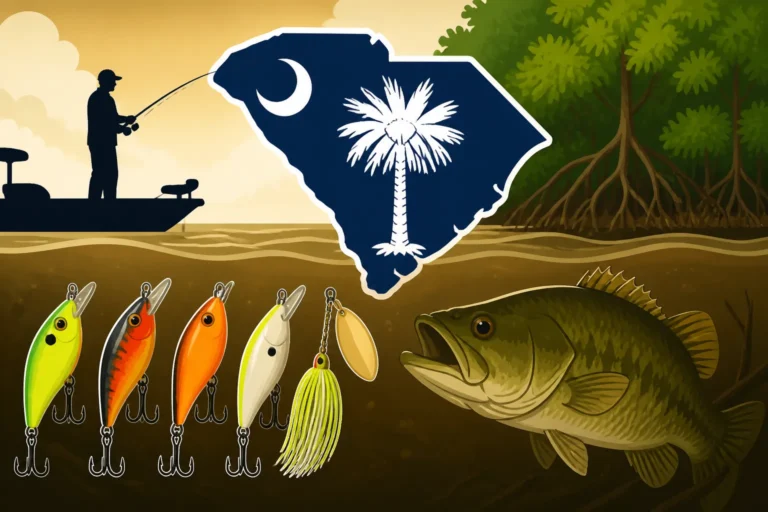
When it comes to bait, "fresh is best" is a golden rule. For freshwater, live worms, crickets, or minnows are irresistible to bream, crappie, and bass. For saltwater, fresh shrimp, cut mullet, or squid are classic choices for redfish, trout, and various bottom feeders. Don't be afraid to experiment with artificial lures too, especially if you're targeting bass or trout. A small assortment of soft plastics, spinnerbaits, or topwater plugs can really pay off, and you can find a wide variety of these on Amazon, often with quick delivery.
Timing Your Trip for Best Results
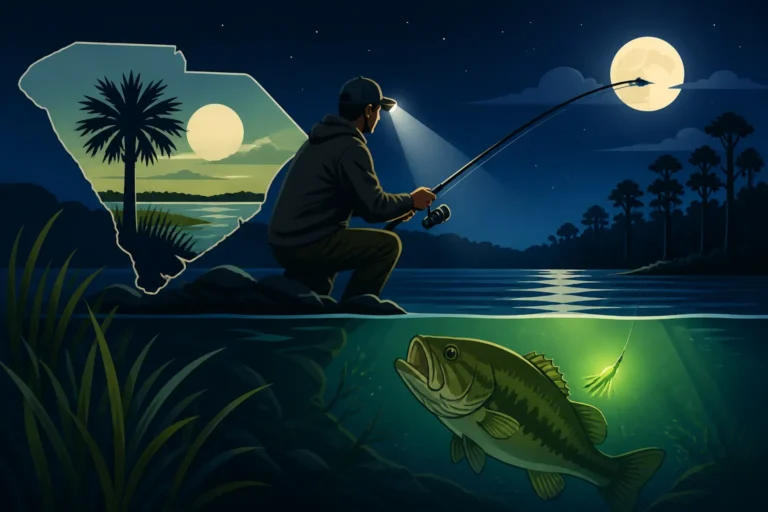
Fish are most active during certain times of the day, and understanding these patterns can dramatically improve your chances of success. Generally, dawn and dusk are prime times for many species, especially bass and trout in freshwater, and redfish and seatrout in saltwater. The cooler temperatures and lower light conditions make fish more comfortable to feed actively. This principle is well-explained in guides like Dawn and Dusk Fishing Techniques.
For saltwater fishing, tides play an even more critical role. Incoming or outgoing tides often concentrate baitfish, leading to more aggressive feeding from predatory species. Check local tide charts for your chosen coastal spot and plan your fishing around the peak movement periods. A few hours before and after high or low tide can be particularly productive. Even on a free fishing day, putting in the effort to understand these natural rhythms will always yield better results.
Safety and Etiquette on the Water
While the free aspect is great, safety should always be your number one priority. Always wear appropriate sun protection (hat, sunscreen, sunglasses), bring plenty of water to stay hydrated, and let someone know your plans, especially if you're venturing to a more remote spot. If you're fishing from a boat or kayak, life vests are non-negotiable.
Beyond personal safety, practicing good fishing etiquette is essential. Be mindful of other anglers around you, especially on crowded piers or bank fishing spots. Give everyone enough space to cast and retrieve without tangling lines. Clean up after yourself—pack out everything you pack in, and perhaps even pick up any trash you find. Leaving a spot better than you found it ensures that these beautiful fishing grounds remain enjoyable for everyone for years to come.
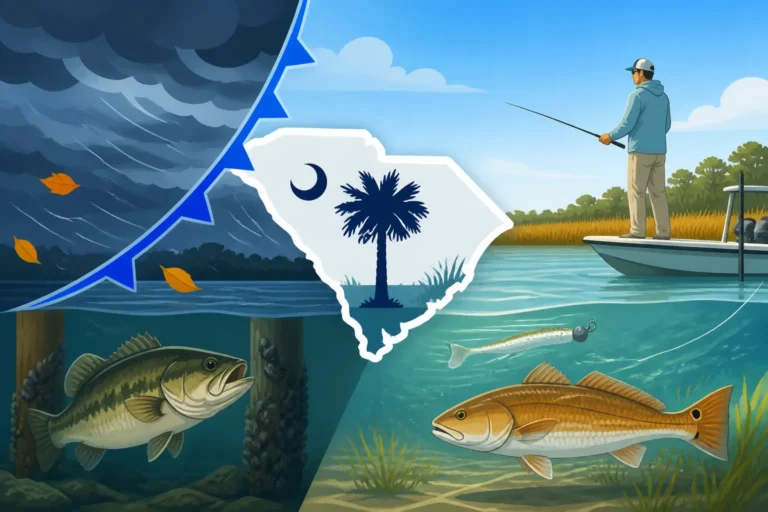
Comparing Freshwater and Saltwater Free Fishing Options
To help you decide where to go, here's a quick comparison of what you might expect from freshwater versus saltwater fishing on South Carolina's Free Fishing Days:
| Feature | Freshwater Fishing (e.g., Lakes, Rivers, Ponds) | Saltwater Fishing (e.g., Piers, Surf, Inlets) |
|---|---|---|
| License | Not required for residents on Free Fishing Days (individual only) | Not required if fishing from a licensed public pier; required for surf fishing from personal vessel/bank (unless otherwise specified by local rules) on free days for residents only. |
| Accessibility | Many public parks, state parks, boat ramps, riverbanks. Easy bank access common. | Public piers (often charge a small fee for pier access), wide beaches for surf fishing, some jetties. |
| Target Species | Largemouth Bass, Crappie, Bream, Catfish, Striped Bass, Trout | Redfish, Spotted Seatrout, Flounder, Whiting, Croaker, Spanish Mackerel, Sheepshead, Shark |
| Gear Needed | Medium spinning rod, basic hooks, weights, bobbers, live worms, crickets, minnows. | Medium to heavy spinning/surf rod, stronger line, pyramid sinkers, large hooks, fresh shrimp, cut bait. |
| Environmental Factors | Weather, water temperature, water clarity. | Weather, tides (critical), water temperature, currents. |
| Best For | Family outings, beginners, quiet solitude, diverse species. | Thrill of bigger fish, unique coastal environment, pier community. |
This table provides a snapshot, but remember that specific conditions and local rules can always vary. Always check the SCDNR website for the most current regulations for any body of water you plan to fish.
Disclaimer
Please note that fishing regulations, including free fishing days and licensing requirements, can change. Always consult the official South Carolina Department of Natural Resources (SCDNR) website or publications for the most current and accurate information before planning your trip. This guide is for informational purposes only and does not constitute legal advice or an official endorsement of any specific location or product.