Jigging and Bait Fishing Techniques Explained
It can be incredibly frustrating to stand by the water, casting and retrieving, or patiently waiting for a bite, only to feel like you're just…missing something. You see other anglers reeling in fish, and you wonder if there’s some secret handshake or hidden trick you're not in on. This comprehensive guide is here to demystify two of the most effective and widely used fishing methods in South Carolina – jigging and bait fishing – breaking down the techniques, gear, and strategies you need to turn those frustrating outings into successful ones.
Understanding the Fundamentals of Jigging
Jigging is one of those techniques that can feel intimidating if you've never tried it, but once you understand the basic principles, it opens up a whole new world of fishing possibilities. It's essentially about creating an illusion for the fish, making your lure appear like an injured baitfish or an easy meal.
What is Jigging and Why It Works
At its core, jigging involves moving a weighted lure (a jig) in a series of sharp, erratic motions, typically up and down, to imitate a struggling or fleeing baitfish. Think of it like a dance you're performing with your rod, trying to entice a fish to strike. This technique is incredibly effective because it triggers a predator's instinct to attack. Fish, especially aggressive ones, are naturally drawn to movement and vulnerability. A jig that darts, pauses, and then falls erratically can mimic a wounded baitfish struggling to swim, or a bottom-dwelling creature trying to escape. This erratic action often provokes a reaction strike, even from fish that aren't actively feeding.
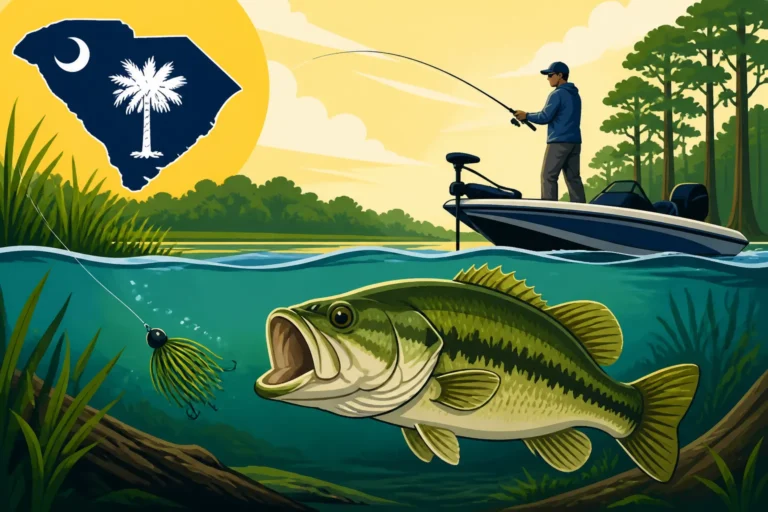
In South Carolina, jigging is a go-to method for targeting a vast array of species in both freshwater and saltwater. From the largemouth bass lurking in the submerged brush of Lake Murray to the redfish cruising the shallow grass flats of Murrells Inlet, jigs can be adapted to almost any scenario. The beauty of jigging lies in its versatility; you can control the depth, speed, and action of your lure, allowing you to present it precisely where fish are holding, whether that's suspended in the water column or hugging the bottom structure. It's a proactive fishing style that puts you in control, rather than simply waiting for a bite.
Essential Jigging Gear and Tackle
To get started with jigging, you don't need a boatload of specialized equipment, but having the right tools for the job definitely makes a difference. Your rod, reel, line, and of course, the jigs themselves, all play crucial roles in how effectively you can present your lure and detect bites.
Rods and Reels: For most inshore and freshwater jigging in South Carolina, a medium-light to medium-heavy spinning rod, typically 6'6" to 7'6" in length, is a great all-around choice. This rod length provides enough leverage for casting and working the jig, while also offering sensitivity to feel those subtle taps. Pair it with a 2500-4000 series spinning reel, which offers a good balance of line capacity and drag power. If you're tackling heavier offshore species, you'll want to step up to a heavier conventional or spinning setup designed for deepwater jigging, often with specialized parabolic action rods. For freshwater species like crappie or bluegill, a lighter ultralight setup is ideal, allowing you to impart subtle action to tiny jigs and feel the lightest bites.
Line: Braided line is almost universally preferred for jigging because of its incredible sensitivity and low stretch. This allows you to feel even the slightest bump or change in resistance as your jig moves, which is absolutely critical for detecting strikes that might otherwise go unnoticed. A good starting point for braid is 10-20 lb test for freshwater and inshore saltwater, moving up to 30-60 lb test or more for heavier applications. You'll typically tie a fluorocarbon leader (15-30 lb test for inshore, heavier for offshore) to your braid using a strong knot like an FG knot or an Albright knot. The fluorocarbon leader is less visible to fish and offers good abrasion resistance. You can find quality braided lines and fluorocarbon leaders on platforms like Amazon, offering a wide selection.
Jigs: This is where the real fun begins! Jigs come in an astonishing array of shapes, sizes, colors, and weights.
- Soft Plastic Jigs: These are incredibly versatile and mimic baitfish, shrimp, or worms. They consist of a lead jig head with a hook, onto which you thread a soft plastic body. Popular choices in South Carolina include paddle tails, curly tails, and shrimp imitations. Brands like Z-Man and Vudu Shrimp are often seen in tackle boxes.
- Bucktail Jigs: A classic for a reason, bucktail jigs are made with deer hair tied around a lead head. They have a natural, pulsating action in the water and are excellent for redfish, flounder, and striped bass.
- Metal Jigs (Vertical/Speed Jigs): These heavy, slender jigs are designed to be dropped quickly to deeper depths and then retrieved with rapid, aggressive movements. They are fantastic for offshore species like amberjack, snapper, and tuna, or even for deepwater striped bass in lakes like Lake Murray.
Common Jigging Mistakes to Avoid
Even seasoned anglers can fall into bad habits, and for beginners, a few common missteps can quickly lead to frustration. Being aware of these pitfalls can help you improve your jigging game significantly.
One of the most frequent mistakes is using too heavy a jig for the conditions. While you need enough weight to get your lure to the desired depth, an overly heavy jig will fall unnaturally fast and might not allow for the subtle, enticing action you're trying to achieve. Always aim for the lightest jig that still allows you to maintain bottom contact or stay in the strike zone in the prevailing current or wind. Conversely, using a jig that's too light means you won't be able to get it down to where the fish are, or you'll lose control of its presentation. It's a delicate balance that often requires experimentation.
Another common issue is improper jigging cadence. Many anglers, especially when starting out, tend to retrieve their jigs too fast or too consistently. Fish are often attracted to erratic, unpredictable movements, much like a wounded prey. Varying your retrieve speed, adding pauses, quick snaps, and then letting the jig flutter down can make a huge difference. Sometimes a slow, almost subtle lift-and-drop is what it takes, especially in colder water or when fish are lethargic. Other times, an aggressive, fast jigging motion is the ticket. Pay attention to how the fish are reacting, and don't be afraid to change up your rhythm. The more you experiment, the better you'll understand what triggers a strike on a given day in a specific location, whether you're targeting fish in the Congaree River or the coastal waters near Charleston.
Lastly, many new jig fishermen miss strikes because they aren't paying close enough attention or don't know what a bite feels like. With braided line, even a slight "tick" or a feeling of added weight can indicate a fish has inhaled your jig. Don't wait for a rod-bending thud; often, it's just a subtle difference in tension. If anything feels "off," set the hook! You'll be surprised how many fish you might have otherwise missed. Good sunglasses are also invaluable for sight fishing in clear water, allowing you to see follows and even the fish taking the bait before you feel it.
Mastering Different Jigging Techniques
Jigging isn't just one thing; it's a broad category encompassing various approaches, each suited to different depths, currents, and target species. Knowing when and how to apply these distinct techniques can significantly boost your success rate.
Vertical Jigging for Deepwater Species
Vertical jigging is all about targeting fish that are holding in deeper parts of the water column or hugging structure far below the surface. This technique is extremely popular in offshore saltwater fishing for species like snapper, grouper, amberjack, and even pelagic fish like tuna and wahoo that might be suspended over reefs or wrecks. It's also highly effective in freshwater lakes like Lake Murray or Lake Hartwell for striped bass or spotted bass that are often found suspended in thermoclines or near submerged humps and ledges.
The basic idea is to drop a heavy, slender metal jig directly down to the depth where you've marked fish on your sonar. Once the jig reaches the desired depth, the technique involves a series of aggressive lifts and drops, or "rips," with the rod. You might lift the rod tip sharply from horizontal to vertical, then quickly drop it back down, allowing the jig to flutter and fall. The strike often occurs on the drop, so it's crucial to maintain a semi-taut line to feel any resistance. After a few rips, let the jig freefall for a second or two, then repeat. The speed and intensity of your rips will depend on the species and their mood – sometimes a fast, aggressive presentation is needed, other times a slower, more methodical lift-and-drop. For instance, when targeting amberjack on offshore wrecks off the South Carolina coast, anglers often employ rapid, high-energy jigging known as "speed jigging."
This method requires patience and a good understanding of your electronics. Knowing the depth of the fish and the structure is paramount. Keep an eye on your fishfinder; if fish disappear, adjust your drift or move to a new spot. Brands like Shimano and Daiwa offer excellent jigging setups specifically designed for this demanding technique, with powerful reels and robust rods capable of handling large, hard-fighting fish. When you're dropping a heavy jig hundreds of feet, having a reliable reel with a strong drag system is non-negotiable.
Casting and Retrieving Jigs for Inshore Fish
While vertical jigging dominates deep water, casting and retrieving jigs is the bread and butter for many inshore and shallow-water freshwater anglers in South Carolina. This technique is perfect for targeting redfish, spotted seatrout, flounder, and various bass species in estuaries, marsh creeks, river systems like the Santee River, and shallow lake coves.
Here, the jig is cast out and then worked back towards the angler using a variety of retrieves. The most common retrieve involves a series of lifts or "hops" of the rod tip, followed by reeling in the slack as the jig falls. For example, you might cast a soft plastic paddle tail jig towards a grass line, let it sink for a moment, then give your rod tip a sharp twitch, reel up slack, and let it fall again. This creates a "swim and fall" action that predatory fish find irresistible. Varying the speed and height of your hops is key; sometimes a long, slow drag along the bottom is best for flounder, while a quick, erratic twitch-and-pause works wonders for aggressive redfish.
Another popular technique involves "swimming" the jig back with a steady retrieve, perhaps adding a few twitches or pauses. This is particularly effective with grubs or swimbaits that have an inherent action, resembling a baitfish moving through the water. For anglers exploring the tidal creeks around Mount Pleasant, understanding how the tide affects current and fish behavior is critical. You'll often cast upstream of a likely holding spot and let the current carry your jig naturally downstream as you work it, mimicking a distressed baitfish. Fishing with these inshore jigs is one of the most productive ways to catch fish in the Lowcountry.
Jigging for Panfish and Crappie
Don't let the intensity of big game jigging fool you; jigging is also incredibly effective for smaller, but equally fun, panfish species like crappie, bluegill, and shellcrackers found in many of South Carolina's freshwater lakes and ponds. This style of jigging is often much more subtle and requires lighter tackle.
For crappie, which are often suspended in brush piles, around docks, or near standing timber in lakes like Lake Moultrie, "spider rigging" or single-pole jigging with tiny jigs is the way to go. Crappie jigs are typically very small, often 1/32 oz to 1/8 oz, and come in a variety of colors and shapes, from simple tube jigs to small grub-like plastics. The technique involves vertically presenting the jig to the crappie's depth, often using a sensitive ultralight rod. You might gently twitch the rod tip, slowly lift and drop the jig, or simply hold it still, letting the natural subtle movement of the water impart action. The key is to be extremely observant, as crappie bites can be incredibly light, feeling like just a slight slackening of the line or a gentle "thump." Learning Crappie Jigging Techniques for Beginners is a great way to get started.
Bluegill and other sunfish also readily take small jigs. These fish are often found near aquatic vegetation, lily pads, or submerged logs. A tiny jig, perhaps tipped with a small piece of worm or scented bait, fished under a bobber can be deadly. Cast it out, let it settle, and then give it a gentle twitch every few seconds. The bobber acts as an indicator, but also helps to keep the jig in the strike zone longer. This method is fantastic for introducing kids to fishing, as bluegill are usually eager biters and provide constant action. The simplicity and effectiveness of small jigs for panfish make them a staple in many South Carolina angler's tackle boxes, and you can find a huge variety of these affordable jigs on Amazon.
The Art of Bait Fishing: Why Live Bait Still Reigns Supreme
While lures have their place, there's an undeniable allure and effectiveness to bait fishing, especially when using live bait. It taps into a primal instinct of fish that even the most realistic lure can't always replicate.
Advantages and Disadvantages of Bait Fishing
Bait fishing, at its heart, is about offering fish a natural, appealing meal. It's often seen as a more "passive" technique compared to jigging, but it demands its own set of skills, especially when it comes to understanding fish behavior and bait presentation.
Advantages:
- Natural Appeal: Live bait offers natural scent, taste, and movement that artificial lures simply can't fully replicate. This makes it incredibly effective, especially for finicky fish or in challenging conditions. A live shrimp wiggling naturally in the current is often irresistible to a redfish or trout.
- Versatility: Bait can be fished in almost any scenario – on the bottom, suspended under a float, trolled, or cast. It works in clear water, murky water, deep, or shallow.
- High Success Rate: For many species, especially bottom feeders like catfish or sheepshead, bait fishing is often the most productive method. For newcomers or those fishing with children, bait often leads to more bites, keeping spirits high.
- Target Specific Species: You can often select baits that are preferred by your target species, increasing your chances of catching what you're after. For example, fresh cut bait is a magnet for catfish.
Disadvantages:
- Cost and Effort: Live bait can be expensive to buy, and catching your own can be time-consuming. Keeping bait alive also requires special equipment like aerated bait buckets.
- Less Active: Compared to lure fishing, bait fishing often involves more waiting. This can be less engaging for some anglers, although the anticipation is part of the charm.
- Less Selective: You're more likely to catch undesirable "trash fish" or smaller non-target species when bait fishing, which can be frustrating.
- Messy: Dealing with bait, especially cut bait or smelly natural baits, can be messy.
- Conservation Concerns: If not handled properly, live bait can introduce invasive species to new waters, so always be mindful of where your bait comes from and how you dispose of unused portions. Additionally, improper hook removal when using bait can lead to higher mortality rates for released fish.
Choosing the Right Live Bait for South Carolina Waters
The key to successful bait fishing in South Carolina is knowing which bait works best for which fish and in which environment. Our state offers a diverse range of freshwater and saltwater species, and their dietary preferences vary widely.
Freshwater Baits:
- Worms (Redworms, Nightcrawlers): The ultimate all-around bait for panfish (bluegill, crappie), small bass, and even trout in mountain streams. They're easy to find and use.
- Minnows/Shiners: Excellent for crappie, largemouth bass, and sometimes even smaller striped bass. Present them under a bobber or on a slow retrieve.
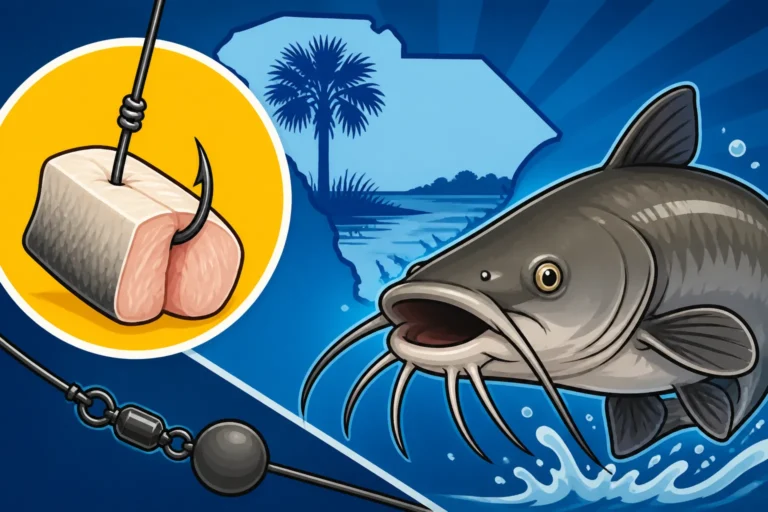
- Cut Bait (Chicken Livers, Shad, Bream Fillets): The undisputed champion for catfish in lakes like Lake Moultrie and rivers like the Congaree and Santee. The stronger the scent, the better.
- Crickets/Grasshoppers: Fantastic for bluegill and other sunfish, especially during warmer months.
- Corn: Surprisingly effective for carp and sometimes trout in stocked ponds.
Saltwater Baits:
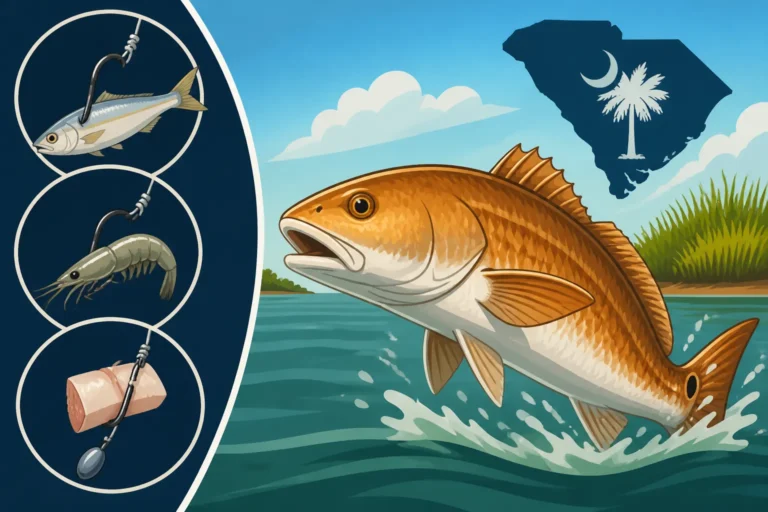
- Live Shrimp: Arguably the most popular and effective live bait for inshore saltwater fishing in South Carolina. Redfish, spotted seatrout, flounder, and almost everything else will hit a live shrimp. You can find these at most local bait shops along the coast.
- Mud Minnows/Finger Mullet: Great for redfish, flounder, and sometimes larger trout. Mullet are particularly hardy and can be cast without coming off the hook easily.
- Fiddler Crabs: The absolute best bait for sheepshead around bridge pilings, jetties, and oyster beds in places like Charleston Harbor.
- Live Menhaden (Pogies): Essential for targeting large redfish, tarpon (in summer), and even king mackerel offshore. They are typically caught with cast nets.
- Clams/Oysters: Good for sheepshead and sometimes black drum.
Always check local regulations on bait collection and usage. For instance, some areas may have restrictions on gathering certain baitfish or invertebrates. Buying bait from reputable local shops is always a safe bet, and they can often give you hyper-local tips on what's biting.
Essential Bait Fishing Rigs and Setups
Just like jigging, presenting your bait effectively requires the right rig. The goal is always to make your bait look as natural and appealing as possible, whether it's suspended, on the bottom, or slowly drifting.
Freshwater Rigs:
- Carolina Rig: Extremely versatile for bass, catfish, and even larger panfish. It consists of a sliding sinker, a bead (to protect the knot), a swivel, and a leader (typically 1-3 feet) ending in a hook. This allows the bait to move freely and naturally even while the weight keeps it on the bottom. Great for dragging a worm or lizard across rocky bottoms for bass.
- Slip Bobber Rig: Perfect for suspending live minnows or worms at a precise depth above structure for crappie or bluegill. A slip bobber slides freely on your main line, allowing you to easily adjust the depth of your bait. Once the bobber hits a stop knot, it floats at the set depth. This is a very effective way to target suspended fish.
- Basic Bottom Rig: Simple and effective for catfish. A sinker tied to the end of the line, with one or two snelled hooks tied above it at different intervals. This ensures your cut bait stays on the bottom where catfish are often feeding. This is essential for Catfish Bottom Fishing Basics.
Saltwater Rigs:
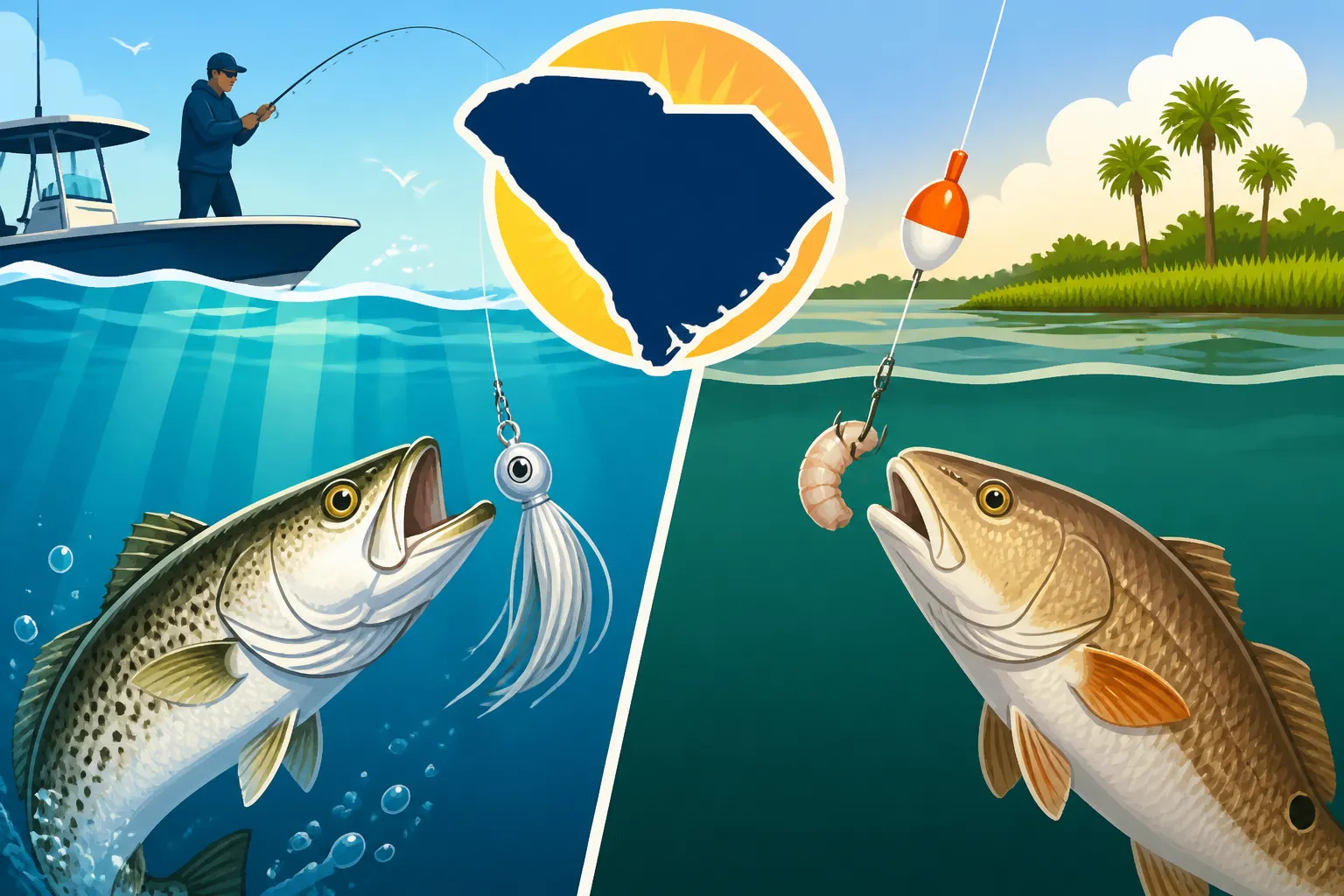
- Popping Cork Rig: A classic for inshore fishing, especially for spotted seatrout and redfish. A popping cork creates a "chugging" sound and splash when twitched, mimicking a feeding shrimp or baitfish, attracting predators to the live shrimp or artificial lure suspended below. It's incredibly effective in grass flats and oyster creek mouths.
- Knocker Rig: Excellent for bottom fishing inshore for redfish, flounder, and black drum. A sliding sinker sits directly on top of the hook eye, creating a compact presentation that "knocks" against the hook, attracting attention. It's a very sensitive rig, allowing you to feel subtle bites.
- Carolina Rig (Saltwater Version): Similar to the freshwater version but scaled up for stronger saltwater species. Often used with live mud minnows or finger mullet for redfish and flounder in slightly deeper channels or near structure. The longer leader allows the bait to swim freely, presenting a more natural appearance.
- Fish Finder Rig: Ideal for larger bottom-dwelling fish like red drum, black drum, and even shark. A sliding sinker (often a pyramid sinker to hold bottom in current) is threaded onto the main line, followed by a swivel, and then a heavy leader (sometimes wire for toothy fish) with a stout hook. The sliding sinker allows fish to pick up the bait and run without feeling the full weight of the sinker immediately.
Having a selection of these basic components – hooks, swivels, sinkers, and leaders – readily available in your tackle box will prepare you for almost any bait fishing scenario in South Carolina. You can stock up on these essentials quickly and conveniently through retailers like Amazon.
Popular Bait Fishing Strategies in South Carolina
With your chosen bait and rig, it's time to put strategy into action. Different scenarios call for different bait fishing tactics, and understanding these will help you maximize your catch in various South Carolina environments.
Bottom Fishing for Catfish and Redfish
Bottom fishing is a time-honored technique, particularly effective for species that forage along the seabed or river bottom. In South Carolina, this means a lot of catfish and redfish, both of which are hugely popular targets.
For catfish, whether you're on the Santee Cooper Lakes (Marion and Moultrie) or the mighty Congaree River near Columbia, bottom fishing with cut bait is often the most productive method. Catfish are primarily scavengers, relying heavily on their sense of smell. Using a strong-smelling bait like cut shad, chicken liver, or even hot dogs soaked in garlic, presented on a simple bottom rig or a Carolina rig, is key. Cast your bait out, let it sink to the bottom, and then simply wait. Catfish bites can range from a gentle "tap-tap" to a rod-bending yank. It's often a game of patience, especially for trophy-sized flatheads and blue cats. Many anglers use multiple rods, setting them in rod holders and waiting for the telltale bend of a rod. Night fishing is often considered the prime time for catfish, as they are more active foragers in the dark.
Redfish also spend a lot of their time rooting around the bottom for crabs, shrimp, and small baitfish. For these prized inshore game fish, a Carolina rig with a live mud minnow, finger mullet, or even a piece of cut bait (like mullet or a blue crab quarter) is highly effective. Cast your rig near oyster beds, creek mouths, or submerged structures where redfish are known to feed. Let the bait sit, and periodically give it a very slow, short drag to attract attention. Unlike catfish, redfish bites can be aggressive, with a solid thud followed by a powerful run. You'll often feel a distinct thump as they crush the bait, and then the line will start peeling off. Understanding South Carolina Redfish Slot Limit Rules is crucial for these trips.
Float Fishing for Panfish and Trout
Float fishing, also known as bobber fishing, is a universally loved technique, especially for its simplicity and effectiveness for smaller, shallower-dwelling species. It's a fantastic entry point for new anglers and a relaxing way to spend a day on the water.
In South Carolina's numerous ponds, small lakes, and slow-moving streams, panfish like bluegill, shellcrackers, and crappie are prime targets for float fishing. The setup is straightforward: a small hook, a split shot weight a few inches above the hook, and a bobber set to suspend your bait at the desired depth. Live worms, crickets, or small pieces of corn are excellent baits. Cast near lily pads, fallen trees, or shaded areas where panfish gather. The bobber acts as a visual strike indicator, dancing or submerging when a fish bites. This method allows the bait to drift naturally with the current or slowly settle, presenting an irresistible meal. It's particularly rewarding for families, as the visual aspect of the bobber disappearing makes for exciting fishing.
For trout in the cooler mountain streams of the Upstate, especially for stocked rainbow and brown trout, float fishing with live bait can be incredibly effective. Small worms, salmon eggs, or even corn are popular choices. Using a very small, sensitive float and keeping your bait drifting naturally downstream, mimicking a loose insect or piece of food, is key. Trout can be surprisingly finicky, so a natural presentation is paramount. When the float dips or stops, it's time to gently set the hook. Remember to check Stocked Trout Limits in South Carolina before you head out.
Trolling with Bait for Striper and Offshore Species
Trolling is a technique where you slowly pull baits or lures behind a moving boat. When done with live or cut bait, it can be incredibly productive for covering large expanses of water and enticing aggressive, migratory species.
For striped bass in lakes like Lake Murray or Lake Hartwell, trolling with live bait is a highly effective method, especially during warmer months when stripers are suspended in deeper water. Large live shad or herring, rigged on a circle hook with an appropriate weight (like a planer board or downrigger) to get them to the desired depth, are slowly pulled through areas where stripers are schooling. The erratic, natural swimming motion of a live baitfish is often too much for a hungry striper to resist. This method is often employed around submerged points, humps, and creek channels. Lake Murray is renowned for its striper fishery, and understanding Lake Murray Summer Striped Bass Techniques in South Carolina will involve a lot of live bait trolling.
Offshore, trolling with large live baits or rigged ballyhoo is a prime strategy for pelagic species like mahi-mahi, wahoo, king mackerel, and tuna. These fish are often found along weed lines, temperature breaks, or current edges many miles off the South Carolina coast. Baits are rigged on wire or heavy fluorocarbon leaders, often with skirts or chuggers in front to create additional attraction, and then deployed at various distances and depths behind the boat. The slow, tantalizing movement of a rigged baitfish can trigger vicious strikes from these fast-moving predators. Trolling allows anglers to systematically search vast areas of the ocean, presenting a continuous appealing target.
Combining Jigging and Bait for Maximum Success (Hybrid Approaches)
Why choose between jigging and bait fishing when you can often combine their strengths for an even more potent presentation? Hybrid approaches leverage the best of both worlds, offering natural appeal with an added layer of attraction.
Jig-N-Bait Rigs for Finicky Eaters
Sometimes, fish just aren't biting aggressively, or they might be holding in an area but are hesitant to strike a purely artificial lure. This is where "jig-n-bait" rigs truly shine. The concept is simple: take a jig, and tip the hook with a piece of natural bait.
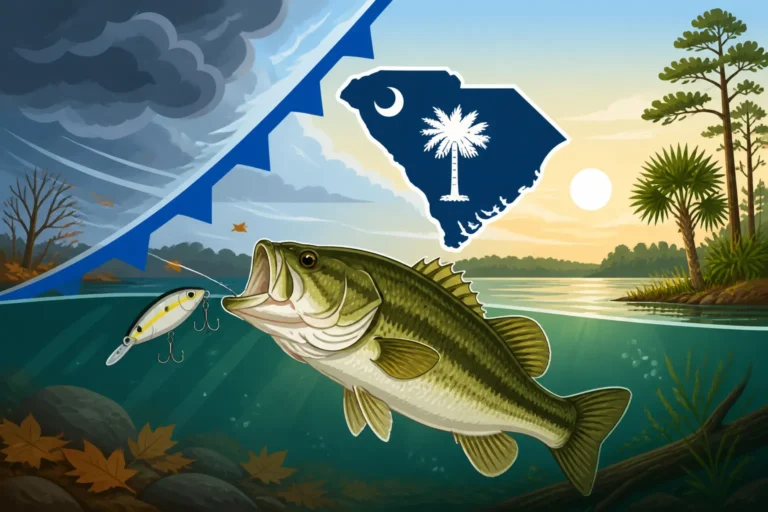
For freshwater anglers, a small crappie jig or a bass jig tipped with a piece of live worm, a grub, or even a small minnow can be absolutely deadly. The jig provides the action and visual appeal, while the live bait adds natural scent, taste, and texture that can entice finicky fish into biting. Imagine a bass jig worked slowly along a stump field on Lake Wateree; tipping it with a soft plastic crawfish imitation and a small piece of shrimp on the hook can make all the difference on a tough bite day. The bass sees the action of the jig, then smells and tastes the natural offering, sealing the deal. This approach is particularly useful in colder water or after a cold front when fish are less active. Learning How to Catch Bass After a Cold Front often involves slowing down your presentation and adding natural scent.
In saltwater, this technique is equally effective. A bucktail jig or a soft plastic shrimp imitation jig tipped with a piece of real shrimp or a small strip of baitfish is a common and highly productive rig for redfish, flounder, and spotted seatrout. The jig provides the flash and movement, while the natural bait offers that irresistible scent trail. For example, a Gulp! Shrimp on a jig head is already highly scented, but adding a small piece of actual shrimp can further enhance its appeal, especially for stubborn flounder buried in the sand or mud. This hybrid approach helps you cover water like a lure, but offers the natural enticement of bait, often leading to more committed strikes.
The Power of Scent: Enhancing Jigs with Bait
The olfactory sense of fish is often vastly underrated by anglers. While many lures come pre-scented, adding fresh, natural scent can elevate your jigging game, especially in murky water or low-light conditions where visual cues are diminished.
Enhancing your jigs with natural bait isn't just about tipping the hook; it can involve smearing scents onto the jig itself. You can use commercially available scent gels and sprays, but often, nothing beats the real thing. Take a small container of fresh shrimp paste, a crushed clam, or even the slime from a baitfish and rub it onto your soft plastic jigs or bucktails. This creates a powerful scent trail in the water that can draw fish in from a distance and encourage them to hold onto the jig longer once they bite, giving you more time to set the hook.
Consider a scenario in a tidal creek near Edisto Island, where the water might be a bit stained. A chartreuse paddle tail jig being worked along an oyster rake might get some attention, but adding a smear of crushed shrimp paste onto that jig provides an additional dimension. Fish can "smell" their way to the offering, and once they get there, the natural scent confirms it's a legitimate meal. This can be particularly effective for cautious species like flounder or black drum. Even for aggressive species like redfish, a strong scent can convert a "bump" into a full-on strike. Scented soft plastics are readily available, but fresh natural additions can often give you an edge. Many anglers swear by Pro-Cure or Fishbites scent enhancers, which can be found at local tackle shops or online at Amazon.
Advanced Tactics for Challenging Conditions
When the fishing gets tough – whether it's due to high pressure, unusual weather, or post-frontal conditions – hybrid jigging and bait techniques can be your secret weapon. These situations demand adaptability and a willingness to try something a little different.
One advanced tactic involves suspending a live baitfish above a jig. This might sound counterintuitive, but it's brilliant for targeting fish that are suspended in the water column but are reluctant to move horizontally for a lure. For example, you might use a 3-way swivel: one eye to your main line, another to a short leader (say, 12-18 inches) with a live minnow, and the third to a longer leader (2-3 feet) with a jig. The live minnow acts as an irresistible visual attraction, struggling naturally, while the jig below provides additional flash, vibration, and a different profile. This is often used for striped bass or suspended crappie. The live bait draws them in, and they might strike either the bait or the jig.
Another strategy involves slow-trolling or drifting jigs tipped with bait. Instead of actively working the jig with your rod, let the boat's movement or the current impart the action. This is particularly effective in large open water bodies like the Santee Cooper lakes for suspended stripers or catfish. A bucktail jig tipped with a large piece of cut bait, slowly dragged along the bottom or at a specific depth, combines the jig's profile and vibration with the potent scent of the bait, covering a lot of water while maintaining a natural presentation. This passive yet highly effective method allows you to explore vast areas, increasing your chances of encountering a school of feeding fish, especially if they are spread out.
Seasonal Considerations for South Carolina Jigging and Bait Fishing
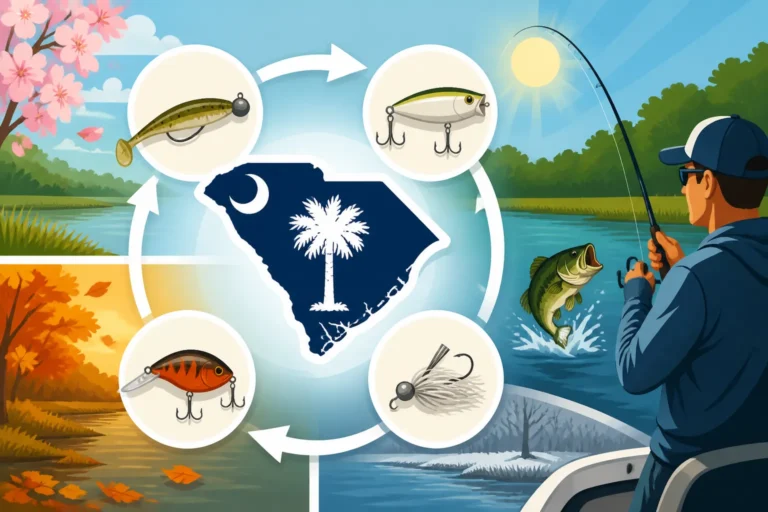
South Carolina's diverse climate means that fishing conditions, and therefore the most effective techniques, change significantly throughout the year. Adapting your jigging and bait fishing strategies to the seasons is paramount for consistent success. You'll always want to consult a South Carolina Fishing Seasons Guide for precise details.
Springtime Strategies: Post-Spawn Bites
Spring is a time of renewal and increased fish activity across South Carolina. As water temperatures rise, fish become more active, moving into shallower waters to spawn or feed aggressively after spawning.
For freshwater bass, the pre-spawn and post-spawn periods in spring are prime times. In the pre-spawn, bass are bulking up, so larger jigs like a football jig or a swim jig with a soft plastic trailer can be incredibly effective when slowly worked around points, humps, and submerged timber on lakes like Lake Hartwell. Once the spawn is over, bass can be found guarding fry or recovering from the rigors of spawning. They might be a bit lethargic but will still strike a small jig tipped with a worm, or a small minnow under a bobber. Focus on fishing the shallower pockets and coves where they nested, gradually moving deeper as the fish disperse.
In the saltwater estuaries, spring sees a surge in activity for redfish and spotted seatrout as they emerge from winter lethargy. Live shrimp under a popping cork is an iconic spring technique, producing explosive strikes. As baitfish like mullet begin to show up, soft plastic paddle tail jigs mimicking these baitfish, often tipped with a piece of shrimp for added scent, become incredibly effective. Target oyster rakes, marsh grass edges, and shallow flats on an incoming tide. Flounder also become more active in spring, moving into shallower waters, making bottom-fished jigs tipped with mud minnows or Gulp! shrimp highly productive.
Summer Heat: Deep Water and Night Fishing
South Carolina summers can be brutal, with high air and water temperatures that often push fish into deeper, cooler, and more oxygenated waters. This calls for adjustments in your jigging and bait fishing approach.
For freshwater species like bass and striped bass, moving to deeper water is crucial during the day. Vertical jigging with metal jigs or heavy spoons becomes effective for striped bass suspended in the thermocline of large reservoirs like Lake Murray. For largemouth bass, dragging a heavy Carolina-rigged plastic worm or a deep-diving crankbait (which can mimic a jigging action if retrieved with pauses and sweeps) along offshore humps and ledges can yield results. Night fishing truly shines in summer, especially for catfish and crappie. Catfish will actively feed on cut bait on the bottom, while crappie can be caught jigging tiny jigs under lights around docks or brush piles.
In the saltwater during summer, inshore species like redfish and trout often feed primarily during cooler low-light periods (dawn, dusk, and night) or retreat to deeper, cooler channels during the day. Early morning is prime for topwater action with jigs, but as the sun climbs, switch to deeper presentations. Live shrimp or mud minnows on a Carolina rig fished in deeper creek bends or along structure can be effective. Offshore, summer is prime for pelagic species. Trolling with rigged ballyhoo or live baits like menhaden is the go-to for mahi-mahi, king mackerel, and wahoo. Bottom fishing with cut bait or live pinfish for snapper and grouper in deeper reefs is also a solid strategy.
Fall Feast: Aggressive Feeding Patterns
Fall is arguably the favorite season for many South Carolina anglers, as cooling water temperatures ignite an aggressive feeding frenzy across most species, preparing them for the leaner winter months.
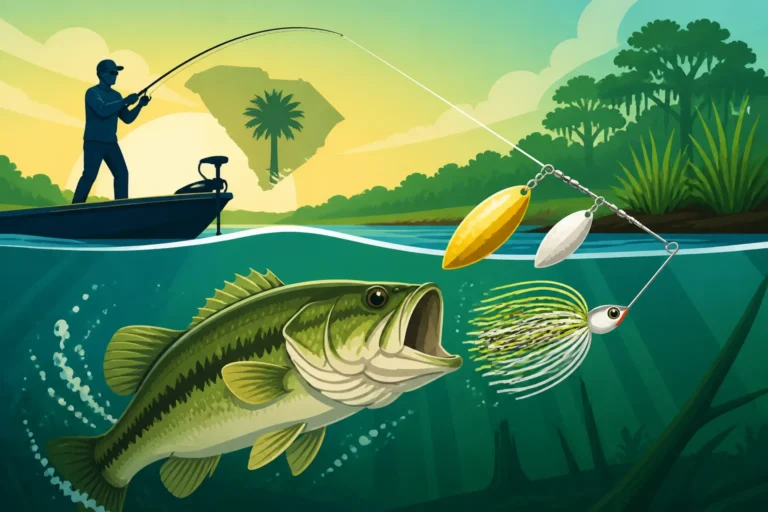
Freshwater bass go on a rampage in fall, gorging on baitfish. Jigging with spinnerbaits, crankbaits, and soft plastic swimbaits becomes incredibly effective as bass chase schools of shad in open water and shallow coves. Look for schooling activity near points and channel swings. Vertical jigging spoons can also be deadly when bass are schooling on baitfish in deeper water. Live bait, particularly larger minnows or shad, fished on a Carolina rig or under a slip bobber, will also draw powerful strikes.
The saltwater scene in fall is nothing short of spectacular. Redfish, spotted seatrout, and flounder are actively feeding, often schooling up in larger numbers. This is a fantastic time for casting soft plastic jigs (like the Gulp! shrimp) and bucktails along marsh edges and oyster bars. The "bull redfish" run often occurs in fall, with large spawning-sized redfish moving into the nearshore waters and larger estuaries. Jigging large metal jigs or fishing big chunks of cut mullet on the bottom can connect you with these giants. The South Carolina Spotted Seatrout Gigging Ban Explained often begins in winter, so fall is your last chance for gigging, but rod-and-reel jigging remains highly effective for seatrout throughout the season.
Winter Chill: Slow Presentations and Patience
Winter brings colder water temperatures, slowing down the metabolism of most fish. This means a shift towards slower, more methodical jigging and bait fishing techniques, and often a higher degree of patience.
In freshwater, fish will often congregate in deeper, stable water or around areas that offer thermal refuge. For bass, deep water jigging with spoons or slowly working a jig-n-pig along deep structure can be productive. Crappie will school tightly in deep brush piles or under docks; tiny jigs presented vertically with minimal movement are key. Catfish remain catchable through winter, often found in deep holes in rivers or channel bends in lakes; a good piece of cut bait on a bottom rig is still effective. Remember, fish are not as aggressive, so light bites and long waits are common.
For saltwater inshore species, redfish and spotted seatrout can still be caught, but they often move into very shallow, dark-bottomed creeks and flats that warm up quickly on sunny days. Live shrimp on a slow-sinking jig head, or a small soft plastic jig worked very slowly along the bottom, can entice bites. Look for sunny days after a cold snap, and target areas with dark mud bottoms that absorb heat. Flounder will often move offshore to deeper wrecks and reefs, though some can still be found in protected inshore waters. Offshore, species like black sea bass and snapper can be targeted with vertical jigs and cut bait on wrecks and reefs, often requiring heavier tackle to combat the currents and depths. Overall, winter fishing in South Carolina demands a meticulous, patient approach.
Safety and Ethical Practices in Jigging and Bait Fishing
As anglers, we have a responsibility to not only enjoy the sport but also to protect the resource and ensure its health for future generations. This means adhering to regulations and practicing ethical fishing habits.
Responsible Catch and Release
Catch and release is a cornerstone of conservation, especially for species that have strict size limits, bag limits, or are particularly vulnerable. When practicing catch and release with either jigging or bait fishing, minimizing harm to the fish is crucial.
First and foremost, use appropriate tackle. For jigging, ensure your hooks are sharp to get a clean hookset. For bait fishing, consider using circle hooks, which are designed to hook fish in the corner of the mouth, greatly reducing the chance of gut-hooking. This is particularly important when bait fishing for species like redfish or speckled trout.
Once a fish is hooked, land it as quickly as possible to avoid over-stressing it. Handle the fish gently with wet hands or a wet towel, avoiding contact with its gills or eyes. If possible, keep the fish in the water while you remove the hook. Use needle-nose pliers or a de-hooking tool to quickly and efficiently remove the hook. If a fish is deeply hooked, cut the line as close to the hook as possible rather than trying to rip it out, as this can do more harm than good. When releasing the fish, hold it gently upright in the water and allow it to recover before letting it swim away. If fishing in deep water where barotrauma (swim bladder expansion) is a concern, consider using a descending device to help the fish safely return to depth.
Adhering to Regulations and Limits
South Carolina has a robust set of fishing regulations designed to protect fish populations and ensure sustainable angling for everyone. It is every angler's responsibility to know and follow these rules, regardless of whether you're jigging or bait fishing.
Before every fishing trip, especially if you're targeting a new species or visiting a new area, always consult the latest regulations published by the South Carolina Department of Natural Resources (SCDNR). These regulations cover a wide range of topics, including:
- Fishing Licenses: Make sure you have the correct South Carolina Fishing License Guide for freshwater or saltwater, and check if you need a specific permit for certain species or areas.
- Size Limits: Many species have minimum and sometimes maximum size limits. For example, redfish have a slot limit, meaning you can only keep fish within a specific size range. Always measure your fish carefully.
- Bag Limits: This dictates how many fish of a particular species you can keep per day. It's not uncommon for different species to have different bag limits, and these can sometimes vary by water body or season.
- Seasons and Closures: Some species may have closed seasons during spawning or other sensitive periods. For example, certain areas might have temporary closures or restrictions, like South Carolina's Winter Gigging Ban for Seatrout.
- Gear Restrictions: There might be rules regarding the type of gear you can use (e.g., limits on the number of hooks, restrictions on certain types of nets or traps).
Failing to adhere to these regulations can result in fines, license revocation, and ultimately, harm to the very fish populations we all enjoy. Ignorance of the law is not an excuse, so make it a habit to regularly review the SCDNR guidelines.
Minimizing Environmental Impact
Beyond direct fish handling, anglers also have a broader responsibility to minimize their environmental footprint while jigging and bait fishing. The health of our waterways and coastal environments directly impacts the quality of our fishing.
Leave No Trace: This is a fundamental principle. Pack out everything you pack in, including discarded fishing line, bait containers, and food wrappers. Monofilament fishing line, in particular, is a significant pollutant that can entangle wildlife and persist in the environment for hundreds of years. Consider using a monofilament recycling bin if available at boat ramps or tackle shops.
Protect Habitats: Be mindful of sensitive habitats. When wading, avoid disturbing oyster beds, sea grass flats, or sensitive marsh vegetation, as these are critical nursery grounds for many fish species. When anchoring, choose sandy bottoms away from delicate structures like coral or oyster reefs. If fishing from a boat, avoid running aground in shallow areas where prop scarring can damage seagrass.
Responsible Bait Management: If collecting your own bait, only take what you need and be aware of any local harvest limits. If using live bait, never release non-native species into a different water body, as this can introduce diseases or invasive species that devastate local ecosystems. Dispose of unused bait properly – either in a trash can or by returning it to the water body from which it was collected, but never into a different one.
By practicing these ethical and environmentally conscious habits, we can all contribute to ensuring that South Carolina remains a fantastic fishing destination for generations to come.
Disclaimer
The information provided in this guide is for general informational purposes only and is not intended as legal or professional advice. Fishing regulations in South Carolina can change frequently. Always consult the official South Carolina Department of Natural Resources (SCDNR) website or publications for the most current and accurate regulations before engaging in any fishing activities. Adherence to all local, state, and federal laws is the sole responsibility of the angler.