Santee River Fishing Spots in South Carolina
Trying to navigate a vast, storied waterway like the Santee River in South Carolina for prime fishing spots can feel like a real puzzle. It's easy to get overwhelmed by its sheer size, wondering where to drop a line for that trophy catfish or elusive bass. This comprehensive guide is designed to cut through the confusion, offering you an insider's look at the Santee River's best fishing locations, target species, and the techniques that will put fish in your boat or on your bank.
Unraveling the Santee River System's Allure
The Santee River isn't just a river; it's the heart of a massive and incredibly diverse ecosystem that flows through the heart of South Carolina's Lowcountry. Its sprawling network of waters connects to the famous Santee Cooper Lakes, before winding its way down to the Atlantic Ocean, creating an unparalleled fishing experience. For many anglers, it’s not just about the catch, but the journey through its blackwater swamps, cypress-lined banks, and wide, tidal estuaries.
From the Diversion Canal to the Delta
The Santee River's journey begins, in a way, with the Santee Cooper Lakes – specifically Lake Marion, which is fed by the Congaree and Wateree rivers. The Santee Diversion Canal then links Lake Marion to Lake Moultrie, and from Lake Moultrie, the Cooper River flows southeast to Charleston Harbor, while the old Santee River bed continues its natural course to the ocean. This engineered masterpiece, initially built for power generation and navigation, profoundly influences the river's flow and, by extension, its fish populations. The upper river, closer to the lakes, is predominantly freshwater, rich with species like largemouth bass, crappie, and bluegill. As you move downstream, especially past the town of Jamestown, the river widens, deepens, and begins to feel the tidal influence of the Atlantic. Here, the water becomes brackish, a mix of fresh and salt, introducing species like redfish and spotted seatrout into the mix. Finally, the river opens into the vast Winyah Bay near Georgetown, a true saltwater haven.
This incredible transition from pure freshwater to tidal estuary means that the Santee River offers an astonishing variety of fishing opportunities within a relatively short distance. One day you could be battling a massive blue catfish in a deep hole near St. Stephen, and the next you might be sight-fishing for redfish in the expansive marsh flats just north of Georgetown. Understanding these distinct zones is key to unlocking the river's full potential.
Why the Santee River Stands Out
What makes the Santee River a truly legendary fishing destination in South Carolina? It's a combination of factors, but perhaps most notable is its reputation for producing enormous catfish. Anglers from all over the country come here specifically to chase trophy blue and flathead catfish, often weighing in at 50, 70, or even over 100 pounds! The sheer abundance of large fish is a testament to the river's rich food sources and diverse habitat, providing ample cover and foraging grounds.
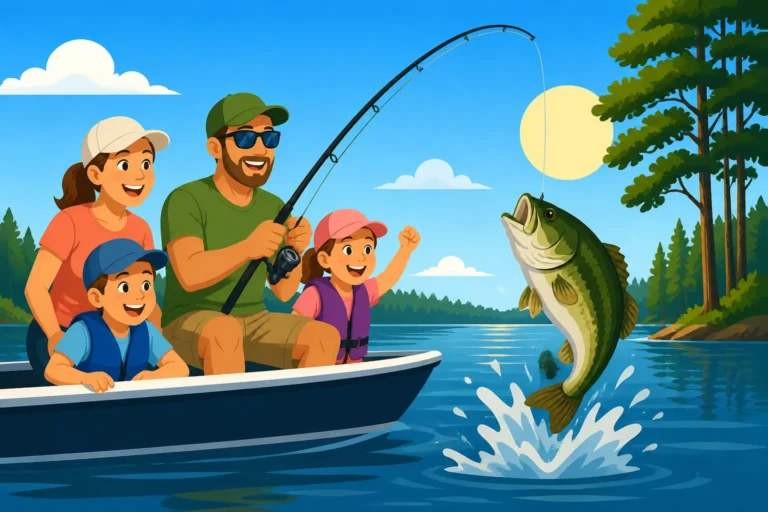
Beyond the "whiskerfish," the Santee also boasts robust populations of largemouth bass, particularly in the sections influenced by the Santee Cooper Lakes. You'll find healthy schools of crappie and bream, providing fantastic opportunities for family fishing trips or a relaxing afternoon with a cane pole. And let's not forget the incredible inshore saltwater species that push far upriver, offering unique brackish water challenges. It’s not uncommon to pull a feisty redfish or a nice spotted seatrout out of water that still feels distinctly "riverine." The sprawling, untamed nature of much of the Santee also provides a sense of adventure and tranquility that's hard to find on more crowded lakes or coastal waters.
Prime Fishing Zones Along the Santee River
The Santee River is a long and complex system, and its best fishing spots are dictated by how far upstream or downstream you are, and thus, the water's salinity and depth. Breaking it down into key zones helps pinpoint where you'll have the most success for your desired species.
Upriver Stretches and Tributaries
As you venture into the upper sections of the Santee, particularly the freshwater stretches closer to the Santee Cooper Lakes and the Santee Diversion Canal, you'll find a world dominated by classic freshwater species. Areas around the town of St. Stephen and Bonneau are prime examples. Here, the river still retains some of the characteristics of a large lake, with slower currents, numerous bends, and plenty of submerged timber, logjams, and cypress knees that create ideal ambush points for bass and crappie. Tributaries like the Cainhoy or other smaller creeks feeding into the main river often hold concentrated populations of fish, especially during spawning seasons or after heavy rains when baitfish are washed into the main channel.
Anglers targeting largemouth bass will want to focus on casting crankbaits, spinnerbaits, or Texas-rigged worms around these structures. For crappie, spider rigging with minnows or small jigs around deeper brush piles and cypress trees can be incredibly effective. The depths in these areas typically range from 10 to 30 feet, with some holes dropping even deeper. These upriver havens are excellent spots to experience the Santee Cooper Lakes: South Carolina's Legendary Bass Fishery influence on the river itself.
The Middle Basin: Where Big Cats Roam
Once you move downstream from the influence of the diversion canal, particularly below Jamestown and extending towards McClellanville, you enter the Santee’s famous middle basin. This is the heart of trophy catfish country. The river here becomes wider, often with deeper channels and extensive submerged timber fields that provide perfect habitat for massive blue and flathead catfish. The current is still present but often has numerous breaks and eddies around islands, fallen trees, and dramatic bends.
Key spots in this zone include the myriad deep holes and snags. Locals often refer to these as "catfish condos." Targeting these areas requires heavy tackle and patience, but the rewards can be truly monumental. The river here often has depths ranging from 20 to 50 feet, with certain historical channels dropping even deeper. This middle basin is also fantastic for channel catfish, which are more widely distributed and often found in slightly shallower areas with moderate current. If you're wondering where to find the Santee River Fishing Spots for Catfish, this is your go-to area.
Lower Santee and Estuary Influence
As the Santee River continues its journey towards the ocean, especially past McClellanville and approaching Georgetown and Winyah Bay, the character of the water undergoes a significant change. The freshwater gives way to brackish water, a fascinating blend of fresh and salt, which in turn introduces a whole new array of species. The river widens considerably here, forming broad expanses with extensive marsh grass flats, oyster beds, and numerous feeder creeks and smaller rivers that drain into the main channel.
This lower section is where you’ll start to encounter popular inshore saltwater species like redfish (also known as red drum) and spotted seatrout. They push far upriver, especially on incoming tides, to feed in the nutrient-rich brackish waters. Anglers can target them by casting soft plastics, spoons, or live bait (like shrimp or mud minnows) around marsh grass edges, oyster reefs, and creek mouths. This area also sees flounder, particularly during warmer months. The depths here are generally shallower over the flats but can drop to 20-30 feet in the main river channel. Exploring the Best Inshore Fishing Spots Along the South Carolina Coast would give you a good idea of the kinds of environments these fish prefer as they extend their range inland.
Target Species and Their Habits in the Santee
The Santee River is a true multi-species fishery, offering something for every angler, whether you prefer battling leviathan catfish or chasing schools of redfish through the marsh. Understanding the specific habits and preferences of each target species will significantly improve your chances of success.
Legendary Catfish: Blues, Channels, and Flatheads
The Santee River's reputation for giant catfish is well-earned. You'll find three primary species here: blue catfish, channel catfish, and flathead catfish. Each has its own distinct characteristics and preferred habitats.
-
Blue Catfish: These are the true giants of the Santee, known for their incredible size and fighting power. Blues prefer deep holes, main river channels, and areas with strong current. They are primarily scavengers and opportunistic predators, readily feasting on shad, herring, and other baitfish. To catch a trophy blue, anglers often use large cut bait (fresh shad, herring, or mullet are excellent choices) rigged on heavy tackle with a Carolina rig or a specialized Santee Cooper rig. The best time for blues is often in cooler months when they school up in deep holes, but they can be caught year-round. Night fishing can be exceptionally productive, especially for larger specimens.
-
Channel Catfish: Smaller than blues, but far more abundant, channel cats are a staple of Santee River fishing. They are less picky eaters and can be found in a wider variety of habitats, including shallower flats, bends, and around woody debris. They respond well to stink baits, chicken livers, worms, and smaller cut baits. Channel catfish are perfect for family outings and are generally easier to catch. While often overlooked for their larger cousins, the channel cat offers consistent action and delicious table fare.
-
Flathead Catfish: These solitary, ambush predators are unique. Unlike blues and channels, flatheads prefer live bait. Small sunfish, live bream, or even live mullet are their preferred meal. They are often found tucked away in heavy cover – submerged logjams, fallen trees, or undercut banks – where they can surprise unsuspecting prey. Flatheads are extremely powerful fighters and challenging to extract from their snag-filled lairs. Targeting them requires patience and careful presentation of live bait. Fishing for flatheads often involves precisely positioning your bait near structure, allowing the live fish to do the work of attracting a bite.
Learning the Catfish Bottom Fishing Basics is essential for success, and for those looking to maximize their haul, exploring methods like Trotline Fishing for Catfish Explained or Jug Fishing for Catfish Step by Step can be highly effective, though always check local regulations for these methods.
Bass and Panfish in Freshwater Havens
Beyond catfish, the freshwater sections of the Santee River offer excellent opportunities for largemouth bass, striped bass, crappie, and various panfish like bluegill and redbreast sunfish.
-
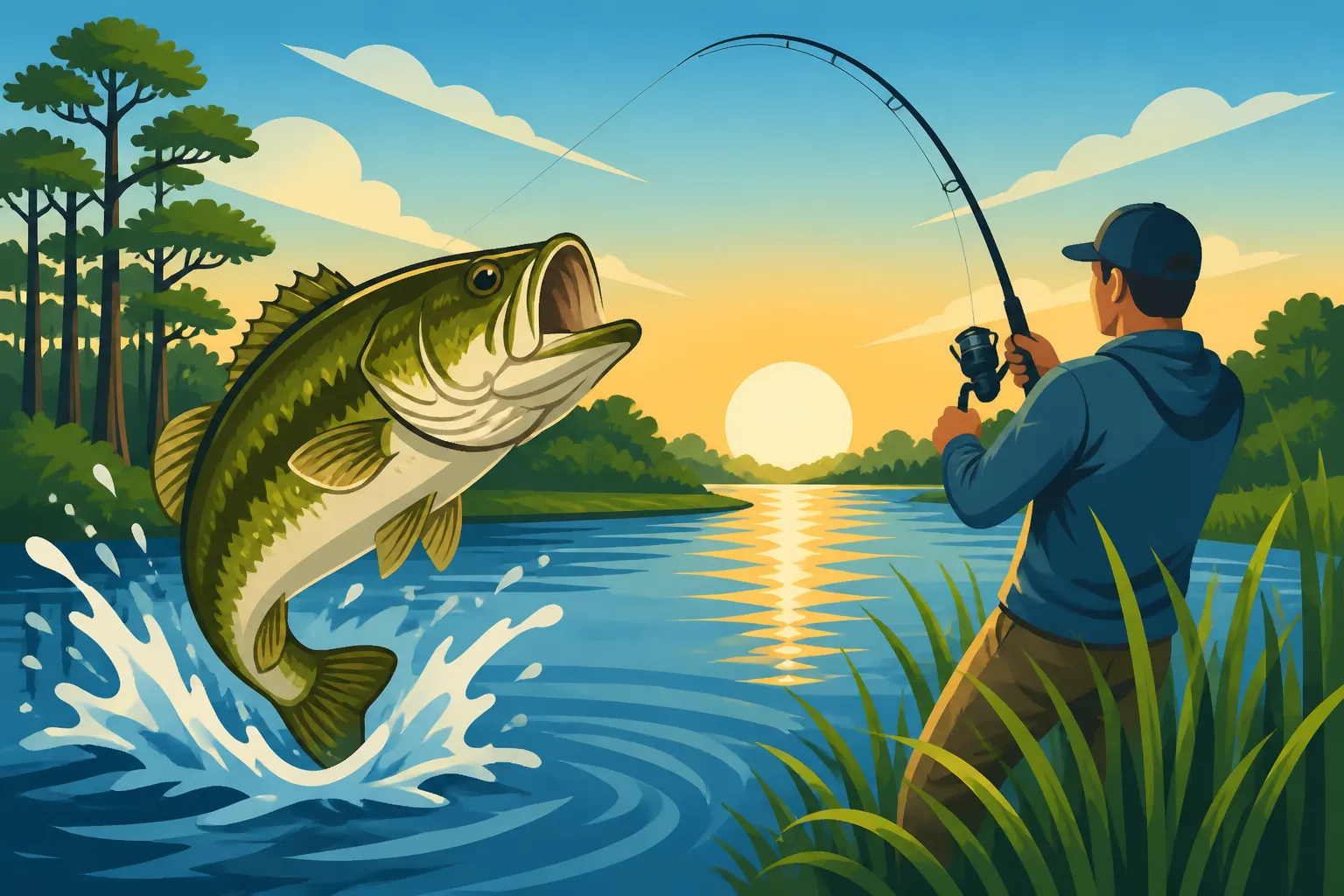
Largemouth Bass: These iconic game fish thrive in the river's numerous backwaters, oxbow lakes, and slower-moving stretches, especially those connected to the Santee Cooper system. They gravitate towards cover such as hydrilla beds, lily pads, cypress trees, and submerged timber. Topwater lures like poppers and frogs are exciting choices in the mornings and evenings, while plastic worms, jigs, and crankbaits work well throughout the day, fished around structure. Spring and fall are generally the most productive seasons for largemouth bass.
-
Striped Bass: While more commonly associated with the major reservoirs like Lake Murray, striped bass do make their way into the Santee River, particularly during cooler months when they migrate upstream from the lakes or even from coastal waters. They are powerful, schooling fish that chase baitfish. Trolling with bucktail jigs or large crankbaits, or casting live bait (like shad) into deeper channels, can be effective. They are often found in areas with good current or near baitfish schools.
-
Crappie and Panfish (Bluegill, Redbreast Sunfish): These smaller, yet incredibly fun-to-catch species are abundant throughout the freshwater stretches. Crappie prefer brush piles, submerged trees, and bridge pilings in deeper water, often suspending in schools. Small jigs tipped with minnows or soft plastics are deadly for crappie. Bluegill and redbreast sunfish, often called "bream," are found in shallower, calmer waters, especially around lily pads, reeds, and docks. They readily bite worms, crickets, and small artificial lures under a bobber, making them perfect for beginners and kids.
Brackish Water Delights: Redfish and Spotted Seatrout
In the lower reaches of the Santee, where the river meets the tide, you'll discover a vibrant brackish water fishery for redfish and spotted seatrout. These species offer thrilling light-tackle action.
-
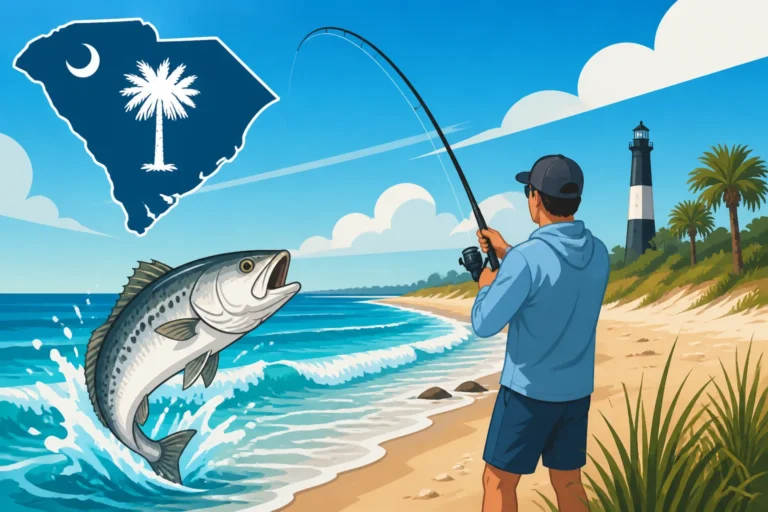
Redfish (Red Drum): Known for their distinctive "spot" on the tail and powerful fights, redfish are a top target in the lower Santee. They patrol the marsh grass edges, oyster reefs, and mudflats, particularly on incoming tides when they push into shallow water to forage. Look for "tailing" reds as they feed with their tails breaking the surface. They respond well to live shrimp, mud minnows, cut mullet, and artificial lures like soft plastic swimbaits, gold spoons, and topwater plugs. The South Carolina Redfish Slot Limit Rules are crucial to understand for these valuable game fish.
-
Spotted Seatrout: These beautiful fish, characterized by their iridescent bodies and distinct spots, are often found in similar habitats to redfish but tend to prefer slightly deeper water near creek mouths, oyster bars, and deeper grass edges. They are aggressive feeders, readily striking live shrimp, artificial shrimp imitations, soft plastic jigs, and topwater lures. Focus on fishing during moving tides, especially dawn and dusk, for the best action. Be sure to check Spotted Seatrout Size and Bag Limits in South Carolina before your trip.
Seasonal Strategies and Effective Techniques
Fishing the Santee River successfully means adapting your approach to the changing seasons and understanding how different species react to water temperature and environmental cues. What works in spring might not be as effective in winter, and vice-versa.
Spring and Summer: High Activity, Varied Bites
Spring: As water temperatures rise in spring, the Santee River truly comes alive. This is prime time for many species as they move into their spawning phases.
- Bass: Largemouth bass will be in various stages of their spawn. Early spring sees them in pre-spawn, congregating on secondary points and creek channel bends, aggressively feeding on crankbaits and spinnerbaits. As the water warms, they move to shallower, protected areas to spawn, becoming more vulnerable to Texas-rigged worms and jigs.
- Crappie: Crappie also move shallow to spawn, often found in thick brush and around cypress trees. They are easily caught on small jigs and minnows under a bobber.
- Catfish: Catfish become very active as the water warms. Blues and channels will be on the move, searching for food. Fresh cut bait works exceptionally well in deeper holes and along current seams. This is a great time to experiment with the popular Santee Cooper Lakes: South Carolina's Legendary Bass Fishery.
- Brackish Species: In the lower river, redfish and trout become more active as water temperatures stabilize, feeding aggressively on baitfish and shrimp moving out of the creeks.
Summer: Summer on the Santee can be hot, but the fishing remains excellent if you adjust your tactics.
- Bass: Largemouth bass often move to deeper, cooler water during the heat of the day, seeking cover in submerged timber or drop-offs. Early morning and late evening topwater bites can be explosive, but during midday, focus on pitching jigs and large worms into thick cover or fishing deep crankbaits.
- Catfish: The summer is prime time for big blue catfish, which are incredibly active, especially at night. Targeting them in deeper channels and river bends with large cut bait can produce impressive results. Channel cats are abundant and can be caught throughout the day with prepared baits or worms.
- Brackish Species: Redfish and trout remain active in the lower river. Look for redfish tailing in shallow grass flats early in the morning, or target them around oyster bars and creek mouths during moving tides. Night fishing for spotted seatrout can also be highly productive under dock lights or around well-lit bridges, as they ambush baitfish attracted to the light.
Fall and Winter: Trophy Hunts and Cooler Waters
Fall: Fall is arguably one of the best times to fish the Santee River. As water temperatures cool, many species enter a "feeding frenzy" to prepare for winter, and fishing pressure often decreases slightly.
- Bass: Largemouth bass become incredibly aggressive, chasing schools of baitfish. They will be found on points, humps, and around channel swings, hitting crankbaits, spinnerbaits, and topwater lures. This is often when you'll find bigger bass feeding up.
- Striped Bass: This is a fantastic time for striped bass, as they become more active, often migrating in schools. Trolling or casting large artificial lures or live bait can yield excellent results.
- Catfish: The fall run for trophy blue catfish is legendary. They move into deeper holes and actively feed on large schools of baitfish. This is a prime season for targeting true giants. Fresh cut bait remains the top choice.
- Brackish Species: Redfish and spotted seatrout remain very active in the lower river, often schooling up in larger numbers. They might move into slightly deeper creeks or channels as water cools, but aggressive feeding persists.
Winter: While challenging, winter fishing on the Santee can produce some of the largest fish of the year for dedicated anglers.
- Catfish: This is widely considered the best season for trophy blue catfish. They congregate in deep holes and channels, where large cut baits presented on the bottom are most effective. Patience is key, but the reward of a massive winter blue cat is worth it. For fishing in cold water, using Bait Choices for Cold Weather Fishing is crucial.
- Crappie: Crappie will be in deep water, often suspended around structure like bridge pilings or deep brush piles. Vertical jigging or slow trolling with minnows can be very effective.
- Bass: Largemouth bass will be sluggish, holding tight to deep cover. Slow presentations with jigs or slow-rolled crankbaits can entice bites. Focus on sunny days when they might move to sun-warmed banks or shallower dark bottom areas for short feeding windows.
Essential Rigging and Bait Choices
The right tackle makes all the difference on the Santee River.
-
Catfish: For the truly giant blues and flatheads, heavy action rods (7-9 feet) with robust baitcasting reels spooled with 30-50 lb monofilament or 50-80 lb braided line are a must. A standard Carolina rig with an egg sinker (2-8 oz, depending on current) above a swivel, and an 8/0 to 10/0 circle hook on a heavy leader (50-80 lb mono or fluorocarbon), is widely used. The "Santee Cooper rig," which is essentially a Carolina rig with a small float above the hook to lift the bait slightly off the bottom, is also very popular, especially in soft bottoms. Fresh cut shad, mullet, herring, or perch are the top baits for blue cats. Live sunfish or bream are essential for flatheads.
-
Bass: Medium-heavy to heavy action casting rods with matching baitcasting reels are versatile for largemouth bass. Spool with 15-20 lb fluorocarbon or 30-50 lb braid for fishing heavy cover. A variety of lures including crankbaits (diving depths appropriate for the water column), spinnerbaits (especially in stained water), jigs, and soft plastics (Texas rigs, shaky heads, drop shots) are all effective.
-
Crappie: Light action rods (5-7 feet) with small spinning reels spooled with 4-6 lb monofilament are ideal. Small jigs (1/32 to 1/8 oz) tipped with minnows or soft plastic crappie tubes are the standard. A simple slip bobber rig is also very effective for suspended fish.
-
Brackish Species (Redfish, Trout): Medium-light to medium action spinning rods (6'6" to 7'6") with 2500-3000 size spinning reels are perfect. Spool with 10-15 lb braided line and use a 20-30 lb fluorocarbon leader. Live shrimp or mud minnows under a popping cork, or fished on a standard jig head, are highly effective. Soft plastic paddle tails (like those from Z-Man or Gulp!) on 1/4 to 3/8 oz jig heads, spoons, and topwater walkers are also excellent artificial lure choices.
Accessing the Santee River: Ramps and Shoreline Spots
Getting on the Santee River is easier than you might think, with numerous public access points spread throughout its length. Knowing where to launch your boat or find a good spot to cast from the bank is crucial for a successful trip.
Key Public Boat Ramps
For anglers with boats, the Santee River offers a range of public boat ramps, each providing access to different sections of the river. The choice of ramp often depends on the type of fishing you plan to do and the specific species you're targeting. For example, if you're chasing trophy catfish in the middle basin, you'll want a ramp further downstream from the lakes.
- Canal Lakes Area (near St. Stephen): These ramps provide excellent access to the Santee Diversion Canal and the upper reaches of the Santee River, close to the influence of Lake Moultrie. This is a great area for bass, crappie, and channel catfish, particularly in the calmer sections. Facilities often include paved ramps, parking, and sometimes restrooms.
- Lenud's Ferry (near Jamestown): This is a popular spot in the middle section of the Santee. It offers access to some of the river's prime catfish holes and deeper channels. The ramp is well-maintained, and there's usually ample parking, making it a favorite for serious catfishermen.
- Santee State Park (on Lake Marion): While technically on Lake Marion, this state park offers excellent facilities and provides a gateway to the very upper reaches of the Santee River, especially for those interested in bass and panfish.
- Winyah Bay/Georgetown Ramps: As you get closer to Georgetown, ramps like the Carroll A. Campbell Marine Complex provide direct access to the lower Santee River and its transition into Winyah Bay. These are ideal for targeting redfish, spotted seatrout, and even flounder. These facilities are often more extensive, catering to both recreational and commercial traffic, with multiple ramps, docks, and fish cleaning stations.
When planning your trip, it’s always a good idea to check the specific amenities and conditions of a ramp before heading out. Local resources and online platforms like FishingBooker can often provide up-to-date information on ramp conditions and accessibility. You can find more details by looking into Santee River Access Points in South Carolina.
Exploring Bank Fishing Opportunities
Not everyone has a boat, and thankfully, the Santee River still offers some fantastic opportunities for bank anglers. While access can be more limited compared to boat fishing, there are still productive spots if you know where to look.
- Bridge Crossings: Many bridges that cross the Santee River or its larger tributaries will have some form of public access or safe shoulders where anglers can cast lines. Fishing directly under or near bridge pilings can be productive, as these structures create current breaks and attract baitfish. Always be mindful of traffic and private property signs.
- State Parks and Public Lands: Areas around state parks (like Santee State Park mentioned earlier, though it's more lake-focused) or wildlife management areas that border the river can sometimes offer designated bank fishing areas or trails that lead to accessible spots. These are often well-maintained and safer options for families.
- Roadside Pull-offs: In some stretches, especially along less-traveled rural roads, you might find informal pull-offs or small clearings that provide bank access. However, exercise caution, respect private property, and be aware of your surroundings, as these areas might not always be officially maintained.
For bank fishing, simpler setups are often best: a medium-heavy spinning rod, an assortment of weights, hooks, and bait like worms, chicken livers, or cut bait will cover most freshwater species. For brackish water bank fishing, shrimp or small artificial lures can be productive. Always clean up after yourself and leave no trace behind. For more general advice on fishing from shore, check out Best Bank Fishing Spots in South Carolina.
Navigating Regulations and Ethical Angling
Fishing the Santee River, like any other waterway, requires adherence to South Carolina's fishing regulations. These rules are in place to protect fish populations, ensure sustainable angling, and provide a fair experience for everyone. Ignoring them can lead to significant penalties, so staying informed is paramount.
Licenses and Current Regulations
The first and most important step before casting a line in the Santee River is to ensure you have a valid South Carolina fishing license. Depending on where you plan to fish, you'll need either a freshwater or a saltwater license, or a combination if you intend to fish in both the upper (freshwater) and lower (brackish/saltwater) sections. It’s critical to remember that even in the brackish lower river, you might encounter freshwater species that fall under different regulations. You can easily purchase your license online through the South Carolina Department of Natural Resources (SCDNR) website or from authorized vendors. For a complete overview, be sure to read our South Carolina Fishing License Guide.
Beyond the license, you must be aware of the specific bag limits, size restrictions, and season dates for the species you are targeting. These regulations can change, so always check the most current SCDNR rules and regulations booklet before your trip.
- Catfish: The Santee River is renowned for its catfish, but there are specific rules. For blue catfish, there are daily bag limits (e.g., typically a combination limit of channel and blue catfish, with specific rules for fish over a certain length). Flatheads usually have a general bag limit.
- Bass: Largemouth bass also have size and bag limits to protect the population, especially during spawning seasons.
- Brackish Species: Redfish have a strict slot limit (meaning fish must be within a specific size range to be kept) and a daily bag limit per person and per vessel. Spotted seatrout also have a minimum size and a daily bag limit. Flounder regulations have also seen changes over the years, often including a closed season for certain periods.
A great resource to understand these rules is the South Carolina's Freshwater Fishing Regulations guide, which covers many of the species you'll encounter in the Santee River. Never assume the rules are the same as last year or in another state; always verify before you go.
Conservation and Responsible Fishing
As passionate anglers, we all have a responsibility to be good stewards of our natural resources. Practicing ethical angling ensures that the Santee River remains a vibrant fishery for generations to come.
- Catch and Release: While keeping some fish for the table is perfectly fine and part of the fishing experience, consider practicing catch and release, especially for larger, trophy-sized fish (like blue catfish over a certain size) or protected species. These larger fish are vital breeders and contribute significantly to the health of the population. When releasing fish, handle them gently, minimize their time out of water, and use proper tools like de-hookers to reduce stress.
- Minimize Environmental Impact: Always pack out everything you pack in. This includes fishing line, bait containers, and any other trash. Monofilament fishing line, in particular, can be deadly to wildlife if left in the water or on shore. Avoid disturbing sensitive habitats like spawning beds or bird nesting areas.
- Respect Private Property: Much of the land bordering the Santee River is privately owned. Always be aware of property lines and seek permission before accessing private land. Stick to public access points and boat ramps.
- Report Violations: If you witness any poaching or blatant disregard for fishing regulations, don't hesitate to report it to the SCDNR. Their efforts are crucial in enforcing laws and protecting our fisheries.
By understanding the regulations and embracing a conservation-minded approach, we can all contribute to the long-term health and enjoyment of fishing on the magnificent Santee River.
Santee River Target Species Overview
Here's a quick look at some of the most popular fish species you can target on the Santee River, along with their prime seasons and common baits.
| Species | Primary Season(s) | Common Baits/Lures | Preferred Habitat |
|---|---|---|---|
| Blue Catfish | Fall, Winter, Summer | Cut Shad, Herring, Mullet | Deep holes, main river channels, current breaks |
| Channel Catfish | Year-round | Worms, Chicken Livers, Stink Baits | Bends, shallower flats, woody debris, moderate current |
| Flathead Catfish | Spring, Summer | Live Sunfish, Bream | Heavy submerged timber, logjams, undercut banks |
| Largemouth Bass | Spring, Fall, Summer | Plastic Worms, Jigs, Crankbaits, Spinnerbaits | Backwaters, oxbows, hydrilla, cypress trees, submerged wood |
| Striped Bass | Fall, Winter | Live Shad, Large Crankbaits, Bucktail Jigs | Main river channels, areas with current, near bait schools |
| Crappie | Spring, Fall, Winter | Small Jigs, Minnows | Brush piles, cypress trees, bridge pilings, deep structure |
| Redfish | Spring, Summer, Fall | Live Shrimp, Mud Minnows, Soft Plastics, Spoons | Marsh grass edges, oyster reefs, mudflats, creek mouths |
| Spotted Seatrout | Spring, Summer, Fall | Live Shrimp, Soft Plastics, Topwater Lures | Creek mouths, oyster bars, deeper grass edges |
Disclaimer
The information provided in this guide is for general informational purposes only. Fishing conditions, regulations, and access points can change frequently. Always consult the latest regulations from the South Carolina Department of Natural Resources (SCDNR) before planning your trip. Fishing inherently involves risks; please prioritize your safety and adhere to all local laws and guidelines.