Best Beach Fishing Spots on the South Carolina Coast
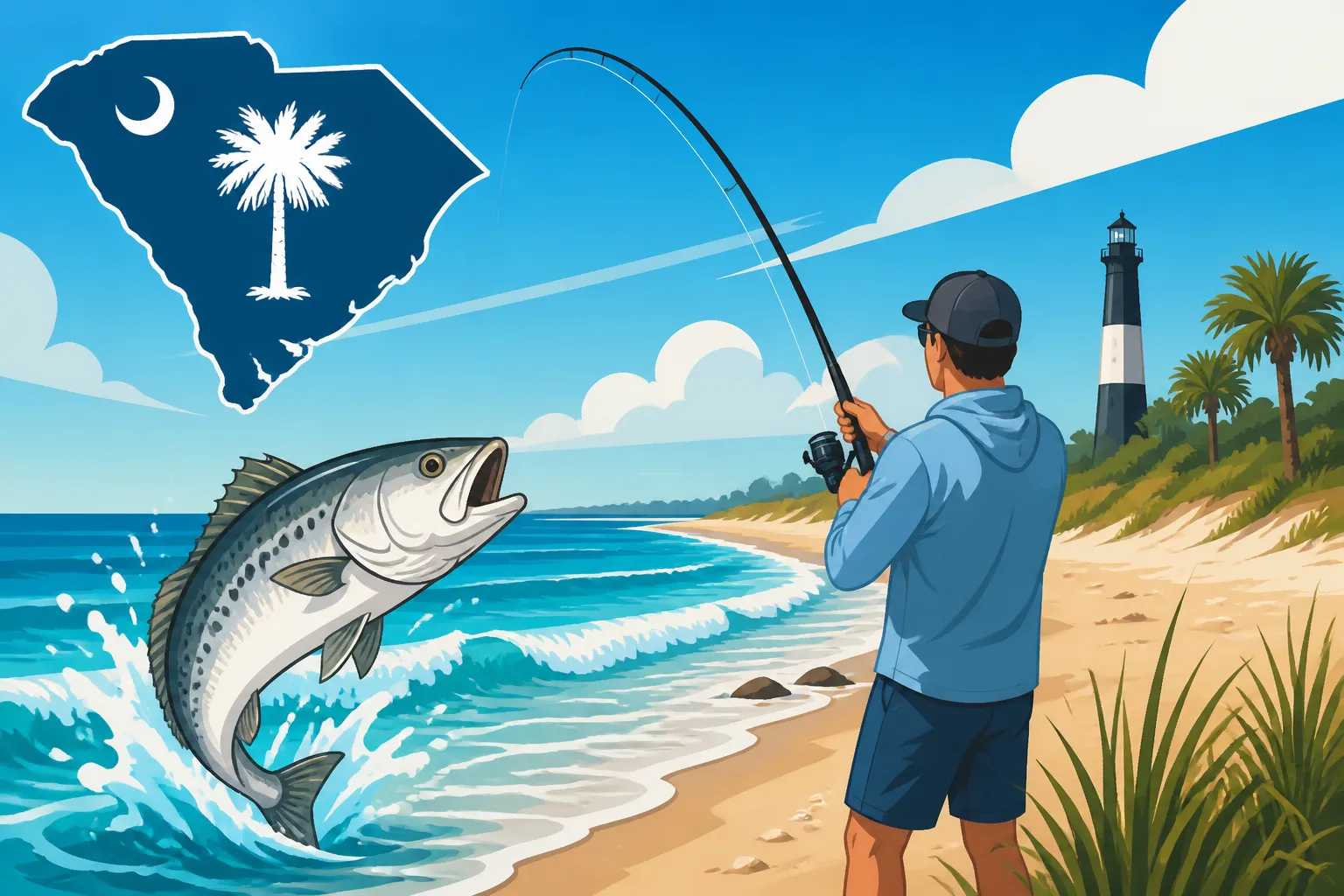
There's nothing quite like the feeling of sand between your toes and the rhythmic crash of waves as you cast a line into the vast expanse of the Atlantic. But if you've ever stood on a beautiful South Carolina beach, rod in hand, and wondered if you're even in the right spot to catch anything, you're not alone. It can feel overwhelming trying to figure out where the fish are hiding when all you see is endless water. This guide is here to cut through that uncertainty, sharing the best beach fishing spots along the South Carolina coast so you can spend less time guessing and more time reeling in your next great catch.
Understanding the Allure of South Carolina Beach Fishing
Beach fishing, often called "surf fishing," offers a unique blend of relaxation and excitement that's hard to beat. It's accessible to almost everyone—no boat required, just a willingness to set up camp on the sand. The beauty of South Carolina's coastline provides a stunning backdrop, whether you're watching a sunrise with a line in the water or enjoying the quiet solitude of an evening cast. Many anglers find the simplicity of the setup appealing, relying on their observation skills and understanding of the tides more than complex electronics.
The sheer variety of fish you can encounter from the beach here is truly remarkable. From the feisty Pompano and the ever-present Whiting to larger game like Red Drum (also known as Redfish) and even the occasional Flounder or Spotted Seatrout, there's always a chance for something interesting to bite. This diversity keeps things exciting, as you never quite know what will hit your line next. It’s an adventure that unfolds right at the edge of the land.
Key Factors for Choosing a Productive Beach Fishing Spot
Finding the "best" spot isn't always about a secret location; it's often about knowing how to read the beach itself and understanding what makes fish tick. The ocean is constantly changing, and what works one day might not the next. Learning these fundamental principles will empower you to find fish no matter where you set up your cooler and rod holders.
Reading the Tides and Current
Tides are the lifeblood of coastal fishing, acting like a dinner bell for many species. Fish use the moving water to their advantage, either to ambush prey swept along by the current or to move into shallower areas to feed.
An incoming tide often brings cooler, cleaner water and baitfish closer to shore, making it an excellent time to target species like Pompano and Whiting. As the water pushes in, it creates natural highways for fish. Conversely, an outgoing tide can pull baitfish out of marsh creeks and estuaries, concentrating them in channels and sloughs along the beach, which can be fantastic for Red Drum and Speckled Trout. Always check the local tide charts for the area you plan to fish; a good tidal swing can dramatically improve your chances. Understanding the local South Carolina Fishing Seasons Guide and South Carolina Saltwater Fishing Seasons will also help you align your efforts with peak feeding times for specific species.
Identifying Productive Beach Structure
Even a seemingly flat beach holds subtle clues that indicate where fish might be feeding. These underwater features, shaped by waves and currents, create prime ambush points.
Look for "sloughs" or "guts"—deeper troughs of water that run parallel to the shore, typically between sandbars. These act as highways for fish moving up and down the beach, and they're often where smaller baitfish seek refuge. Casting into these deeper areas can be highly effective. Another key feature is sandbars and the "rips" or current channels that form around them. These rips are essentially underwater rivers that transport food, making them irresistible to hungry fish. Piers and jetties, while offering great fishing from them, also create artificial structure that attracts baitfish and larger predators around them. When fishing near a pier, try casting parallel to it, just outside the pilings, or targeting the deeper water at its end. For areas like the Grand Strand, knowing the Jetty Fishing Spots Near Myrtle Beach, South Carolina can be a real game-changer.
Seasonal Considerations for Beach Anglers
The fish species you'll encounter from the beach in South Carolina change with the seasons, dictated largely by water temperature and spawning cycles.
Spring and fall are often considered the prime times for surf fishing. During these shoulder seasons, the water temperatures are moderate, triggering migratory runs of species like Pompano, large Red Drum, and often good numbers of Whiting. Early spring brings fish closer to shore as they move in from deeper waters, while fall sees a reverse migration, often with fish bulking up before winter. Summer is excellent for a variety of panfish like Whiting, Croaker, and smaller Bluefish, as well as an uptick in shark activity. It's also a good time for Flounder, with the Flounder Fishing Season in South Carolina often peaking during warmer months. Winter can be tougher, but dedicated anglers might find success targeting large "bull" Red Drum in deeper sloughs or schools of migrating fish seeking warmer pockets of water. Always stay updated on regulations like the South Carolina Redfish Slot Limit Rules and the South Carolina Spotted Seatrout Daily Bag Limit of 10 Fish as they can change.
Top Beach Fishing Destinations Along the South Carolina Coast
South Carolina's coast stretches for hundreds of miles, offering a diverse array of beach fishing opportunities. From the bustling shores of the Grand Strand to the serene, undeveloped beaches of the Lowcountry, there's a perfect spot for every angler.
Myrtle Beach Area
The Myrtle Beach area is a popular destination for tourists and anglers alike, offering extensive stretches of sandy beaches and a lively atmosphere. While the beaches themselves can be busy, there are still plenty of productive spots for surf fishing, especially during the quieter hours of dawn and dusk, or just outside the busiest zones.
Many anglers find success by focusing on the surf directly off popular piers like the Myrtle Beach State Park Pier or Second Avenue Pier. While fishing from the pier requires a pier pass, the structure itself attracts baitfish and predators that roam the surrounding surf. You can find excellent opportunities casting into the sloughs and guts formed by the sandbars along these stretches of beach. If you're looking for more specific guidance on accessing the surf, you might find our guide on Surf Fishing Access Points Near Murrells Inlet particularly helpful, as Murrells Inlet is just a short drive south of Myrtle Beach and offers similar fishing conditions. For general shore access, our resource on Where to Fish From the Shore in Myrtle Beach? will also provide valuable tips. If you're feeling adventurous and want to explore beyond just casting from the sand, consider checking out FishingBooker to find a local charter guide who can take you to prime inshore spots just minutes from the beach, giving you a different perspective on the area's incredible fishery.
Charleston Area Beaches
Just south of the Grand Strand, the Charleston area boasts several iconic beaches that offer fantastic surf fishing. Each beach has its own unique character and fishing opportunities.
- Folly Beach: Known for its vibrant, bohemian atmosphere and the famous Folly Beach Pier, this barrier island offers excellent surf fishing. The pier itself is a major draw, but the surrounding beaches can be very productive. Look for the deeper cuts and sloughs, especially near the north and south ends of the island. You'll often find Whiting, Red Drum, Spotted Seatrout, and Flounder here.
- Isle of Palms (IOP): This family-friendly beach, located northeast of Charleston, offers wide stretches of sand ideal for setting up multiple rods. The currents around the jetties at Breach Inlet (the northern end of IOP, connecting to Sullivan's Island) can be particularly good for larger Red Drum and even Tarpon during the late summer months.
- Sullivan's Island: Generally quieter than Folly or Isle of Palms, Sullivan's Island provides a more laid-back fishing experience. The currents around the Charleston Harbor entrance, particularly towards the Lighthouse, can be strong but often hold a variety of species. It's a great spot if you prefer less crowded conditions. These beaches represent some of the Best Inshore Fishing Spots Along the South Carolina Coast.
Hilton Head Island and Lowcountry Beaches
Venturing further south into the heart of the Lowcountry brings you to Hilton Head Island and other pristine coastal areas, offering equally rewarding beach fishing experiences.
Hilton Head Island is famous for its wide, hard-packed beaches. While access can be challenging due to private resorts, there are public access points that allow you to reach the surf. The waters around the inlets and sandbars often hold good numbers of Whiting, Pompano, and Red Drum. The broad, gentle slope of the beach here makes it a good spot for families, too. If you're ever looking to take a break from the sand and explore the marsh creeks and estuaries, using a service like FishingBooker can help you connect with experienced local guides for a different kind of inshore adventure.
For a truly wild and natural beach fishing experience, Hunting Island State Park Fishing Spots offers some of the best opportunities. Located just east of Beaufort, this undeveloped barrier island boasts miles of pristine beach, complete with a beautiful lighthouse and maritime forest. The surf here is known for producing strong catches of Red Drum, Whiting, and Spotted Seatrout. The park's natural setting means less crowd pressure and a greater chance to connect with untouched nature while you fish.
Edisto Beach
Edisto Beach, a charming and laid-back island south of Charleston, provides another excellent option for beach anglers seeking a more relaxed pace. The island offers a mix of developed and undeveloped beachfront.
The fishing here can be fantastic for a range of species, including Red Drum, Whiting, Pompano, and even occasional Black Drum. The lack of extensive commercial development means the waters tend to be cleaner, and the fish populations thrive. Look for the natural depressions and deeper channels along the beachfront. Edisto also has tidal creeks nearby that drain into the ocean, creating excellent current lines for fish to ambush bait. Whether you're targeting big Red Drum in the fall or simply looking for some delicious Whiting for dinner, Edisto's tranquil beaches are a wonderful place to cast your line.
Essential Gear and Techniques for Successful Beach Fishing
To maximize your chances of success and enjoyment, having the right gear and understanding a few key techniques are crucial for beach fishing on the South Carolina coast.
Rod and Reel Setup
For surf fishing, you'll want a rod that can handle long casts and the potential for larger fish. A medium-heavy to heavy action surf rod, typically between 9 and 12 feet in length, is ideal. This length helps you clear the breaking waves and cast beyond the first sandbar where fish often feed.
Pair your rod with a sturdy, corrosion-resistant spinning reel in the 4000 to 8000 series, or even larger if you're targeting big bull Red Drum or sharks. These reels have the line capacity and drag power to handle strong currents and fighting fish. For line, 15-20 lb monofilament is a good all-around choice, or you can opt for 30-50 lb braided line for its sensitivity and casting distance, usually with a monofilament or fluorocarbon leader of 30-50 lb test. The leader provides abrasion resistance against oyster shells, sand, and fish teeth.
Terminal Tackle Essentials
Your terminal tackle—the bits at the end of your line—is where the magic happens. A "Pompano rig" or a simple double-drop rig is a staple for South Carolina beach fishing. These rigs typically consist of a main line with two dropper loops where you attach size 1/0 to 3/0 circle hooks, separated by swivels, and a sinker at the very bottom.
For weights, pyramid or Sputnik sinkers are preferred because they dig into the sand and help hold your bait in place against the current and waves. The weight size will vary depending on the current, but typically ranges from 2 to 5 ounces. Circle hooks are highly recommended as they greatly reduce gut-hooking, making catch-and-release much safer for the fish.
Bait Choices for Beach Fishing
The right bait is often the difference between a slow day and a successful one. For South Carolina beaches, fresh bait is almost always king.
Live bait like shrimp, sand fleas (mole crabs), and fiddler crabs are irresistible to a wide range of surf species, especially Pompano, Whiting, and Red Drum. You can often net sand fleas right on the beach at the water's edge. Cut bait, such as fresh mullet, Spanish mackerel, or bluefish, is excellent for larger species like Red Drum and sharks. Don't overlook artificial baits like Gulp! shrimp or Fishbites, which can be surprisingly effective, especially when tipped with a small piece of natural bait for added scent. Remember, if you're unsure about what's biting, a quick chat with a local bait and tackle shop before you head out can provide invaluable, up-to-the-minute advice. You can also consult resources from Go Outdoors South Carolina to ensure you have the correct South Carolina Fishing License Guide for your planned trip, which can often be purchased quickly and easily via the How to Buy a Fishing License on Go Outdoors South Carolina portal.
Reading the Beach and Casting Techniques
Beyond just casting as far as you can, understanding where to cast is vital. Spend some time observing the waves and water before you even wet a line. Look for differences in water color, which can indicate deeper sloughs, or areas where waves are breaking differently, signaling sandbars.
Once you identify a promising area, aim to cast your bait beyond the breaking waves into the calmer water of the slough, or just behind a sandbar where fish might be waiting for food to wash over. A powerful overhead cast is often necessary to achieve the distance required. After casting, allow your sinker to settle, and then reel in any slack line until your rod tip has a slight bend, indicating your weight is holding. Then, it's a waiting game, keeping an eye on that rod tip for the tell-tale twitch of a bite.
| Beach Fishing Spot | Primary Target Species | Key Features / Tips |
|---|---|---|
| Myrtle Beach Area | Whiting, Pompano, Red Drum, Croaker | Near piers, observe sloughs; busy, best at dawn/dusk. |
| Folly Beach | Whiting, Red Drum, Spotted Seatrout | Near Folly Pier, look for cuts; can be crowded. |
| Isle of Palms | Red Drum, Whiting, Flounder, Bluefish | Breach Inlet currents, wide beaches; good for multiple rods. |
| Sullivan's Island | Red Drum, Whiting, Sheepshead | Quieter, strong currents near harbor mouth; less crowded. |
| Hilton Head Island | Whiting, Pompano, Red Drum, Shark | Wide, hard-packed beaches; public access points, look for deeper channels. |
| Hunting Island State Park | Red Drum, Whiting, Spotted Seatrout | Pristine, natural setting; excellent for diverse catches. |
| Edisto Beach | Red Drum, Whiting, Pompano, Black Drum | Laid-back atmosphere, cleaner water; good natural structure. |
Disclaimer
Fishing regulations, including license requirements, bag limits, and size restrictions, are subject to change. Always consult the latest rules and regulations from the South Carolina Department of Natural Resources (SCDNR) before heading out on your fishing trip. This guide is for informational purposes only and does not constitute official legal or regulatory advice.