A Complete Guide to South Carolina Fishing Spots
Trying to figure out where to cast your line in South Carolina can feel like trying to find a needle in a haystack, especially with so many incredible lakes, rivers, and coastal waters stretching across our beautiful state. It's easy to get overwhelmed by all the options, wondering if you're picking the right spot for the species you want to target or even just a relaxing day out. This guide is here to cut through the confusion, offering a deep dive into the best fishing spots South Carolina has to offer, ensuring your next angling adventure is both fruitful and unforgettable.
Understanding South Carolina's Diverse Fishing Landscape
South Carolina is a true angler's paradise, a mosaic of distinct regions each offering its own unique fishing experiences. From the misty, trout-filled mountain streams in the Upstate to the sprawling, bass-laden reservoirs of the Midlands and the rich, estuarine waters of the Lowcountry coast, our state truly has it all. It’s not just about freshwater versus saltwater; it’s about understanding the nuances of each ecosystem and what makes it tick for the fish you’re hoping to reel in.
From Mountain Streams to Coastal Marshes
When you think of fishing in South Carolina, perhaps your mind immediately goes to the coast, but there's so much more. Head up to the northwestern corner, and you'll find yourself in the foothills of the Blue Ridge Mountains, where crystal-clear streams tumble down, creating perfect habitats for elusive trout. These aren't your typical wide-open fishing holes; they're intimate, challenging, and incredibly rewarding for those who appreciate the quiet beauty of a mountain stream. It's a completely different vibe than the slow, meandering blackwater rivers further south.
As you move eastward into the Midlands, the landscape transforms into rolling hills and massive impoundments – our renowned freshwater lakes. These are the giants, the places where you can spend an entire day exploring coves, points, and deep channels without seeing the same spot twice. Each lake has its own character, its dominant species, and its loyal following of anglers. Then, of course, you reach the coast, where the Atlantic washes over pristine beaches, intricate marsh systems, and bustling harbors, creating an entirely new world of angling opportunities.
Freshwater vs. Saltwater Opportunities
The choice between freshwater and saltwater fishing in South Carolina isn't just a matter of preference; it's about two fundamentally different approaches to the sport. Freshwater fishing here typically means chasing largemouth bass, crappie, catfish, and various panfish in our lakes and rivers, or perhaps the feisty trout in our cooler mountain waters. It often involves navigating docks, submerged timber, and brush piles, or drifting baits in river currents. You'll likely be dealing with relatively stable water conditions, though heavy rains can certainly stir things up.
Saltwater fishing, on the other hand, is a dance with the tides. Whether you're casting into a marsh creek for redfish and spotted seatrout, surf fishing from a barrier island, or heading offshore for pelagics, the ebb and flow of the ocean dictate everything. The species are different – redfish, flounder, sheepshead, king mackerel, mahi-mahi – and so are the techniques. It's a more dynamic environment, offering the thrill of the open ocean or the intricate beauty of the estuarine ecosystem. Both have their charm, their challenges, and their devoted anglers, truly showcasing the breadth of South Carolina's fishing appeal. Before you head out, make sure you understand the specifics of your chosen fishing grounds; a South Carolina Fishing License Guide can help you navigate the necessary permits.
Unveiling South Carolina's Legendary Freshwater Lakes
When it comes to freshwater fishing in South Carolina, our big lakes are undeniably the stars of the show. These massive impoundments are not just bodies of water; they're entire ecosystems teeming with diverse fish populations, offering endless opportunities for anglers of all skill levels. From trophy bass to monstrous catfish, these lakes have etched themselves into the hearts of local and visiting fishermen alike.
Lake Murray: Stripers, Bass, and Everything in Between
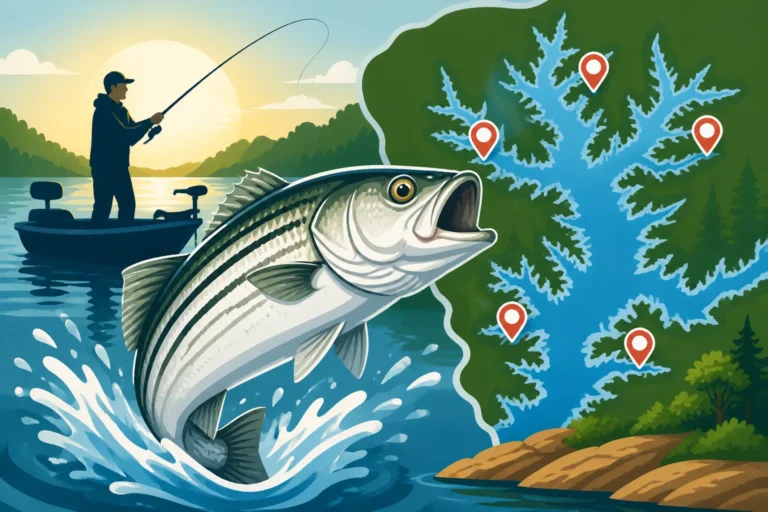
Ah, Lake Murray, often called the "Jewel of South Carolina" – and for good reason! This sprawling 50,000-acre reservoir, located northwest of Columbia, is an absolute powerhouse. It's legendary for its striped bass fishery, with massive schools of stripers often found chasing baitfish in the open water. Anglers here use a variety of techniques, from trolling live bait like blueback herring to casting artificial lures, especially during the famous summer topwater bites when the fish explode on the surface. If you're looking for an adrenaline rush, a Lake Murray summer striped bass trip is definitely for you.
But Lake Murray isn't just about stripers. It also boasts an incredible largemouth bass population, with plenty of hawgs hiding around its abundant docks, submerged humps, and standing timber. Springtime sees anglers flocking to the shallows for the spawn, while in summer, deep cranking and jigging around brush piles become the go-to methods. Crappie fishing is also fantastic, particularly in the cooler months, with anglers targeting brush piles and bridge pilings. Don't forget the catfish, either – big flatheads and blues roam the depths, providing a thrilling fight for those who seek them out. Many local guides specialize in Lake Murray, so if you're new to the area, consider booking a trip to learn the ropes.
The Santee Cooper Lakes: A Bass and Catfish Powerhouse
The Santee Cooper Lakes – Lake Marion and Lake Moultrie – are more than just lakes; they're a legendary fishing destination, often referred to as "South Carolina's Legendary Bass Fishery." These two massive lakes, connected by a diversion canal, cover a combined 171,000 acres and are famous worldwide for their trophy-sized largemouth bass and monster catfish. Lake Marion, the larger of the two, is shallower and stump-filled, a true labyrinth of cypress trees and hydrilla beds that provide perfect ambush points for big bass. Anglers here swear by flipping jigs and soft plastics into dense cover or throwing topwater frogs over matted vegetation.
Lake Moultrie, while still large, is deeper and more open, offering different challenges and opportunities. It's particularly renowned for its world-class catfish fishery, producing blues and flatheads that can easily tip the scales at over 50 pounds. Jug fishing for catfish step by step is a popular technique here, as is traditional bottom fishing with cut bait. Both lakes also offer excellent crappie fishing, especially around the countless cypress trees and submerged brush. The sheer size and productivity of Santee Cooper mean there's always a new spot to explore, whether you're targeting the lunker bass in the shallow cypress stump flats on Lake Marion or the giant cats in Lake Moultrie's deep holes.
Lake Hartwell: Upstate's Bass and Crappie Gem
Up in the northwest corner, straddling the South Carolina-Georgia border, lies Lake Hartwell. This beautiful reservoir is a favorite among Upstate anglers, known for its healthy populations of largemouth, spotted, and striped bass, as well as an excellent crappie fishery. Lake Hartwell is characterized by its clear waters, rocky points, and abundant standing timber, offering a variety of structures for fish to relate to. Spring and fall bass fishing patterns on Lake Hartwell are particularly productive, with anglers focusing on shallow coves and creek arms.
Spotted bass are a strong draw here, often found deeper and in clearer water than their largemouth cousins. Techniques like drop-shotting and jigging spoons are effective for these feisty fighters. Striped bass also thrive in Lake Hartwell, especially in the deeper, cooler waters during summer. The Tugaloo River Arm Bass Fishing on Lake Hartwell is a prime area for targeting both largemouth and spotted bass, with its submerged timber and rocky points providing ample cover. Crappie anglers will find success around brush piles and bridge supports, particularly in the cooler months. Many public boat ramps on the South Carolina side make access easy, inviting anglers to explore its vast waters.
Exploring South Carolina's Productive Rivers
While our lakes grab a lot of attention, South Carolina's rivers are unsung heroes, offering incredible fishing opportunities that often get overlooked. These aren't just pathways to the sea; they are vibrant, diverse ecosystems, each with its own unique character and resident fish species. From fast-flowing sections with rocky shoals to slow, winding blackwater stretches, our rivers provide a different kind of angling challenge and reward.
The Congaree and Broad Rivers: Catfish and Shoals
Flowing through the heart of the Midlands, the Congaree River and the Broad River converge near Columbia, creating a rich habitat for a variety of species, most notably catfish. The Congaree River, formed by the confluence of the Broad and Saluda rivers, is known for its strong currents and deep holes, making it a prime spot for trophy blue and flathead catfish. Congaree River catfish fishing spots near Columbia are popular for anglers who enjoy setting up heavy rigs with cut bait or live bait, patiently waiting for a monster bite. The river's flow often concentrates baitfish, which in turn draws in the bigger cats.
The Broad River, particularly the stretches below the shoals, offers fantastic fishing for a mix of species. While catfish are certainly present, you'll also find excellent opportunities for bass and even stripers, especially during their spawning runs. Wading in below the shoals on the Broad River can be incredibly productive for smallmouth bass and feisty redeye bass in certain areas, providing a unique experience for those who prefer to fish on foot. The rocky bottom and swift currents mimic a mountain stream in places, offering a different challenge than the slower-moving sections. It's a fantastic spot for both boat and bank anglers, with several access points providing a chance to explore its diverse stretches.
Edisto River: Blackwater Beauty and Panfish Paradise
The Edisto River holds the distinction of being one of the longest free-flowing blackwater rivers in North America, a true gem of the Lowcountry. Its dark, tannin-stained waters, overhung with ancient cypress and tupelo trees, create an incredibly serene and picturesque fishing environment. While it might not have the trophy bass reputation of the larger lakes, the Edisto is a panfish paradise. You'll find abundant populations of redbreast sunfish, bluegill, and warmouth lurking in the countless bends, logjams, and shaded eddies.
Edisto River kayak fishing spots are particularly popular, allowing anglers to quietly paddle into remote areas inaccessible to larger boats. Finesse techniques with light tackle, using crickets, worms, or small artificial lures, are the most effective ways to entice these feisty panfish. Beyond the panfish, the Edisto also holds good numbers of largemouth bass and various species of catfish. It's a river that invites you to slow down, soak in the natural beauty, and enjoy a truly tranquil fishing experience, far from the crowds often found on larger waterways.
Santee River: A Hidden Gem for Trophy Catfish
The Santee River, the major outflow of the Santee Cooper Lakes, is often overlooked but provides some truly phenomenal fishing, particularly for those targeting trophy catfish. As the lake waters spill into the river, they carry an abundance of baitfish and nutrients, creating an incredibly rich feeding ground. This river is known for its massive blue catfish and flatheads, which can grow to impressive sizes in its deep channels and log-strewn bends.
Santee River fishing spots for catfish are typically found in the deeper sections, especially around prominent structures like submerged trees and sharp bends in the river. Anglers often use heavy conventional gear with large cut baits, such as mullet or shad, to tempt these river giants. While catfish are the main draw, the Santee River also offers good opportunities for striped bass, especially during their migratory runs, and even some largemouth bass in its quieter oxbows and backwaters. It's a wilder, more remote river than some of its counterparts, offering a sense of adventure for those willing to explore its vast and productive stretches. Many local outfitters can provide guidance, and you can even look into South Carolina fishing charters if you prefer to have an expert lead the way.
Conquering South Carolina's Bountiful Coastal Waters
When the salt air calls, South Carolina's coast answers with an incredible array of fishing opportunities. Our coastline is a complex tapestry of barrier islands, tidal creeks, expansive bays, and open ocean, each offering a distinct challenge and a unique cast of characters beneath the surface. From the intricate inshore marshes to the crashing waves of the surf, saltwater fishing here is a dynamic and thrilling pursuit.
Inshore Lowcountry: Redfish, Trout, and Flounder Havens
The Lowcountry's inshore waters, particularly around Charleston, Mount Pleasant, and Murrells Inlet, are world-renowned for their exceptional fishing for redfish, spotted seatrout, and flounder. These intricate marsh systems, with their winding tidal creeks, oyster beds, and grass flats, create perfect hunting grounds for these coveted species. Redfish, with their distinctive spot, are particularly abundant and a favorite target. Mount Pleasant Redfish Fishing Spots in South Carolina are legendary, with anglers poling shallow flats or casting into deeper creek bends. During higher tides, redfish will "tail" in the grass, offering an exciting sight-fishing opportunity.
Spotted seatrout, often called "speckled trout," are another staple, congregating around oyster rakes, docks, and current breaks. They're often caught using artificials like soft plastics under a popping cork, or live shrimp. Flounder, masters of camouflage, lie in wait on sandy or muddy bottoms, ambushing unsuspecting baitfish. Targeting flounder near Mount Pleasant involves slowly drifting live mud minnows or small artificials along creek edges and structure. The key to successful inshore fishing in the Lowcountry is understanding the tides – they dictate everything from fish location to feeding patterns. Many experienced guides operate in these areas, and it can be immensely helpful to hire one for a day to learn the nuances of fishing these productive waters. Don't forget to check the South Carolina Redfish Slot Limit Rules before you go!
Surf Fishing Along the Grand Strand: Myrtle Beach to Murrells Inlet
For those who love the rhythmic sound of crashing waves and the feel of sand between their toes, surf fishing along the Grand Strand is an absolute must. Stretching from Myrtle Beach down through Garden City and Murrells Inlet, these miles of sandy beaches offer fantastic opportunities to catch a variety of species right from shore. Pompano, whiting, croaker, and various species of drum are common catches, particularly during the warmer months. You might even hook into a shark or a large red drum, especially in the deeper troughs just beyond the breakers.
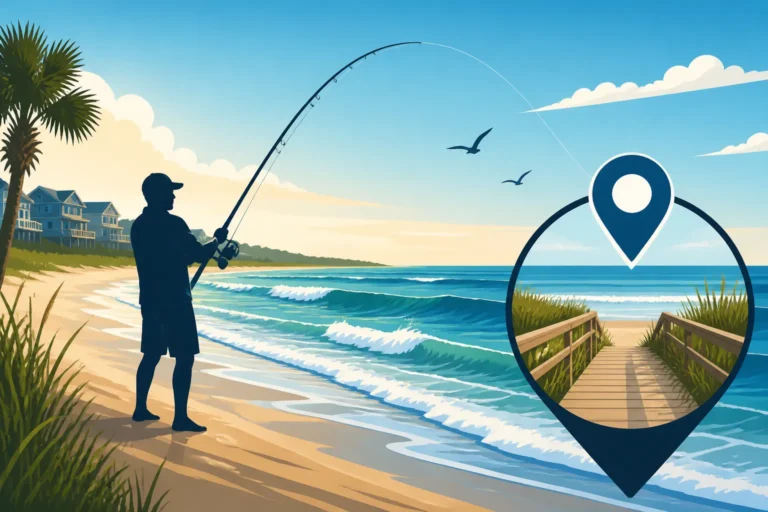
Myrtle Beach surf fishing spots in South Carolina are very popular, with anglers setting up their rod holders and casting out heavy bottom rigs. The key here is often identifying sandbar troughs to target when surf fishing at Myrtle Beach, as these deeper channels between sandbars act as natural highways for fish. Baits like fresh shrimp, cut mullet, or fish bites are highly effective. A sturdy surf rod, a sand spike, and a cooler for your catch are essential. While it's generally a more relaxed style of fishing, the anticipation of a hard pull on your line as you watch the waves roll in is truly exhilarating.
Pier and Jetty Fishing: Accessible Coastal Action
If you're looking for coastal fishing without the need for a boat or even extensive surf casting gear, South Carolina's numerous fishing piers and jetties offer incredibly accessible and often very productive options. Popular piers like the Myrtle Beach State Park Pier, Second Avenue Pier in Myrtle Beach, and the Folly Beach Pier provide a platform to reach deeper water than you could from the beach, often attracting a wider variety of fish. From these structures, you can expect to catch a mixed bag of croaker, whiting, spot, pompano, flounder, and even king mackerel or cobia if you're lucky and using specialized setups.
Jetties, such as those protecting the inlets at Murrells Inlet or Charleston Harbor, provide rocky structure that attracts sheepshead, redfish, black drum, and speckled trout. These barnacle-encrusted rocks are magnets for baitfish and the predators that feed on them. Fishing a jetty usually involves using strong tackle and baits like fiddler crabs or cut shrimp, dropped close to the rocks. Always be mindful of the currents around jetties, which can be very strong. Many piers also offer bait and tackle shops right on site, making it easy for beginners or those who forgot a crucial piece of gear. This ease of access makes them perfect for a spontaneous fishing trip or for introducing kids to saltwater angling. It's often asked, Do You Need a Fishing License to Fish From a Pier? The answer depends on the pier; some have blanket licenses, while others require individual permits. Always check beforehand!
Finding Hidden Gems and Family-Friendly Spots
South Carolina isn't just about the big, famous fishing holes. Sometimes the most memorable trips are to those quieter, less-pressured spots, or to places specifically designed to introduce the next generation to the joys of angling. Our state offers a wealth of options for both, providing escapes from the crowds and welcoming environments for families.
State Parks and Public Access Points: Easy Entry for All
South Carolina's State Parks system is a treasure trove of accessible fishing opportunities. Many of our state parks boast lakes, ponds, or river access points that are well-maintained and perfect for a day of fishing. Places like Table Rock State Park, Givhans Ferry State Park on the Edisto River, or Santee State Park on Lake Marion offer beautiful surroundings, easy parking, and often amenities like restrooms and picnic areas. These locations are fantastic for anglers who want to spend a day in nature without having to navigate complex logistics.
These public access points often feature designated fishing areas, docks, or bank fishing spots that are safe and convenient. They're particularly good for targeting panfish like bluegill and redbreast sunfish, which are abundant and eager to bite, making them ideal for beginners or those looking for a relaxing day. Many of these parks also offer boat ramps for smaller vessels, allowing access to larger bodies of water. It's an excellent way to combine a family outing with some quality fishing time, ensuring everyone can enjoy the peace and quiet of the outdoors.
Remote Coves and Backcountry Creeks: Escaping the Crowds
For the adventurous angler seeking solitude and untouched waters, South Carolina holds countless remote coves and backcountry creeks. These off-the-beaten-path fishing spots in South Carolina require a bit more effort to reach – perhaps a long hike, a kayak paddle deep into a marsh, or navigating a less-traveled forest road – but the rewards are often worth it. In freshwater, this might mean exploring the upper reaches of smaller rivers, finding hidden ponds within WMA lands, or paddling into remote coves on large lakes that rarely see boat traffic. These areas can hold surprisingly large bass or untouched populations of panfish that haven't seen a lure in ages.
In the saltwater realm, this translates to poling a shallow-draft boat or kayak deep into the labyrinthine marsh creeks of the Lowcountry, far from the main channels. Here, you might find tailing redfish in pristine grass flats or schools of speckled trout ambushing bait in secluded eddies. These are the places where the wildlife is abundant, the sounds of civilization fade away, and it feels like you have the entire ecosystem to yourself. It takes a keen eye and a willingness to explore, but these hidden coves for uncrowded fishing often produce some of the most memorable catches and truly connect you with nature.
Kid-Friendly Ponds and Beginner-Focused Locations
Introducing kids to fishing is one of the greatest joys, and South Carolina has numerous spots perfectly suited for young, enthusiastic anglers. The key is finding places where bites are frequent, the environment is safe, and the focus can be on fun rather than skill. Many smaller municipal ponds, local park lakes, and even farm ponds often fit this bill perfectly. These waters are frequently stocked with easy-to-catch species like bluegill, catfish, and sometimes even trout, ensuring that even a novice can experience the thrill of a tug on the line.
Kid-friendly fishing ponds near Columbia, for example, often host youth fishing derbies and are managed to maximize catch rates for beginners. Simple Bream fishing techniques for kids, like using a bobber with a worm or a small piece of corn, are often all you need. The excitement of catching a small bluegill is just as big a thrill for a child as a trophy bass is for an experienced angler. Look for places with easy bank access, gentle slopes, and perhaps even a fishing pier that provides safety rails. The goal is to create positive early experiences that foster a lifelong love for the sport, and South Carolina has plenty of spots designed to do just that.
| Fishing Spot Category | Primary Species Targeted | Best Seasons | Key Characteristics |
|---|---|---|---|
| Large Freshwater Lakes | Largemouth Bass, Striped Bass, Catfish, Crappie | Year-round (species-dependent) | Vast, varied structure, deep & shallow water |
| Major Rivers | Catfish, Largemouth Bass, Panfish, Stripers (seasonal) | Spring, Summer, Fall | Currents, deep holes, logjams, shoals |
| Mountain Streams | Brook Trout, Rainbow Trout | Spring, Fall | Clear, cold, fast-flowing, intimate |
| Inshore Coastal | Redfish, Spotted Seatrout, Flounder, Sheepshead | Year-round (tide-dependent) | Marsh creeks, oyster beds, grass flats |
| Surf & Piers | Whiting, Pompano, Croaker, Red Drum, Flounder | Spring, Summer, Fall | Sandy beaches, deep water access |
| Small Ponds (Family-Friendly) | Bluegill, Catfish, Bass | Spring, Summer, Fall | Easy access, stocked, high catch rates |
Planning Your Fishing Adventure: Logistics and Considerations
A successful fishing trip in South Carolina isn't just about knowing where the fish are; it's also about being prepared and understanding the local rules of engagement. Whether you're a seasoned local or a visitor planning your first trip, a little planning goes a long way in ensuring a smooth and enjoyable experience on the water.
Licenses, Regulations, and Local Knowledge
Before you even think about casting a line, getting your fishing license is paramount. South Carolina's regulations are designed to protect our precious natural resources and ensure sustainable fishing for future generations. The type of license you need depends on whether you're fishing freshwater or saltwater, and whether you're a resident or a nonresident. You can easily purchase your license online through the SCDNR website, at many tackle shops, or even at Walmart locations across the state. Remember, getting caught fishing without a license in South Carolina can lead to fines and other penalties, so it's always better to be safe than sorry.
Beyond the license, it’s crucial to familiarize yourself with the specific regulations for the species you intend to target and the body of water you'll be fishing. This includes bag limits (how many fish you can keep), size limits (minimum and sometimes maximum lengths), and any seasonal closures. For example, South Carolina's freshwater fishing regulations cover everything from bass to panfish, while Saltwater Fishing Rules in South Carolina detail limits for popular species like redfish and spotted seatrout. Local knowledge, often found by chatting with folks at bait shops or local marinas, is an invaluable resource for understanding current conditions and recent bite patterns.
Gear Essentials for South Carolina's Varied Waters
Given the immense diversity of fishing environments in South Carolina, your gear needs will vary wildly. For freshwater lake fishing, a medium-heavy rod with a baitcasting reel spooled with 12-20 lb test line is standard for bass, allowing you to throw larger lures and pull fish out of cover. For crappie and panfish, lighter spinning tackle with 4-6 lb test is more appropriate. Essential freshwater lures include crankbaits, spinnerbaits, soft plastics, and jigs. Don't forget a tackle box stocked with hooks, weights, pliers, and a tape measure.
For saltwater, the gear needs to be more robust to handle stronger fish and corrosive conditions. A medium-heavy spinning rod with a corrosion-resistant reel spooled with 20-30 lb braided line is a versatile choice for inshore fishing. Live bait rigs, popping corks, and a variety of soft plastic lures and jig heads are staples. If you're surf fishing, a longer, heavier rod is a must. Regardless of where you fish, always bring sunscreen, polarized sunglasses (they help you see fish and structure!), a hat, and plenty of water. A first-aid kit is also a smart addition to any tackle bag, just in case of minor mishaps.
Connecting with Guides and Charters for Expert Insight
Sometimes, the best way to experience South Carolina's fishing scene, especially if you're new to an area or targeting a specific species, is to enlist the help of a professional. Booking a fishing charter or hiring a local guide can significantly increase your chances of success and provide an invaluable learning experience. Guides know the local waters like the back of their hand – where the fish are, what they're biting on, and how to navigate any tricky spots. They also typically provide all the necessary gear, bait, and often even handle the fishing licenses for everyone on board, taking a lot of the logistical burden off your shoulders.
Whether you're looking for a South Carolina Redfish Charter Fishing Trip in the Lowcountry marshes, a striper guide on Lake Murray, or a family-friendly panfish trip on a local pond, there's a guide out there for you. Platforms like FishingBooker make it easy to find and compare local guides and charters, read reviews, and book your trip with confidence. It’s an investment that often pays off in both fish caught and knowledge gained, making your South Carolina fishing adventure truly unforgettable. When considering your options, a guide can also inform you about South Carolina Tournament Fishing License Rules if you're looking to participate in competitive events.
Seasonal Fishing Spot Hotspots in South Carolina
Fishing in South Carolina isn't a static affair; it's a dynamic dance with the seasons. What works in spring won't necessarily yield results in summer, and the best fishing spots often shift with water temperatures, fish spawning patterns, and migratory movements. Understanding these seasonal rhythms is key to consistently finding fish and making the most of your time on the water.
Spring's Explosive Action and Spawning Areas
Spring in South Carolina is an electrifying time for anglers, as warming waters trigger an explosion of activity across both freshwater and saltwater environments. This is prime time for the largemouth bass spawn timing in South Carolina reservoirs, with big bass moving into the shallows to build nests and guard their fry. Anglers flock to coves, protected bays, and shallow points on lakes like Murray, Hartwell, and Santee Cooper, targeting bass with spinnerbaits, jigs, and soft plastics. It's an opportunity for some of the biggest bass of the year.
In coastal waters, spring sees redfish becoming increasingly active in the marsh creeks as baitfish populations rebound. Spotted seatrout also return to more aggressive feeding patterns. Flounder begin their migration back into the inshore waters, staging in inlets and creek mouths. Surf fishing can also pick up, with whiting and pompano making a strong showing. The key is to look for those sun-warmed shallow areas where fish are staging or actively spawning, offering incredible opportunities before the summer heat settles in.
Summer's Deep Water and Early Morning Bites
As South Carolina summers heat up, fishing patterns shift dramatically. In freshwater lakes, the intense heat often pushes fish, especially bass and stripers, into deeper, cooler waters. On Lake Murray, for example, Lake Murray summer striped bass techniques in South Carolina often involve targeting submerged humps and thermoclines with down-lined live bait or trolling deep-diving lures. Largemouth bass will relate to deep brush piles, offshore humps, and standing timber, requiring techniques like deep cranking, jigging, and drop-shotting. Early morning and late evening topwater bites can still be fantastic before the sun gets too high.
Along the coast, summer brings a plethora of options. Tarpon and shark fishing charters become popular offshore pursuits, while inshore, redfish can be found in deeper holes within the marsh or cruising oyster bars during lower tides. Spanish mackerel and king mackerel are abundant closer to shore, offering fast-paced action. Surf fishing remains productive for whiting, croaker, and even some larger drum. The key to summer success is often fishing during the cooler parts of the day – dawn, dusk, or even at night – or focusing on deeper, more oxygenated waters where fish seek refuge from the heat.
Fall's Feeding Frenzy and Coastal Migrations
Fall is arguably one of the best times to fish in South Carolina, as cooler temperatures and shorter days trigger an aggressive feeding frenzy across both freshwater and saltwater species. In our freshwater lakes, bass and stripers go on the hunt, fattening up for winter. On Lake Hartwell, fall bass fishing around rocky points on South Carolina's Lake Hartwell can be incredibly productive, as bass school up and chase baitfish in open water. Stripers on Lake Murray will also form massive schools, often creating spectacular topwater blowups as they corral bait.
The coastal waters truly shine in the fall. The "fall run" brings a surge of migrating baitfish, attracting a host of predatory species. Redfish become incredibly active in the shallows, often showing up in large schools. Speckled trout fishing improves dramatically as the water cools, with many anglers reporting excellent catches. Flounder are also preparing for their offshore migration, making them very aggressive feeders in the inlets and nearshore structure. This is a prime time for surf fishing, with various drum species, bluefish, and even some migratory species like false albacore making appearances. The moderate temperatures and aggressive fish make fall an ideal season for any angler in South Carolina.
Disclaimer
Please be aware that fishing regulations in South Carolina are subject to change by the South Carolina Department of Natural Resources (SCDNR). While this guide provides comprehensive information, it is always your responsibility to check the latest regulations, licensing requirements, and any emergency closures before heading out on your fishing trip. Stay informed to ensure a safe, legal, and enjoyable experience.