Rules for Fishing Tournament Organizers Explained
Organizing a fishing tournament in South Carolina can feel like navigating a labyrinth of paperwork and regulations, leaving even the most seasoned event planners scratching their heads. It’s tough enough to secure sponsors and promote your event, let alone ensuring every single rule is followed to the letter. This comprehensive guide is here to untangle that knot, explaining exactly what South Carolina fishing tournament organizers need to know and do to run a successful, compliant, and unforgettable event.
Understanding the Foundation: Why Regulations Exist for Tournaments
When you’re trying to put together a great fishing tournament, it’s easy to get caught up in the logistics of prizes, participants, and promotions. But at the heart of all those permits and rules is a genuine effort to protect our incredible natural resources and ensure everyone has a fair and safe experience on the water. These aren't just arbitrary hoops to jump through; they're vital for the long-term health of South Carolina’s fisheries and the integrity of the sport.
Protecting Fish Populations and Ecosystems
Imagine for a moment if every single fishing tournament, big or small, just did its own thing without any oversight. The sheer volume of anglers, the potential for excessive harvest, and even unintended stress on fish during weigh-ins could quickly decimate local fish populations. The South Carolina Department of Natural Resources (SCDNR) steps in with regulations precisely to prevent this. They’re looking at the bigger picture, trying to ensure that our children and grandchildren will still have thriving fish to catch.
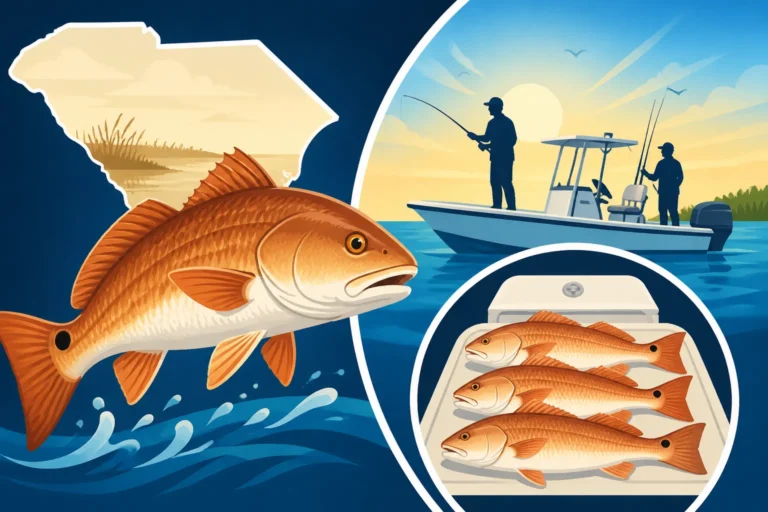
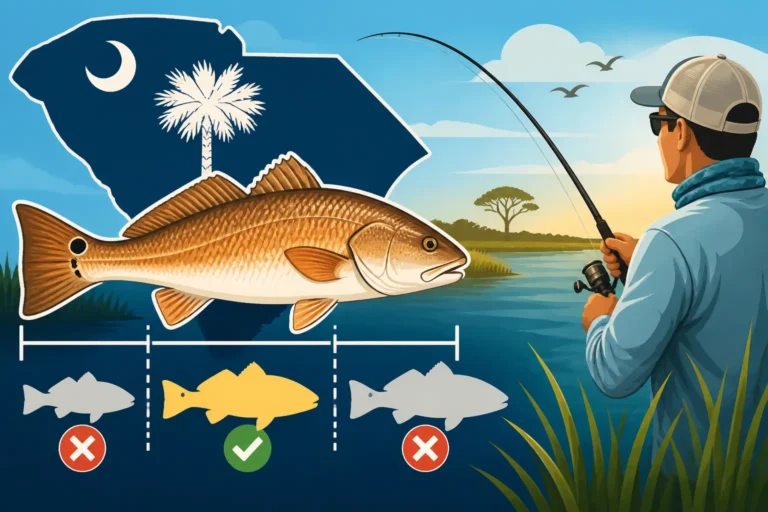
This means putting rules in place regarding things like catch-and-release practices, where certain species must be immediately returned to the water, or strict slot limits that dictate the size range of fish that can be kept. For instance, if a tournament targets redfish in the coastal marshes, organizers must adhere to the South Carolina Redfish Slot Limit Rules to ensure enough fish mature and reproduce. These measures are designed to reduce fishing pressure, especially on vulnerable breeding populations, and promote the long-term health of our aquatic ecosystems. Without these guidelines, a single large tournament could inadvertently cause significant ecological damage, impacting not just the targeted species but the entire food chain and habitat. The goal is always sustainable enjoyment, allowing for both competitive angling and ecological stewardship.
Ensuring Fair Play and Public Safety
Beyond conservation, regulations also serve a crucial purpose in maintaining the integrity of the sport and the safety of everyone on the water. No one wants to participate in a tournament where the rules are unclear or, worse, where participants can easily gain an unfair advantage. Clear guidelines on what constitutes a legal catch, how fish are measured, and acceptable fishing methods prevent cheating and maintain a level playing field for all competitors. This fosters a sense of trust and sportsmanship that is essential for a healthy competitive environment.
Furthermore, consider the sheer number of boats and anglers that might converge on a single lake or stretch of coastline during a major tournament. Without safety protocols and navigational rules, the waterways could become chaotic and dangerous. SCDNR regulations, often working in tandem with U.S. Coast Guard guidelines and local marine patrols, help manage this traffic. They set standards for boat operation, required safety gear, and even communication protocols during events. These rules are designed to prevent collisions, ensure participants are prepared for emergencies, and protect other recreational users who might be sharing the water on tournament day. It’s not just about the anglers; it’s about making sure that boaters, kayakers, and swimmers can all coexist safely during your event.
Key Permits and Notifications for South Carolina Tournament Organizers
So, you’ve got your dates set and your venue picked out. Now comes the nitty-gritty: navigating the permitting process. This is often the most daunting part for new organizers, but with a clear understanding of what’s needed and why, it becomes a manageable task. Skipping this step can lead to hefty fines, event cancellations, and a lot of headaches, so let’s get it right from the start.
SCDNR Permitting Process for Large Tournaments
The South Carolina Department of Natural Resources (SCDNR) plays a central role in overseeing fishing tournaments across the state. While smaller, informal gatherings might fly under the radar, any event that involves a significant number of participants, competitive prizes, or public advertising often falls under their permit requirements. Generally, tournaments with 15 or more boats or 20 or more participants, or those offering significant prize money, are the ones that typically require an official SCDNR permit. This isn't just about revenue for the state; it's how they monitor fishing pressure and ensure conservation efforts are upheld.
The application process typically involves submitting a detailed plan to the SCDNR well in advance of your event – often 30 to 60 days, though it's always wise to check current guidelines and aim for earlier submission. This plan will need to outline everything from your proposed dates and specific fishing locations to the species you’re targeting, the rules of your tournament, and even your contingency plans for bad weather. You'll specify your weigh-in procedures, how you plan to handle live fish, and what measures you're taking to ensure compliance with existing bag and size limits. It's a comprehensive document, and the SCDNR staff review it carefully to assess potential impacts on local fisheries. They might have specific recommendations or requirements based on the time of year, location, and target species. For example, if you're planning a bass tournament during the peak spawning season in a sensitive reservoir, they might impose stricter catch-and-release rules or suggest alternative dates. Always consult the official SCDNR website or contact their fisheries division directly for the most up-to-date application forms and submission timelines, as these can occasionally change.
Local Ordinances and Jurisdictional Considerations
Here’s where it can get a little tricky, as South Carolina's regulations don't always stop with the state level. Depending on where you plan to host your tournament, you might encounter additional layers of local ordinances from counties, cities, or even specific park authorities. This is particularly true if your event utilizes public facilities like municipal boat ramps, city parks for weigh-ins, or docks managed by a local government. For example, if you're launching dozens of boats from a public ramp in a city like Charleston or Mount Pleasant, those municipalities might have their own permit requirements for large gatherings or events using their infrastructure. These local permits often address issues like traffic control, waste management, noise levels, and ensuring public access for non-participants.
It’s crucial to research these local requirements early in your planning process. A good starting point is contacting the local Chamber of Commerce, Parks and Recreation department, or city clerk’s office for the specific area you’re targeting. They can often direct you to the right department or provide information on local event permits. You might also need to notify local law enforcement, such as the county sheriff’s office or municipal police, and the U.S. Coast Guard if your tournament is in navigable coastal waters. Their awareness of your event can be vital for managing traffic, responding to incidents, and ensuring overall safety. Neglecting these local entities can lead to unexpected fees, last-minute cancellations, or even fines from authorities unfamiliar with your event. It’s always better to be over-communicative than under-informed.
Special Rules for Specific Water Bodies or Species
South Carolina is blessed with an incredibly diverse range of fishing environments, from the vast freshwater reservoirs of the Upstate to the intricate saltwater estuaries of the Lowcountry. However, this diversity also means that "one-size-fits-all" rules rarely apply. Certain water bodies or specific fish species often come with their own unique set of regulations, and as a tournament organizer, you must be keenly aware of these nuances.
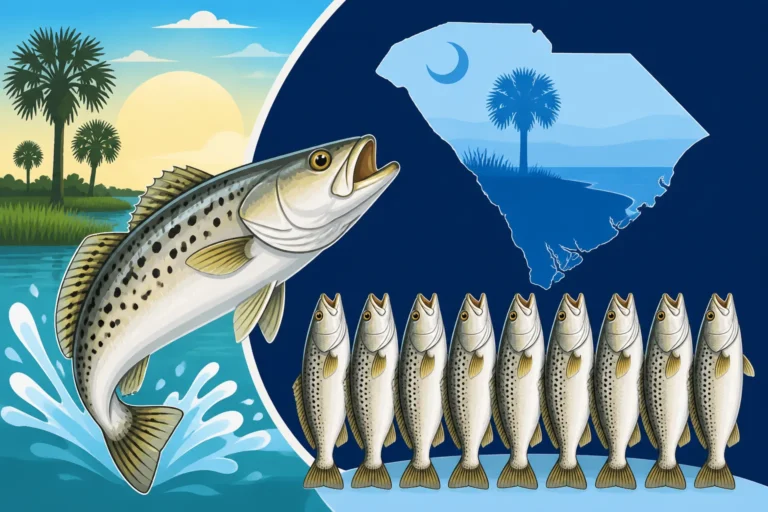
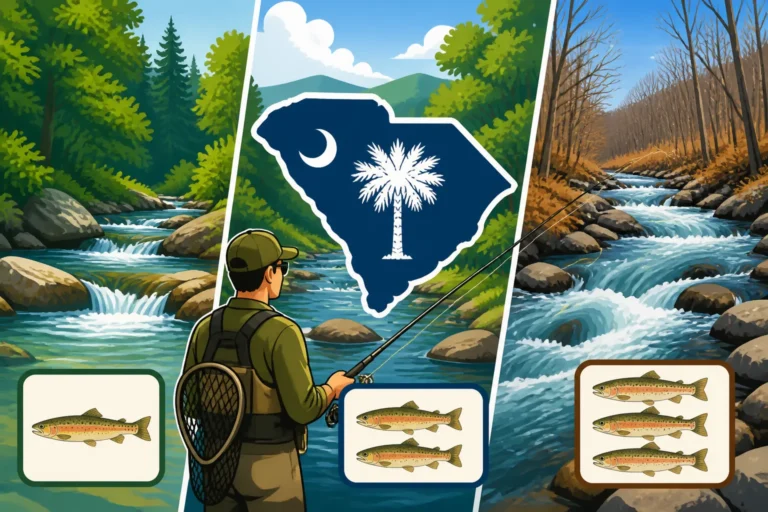
For instance, the legendary Santee Cooper Lakes (Marion and Moultrie) have specific regulations for striped bass and catfish, given their prominence as trophy fisheries. Lake Murray, another striped bass hotspot, might have different seasonal restrictions or guidelines for harvest. Coastal tournaments targeting redfish or spotted seatrout will need to strictly adhere to the South Carolina Redfish Vessel Limit Explained and Spotted Seatrout Size and Bag Limits in South Carolina to avoid penalties. These rules can vary by season, location within the state, and even based on current stock assessments. SCDNR regularly updates these regulations to adapt to environmental changes and conservation needs, so what was valid last year might have changed for your upcoming event. It's not uncommon for certain streams in the Blue Ridge Mountains to have catch-and-release only rules for South Carolina's Native Brook Trout: A Blue Ridge Mountain Original, for example.
As an organizer, it’s your responsibility to ensure your tournament rules align perfectly with all applicable state and local fishing regulations. This means clearly communicating these rules to all participants before and during the event. You might even consider printing out condensed versions of the relevant regulations or providing links to the official SCDNR website for reference. The last thing you want is for your participants to accidentally violate a regulation due to a lack of information, leading to fines or disqualifications that reflect poorly on your tournament. Staying current with the South Carolina's Freshwater Fishing Regulations and Saltwater Fishing Rules in South Carolina is paramount.
Participant Requirements and Tournament Operations
Once you've cleared the hurdles of permits and local notifications, your focus shifts to the anglers themselves and the day-to-day operations of your tournament. For the event to run smoothly, safely, and legally, every participant needs to understand their individual responsibilities and how to comply with the rules you set forth, which are, of course, built upon state regulations.
Mandated Fishing Licenses for All Anglers
This might seem like a no-brainer, but it's often overlooked by participants, leading to embarrassing situations and potential fines. Every single person fishing in your tournament, regardless of age (unless they fall under specific exemptions for minors), location, or how long they plan to be on the water, must possess a valid South Carolina fishing license. There are no exceptions for tournament participation; the act of fishing itself requires a license. As an organizer, it's not just a recommendation but a responsibility to clearly communicate this requirement to all registered anglers. You might even consider making license verification part of your registration or pre-tournament briefing process.
Participants need to understand the difference between freshwater and saltwater licenses, and whether they need a resident or South Carolina Nonresident Fishing License Guide. A common misconception is that if a tournament has a blanket permit, individual licenses aren't needed. This is absolutely false. Your tournament permit covers the event, but it doesn't exempt individual anglers from their personal licensing obligations. You can direct your participants to resources like the South Carolina Fishing License Guide or explain How to Get a Fishing License in South Carolina and Where to Buy a Fishing License in South Carolina, including online options through the Go Outdoors South Carolina platform. Make it clear that failure to possess a valid license could result in disqualification from your tournament and, more importantly, a citation from a game warden, which carries Penalties for Fishing Without a License in South Carolina. This is one rule that simply cannot be bent or broken.
Rules for Catch, Measure, and Release
The heart of any fishing tournament lies in its catch rules, and these need to be meticulously detailed to ensure fairness and adherence to conservation practices. Most modern tournaments, especially those targeting popular sportfish like bass, redfish, or trout, emphasize catch-and-release (C&R) to minimize impact on fish populations. As an organizer, you’ll need to specify whether your tournament is C&R only, or if it allows for harvest within state South Carolina Fishing Bag Limits Explained. If harvest is allowed, you must clearly outline all minimum and maximum size limits (slot limits) for each target species, as well as the daily bag limits per angler.
For C&R tournaments, the emphasis shifts to proper fish handling. This means requiring participants to use appropriate tools like knotless landing nets, fish-friendly measuring boards, and secure livewells that are adequately aerated. You might require photos for verification of catch and release, or precise measurements taken on the boat before immediate release. Organizers should provide explicit instructions on how to properly measure a fish (e.g., pinched tail, mouth closed) and how to safely release it to maximize its survival rate. Demonstrations or informational videos can be incredibly helpful. Penalties for dead fish presented at weigh-in or fish showing signs of improper handling should also be clearly stated in your tournament rules. It's all about making sure that the fish we celebrate today are still there for us to catch tomorrow.
Safety Protocols and Emergency Planning
Safety isn't just a suggestion; it's a non-negotiable aspect of organizing any event on the water, especially a competitive one. As a tournament organizer, you bear a significant responsibility for ensuring the well-being of all participants. Your event plan must include robust safety protocols and a clear emergency response strategy. This begins with pre-tournament briefings that cover everything from weather monitoring procedures to communication plans in case of an emergency. Participants should know how to contact tournament officials and vice-versa, especially if they encounter trouble on the water.
You should outline essential boat safety requirements, such as mandating the use of U.S. Coast Guard-approved personal flotation devices (PFDs) for certain activities or during specific weather conditions. Emphasize safe boat operation, adherence to navigation rules, and avoiding reckless behavior. It’s also wise to require participants to have up-to-date emergency contact information on file. Consider having a designated safety boat or medical personnel on standby for larger events. What happens if there's a sudden severe thunderstorm, a boat breaks down, or someone suffers a medical emergency miles from the launch? Having pre-planned procedures for these scenarios, including clear evacuation routes or rendezvous points, can literally be a lifesaver. Weather updates, VHF radio checks, and a designated emergency channel are all critical components of a comprehensive safety plan.
Weigh-In Procedures, Live Release, and Post-Tournament Compliance
The weigh-in is the climax of any fishing tournament, but it’s also a critical juncture for fish welfare and regulatory compliance. How you manage this process and what happens afterward is just as important as the fishing itself. Transparency, efficiency, and a commitment to responsible handling are key to a successful and well-regarded event.
Proper Weigh-In and Fish Handling Standards
For many anglers, the weigh-in is the most exciting part of the day, but for the fish, it can be the most stressful. As an organizer, it's your job to minimize that stress. Establish a clear, efficient weigh-in procedure that prioritizes the health of the fish. This usually means having a well-shaded weigh-in area to keep fish cool, especially in South Carolina's warm climate. Fish should be transferred from boat livewells to aerated weigh-in tanks or bags as quickly and gently as possible. Minimizing their time out of water is paramount.
Your weigh-in team should be trained in proper fish handling techniques, avoiding dropping fish, holding them incorrectly, or allowing them to flop around. High-quality digital scales and measuring devices, like those you can easily find on Amazon, should be calibrated and readily available to ensure accurate measurements. Consider using fish-friendly weigh bags designed to support the entire body of the fish. Penalties for presenting dead fish or those showing clear signs of abuse should be clearly stated in your tournament rules. For example, some tournaments deduct weight or disqualify teams if their fish are dead. The goal is to celebrate the catch while showing respect for the resource.
Live Release Requirements and Best Practices
In line with conservation efforts, many tournaments, particularly for freshwater species like bass or striped bass, mandate the live release of all tournament fish after weigh-in. Even if harvest is permitted within state limits, live release is often encouraged or required for competitive events. This practice is crucial for maintaining healthy fish populations, especially in heavily fished areas or for species that are slow to reproduce. Your tournament plan must include a detailed strategy for live release.
This involves having a dedicated release boat or a well-designed, aerated release tank system where fish can recover from the weigh-in process before being returned to the water. Some tournaments utilize a designated release site, often a short distance from the weigh-in area, where fish can swim off into deeper, cooler water without immediate re-capture. Train your release team to handle fish gently, ensuring they are revived and swim away strongly. This might involve holding a fish upright in the water until it regains its equilibrium before letting it go. Proper aeration and temperature control in recovery tanks are also critical. Successful live release isn't just about letting the fish go; it's about giving them the best possible chance of survival.
Reporting and Record Keeping for SCDNR
Your responsibilities as a tournament organizer don't end when the last trophy is handed out. Post-tournament compliance, particularly submitting accurate reports to the SCDNR, is a vital part of the permitting process. These reports are more than just paperwork; they provide invaluable data for fisheries biologists and managers. By collecting information on species caught, the number of fish weighed, average sizes, and overall catch rates, you contribute directly to the scientific understanding of South Carolina's fish populations.
The SCDNR uses this data to monitor trends, assess the health of different fisheries, and make informed decisions about future regulations, such as setting South Carolina Fishing Bag Limits Explained. Your report might include details on any unusual catches, fish mortalities, or observations from participants. Be prepared to provide accurate numbers of participants, total fish caught, and the fate of those fish (released alive, dead, or kept). This kind of transparency and accountability helps ensure that tournaments are not just fun events but also responsible partners in conservation. Submitting these reports promptly and completely demonstrates your commitment to the long-term health of our fishing resources, securing a future for competitive angling in South Carolina.
Tournament Organizer Permit Requirements at a Glance
Navigating the various rules and permits can be confusing, so here's a quick overview to help you understand the common requirements for fishing tournament organizers in South Carolina. Keep in mind that specific situations may require additional permits or notifications.
| Requirement Category | Typical Trigger | Required Action | Primary Authority |
|---|---|---|---|
| SCDNR Tournament Permit | 15+ boats, 20+ participants, significant prizes | Submit detailed application 30-60 days in advance | SC Department of Natural Resources |
| Local Event Permits | Use of city/county boat ramps, parks, public land | Contact local municipality/county offices | City/County Government |
| Marine Patrol/USCG Notification | Coastal waters, large events, high traffic areas | Inform relevant authorities of event dates, times, and locations | Local Marine Patrol, US Coast Guard |
| Individual Angler Licenses | All participants actively fishing | Ensure all anglers possess valid SC Freshwater/Saltwater license | SC Department of Natural Resources |
| Tournament Rules | All competitive events | Clearly define catch limits, size limits, methods, C&R procedures | Tournament Organizer (aligned with SC regs) |
| Safety Plan | All competitive events | Detail emergency contacts, weather protocols, communication plan | Tournament Organizer |
| Post-Event Report | Permitted tournaments | Submit catch data, participation numbers, incident reports to SCDNR | SC Department of Natural Resources |
Remember, this table provides a general guide. Always verify the most current and specific requirements directly with the relevant authorities for your particular event. This comprehensive approach ensures that your tournament is not only exciting and competitive but also fully compliant with the laws designed to protect South Carolina's invaluable natural resources.
Disclaimer
The information provided in this guide is for general informational purposes only and does not constitute legal advice. While we strive to offer accurate and up-to-date information, fishing regulations and permitting requirements can change frequently. It is the responsibility of every fishing tournament organizer to directly consult the South Carolina Department of Natural Resources (SCDNR) and any relevant local government authorities (city, county, or park services) to confirm all current rules, regulations, and permit requirements applicable to their specific event before planning or executing a tournament. Failure to do so may result in penalties, fines, or event cancellation.