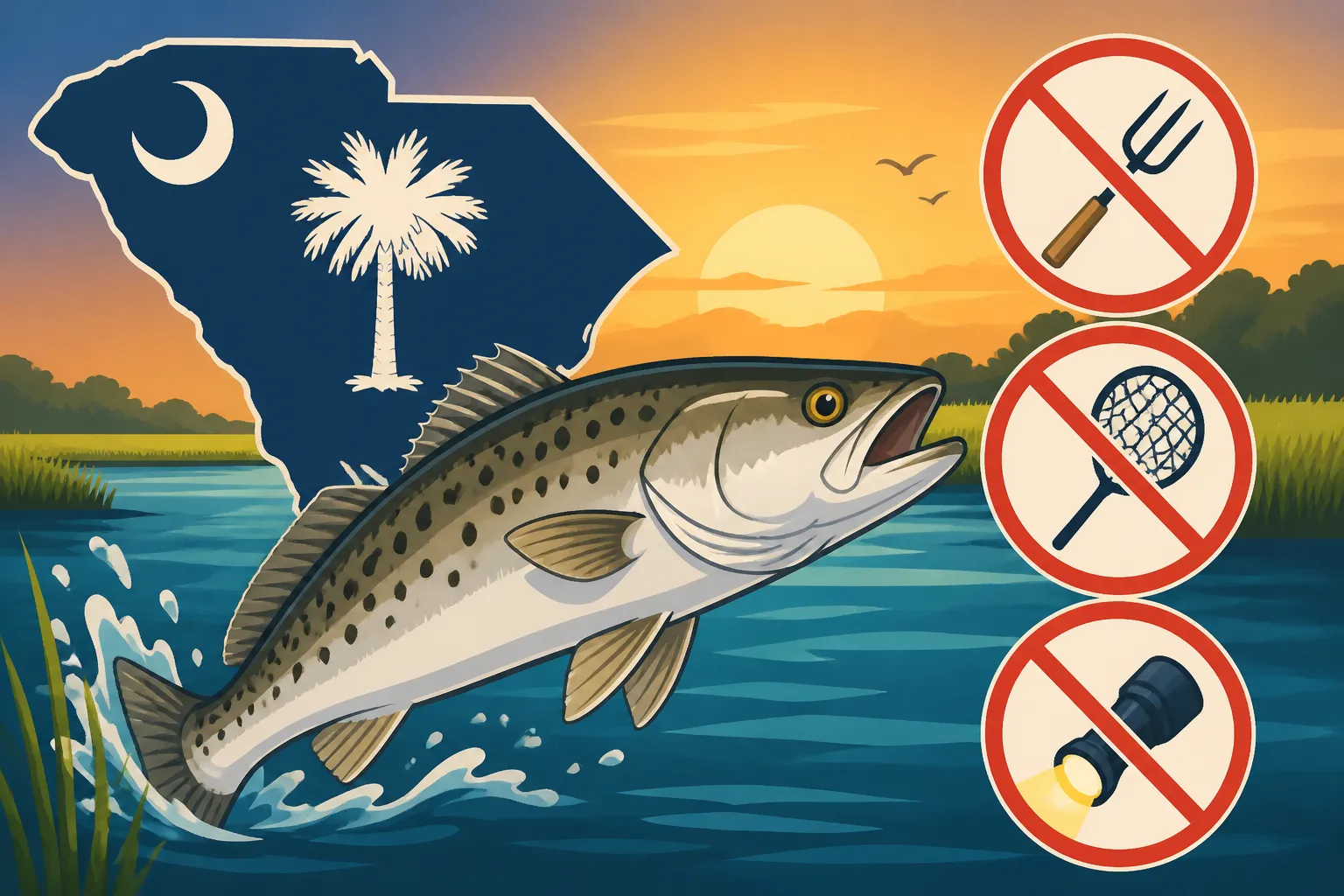
Gigging Restrictions for Seatrout Explained
There’s nothing quite like a crisp night out on the water, the anticipation building as you scan the shallows with a powerful light, searching for that tell-tale glint of a spotted seatrout. But if you're planning a gigging trip in South Carolina, you absolutely need to be aware of some critical regulations. Many anglers, especially those new to the Palmetto State or just getting into this unique fishing method, often find themselves scratching their heads over what’s allowed and what’s not. This comprehensive guide is here to clear up all the confusion surrounding gigging restrictions for seatrout, ensuring you stay within the law and help protect our precious fisheries.
Understanding South Carolina's Seatrout Gigging Ban
It can be a real bummer when your favorite fishing method gets put on hold, and for many, that’s exactly how the annual seatrout gigging ban feels. But there's a really good reason behind it, rooted deeply in conservation efforts to keep our waters healthy and abundant for generations to come.
Why the Ban Exists: Protecting a Vulnerable Species
Imagine a harsh winter hitting our beautiful South Carolina coast. The water temperatures drop, and the spotted seatrout, like many other fish, become much more susceptible to cold stun events. During these times, they often gather in deeper, warmer pockets of water, becoming less active and more concentrated. This makes them incredibly vulnerable to harvest, especially with methods like gigging that rely on visual identification and targeting. The South Carolina Department of Natural Resources (SCDNR) has implemented this ban specifically to give these fish a much-needed break during their most fragile period. Without this protection, we'd risk seriously depleting the population, impacting future fishing seasons for everyone. It's a tough pill to swallow if you love gigging, but it’s a crucial step in ensuring we continue to have healthy numbers of these popular game fish. Think of it as a mandatory "time out" for the fish, allowing them to recover and thrive when conditions are most challenging.
The Specific Dates and Affected Areas
The ban isn't a year-round thing, thankfully, but it's a critical window you need to mark on your calendar. Specifically, gigging for spotted seatrout is prohibited from December through February each year. This means as soon as December 1st hits, you need to put the gigging gear away for seatrout. The ban lifts on March 1st, allowing anglers to resume gigging for seatrout once again. This timeframe covers the coldest months when seatrout are most vulnerable. This restriction applies to all coastal waters of South Carolina, from the furthest reaches of the salt marsh creeks down to the open bays and sounds. There aren't any special zones or counties where the ban doesn't apply; if you're in South Carolina's saltwater, these rules are in effect. So, whether you're targeting fish near Myrtle Beach, Charleston, or Hilton Head, these winter gigging restrictions are non-negotiable. Knowing these dates and areas is your first step to being a responsible angler and avoiding a costly mistake. For a deeper dive into the exact period, check out South Carolina Spotted Seatrout Gigging Ban Dates.
What Gigging Means and What's Still Allowed
Understanding the rules starts with knowing exactly what "gigging" entails in the eyes of South Carolina law, and equally important, what fishing activities are still perfectly fine during the ban. It’s a common misconception that all seatrout fishing is off-limits in winter, and that’s simply not the case!
Defining "Gigging" in South Carolina Regulations
When we talk about "gigging" for spotted seatrout in South Carolina, we're generally referring to the act of harvesting fish using a spear-like device, often with multiple prongs, usually from a boat at night. This method typically involves using powerful lights to illuminate the shallow water, making it easier to spot and target fish resting or moving slowly near the bottom. It’s a very visual and active form of fishing, distinct from traditional rod-and-reel angling. The key elements that define gigging are the use of a spear or gig and often the aid of lights at night to spot the fish in shallow water. It's not about netting, trapping, or hook-and-line fishing. Many anglers will rig up their boats with specialized lighting systems, but even a powerful handheld spotlight or a good headlamp can be considered part of the gigging setup. If you're looking to upgrade your lighting for other night-time boat activities, you can find a wide array of powerful and waterproof headlamps on Amazon. This distinction is crucial because the ban specifically targets this method due to its effectiveness in harvesting vulnerable, cold-stressed fish.
Legal Alternatives for Catching Seatrout During the Ban
Here's the good news: the gigging ban absolutely does not mean you have to hang up your fishing gear for seatrout all winter long. Rod-and-reel fishing for spotted seatrout remains perfectly legal and often highly productive, even during the gigging closure. In fact, many seasoned anglers consider winter to be one of the best times to target larger "gator" trout. You just have to switch up your techniques a bit. Instead of a gig, grab your favorite spinning rod. Live bait like mud minnows, shrimp, or small finger mullet are incredibly effective when fished slowly along the bottom in deeper creek channels or near oyster beds where trout seek refuge from the cold. Artificial lures, particularly soft plastics rigged on jig heads, are also killer during winter. Think about slow-rolling baits through deeper holes or bouncing them off structure. Brands like Z-Man and D.O.A. offer excellent soft plastics that imitate shrimp or baitfish, and you can often find great deals on these essential lures on Amazon. The key is to slow down your retrieve, as winter trout are less active.
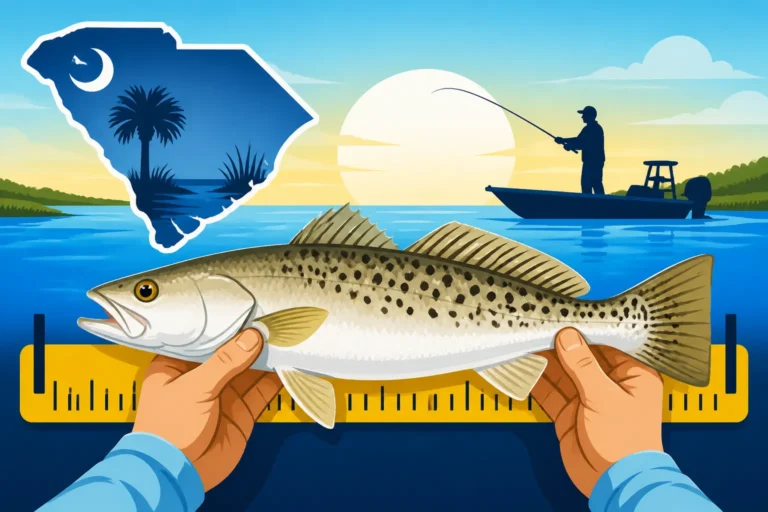
Remember, even when rod-and-reel fishing, you still need to adhere to all the other regulations. This includes minding the Spotted Seatrout Size and Bag Limits in South Carolina, which currently means a minimum size of 14 inches and a daily bag limit of 10 fish per person. These regulations are in place year-round to ensure sustainable fishing practices. Focusing on these legal methods allows you to enjoy the thrill of catching seatrout while actively participating in their conservation. Want more ideas? Check out How to Catch Spotted Seatrout in South Carolina During the Gigging Ban for detailed tips.
Consequences of Violating Gigging Restrictions
No one wants their fishing trip to end with a hefty fine or, worse, a run-in with law enforcement. Understanding the potential penalties for violating seatrout gigging restrictions is essential for any angler casting a line (or wielding a gig) in South Carolina waters. It’s not just a minor slap on the wrist; these regulations are taken seriously to protect our marine resources.
Penalties and Fines for Illegal Gigging
Getting caught illegally gigging for seatrout during the closed season can quickly turn an enjoyable night on the water into a very expensive and frustrating experience. The penalties for such violations can include significant monetary fines, which can range from several hundred dollars to well over a thousand, depending on the severity of the offense and whether it's a repeat violation. Beyond the financial hit, you could also face confiscation of your gear, including your gig, lights, and even your boat if it's deemed to be an instrument of the violation. In more serious cases, particularly with repeat offenders or egregious violations, you could even lose your fishing privileges for a period of time. Imagine being told you can't fish at all for months or even years because of a single mistake! The SCDNR has the authority to issue citations and pursue legal action, and they do not hesitate when it comes to protecting vulnerable fish populations. It's a stark reminder that ignorance of the law is never an excuse, and game wardens are out there enforcing these rules year-round. This is similar to the consequences outlined for Penalties for Fishing Without a License in South Carolina, where the financial and legal repercussions can be quite significant.
The Role of SCDNR and Law Enforcement
The South Carolina Department of Natural Resources (SCDNR) is the primary agency responsible for enforcing fishing regulations, including the seatrout gigging ban. Their game wardens are highly trained officers who patrol our coastal waters day and night, specifically looking for violations. They utilize various methods to monitor compliance, from covert observations to routine checks of boats and individuals on the water. These officers are familiar with local waterways and understand the patterns of illegal activity, especially during vulnerable seasons. They might be patrolling by boat, observing from shore, or even conducting aerial surveillance in certain areas. It's not uncommon for them to approach anglers, ask to see licenses, and inspect catches, so always be prepared to cooperate fully. Their presence is not meant to be an annoyance, but rather a vital part of managing and conserving our state's natural resources. If you ever witness suspicious activity, like someone gigging for seatrout during the ban, you're encouraged to report it to SCDNR’s Operation Game Thief hotline. This collaborative effort between law enforcement and informed anglers helps ensure the longevity of our fisheries.
Staying Informed and Fishing Responsibly
Being a responsible angler goes beyond just knowing the rules; it means actively seeking out the most current information and making choices that contribute to the health of our fishing ecosystems. Regulations can change, sometimes without much fanfare, and it's always on us to stay in the loop.
Resources for Current Regulations
The single most important thing you can do to avoid accidental violations is to always, always check the absolute latest regulations. The SCDNR is constantly reviewing data and making adjustments to ensure the best outcomes for our fish populations. The most reliable place to get up-to-date information is directly from the source: the official South Carolina Department of Natural Resources website. They publish comprehensive guides, alerts, and often have an easily accessible PDF or mobile-friendly version of their regulations. They also offer a handy mobile app that allows you to quickly look up rules on the go. Many local tackle shops are also great resources, as they're often the first to hear about changes and typically have printed copies of the current regulations. While online fishing forums and social media groups can be great for community and tips, treat official SCDNR publications as your absolute gospel. Regulations for species like redfish also see updates, so Understanding Redfish Slot Limit Changes Over Time is another good habit to get into.
Best Practices for Seatrout Conservation
Beyond simply following the rules, true conservation-minded anglers adopt best practices that go the extra mile. If you're rod-and-reel fishing for seatrout, especially during the colder months, practicing responsible catch-and-release is vital for any fish you don't intend to keep (or those that are undersized or oversized). This means handling fish gently, minimizing their time out of the water, and using proper dehooking tools. Tools like long-nose pliers or specialized dehookers, which you can easily find on Amazon, allow for quick and safe removal of hooks, reducing stress and injury to the fish. Avoid dragging fish across abrasive surfaces like boat decks or sand. If a fish is deeply hooked, it's often best to cut the line as close to the hook as possible rather than attempting to rip the hook out, as this can cause more internal damage. Consider using single, barbless hooks, which make for easier release. Every fish released successfully contributes to the spawning stock and helps maintain a robust fishery. These small actions collectively make a huge difference in ensuring we have plenty of healthy seatrout swimming in our South Carolina waters for years to come. Remember, the future of fishing is in our hands, and by staying informed and fishing ethically, we're all doing our part. You can also learn more about why particular rules are in place by reading Why Gigging Gets Banned but Rod-and-Reel Fishing Doesn't.
Gigging vs. Rod-and-Reel: Key Differences During Winter Season
To help clarify the differences between gigging and rod-and-reel fishing for seatrout during the winter months, here’s a quick overview:
| Feature | Seatrout Gigging (December-February) | Seatrout Rod-and-Reel Fishing (December-February) |
|---|---|---|
| Legality | Prohibited | Legal |
| Method | Spear-like device, often with lights | Hook and line, artificial lures or natural baits |
| Vulnerability of Fish | High (cold-stunned, concentrated) | Lower (fish can avoid capture more easily) |
| Typical Time of Day | Night | Day or Night |
| Primary Gear | Gig, powerful lights | Rod, reel, line, hooks, lures/bait, tackle box |
| Conservation Impact | Higher risk of overharvesting | Lower risk of overharvesting due to effort/skill |
| Penalties for Violation | Significant fines, gear confiscation | Varies by specific violation (e.g., bag/size limit) |
| Recommended Action | Avoid entirely for seatrout | Continue with caution, respect limits |
Disclaimer
Fishing regulations, including those for gigging and specific species, can change frequently. While this guide provides current information, it is the angler's responsibility to always consult the latest official South Carolina Department of Natural Resources (SCDNR) regulations before heading out. This content is for informational purposes only and should not be considered legal advice.