Planning a South Carolina Fishing Charter Trip Step by Step
The thought of chasing redfish through coastal marshes or battling a powerful king mackerel offshore in South Carolina can feel incredibly exciting, but the actual process of turning that dream into a reality might seem a bit daunting. You’re probably wondering where to even start, what type of trip is right for you, and how to make sure you book a reputable charter without any hidden surprises. This guide is here to walk you through every step of planning your perfect South Carolina fishing charter trip, from defining your ideal adventure to preparing for a memorable day on the water.
Defining Your Ideal South Carolina Fishing Adventure
Before you even think about picking up the phone or clicking "book now," it’s crucial to have a clear picture of what kind of fishing experience you're hoping for. South Carolina offers an incredible diversity of waters, from the tranquil freshwater lakes and rivers in the interior to the vast, teeming expanses of the Atlantic Ocean. Each offers a distinctly different angling adventure. Understanding what truly excites you will be the first and most important step in finding the right charter.
Freshwater vs. Saltwater: What's Your Preference?
This is perhaps the most fundamental decision you’ll make. Do you envision yourself on a serene lake, casting for bass, or out on the open sea, feeling the spray of saltwater on your face as you chase pelagic species?
Freshwater Charters: If you're drawn to the peace and quiet of inland waters, a freshwater charter might be your calling. South Carolina boasts some phenomenal lakes like Lake Murray, Santee Cooper (Lakes Marion and Moultrie), and Lake Hartwell. These waters are renowned for largemouth bass, striped bass, catfish, and crappie. A freshwater guide will typically use smaller, shallower draft boats, perfect for navigating coves, creeks, and standing timber. The atmosphere is often more intimate, focusing on specific structure fishing or chasing schooling fish in a more contained environment. It’s a fantastic option for those who might be less comfortable with ocean swells or prefer targeting specific sportfish known for their fighting prowess in calmer conditions. Many families find freshwater trips to be incredibly kid-friendly, with plenty of action without the potential for seasickness.
Saltwater Charters: For those who crave the vastness of the ocean and the thrill of diverse marine life, saltwater is where it's at. South Carolina's coast, from Hilton Head to Myrtle Beach, offers a vibrant array of opportunities. This encompasses everything from exploring the intricate marsh systems and tidal creeks to venturing far offshore. Saltwater fishing often means a wider variety of species, from the aggressive redfish and speckled trout inshore to the hard-fighting king mackerel, mahi-mahi, and even tuna further out. The boats tend to be larger and more robust, designed to handle open water conditions. The experience can be quite dynamic, with opportunities for sight fishing, bottom fishing, trolling, and more. If you're ready for a potentially more adventurous and varied angling challenge, saltwater is likely your preferred domain.
Inshore, Nearshore, or Offshore: How Far Do You Want to Go?
Once you’ve settled on saltwater, the next big question is how far from the coast you're willing to venture. Each distance offers a unique flavor of fishing.
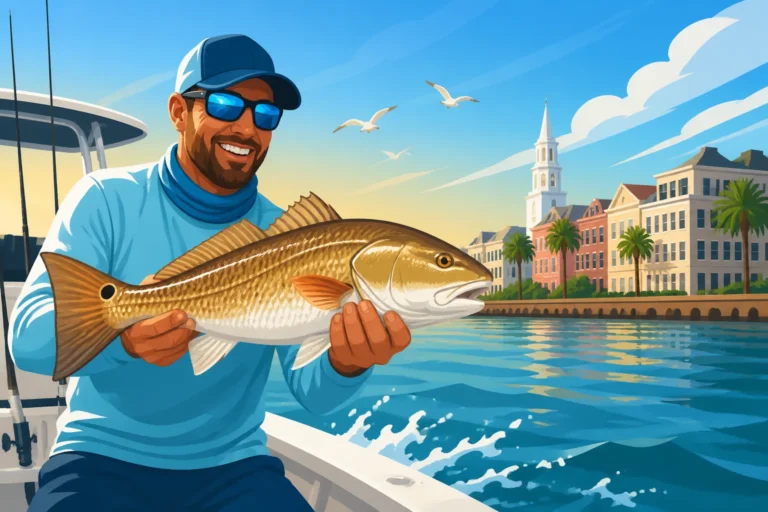
Inshore Charters: These trips stay within the protected waters of bays, estuaries, tidal creeks, and the shallow waters immediately adjacent to the barrier islands. This is the realm of the "Lowcountry slam" – redfish, speckled trout, and flounder. South Carolina Inshore Fishing Charters Explained goes into great detail about these trips. Inshore fishing often involves smaller, shallower draft boats like bay boats or skiffs, allowing captains to navigate skinny water and oyster beds. It's often very visual, with opportunities for sight fishing tailing redfish or casting to schooling trout. These trips are typically calmer, making them excellent for beginners, families with young children, or anyone prone to seasickness. The focus is on finesse, reading the tides, and targeting structure within the marsh.
Nearshore Charters: Venture just a bit further out, typically within a few miles of the beach, and you're in nearshore territory. Here, you'll often fish around artificial reefs, wrecks, and natural ledges that hold baitfish and larger predators. Common catches include smaller sharks, Spanish mackerel, king mackerel, barracuda, and various bottom fish like sea bass and snapper. These trips strike a nice balance – you get a taste of open ocean fishing without the long run times or potential for truly rough seas associated with deep offshore trips. Boats are usually larger center consoles, capable of handling a bit more chop. It's a great stepping stone between inshore and offshore, offering a different suite of species and techniques like trolling or bottom fishing.
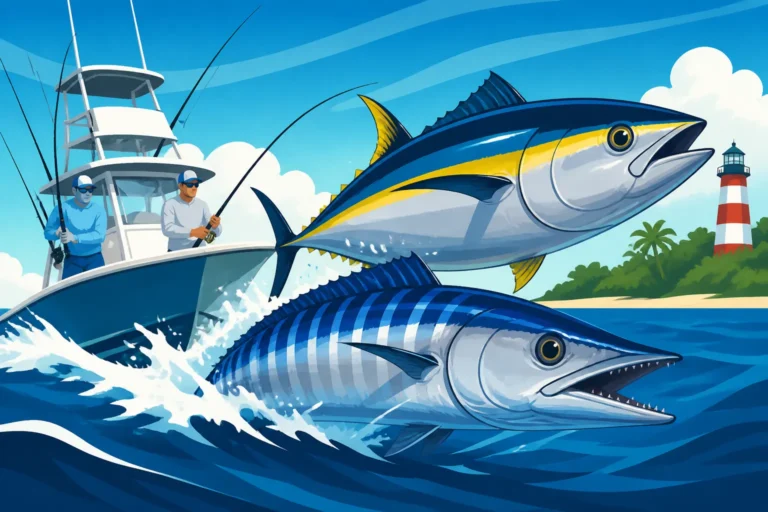
Offshore Charters: For the serious angler seeking big game, offshore is the ultimate adventure. South Carolina Offshore Fishing Charters Explained covers this in depth. These trips involve long runs (often 20+ miles) out to the Gulf Stream or other deepwater structures. Here, you’ll be targeting pelagic species like mahi-mahi (dolphin), wahoo, tuna (blackfin, yellowfin), marlin, and sailfish. The boats are much larger, often equipped with towers, outriggers, and advanced electronics, designed for comfort and safety far from land. Offshore trips are a full-day commitment, sometimes even multiple days, and can be physically demanding, but the reward of hooking into a truly powerful game fish is unparalleled. Be prepared for potentially rougher seas and a longer, more intense fishing experience.
Identifying Your Target Species: What Do You Dream of Catching?
Knowing what you want to catch helps narrow down your options significantly. Different fish inhabit different environments and respond to different techniques.
- Redfish: If you dream of battling a strong, copper-colored fighter in shallow marsh grass, you're looking for an inshore saltwater trip, particularly during flood tides. South Carolina Redfish Slot Limit Rules will be important to understand.
- Speckled Trout: These beautiful, feisty fish are also an inshore favorite, often found in grassy flats and around oyster beds. They offer a great light-tackle fight.
- Flounder: A delicious flatfish that lies in wait on the bottom, flounder fishing usually involves drifting live bait or artificials over sandy or muddy bottoms inshore or nearshore. Check out the Flounder Fishing Guide for South Carolina Anglers for more information.
- Largemouth Bass: If you're a fan of freshwater lunkers, look for charters on South Carolina's major lakes. Your captain will know the best spots for these aggressive predators.
- Striped Bass: Both freshwater lakes (like Lake Murray) and coastal rivers (during migrations) offer excellent opportunities for striped bass, known for their powerful runs.
- Mahi-Mahi (Dolphin), Tuna, Wahoo: These are strictly offshore targets, requiring a full-day commitment and a trip out to the deeper waters of the Atlantic.
- Sharks: Many nearshore charters offer shark fishing, often a thrilling experience that can be very exciting for kids and adults alike.
- Catfish: For those seeking a monster on the end of the line without leaving freshwater, the Santee Cooper lakes are legendary for their giant blue and flathead catfish.
Having a preferred target species will help your captain tailor the trip, choose the right tackle, and take you to the most productive spots.
Essential Considerations Before Booking Your Charter
Once you have a general idea of your desired fishing adventure, it's time to dig into the practicalities. Charters aren't a one-size-fits-all experience, and understanding the nuances of pricing, duration, and seasonality will ensure you book a trip that perfectly fits your expectations and budget.
Budgeting for Your Trip: Understanding Costs and Inclusions
Charter fishing isn't always the cheapest activity, but it's an investment in an unforgettable experience. Prices can vary widely based on location, boat size, trip duration, and the type of fishing.
- Cost Factors: A half-day inshore trip will naturally be less expensive than a full-day offshore excursion. The number of anglers can also influence the per-person cost, as most charters charge a flat rate for the boat, not per individual. When looking at prices, consider what seems reasonable for the area you're interested in. South Carolina Charter Fishing Costs and Trip Types gives a great overview of these variations.
- What's Included: Most reputable charters include essential items. This typically covers:
- Fishing Licenses: Often, the charter boat holds a blanket license that covers all passengers, so you don't need your own individual South Carolina Fishing License Guide. However, always confirm this before you go.
- Rods, Reels, and Tackle: High-quality gear appropriate for the target species will be provided.
- Bait: Live bait, dead bait, and artificial lures will be on board.
- Safety Equipment: Life jackets, first-aid kits, and other necessary safety gear are standard.
- Captain and Mate (if applicable): Their expertise and service are a core part of the cost.
- What's Usually Not Included:
- Food and Drink: While some charters might provide bottled water, it's generally expected that you bring your own snacks, lunch, and beverages.
- Sun Protection: Sunscreen, hats, and sunglasses are your responsibility.
- Rain Gear: If there's a chance of inclement weather, bring your own waterproof outerwear.
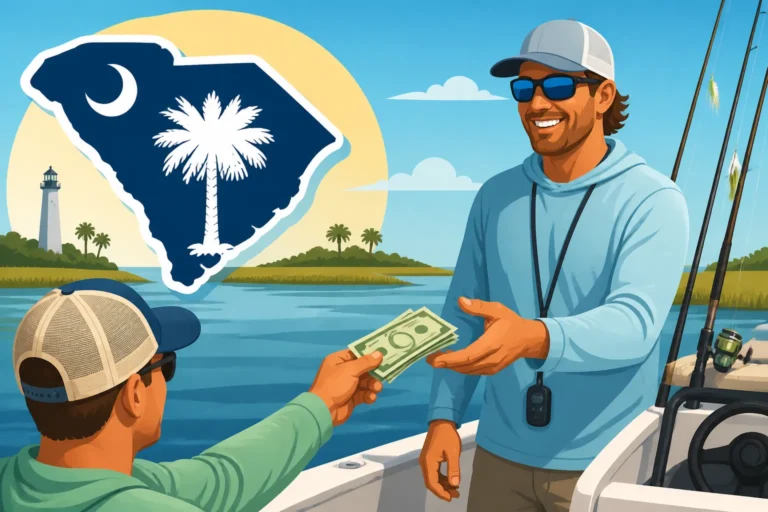
- Tipping: Gratuity for the captain and mate is customary and expected, usually 15-20% of the trip cost. This can add a significant amount to your overall budget, so factor it in. Tipping Your South Carolina Fishing Guide offers more insight.
- Fish Cleaning: While many captains and mates will clean and fillet your catch, some might charge a small fee for this service. Always clarify this upfront.
Always ask for a clear breakdown of costs and inclusions before booking. This prevents any unpleasant surprises on the day of your trip.
Group Size and Trip Duration: Matching the Experience to Your Crew
The number of people in your party and how long you want to be on the water will heavily influence your charter choice.
- Group Size: Charter boats have strict capacity limits set by the Coast Guard. Most inshore boats accommodate 2-4 anglers comfortably, while larger offshore boats can handle 6 or more. If you have a larger group, you might need to book a bigger boat or even multiple boats. Consider a "private" charter (where you book the entire boat for your group) versus a "shared" or "head boat" charter (where you pay per person and fish with other individuals). Private charters offer more flexibility and personalized attention, while shared charters can be more budget-friendly.
- Trip Duration:
- Half-Day (4-5 hours): Ideal for families with young children, beginners, or those with limited time. It's usually enough time to get to a few spots, catch some fish, and get back before fatigue sets in. Inshore trips often work well as half-days.
- Full-Day (6-8 hours): The most popular option, offering ample time to travel to further fishing grounds, try multiple techniques, and target a wider variety of species. Offshore trips almost always require a full day or longer.
- Extended or Specialty Trips (8+ hours): Some charters offer longer trips for specific targets (like deep dropping for snapper/grouper or chasing tuna far offshore) or night fishing excursions.
Think about the stamina and interest level of everyone in your group. A full day offshore can be a lot for a first-timer or a very young child.
Best Time to Go: Seasons, Tides, and Weather
Fishing is highly seasonal and weather-dependent. Understanding these factors will maximize your chances of success and enjoyment.
- Seasonal Fishing: South Carolina experiences distinct fishing seasons. For example, redfish and trout are great year-round inshore, but their patterns change. King mackerel and mahi-mahi are typically summer species offshore. Striped bass are often best in freshwater during cooler months. Best Time of Year to Book a South Carolina Fishing Charter provides an excellent seasonal breakdown.
- Spring (March-May): Generally excellent for a wide variety of species as water temperatures rise and fish become more active.
- Summer (June-August): Great for offshore pelagics, but inshore can be hot, requiring early morning or late evening trips. Night fishing for catfish is popular.
- Fall (September-November): Often considered the best time for inshore fishing ("fall run") as baitfish migrate and predators feed aggressively. Offshore can still be productive.
- Winter (December-February): Slower overall, but can offer fantastic opportunities for trophy redfish inshore and striped bass in freshwater. Many charters scale back operations or focus on specific winter patterns.
- Tides (Saltwater Only): For saltwater fishing, tides are everything. Fish activity, especially inshore, is heavily influenced by tidal movement. An experienced captain will plan your trip around the most favorable tides for your target species. Don't be surprised if your charter time shifts based on the tide schedule.
- Weather: Wind, rain, and storms can affect any fishing trip. Reputable captains prioritize safety.
- Wind: Can make seas choppy, impacting comfort and fishing conditions.
- Rain: While often unpleasant, rain itself doesn't always deter fish. However, lightning and heavy downpours are dangerous.
- Storms: Charters will be cancelled or rescheduled for severe weather, hurricanes, or strong fronts. Always understand the South Carolina Charter Fishing Cancellation and Weather Policy before booking.
Be flexible with your dates if possible, allowing your captain to choose the best weather window.
The Step-by-Step Booking Process
You've envisioned your trip and considered the practicalities. Now it's time to make it happen! The booking process is fairly straightforward, but a little due diligence goes a long way to ensure a smooth experience.
Researching and Comparing Charter Options
This is where you put your detective hat on. The internet is your friend, but don't just pick the first listing you see.
- Online Platforms: Websites like FishingBooker are excellent resources for finding and comparing charters. They allow you to filter by location, trip type (inshore, offshore, freshwater), target species, price range, and boat amenities. You can read reviews from other anglers, which provides invaluable insight into a captain's communication, professionalism, and fishing success. Mentioning FishingBooker specifically, it’s a good starting point because it aggregates many local guides and charters, making it easier to see what’s available in areas like Charleston, Hilton Head, or Myrtle Beach without having to visit dozens of individual websites.
- Local Marinas and Bait Shops: Don't underestimate the power of local knowledge! If you're already in South Carolina, visit local marinas or bait and tackle shops. They often have business cards for local guides, can recommend captains with good reputations, and give you the inside scoop on who's hot and what's biting.
- Direct Websites and Social Media: Many captains have their own websites and active social media pages (Facebook, Instagram) where they post recent catches, boat photos, and availability. This can give you a feel for their personality and typical trips.
- Read Reviews: Pay close attention to reviews. Look for consistency in positive feedback regarding the captain's knowledge, friendliness, boat cleanliness, and ability to put clients on fish. If you see recurring negative comments, take them seriously.
When comparing, look at what each charter specializes in. Some are bass-fishing experts, others are redfish gurus, and some might excel at offshore trolling. Match their specialty to your desired experience.
Communicating with Your Captain
Once you've narrowed down a few options, reach out! Direct communication is key to a successful trip. Don't be afraid to ask questions.
- Initial Inquiry: Whether by phone or email (many online platforms facilitate this), introduce yourself, state your desired fishing dates (or a range), your group size, and your preferred type of trip and target species.
- Key Questions to Ask:
- Availability: Confirm your dates.
- Pricing: Reconfirm the total cost, deposit required, and what is specifically included/excluded (e.g., What's Included in a South Carolina Charter Fishing Trip).
- Licenses: "Do I need to buy a separate South Carolina Fishing License Requirements or is it covered by the boat?"
- Fish Cleaning: "Will you clean and bag our catch, and is there an extra fee?"
- Equipment: "What kind of tackle do you use? Is it suitable for what we want to catch?"
- Experience Level: "Is this trip suitable for beginners/children?" If you're bringing kids, ask about Fishing License Rules for Kids in South Carolina and if the captain is good with young anglers.
- Contingency: "What's your policy if the weather is bad?" (Refer back to the South Carolina Charter Fishing Cancellation and Weather Policy).
- Specific Requests: If you have any dietary restrictions (if snacks are provided), physical limitations, or a strong preference for a certain type of fishing technique, mention it now.
A good captain will be happy to answer all your questions and make you feel comfortable. If they seem evasive or unwilling to provide clear answers, it might be a red flag.
Confirming Your Booking and Understanding Policies
You've found your perfect match! Now it's time to seal the deal.
- Deposit: Most charters require a deposit (often 25-50% of the total cost) to secure your date. Understand the payment methods accepted and when the balance is due.
- Confirmation: Get a confirmation in writing (email is fine) detailing the date, time, price, deposit paid, remaining balance, meeting location, and contact information.
- Cancellation Policy: Re-read and understand the charter's cancellation policy. What happens if you need to cancel? What if the captain cancels due to weather? Knowing this upfront prevents disputes later.
- Meeting Location and Time: Confirm the exact marina, dock, or boat ramp, and the precise meeting time. Ask for any specific directions or parking information.
- What to Expect: Ask the captain what you should do upon arrival. Will they be waiting? Is there a specific boat name to look for? This helps reduce anxiety on the morning of your trip.
Platforms like FishingBooker often streamline this process by handling deposits and providing clear booking confirmations and policies, adding an extra layer of convenience and trust.
Preparing for Your South Carolina Fishing Charter
The booking is done, the date is set, and the excitement is building! Now it's time for the final preparations to ensure your day on the water is comfortable, safe, and productive.
What to Pack: Essentials for a Comfortable Trip
Even if the charter provides all the fishing gear, there are personal items you absolutely need to bring for a successful day. What to Bring on a South Carolina Fishing Charter details this comprehensively.
- Sun Protection: South Carolina sun can be intense, even on cloudy days. This is non-negotiable.
- Sunscreen: High SPF, waterproof. Apply it generously and often.
- Hat: Wide-brimmed is best to protect your face, ears, and neck.
- Sunglasses: Polarized sunglasses are highly recommended. They reduce glare off the water, helping you see fish and structure more clearly, and protect your eyes.
- Long-Sleeved Shirt: Lightweight, breathable, and UV-protective clothing is excellent for preventing sunburn.
- Clothing: Dress in layers. Even on a hot day, mornings can be cool, and offshore breezes can pick up. Quick-drying fabrics are always a good idea.
- Footwear: Wear comfortable, non-slip shoes with good grip. Flip-flops might seem appealing, but they offer little protection or stability on a wet, rocking boat.
- Food and Drink:
- Water: Bring plenty of water to stay hydrated. Dehydration can quickly ruin a fun day.
- Snacks/Lunch: Pack easy-to-eat items that don't require much preparation. Sandwiches, fruit, granola bars are perfect. Avoid overly greasy foods that can contribute to seasickness.
- Cooler: While the boat might have a cooler for your catch, you'll likely need your own small cooler for your personal food and drinks.
- Personal Items:
- Medications: If you have any prescription medications, bring them. If you're prone to seasickness, take medication before you board the boat, as per package directions.
- Camera/Phone: Capture those memories! But be mindful of splashes and use a waterproof case if possible.
- Small Towel: Handy for wiping hands or drying off splashes.
It's also a good idea to bring an extra bag for any fish you might bring home, although many charters will have bags ready.
Onboard Etiquette and Expectations
A fishing charter is a partnership between you and your captain. Following a few simple rules of etiquette ensures a smooth and enjoyable experience for everyone.
- Listen to Your Captain: The captain is the expert and responsible for your safety and success. Pay attention to their instructions, whether it's how to hold a rod, where to stand, or what to do when a fish bites. They know the water, the fish, and their boat intimately.
- Safety First: Always follow safety briefings and instructions. Keep an eye on where you're walking, especially when the boat is moving or the deck is wet.
- Respect the Gear: The boat's equipment is expensive. Handle rods, reels, and other tackle with care. If you're unsure how to use something, ask.
- Be Mindful of Others: If you're on a shared charter, give other anglers space and avoid hogging prime spots.
- Keep the Boat Clean: Dispose of trash properly in designated bins. Help keep the deck clear of clutter.
- Enjoy the Experience: Fishing isn't always about catching the biggest fish. Sometimes it's about the camaraderie, the scenery, and the simple joy of being on the water. Embrace whatever the day brings!
Remember, fishing regulations, such as South Carolina Redfish Slot Limit Rules or Spotted Seatrout Size and Bag Limits in South Carolina, are strictly enforced. Your captain will ensure you stay within legal limits, but it's good to be aware of them yourself.
Post-Trip Considerations: Fish Cleaning and Tipping
The lines are in, the day is done, but there are a couple more steps to consider.
- Fish Cleaning: Most South Carolina charter captains or mates will offer to clean and fillet your legal catch. As mentioned before, confirm if there’s a separate fee for this service. If they do charge, it’s usually a small, reasonable amount. They’ll typically bag your fillets, making them ready for your cooler. Be ready with your cooler in your car to transfer your fresh catch immediately.
- Tipping Your Guide: Tipping is a crucial part of the charter experience and shows appreciation for the captain's and mate's hard work, knowledge, and service. A standard gratuity is 15-20% of the total trip cost. If the crew went above and beyond, or if you had an exceptionally good day of fishing, consider tipping at the higher end or even more. This tip should be in cash if possible, given directly to the captain or mate at the end of the trip. They work incredibly hard to ensure you have a great time, often starting before sunrise and finishing long after you've left the dock.
By planning carefully and keeping these steps in mind, you’ll be well on your way to a fantastic South Carolina fishing charter adventure, creating memories that will last a lifetime.
Disclaimer
This article is for general informational purposes only and does not constitute professional advice. Laws, prices and regulations vary by location and change over time. Consult a qualified professional for guidance on your specific situation.