Hilton Head Tuna and Wahoo Charter Trips
The dream of hooking into a powerful tuna or the lightning-fast wahoo off the coast of Hilton Head Island is a bucket-list item for many serious anglers, but the thought of planning such an extensive offshore trip can feel overwhelming. You might be wondering if it's even feasible, what kind of boat you'd need, or if you're skilled enough for such a challenge. This comprehensive guide is here to demystify Hilton Head tuna and wahoo charter trips, breaking down everything from what these exhilarating excursions entail to how to prepare for your epic deep-sea adventure.
Understanding Tuna and Wahoo Fishing Off Hilton Head
For many anglers, the pursuit of tuna and wahoo isn't just about catching fish; it's about the ultimate test of skill, endurance, and strategy against some of the ocean's most formidable predators. These aren't your typical inshore catches, and the experience of battling one of these pelagic powerhouses is truly unforgettable.
The Allure of Tuna and Wahoo
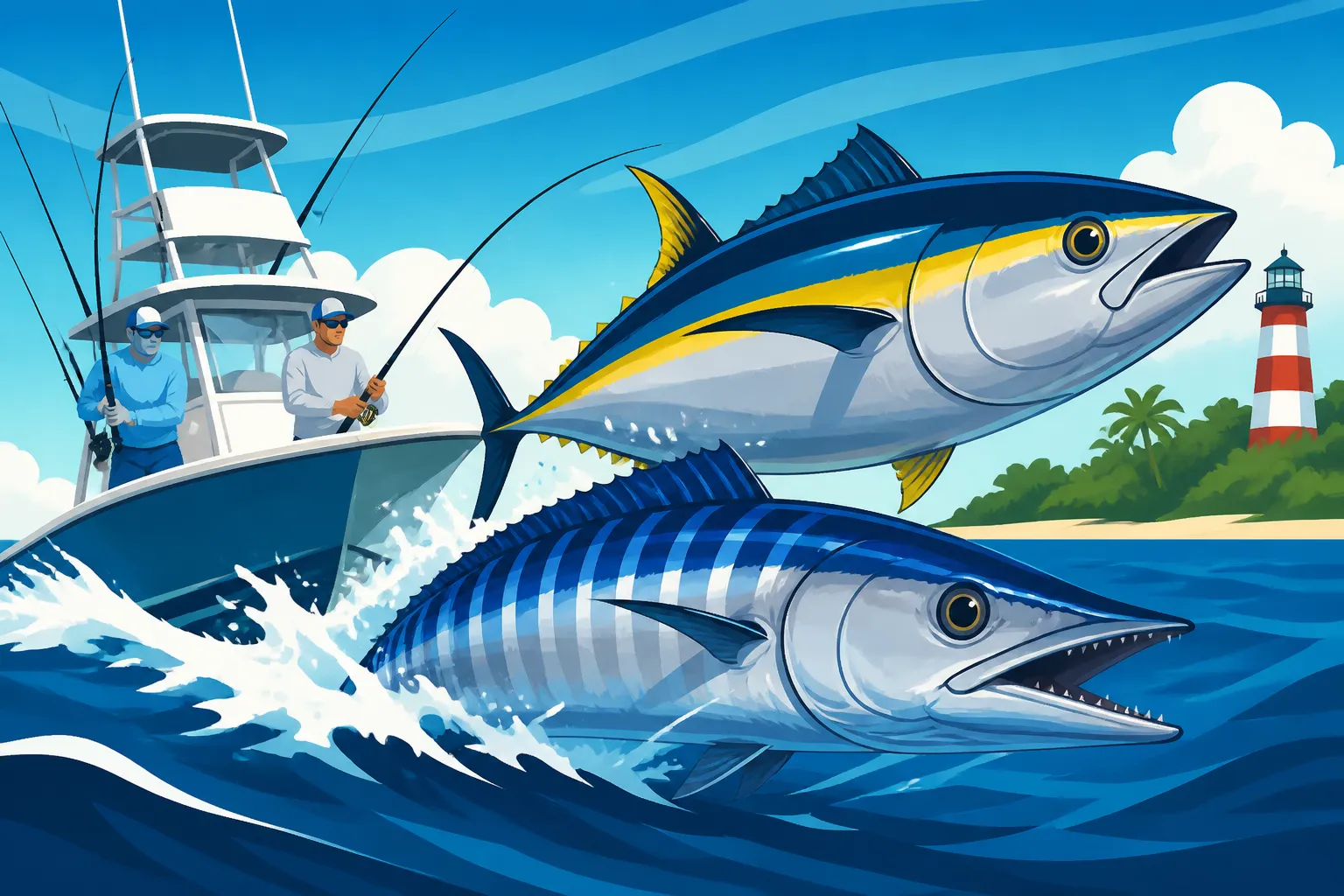
Tuna and wahoo are highly sought after for a multitude of reasons, making them prime targets for offshore fishing charters from Hilton Head. First, there's the sheer thrill of the fight. Tuna, like the powerful yellowfin, are known for their incredible speed and stamina, making long, drag-screaming runs that will test your tackle and your muscles. Wahoo, on the other hand, are absolute torpedoes of the ocean, often hitting lures at blistering speeds that can exceed 50 miles per hour, delivering a shockwave that's unlike any other strike. Their initial run is often so fast it can make your reel sing, and they boast razor-sharp teeth that demand careful handling.
Beyond the fight, both species are highly prized for their culinary value. Freshly caught tuna, especially yellowfin, is a delicacy, perfect for sashimi, grilling, or searing. Wahoo, with its firm, white flesh, is also excellent table fare, often described as having a mild, sweet flavor. For many, the satisfaction of bringing home such a prestigious catch is a huge part of the appeal.
Where to Find Them: The Offshore Realm
When you're chasing tuna and wahoo from Hilton Head, you're not going to be fishing in sight of land. These are true blue-water pelagic species, meaning they live in the open ocean, often far offshore. The primary hunting grounds for these fish lie in the deeper waters of the Atlantic, particularly near the edge of the continental shelf and, most importantly, in and around the Gulf Stream.
The Gulf Stream is a warm, fast-moving ocean current that acts like a marine highway, bringing nutrient-rich waters and a diverse array of baitfish, which in turn attract larger predators like tuna and wahoo. This means a significant run out from Hilton Head, typically ranging from 40 to 80 miles, sometimes even further. These trips are an all-day affair, designed to get you to where these magnificent creatures thrive, and they require a robust, ocean-capable vessel with an experienced captain who knows these waters intimately.
Prime Seasons for Tuna and Wahoo Fishing
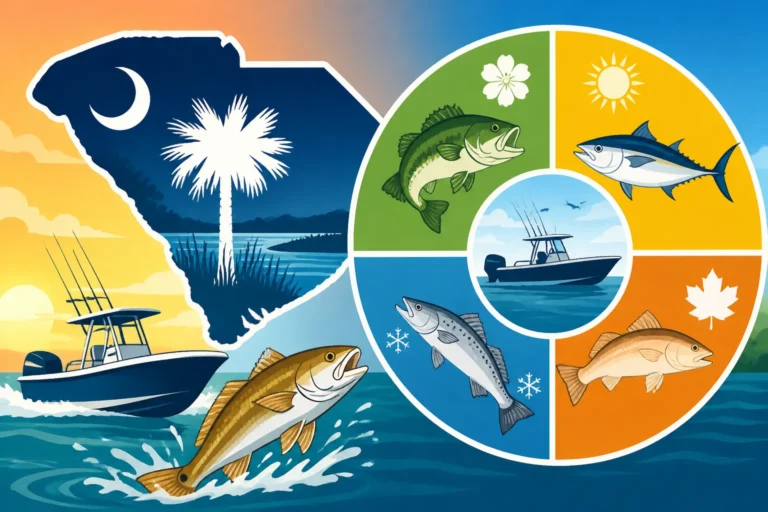
While some offshore species can be caught year-round, tuna and wahoo have specific peak seasons off the Hilton Head coast, largely dictated by water temperature and the migration patterns of their prey. Generally, the warmer months are prime.
Spring and summer are often considered the sweet spot. As the water temperatures rise and the Gulf Stream pushes closer to the coast, baitfish become more abundant, drawing in the tuna and wahoo. Late spring, especially May and June, can be fantastic for yellowfin tuna, while wahoo tend to be strong throughout the summer and into the early fall.
It's crucial to remember that ocean conditions can change rapidly, and the "best time" can vary slightly from year to year. A seasoned charter captain will always have the most up-to-date information on where the fish are biting and what conditions are favorable. For a broader understanding of fishing throughout the year, check out our South Carolina Fishing Seasons Guide and our advice on the Best Time of Year to Book a South Carolina Fishing Charter.
What to Expect on a Hilton Head Tuna and Wahoo Charter Trip
These aren't your typical leisurely coastal cruises. Tuna and wahoo charters are serious offshore expeditions, demanding specialized boats, gear, and an expert crew. Understanding what to expect can help manage expectations and ensure you're ready for the adventure.
Trip Duration and Distance
Forget about a quick two or four-hour trip. Targeting tuna and wahoo means heading far offshore, which translates to long days on the water. Most charters for these species are full-day trips, typically 10 to 12 hours from dock to dock. Some specialized trips might even offer extended 16-hour or overnight excursions for maximum fishing time. The majority of this time is spent traveling to and from the fishing grounds, which can be anywhere from 40 to 80 miles out. This means several hours of cruising each way, so be prepared for the journey.
The Vessel and Crew
Offshore tuna and wahoo charters operate on substantial vessels, usually sportfishing yachts or large center consoles, designed to handle open ocean conditions comfortably and safely. These boats are equipped with powerful engines for quick runs, advanced navigation and fish-finding electronics, outriggers for trolling multiple lines, and ample deck space for fighting big fish.
Perhaps most importantly, you'll be fishing with a highly experienced captain and often a dedicated mate or two. This crew is paramount to a successful trip. They know the offshore waters, understand the intricate patterns of pelagic fish, and are skilled in all aspects of deep-sea fishing, from rigging baits to coaching anglers through a tough fight. Their expertise is invaluable, and they work tirelessly to put you on the fish and ensure your safety.
Fishing Techniques and Gear
The primary technique for tuna and wahoo on these charters is high-speed trolling. This involves dragging a spread of artificial lures, baits, or a combination of both behind the boat at various speeds. Outriggers are used to spread lines wide, covering a larger area and preventing tangles. The captain will constantly monitor sonar and GPS to stay over productive depths and structures, or within the preferred temperature breaks of the Gulf Stream.
The gear used is heavy-duty, designed to withstand the immense power of these fish. You'll be using robust conventional rods and reels spooled with heavy monofilament or braided line, capable of handling hundreds of pounds of drag. Don't worry about bringing your own; all necessary top-of-the-line tackle is provided by the charter. The crew will set up the spread, explain the techniques, and be right there to assist when a fish hits, helping you get into the fighting chair if needed, and offering guidance through the battle. You can learn more about what's typically included by reading What's Included in a South Carolina Charter Fishing Trip and South Carolina Charter Fishing Licenses and Gear Included.
Beyond Tuna and Wahoo: Other Pelagic Species
While tuna and wahoo are the main targets, offshore fishing is always an adventure with potential for other exciting catches. Depending on the season and where you're fishing in the Gulf Stream, you might also encounter:
- Mahi-Mahi (Dolphin Fish): Known for their vibrant colors and acrobatic fights, mahi-mahi are a common and welcome bycatch on tuna and wahoo trips.
- Billfish: Sailfish and marlin, though less common than tuna or wahoo, are sometimes hooked while trolling. These are often catch-and-release only, but provide an incredible experience.
- King Mackerel: While typically found closer to shore, larger king mackerel can sometimes be found further out, especially around bait schools.
Booking Your Tuna and Wahoo Charter: Key Considerations
Embarking on a tuna and wahoo charter is a significant investment and an epic undertaking, so choosing the right operator and knowing what to expect financially is crucial.
Choosing a Reputable Charter Operator
Finding the right captain and crew is perhaps the most important decision you'll make. You want an operator with extensive experience in offshore fishing specifically out of Hilton Head. Look for captains who specialize in targeting pelagic species and have a proven track record. Websites like FishingBooker are excellent resources for finding reputable charters, allowing you to read reviews, compare boats, and see detailed descriptions of the trips offered. Pay attention to how long the captains have been operating in the area and if their primary focus aligns with your goals for tuna and wahoo.
Don't hesitate to reach out directly to charters with any questions you might have about their experience, safety procedures, and specific target species. A good captain will be happy to discuss the details of their trips. You can get more general advice on selecting a trip by consulting How to Book a Fishing Charter in South Carolina.
Cost Considerations for Offshore Trips
Let's be realistic: tuna and wahoo charters are among the more expensive fishing trips you can book. This is due to several factors:
- Fuel Consumption: Running a large, powerful boat 100+ miles round trip consumes a substantial amount of fuel.
- Time and Crew: These are long days for the captain and crew, and their expertise is a premium service.
- Maintenance and Gear: Offshore boats and heavy tackle require significant investment and maintenance.
While specific prices will vary greatly, expect these full-day offshore trips to be considerably more than inshore or half-day excursions. It's common for these trips to be booked by the boat, rather than per person, making them ideal for small groups looking to split the cost. Always confirm what's included in the price – typically, licenses for everyone on board, all gear, bait, and a cooler with ice are standard. However, drinks, snacks, and especially gratuity for the crew are usually separate. Understanding the different price points can be explored further in South Carolina Charter Fishing Costs and Trip Types.
Important Questions to Ask Before Booking
Before you finalize your booking, have a list of questions ready for the charter captain or booking agent. This will ensure clarity and prevent any surprises.
- What is the exact trip duration and typical run time to the fishing grounds? This helps you understand how much actual fishing time you'll have.
- What is your cancellation policy, especially for weather? Offshore trips are highly weather-dependent, so understanding their policy for rough seas or storms is crucial.
- What is the policy for keeping fish? While you're hoping for a cooler full of fresh tuna and wahoo, some charters might have specific guidelines on how much fish you can keep, especially if targeting multiple species.
- What should we bring? Get a clear list of recommended items, beyond just personal snacks and drinks.
- Is cleaning and filleting of the catch included? Most reputable charters offer this service, but it's good to confirm.
- What is the recommended gratuity for the mate/crew? Tipping is customary and very much appreciated in the charter fishing industry for excellent service. A general guideline is 15-20% of the trip cost. For more details on this, check out How Much to Tip Your South Carolina Fishing Guide.
| Trip Type | Target Species | Typical Duration | Distance Offshore (approx.) | Primary Technique | Experience Level |
|---|---|---|---|---|---|
| Tuna & Wahoo Charter | Tuna (Yellowfin, Blackfin), Wahoo, Mahi-Mahi, Billfish | 10-12+ hours | 40-80+ miles | High-Speed Trolling | Intermediate-Expert |
| Inshore Charter | Redfish, Trout, Flounder, Sheepshead | 4-6 hours | Estuaries, creeks, nearshore | Light Tackle, Live Bait | Beginner-Intermediate |
| Nearshore Reef Trip | Snapper, Grouper, King Mackerel, Amberjack | 6-8 hours | 10-30 miles | Bottom Fishing, Trolling | Beginner-Intermediate |
Preparing for Your Offshore Adventure
Once your trip is booked, it's time to prepare yourself for the unique challenges and rewards of deep-sea fishing. A little preparation goes a long way in making your experience more enjoyable and successful.
Physical Preparation and Seasickness Prevention
Offshore fishing is physically demanding. You'll be on a moving boat for many hours, exposed to the sun, wind, and potentially rough seas. Fighting a large tuna or wahoo can be a strenuous workout, requiring strength and endurance.
One of the biggest concerns for many first-time offshore anglers is seasickness. Don't let it ruin your trip! Here are some tips:
- Over-the-counter remedies: Medications like Dramamine or Bonine work best when taken the night before your trip and again in the morning.
- Acupressure wristbands: Some people find these effective.
- Stay hydrated and eat light: Avoid heavy, greasy foods before and during the trip. Stick to bland snacks.
- Stay above deck and look at the horizon: Fresh air and a fixed point of reference can help.
- Avoid alcohol the night before: Hangovers and seasickness are a terrible combination.
If you are prone to motion sickness, discuss options with your doctor beforehand.
What to Pack for the Day
Even though the charter provides all the fishing gear, there are essential personal items you'll want to bring to ensure your comfort and safety during a long day offshore.
- Sun Protection: This is non-negotiable. The sun's reflection off the water amplifies UV exposure. Bring a wide-brimmed hat, polarized sunglasses, long-sleeved UPF clothing, and plenty of high-SPF sunscreen.
- Layered Clothing: Offshore temperatures can fluctuate. It might be cool in the morning run out, hot in the midday sun, and cool again on the way back. Layers allow you to adjust. A good quality waterproof and windproof jacket is highly recommended, even on sunny days, for spray and wind chill.
- Food and Drinks: While some charters might offer water, it's always best to bring your own substantial snacks, sandwiches, and plenty of non-alcoholic beverages. A small cooler for your personal items is a good idea.
- Comfortable, Non-Skid Shoes: The boat deck can get wet and slippery. Closed-toe, non-marking shoes with good grip are essential for safety.
- Camera: You'll want to capture those epic moments! Just make sure it's waterproof or in a protective case.
- Small Dry Bag: Great for keeping your phone, wallet, and other valuables dry.
- Plastic Bags/Cooler for Your Catch: While the crew will typically clean and bag your fish, having an extra cooler in your vehicle for the ride home is always smart.
For a more exhaustive list, refer to our A Packing Checklist for a Full-Day South Carolina Charter and What to Bring on a South Carolina Fishing Charter.
Understanding Regulations and Licensing
The good news is that when you book a reputable fishing charter in South Carolina, the captain typically provides the necessary fishing licenses that cover everyone on board for the duration of the trip. This means you won't usually need to purchase an individual South Carolina Fishing License Guide specifically for your charter. However, it's still a good idea to confirm this detail with your captain when booking, just for peace of mind.
While the captain is responsible for knowing and adhering to all federal and state regulations regarding catch limits, size restrictions, and seasons for tuna, wahoo, and other pelagic species, it doesn't hurt to be generally aware. These rules are in place to ensure the sustainability of fish populations. Your captain will guide you on what fish can be kept and what must be released, making sure your trip is both thrilling and responsible.
Embarking on a Hilton Head tuna and wahoo charter is an extraordinary way to experience the thrill of offshore fishing and connect with the immense power of the ocean. With the right preparation and a skilled crew, you're set for an unforgettable adventure.
Disclaimer
This article is for general informational purposes only and does not constitute professional advice. Laws, prices and regulations vary by location and change over time. Consult a qualified professional for guidance on your specific situation.