Myrtle Beach Fishing Charters and Trip Options
Planning a fishing trip to Myrtle Beach can feel a bit overwhelming, especially with so many options and beautiful stretches of water to explore. You might be wondering if a charter is worth it, what kind of trip best suits your family or skill level, and what you can even expect to catch. This comprehensive guide is here to demystify Myrtle Beach fishing charters, breaking down the various trip options available, the species you can target, and how to pick the perfect outing for an unforgettable experience on the South Carolina coast.
Why Choose a Fishing Charter in Myrtle Beach?
Many anglers, from seasoned veterans to families with young children, find that booking a fishing charter is an incredible way to experience the diverse waters around Myrtle Beach. It takes the guesswork out of planning and provides access to local knowledge that would take years to acquire on your own. You're not just booking a boat; you're securing a floating classroom and a direct line to the area's best fishing spots.
Expertise on Local Waters
One of the biggest advantages of a fishing charter is the unparalleled local expertise you gain from your captain and crew. These professionals spend countless hours on the water, tracking fish movements, understanding seasonal patterns, and knowing exactly where the bite is hot. They know the subtle nuances of the tides in Murrells Inlet, where the deep-water wrecks hold snapper and grouper offshore, and even the hidden oyster beds where redfish like to ambush bait. Trying to navigate these complex waters and find productive spots on your own, especially if you're visiting for the first time, can be incredibly challenging and often leads to less successful outings. A good captain can save you hours of fruitless searching, ensuring your precious time on the water is spent productively. This expertise is particularly invaluable when targeting specific species, as they know the preferred habitats and feeding behaviors.
Convenience and Equipment
Imagine showing up to your fishing trip without having to worry about bait, tackle, rods, reels, or even a fishing license (for most charters, the boat's license covers everyone on board, though always confirm this when booking). That's the convenience a charter offers. Everything you need for a successful day of fishing is typically provided, meticulously maintained, and ready to go. You won't have to invest in expensive gear that you might only use once or twice a year, nor will you spend hours rigging lines or cutting bait. For families, this means less stress and more enjoyment, as kids can jump right into the action. It also frees up space in your car that would otherwise be filled with coolers, rods, and tackle boxes. This convenience extends to safety as well, as charter boats are equipped with all necessary safety gear, from life vests to first-aid kits, and the captains are experienced in handling various sea conditions.
Targeting Specific Species
Have you always dreamed of battling a mighty king mackerel, or perhaps catching a mess of flounder for dinner? A fishing charter allows you to focus on specific species you might not be able to target effectively on your own. Charter captains specialize in certain types of fishing and know the best techniques, baits, and locations for particular fish. Whether it's jigging for speckled trout in the backwaters, slow-trolling live bait for mahi-mahi offshore, or casting artificials for tailing redfish on the flats, your captain will have a strategy tailored to your target. They follow the South Carolina Fishing Seasons Guide closely, understanding when certain fish are most active and where they can be found. This focused approach dramatically increases your chances of success for the fish you're most excited to catch, turning a general fishing trip into a targeted angling adventure.
Understanding Myrtle Beach Charter Trip Types
Myrtle Beach offers a fantastic range of fishing charter experiences, catering to every preference, skill level, and budget. The primary distinction often lies in how far offshore you're willing to venture. From the serene, shallow estuaries to the vast, deep blue ocean, each trip type promises a unique adventure and targets different species.
Inshore Charters: Exploring the Backwaters
Inshore charters are perfect for those who prefer calm waters and don't want to venture far from land. These trips typically focus on the shallow bays, tidal creeks, estuaries, and protected sounds along the coast, like the salt marshes surrounding Murrells Inlet or the Intracoastal Waterway. The water here is generally much calmer than offshore, making it an excellent choice for families with young children, first-time anglers, or anyone prone to seasickness. The boats used for inshore fishing are usually smaller, shallower-draft vessels that can navigate the intricate network of creeks and flats.
On an inshore trip, you'll be targeting classic Lowcountry species such as redfish (also known as spottail bass), speckled trout, and flounder. Your captain will guide you to oyster beds, grass lines, docks, and creek mouths where these fish feed. Techniques often include casting artificial lures, live bait fishing with shrimp or mud minnows, or even sight-fishing in clear, shallow water. It's an immersive experience that really connects you with the coastal ecosystem, offering beautiful scenery and often abundant action. Plus, you’re usually just a short boat ride from the dock, maximizing your actual fishing time. If you're keen on catching South Carolina Redfish Slot Limit Rules or South Carolina Spotted Seatrout Minimum Size 14 Inches, an inshore charter is your best bet for consistent action.
Nearshore Charters: The Middle Ground
Nearshore charters bridge the gap between inshore and offshore fishing. These trips typically take you anywhere from a few miles to about 10-20 miles off the coast, still within sight of land on a clear day, but far enough out to encounter different species and structures. The waters can be a bit choppier than inshore, but generally less so than deep offshore. Nearshore trips often target artificial reefs, natural live bottom areas, or wrecks that are relatively close to shore.
On a nearshore trip, you might find yourself bottom fishing for snapper, black sea bass, and grouper, or trolling for Spanish mackerel and king mackerel. Depending on the time of year, you could also encounter barracuda or even smaller sharks. This type of trip offers a wider variety of species than inshore fishing and provides a more open-water experience without the long run times and higher costs associated with true deep-sea trips. It’s a great option for anglers looking for a bit more adventure and a broader range of potential catches, but who aren't quite ready for the full offshore experience. Many charters offer 4-6 hour trips that fall into this category, striking a good balance of travel time and fishing action.
Offshore/Deep Sea Charters: Adventure on the Blue Water
For the ultimate angling adventure, offshore or deep sea charters are the way to go. These trips take you well beyond sight of land, often 30-70 miles or more into the Atlantic Ocean, venturing into waters hundreds or even thousands of feet deep. This is where the big game fish roam, and the experience is truly epic. Due to the distance traveled, these trips typically involve longer durations, usually full-day (8-12 hours) or even extended overnight excursions.
On an offshore charter, you'll be targeting pelagic species like mahi-mahi (dorado), wahoo, tuna (including blackfin and sometimes yellowfin), sailfish, and marlin. The primary technique is often trolling with a spread of lures and baits, covering vast areas to find hungry fish. You might also stop to bottom fish over significant wrecks or natural reefs in deeper water for large grouper, snapper, and amberjack. These trips require larger, more robust boats capable of handling open ocean conditions, and experienced captains who are experts in navigation and big-game tactics. While the waters can be rougher, the thrill of hooking into a powerful tuna or a acrobatic mahi-mahi is an unforgettable experience for many anglers. If you're chasing Mahi-Mahi Charter Fishing Trips in South Carolina or Tuna and Wahoo Charters off the South Carolina Coast, this is your ticket to paradise.
Common Trip Lengths and What to Expect
When booking a fishing charter in Myrtle Beach, one of the first decisions you'll make, beyond the type of fishing, is how long you want to be out on the water. Trip lengths vary considerably, each offering a different balance of fishing time, cost, and overall experience. Understanding these options will help you pick the perfect adventure for your group.
Half-Day Charters: Quick Bites of Action
Half-day charters are incredibly popular, especially for families and those new to charter fishing. These trips typically last around 4 to 5 hours, from the time you leave the dock until you return. They are often offered in the mornings and afternoons, providing flexibility for your vacation schedule. The shorter duration means less time spent traveling to fishing grounds and more immediate action.
You'll usually be fishing inshore or nearshore on a half-day trip. Inshore half-days are fantastic for targeting redfish, speckled trout, and flounder in the calm creeks and bays. Nearshore half-days might take you to artificial reefs or close-in wrecks for black sea bass, snapper, or Spanish mackerel. These trips are ideal if you have young children with shorter attention spans, or if you simply want a taste of fishing without committing to a full day on the water. They are also generally more budget-friendly than full-day trips. While the species diversity might be slightly less than longer trips, the chances of consistent action and a fun, memorable experience are still very high. For many, a South Carolina Half-Day Charter Fishing Cost is an accessible way to get on the water.
Full-Day Charters: Maximizing Your Time on the Water
Full-day charters, typically lasting 8 to 10 hours, offer a much more comprehensive fishing experience. With a longer duration, your captain has the flexibility to travel further, explore more varied fishing grounds, and spend more time actively fishing. This significantly increases your chances of encountering a wider range of species and potentially catching more fish.
These trips can involve more extensive inshore exploration, moving between numerous spots as the tides change, or they can take you on a true offshore adventure into deeper waters. Offshore full-day charters are where you'll have the best opportunity to target pelagic species like mahi-mahi, wahoo, and tuna, or bottom fish for larger grouper and snapper over distant wrecks. While the waters can be rougher and the trip more physically demanding, the rewards can be substantial, often resulting in trophy catches and a cooler full of fresh seafood. Full-day charters are best suited for serious anglers, groups looking for a challenging experience, or those who simply can't get enough time on the water. It’s a real investment in a deep fishing experience. For those considering a South Carolina Full-Day Charter Fishing Cost, remember the added value of extended fishing time and diverse opportunities.
Specialty and Extended Trips
Beyond the standard half and full-day options, some Myrtle Beach charters offer specialty or extended trips designed for particular interests.
- Extended Full-Day (12+ hours): These trips push even further offshore, allowing for runs to very deep-water canyons or specific productive areas that require significant travel time. They are for the most dedicated anglers seeking specific big game species like marlin or swordfish, or those wanting to truly maximize their time far from shore.
- Shark Fishing Charters: Many charters offer dedicated shark fishing trips, often in the late afternoon or evening. These can be inshore or nearshore, targeting various shark species from blacktips to hammerheads. They are thrilling and often provide plenty of hard-fighting action. Shark Fishing Charters in South Carolina Waters are popular and exciting options.
- Kids' Trips/Family Fun Charters: Some guides specialize in shorter, highly interactive trips designed specifically for children and families. These focus on steady action and easy-to-catch species like pinfish, croaker, or small sea bass, ensuring the kids stay engaged and have a blast.
- Night Fishing: While less common for offshore, some inshore and nearshore charters offer night fishing for species like speckled trout, redfish, or even some types of bottom fish that become more active after dark.
- Sunset Cruises/Dolphin Tours with Fishing Add-on: For those wanting a scenic experience with a side of fishing, some charters combine elements of sightseeing with casual angling.
These specialized options allow anglers to tailor their experience even further, ensuring that whether you're chasing a specific trophy or simply want a unique outing, there's a charter trip to match.
What Fish Species Can You Target in Myrtle Beach?
Myrtle Beach's diverse marine environment, from its shallow estuaries to the vast open ocean, supports an incredible array of fish species. Knowing what you can realistically expect to catch based on the type of charter you book is key to setting expectations and maximizing your enjoyment.
Inshore Targets: Redfish, Trout, and Flounder
The calm, protected waters of the inshore estuaries and tidal creeks around Myrtle Beach are teeming with sought-after species, making them prime territory for light tackle anglers. These species are not only fun to catch but also excellent table fare.
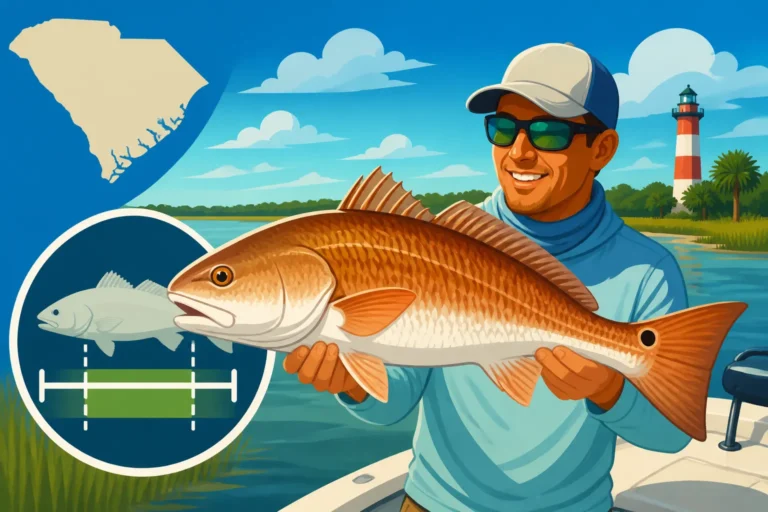
- Redfish (Red Drum): The quintessential Lowcountry game fish! Redfish are known for their bronze coloration and prominent tail spot. They are strong fighters and can be found in a variety of habitats, from shallow grass flats where they "tail" as they feed, to deeper creek channels and around oyster beds. Anglers often target them with live bait like mud minnows or shrimp, as well as artificial lures such as soft plastics and spoons. While they can grow quite large, most inshore charters will focus on the "slot" fish that are legal to keep. Understanding the South Carolina Redfish Slot Limit 18 to 25 Inches is crucial.
- Spotted Seatrout (Speckled Trout): Another inshore favorite, spotted seatrout are known for their beautiful iridescent coloring and delicious white meat. They prefer slightly deeper, cooler waters within the estuaries, often congregating around structures like docks, shell rakes, and creek mouths. They readily strike soft plastics, topwater lures during low light, and live shrimp under a popping cork. Spotted Seatrout Size and Bag Limits in South Carolina are important considerations for anglers.
- Flounder: These flatfish are masters of camouflage, burying themselves in sandy or muddy bottoms to ambush unsuspecting baitfish. Flounder fishing is often a slower, more patient pursuit, but the reward is one of the tastiest fish in the sea. They are typically caught by dragging live bait (like mud minnows or finger mullet) along the bottom, or by jigging soft plastics. Good flounder fishing can be found around inlets, jetties, and dock pilings. You can learn more about Flounder Fishing Season in South Carolina to time your trip perfectly.
Nearshore and Offshore Game Fish: King Mackerel, Mahi, and More
As you venture further from shore, the species profile changes dramatically, introducing you to powerful pelagic fish and bottom-dwelling giants.
- King Mackerel (Kingfish): A thrilling target for nearshore and offshore anglers, king mackerel are renowned for their blistering runs and sharp teeth. They are often caught trolling with dead cigar minnows or live baits like menhaden. Kings can be found around wrecks, reefs, and color changes in the water. Landing a big king mackerel is a true test of an angler's skill and tackle.
- Spanish Mackerel: Smaller cousins to the king mackerel, Spanish mackerel are abundant in nearshore waters, especially during warmer months. They are fast, aggressive, and provide fantastic light tackle action. They readily strike small spoons, dusters, and jigs, and are often caught while trolling or casting into schools of baitfish.
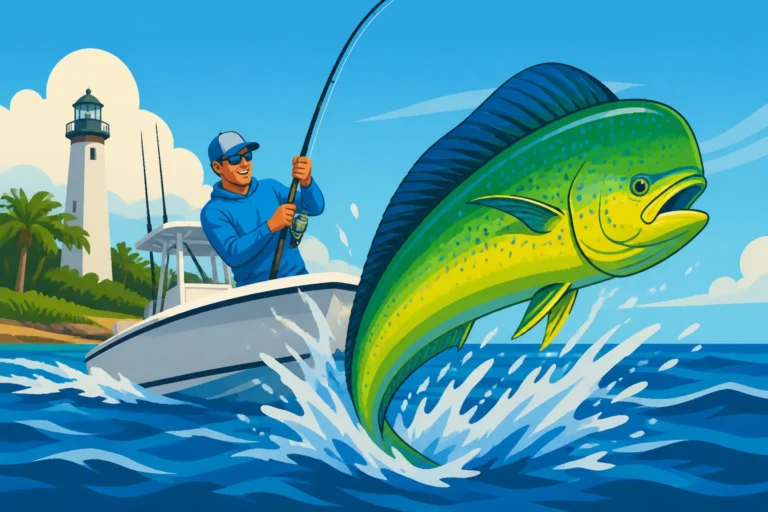
- Mahi-Mahi (Dorado): Colorful, acrobatic, and delicious, mahi-mahi are a prized offshore catch. They are attracted to floating debris, weed lines (especially sargassum), and current breaks, where they feed on baitfish. Mahi-mahi are typically caught trolling with ballyhoo or artificial lures, and often show up in large schools once one is hooked. For a vibrant and exciting fight, Mahi-Mahi Charter Fishing Trips in South Carolina are a top choice.
- Wahoo: Known for their incredible speed and sharp teeth, wahoo are one of the fastest fish in the ocean. They are an offshore species, often found near temperature breaks and current edges. Wahoo are caught primarily by high-speed trolling with specialized lures and baits. Their firm, white meat is considered a delicacy.
- Tuna: While not as prolific as in some other regions, blackfin tuna are a possibility on offshore trips, and occasionally yellowfin tuna can be encountered further out. They are powerful fighters that make long, sustained runs. Trolling and chunking with bait are common methods.
- Snapper and Grouper: These delicious bottom dwellers are found around offshore wrecks, reefs, and ledges. Species can include vermilion snapper, red snapper (when in season), gag grouper, scamp, and more. Bottom fishing with cut bait or live bait is the primary technique for these tasty fish.
Shark Fishing Adventures
Myrtle Beach offers exciting opportunities for shark fishing, providing a thrilling experience for those looking for a serious fight. While some species are protected, many offer a fantastic catch-and-release experience.
- Common Targets: Depending on the season and location (inshore or nearshore), you might encounter blacktip sharks, spinner sharks, Atlantic sharpnose sharks, bonnethead sharks, and sometimes even larger species like tiger sharks or bull sharks.
- Techniques: Shark fishing typically involves using heavy tackle with wire leaders and large cut baits, often anchored on the bottom. Some charters will chum to attract sharks to the boat. It's a game of patience and brute strength, culminating in an intense battle once a shark takes the bait.
- Conservation: Responsible shark fishing often emphasizes catch and release, especially for larger or protected species. Your captain will be knowledgeable about current regulations and best practices for safely releasing sharks, ensuring these magnificent creatures continue to thrive. Shark Fishing Charters in South Carolina Waters provide a unique opportunity to encounter these apex predators responsibly.
| Trip Type | Distance from Shore | Typical Duration | Primary Targets | Water Conditions | Best For |
|---|---|---|---|---|---|
| Inshore | Estuaries, Creeks, Bays | 4-5 hours | Redfish, Spotted Seatrout, Flounder, Drum, Sheepshead | Calm | Families, Beginners, those prone to seasickness, light tackle fun |
| Nearshore | 1-20 miles | 4-6 hours | Spanish Mackerel, King Mackerel, Black Sea Bass, Snapper | Moderate | More adventurous anglers, wider species variety |
| Offshore | 20+ miles | 8-12+ hours | Mahi-Mahi, Wahoo, Tuna, Sailfish, Grouper, Snapper | Open Ocean | Serious anglers, big game hunters, adventurous groups |
Essential Considerations Before Booking Your Charter
Booking a fishing charter should be an exciting part of your Myrtle Beach vacation, not a source of stress. To ensure a smooth and enjoyable experience, there are a few key things you should consider and confirm before you put down a deposit.
Licensing and Regulations
One of the great advantages of booking a licensed fishing charter is that the boat's commercial license typically covers everyone on board. This means you generally do not need to purchase your own individual South Carolina fishing license for the duration of your trip. However, it is always a good practice to confirm this with your captain or booking agent when you make your reservation, just to be absolutely sure. There can be nuances, especially for certain tournament fishing or if you plan to do any additional shore fishing on your own. Your captain will also be well-versed in all current South Carolina Fishing Bag Limits Explained and size restrictions for the species you're targeting, ensuring that all catches are legal and responsible. This frees you from having to navigate the often-complex regulations yourself, allowing you to simply enjoy the fishing.
What to Bring and What's Provided
While charters are generally all-inclusive when it comes to fishing gear, there are still some personal items you'll want to bring along to make your trip comfortable.
What's Typically Provided:
- Fishing Licenses: Covered by the boat's license.
- Rods, Reels, Tackle: High-quality, well-maintained equipment suitable for the target species.
- Bait: Live, cut, or artificial baits as needed for the trip.
- Safety Gear: Life jackets (for all ages), first-aid kit, communication devices.
- Cooler with Ice: Often provided for your catch.
What You Should Bring:
- Sun Protection: Sunscreen (non-spray is often preferred to avoid slick decks), hat, sunglasses, long-sleeved shirt. The sun can be intense on the water, even on cloudy days.
- Food and Drinks: Pack snacks, sandwiches, and beverages in a small cooler. Alcohol is usually permitted in moderation, but confirm with your captain. Stay hydrated!
- Appropriate Clothing: Dress in layers, as temperatures can change quickly on the water. Non-slip shoes are a must. A light rain jacket is always a good idea.
- Camera: To capture those memorable catches and scenic views. Make sure it's waterproof or in a waterproof bag.
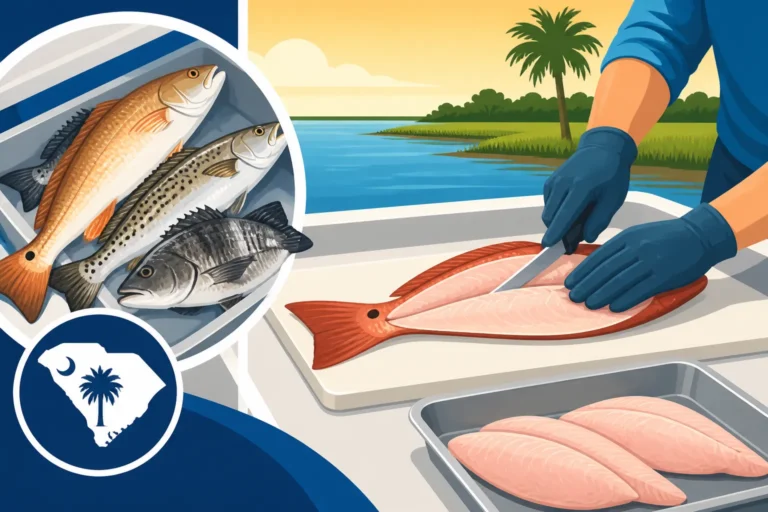
- Cooler for Your Fillets: If you plan on keeping your catch, have a separate cooler in your car to transport your fillets home. Many charters will clean and fillet your fish for you back at the dock.
- Medication: If you have any personal medications or are prone to seasickness, take appropriate measures before and during the trip.
Always double-check with your specific charter beforehand, as some may have slight variations in what they provide or recommend.
Understanding Pricing and Tipping Etiquette
Charter fishing costs can vary widely based on the trip type, duration, size of the boat, and number of anglers. Generally, prices are quoted for the entire boat (private charter), not per person, up to a certain maximum number of passengers. Shared or "head boat" trips are priced per person but offer a less personalized experience.
- Pricing Structure: Expect to see higher prices for full-day offshore trips compared to half-day inshore trips due to fuel costs, equipment, and captain's time. Always ask what's included in the price – sometimes bait and tackle are extra on budget charters, though this is rare for reputable operations.
- Deposits and Cancellations: Most charters require a deposit to secure your booking. Understand their cancellation policy, especially regarding weather. Reputable captains will prioritize safety and may reschedule or cancel if conditions are unsafe.
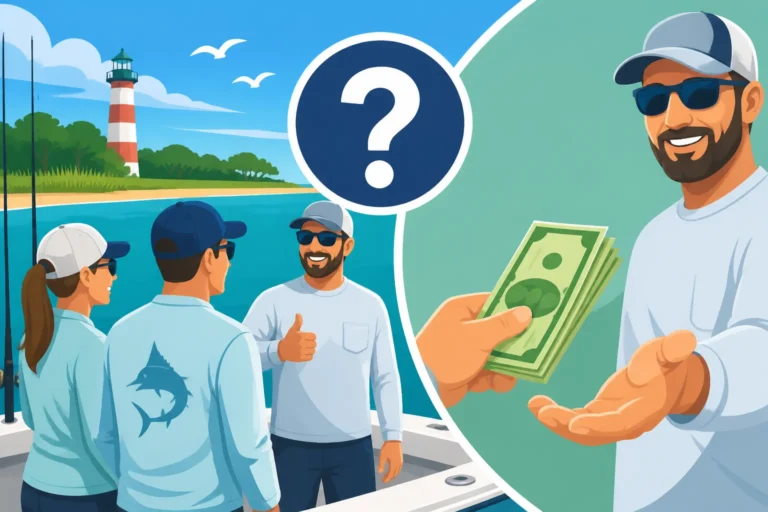
- Tipping: Tipping your captain and mate is customary and highly appreciated, much like in other service industries. A standard tip is typically 15-20% of the total charter cost. They work incredibly hard to ensure your safety, comfort, and success, from preparing gear to cleaning your catch. Always budget for this when planning your trip. If you had an exceptional experience, consider tipping closer to the higher end of the scale. This is a crucial part of the Tipping Your South Carolina Fishing Guide etiquette.
How to Find and Book the Best Myrtle Beach Charter
With so many charter options available, finding the right one for your Myrtle Beach adventure can feel like a task in itself. But with a little research and a clear idea of what you're looking for, you can easily secure a fantastic fishing experience.
Researching Reputable Guides
The first step in finding the best charter is to do your homework. Start by searching online for "Myrtle Beach fishing charters" or "fishing guides Myrtle Beach." Look for captains and companies with strong reputations, positive reviews, and a clear description of their services.
- Online Reviews: Websites like Google, TripAdvisor, and specialized fishing booking platforms are invaluable. Pay attention to comments about the captain's demeanor, the condition of the boat, the quality of the gear, and their ability to put clients on fish. Don't just look at the star rating; read a few reviews to get a feel for the operation.
- Website and Social Media: A professional website with up-to-date information, photos of recent catches, and clear contact details is a good sign. Many captains also maintain active social media pages where they post daily reports and photos, giving you a real-time glimpse into their operations.
- Word of Mouth: If you know anyone who has fished in Myrtle Beach, ask for their recommendations. Local bait shops or tackle stores can also be great resources for referrals to reliable guides.
Remember, a good guide isn't just about catching fish; it's about providing a safe, enjoyable, and educational experience.
Asking the Right Questions
Once you've narrowed down your choices, don't hesitate to call or email the captain directly. This is your chance to ask specific questions and ensure they can meet your expectations.
- What type of fishing do you specialize in? Some captains are experts in offshore trolling, while others might be masters of inshore light tackle. Make sure their specialty aligns with your desired trip.
- What species are we likely to target during our trip? This helps manage expectations, as seasonal changes can affect what's biting.
- What's included in the price? Confirm bait, tackle, and ice.
- What is your policy on cancellations, especially for weather? Safety first! Ensure they have a clear policy for unsafe conditions.
- Is a fishing license required for each individual? As mentioned, usually not, but always confirm.
- What should we bring? Get a packing list to avoid forgetting essentials.
- Do you clean and fillet the fish? Most do, but it's good to know.
- Is alcohol permitted on board? If so, are there any restrictions?
- How many people can your boat comfortably accommodate? Ensure there's enough space for your group.
Open communication with your captain ensures there are no surprises on the day of your trip.
Online Booking Platforms and Direct Contact
When it comes to actually booking, you have a couple of main routes:
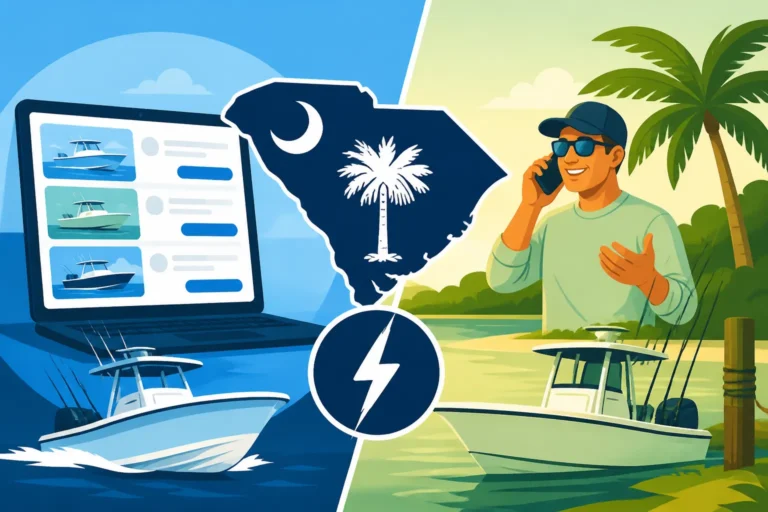
- Online Booking Platforms: Websites like FishingBooker specialize in connecting anglers with charter captains worldwide, including in Myrtle Beach. These platforms offer a convenient way to browse multiple charters, compare prices, read reviews, and book directly online. They often provide secure payment processing and clear booking terms, streamlining the process. Using such a platform can simplify the search for Myrtle Beach Fishing Charters and Trip Options by consolidating information and providing a trusted intermediary.
- Direct with the Captain: Contacting the captain or their booking agent directly allows for a more personal conversation and might sometimes offer slightly more flexibility or a better deal if they don't have to pay a platform fee. However, you'll be responsible for all communication, payment, and understanding their terms directly.
Both methods have their merits. If you prefer a wide selection and structured booking, an online platform can be very helpful. If you've done your research and found a specific captain you want to fish with, direct contact can build a great rapport before you even step on the boat. Whichever method you choose, booking in advance, especially during peak season, is highly recommended to secure your preferred date and captain.
Disclaimer
This article is for general informational purposes only and does not constitute professional advice. Laws, prices and regulations vary by location and change over time. Consult a qualified professional for guidance on your specific situation.