South Carolina Fishing Charter Trip Lengths Compared
One of the biggest head-scratchers when you're planning a fishing trip to the stunning waters of South Carolina is figuring out how long you actually need to be out on the boat. It's a common dilemma – you want enough time to catch some fish and enjoy the experience, but you don't want to overcommit or break the bank. This guide is all about breaking down the different fishing charter trip lengths available in the Palmetto State, helping you understand what each one offers and how to pick the perfect duration for your angling adventure.
Understanding the Different South Carolina Fishing Charter Lengths
When you start looking into fishing charters along the South Carolina coast, you'll quickly notice a few standard trip lengths pop up. These aren't just arbitrary numbers; they're designed to cater to different types of anglers, target specific species, and fit various schedules. From a quick jaunt on the water to an epic offshore expedition, there's a duration for almost every fishing dream.
The Quick Getaway: Half-Day Charters (Typically 4 Hours)
The half-day charter, often clocking in around four hours, is arguably the most popular choice, especially for families or those new to charter fishing. It's that perfect balance of getting out on the water, experiencing the thrill of a few bites, and then being back in time for lunch or other vacation activities. You’re not spending an entire day baking in the sun or battling seasickness, which makes it incredibly appealing.
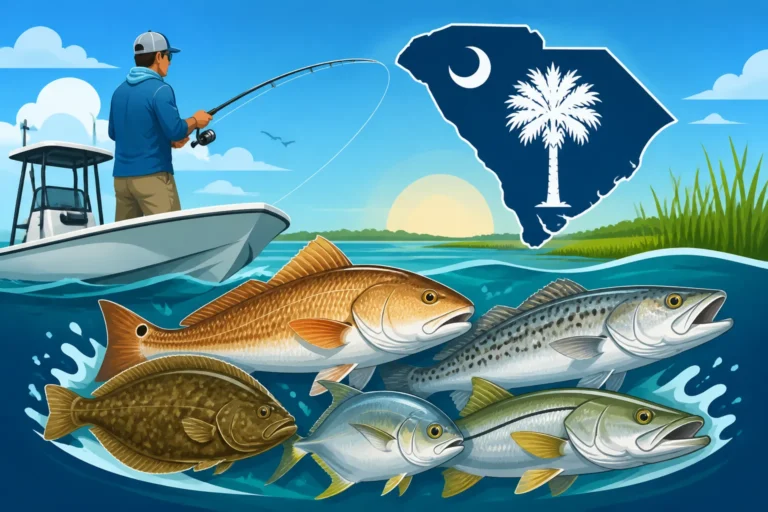
These shorter trips usually focus on inshore fishing, targeting species that are relatively close to the dock, often in the calmer waters of estuaries, tidal creeks, or nearshore reefs. Think redfish, spotted seatrout, flounder, and various other panfish. The captain will typically have a few reliable spots within a short boat ride, maximizing your fishing time rather than travel time.
For many, a half-day trip is a fantastic introduction to the sport, allowing you to wet a line without a huge time or financial commitment. It’s enough time to feel the pull of a fish, snap some memorable photos, and get a taste of what South Carolina's diverse fisheries have to offer.
The Sweet Spot: 6-Hour Charters
Sitting comfortably between the half-day sprint and the full-day marathon is the 6-hour charter. This option is often considered the "sweet spot" by many seasoned anglers and guides because it offers significantly more fishing time than a half-day trip without being as exhausting or costly as a full-day excursion. You get that extra couple of hours, which can make a world of difference when fish are finicky or when you need to travel a bit further to find them.
With a 6-hour trip, captains can explore more areas, try different techniques, or target a wider variety of species. You might still focus on inshore species but have the flexibility to chase a hot bite across several creeks or move out to nearshore wrecks for different bottom dwellers. This extra time allows for more patient fishing, perhaps waiting out a tide change or letting a school of fish move into position.
It’s an excellent choice if you’re serious about catching fish but still want to be back before dinner. The 6-hour trip gives you a better chance at a more substantial catch and a deeper fishing experience, allowing for more strategic moves and less rushed action.
The Full Immersion: Full-Day Charters (Typically 8 Hours)
An 8-hour, or "full-day," charter is where serious fishing truly begins for many. This extended trip allows for a much broader range of possibilities, from deeper dives into inshore honey holes to venturing further offshore in pursuit of bigger, more elusive game fish. It’s a commitment, both in time and expense, but for dedicated anglers, the rewards can be well worth it.
On an 8-hour trip, your captain has the luxury of time. They can run to more distant fishing grounds, spend more time working a productive area, or even switch tactics and locations if the initial plan isn't yielding results. This flexibility is crucial for adapting to changing conditions, tides, and fish behavior throughout the day. You might start inshore chasing redfish and then transition to a nearshore wreck for snapper or king mackerel, depending on the season and bite.
These trips are perfect for anglers who are passionate about fishing, have specific target species in mind that require more travel or technique, and are prepared for a long day on the water. It’s an immersive experience where you often learn a great deal about the local fishery and the art of chasing specific species.
The Offshore Adventure: Extended and Specialty Trips (10+ Hours)
Beyond the standard full-day are the extended and specialty trips, which can range from 10 hours to multi-day excursions. These are not for the faint of heart or the casually curious; these are serious adventures designed for big game fishing in the deep blue waters off the South Carolina coast. Think tuna, wahoo, mahi-mahi, marlin, and swordfish.
These longer trips require significant travel time to reach the Gulf Stream or other deep-water structures where these pelagic species roam. A 10-hour trip might focus on trolling for tuna and mahi, while an even longer overnight or multi-day trip could target swordfish or marlin, allowing for both day and night fishing in the most productive waters. The captains who run these trips are highly experienced in offshore navigation, safety, and specialized big game techniques.
These trips are the pinnacle of charter fishing for many, offering the chance to battle truly monstrous fish and create once-in-a-lifetime memories. They come with a higher price tag and demand more endurance, but for those seeking the ultimate offshore challenge, they are unparalleled. You can learn more about specific offshore options by checking out South Carolina Offshore Fishing Charters Explained.
What to Consider When Choosing Your Charter Trip Length
Selecting the right charter trip length isn't a one-size-fits-all decision. There are several factors that play into making the best choice for you and your fishing party. Thinking through these points beforehand can save you disappointment and ensure you have the best possible experience on the water.
Your Fishing Goals and Target Species
First and foremost, what do you actually want to catch? If your dream is to land a trophy blue marlin, a 4-hour inshore trip just isn't going to cut it. Similarly, if you’re hoping to introduce your kids to the joy of reeling in a feisty redfish, an 8-hour offshore trip might be overkill. Different species require different habitats, travel times, and fishing techniques.
For inshore favorites like redfish, speckled trout, and flounder, a half-day or 6-hour trip is often plenty of time. These species are found in the creeks, estuaries, and nearshore waters, meaning less travel and more fishing. If you're targeting bigger fish like king mackerel, amberjack, or cobia that hang around nearshore wrecks and reefs, a 6-hour or full-day trip will give you the necessary time to reach those spots and work them thoroughly. For true offshore behemoths like tuna, wahoo, or billfish, you absolutely need a full-day or extended trip to make it out to the Gulf Stream and back, not to mention having enough time to locate and fight these powerful creatures.
Discuss your target species with potential captains or use a booking platform like FishingBooker to filter by species, and you’ll quickly see the recommended trip lengths for each. This helps align your expectations with what's realistically achievable within a given timeframe.
Your Group's Experience Level and Stamina
Consider who you're fishing with. Are they seasoned anglers who can handle hours of sun, wind, and potentially rough seas, or are they beginners, young children, or individuals who might be prone to seasickness? The physical demands of a 4-hour trip are vastly different from a 10-hour offshore grind.
For families with small children or first-time anglers, a half-day trip is often the safest bet. It’s short enough that if someone gets bored or unwell, the end is in sight. Kids, especially, have a shorter attention span, and a quick, action-packed inshore trip is usually more enjoyable for them. You can find many Family-Friendly Fishing Charters in South Carolina that specialize in shorter trips.
Experienced anglers, on the other hand, might find a half-day trip too short to fully satisfy their fishing cravings. They might prefer the challenge and reward of a longer trip, where they can try multiple techniques or battle larger fish. Be honest about your group’s stamina and comfort levels, as a miserable experience for one person can dampen the fun for everyone.
Budgeting for Different Trip Durations
Let's be real, charter fishing is an investment, and trip length directly impacts the cost. Longer trips mean more fuel, more crew time, more bait, and more wear and tear on the boat, all of which translate to a higher price tag. It's crucial to understand South Carolina Charter Fishing Costs and Trip Types before you book.
A half-day trip will always be the most economical option, making it accessible for many who want a taste of charter fishing without a huge outlay. As you move to 6-hour, full-day, and extended trips, the price increases significantly. You'll need to weigh the cost against the potential rewards and your group's budget. Sometimes, splitting the cost of a longer trip among several anglers can make it more affordable per person, but it's important to clarify if the price is per boat or per person.
Remember to factor in other potential costs like gratuities for the crew, which are customary and often a significant part of their income. You can find more details on Tipping Your South Carolina Fishing Guide to help you budget correctly.
The Time of Year and Weather Conditions
South Carolina's fishing seasons can also influence the ideal trip length. Some species are more active during certain times of the year, and their preferred habitats might be further away depending on the season. For instance, in colder months, certain fish might move to deeper, more protected waters, requiring a longer run.
Weather is another huge factor. While a captain will always prioritize safety and won't go out in truly dangerous conditions, a longer trip exposes you to changing weather for a greater duration. If you're prone to seasickness or prefer calm waters, a shorter trip might be better on a day with a questionable forecast. Rougher seas can make a full-day offshore trip feel much, much longer. It's always a good idea to check the forecast and discuss it with your captain before you head out, especially for longer excursions. The Best Time of Year to Book a South Carolina Fishing Charter can also help guide your decision.
The Half-Day Charter Experience: Pros and Cons
The 4-hour half-day charter is often the entry point for many looking to dip their toes into the South Carolina fishing scene. It's an accessible option that delivers a taste of the action without demanding too much time or money. However, like any choice, it comes with its own set of advantages and limitations.
Advantages of a Shorter Trip
One of the most appealing aspects of a half-day trip is its sheer convenience. It fits neatly into almost any vacation schedule, leaving plenty of time for other activities like beach visits, sightseeing, or enjoying a leisurely lunch. For families, especially those with young children, this shorter duration is a godsend. Kids can get excited, reel in a few fish, and then be back on solid ground before boredom or seasickness sets in. It’s often touted as one of the best Kid-Friendly Charters on Hilton Head Island.
Another major advantage is the lower cost. Since the boat is out for less time and burns less fuel, half-day trips are significantly more affordable than longer options. This makes charter fishing more accessible and allows more people to experience it without a hefty financial commitment. It's a great way to test the waters, so to speak, if you’re unsure about how much you’ll enjoy charter fishing.
Finally, half-day charters typically focus on inshore fishing, meaning calmer waters. This is a huge plus for anyone prone to seasickness or who simply prefers a smoother ride. You're usually navigating estuaries, creeks, and sounds, which are much more protected from ocean swells than offshore waters.
Limitations and Potential Trade-offs
While convenient, the brevity of a half-day trip can also be its biggest drawback. Four hours goes by incredibly fast, especially when you factor in travel time to and from the fishing spots. This means less actual "lines in the water" time. If the fish aren’t biting immediately, or if the captain needs to move to several different spots to find them, your productive fishing window can shrink considerably.
The limited time also restricts the types of fish you can realistically target. You're almost exclusively confined to inshore species like redfish, flounder, and speckled trout, or perhaps very nearshore reefs. If your dream is to catch a mahi-mahi or a king mackerel, a half-day trip simply won't offer the time needed to run to their habitats. It’s about managing expectations; you're unlikely to come back with a cooler full of diverse species on a short trip.
Furthermore, if conditions change or the bite slows down, there's less flexibility to adapt. A full-day trip allows the captain to wait out a tide, run to a completely different area, or switch up techniques. On a half-day trip, you might just have to make do with what the conditions present in your immediate vicinity.
Ideal Scenarios for a Half-Day Charter
So, when is a half-day charter the perfect choice? It's ideal for:
- First-time anglers: A great introduction to fishing from a boat.
- Families with young children: Keeps the kids engaged without overtiring them.
- Anglers on a tight schedule or budget: Maximizes enjoyment within constraints.
- Anyone prone to seasickness: Stays in calmer, inshore waters.
- Targeting specific inshore species: Focuses on redfish, trout, or flounder within easy reach.
- Those looking for a relaxed, fun outing: Less pressure, more casual enjoyment.
It’s often recommended for a South Carolina Inshore Fishing Charters Explained experience where the goal is simply to have fun and catch a few fish close to shore.
The Full-Day Charter Experience: Pros and Cons
Stepping up to a full-day, typically 8-hour, charter is a commitment, but one that many serious anglers find deeply rewarding. It's designed for those who want to maximize their time on the water and pursue a wider range of fishing opportunities.
The Benefits of Extended Time on the Water
The primary benefit of an 8-hour trip is, naturally, the significantly increased fishing time. This extra duration allows for more flexibility and a much greater chance of success, especially if the fish aren't cooperating immediately. Your captain has the freedom to run further to offshore fishing spots, explore multiple locations, and experiment with different baits and techniques until they find what the fish are biting on. This strategic adaptability is often the key to a truly successful day.
With more time, you can also target a more diverse array of species. A full-day trip can combine inshore fishing for redfish and trout with a run to nearshore reefs or wrecks for snapper, grouper, or king mackerel. If you're heading further offshore, you'll have ample time to reach the deeper waters where pelagic species like mahi-mahi, wahoo, and tuna roam, increasing your chances of a trophy catch. This versatility is a huge draw for anglers who want to experience the full spectrum of South Carolina’s fishery.
The full-day experience also offers a more immersive and educational opportunity. You'll spend more time with your captain and crew, learning about local fishing patterns, habitat, and advanced techniques. It’s not just about catching fish; it’s about understanding the ecosystem and refining your skills. These trips often lead to some of the most memorable and rewarding fishing experiences.
Downsides to Consider for Longer Trips
The most obvious downside of a full-day charter is the higher cost. More hours on the water mean more fuel, more crew labor, and increased operating expenses for the charter company. This translates to a significantly larger investment compared to a half-day trip, which might be prohibitive for some budgets. When researching, platforms like FishingBooker can help you compare prices for different durations.
Another consideration is the physical demand. Eight hours on a boat, especially in the sun, wind, and potentially rough seas, can be exhausting. Seasickness, dehydration, and sunburn are greater risks on longer trips. This is especially important if you have members in your group who aren’t accustomed to extended periods on the water. It’s crucial to pack appropriately with plenty of water, snacks, sunscreen, and proper attire. For helpful advice, check out What to Bring on a South Carolina Fishing Charter.
Finally, the longer duration also means a bigger commitment of your vacation time. If you have a packed itinerary with other activities, dedicating an entire day to fishing might mean sacrificing something else. It's about balancing your passion for fishing with your overall vacation plans.
When a Full-Day Trip is Your Best Bet
A full-day charter is often the best choice for:
- Serious anglers: Those dedicated to catching specific, larger fish or a variety of species.
- Groups with prior fishing experience: Anglers who know they can handle the duration and physical demands.
- Targeting offshore or deep-water species: Essential for reaching productive grounds for mahi, tuna, or king mackerel.
- Seeking a more immersive experience: Learning from the captain and refining skills over an extended period.
- Anglers with flexible schedules and adequate budget: Willing to commit the time and money for a potentially bigger payoff.
- When conditions are challenging: More time allows the captain to find the fish or wait for the bite to turn on.
If you're looking for a truly comprehensive fishing adventure in South Carolina, the full-day trip offers the time and opportunity to make it happen.
Specialty and Extended Offshore Trips: Pushing the Limits
For those who view fishing not just as a pastime but as an epic quest, South Carolina’s coast offers specialty and extended offshore trips that go beyond the typical 8-hour full-day excursion. These adventures, often 10 hours or longer, sometimes even overnight, are designed to chase the biggest and most challenging game fish in the deepest waters.
What to Expect from Longer Offshore Adventures
Booking an extended offshore trip means committing to a serious expedition. These charters are about venturing far from shore, often into the Gulf Stream, where the true giants of the ocean reside. We're talking about pelagic species like blue marlin, white marlin, swordfish, large tuna (yellowfin, blackfin, bigeye), wahoo, and mahi-mahi. The journey to these distant grounds can take several hours each way, so a 10-hour trip might include 4-5 hours of travel, leaving 5-6 hours of prime fishing time.
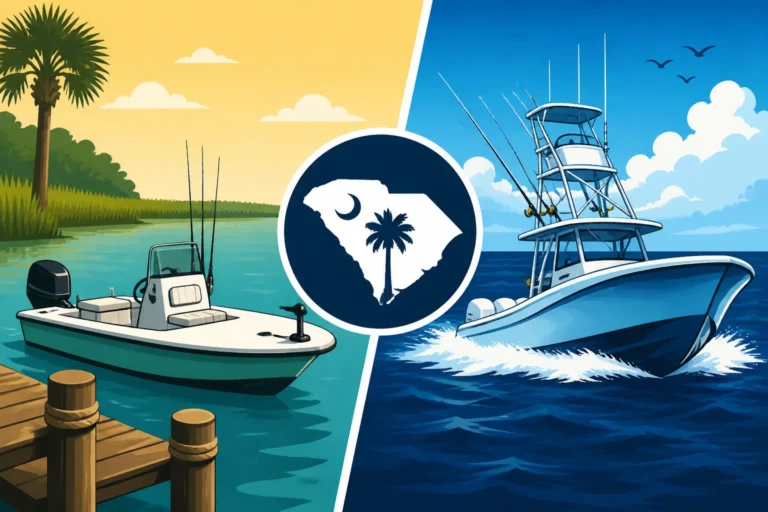
The boats used for these trips are typically larger, more robust sportfishing vessels, equipped with advanced navigation, sonar, outriggers, fighting chairs, and all the heavy tackle needed to subdue powerful fish. The crew is highly experienced in offshore techniques such as high-speed trolling, live baiting, chunking, and deep dropping, often working as a well-oiled team to maximize your chances. You can find specialized charter listings on sites like FishingBooker that cater specifically to these intense offshore pursuits.
These trips are not just about catching fish; they're about the entire experience of being far out at sea, witnessing incredible marine life, and pitting your strength against some of the ocean's most formidable creatures.
The Unique Challenges and Rewards
The challenges of extended offshore trips are significant. The weather can be more unpredictable further offshore, and even on calm days, the open ocean can be rough. Seasickness is a more common concern, and the physical exertion of fighting a large tuna or marlin for an hour or more is immense. These trips also represent the highest financial investment in charter fishing, reflecting the specialized boats, equipment, crew expertise, and substantial fuel costs.
However, the rewards are equally grand. The chance to hook into a fish that could weigh hundreds of pounds is an angler's dream. Landing a trophy marlin or tuna, or even multiple large mahi-mahi, creates bragging rights and memories that last a lifetime. The sheer beauty of the deep blue water, the vibrant colors of pelagic fish, and the feeling of accomplishment after a hard-fought battle are unparalleled. For many, it's the ultimate test of skill and endurance, a true adventure that separates the dedicated from the casual angler.
Preparing for an Extended Offshore Expedition
Given the demands, preparation is key for extended offshore trips. You'll need to pack diligently:
- Hydration and Food: Bring plenty of water, sports drinks, and substantial, easy-to-eat snacks and meals.
- Sun Protection: High SPF sunscreen, wide-brimmed hats, sunglasses, and long-sleeved, breathable clothing are essential.
- Seasickness Medication: Take preventative measures if you're at all susceptible.
- Appropriate Clothing: Dress in layers, as temperatures can change dramatically between morning, midday, and evening.
- Footwear: Non-slip, comfortable shoes are a must.
- Cooler: Bring a large cooler for your catch, though often the boat will have one for you, too.
Always have a detailed conversation with your captain beforehand about what to expect, what's included, and any specific gear or attire they recommend. Knowing what you're getting into will help you make the most of this incredible, challenging, and ultimately rewarding fishing experience. If you’re considering how far offshore to go, you can often find information on How Far Offshore Do South Carolina Charters Go for Tuna? to help plan.
Maximizing Your Chosen Charter Trip Length
No matter if you choose a quick 4-hour jaunt or an epic 10-hour offshore adventure, you want to make the most of your time on the water. A little planning and clear communication can go a long way in ensuring your South Carolina fishing charter is a memorable and productive one.
Effective Communication with Your Captain
This is probably the single most important factor for a successful trip. Before you even step on the boat, have an open and honest conversation with your captain. Clearly state your expectations:
- Target Species: What do you really want to catch? Be realistic, but let them know your preferences.
- Group Experience: Tell them if you have beginners, kids, or seasoned pros.
- Physical Limitations: Mention any concerns like seasickness or mobility issues.
- Goals: Is it about catching dinner, a trophy picture, or just a fun day out?
A good captain will listen to your goals and advise you on what’s realistic for your chosen trip length and the current conditions. They might suggest alternative target species or spots if your initial plan isn't feasible. Don’t be afraid to ask questions about the boat, the gear, and what their typical plan is for the day. Platforms like FishingBooker often allow you to message captains directly before booking, which is a great opportunity to hash out these details.
During the trip, continue to communicate. If you're feeling unwell, too hot, or if the kids are getting restless, let the crew know. They are there to make your trip enjoyable and safe.
Essential Gear and Preparations
While most South Carolina fishing charters include all necessary gear, bait, and tackle, there are still personal preparations you should make to ensure comfort and readiness. Think of it as preparing for a mini-expedition, even for a half-day trip.
- Sun Protection: This cannot be stressed enough in the Carolina sun. Bring high-SPF sunscreen, polarized sunglasses (crucial for spotting fish and reducing glare), and a wide-brimmed hat. Long-sleeved, lightweight shirts with UPF protection are also highly recommended.
- Food and Drink: While some charters provide water, always bring plenty of your own hydration, especially for longer trips. Snacks and a packed lunch are also smart additions. Keep them in a small cooler or bag that’s easy to manage.
- Appropriate Clothing: Wear layers. Mornings can be cool, especially on the water, but the day heats up. Wear comfortable, non-slip shoes. Avoid dark soles that can scuff the boat.
- Seasickness Remedies: If you're at all susceptible, take motion sickness medication before you board the boat, as per the instructions. Ginger chews or wristbands can also help.
- Camera: A waterproof camera or a phone in a waterproof case is essential for capturing those moments without worry.
- Cooler (for your catch): Check with your charter, but often you'll want to bring a cooler to transport your cleaned fish home.
By coming prepared, you eliminate distractions and can focus entirely on the fishing experience.
Post-Trip Planning: Fish Cleaning and Beyond
The adventure doesn't end when the boat pulls back to the dock. Most South Carolina charters will offer to clean and fillet your catch for you, either included in the price or for a small fee. This is a huge convenience, as handling slimy fish on a rocking boat is not for everyone. Always confirm this service and any associated costs beforehand. You can learn more about this by reading Cleaning and Filleting Your Catch After a South Carolina Charter.
Once your fish are cleaned and bagged, you'll need a plan for getting them home or to your accommodation, especially if you're staying in a hotel. A cooler with ice is essential. If you're traveling a long distance, consider freezing the fillets solid before transport.
Finally, don’t forget the gratuity for your captain and crew. Tipping is customary in the charter fishing industry and is a significant portion of the crew's income. A general guideline is 15-20% of the trip cost for good service. If they went above and beyond, consider more. They work hard to ensure you have a safe and successful day.
Comparing Trip Lengths for Different South Carolina Destinations
South Carolina boasts a diverse coastline, from the bustling harbors of Charleston to the tranquil creeks of Hilton Head and the expansive beaches of Myrtle Beach. The ideal charter trip length can vary slightly depending on your departure point and the specific type of fishing available in that region.
Coastal Hubs: Hilton Head, Charleston, and Myrtle Beach
Each of South Carolina's major coastal destinations offers unique fishing opportunities that can influence your choice of trip length.
Hilton Head Island: Known for its calm, intricate inshore waterways, Hilton Head is a fantastic spot for half-day and 6-hour charters targeting redfish, speckled trout, and flounder in the vast marsh estuaries. These shorter trips are extremely popular with families and beginners. However, Hilton Head also offers excellent nearshore and offshore fishing, with full-day charters venturing out for king mackerel, cobia, and even Gulf Stream species. For a quick intro, a half-day Hilton Head Inshore Fishing Charters near Hilton Head, South Carolina is ideal, while serious anglers might opt for a full-day Hilton Head Offshore Fishing Charters near Hilton Head, South Carolina.
Charleston: Charleston's historic harbor and surrounding barrier islands provide a rich environment for both inshore and nearshore fishing. Half-day and 6-hour trips are plentiful, focusing on the strong redfish and trout populations within the harbor and creeks. However, Charleston also serves as a prime departure point for serious offshore trips. The proximity to various wrecks, reefs, and the Gulf Stream means full-day and extended charters are very common for targeting snapper, grouper, kingfish, mahi-mahi, and billfish. If you're staying in the area, check out Charleston Fishing Charters: South Carolina's Harbor Trips for comprehensive options.
Myrtle Beach: While known more for its sandy beaches and family attractions, Myrtle Beach also offers robust fishing options. Shorter trips often focus on inshore species within the Intracoastal Waterway or nearshore artificial reefs for black sea bass and flounder. However, Myrtle Beach is also a significant hub for offshore charter fishing, with numerous full-day and extended trips heading out to the deeper waters for Gulf Stream species. If you're looking for bigger game, a full-day Myrtle Beach Offshore Fishing Charter Trips will be your best bet.
Targeting Specific Inshore and Offshore Species
As discussed earlier, your target species is a major determinant of trip length.
- Inshore Species (Redfish, Speckled Trout, Flounder, Sheepshead): For these lowcountry favorites, a 4-hour or 6-hour trip is typically sufficient. You'll spend less time traveling and more time casting in productive marsh creeks and estuaries. Read South Carolina Redfish Charter Fishing Trips for specific redfish guidance.
- Nearshore Species (King Mackerel, Cobia, Spanish Mackerel, Black Sea Bass, Snapper, Grouper): These fish often require a 6-hour or 8-hour trip to reach the wrecks, reefs, and ledges where they congregate. The extra travel time is worth it for these larger, harder-fighting fish.
- Offshore Pelagic Species (Mahi-Mahi, Wahoo, Tuna, Billfish): If you're dreaming of a big game battle, an 8-hour, 10-hour, or even multi-day trip is essential. These fish are found far offshore in the Gulf Stream, demanding significant travel time and extended hours to find and fight them. Mahi-Mahi Charter Fishing Trips in South Carolina often require these longer durations.
How Local Regulations Influence Trip Planning
Fishing regulations in South Carolina can also subtly influence charter trip lengths. Bag limits, slot limits, and seasonal closures for certain species mean that sometimes, even if you have a productive bite, you might have to move on after quickly reaching your limit. This can make a shorter trip feel more efficient for certain species. For example, understanding South Carolina Redfish Slot Limit Rules and South Carolina Redfish Vessel Limit Explained is crucial, as charter captains strictly adhere to these to ensure sustainable fishing.
On the other hand, if you're targeting a species with very generous limits or one that requires a longer fight time, a longer trip duration becomes even more valuable. Always trust your captain's knowledge of current regulations and their impact on your day's fishing plan.
Here's a handy table to help you compare trip lengths at a glance:
| Trip Length | Typical Duration | Primary Focus Areas | Common Target Species | Ideal for | Key Considerations |
|---|---|---|---|---|---|
| Half-Day Charter | 4 hours | Inshore (creeks, estuaries, sounds) | Redfish, Spotted Seatrout, Flounder, Sheepshead, Black Drum | Beginners, families with young children, tight schedules/budgets, seasickness-prone | Limited fishing time, restricted species/locations, less flexibility |
| 6-Hour Charter | 6 hours | Inshore & Nearshore | Redfish, Trout, Flounder, Spanish Mackerel, Smaller King Mackerel, Black Sea Bass | More serious inshore anglers, slightly more experienced groups, better chance at varied catch | Good balance of time and cost, still mostly coastal focus, can feel rushed if travel is far |
| Full-Day Charter | 8 hours | Nearshore & Offshore | King Mackerel, Cobia, Mahi-Mahi, Snapper, Grouper, Tuna, Wahoo | Experienced anglers, specific target species, larger groups, willing to commit time/cost | Higher cost, more physically demanding, weather can impact significantly |
| Extended/Specialty | 10+ hours / Multi-Day | Far Offshore (Gulf Stream) | Large Tuna, Marlin, Swordfish, Wahoo, Mahi-Mahi | Big game trophy hunters, highly experienced & dedicated anglers, ultimate adventure | Highest cost, most physically demanding, major time commitment, weather-dependent |
Remember, this table provides general guidelines. Always consult with your chosen charter captain for the most accurate and up-to-date information for your specific trip. They are the local experts and will ensure you have the best possible experience on the beautiful waters of South Carolina! You can always check South Carolina Fishing Charters: The Complete Guide for more general information on booking.
Disclaimer
This article is for general informational purposes only and does not constitute professional advice. Laws, prices and regulations vary by location and change over time. Consult a qualified professional for guidance on your specific situation.