Charleston Fishing Charters: South Carolina’s Harbor Trips
Many anglers visiting or living in Charleston often feel a mix of excitement and overwhelm when contemplating a fishing trip. With such a vast and intricate network of waterways, from tidal creeks to the expansive harbor, it's hard to know where to begin or which type of charter will deliver the best experience. This comprehensive guide will cut through the confusion, offering a detailed look at Charleston's incredible harbor fishing charters, helping you understand your options, what you can expect to catch, and how to embark on a memorable Lowcountry angling adventure.
Discovering the Allure of Charleston Harbor Fishing Charters
Charleston, South Carolina, isn't just a city steeped in history and charm; it's also a world-class fishing destination, particularly its vast and vibrant harbor. For anglers, both seasoned and novice, the harbor offers a truly unique experience that combines incredible fishing opportunities with breathtaking scenery. It's a place where you can reel in a trophy fish while enjoying views of historic landmarks and abundant wildlife.
Why Charleston's Estuarine System is a Fisher's Paradise
What makes Charleston Harbor so special for fishing? It all comes down to its unique estuarine ecosystem. This isn't just a simple body of water; it's a dynamic confluence where three major rivers—the Ashley, Cooper, and Wando—merge with the Atlantic Ocean. This constant mixing of fresh and saltwater creates a brackish environment rich in nutrients, making it an incredibly fertile ground for a diverse array of marine life. Imagine an aquatic melting pot, constantly stirred by the tides, providing the perfect conditions for baitfish to thrive, which in turn attracts larger predatory species.
The harbor is also characterized by its extensive network of spartina grass flats and oyster beds. These aren't just pretty features; they are crucial habitats that serve as nurseries, feeding grounds, and protective cover for countless fish species. The dense spartina grass provides shelter for juvenile fish and shrimp, while the oyster reefs filter water and create complex structures that attract crabs and other small invertebrates, drawing in game fish like redfish and spotted seatrout seeking an easy meal. This intricate web of life makes nearly every bend in a creek or every exposed oyster bar a potential hotspot for a cast.
Beyond the sheer abundance of fish, the harbor fishing experience in Charleston is profoundly immersive. As you glide through the calm waters, you're treated to a spectacular backdrop. Picture the elegant steeples of historic downtown Charleston piercing the sky, the imposing silhouette of Fort Sumter standing guard, and the lush, green marshlands stretching as far as the eye can see. You'll often see playful dolphins breaching nearby, various seabirds diving for their own meals, and even the occasional manatee gracefully swimming by. It's an experience that transcends mere angling; it's a deep dive into the natural and historical soul of the Lowcountry. Unlike offshore fishing, which can sometimes be a bumpy ride into open ocean, the sheltered waters of the harbor provide a generally calm and comfortable environment, making it suitable for anglers of all ages and experience levels, even those prone to seasickness.
Accessibility and Convenience for Anglers
One of the often-underestimated benefits of fishing Charleston Harbor is its sheer accessibility. Whether you're staying downtown, in Mount Pleasant, West Ashley, or James Island, you're never far from a convenient launch point. Many fishing guides operate out of easily accessible public docks or private marinas spread throughout the area, meaning less travel time for you and more time with a line in the water. For instance, if you're staying in Mount Pleasant, your charter might depart from Shem Creek, offering immediate access to prime fishing grounds just minutes from the dock.
This ease of access also translates to shorter travel times to prime fishing grounds. While offshore trips often involve a significant run out to sea, harbor charters typically have you casting within minutes of leaving the dock. This maximizes your actual fishing time, which is a huge bonus, especially on shorter half-day trips. You spend less time commuting and more time actively pursuing fish, making every minute of your trip count.
Furthermore, the infrastructure surrounding Charleston's charter services is top-notch, designed to make your trip planning stress-free. There's often ample parking at launch sites, and many marinas offer restrooms and small shops where you can grab last-minute snacks or drinks. Whether you're a local looking for a quick morning outing or a visitor trying to fit a memorable fishing experience into a packed itinerary, the convenience of Charleston Harbor charters ensures a smooth and enjoyable process from start to finish. You won't have to worry about the logistics; your guide takes care of the boat, bait, and getting you to the best spots, leaving you free to focus solely on the thrill of the catch. For more ideas on where to cast your line without venturing far, check out Best Inshore Fishing Spots in South Carolina.
Exploring the Spectrum of Charleston Harbor Charter Trips
When you decide to book a fishing charter in Charleston Harbor, you'll quickly realize there's a fantastic range of options available, each tailored to different preferences, experience levels, and target species. From classic inshore adventures to more specialized pursuits, understanding these trip types will help you choose the perfect outing for your group.
Inshore & Nearshore Adventures: Targeting the Classics
The most popular type of charter in Charleston Harbor is undoubtedly the inshore trip. These adventures focus on the intricate network of tidal creeks, expansive grass flats, and oyster rakes that define the Lowcountry's interior waterways. Guides expertly navigate these shallower areas, often poling or using a trolling motor quietly, to get you into prime ambush points for sought-after species like redfish, spotted seatrout, and flounder. Techniques vary widely, from sight fishing for tailing redfish on a flood tide—an incredibly visual and exciting experience—to casting artificial lures like soft plastics or topwaters, or simply presenting live bait such as shrimp, mullet, or mud minnows. The beauty of inshore fishing is its dynamic nature; conditions change with the tide, and a good guide knows how to adapt to put you on fish.
Venturing slightly beyond the true inshore creeks, you'll find nearshore trips. These often involve heading out to the harbor's mouth, the jetties, or just a few miles offshore into the ocean. While still relatively close to land, these areas offer different opportunities. Here, you might troll for fast-moving Spanish mackerel and bluefish, which are known for their aggressive strikes and strong fights. Sometimes, during certain seasons, larger bull redfish can be found congregating around the jetties. The transition from the calm, shallow creeks to the slightly more open water of the nearshore environment offers a diverse fishing experience, sometimes allowing for a wider variety of catches on a single trip.
Imagine a typical inshore scenario: you're quietly drifting down a sun-drenched marsh creek as the morning fog lifts. Your guide, with years of local knowledge, points to a subtle "tail" breaking the surface of the water – a redfish, head down, rooting for crustaceans in the shallow grass. With a whispered instruction, you cast your lure, watch it land softly, and then feel the undeniable thump of a powerful strike. Or, picture yourself just outside the Charleston jetties, the historic lighthouse visible in the distance, the sun warming your face as you troll a spoon, suddenly feeling a jarring strike as a speedy Spanish mackerel zips away with your line. For those specifically looking for the Lowcountry's most famous finned fighters, a South Carolina Redfish Charter Fishing Trips or South Carolina Speckled Trout Charter Trips will be right up your alley.
Specialized Charters: Fly Fishing, Family Fun, and Shark Encounters
Beyond the general inshore and nearshore trips, Charleston also offers a range of specialized charters designed to cater to specific interests and groups. For the purist angler, fly fishing charters are a truly unique and highly sought-after experience. These trips are often dedicated to targeting tailing redfish in ultra-shallow water, demanding precise casting, stealth, and a deep understanding of the tides. A highly experienced guide, often poling the boat silently across grass flats, is essential to position you for that perfect cast to a visible, feeding redfish. It's a challenging endeavor, requiring patience and skill, but the reward of hooking a redfish on a fly rod in the clear marsh waters is an unparalleled thrill for many anglers.
On the opposite end of the spectrum, family-friendly trips are a fantastic option for those traveling with children or beginners. These charters prioritize constant action and fun over trophy catches, aiming to keep everyone engaged and excited. Guides on these trips often target abundant, smaller species like pinfish, croaker, whiting, or even small sharks, which provide frequent bites and thrilling tugs on the line. The focus is on creating lasting memories, teaching basic fishing skills, and ensuring that every member of the family, especially the youngest, gets to experience the joy of reeling in a fish. It’s less about the size of the fish and more about the excitement of the catch. For more details on family options, consider Family-Friendly Fishing Charters in South Carolina or even adapting insights from Kid-Friendly Charters on Hilton Head Island.
For those seeking a more adrenaline-pumping experience, specialized shark fishing trips are also available within the harbor and nearshore areas. While you won't typically be battling offshore behemoths, you can still encounter exciting species like bonnethead sharks or juvenile blacktip sharks. These smaller sharks offer a powerful fight on light tackle, providing a thrilling challenge for anglers of all ages. It’s an opportunity to experience the raw power of these apex predators in a relatively safe and controlled environment. When considering these specialized trips, it's always crucial to communicate your group's goals and experience level clearly with the captain to ensure the trip is perfectly tailored to your expectations.
The Prized Catches of Charleston Harbor
Charleston Harbor is teeming with a diverse array of fish, but a few species stand out as the most popular and sought-after by anglers on charter trips. These are the fish that define the Lowcountry fishing experience, each offering a unique challenge and thrill.
The Elusive Redfish: Charleston's Signature Game Fish
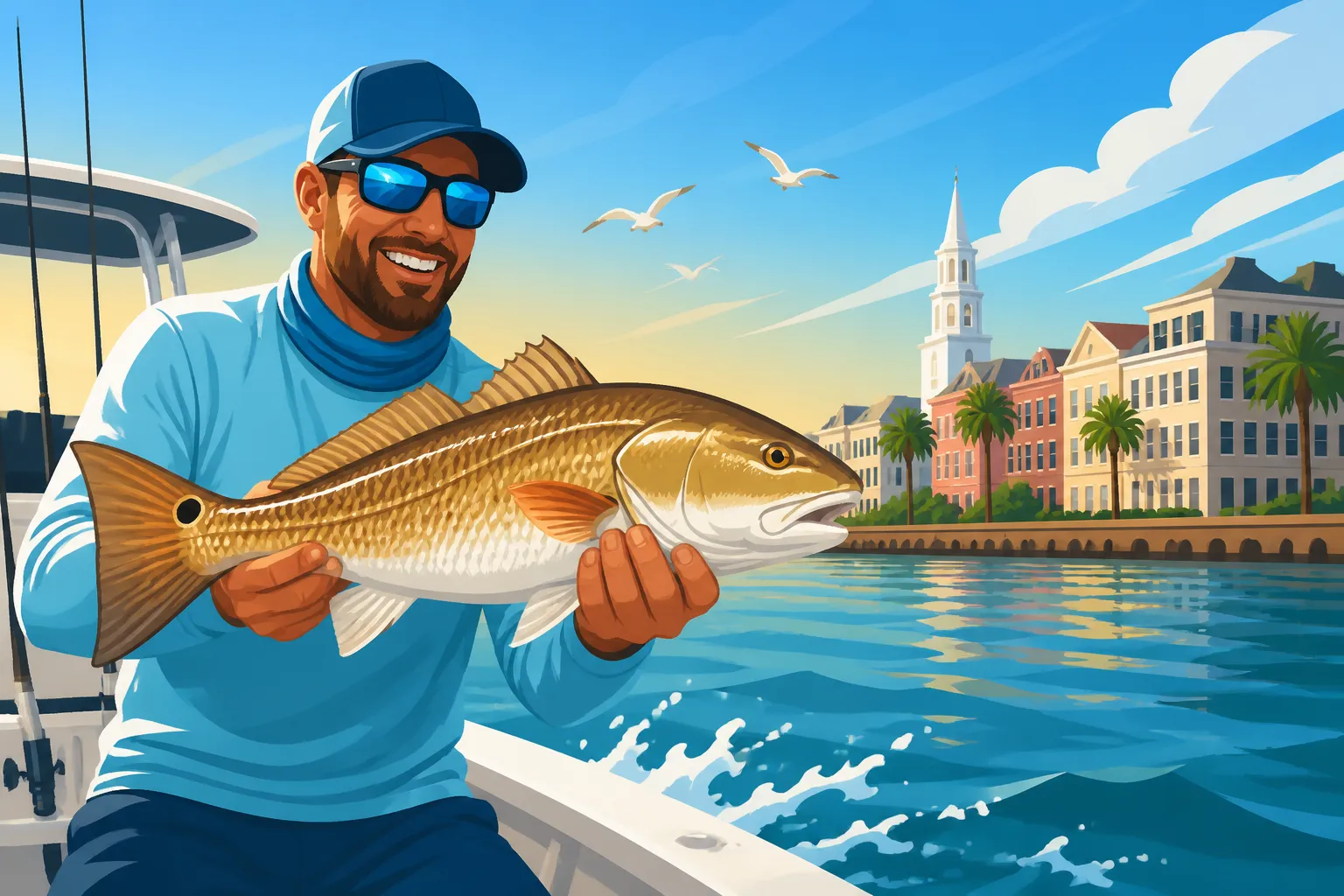
Without a doubt, the Redfish, also known as Red Drum, holds the undisputed title of Charleston's signature inshore game fish. Its distinctive copper-bronze color, often with one or more prominent "eyespots" on its tail, makes it instantly recognizable, but it's their robust fight and cunning nature that truly captivate anglers. Redfish thrive in the shallow, marshy habitats of Charleston Harbor, frequenting oyster beds, grass flats, and tidal creeks where they forage for crabs, shrimp, and small baitfish. They are powerful swimmers, and once hooked, they'll make strong runs, testing both your tackle and your angling skills.
Charleston guides are masters at employing various techniques to entice these Lowcountry icons. You might find yourself casting artificial lures, such as soft plastic jigs that mimic shrimp or baitfish, or even topwater plugs that create an explosive strike. Live bait, however, remains a perennial favorite, with shrimp, mullet, and mud minnows proving incredibly effective. The key to successful redfish angling often lies in understanding the complex tidal cycles; redfish will move with the rising and falling waters, pushing deep into the grass on flood tides to feed or congregating in deeper channels and around structure on low tides. A skilled captain will track these patterns with precision, positioning you for the best opportunities.
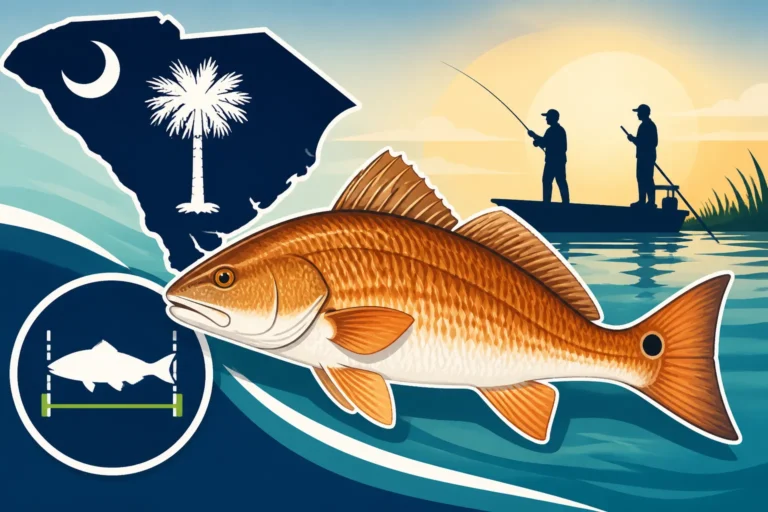
It's vital to remember that South Carolina has strict regulations to protect its precious redfish population. The South Carolina Redfish Slot Limit 18 to 25 Inches means that only fish within this specific length range can be legally kept. Fish under 18 inches (juveniles) and over 25 inches (larger breeding adults, often called "bull reds") must be released. This regulation is crucial for ensuring a healthy, sustainable population for future generations. Many charter captains, particularly those targeting larger redfish, strongly encourage catch-and-release for all their redfish catches, preserving these magnificent creatures. Imagine this: your reel screams as a powerful redfish, hooked just off an oyster bar, tries to make a desperate dash for the deeper channel. Your guide shouts encouragement, "Keep that rod tip up! Let him run!" as you expertly battle the iconic Lowcountry fighter, feeling every powerful head shake. For more on current regulations, see Current Redfish Regulations for Coastal Waters.
Spotted Seatrout and Flounder: Delicious and Challenging
While redfish often steal the spotlight, the Spotted Seatrout is another incredibly popular and rewarding inshore species found in abundance throughout Charleston Harbor. Known for their beautiful iridescent scales and distinctive black spots, these trout are ambush predators, preferring to hide along grass beds, oyster shells, and submerged structure, waiting for an unsuspecting baitfish or shrimp to swim by. They strike with a characteristic "thump" on the line, followed by a series of head shakes. Anglers typically target them with artificial jigs, often tipped with a piece of shrimp, or by drifting live shrimp under a popping cork, which mimics the sound of feeding fish and attracts their attention.
Flounder, masters of camouflage, are another highly sought-after species, prized for their delicious, flaky white meat. These flatfish lie perfectly still on the sandy or muddy bottom, often partially buried, waiting for prey to swim within striking distance. Their unique eye placement, typically on one side of their head, allows them to scan upwards while remaining hidden. Catching flounder requires a slightly different approach: typically, anglers will drag live bait (like a mud minnow or small mullet) or a soft plastic jig slowly along the bottom near structure, docks, or inlets. Patience is key, as a flounder's bite can be subtle, often feeling like a gentle "thump" or increased weight on the line before they commit.
Like redfish, both spotted seatrout and flounder are subject to specific regulations to ensure their healthy populations. For instance, the South Carolina Spotted Seatrout Minimum Size 14 Inches means any trout caught under that length must be released. Your charter captain will be well-versed in all current regulations, ensuring that any fish you keep are within legal limits. Catching these species offers a double reward: the challenge of the fight and the promise of a fantastic meal. Imagine this scenario: you feel a solid thud on your line near an oyster bed, then a distinctive head shake as you reel in a beautiful spotted seatrout, its iridescent scales shimmering in the sunlight. Or the excitement of a firm hookset, followed by the heavy, stubborn tug of a flounder as it tries to stay pinned to the bottom. To find the best spots for these flatfish, check out Best Flounder Fishing Spots Along the South Carolina Coast.
Other Exciting Species
While redfish, trout, and flounder are often the main targets, Charleston Harbor's diverse ecosystem means there are plenty of other exciting species to encounter, adding an element of surprise and variety to your trip. One such character is the Sheepshead, easily recognizable by its human-like teeth, which it uses to crush oysters, barnacles, and crabs. Sheepshead are notoriously clever bait-stealers and are often found lurking around pilings, docks, and other submerged structures. Catching them requires finesse and quick reflexes, making them a challenging and rewarding catch for any angler.
Another impressive fish you might encounter is the Black Drum. Often caught alongside redfish in similar habitats, Black Drum are distinguishable by their chin barbels and typically larger size, often growing much heavier than their red drum cousins. They offer a powerful, bulldog-like fight and are a fantastic bonus catch. While they might not be as acrobatic as a redfish, their sheer strength will certainly put your angling skills to the test.
Seasonal visitors also add to the harbor's appeal. During the warmer months of spring and summer, schools of Spanish Mackerel often enter the harbor's mouth and cruise the nearshore waters. These sleek, fast-moving predators provide exhilarating, fast-paced action, often caught by trolling small spoons or casting fast-retrieved lures. Their aggressive strikes and quick runs make for an exciting fight. Even smaller shark species, such as Bonnethead sharks or juvenile Blacktips, can be found in the harbor during the summer, offering a thrilling, albeit safe, encounter with these fascinating creatures. The sheer variety means that even if one species isn't biting, your guide often has a backup plan to put you on fish, making every trip an adventure with the potential for unexpected and exciting catches.
Tailoring Your Experience: Choosing the Perfect Charleston Charter
Selecting the right fishing charter is crucial for ensuring a successful and enjoyable experience in Charleston Harbor. With many talented captains and services available, knowing what to look for will help you make an informed decision that aligns with your fishing goals.
Researching Reputable Guides and Charter Services
The foundation of a great fishing trip begins with choosing a licensed, experienced, and reputable guide. A good guide is much more than just someone who drives a boat; they are a local expert with an intimate knowledge of the waterways, tides, and fish behavior. They're also an instructor, teaching you the best techniques, and most importantly, a safety officer, ensuring everyone on board has a secure and comfortable experience. You want someone who can read the water, adapt to changing conditions, and genuinely loves sharing their passion for fishing.
When researching, start by looking for guides who have a strong reputation. Reading reviews on platforms like FishingBooker can provide invaluable insights into other anglers' experiences, highlighting strengths like patience with children, expertise in specific species, or overall professionalism. Don't shy away from asking for personal recommendations from fellow anglers or locals. Checking a guide's website or social media presence can also give you a feel for their style, their typical catches, and the condition of their equipment. Look for guides who maintain well-kept boats, have updated gear, and clearly prioritize client safety. A truly reputable guide will also possess deep local knowledge – they know the subtle changes in the marsh, the nuances of the tides, and the secret spots that only years of experience can reveal. Their friendly, patient demeanor, especially when teaching beginners or engaging with kids, is often a hallmark of a top-tier professional.
Matching Trip Length and Group Size to Your Goals
One of the first decisions you'll make when booking is the duration of your trip. Charleston charters typically offer a few options, and the choice largely depends on your group's preferences, experience level, and available time. Half-Day vs Full-Day Fishing Charters in South Carolina is a common consideration. Half-day trips, usually lasting around 4 hours, are fantastic for families with young children, beginners, or those with limited time. They offer a taste of the harbor's fishing without committing to an entire day on the water, getting you back to the dock before anyone gets too tired or restless.
For more serious anglers, or those who want a more comprehensive fishing experience, a full-day trip (typically 6-8 hours) is often the preferred choice. The extended time allows the guide to explore more diverse fishing spots, travel further into the marsh, or even switch between different types of fishing (e.g., targeting redfish in the morning and then moving to trout in the afternoon). This longer duration provides ample opportunity to adapt to changing conditions and increases your chances of encountering a wider variety of species, making it ideal for those seeking a deeper dive into the Lowcountry fishery.
Group size is another important factor. Most inshore charters in Charleston are designed to comfortably accommodate 1-4 anglers. This allows for personalized attention from the guide and ample space on the boat for casting and moving around. If you have a larger group, you'll need to inquire about options like booking multiple boats for a "buddy trip" or, in some cases, a larger boat that can handle more passengers. Always be upfront with the captain about the exact number of people in your party, including any young children, to ensure safety regulations are met and that the boat can comfortably accommodate everyone. For detailed considerations, explore Private vs Shared Fishing Charters in South Carolina.
What Your Charter Fee Typically Covers
When you book a Charleston fishing charter, you're investing in a premium, hassle-free experience, and it's helpful to understand what your fee usually covers. The vast majority of reputable charters are all-inclusive when it comes to the essential fishing equipment. This means you won't need to bring your own rods, reels, or tackle; the guide will provide top-quality gear perfectly suited for the local conditions and target species. Crucially, they also typically supply all the necessary bait, whether it's live shrimp, mud minnows, mullet, or a variety of artificial lures.
One significant advantage often overlooked is that the charter fee almost always includes the required fishing licenses for everyone on board. This saves you the time and effort of navigating South Carolina's licensing requirements yourself, allowing you to simply show up and fish legally. Your captain holds a commercial license that covers all passengers, so you can leave your wallet in your pocket when it comes to licenses. For specific details on this, check out South Carolina Charter Fishing Licenses and Gear Included.
Beyond the fishing essentials, most charters also provide other amenities to enhance your comfort. This typically includes a cooler filled with ice for your personal drinks and snacks, a shaded area on the boat to escape the sun, and all necessary safety equipment, such as life jackets and first-aid kits. It's always a good idea to confirm specific inclusions with your captain when booking, but you can generally expect a well-equipped boat ready for a day on the water. What’s typically not included are personal items like sunscreen, hats, polarized sunglasses, and critically, the guide’s gratuity, which we’ll cover in more detail shortly.
Essential Preparations for Your Charleston Fishing Expedition
To truly maximize your Charleston Harbor fishing charter experience, a little preparation goes a long way. Thinking ahead about what to wear, what to pack, and what to expect can make your day on the water much more comfortable and enjoyable.
Packing Smart: Clothing, Sun Protection, and Personal Items
The South Carolina sun, especially during spring, summer, and fall, can be incredibly intense, even on what seems like a cloudy day. Therefore, sun protection is paramount. You should liberally apply high-SPF sunscreen before you even leave for the dock, and bring it along to reapply throughout the day. A wide-brimmed hat (not just a baseball cap) will provide crucial protection for your face, ears, and neck. Perhaps the most critical piece of gear you can bring is a good pair of polarized sunglasses. These don't just protect your eyes from glare; they allow you to see into the water, spotting fish, oyster beds, and submerged structure that would otherwise be invisible, turning a potential guess into a precise cast.
When it comes to clothing, think in layers. Light, breathable fabrics that wick away moisture are ideal. Long-sleeved shirts, even in warm weather, offer excellent sun protection. The weather can change quickly on the water; a cool morning breeze might turn into a warm, sunny afternoon, or an unexpected shower could pass through. A lightweight rain jacket or windbreaker, even if the forecast looks clear, can be a lifesaver, keeping you comfortable in case of a sudden sprinkle or cooler air. For footwear, choose non-marking shoes with good grip – boat decks can be slippery. Avoid flip-flops, as you'll want something more secure for stability and comfort. For more ideas on appropriate attire, refer to What to Wear on a Hilton Head Fishing Charter, which shares similar advice for coastal South Carolina.
Finally, consider a small, waterproof bag or backpack for your personal essentials. This is where you can safely store your phone, wallet, keys, and camera, protecting them from splashes or unexpected rain. If you take any personal medications, ensure they are easily accessible. And speaking of cameras, don't forget to charge it! You'll want to capture those memorable catches and the stunning Lowcountry scenery.
Food, Hydration, and Comfort on the Water
Staying hydrated is absolutely crucial for any outdoor activity in South Carolina, and a fishing charter is no exception. Bring plenty of water, juice, or other non-alcoholic beverages. Most guides will provide a cooler with ice on board, but it’s always a good idea to confirm this ahead of time and bring your own drinks to stay refreshed throughout your trip. Dehydration can quickly sap your energy and enjoyment, so drink steadily, even if you don't feel thirsty.
For longer trips, or even half-day excursions, packing some snacks or a light lunch is highly recommended. Fishing, even from a comfortable boat, can be surprisingly energy-intensive, and nobody wants to be "hangry" out on the water. Easy-to-eat items like sandwiches, fruit, granola bars, or trail mix are perfect. Avoid anything too messy or that requires a lot of preparation. The goal is convenience and sustenance, so you can focus on the fishing.
Lastly, if you are prone to motion sickness, take preventative medication before you board the boat. While Charleston Harbor is largely sheltered and generally calm, choppier conditions can sometimes arise, particularly near the harbor mouth, jetties, or on windy days. It's much better to be proactive and enjoy your trip than to spend it feeling unwell. Even if you've never experienced motion sickness, a little precaution never hurts, especially if you're venturing out for a longer trip or on a day with predicted chop.
Setting Realistic Expectations and Communicating with Your Guide
One of the most important aspects of preparing for your Charleston fishing charter is setting realistic expectations. Remember, fishing is a sport and a pursuit of wild animals; it's not a guarantee. While Charleston offers incredible angling opportunities, every day on the water is different. Weather, tides, fish behavior, and even moon phases can influence the bite. The true enjoyment of a charter comes from the entire experience: the stunning scenery, the wildlife, the camaraderie, and the challenge of the pursuit, not solely from the number or size of fish caught. Even on a slow day, soaking in the Lowcountry beauty and learning from an expert guide can make for an unforgettable outing.
Open and honest communication with your guide is absolutely key to a successful trip. Before you even depart, discuss your goals, your experience level, and any physical limitations your group might have. Do you want to target a specific fish like redfish? Are you hoping for lots of action for the kids, regardless of species? Do you prefer to learn new techniques, or simply relax and reel in whatever bites? The more information you provide, the better your guide can tailor the trip to your preferences. They are there to make your day enjoyable, and understanding your expectations helps them achieve that.
During the trip, listen attentively to your guide's instructions. They are the expert on the water and their advice on casting, retrieving techniques, or how to properly fight a fish can make all the difference between a missed opportunity and a successful catch. Trust their judgment on where to fish, what bait to use, and when to move. Their ultimate goal is to make your trip as successful and enjoyable as possible, and by working together, you'll create lasting memories.
Navigating Charleston Charter Costs and Gratuities
Understanding the financial aspects of booking a Charleston fishing charter, including costs and the important tradition of tipping, is a vital part of planning your trip. It ensures transparency and allows you to budget effectively for a truly exceptional experience.
Understanding the Investment in a Quality Fishing Experience
The cost of a fishing charter in Charleston, like anywhere else, can vary significantly. Factors influencing the price include the duration of the trip (4-hour half-day, 6-hour three-quarter day, or 8-hour full-day), the type of fishing (inshore, nearshore, specialized fly fishing), the size and amenities of the boat, and the number of anglers in your party. While chartering a boat might seem like a substantial outlay at first glance, it's essential to understand the value you're receiving.
When you pay for a charter, you're not just paying for a boat ride. You're covering the licensed captain's extensive experience, deep local knowledge, and countless hours spent scouting fish. The fee also includes the use of top-quality rods, reels, tackle, and all the necessary bait – items that, if purchased individually, would amount to a significant investment. Furthermore, fuel costs, insurance, boat maintenance, and often even the required fishing licenses for everyone on board are all factored into the price, providing a truly hassle-free, premium angling experience that would be difficult, if not impossible, to replicate on your own. It's an investment in convenience, expertise, and a memorable day on the water. For more information on what to expect, check out Charleston Inshore Fishing Charter Cost and South Carolina Charter Fishing Costs and Trip Types. To get current figures and compare specific charter options, it's always best to check individual charter websites or reputable booking platforms like FishingBooker, where prices for various trip types are clearly listed.
The Standard Practice of Tipping Your Hardworking Guide
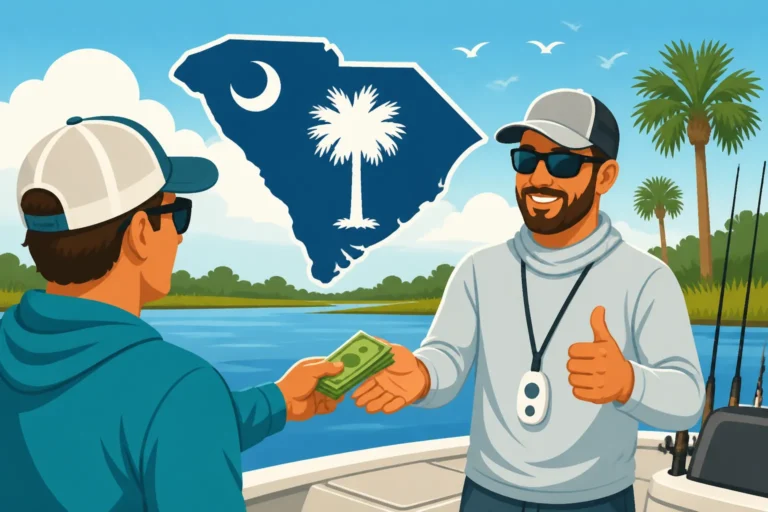
One of the most common questions new charter clients have is about tipping. It's crucial to understand that tipping your fishing guide is not just customary; it's a standard and expected practice within the charter industry, similar to tipping service staff in restaurants or salons. For many guides, gratuities constitute a significant portion of their income and are a direct reflection of their hard work, dedication, and the quality of the service they provide throughout your trip.
As a general guideline, a gratuity of 15-20% of the total charter price is considered standard for good service. If your guide went above and beyond—perhaps they were exceptionally patient with children, worked tirelessly to find fish on a challenging day, or provided excellent instruction—a higher tip is always greatly appreciated and truly shows your appreciation for their efforts. It's important to remember that tipping should be based on the guide's effort, professionalism, and the overall quality of the experience, not solely on the number or size of fish caught. Fish can be fickle, but a good guide will always work tirelessly to put you in the best position for success, regardless of whether the fish are biting. Their expertise, safety efforts, and commitment to your enjoyment are what you're primarily tipping for. For a deeper dive into this topic, refer to How Much to Tip Your South Carolina Fishing Guide.
Booking Logistics, Deposits, and Cancellation Policies
Planning your Charleston fishing charter also involves understanding the booking logistics, especially regarding deposits and cancellation policies. It's highly advisable to book your charter well in advance, particularly if you're planning your trip during peak seasons (like spring and fall) or around major holidays. Popular guides and prime dates fill up quickly, so securing your spot early ensures you get your preferred captain and timing.
Most charter services will require a deposit, often ranging from 25-50% of the total trip cost, to reserve your booking. This deposit confirms your commitment and helps the captain manage their schedule. Equally important is to thoroughly understand the charter's cancellation policy. These policies will typically outline conditions for refunds or rescheduling, especially in cases of inclement weather. It's almost universally accepted that weather-related cancellations are at the sole discretion of the captain, prioritizing the safety and comfort of all passengers. If the captain deems conditions unsafe or unfishable, they will usually offer to reschedule or provide a full refund of your deposit. However, client-initiated cancellations within a certain timeframe (e.g., less than 72 hours before the trip) may result in forfeiture of the deposit.
To simplify the booking process and ensure you have clear access to all policy information, consider using reputable online booking platforms like FishingBooker. These platforms often streamline the reservation process, provide transparent details about deposits and cancellation terms, and offer secure payment options, making it easier to plan and manage your Charleston fishing adventure with confidence.
| Trip Type | Average Duration | Key Target Species | Ideal For | Common Inclusions |
|---|---|---|---|---|
| Half-Day Inshore | 4 hours | Redfish, Spotted Seatrout, Flounder, Sheepshead | Families, Beginners, Quick Trips, Sight-fishing | All gear, bait, tackle, licenses, cooler with ice |
| Full-Day Inshore | 6-8 hours | Redfish, Spotted Seatrout, Flounder, Black Drum | Experienced Anglers, Species Diversity, More ground | All gear, bait, tackle, licenses, cooler with ice |
| Nearshore (Jetties) | 4-6 hours | Spanish Mackerel, Bluefish, Bull Redfish | Anglers seeking bigger fish, varied techniques | All gear, bait, tackle, licenses, cooler with ice |
| Fly Fishing Inshore | 4-6 hours | Tailing Redfish | Experienced Fly Anglers, Sight-fishing enthusiasts | Specialized fly gear, specific flies, licenses |
| Kid/Family Adventure | 2-4 hours | Smaller Sharks, Pin Fish, Croaker, Whiting | Young Children, First-time Anglers, High volume | Kid-friendly gear, bait, tackle, licenses, patience |
Conservation and Ethical Angling in Charleston's Waters
The abundance of fish and the health of Charleston's estuarine ecosystem are not accidental; they are the result of conscious conservation efforts and responsible angling practices. As an angler exploring these waters, you play a crucial role in preserving this natural treasure for generations to come.
Adhering to South Carolina's Fishing Regulations
South Carolina has established a comprehensive set of fishing regulations designed to ensure the sustainability of its diverse fish populations. These rules, which cover aspects like South Carolina Fishing Bag Limits Explained (how many fish you can keep) and size restrictions (the minimum and maximum length a fish must be to be legally harvested), are critically important. They are not arbitrary; they are based on scientific data and aimed at protecting juvenile fish so they can grow to maturity and breed, as well as preserving large, often highly reproductive, adult fish that are vital for future generations.
When you book a licensed charter in Charleston, you benefit immensely from your captain's expertise in this area. These professionals are intimately familiar with all current regulations, and they will ensure that every fish kept on board adheres strictly to the legal limits. You should trust their judgment implicitly; never pressure your captain to keep an undersized or oversized fish. Doing so not only risks fines but, more importantly, undermines the conservation efforts essential for maintaining a healthy fishery.
The concept of "slot limits," particularly for species like redfish, is a prime example of effective conservation. The South Carolina Redfish Slot Limit 18 to 25 Inches means that only fish within that specific size window can be harvested. Fish smaller than 18 inches are protected to allow them to mature, while those larger than 25 inches (the "bull reds") are also protected as they are critical breeding stock. Many charters enthusiastically encourage catch-and-release, especially for these larger, more valuable breeding fish, knowing that releasing them ensures they continue to contribute to the population. By respecting these rules, you actively participate in safeguarding Charleston's rich fishing heritage.
Practicing Catch and Release and Minimizing Environmental Impact
Beyond legal compliance, ethical angling also involves practicing responsible catch and release, particularly for fish outside the legal slot limit or those you simply don't intend to keep for consumption. Proper catch and release techniques significantly increase a fish's survival rate. This includes using appropriate tackle, such as circle hooks (which are less likely to gut-hook a fish), minimizing the time a fish is out of the water, handling fish gently with wet hands or gloves to protect their protective slime layer, and supporting heavier fish horizontally to prevent organ damage. Your charter captain will guide you through these best practices, ensuring that released fish have the best chance of survival.
Furthermore, a fundamental principle of ethical angling is to "leave no trace." This means everything you bring onto the boat should leave with you, or be properly disposed of. Never litter, especially plastic bottles, food wrappers, or discarded fishing line, which can be incredibly harmful to marine life. Monofilament fishing line, in particular, can entangle birds, dolphins, and other animals, leading to injury or death. Dispose of it properly in designated recycling bins if available, or take it home. Be mindful of your impact on the delicate marsh and estuarine environment, avoiding disturbing sensitive habitats like oyster beds, which are crucial for the ecosystem's health.
Finally, your charter experience is also an unparalleled opportunity to appreciate Charleston's rich biodiversity. Respect the local wildlife by maintaining a safe distance from dolphins, seabirds, manatees, and other creatures you encounter. Avoid disturbing their natural behaviors for a closer look or photo. By embracing these conservation and ethical angling practices, you not only ensure the longevity of Charleston's incredible fishery but also become a steward of its natural beauty, contributing to a healthy and vibrant ecosystem for all to enjoy.
Disclaimer
This article is for general informational purposes only and does not constitute professional advice. Laws, prices and regulations vary by location and change over time. Consult a qualified professional for guidance on your specific situation.