Best Time of Year to Catch Panfish
If you've ever spent a beautiful day by a South Carolina pond or lake, only to come up empty-handed with your panfish efforts, you know that frustration. It's not just about getting your line in the water; it's about when you drop that line. Understanding the best time of year to catch panfish can dramatically change your success, turning those slow days into memorable hauls, and this guide will walk you through exactly that.
Why Panfish Seasons Matter in South Carolina
Panfish, a beloved category of smaller, delectable fish like bluegill, shellcrackers (redear sunfish), and crappie, are often seen as the gateway to fishing. They're plentiful, feisty, and fantastic table fare. But while they might seem like an easy catch, their behavior, like all fish, is heavily influenced by the seasons and the water temperature. In South Carolina, with our varied climate from the mountains to the coast, these seasonal shifts dictate everything from where panfish gather to what they’re willing to bite. Trying to catch them the same way year-round is a recipe for disappointment. Instead, by understanding their annual rhythms, you can tailor your approach and consistently find success.
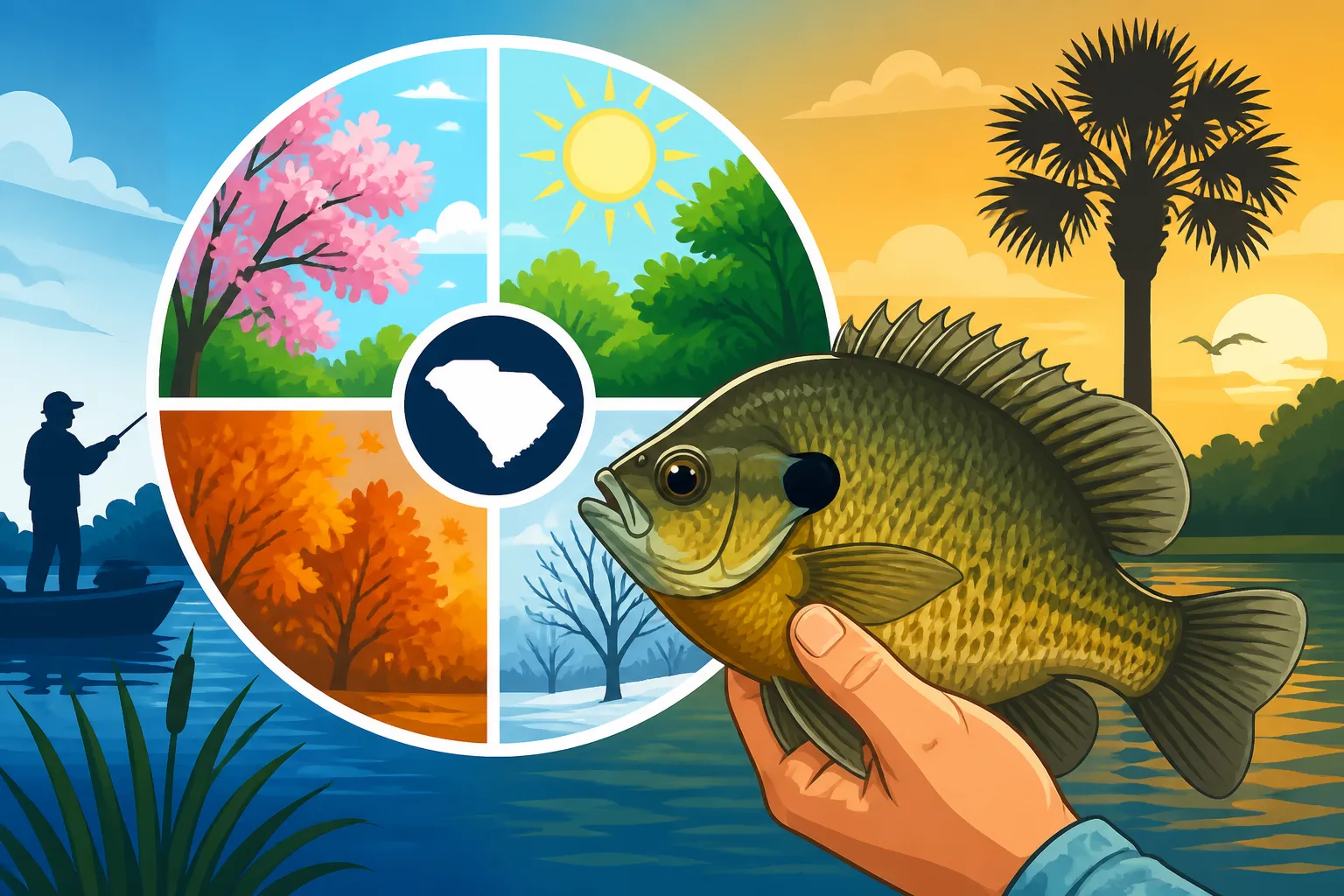
Think about it: just like we change our wardrobe and activities with the seasons, fish change their feeding habits, spawning rituals, and preferred hangouts. In spring, they're preparing for love; in summer, they're seeking comfort from the heat; fall brings a feeding frenzy; and winter makes them lethargic. Knowing these patterns means you're not just fishing; you're hunting with a strategy. You'll learn that the same techniques that land you a bucket full of bluegill in April won't do much good in August, and that's perfectly okay because there are strategies for every month of the year.
Understanding Different Panfish Species and Their Peak Seasons
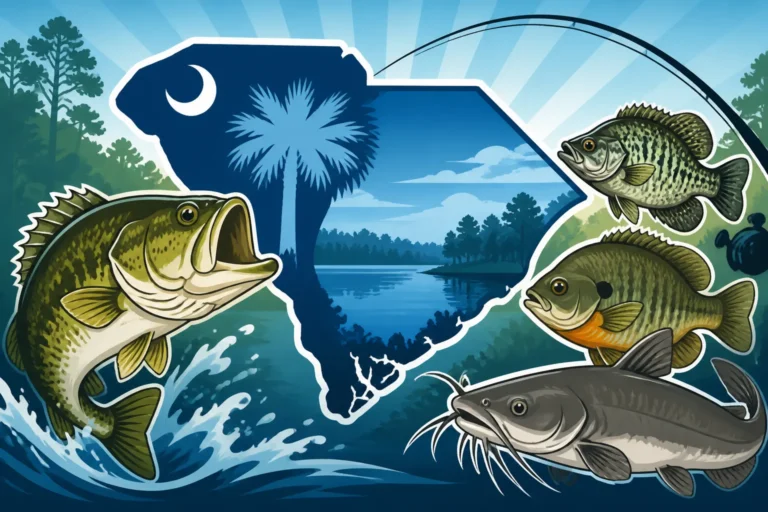
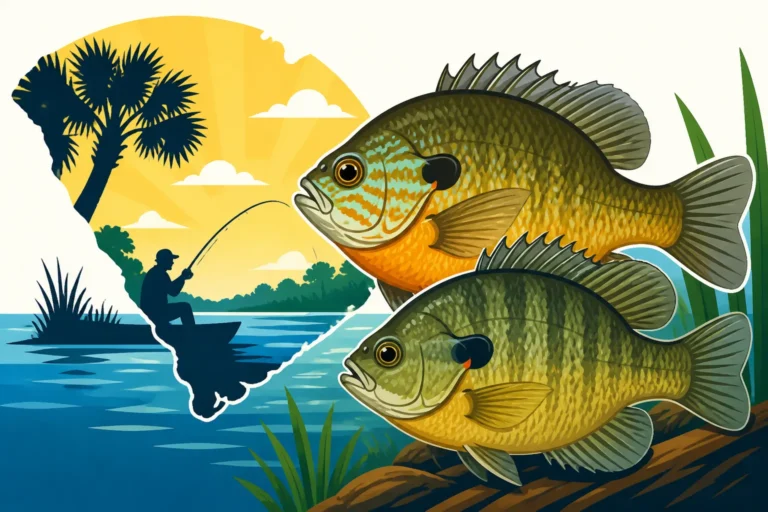
When we talk about "panfish" in South Carolina, we're usually referring to a few key players. Bluegill (also known as bream or sun perch) are probably the most common and often the first fish many of us ever catch. Redbreast sunfish, with their vibrant colors, are another favorite, especially in rivers. Redear sunfish, or shellcrackers, are prized for their size and firm flesh. And of course, there's crappie, both black and white, which are often pursued with specialized tactics due to their schooling nature and delicious meat. Each of these species has slightly different preferences, but they all share a strong seasonal influence.
For instance, bluegill and redear sunfish are known for their distinct bedding periods, often around the full moon in late spring and early summer. Crappie, on the other hand, tend to move into shallower waters much earlier in the spring. Understanding these subtle differences is key to maximizing your catch. If you're targeting shellcrackers, you'll be looking for different signs and fishing in different spots than if you were after crappie. Knowing How to Identify a Bluegill vs a Redbreast Sunfish can also help you hone your techniques for each.
Spring: The Golden Age of Panfishing
Ah, spring in South Carolina! If there's a "best" time to catch panfish, many seasoned anglers would argue it's this period. As the water temperatures begin to climb from the chilly winter lows into the ideal 60-75°F range, panfish, especially bluegill and crappie, become incredibly active. This is their time to shine, to shake off the winter doldrums and prepare for the all-important spawn. The days are getting longer, the bugs are buzzing, and the fish are hungry.
Pre-Spawn Panfish Frenzy
Before the actual spawning begins, panfish enter a pre-spawn phase. This is arguably one of the most exciting times to fish because they are aggressively feeding to build up energy for reproduction. You'll find them moving out of their deeper winter haunts and congregating in transition areas, like the edges of drop-offs, submerged timber, or weed lines, particularly near where they plan to bed. They're not yet locked onto beds, but they're definitely scouting and fueling up.
During this time, small jigs, spinnerbaits, or live bait like crickets and worms are incredibly effective. Fish are less finicky now, more interested in a substantial meal. Casting these offerings near cover in shallower water, typically 3-8 feet deep, can lead to non-stop action. It's a fantastic time for both new anglers and veterans alike, as the bite can be quite forgiving. Many anglers start their panfish season by stocking up on these essentials, often finding great deals on fishing tackle and bait on Amazon to get ready for the season.
The Spring Spawn: Bedding Bluegill and Crappie
The spawn is what many panfish anglers live for. For bluegill and redear sunfish, this typically occurs from April through June, often correlating with full moons and water temperatures consistently in the high 60s to low 70s. During this period, male panfish create "beds" – circular depressions in shallow, sandy, or gravely bottoms, often clustered together in colonies. These beds are usually in 1-4 feet of water, making them visible to the keen eye.
Once on the beds, panfish become extremely territorial and aggressive, protecting their nests. This makes them relatively easy targets. Live worms, crickets, or small artificial lures presented directly over or near a bed will often elicit an immediate strike. You might even hear the "pop" of a bluegill hitting a topwater lure right above its bed. This is the prime time for Bluegill Fishing Tips for South Carolina Ponds and Redear Sunfish Fishing Tips for South Carolina Anglers, where locating these beds is half the battle. Just be mindful of harvesting, as taking too many fish off beds can impact future populations.
For crappie, their spawn can begin even earlier, sometimes as early as March in South Carolina, continuing into April and May as water temperatures hit the low to mid-60s. They move into shallower areas, often around submerged brush, timber, or weed beds, typically a bit deeper than bluegill beds, but still accessible. Spider rigging or slow trolling with jigs or minnows around these structures can produce incredible numbers of slab crappie.
Summer: Early Mornings and Deep Retreats
As South Carolina's summer heat settles in, panfish behavior shifts dramatically. The days are long and hot, and surface water temperatures can climb well into the 80s, making the shallows less comfortable for many species during midday. However, don't write off summer panfishing! It just requires a change in strategy and a willingness to brave the heat.
Chasing the Early and Late Bites
During the peak of summer, panfish, especially larger ones, become much more active during the cooler parts of the day. This means dawn and dusk are your best friends. In the early morning hours, before the sun climbs high, panfish will often move into slightly shallower water to feed before retreating to deeper, cooler zones. The same goes for the late evening as the sun begins to set.
Target areas with shade, like under overhanging trees, docks, or bridges. Structure becomes even more critical now – submerged brush piles, weed lines, and fallen timber provide both cover and cooler water. Focus on these areas with small jigs, micro-spoons, or live bait. Ultralight spinning gear makes these subtle bites feel like a trophy fight. For kids, this is still a great time for Kid-Friendly Panfish Spots for Beginners, especially if you find a shaded pier or dock.
Deep Water and Shade
When the sun is blazing high and the shallows are simmering, panfish seek refuge in deeper, cooler waters. This is when you'll need to adapt your techniques. Look for panfish suspended over drop-offs, around deep brush piles, or in channels. Sometimes they'll be congregated around aerators if you're fishing a private pond. Using a depth finder can be invaluable here.
Presenting your bait or lure vertically becomes key. Drop-shot rigs, small jigs tipped with a minnow or a piece of worm, or tight-lining techniques can be very effective. Tightlining Techniques for Crappie Explained can be particularly useful for finding those deep-water schools. You might not get the same fast-paced action as the spring spawn, but the fish you do catch can often be larger and more consistently found if you locate their summer hideouts. A quality fish finder, which you can often research on Amazon, can make a huge difference in pinpointing these deeper schools.
Fall: The Autumn Feeding Frenzy
Fall is another fantastic time for panfishing in South Carolina, often overlooked by anglers focused on bass or other species. As air temperatures cool and water temperatures gradually drop back into the comfortable 60s, panfish sense the approaching winter and begin to feed aggressively. This is their last chance to pack on calories before the lean times of winter.
Transitioning to Deeper Cover
In early fall, panfish might still be found in some of the same summer haunts, but as the water continues to cool, they will start to transition. They'll move out of the very shallow spawning areas and begin to relate to deeper cover, though not yet their full winter depths. Look for them around the edges of weed beds that are starting to die back, around submerged timber on points, or along deeper creek channels.
The feeding can be quite good during this period. Fish are active and willing to chase. Small crankbaits, spinnerbaits, and a variety of jigs can be effective. Live bait, as always, is a reliable choice. This is also an excellent time to explore Crappie Fishing Tips for South Carolina Lakes, as crappie will often school up in impressive numbers as they prepare for winter.
Schooling and Aggressive Feeding
As fall progresses and water temperatures continue to drop, panfish like crappie and even larger bluegill will often school up tightly. This is a survival mechanism, but it also creates fantastic fishing opportunities. If you find one, you're likely to find many. These schools will often be associated with significant structure in slightly deeper water, such as large brush piles, standing timber, or even bridge pilings.
Vertical jigging, slow trolling with multiple rods (spider rigging), or casting small jigs to visible structure can be incredibly productive. The fish are often fat and feisty, making for excellent battles on ultralight tackle. Remember to keep an eye on your fish finder for those tell-tale schools of baitfish, as panfish won't be far behind. Finding the right Best Bait for Panfish in Farm Ponds can give you an edge, whether it's classic worms or specialized crappie minnows.
Winter: Slow and Steady Rewards
Winter in South Carolina might not bring the extreme cold of northern states, but water temperatures certainly drop, impacting panfish activity. This is often considered the toughest season for panfishing, but dedicated anglers can still find success by understanding the subtle changes required. It’s a time for patience and precision, rather than fast-paced action.
Deep, Concentrated Schools
During winter, panfish become much less active and seek the most stable water temperatures, which are usually found in deeper parts of lakes and ponds. They will often congregate in large, tight schools in deep holes, along river channels, or around significant submerged structures like deep timber or brush piles. Their metabolism slows down, and they're not expending much energy, so their feeding windows are shorter and less aggressive.
Finding these schools is paramount. Once again, a good fish finder is your best friend. Look for concentrations of fish in 15-30 feet of water, sometimes even deeper depending on the body of water. When you find them, mark the spot precisely. They won't move much unless disturbed.
Finesse and Patience
Winter panfishing demands a finesse approach. Small baits and slow presentations are key. Tiny jigs, often 1/32 to 1/64 ounce, tipped with a small plastic grub or a wax worm, are incredibly effective. Live minnows, fished on light line with minimal weight, are also excellent for crappie. You'll need to present these offerings directly to the fish, often vertically right above their heads, with very subtle movements.
The bite itself can be incredibly light – sometimes just a slight twitch in your line, or the feeling of added weight rather than a distinct thump. Pay close attention to your rod tip. On warmer winter days, especially after a period of stable weather, panfish might become slightly more active and move into shallower, sunny areas for brief feeding periods. These are golden opportunities to be seized. This is also a good time to remember how important it is to respect the rules, so familiarize yourself with South Carolina Fishing License Requirements in South Carolina before heading out.
Seasonal Panfish Fishing Strategies at a Glance
To give you a quick reference point for how panfish behavior shifts throughout the year in South Carolina, here’s a handy table. Remember, these are general guidelines, and local conditions (like a sudden cold front or unusually warm spell) can always influence fish behavior.
| Season | Typical Water Temperature | Panfish Location | Best Baits/Lures | Key Techniques |
|---|---|---|---|---|
| Spring | 60-75°F | Shallows (1-8 ft), spawning beds, brush | Worms, crickets, minnows, small jigs, spinnerbaits | Bed fishing, casting near cover, slow trolling |
| Summer | 75-85°F | Deeper water (8-25 ft), shade, brush piles | Worms, crickets, minnows, micro-jigs, drop-shot | Early/late bite, vertical jigging, tight-lining |
| Fall | 60-70°F | Transition areas (5-15 ft), deeper brush, channels | Worms, minnows, small crankbaits, jigs, spoons | Casting to structure, slow trolling, vertical jigging |
| Winter | 45-55°F | Deep holes (15-30+ ft), concentrated brush | Tiny jigs (1/32 oz), wax worms, small minnows | Finesse vertical jigging, slow retrieve, patience |
This table serves as a handy reminder that while panfish are year-round fun, adapting to the season is crucial. Sometimes, all it takes is a small adjustment in your depth or bait choice to turn a slow day into a successful one. If you're looking for South Carolina's Best Ponds for Panfish Fishing, consider how the depth and structure of those spots might change throughout these seasons.
Tips for Consistent Panfish Success Throughout the Year
Catching panfish consistently isn't just about knowing when to go; it's also about having the right approach and equipment. Here are a few universal tips that will help you put more panfish in your cooler, no matter the season.
Light Tackle is Your Friend
Panfish, by nature, are smaller species, and trying to catch them on heavy bass gear is going to diminish the fun and make detecting bites much harder. Opt for ultralight spinning gear with a light-action rod (5 to 6.5 feet long) and a small reel spooled with 4-6 pound test monofilament or fluorocarbon line. This setup will allow you to cast light lures, feel those subtle bites, and enjoy the fight from even a modest bluegill. You can find excellent ultralight combos on Amazon that won't break the bank.
A lightweight setup is not just for enjoyment; it’s practical. The lighter line allows your bait to fall more naturally, which can be critical for finicky fish, especially in winter. It also makes your casting more accurate for placing tiny jigs into tight spots around cover.
Master the Art of Presentation
No matter the bait or lure, how you present it to the fish is often as important as the offering itself. Panfish are curious but can be easily spooked. Cast beyond your target area and retrieve your bait into the strike zone to avoid splashing directly on top of them. For live bait, use just enough weight to get your offering to the desired depth. For jigs, a slow, steady retrieve with occasional twitches often works wonders.
Experiment with different retrieve speeds and jigging motions until you find what the fish are responding to. Sometimes, a dead-stick retrieve (letting the bait sit perfectly still) is what it takes, especially in colder water. Other times, an aggressive twitch-and-pause might trigger a reaction strike. There are countless Simple Bream Fishing Techniques for Kids that focus on easy, effective presentations.
Don't Forget the Basics: Live Bait!
While artificial lures are fun and effective, sometimes you just can't beat the real thing. Live bait is universally appealing to panfish, year-round. Worms (red wigglers, nightcrawlers), crickets, and small minnows are panfish magnets. Keep your live bait fresh and lively, as this makes a big difference in enticing strikes.
A small bobber can be invaluable for suspending live bait at the right depth, especially when fishing around cover. For bottom-dwelling panfish like shellcrackers, a simple bottom rig with a split shot or small sinker to keep your worm on the bottom can be deadly. Always have a variety on hand, as fish can be picky one day and ravenous the next.
Utilize Modern Technology
While a cane pole and a worm are classic panfish tools, modern technology can seriously boost your success. A fish finder, even a portable one, can help you locate those deep-water schools in summer and winter. GPS features on your phone or a dedicated unit can help you mark productive brush piles or deep holes to return to later. How to Buy a Fishing License on Go Outdoors South Carolina is a useful resource for digital tools too, showcasing how technology can streamline your fishing experience beyond just finding fish.
Even simple additions like a thermometer to check water temperature can give you valuable clues about where fish might be and how active they are. The more information you have, the better equipped you'll be to make educated decisions on the water, rather than just guessing.
Stay Mobile and Adaptable
Panfish can move, sometimes frequently, in response to weather changes, bait movements, or fishing pressure. Don't be afraid to change spots if you're not getting bites. Fish a section of shoreline or a piece of structure for 15-20 minutes, and if nothing happens, move on. The most successful panfish anglers are often those who cover water efficiently until they find an active school.
Be willing to change your bait, lure, or presentation if what you're doing isn't working. Start with your go-to method, but if you're not getting bites, don't be stubborn. Try a different color jig, a different type of live bait, or fish a different depth. Flexibility and observation are key to cracking the panfish code.
Remember, fishing is as much about enjoyment as it is about catching fish. By understanding the seasonal patterns and adapting your approach, you'll not only catch more panfish but also gain a deeper appreciation for the rhythms of nature in South Carolina's beautiful waters.
Disclaimer
This article is for general informational purposes only and does not constitute professional advice. Laws, prices and regulations vary by location and change over time. Consult a qualified professional for guidance on your specific situation.