Is Spotted Seatrout Good to Eat?
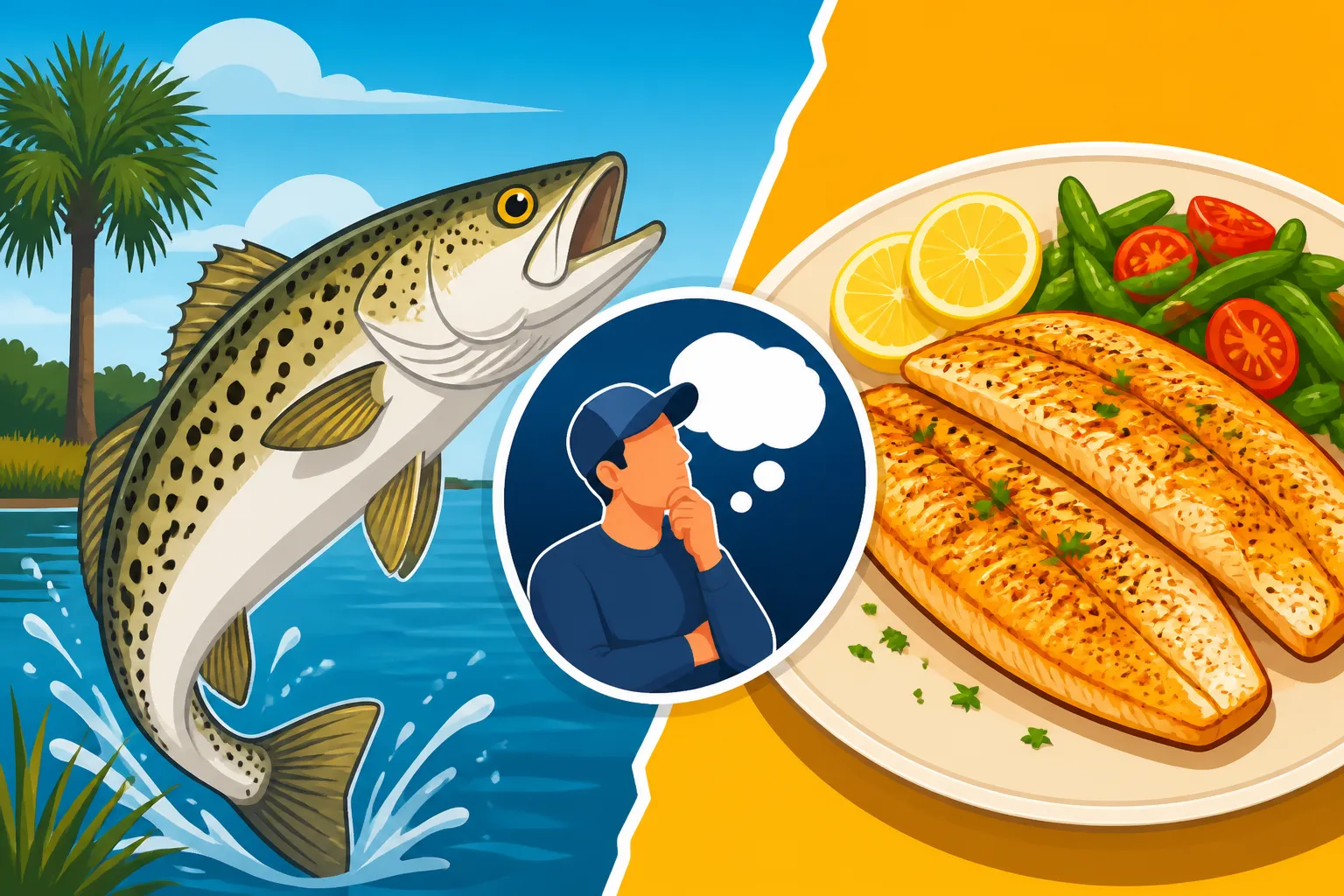
There's nothing quite like the satisfaction of reeling in a beautiful spotted seatrout from the shimmering waters of a South Carolina estuary. But after the thrill of the catch, a common question often pops into an angler's mind: "Is this fish actually good to eat?" You’ve put in the effort, you've respected the South Carolina Spotted Seatrout Minimum Size 14 Inches and South Carolina's 10-Fish Spotted Seatrout Daily Limit Explained, and now you want to know if your hard work will be rewarded with a delicious meal. Let's dive deep into what makes spotted seatrout a fantastic choice for the dinner table and how to make the most of your catch.
Understanding the Culinary Appeal of Spotted Seatrout
Spotted seatrout, often affectionately called "specks" or "trout" by local anglers, aren't just a blast to catch; they're also highly prized in kitchens across the Lowcountry and beyond. Their delicate flavor and flaky texture make them a versatile canvas for a wide range of culinary creations. Many fishermen consider them one of the best-tasting inshore species available, rivaling even some of the more famous redfish.
The Delicate Flavor Profile
One of the standout qualities of spotted seatrout is its mild, subtly sweet flavor. It's not overpoweringly "fishy" like some mackerel, but it still possesses a distinctive, fresh, slightly briny taste that speaks to its saltwater origins. This makes it an excellent choice for those who enjoy fish but prefer a less intense flavor. The taste is clean, allowing accompanying seasonings and sauces to complement rather than be overwhelmed. If you've ever had a firm, strong-tasting fish and weren't a fan, you might find that the spotted seatrout hits just the right note. It's a flavor that can please a wide variety of palates, even those who might be hesitant about eating fish.
For those who are particular about fish flavor, freshness is absolutely paramount with spotted seatrout. A fish that has been handled well and kept on ice from the moment it leaves the water will invariably taste far superior to one that has been allowed to sit in a warm fish box. This is true for all fish, of course, but particularly noticeable with delicate white fish like trout. Think about it – the moment you catch a fish, the clock starts ticking on its quality. Taking immediate steps to bleed the fish and get it on a bed of ice will preserve that pristine flavor. This is why many experienced anglers invest in high-quality coolers and plenty of ice, readily available from retailers like Amazon, to ensure their catch remains in prime condition.
The Desirable Texture
Beyond flavor, the texture of spotted seatrout is another major reason for its popularity. When cooked properly, the flesh is moist, tender, and beautifully flaky, separating easily into delicate pieces. It’s a white meat fish, meaning it cooks up opaque and firm enough to hold its shape, but soft enough to melt in your mouth. This isn't a tough or chewy fish; it's light and succulent, making it feel quite luxurious on the plate. It's not as firm as, say, a swordfish steak, but it's far from mushy. This balance makes it enjoyable whether you're pan-frying it to a crisp golden brown or gently baking it with herbs.
The fine flakes of the cooked trout mean it absorbs marinades and seasonings wonderfully without losing its inherent character. It’s also relatively lean, so it doesn't leave you feeling heavy after a meal. This lean quality, however, does mean you need to be careful not to overcook it, as it can dry out quickly. A little butter, olive oil, or a moist cooking method can go a long way in keeping that beautiful texture intact. Understanding fish behavior, especially during different times of the year, can also impact fat content and, consequently, texture. For instance, fish caught during colder months or after a big feeding spree might have a slightly richer profile. If you're wondering how to target them, check out Best Bait for Spotted Seatrout in Cold Weather or Best Lures for Spotted Seatrout in Grass Flats.
Preparing Your Spotted Seatrout for the Kitchen
Getting your spotted seatrout ready for cooking is a crucial step in ensuring a delicious meal. Proper handling, cleaning, and filleting can make all the difference in the final taste and texture. Don't rush this part; it's an extension of the care you took during the catch. Many anglers feel a sense of pride in transforming their fresh catch into a meal, and it all starts here.
Cleaning and Filleting
The moment your spotted seatrout is caught, its culinary journey truly begins. The first step after harvesting your legal catch (remembering to respect South Carolina Spotted Seatrout Minimum Size 14 Inches and bag limits) is to get it on ice immediately. Bleeding the fish by cutting a gill arch can also significantly improve the taste by reducing blood in the flesh, leading to a cleaner flavor. Once you're back home, it's time to clean.
Filleting is usually the preferred method for preparing spotted seatrout. The bones are relatively easy to navigate, and the resulting boneless fillets are perfect for most cooking applications. You'll want a sharp, flexible fillet knife – you can find a wide selection of excellent options on Amazon, often with protective sheaths. Start by making a cut behind the gill plate, down to the backbone. Then, turn the knife flat and run it along the backbone, separating the fillet from the rib cage. Once the fillet is off, you can remove the skin by holding the tail end firmly and carefully running your knife between the flesh and the skin at a shallow angle. Removing the skin is a matter of preference; some find it removes any lingering "fishy" taste, while others don't mind it. If you're fishing in specific areas like Spotted Seatrout Fishing Near Beaufort, you'll want to ensure you're up to date on any local nuances in regulations or best practices.
Storage for Optimal Freshness
If you're not planning to cook your spotted seatrout immediately, proper storage is vital. Fresh fillets can be stored in the refrigerator for a day or two, ideally in an airtight container or wrapped tightly to prevent any air exposure, which can lead to freezer burn or drying out. For longer storage, freezing is your best friend. The key to successful freezing is to minimize air contact. Many seasoned anglers use a vacuum sealer, which is a fantastic investment available on Amazon, to remove all air from around the fillets before freezing. This technique can keep your fish tasting fresh for several months.
Alternatively, you can place fillets in freezer bags and fill the bag with water before sealing. This creates an ice glaze that protects the fish from freezer burn. Label your bags with the date so you know how long they've been stored. Thaw frozen fillets slowly in the refrigerator overnight for the best results, rather than at room temperature or in the microwave, which can negatively impact texture. Proper storage ensures that when you finally decide to cook that beautiful fish, it retains all of its natural flavor and delicate texture, making the entire effort worthwhile. You might even want to save some for a special occasion, perhaps on one of South Carolina's South Carolina Free Freshwater Fishing Day May 25 2026 if you combine licenses.
Favorite Ways to Cook Spotted Seatrout
The versatility of spotted seatrout is truly one of its greatest assets in the kitchen. Its mild flavor and flaky texture mean it adapts beautifully to a wide array of cooking methods, from simple pan-frying to more elaborate preparations. You're really only limited by your imagination, but here are some tried-and-true methods that highlight its best qualities.
Pan-Frying and Sautéing
This is arguably one of the most popular ways to prepare spotted seatrout, and for good reason. Pan-frying results in a wonderfully crispy exterior while keeping the inside moist and tender. Lightly dredge your fillets in seasoned flour, cornmeal, or a mix of both, perhaps with a pinch of cayenne for a little kick. Then, simply cook them in a hot skillet with a thin layer of oil (like olive oil or a neutral vegetable oil) or butter until golden brown on each side, usually just 2-4 minutes per side depending on thickness.
For an even richer flavor, you can finish it with a squeeze of fresh lemon juice and a sprinkle of chopped parsley. This method truly allows the fish's natural flavors to shine through, complemented by a satisfying crunch. It's a quick and easy way to get dinner on the table, perfect after a long day of fishing. For the best sear, consider using a cast iron skillet, which many home chefs swear by and can be found readily on Amazon. Remember, trout can be delicate, so a gentle flip is key to keeping those beautiful flakes intact. If you're wondering about the timing for your catch, understanding Best Time of Day to Catch Spotted Seatrout might help you plan your cooking window.
Baking and Broiling
For a lighter, healthier option that still delivers fantastic flavor, baking or broiling spotted seatrout is an excellent choice. Place your fillets on a baking sheet lined with parchment paper for easy cleanup. Drizzle with olive oil, season with salt, pepper, garlic powder, and your favorite herbs like dill or thyme. You can also add some thinly sliced lemon or a dollop of butter on top of each fillet.
Bake at around 375-400°F (190-200°C) for about 10-15 minutes, or until the fish flakes easily with a fork. For broiling, place the seasoned fillets under a hot broiler for 5-8 minutes, keeping a close eye on them to prevent overcooking. The high heat of broiling creates a lovely caramelized crust. Both methods produce a tender, juicy fillet that's perfect for a weeknight meal or a more elegant dinner party. You can even add some vegetables to the pan for a complete meal.
Grilling and Blackening
If you love the smoky flavor of grilled food, spotted seatrout is a great candidate, though it requires a bit more care due to its delicate texture. To prevent the fillets from sticking and falling apart on the grill, place them in a grilling basket or on a piece of aluminum foil brushed with oil. Season your fillets generously and grill over medium-high heat for a few minutes per side until cooked through. The subtle smokiness from the grill complements the fish's mild flavor beautifully.
Blackening is another fantastic, bold way to prepare seatrout, especially popular in South Carolina. This involves coating the fillets heavily in a special blend of spices (often including paprika, cayenne pepper, onion powder, garlic powder, and thyme), then cooking them in a screaming hot cast iron skillet with a small amount of butter or oil until a dark, flavorful crust forms. The inside remains moist and tender, offering a wonderful contrast in texture and a burst of flavor. Just be prepared for some smoke in your kitchen – this method is often best done outdoors on a side burner if possible! For more details on the fish and how it interacts with local rules, you might find South Carolina Spotted Seatrout Fishing Regulations Explained useful.
| Cooking Method | Flavor Profile | Texture | Preparation Tips | Best For |
|---|---|---|---|---|
| Pan-Frying/Sautéing | Mild, sweet, with crispy crust | Flaky, moist interior | Dredge in seasoned flour/cornmeal; use hot oil/butter; quick cook time | Classic, quick meals, beginners |
| Baking/Broiling | Clean, herb-infused, light | Tender, very moist | Drizzle with oil, herbs, lemon; avoid overcooking | Health-conscious, hands-off cooking |
| Grilling | Smoky, delicate | Flaky, firm enough to hold | Use grill basket/foil; season well; medium-high heat | Outdoor cooking, enhanced flavor |
| Blackening | Bold, spicy, savory | Moist interior, crisp, spicy crust | Heavy seasoning, very hot cast iron skillet, butter | Flavor enthusiasts, experienced cooks |
Tips for the Best Eating Experience
You've caught your beautiful spotted seatrout, you've cleaned and prepared it with care, and now it's time to enjoy the fruits of your labor. But a few final touches and considerations can elevate your meal from good to truly unforgettable. After all the effort, you want to make sure every bite is perfect.
Freshness is Non-Negotiable
We've touched on this already, but it bears repeating: the single most important factor in how good your spotted seatrout tastes is its freshness. From the moment it leaves the water until it hits your plate, every step should prioritize keeping the fish cold. A rapid kill, immediate bleeding, and placement on a thick bed of ice (not just in icy water) will preserve that delicate flavor and texture. If your fish has been sitting out in the heat for too long, no amount of seasoning or expert cooking will salvage its quality. This means investing in a good quality cooler and plenty of ice, something you can easily stock up on through online retailers. Keeping the fish happy and cold until it's ready to be filleted is crucial. While you're at it, check the South Carolina Fishing Bag Limits Explained to ensure you're only keeping what's legal and sustainable.
Also, consider the time of year you're catching them. Some anglers claim that fish caught in cooler water, like during the fall or early spring, can have a firmer flesh and even better flavor profile due to lower metabolism and less "muddy" environments. The South Carolina's Winter Gigging Ban for Seatrout is put in place for conservation, but it doesn't mean you can't still enjoy these delicious fish from rod and reel during the colder months, potentially with enhanced quality.
Simple Seasonings are Often Best
With a fish as mild and naturally delicious as spotted seatrout, less is often more when it comes to seasoning. You don't want to overpower its delicate flavor with heavy sauces or strong spices. Instead, aim to complement and enhance it. Classic pairings like fresh lemon juice, butter, garlic, salt, and black pepper are always winners. A sprinkle of fresh herbs like parsley, dill, or chives adds brightness without dominating.
If you want a little more complexity, consider a light white wine sauce, a simple caper butter sauce, or a quick mango salsa to serve alongside. The idea is to let the fish be the star of the show. Many of these simple, fresh ingredients are readily available, or you can find specialty spice blends on Amazon designed specifically for white fish that provide a balanced flavor without overwhelming. You might find you develop a favorite go-to seasoning blend that you keep on hand for every trout you bring home.
Don't Overcook It!
This is perhaps the most common mistake people make when cooking any fish, and especially delicate fish like spotted seatrout. Overcooked fish becomes dry, tough, and loses its beautiful flaky texture. Trout cooks quickly, so vigilance is key. The general rule of thumb is to cook fish until it's opaque throughout and flakes easily with a fork. For a 1-inch thick fillet, this might only be 8-10 minutes in the oven or 3-4 minutes per side in a pan.
Use a meat thermometer if you're unsure; fish is typically done when it reaches an internal temperature of 145°F (63°C). Remember that carryover cooking means the fish will continue to cook for a minute or two after being removed from the heat, so it's better to err on the side of slightly undercooked than overcooked. Perfecting the cook time ensures that succulent, moist texture that makes spotted seatrout such a prized catch. Understanding where to find these fish is half the battle; ensuring you handle them properly after the catch is the other half. For prime spots, you could explore Where to Catch Spotted Seatrout in South Carolina's Inshore Waters.
When you follow these tips, you’ll discover that spotted seatrout is not just good to eat, it’s truly excellent. It’s a wonderful reward for your time spent on the water, offering a fresh, healthy, and incredibly flavorful meal that’s hard to beat.
Disclaimer
This article is for general informational purposes only and does not constitute professional advice. Laws, prices and regulations vary by location and change over time. Consult a qualified professional for guidance on your specific situation.