Where to Catch Redfish Near Charleston, South Carolina
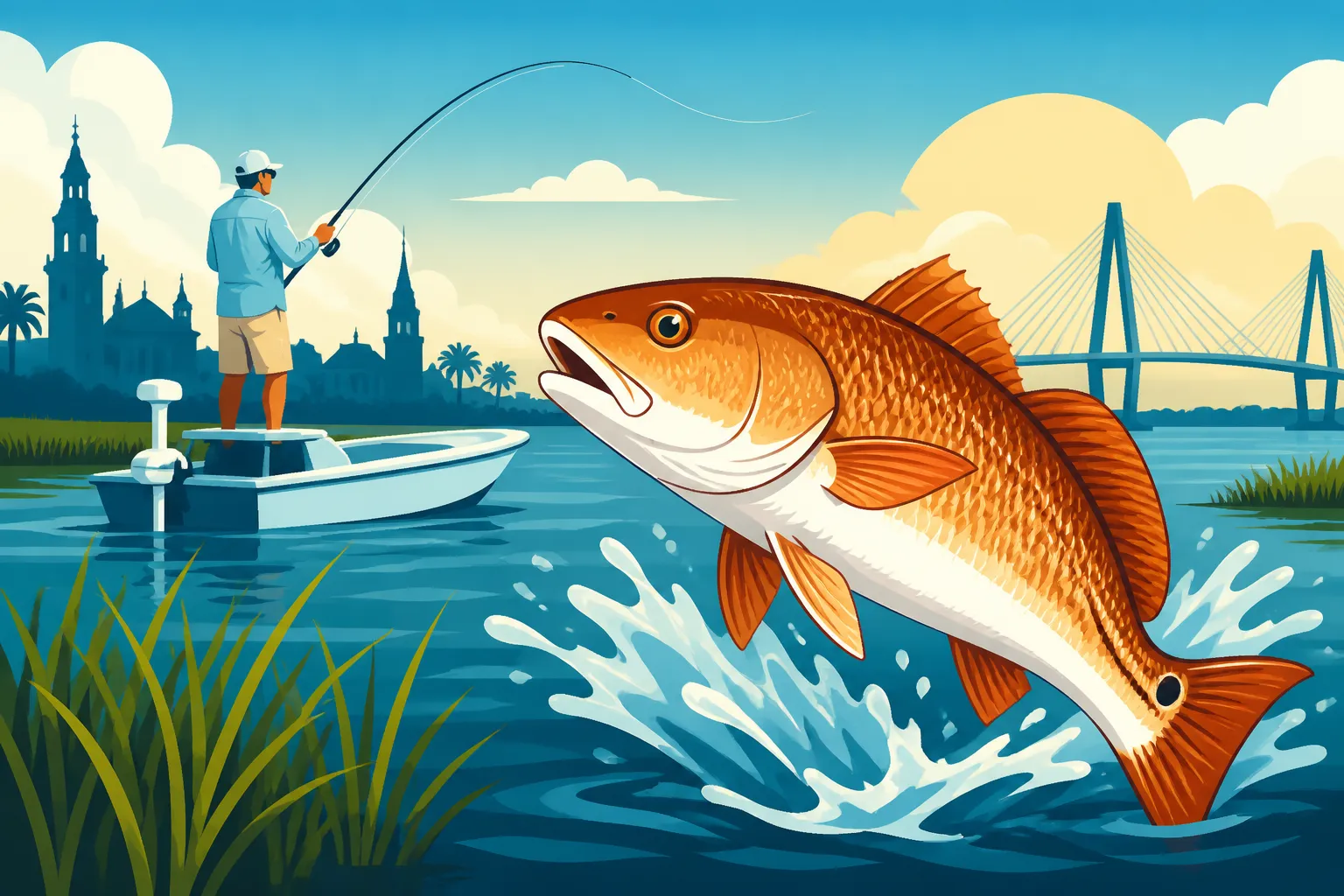
Trying to find redfish in the vast, intricate waterways surrounding Charleston, South Carolina, can feel like searching for a needle in a marshy haystack, especially if you're new to the Lowcountry. It's easy to get overwhelmed by the sheer number of creeks, estuaries, and flats. This guide is here to cut through the confusion and pinpoint the best spots and strategies to successfully hook into some feisty redfish near Charleston, giving you the confidence to explore these incredible fishing grounds.
Understanding Charleston's Redfish Habitat
Charleston's coastal ecosystem is a redfish paradise, but understanding why certain areas hold fish is key to consistent success. These bronze beauties thrive in specific environments, and once you learn to read the water, you'll start seeing patterns that lead to more bites.
The Lowcountry Estuaries and Their Appeal
Charleston is nestled right in the heart of South Carolina's Lowcountry, a region defined by its expansive estuarine systems. This isn't just open ocean or simple rivers; it's a complex network of saltwater marshes, tidal creeks, mudflats, and oyster beds. Redfish absolutely adore these areas because they offer everything a predatory fish could want: abundant food, protection from larger predators, and a dynamic environment that constantly refreshes their hunting grounds. Think about miles of spartina grass providing cover, shrimp and baitfish darting through the shallow water, and crabs scuttling over oyster shells. It's a buffet and a fortress all rolled into one.
The shallow, nutrient-rich waters of these estuaries act like nurseries, supporting a massive food chain. Redfish, being opportunistic feeders, capitalize on this bounty. They'll cruise the edges of the marsh grass, nosing into muddy bottoms to root out crabs, or ambush baitfish fleeing exposed flats. The natural structure provided by oyster reefs and fallen timber also serves as ambush points and protection, making these areas prime real estate for schooling redfish. Understanding this fundamental preference for estuary habitats is the first step to successful redfishing here.
Tidal Influence and Redfish Movement
If there's one thing every Lowcountry angler lives and breathes by, it's the tide. The ebb and flow of the tide dictates everything when it comes to redfish behavior, especially in Charleston's shallow marsh systems. It's not just about high tide or low tide; it's about the movement of that water and how it interacts with the topography of the creeks and flats. Redfish use the tides like a conveyor belt, moving with it to access new feeding grounds or retreat to deeper, safer water.
During an incoming tide, redfish will often push into the shallowest parts of the marsh, sometimes with their tails "tailing" out of the water as they root around for fiddler crabs and other crustaceans. This is a prime time for sight fishing. As the tide starts to fall, these fish will begin to move out of the grass, congregating along creek edges, oyster bars, and deeper pockets, waiting for bait to be flushed out. Understanding these patterns is critical. For example, fishing during a strong outgoing tide at the mouth of a smaller creek can be incredibly productive, as all the small baitfish and crabs get funneled right past your offering. You can learn more about this dynamic in Does Tide Timing Matter for South Carolina Redfish?.
Top Redfish Hotspots Around Charleston
Charleston's coastline offers a myriad of fantastic redfish opportunities. While the fish can be found almost anywhere there's healthy marsh, some spots are consistently more productive due to their structure, accessibility, and bait concentrations.
Shem Creek and Mount Pleasant Inshore Waters
Just across the Ravenel Bridge from downtown Charleston, you'll find Mount Pleasant, a vibrant community with an incredible fishing scene. Shem Creek, in particular, is iconic. While the creek itself is busy with boats and restaurants, the extensive marsh flats and smaller feeder creeks surrounding Shem Creek are absolute redfish magnets. Anglers often launch kayaks or small skiffs here to access the quieter backwaters where redfish hold. Look for areas with dense oyster shell beds, which are natural hiding spots for crustaceans and baitfish, making them prime redfish feeding grounds.
The waters stretching from Shem Creek north towards Hamlin Sound and the Isle of Palms are a labyrinth of productive marsh. These areas feature shallower flats that become accessible on higher tides, perfect for anglers who enjoy poling a boat or wading to sight fish. During lower tides, redfish will often school up in the deeper bends of these creeks. Targeting the exposed oyster rakes and sandbars on a falling tide can be incredibly effective, as redfish will lie in wait for prey being pulled off the flats. Mount Pleasant Redfish Fishing Spots in South Carolina delves deeper into these local hot zones.
Charleston Harbor and Its Tributaries
Charleston Harbor itself is a massive body of water, but don't let its size intimidate you. It's home to some fantastic redfish action, especially along its numerous tributaries and around man-made structures. The confluence of the Ashley and Cooper Rivers creates a nutrient-rich environment that supports a healthy redfish population. While you might not be sight fishing vast flats here, the harbor offers different types of opportunities.
Focus on areas with current and structure, such as bridge pilings, docks, and submerged rock piles. These spots create current breaks and ambush points for redfish. Tributaries like Wappoo Cut, which connects the Ashley River to the Stono River, are also excellent. These smaller channels provide a more intimate fishing experience while still offering plenty of structure and tidal flow. The harbor is often best fished from a boat, allowing you to cover more ground and target various depths. Many local fishing charters operate out of the harbor, and they can show you some of the prime locations. For more detailed information on specific areas within the harbor, check out Best Redfish Spots in Charleston Harbor, South Carolina.
The Isle of Palms and Bulls Bay Areas
Venturing slightly north of Mount Pleasant, you'll discover the phenomenal fishing grounds around the Isle of Palms and the expansive Bulls Bay. These areas tend to be a bit less pressured than the immediate Charleston Harbor vicinity, offering a more tranquil, wild Lowcountry experience. The Isle of Palms, with its vast marsh system, offers incredible opportunities for redfish. Look for smaller creek mouths, points, and grass lines that drop into deeper channels.
Further north, Bulls Bay is a true wilderness experience. It's a vast estuarine system within the Cape Romain National Wildlife Refuge, known for its pristine beauty and abundant wildlife. This area is a bit more challenging to navigate due to its remoteness, but the reward can be substantial: larger, less pressured redfish. Anglers often target the edges of the extensive mudflats, oyster banks, and the myriad of tidal creeks that crisscross the bay. Due to its size, a reliable boat and a good GPS are highly recommended for exploring Bulls Bay. It's a fantastic spot for those seeking solitude and a genuine backcountry redfishing adventure.
Essential Techniques and Gear for Charleston Redfish
Catching redfish isn't just about finding them; it's about presenting the right bait or lure effectively. Having the right tools and knowing how to use them can make all the difference between a frustrating day and a memorable one.
Best Baits and Lures for Inshore Redfish
Redfish aren't overly picky, but certain baits and lures consistently outperform others in the Charleston area. When using live bait, mud minnows, live shrimp, and fiddler crabs are go-to options. Live bait is particularly effective when fish are sluggish or in cooler water, as the natural movement can entice a strike when artificials might not. You can typically find these readily available at local bait shops. For cut bait, pieces of fresh mullet or menhaden work wonders, especially when fished on the bottom in deeper creek bends or around oyster beds.
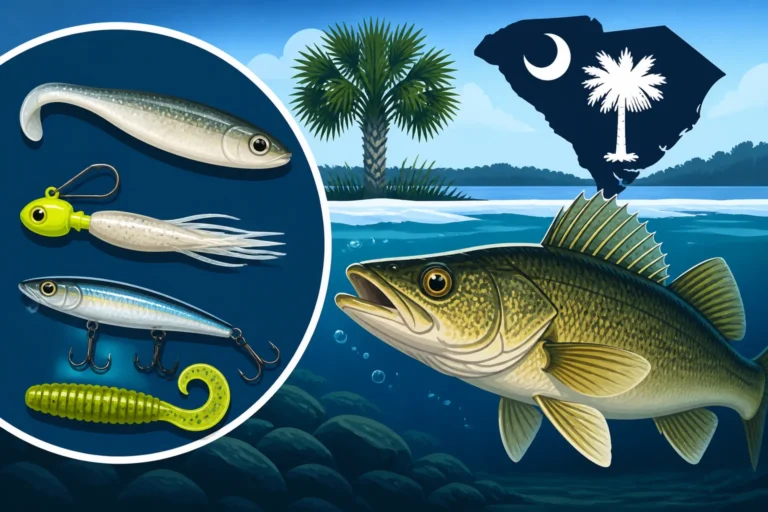
When it comes to artificial lures, a diverse tackle box will serve you well. Weedless spoons, like the famous Johnson Silver Minnow, are excellent for covering vast grass flats without snagging. Soft plastic jerkbaits or paddletails rigged on a weedless hook or a jighead are incredibly versatile and can imitate shrimp or baitfish effectively. Popular colors often include natural greens, browns, and white. Topwater lures, such as walk-the-dog style baits, can create explosive strikes during cooler mornings or evenings, especially when redfish are actively feeding on the surface. Before heading out, consider a quick check on Amazon for some of these versatile lures to stock your tackle box. For a deeper dive into bait choices, check out Best Bait for Redfish in South Carolina's Marsh Creeks.
Fishing Methods: Sight Fishing, Casting, and Trolling
The diverse habitats around Charleston call for a range of fishing methods. One of the most thrilling ways to catch redfish is sight fishing. This involves spotting individual fish or schools in clear, shallow water, often on higher tides when they're pushing into the grass. A good pair of polarized sunglasses is absolutely essential for this. You'll pole quietly or wade slowly, casting directly to the fish you see. This technique requires stealth and accuracy but is incredibly rewarding.
For more general fishing, casting to structure is a mainstay. This means targeting creek bends, oyster bars, dock pilings, and grass lines where redfish are likely to ambush prey. You'll cast your bait or lure and retrieve it in a way that mimics natural prey, adjusting your retrieve speed and action until you find what triggers a bite. While less common for inshore redfish, slow trolling with a grub or a live bait on certain occasions, particularly in deeper channels, can also be effective if you're trying to cover a lot of water and locate schools. The key is to be adaptable; redfish behavior can change rapidly with the tides and weather, so being prepared to switch tactics is crucial.
Gear Considerations for Charleston's Redfish
Having the right gear makes a huge difference in your comfort and success. For inshore redfish, a medium-heavy spinning rod, typically 6'6" to 7'6" in length, paired with a reliable 2500 or 3000 series spinning reel is ideal. This setup provides enough backbone to fight strong redfish while remaining light enough for repetitive casting. Spool your reel with 15-20 lb braided line, which offers excellent sensitivity and casting distance. Always add a fluorocarbon leader (20-30 lb test) of about 2-3 feet between your braid and your lure or hook; this provides abrasion resistance against oyster shells and makes your presentation less visible to the fish.
Hook choice will vary based on your bait, but 1/0 to 3/0 circle hooks are common for live or cut bait, promoting jaw hookups and easier release. Beyond the rod and reel, don't forget essential accessories. As mentioned, polarized sunglasses are a game-changer for spotting fish and structure. A good pair of pliers for hook removal, a net or a lip gripper for safe handling, and plenty of water are must-haves. Wearing quick-drying clothing and a wide-brimmed hat will also make your time on the water much more enjoyable. You can find a fantastic selection of waterproof bags and durable fishing apparel on Amazon to keep your gear dry and yourself comfortable.
Navigating Regulations and Ethical Angling
As with any popular fishery, conservation is paramount. To ensure that future generations can enjoy the thrill of redfishing in Charleston, it's vital for every angler to understand and adhere to local regulations and practice ethical angling.
Understanding Redfish Slot Limits and Bag Limits
South Carolina has specific regulations in place to manage its redfish population, and these rules are crucial for maintaining a healthy fishery. The most important regulation is the slot limit. Redfish must fall within a specific length range to be legally kept; fish that are too small or too large must be released. For example, redfish in South Carolina waters must be between 18 and 25 inches in total length. This slot ensures that juvenile fish have a chance to grow and mature, and that large, spawning-size fish are protected to contribute to future generations.
In addition to the slot limit, there's a daily bag limit, which dictates how many fish you can keep per person per day. There's also often a vessel limit, which limits the total number of redfish that can be on a boat, regardless of how many anglers are onboard. These limits can change, so it's absolutely critical to always check the most current regulations published by the South Carolina Department of Natural Resources (SCDNR) before each trip. Being informed prevents accidental violations and contributes to sustainable fishing. You can delve into the specifics of these rules in South Carolina Redfish Slot Limit Explained and South Carolina Redfish Vessel Limit Explained.
Responsible Angling Practices
Beyond legal requirements, practicing responsible angling is about respecting the resource and the environment. Catch and release is a cornerstone of redfish conservation, especially for fish outside the slot limit or if you've already met your bag limit. When releasing fish, handle them gently with wet hands, support their weight, and use appropriate tools like de-hookers to minimize stress and injury. Avoid dragging fish onto dry sand or rough surfaces.
Minimizing your impact on the fragile marsh ecosystems is also key. Avoid running aground in shallow grass flats, which can damage the delicate root systems that provide vital habitat. Properly dispose of all trash, fishing line, and old baits; never leave anything behind. These marshes are beautiful, productive environments, and it's up to us to keep them that way. Understanding how many fish you can legally keep is just one part of the equation, as explored in How Many Redfish Can You Keep in South Carolina?.
Licenses and Permits
Before you even make your first cast, you need to ensure you have the proper legal authorization. In South Carolina, any resident or nonresident aged 16 or older needs a valid saltwater fishing license to fish in coastal waters. This license helps fund conservation efforts and ensures the long-term health of our fisheries. You can easily purchase licenses online through the SCDNR's Go Outdoors South Carolina portal, or at various authorized vendors like tackle shops and some retail stores.
Make sure you understand the difference between resident and nonresident licenses, as well as the various durations available (annual, short-term). If you're fishing with a charter captain, they often cover the vessel's license, but it's always wise to confirm if individual angler licenses are still required. Always carry your license with you when fishing, either in physical form or digitally, as SCDNR officers can and will check for compliance. Being prepared with your license is as important as having your rod and reel. To get started, read How to Get a Fishing License in South Carolina or explore Saltwater Fishing Rules in South Carolina for comprehensive information.
Here's a quick comparison of some redfish spots near Charleston:
| Fishing Spot | Accessibility (Boat/Shore) | Best Tide Stage | Common Techniques | Typical Redfish Size | Notes |
|---|---|---|---|---|---|
| Shem Creek Tributaries | Boat (small), Kayak, Wade | High (incoming/falling) | Sight fishing, Casting | Medium | Oyster beds, grass lines; can be busy. |
| Charleston Harbor | Boat, Pier, Kayak | All tides | Casting, Bottom fishing | Medium-Large | Structure-oriented, strong currents. |
| Isle of Palms Marsh | Boat, Kayak, Wade | High (incoming) | Sight fishing, Casting | Medium | Shallow flats, creek mouths; less pressure. |
| Bulls Bay | Boat (reliable) | All tides | Casting, Poling | Medium-Large | Remote wilderness, great for larger fish. |
Charleston offers a redfishing experience unlike any other, with its stunning Lowcountry scenery and abundant fish. By understanding the unique habits of redfish, knowing where to focus your efforts, using the right techniques and gear, and always adhering to regulations and ethical practices, you’ll be well on your way to enjoying countless memorable days on the water.
Disclaimer
This article is for general informational purposes only and does not constitute professional advice. Laws, prices and regulations vary by location and change over time. Consult a qualified professional for guidance on your specific situation.