Best Time of Year to Fish for Brook Trout in South Carolina’s Mountains
Oh, the elusive brook trout! If you've ever dreamt of heading up into the crisp, cool air of the South Carolina mountains, seeking out those vibrant, jewel-toned native brookies, you know it's not always as simple as just "going fishing." These beautiful fish live in incredibly specific, often remote, habitats, and understanding their seasonal patterns is key to turning a hopeful hike into a truly memorable angling adventure. This guide is all about peeling back the layers on when and how to best pursue South Carolina's unique brook trout, helping you plan your mountain stream excursions for optimal success.
The Elusive Southern Appalachian Brook Trout and Why Timing Matters
Chasing native brook trout in South Carolina isn't just about catching fish; it's an experience deeply rooted in the wild, untamed beauty of our Blue Ridge Mountains. These aren't your typical stocked hatchery fish that are used to human presence and handouts. These are wild, wary creatures that have adapted perfectly to their pristine, cold-water homes. Because of their sensitivity and the delicate nature of their environment, the timing of your visit can quite literally make or break your trip. It's about respecting their rhythms and understanding the subtle shifts in their mountain world.
Understanding South Carolina's Unique Brook Trout Habitat
When we talk about South Carolina's brook trout, we're focusing on a very specific, almost magical corner of our state: the highest elevations of the Blue Ridge Mountains. Here, you'll find the headwaters of countless small streams and trickling feeder creeks that remain remarkably cold and clear year-round. These are the last bastions for South Carolina's Native Brook Trout: A Blue Ridge Mountain Original, a species that thrived across the Appalachians before habitat loss and competition from introduced trout species pushed them into higher, more isolated pockets. These streams are often narrow, choked with rhododendron and mountain laurel, and cascade over rocks and fallen timber, creating a labyrinth of small pools and riffles.
This isn't like casting a line into a big lake or a wide, open river. You're often wading through thick brush, clambering over slippery rocks, and making short, precise casts into tight windows. The water itself is typically gin-clear, meaning the brook trout have excellent visibility, making stealth an absolute must. Their survival depends on these pristine conditions, which is why they are so vulnerable to environmental changes. Knowing where these fish live helps you appreciate why certain times of the year are more favorable than others for both the fish's well-being and your chances of a successful catch.
The Importance of Water Temperature and Oxygen for Brook Trout
For brook trout, water temperature isn't just a preference; it's a matter of survival. These fish thrive in cold, highly oxygenated water, typically preferring temperatures between 50 and 65 degrees Fahrenheit. When water temperatures climb above this range, their metabolism goes into overdrive, stressing them and making them lethargic. Conversely, extremely cold water slows their metabolism to a crawl, making them less active and less likely to feed aggressively. This delicate balance of temperature directly impacts the dissolved oxygen levels in the water, which is another non-negotiable for brookies. Cold water holds more oxygen, while warmer water holds less.
Think about it from the trout's perspective: imagine trying to run a marathon in stifling heat with thin air. That's what it feels like for a brook trout when the water gets too warm or the oxygen too low. This sensitivity is precisely why you can't just show up any time and expect the same results. The entire food chain in these mountain streams is also temperature-dependent, from the aquatic insects they feed on to the very algae that forms the base of the ecosystem. Understanding this fundamental need for cold, oxygen-rich water is the first step in unlocking the secrets of successful brook trout fishing in South Carolina.
Prime Seasons for Chasing South Carolina's Brook Trout
While you can theoretically fish for brook trout year-round in South Carolina's mountains, some seasons definitely stack the odds more in your favor. These aren't hard and fast rules, of course, as Mother Nature always has her own plans, but knowing the general patterns can guide your trips. It's about finding that sweet spot where the fish are active, the water conditions are favorable, and the mountain scenery is just breathtaking.
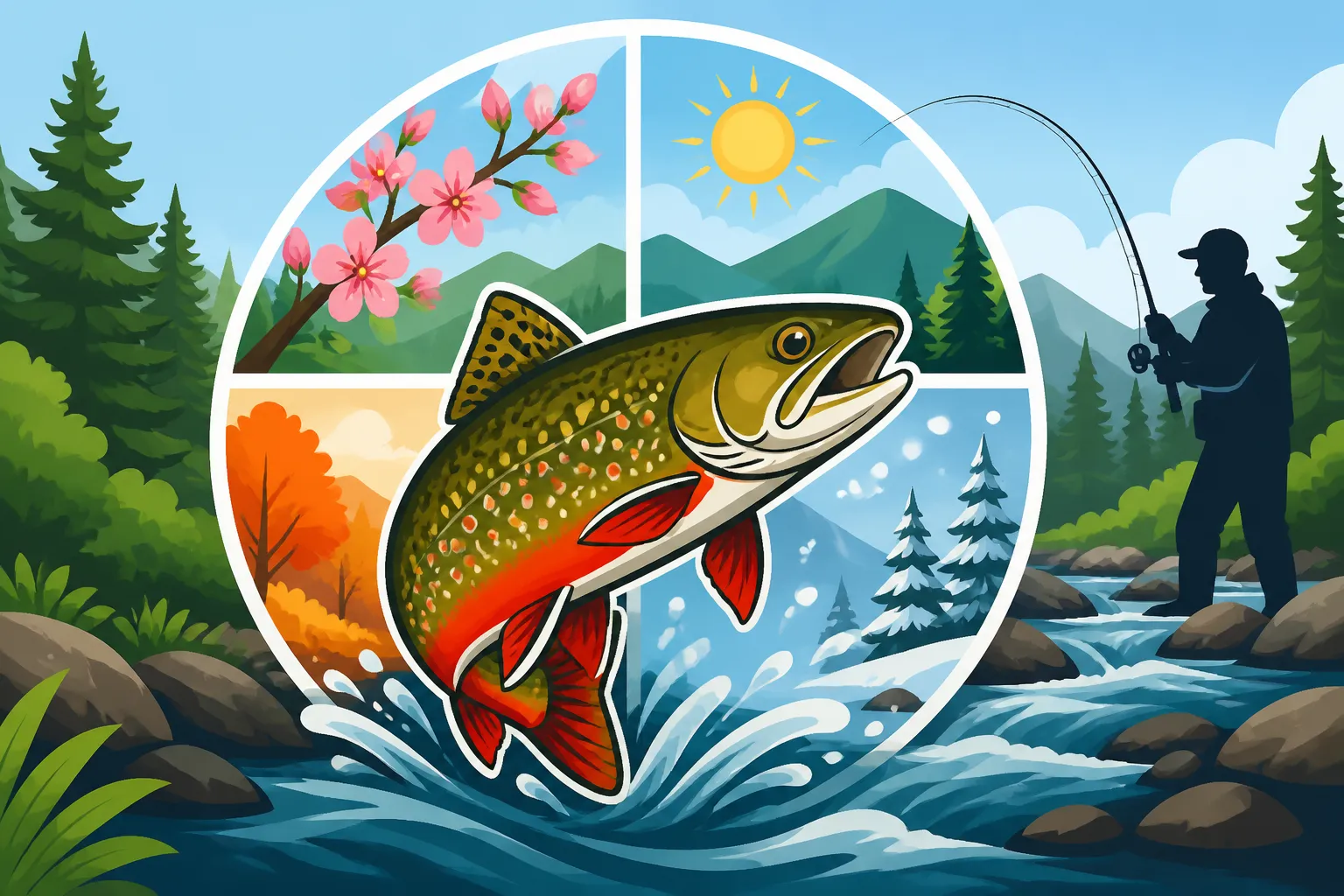
Spring: The Awakening and Feeding Frenzy
Ah, spring! This is often considered one of the absolute best times to head into the high country for brook trout. As winter's chill finally recedes and the days grow longer, the mountain streams begin to wake up. Early spring, when the snowmelt is just finishing and the water levels are still a bit high, can present challenges with swift currents, but it also flushes nutrients into the streams, kicking off the aquatic insect cycle. The water is still quite cold, meaning the oxygen levels are fantastic, and the brook trout are starting to shake off their winter lethargy and become incredibly active feeders.
Mid-to-late spring, usually from April through early June, is truly a golden window. The water temperatures reach that ideal 50-60 degree range, sparking prolific insect hatches – think Hendricksons, March Browns, and later, Sulphurs and Cahills. The brook trout key into these hatches, making them more visible and often more aggressive in their feeding. This is when both fly anglers, with their delicate presentations, and spin fishermen, with tiny spinners and jigs, can find fantastic success. The mountain flora is bursting with new growth, the air is clean and crisp, and the overall experience is just phenomenal. You'll find yourself making your way to Best Streams for Brook Trout in the Blue Ridge Mountains with anticipation.
Fall: The Spawning Spectacle and Aggressive Bites
If spring is the awakening, then fall is the grand finale. The vibrant display of autumn foliage in the Blue Ridge Mountains creates an unforgettable backdrop for brook trout fishing. As the days shorten and the nights grow cooler, water temperatures begin to drop back into that optimal range, typically from September through November. This cooling trend, combined with the instinct to spawn, makes brook trout incredibly active and often surprisingly aggressive. You'll notice the males developing spectacular orange and red hues, making them even more stunning to behold.
During the fall, brook trout become territorial and are more willing to chase down a fly or lure, preparing for or actively engaging in their spawning rituals. While it's crucial to practice ethical angling – avoiding disturbing spawning redds (nests) and immediately releasing any fish caught – the fishing can be exceptionally good. The insect activity might not be as explosive as in spring, but smaller nymphs and streamers can be highly effective. The stable, cooler water conditions mean the fish are healthy and strong, putting up a spirited fight on light tackle. Many anglers consider this the Best Time of Year to Fish for Brook Trout in South Carolina's Mountains not just for the fishing, but for the sheer beauty of the surroundings and the chance to witness these native fish in their prime.
Summer and Winter: The Challenging Extremes
While spring and fall are prime, summer and winter present more challenging conditions for brook trout anglers. During the peak of summer, especially in July and August, lower elevation streams can become too warm for brook trout, causing them to seek refuge in cold spring seeps, deep pools, or simply become incredibly stressed. Fishing during this time can be detrimental to the fish's health, as even a short fight can push them past their limit when water temperatures are high and oxygen levels are low. For the dedicated angler, targeting the highest elevation streams or fishing early in the morning before the sun heats the water can sometimes yield results, but it requires extreme caution and a commitment to immediate, careful release.
Winter, on the other hand, brings extremely cold water. While brook trout are well-adapted to cold, their metabolism slows significantly, making them far less active. They'll still feed, but often very sporadically and subtly. You might find them congregated in deeper, slower pools where they can conserve energy. This is a season for the truly hardy angler who doesn't mind numb fingers and the quiet solitude of a frozen landscape. Success often comes from using tiny baits or flies, presented very slowly and patiently. It’s definitely not the easiest time to catch numbers, but the reward of a winter brook trout amidst a snow-dusted forest is truly special.
Factors Beyond Season: What Else Impacts Your Success
Knowing the general seasons is a fantastic start, but successful brook trout fishing in South Carolina's mountains is also about reading the nuances of the environment. These fish are incredibly sensitive to their surroundings, and understanding these finer details can significantly boost your chances, even on days that seem less than ideal. It's like learning the secret language of the stream itself.
Weather Patterns and Stream Conditions
Beyond the broad strokes of spring and fall, daily and weekly weather patterns play a huge role. A few days of heavy rain can turn crystal-clear mountain streams into muddy torrents, making fishing impossible. Conversely, a prolonged drought can reduce water levels to a trickle, concentrating fish but also making them incredibly wary and vulnerable. Ideally, you want stable weather – a few days after a good rain, when the water has settled and cleared, but before it gets too low. Overcast days are often fantastic for brook trout, as the diffused light makes them less spooky and more willing to feed out in the open. Bright, sunny days can drive them into deep cover, making them harder to entice.
Barometric pressure also has an impact. Stable or rising pressure often corresponds with more active fish, while a sudden drop in pressure (often signaling an approaching storm) can make them shut down. Keeping an eye on the local mountain forecast, not just the general regional weather, is critical. Even a slight increase in water temperature from an unexpected warm spell can send them hiding, so being observant of the conditions right in front of you is paramount.
Time of Day and Insect Hatches
Just like with any trout fishing, the time of day can make a big difference, especially with the wary brook trout. Early morning, right as the sun begins to kiss the mountain peaks, is often a prime window. The water is at its coolest, and insects are often most active, providing an easy meal. Late afternoon, as the shadows lengthen and the intense midday sun fades, can also be productive. During the brighter, warmer midday hours, brook trout tend to hide in the deepest pools or under dense cover, becoming less accessible.
The presence and type of insect hatches are like a diner bell for brook trout. In spring and fall, observing what insects are flying around or floating on the water can give you crucial clues about what the fish are feeding on. Even if you're not a fly fisherman, knowing the general size and color of the dominant insects can help you choose small lures or baits that mimic their natural food. For instance, tiny spinners that imitate small minnows or aquatic insect larvae can be incredibly effective when fish aren't rising to the surface. It's a continuous puzzle, and watching the water for signs of life is a huge part of the fun and challenge. For more general tactics, looking into resources like How to Fish Bait for Stocked Trout or Fly Fishing Basics for Stocked Trout can offer foundational knowledge that applies to these smaller, wilder fish, with adjustments for scale and stealth.
Access and Ethical Angling Practices
Reaching the best brook trout streams in South Carolina often means venturing off the beaten path. Many of these pristine headwaters require a good hike, sometimes over rugged terrain, to access. Public lands like Sumter National Forest offer abundant opportunities, but be prepared for some bushwhacking and navigating. The remoteness helps protect these fragile populations from overfishing, but it also places a greater responsibility on anglers to practice strict ethical guidelines.
For brook trout, catch-and-release fishing is not just recommended; it's practically essential for the long-term health of the population. These fish grow slowly, and their numbers are relatively small. Learning How to Tell a Native Brook Trout From a Rainbow Trout is important, as you might encounter both, and the native brookies deserve special care. Use barbless hooks, handle fish minimally with wet hands, and release them quickly and gently. Every successful release ensures that future generations of anglers can also experience the joy of catching one of South Carolina's truly special native fish. Remember, we are guests in their home, and preserving that home is paramount. Why South Carolina Has One of the World's Southernmost Brook Trout Populations is a testament to their resilience, and our actions as anglers can help ensure their continued survival.
Gear and Tactics for South Carolina Brook Trout Success
Now that we've covered the when and why, let's talk about the how. Tackling these small, brushy mountain streams requires a specific approach and gear. You're not going to need heavy offshore rods here; instead, think light, agile, and subtle. It's all about making precise presentations in tight quarters and being prepared for the environment.
Essential Gear for Mountain Stream Fishing
For brook trout, less is often more. You'll want a very light setup: a 6-foot or shorter ultralight spinning rod paired with a small reel spooled with 4-pound test monofilament or fluorocarbon line is usually ideal. This setup allows for accurate short casts and protects lighter lines from breaking on feisty brookies. Fly anglers will find a 2 or 3-weight fly rod, 6 to 7.5 feet long, perfect for delicate presentations in tight spaces. Don't forget a small net with a rubber mesh to minimize harm to the fish.
Beyond the rod and reel, comfort and safety are paramount. Good wading boots with felt soles (or studded rubber) are a must for navigating slippery rocks. Chest waders or even just quick-drying pants and waterproof hiking boots will serve you well, depending on the water temperature and depth. A small backpack to carry water, snacks, a first-aid kit, and rain gear is also crucial. For lures, think tiny: 1/32 to 1/16 ounce spinners (like Panther Martins or Mepps, which you can often find readily on Amazon), small inline spoons, or tiny soft plastic grubs fished under a small bobber. Fly anglers should stock up on small dry flies (e.g., Adams, Elk Hair Caddis, stimulators) and a variety of small nymphs (e.g., Pheasant Tail, Hare's Ear, Squirmy Wormy). And, of course, make sure you have your South Carolina Fishing License Guide in hand before you head out!
Reading the Water and Approaching Stealthily
Catching native brook trout is as much about observation and stealth as it is about casting technique. These fish are incredibly wary, and a heavy footfall on the bank or a poorly placed shadow can send them darting for cover. Approach each pool slowly, staying low and out of sight as much as possible. Look for the classic trout lies: the head of a pool where food washes in, the tail-out where current slows, under undercut banks, behind large rocks, or near submerged logs. Anywhere there's cover and a break in the current is a likely hiding spot.
Once you've identified a likely spot, make your first cast count. Try to present your lure or fly gently, upstream of the suspected lie, and let it drift naturally into the zone. Often, if a brook trout is going to strike, it will do so on the first or second drift. If you don't get a bite, try a slightly different angle or presentation before moving on. Don't repeatedly cast over a spot where you know you've spooked a fish; they won't bite. Move upstream from pool to pool, always working your way up to avoid disturbing the water you're about to fish. This art of reading the water and silent approach is a skill that develops over time, and it's what makes mountain stream fishing so engaging. For more insights on this, general guides like How to Read a Trout Stream for Beginners can be incredibly helpful.
Seasonal Fishing Tactics at a Glance
To wrap things up, here's a quick overview of how the seasons generally shape up for South Carolina brook trout fishing:
| Season | General Conditions | Brook Trout Behavior | Best Tactics |
|---|---|---|---|
| Spring | Warming water, good flow, increasing insect hatches | Highly active, feeding aggressively | Small dry flies, nymphs, tiny spinners, small jigs |
| Summer | Warmest water, lower oxygen, possible low flows | Stressed, seeking cold refuges, lethargic | Very early morning/late evening, tiny baits/flies, target deep pools/springs, minimal handling |
| Fall | Cooling water, stable flow, pre-spawn/spawning activity | Aggressive, territorial, vibrant colors | Nymphs, streamers, small dries (terrestrials), tiny spinners, cautious approach to redds |
| Winter | Very cold water, stable low flows | Slow metabolism, lethargic, concentrated in deep pools | Tiny nymphs, slow-fished small jigs or baits, very patient approach |
Ultimately, the best time of year to fish for brook trout in South Carolina's mountains boils down to hitting those sweet spots in spring and fall. These seasons offer the best combination of comfortable weather, active fish, and breathtaking scenery. No matter when you go, remember the golden rule: respect these precious native fish and their delicate homes. Every brook trout caught and released safely is a victory for conservation and a gift to future generations of anglers.
Disclaimer
This article is for general informational purposes only and does not constitute professional advice. Laws, prices and regulations vary by location and change over time. Consult a qualified professional for guidance on your specific situation.