Do Striped Bass Live in South Carolina Rivers Year-Round?
It's a question many anglers ponder, especially after a thrilling day battling one of South Carolina's powerful striped bass in a river setting: do these magnificent fish truly call our rivers home year-round, or are they just seasonal visitors passing through? It's a valid curiosity, particularly when you're mapping out your fishing adventures and hoping to target stripers beyond just a few prime months. This comprehensive guide will untangle the complex migratory patterns and residency habits of striped bass within South Carolina's diverse river systems, helping you understand where and when you can expect to find them throughout the year.
Understanding Striped Bass Behavior in South Carolina
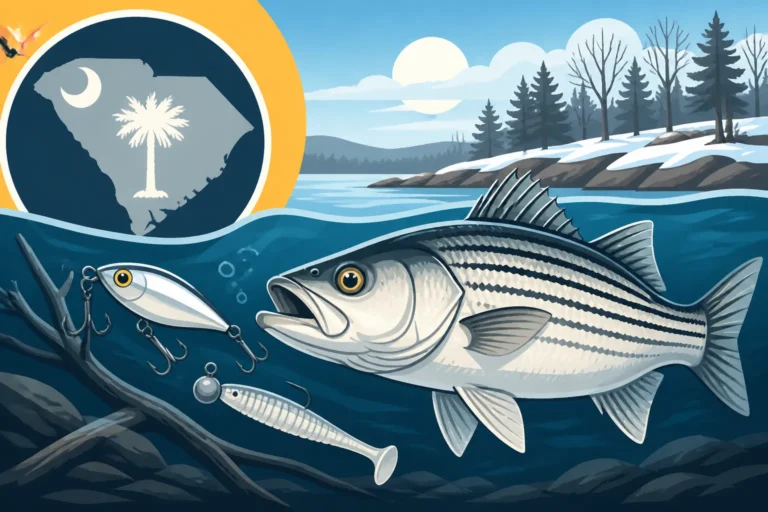
Striped bass, often simply called "stripers," are truly incredible fish known for their fighting spirit and delicious white meat. In South Carolina, their behavior is largely dictated by their life cycle and the unique geography of our coastal and inland waters. To understand if they live in our rivers year-round, we first need to delve into their natural tendencies.
The Anadromous Nature of Stripers
Historically, striped bass are anadromous. What does that mean, exactly? It means they're born in freshwater rivers, migrate out to saltwater oceans to grow and mature, and then return to those same freshwater rivers to spawn. Think of it like salmon, but with a Southern twist. This migratory instinct is deeply ingrained in their DNA, driving vast populations upriver from the Atlantic Ocean during the cooler months for their annual spawning ritual. These ocean-run fish are the classic anadromous stripers. They spend a significant portion of their lives in the ocean but absolutely rely on rivers for reproduction. When you hear about Striped Bass Migration Up South Carolina's Coastal Rivers, it's these ocean-going fish making their ancestral journey.
However, things get a bit more complex in South Carolina. Over the decades, the construction of dams and other human alterations to river systems have created what we call "landlocked" populations. These populations, cut off from the ocean, have adapted to complete their entire life cycle within large freshwater reservoirs and their associated river stretches. So, while the anadromous instinct is strong, not all striped bass in South Carolina follow the exact same ocean-to-river-to-ocean pattern.
Freshwater vs. Estuarine Populations
In South Carolina, you're primarily looking at two main types of striped bass populations when it comes to rivers:
1. Anadromous (Ocean-Run) Stripers: These fish spend the majority of their adult lives in the Atlantic Ocean, venturing into our coastal rivers and estuaries primarily for spawning. The lower reaches of rivers like the Cooper, Santee, Edisto, and Ashley become bustling highways for these fish, especially during late winter and early spring. They won't stay in the freshwater sections year-round; once spawning is complete, they'll drop back down to the brackish estuaries and eventually the ocean.
2. Landlocked (Resident) Stripers: This is where the "year-round" question really comes into play. Thanks to large impoundments like the Santee-Cooper Lakes (Lake Marion and Lake Moultrie), Lake Murray, and Lake Hartwell, South Carolina boasts robust populations of striped bass that live, feed, and spawn exclusively within these freshwater systems and their feeder rivers. These fish have adapted to their freshwater environment and don't need to go to the ocean. They do still exhibit seasonal movements within these systems, often moving into riverine sections for spawning or to seek thermal refuges during hot summer months, but their entire life is spent within the freshwater network. Therefore, if you're talking about a river that feeds into Lake Murray or one of the Santee-Cooper lakes, yes, striped bass absolutely live in those river stretches year-round, even if their specific location within that river system changes with the seasons.
So, the short answer is: yes, some striped bass populations do live in South Carolina rivers year-round, particularly those associated with major freshwater lake systems. However, ocean-run stripers are more seasonal visitors to the upper river reaches.
Seasonal Movements and River Residence
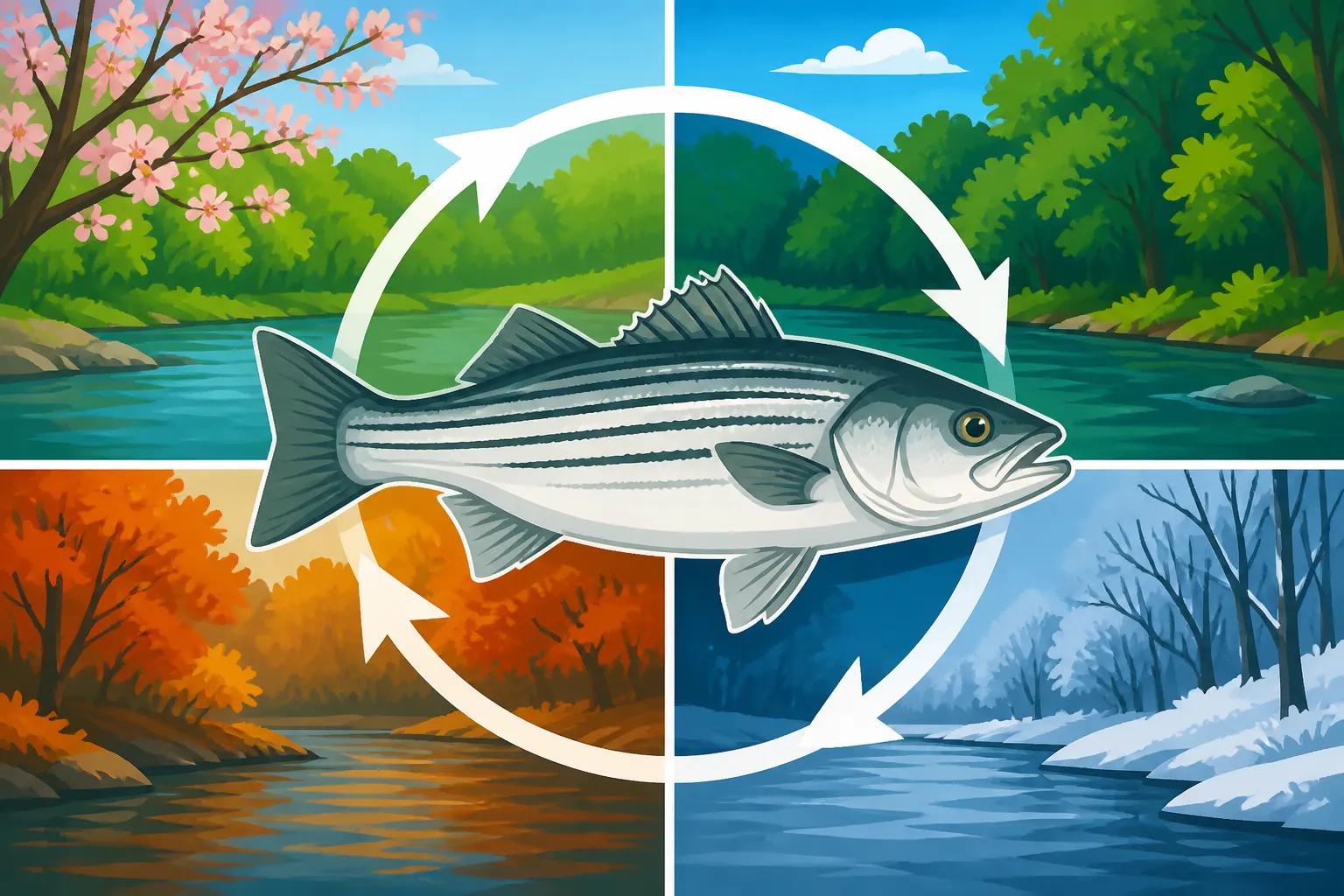
Even for the landlocked populations that call a river system home all year, their exact location within that system changes dramatically with the seasons. Understanding these movements is crucial for successful fishing.
Spring Spawning Runs
Spring is arguably the most exciting time for riverine striped bass fishing. As water temperatures begin to rise, it triggers an innate urge for both anadromous and landlocked stripers to migrate upriver to their spawning grounds. For ocean-run fish, this means a significant journey from the Atlantic deep into the freshwater sections of coastal rivers. They're driven to reproduce, and these powerful runs can see massive numbers of fish concentrating in specific areas. Anglers targeting these fish often find success using live bait or large artificials that mimic baitfish. For landlocked populations, the spawning run involves moving from the open water of the lakes into the upper river arms and tributaries. This is a period of high activity, and the fish are often aggressive as they prepare to spawn. You'll find them in shallower, flowing water.
Summer Retreats and Thermal Refuges
Once the intense heat of summer sets in, striped bass, especially the larger ones, become very sensitive to warm water. They are a cold-water species at heart. In rivers, this means they'll actively seek out thermal refuges – deeper channels, springs, or areas where cooler, oxygenated water is present. This might mean dropping down into the main lake for landlocked populations, or simply finding the deepest, coolest holes within a river section that has sufficient current and oxygen.
During the dog days of summer, if a river doesn't offer these cool, deep havens, stripers might become scarce. Anglers need to adapt by targeting them during cooler parts of the day, like dawn or dusk, or by focusing on areas where cooler water is known to exist. Fishing deeper structures with heavy lures or bait becomes paramount. This is also why Striped Bass Winter Fishing Patterns in Freshwater Lakes are so different from summer ones.
Fall and Winter Dispersal
As autumn arrives and water temperatures begin to cool again, striped bass become incredibly active. This is a prime time for them to feed heavily, gorging themselves to build up fat reserves for the coming winter. They'll disperse throughout the river systems, often schooling up to chase baitfish. For anadromous fish, this might involve a journey back towards the ocean, but many will linger in the brackish estuaries, enjoying the abundant food sources before moving offshore or into deeper bay areas.
Winter in South Carolina rivers can still be productive for striped bass. While their metabolism slows, they are still catchable. Landlocked stripers will often congregate in deeper holes or channel bends within the river systems, seeking stable water temperatures. They might not be as active as in the fall, but they'll still strike if a meal presents itself. This time of year, you might find anglers using more subtle presentations or dead sticking baits. The article Best Time to Catch Striped Bass on South Carolina's Rivers really gets into these seasonal nuances.
Key South Carolina Rivers for Striped Bass
South Carolina is blessed with numerous rivers that support thriving striped bass populations, each with its own unique characteristics and seasonal patterns.
Santee-Cooper River System
The Santee-Cooper Lakes (Lake Marion and Lake Moultrie) and their connecting Santee and Cooper River systems are legendary for striped bass fishing. These lakes hold massive landlocked populations of stripers, and the rivers feeding and connecting them are vital. The Congaree and Wateree Rivers feed into Lake Marion, and these riverine sections are critical spawning grounds for the lake's stripers. The Tailrace Canal between Lake Moultrie and the Cooper River is also a famous spot, offering incredible fishing year-round. Stripers here utilize the river channels, especially during spawning runs and when seeking cooler water. Many anglers consider this system the epicenter of striper fishing in the state.
When conditions are right, you can truly find stripers in various parts of this system throughout all twelve months. They're highly mobile, using the vast network of rivers, canals, and lakes to find optimal conditions and food. You'll often find guides on services like Amazon for specialized maps of these systems.
Cooper River and Charleston Harbor
The lower Cooper River, particularly around Charleston Harbor, is a hotspot for anadromous striped bass. While these fish primarily use the river for spawning migrations, the brackish estuary and lower river sections can hold significant numbers of stripers during the cooler months, especially from fall through spring. They move upriver from the ocean to spawn in the freshwater sections, then drop back down. While not a "year-round" freshwater residence for the anadromous fish, the broader estuarine system is a consistent habitat for them for much of the year. Anglers here often target them around bridges, jetties, and marsh creeks.
Other Notable River Systems
While the Santee-Cooper system and the Cooper River are perhaps the most famous, other river systems in South Carolina also hold striped bass.
- Lake Murray and its tributaries: Lake Murray, near Columbia, holds a fantastic landlocked striper population. Its feeder rivers, while smaller than the Santee's, are crucial for spawning. Anglers can find stripers in the upper Saluda River arm of the lake during spawning times and throughout the main lake's river channels year-round. For more specifics on this area, check out Striped Bass Fishing on Lake Murray, South Carolina.
- Lake Hartwell: Located on the Georgia border, Lake Hartwell also has a landlocked striper population that utilizes the Tugaloo and Seneca River arms for spawning and other seasonal movements.
- Edisto River: While perhaps less known for massive striper runs compared to the Santee, the Edisto River still sees anadromous stripers pushing up its beautiful blackwater reaches for spawning. These fish are typically found in the lower to mid-sections of the river during the cooler months.
- Waccamaw River: Similar to the Edisto, the Waccamaw and other smaller coastal rivers also experience anadromous striper runs, offering unique fishing opportunities away from the crowds.
Factors Influencing Year-Round Presence
Several environmental factors play a huge role in determining where and when striped bass are found in South Carolina's rivers throughout the year.
Water Temperature and Oxygen Levels
As mentioned, striped bass are physiologically adapted to cooler water. Their optimal temperature range is generally between 55-68°F. When water temperatures climb above 75°F, stripers become stressed and will actively seek out cooler water. This is why thermal refuges are so critical in summer. They'll find spring-fed areas, deep channels, or move to the main body of a large lake if river sections become too warm.
Coupled with temperature is dissolved oxygen. Warm water holds less oxygen, and fish need oxygen to survive. If a deep, cool hole in a river is stagnant, it might not have enough oxygen, forcing stripers to move elsewhere. Rivers with good flow and ample depth are more likely to support year-round populations because they can maintain sufficient oxygen and provide thermal relief. This delicate balance is why a river's specific characteristics matter so much for sustaining stripers.
Food Availability and Habitat
Just like any other creature, striped bass follow their food. Baitfish like shad, herring, and smaller schooling fish are their primary diet. If a river section is rich in baitfish, stripers will likely be present. The presence of suitable habitat – submerged timber, rocky outcroppings, channel swings, and current breaks – also plays a vital role. These structures provide ambush points for feeding and cover from predators.
A healthy river ecosystem with a robust baitfish population and diverse habitat features will naturally support a more stable, year-round striper presence. Anglers often spend time studying maps from Amazon or local bait shops to identify these key habitat features.
Damming and Obstructions
The construction of dams has dramatically altered striped bass populations in South Carolina. While dams created the landlocked populations in our major reservoirs, they also blocked the historical spawning migrations of anadromous fish on many rivers. This means that for some rivers, what used to be a vibrant spring striper run may now be limited to the lower stretches below the dam.
However, where fish passage is available, or where populations have adapted, the river sections below dams can create fantastic fishing opportunities. The turbulence and oxygenation below a dam often create excellent striper habitat, concentrating both baitfish and the predators that feed on them. This is a complex interaction, but ultimately, dams define where certain populations can and cannot go.
Fishing for Striped Bass Year-Round in Rivers
Successfully targeting striped bass in South Carolina rivers all year long requires understanding their seasonal shifts and adapting your tactics accordingly.
Seasonal Tactics and Gear
- Spring: Focus on upstream migrations. Live bait (shad, herring) is king, drifted or suspended. Large swimbaits, bucktail jigs, and deep-diving crankbaits are also effective. Look for fish in spawning areas with current.
- Summer: Go deep! Seek out thermal refuges. Down-lining live bait is popular, as are jigging spoons or heavy bucktails directly over deep structure. Early morning and late evening bites are often best. You might find great deals on these specialized lures and tackle on Amazon.
- Fall: Fish are dispersed and aggressively feeding. Topwater lures can be explosive, as can shallow-running crankbaits, spinnerbaits, and swimbaits covering vast areas. Look for schooling fish chasing bait on the surface or around structure.
- Winter: Fish move to deeper, more stable water. Slower presentations are key. Dead sticking live bait on the bottom, slow-rolling bucktail jigs, or using larger, slow-moving swimbaits can entice strikes. Pay attention to water temperature and fish finder readings to locate congregations.
Having the right gear is also essential. A medium-heavy to heavy action rod with a strong reel spooled with 15-30lb mono or braided line is a good starting point for most river striper fishing. A variety of lures, from topwaters to deep-diving crankbaits and jigs, should be in your tackle box.
Navigating Regulations for River Stripers
It's absolutely critical to stay up-to-date on South Carolina's fishing regulations, as they can vary by location and change over time. Striped bass regulations often differ between landlocked lake populations and anadromous coastal river populations, and sometimes even within different river systems. These regulations dictate bag limits, size limits (slot limits), and even seasons or methods.
Before heading out, always check the current South Carolina Department of Natural Resources (SCDNR) regulations. This is vital to ensure you're fishing legally and contributing to the conservation of these magnificent fish. Understanding regulations like South Carolina Fishing Bag Limits Explained and checking the specifics for the river system you're targeting can save you a headache and potential fines. Remember that a valid South Carolina Fishing License Guide is almost always required, even if you’re fishing from a boat or bank.
| Season | River Presence in SC | General Location | Key Behavior & Fishing Focus |
|---|---|---|---|
| Spring | High (both types) | Upriver spawning grounds, feeder creeks, main channels | Spawning runs, aggressive feeding; live bait, large swimbaits |
| Summer | Moderate (landlocked) | Deep thermal refuges, springs, confluence areas | Seek cool, oxygenated water; deep jigging, down-lining live bait |
| Fall | High (both types) | Dispersed throughout rivers and estuaries | Intense feeding, schooling bait; topwater, crankbaits, swimbaits |
| Winter | Moderate/High (landlocked) | Deeper, stable sections, channel bends | Slower metabolism, stable temps; dead sticking, slow jigging |
So, yes, South Carolina's rivers can indeed be a year-round home for striped bass, particularly for the incredible landlocked populations that thrive in our major lake systems. While the ocean-run stripers are more seasonal visitors to the upper river reaches, the constant presence of resident stripers means that with the right knowledge and adaptability, you can chase these powerful fish every month of the year. From the intense spring spawning runs to the challenging summer deep-water game and the active fall and winter feeding frenzies, South Carolina's rivers offer endless opportunities for the dedicated striper angler. It's an amazing fishery, and understanding these patterns will undoubtedly elevate your experience on the water.
Disclaimer
This article is for general informational purposes only and does not constitute professional advice. Laws, prices and regulations vary by location and change over time. Consult a qualified professional for guidance on your specific situation.