Summer Tarpon Fishing Charters near Hilton Head
There’s nothing quite like the thrill of chasing the "Silver King" in the warm summer waters off Hilton Head Island. For many anglers, the thought of a leaping tarpon is the stuff of dreams, but making that dream a reality requires local knowledge and the right approach. This guide is dedicated to helping you understand everything you need to know about embarking on a successful summer tarpon fishing charter near Hilton Head, from why summer is prime time to how to book your perfect trip.
Why Summer is Prime Time for Tarpon Near Hilton Head
If you've ever dreamt of battling a mighty tarpon, summer is absolutely the season to set your sights on the waters around Hilton Head. These incredible fish, known for their powerful runs and acrobatic leaps, are migratory creatures, and their annual journey brings them right to our doorstep when the temperatures are high. Understanding their behavior during these warmer months is key to a successful charter experience.
Tarpon Migration Patterns and Summer Arrival
Tarpon are true nomads of the sea, traveling vast distances in search of ideal conditions for feeding and spawning. As the South Carolina coastal waters warm up through late spring and early summer, typically starting around May and peaking in July and August, these magnificent fish begin to arrive in significant numbers. They follow baitfish into estuaries, along barrier islands, and just off the beaches, making areas like the sounds and inlets around Hilton Head prime hunting grounds. This isn't just a casual visit; they're here to feast and can be quite active, which is fantastic news for anglers hoping for a hook-up.
These migrations are driven by water temperature and food availability. Tarpon thrive in warmer waters, generally preferring temperatures in the mid-70s to low-80s Fahrenheit. Hilton Head's summer climate provides exactly that, along with an abundance of prey like mullet, menhaden, and shrimp, which congregate in the inshore and nearshore waters. As a veteran lifestyle blogger, I've seen firsthand how exciting it is when the tarpon arrive, transforming our local waters into a world-class fishery. It’s a seasonal spectacle that dedicated anglers eagerly await each year.
The beauty of their summer presence is that they're often found in relatively accessible areas, allowing charters to focus on specific zones where the fish are known to stage. While no fishing is ever a guarantee, the sheer number of tarpon passing through or residing in the Hilton Head area during these months significantly increases your chances of encountering one. This seasonal window means that if tarpon is your target, planning your trip for July or August offers the best odds for a memorable encounter.
Ideal Weather and Water Conditions
Summer in South Carolina, especially around Hilton Head, typically brings stable weather patterns that are conducive to tarpon fishing. We're talking warm, sunny days with generally lighter winds, particularly in the mornings, which makes for comfortable boating and easier sight-fishing. Tarpon are visual predators, and calm, clear conditions allow captains to spot rolling fish or feeding activity more readily, giving you a distinct advantage.
Of course, summer also means humidity and the occasional afternoon thunderstorm. A good charter captain will always keep a close eye on the weather, prioritizing your safety and planning around any inclement forecasts. However, generally speaking, the long daylight hours and consistent warm water temperatures create an active environment where tarpon are regularly feeding. It's truly a magical time to be on the water, soaking in the Lowcountry beauty while anticipating a powerful strike.
Beyond the air temperature, the water temperature is paramount. Tarpon are highly sensitive to cold, so the sustained warmth of summer ensures they are active and willing to chase bait. When the water temperature drops, even slightly, they can become lethargic and harder to entice. This is why targeting them in July and August is so effective; the water column is uniformly warm, keeping these magnificent fish energized and on the hunt, making it the Best Time of Year to Fish in South Carolina for these specific predators.
What to Expect from a Hilton Head Tarpon Charter
Booking a tarpon charter isn't like just any other fishing trip; it's an adventure into targeting one of the ocean's most challenging and respected game fish. When you step aboard a Hilton Head tarpon charter, you should have a clear idea of what the experience entails, from the type of boat to the gear you'll be using. This knowledge will help you prepare mentally and physically for the exciting challenge ahead.
Typical Trip Length and Target Areas
Most dedicated tarpon charters out of Hilton Head will offer either half-day (4-hour) or full-day (8-hour) trips. While a half-day might seem appealing, many experienced anglers will tell you that a full-day trip significantly increases your chances, especially for a notoriously finicky fish like tarpon. It allows more time for the captain to locate active fish, follow schools, and give you ample opportunities for a hook-up. Tarpon fishing often requires patience, and more time on the water translates to more chances.
Your captain will typically focus on specific areas known for summer tarpon activity. This might include the vast sounds that separate Hilton Head from the mainland, the deep channels of local inlets, or even just off the beaches where schools of baitfish congregate. They'll be looking for signs of life – rolling tarpon breaking the surface, diving birds indicating bait, or readings on their sophisticated fish finders. The beauty of these South Carolina Inshore Fishing Charters Explained is their adaptability, moving to where the fish are most active, which can vary from day to day and even tide to tide.
It's not uncommon for a tarpon charter to involve some cruising and searching before the real fishing begins. The captain isn't just driving around; they're actively scouting, using their years of experience to read the water and current conditions. This could mean heading a few miles offshore to target tarpon migrating along the coast, or staying within the calmer waters of the sound if that's where the bait and fish are concentrated. Be prepared for a dynamic trip where the location shifts based on the fish's movements, making every moment an active part of the hunt.
Specialized Gear and Techniques Used
Tarpon are big, powerful fish, and they require specialized heavy-duty tackle to stand a chance. Your charter boat will be equipped with robust rods and reels spooled with heavy braided line, typically 50-80 lb test, and shock leaders designed to withstand their sharp gill plates and powerful runs. Trying to catch a tarpon on light tackle is generally a recipe for heartbreak, and a good captain won't let you try! You can rest assured that South Carolina Charter Fishing Licenses and Gear Included, so you don't need to worry about bringing your own specialized equipment.
The techniques employed for tarpon fishing are varied and often depend on the specific conditions and the fish's mood. Live bait is often king – menhaden, mullet, or large shrimp are common choices, presented in a variety of ways such as free-lining, drift fishing, or anchored presentations. Artificial lures like large jigs, topwater plugs, or soft plastics can also be effective, particularly for sight-casting to rolling fish in calmer waters. Your captain will guide you through the best approach for the day.
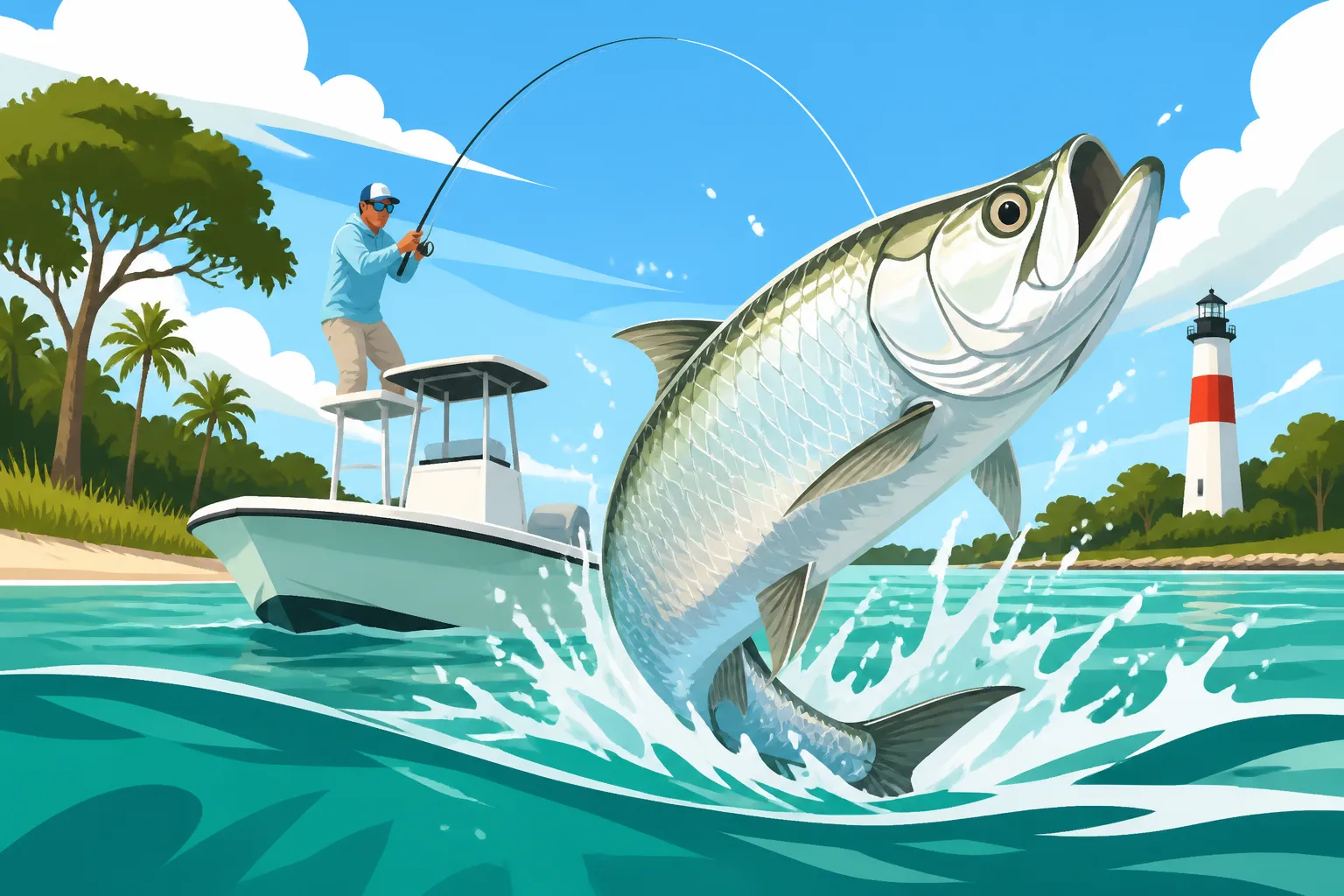
One of the most thrilling techniques is sight-fishing for rolling tarpon. Imagine cruising along, and suddenly, a massive silver torpedo breaches the surface, gulping air. Your captain will position the boat, and you'll cast your bait or lure directly in its path, hoping for that explosive strike. It's a heart-pounding moment that perfectly illustrates why tarpon are such revered game fish. Patience, quick reflexes, and strong hook-sets are essential for success, and your guide will be there to coach you every step of the way.
Strategies for a Successful Summer Tarpon Charter
Success on a tarpon charter doesn't just come down to luck; it's a combination of preparation, understanding the fish, and following your captain's lead. While the captain provides the expertise and equipment, your mindset and readiness play a huge role in maximizing your chances of hooking and landing one of these magnificent fish.
Maximizing Your Chances: Patience and Preparation
First and foremost, bring your patience. Tarpon are often called "the fish of a thousand casts" for a reason. They can be incredibly finicky, sometimes ignoring perfectly presented bait or lures. Don't get discouraged if the bite isn't immediate. Your captain is working hard to put you on fish, and maintaining a positive attitude can make a big difference in your overall experience. Remember, even a single hook-up with a tarpon makes the entire trip worthwhile.
Preparation extends beyond just mental readiness. Listen closely to your captain's instructions, especially regarding casting, hook-setting, and fighting the fish. A proper hook-set is critical to penetrate their bony mouths, and fighting a tarpon requires a specific technique often called "bowing to the king" – lowering your rod tip when the fish jumps to prevent the line from breaking. Being physically ready for a prolonged fight is also important; these fish test your endurance!
It's also wise to check the weather forecast a day or two before your trip. While your captain will make the final call on weather safety, knowing what to expect allows you to dress appropriately for the heat, sun, and potential rain. Hydration is key in the summer heat, so bring plenty of water or sports drinks. Consider essentials like polarized sunglasses (crucial for spotting fish!), a wide-brimmed hat, and plenty of sunscreen. These small preparations can greatly enhance your comfort and focus throughout the day.
The Role of Your Captain and Crew
Your captain is more than just a boat driver; they are your guide, your spotter, your strategist, and your coach. They possess invaluable local knowledge about tarpon habits, preferred feeding grounds, and the best tides and conditions for targeting them around Hilton Head. They’ve spent countless hours on these waters, learning the nuances of the ecosystem and the behavior of the fish. Trust their expertise implicitly.
A good captain will constantly be looking for signs of tarpon, adjusting their approach, and teaching you the ropes. They understand that for many, a tarpon is a bucket-list fish, and they’re just as invested in your success as you are. Don't hesitate to ask questions, but also be mindful of their focus when they're actively searching or setting up for a bite. Platforms like FishingBooker often allow you to read reviews and select captains with specific expertise in targeting tarpon, ensuring you find a seasoned professional for your adventure.
The crew, if any, will also play a vital role, assisting with bait, rigging, and helping you manage the tackle during a fight. Their coordinated efforts with the captain are what make a successful charter run smoothly. When the fish is on, it becomes a team effort, with everyone working together to bring that magnificent creature to the boat for a quick photo and a safe release. Remember, the objective is often to catch, appreciate, and release these incredible game fish to ensure the health of their population for future generations.
Handling and Releasing Tarpon Responsibly
Tarpon are a highly valued sport fish, and their conservation is paramount. Most summer tarpon charters near Hilton Head operate on a catch-and-release basis, reflecting the commitment to protecting this iconic species. Catching a tarpon is a tremendous achievement, and responsible handling ensures these fish can continue their life cycle.
When you do manage to bring a tarpon to the boat, your captain and crew will guide you through the proper handling procedures. This usually involves keeping the fish in the water as much as possible, minimizing its time out of its element. If a photo is taken, it's typically a quick shot while the fish is supported horizontally, often partially submerged. Avoid holding the fish vertically by its jaw, as this can cause internal damage.
The release is just as important as the catch. Your captain will often hold the fish gently by the tail or lip until it regains its strength and is ready to swim away on its own. This might involve a few minutes of "reviving" the fish in the water, allowing oxygen to flow through its gills. Witnessing a healthy tarpon swim strongly away is an incredibly rewarding part of the experience, leaving you with memories of a truly majestic encounter and the satisfaction of contributing to its preservation.
Booking Your Summer Tarpon Charter and Making It Memorable
Deciding to chase tarpon near Hilton Head is the first step; the next is finding and booking the right charter to make that dream a reality. With several excellent options available, knowing how to choose and what to look for can streamline your planning process and set you up for an unforgettable experience.
Choosing the Right Tarpon-Focused Charter
Not all fishing charters are created equal, especially when it comes to specialized trips like tarpon fishing. When you're looking for a charter out of Hilton Head, seek out captains who specifically advertise "tarpon charters" or have a strong reputation for targeting these fish during the summer months. These captains have the boats, gear, and, most importantly, the seasoned knowledge required to effectively pursue tarpon. Don't be shy about asking about a captain's experience and success rates with tarpon when you're making inquiries.
Reading reviews from previous clients can also provide valuable insight into a captain's expertise and personality. Websites like FishingBooker are excellent resources for comparing different charter operations, checking availability, and getting a feel for what other anglers have experienced. Look for comments that specifically mention tarpon success, the captain's patience, and their commitment to conservation. A good captain understands the challenge and will set realistic expectations for your trip, focusing on the thrill of the chase as much as the catch itself.
Consider the size of your group. Tarpon fishing often involves casting and fighting powerful fish, so a boat that offers ample space for movement and clear casting lanes is beneficial. Discuss your group size with the captain beforehand to ensure their vessel is a good fit and that everyone will have a comfortable and productive experience. Choosing the Right South Carolina Fishing Guide involves careful consideration of these factors to match your expectations with the services offered.
| Aspect | Typical Tarpon Charter Experience |
|---|---|
| Duration | 4-hour (half-day) or 8-hour (full-day); full-day recommended for best chances |
| Target Species | Primary: Tarpon. Secondary: Redfish, Spotted Seatrout (if opportunities arise in same areas). |
| Gear Provided | Heavy-duty rods, reels, braided line, strong leaders, specialized hooks. |
| Bait/Lures | Live bait (menhaden, mullet, shrimp) common; large jigs, topwater plugs for sight-casting. |
| Techniques | Free-lining, drift fishing, sight-casting to rolling fish, anchored presentations. |
| Captain's Role | Expertise in locating fish, reading water, coaching on casting/fighting, responsible handling. |
| Licenses | Fishing licenses usually covered by the charter boat's blanket license. |
| Catch Policy | Predominantly catch-and-release for conservation. |
| What to Bring | Sunscreen, hat, polarized sunglasses, appropriate clothing, snacks, drinks, camera. |
| Best Time | Summer months (July-August) for peak migration and activity. |
Essential Preparations for Your Trip
Once you've booked your charter, there are a few practical steps to take to ensure everything goes smoothly. Confirm your booking details, including the meeting point and time, a few days before your trip. Always double-check what's included in the charter price – usually, gear and licenses are covered, but clarify if you need to bring anything specific. Don't forget to ask about the South Carolina Redfish Slot Limit Rules or other regulations that might be in effect for incidental catches, though tarpon themselves are usually catch-and-release.
As I mentioned earlier, Hilton Head summers are beautiful but can be intense. Hydration is non-negotiable. Bring plenty of water, sports drinks, and any non-alcoholic beverages you prefer. Snacks are also a good idea, especially on a full-day trip, to keep your energy up during potentially long periods of waiting or fighting a fish. Sun protection is key: wide-brimmed hats, polarized sunglasses (they're not just for style, they help you see into the water!), and liberal application of reef-safe sunscreen are a must.
Finally, think about comfortable clothing that offers sun protection. Lightweight, long-sleeved shirts with UPF ratings are fantastic. Comfortable boat shoes or sandals with good grip are also important for safety on deck. Having these essentials covered means you can relax and focus on the incredible experience of chasing the Silver King. Planning ahead for your Summer Tarpon Charters on the South Carolina Coast ensures a comfortable and enjoyable trip for everyone on board.
Tipping and Post-Trip Considerations
It's customary and greatly appreciated to tip your captain and mate (if applicable) for their hard work and expertise. A general guideline is 15-20% of the charter cost, depending on the level of service and whether you had a successful trip. Even if the fishing was slow, remember they put in a full day of effort, and a tip acknowledges their dedication. If you're wondering How Much to Tip Your South Carolina Fishing Guide, this is a good starting point.
After your trip, take some time to reflect on the experience. Share your stories, review your photos, and consider leaving an honest review for your captain online. Your feedback helps other anglers make informed decisions and recognizes the hard work of the charter crew. Whether you landed a tarpon or simply enjoyed the thrilling pursuit, a summer tarpon charter near Hilton Head is an unforgettable adventure that truly showcases the incredible fishing opportunities in our beautiful state.
Disclaimer
This article is for general informational purposes only and does not constitute professional advice. Laws, prices and regulations vary by location and change over time. Consult a qualified professional for guidance on your specific situation.