Murrells Inlet Fishing Charter Cost
It's completely normal to feel a little overwhelmed when you start looking into fishing charters, especially when you're dreaming of a trip to a beautiful spot like Murrells Inlet. You see all these gorgeous pictures of people holding up their prize catches, but then you wonder, "What's that actually going to cost me?" It's not always transparent, and nobody wants sticker shock. This guide is here to demystify the pricing behind Murrells Inlet fishing charters, helping you understand the factors involved so you can plan your perfect angling adventure without any surprises.
Factors Influencing Murrells Inlet Fishing Charter Costs
When you’re trying to figure out what a Murrells Inlet fishing charter might run you, it’s not as simple as looking up a single price. There are so many variables that go into it, and understanding these can help you manage your expectations and even your budget. Think of it like booking a vacation; the cost changes drastically if you stay at a motel versus a luxury resort, or fly economy versus first class. Fishing charters are similar, offering a spectrum of experiences.
Trip Length and Duration
One of the most immediate and significant factors in charter cost is how long you plan to be out on the water. Just like any service where you're paying for someone's time, more hours generally mean a higher price tag.
Shorter trips, often called "half-day" charters, typically run for about four to five hours. These are fantastic for families with younger children, beginners, or anyone who just wants a taste of fishing without committing to a full day on the ocean. You might target species that are closer to shore and more readily available, like redfish or speckled trout in the backwaters. Because the captain and crew are dedicating less time and using less fuel, these trips naturally fall on the lower end of the pricing scale. They're a great way to experience the charm of Murrells Inlet without breaking the bank. For a deeper dive into trip options, check out South Carolina Charter Fishing Trip Lengths Compared.
Then you have your "full-day" charters, which can be anywhere from seven to ten hours, sometimes even longer for specialized trips. These give you a lot more flexibility. You can venture further offshore, explore more fishing grounds, and often target a wider variety of species. Maybe you want to hit some deeper wrecks for snapper or try for mahi-mahi further out in the ocean. The extended time allows for more travel, more fishing, and ultimately, more opportunities to find those trophy fish. Naturally, with more time, fuel, and crew effort involved, full-day charters will always be more expensive than their half-day counterparts. There are even options like 4-Hour vs 8-Hour Fishing Charters in South Carolina to consider if you're trying to gauge the difference.
Type of Fishing Inshore vs Offshore
The kind of fishing you want to do also plays a huge role in the cost. Murrells Inlet offers both incredible inshore and offshore opportunities, and each has its own pricing structure.
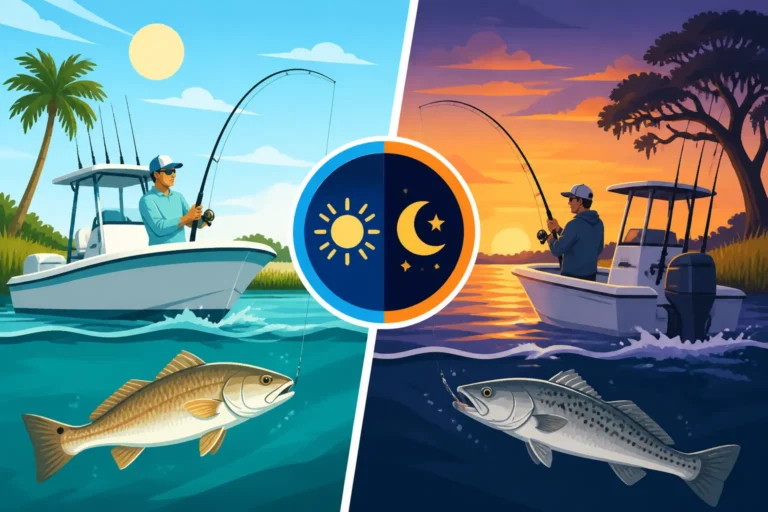
Inshore fishing typically happens in the calmer, shallower waters of the Intracoastal Waterway, tidal creeks, and estuaries around Murrells Inlet. Think marsh grass, oyster beds, and relatively protected waters. The boats used for inshore fishing are generally smaller, lighter, and don't require as much fuel to operate. They can navigate shallow flats where bigger boats can't go, perfect for sight-fishing for redfish or targeting flounder and seatrout. The gear is often lighter, and the overall logistics are simpler. Because of this, inshore charters are usually the more budget-friendly option. They're also less susceptible to rough seas, making them a great choice if you're prone to seasickness or prefer a gentler ride. For anyone specifically interested in targeting certain species, you might look into South Carolina Redfish Charter Fishing Trips or South Carolina Speckled Trout Charter Trips.
Offshore fishing, on the other hand, means heading out into the open ocean, sometimes many miles from shore. This requires larger, more robust boats capable of handling bigger waves and carrying more fuel. These vessels are equipped with advanced navigation and fish-finding electronics, heavier tackle, and often require more powerful engines, which, of course, burn more fuel. Targeting species like tuna, wahoo, mahi-mahi, or even shark means longer travel times to deeper waters and often more specialized techniques and bait. All these factors — larger boat, more fuel, specialized equipment, longer distances, and often a larger crew — contribute to offshore charters being significantly more expensive than inshore trips. If you're weighing your options, understanding the differences covered in Choosing Between Inshore and Offshore Trips in South Carolina can be very helpful.
Number of Anglers in Your Party
Another major component of the cost equation is how many people will be joining you on the charter. Charter boats have strict capacity limits set by the Coast Guard, and most captains price their trips either as a flat rate for the boat (up to a certain number of passengers) or on a per-person basis.
Many charters operate on a flat rate for the boat, meaning the price is the same whether you bring one person or the maximum allowed (often 4-6 passengers for inshore, potentially more for larger offshore vessels). If you're a solo angler or a couple, this can feel a bit pricey because you're covering the cost for the entire boat. However, if you have a group of four or six, dividing that flat rate among everyone makes the per-person cost much more appealing and often very reasonable. This model essentially gives you a private charter experience, where you and your group have the boat and captain's attention all to yourselves. For planning group trips, it's good to consider How Many People Can Book a Hilton Head Fishing Charter? (the principles generally apply to Murrells Inlet too).
Less common, especially for smaller inshore boats, some charters might offer per-person pricing, particularly on shared or "head boat" trips. These are larger vessels that take many individuals or small groups out together, usually to target common species like bottom fish offshore. While the per-person cost on a head boat is typically much lower than a private charter, you sacrifice the personalized experience and the ability to choose your target species or fishing grounds. You're sharing the space, the captain's attention, and the overall experience with many other people. Private charters offer the ultimate flexibility and focused attention, but they come at a premium, especially if you have a small group.
What's Included in the Price
It’s crucial to know exactly what your charter fee covers. This is where some anglers can get caught off guard if they don't ask the right questions upfront. Most reputable Murrells Inlet fishing charters will include several key items, but the specifics can vary.
Typically, a charter price will include the boat, captain, and fuel. That's a given. Beyond that, the fishing gear and tackle are almost always provided. This means rods, reels, lines, and a basic selection of lures or rigs appropriate for the target species. You usually don't need to bring your own unless you have a specific setup you prefer, and even then, it's wise to clear it with the captain first.
Bait is another common inclusion. Whether it's live shrimp for inshore, cut bait for bottom fishing, or baitfish for offshore trolling, the captain will usually have it ready. However, for specialized baits or large quantities of live bait, sometimes there's an extra charge, so it's always good to confirm.
What about fishing licenses? This is a big one. In South Carolina, everyone over a certain age needs a valid fishing license. Most charter boats operate under a blanket charter license that covers everyone on board, so you typically don't need to purchase an individual license for a charter trip. This is a huge convenience and cost-saver! Still, it’s always smart to ask the charter captain to confirm they provide the necessary licensing for their passengers. For more on licensing, check out South Carolina Fishing License Requirements in South Carolina.
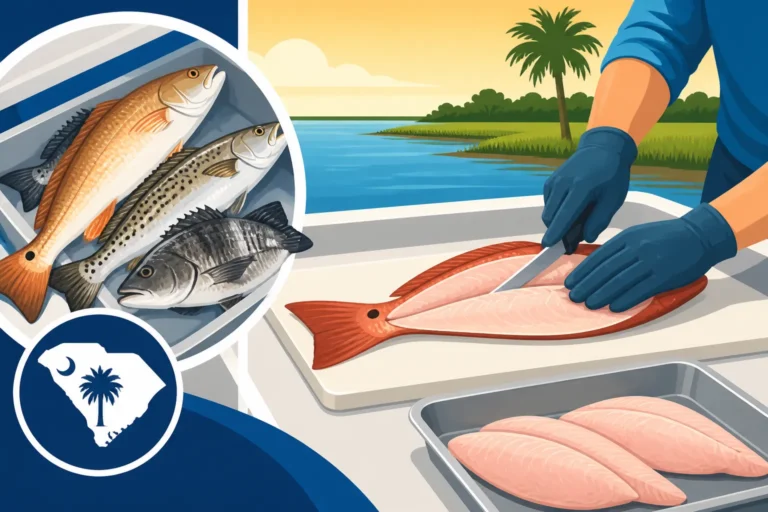
Lastly, many charters offer fish cleaning and filleting as part of the service. After a successful day, the crew will often take care of cleaning your catch at the dock, packaging it for you to take home. This is a fantastic perk, saving you time and mess! However, some might charge a small fee for this, especially if it's a huge haul, so don't be shy about asking. What's generally not included are things like food, drinks (though some provide bottled water), sunscreen, hats, sunglasses, rain gear, or motion sickness medication. You'll need to bring those yourself. Tipping the crew is also an expectation, which we'll touch on later.
Seasonality and Demand
Just like tourist attractions and hotels, fishing charter prices in Murrells Inlet can fluctuate with the seasons and local demand. South Carolina's coast is a popular destination, and certain times of the year are prime for fishing, attracting more anglers.
The peak season for fishing in Murrells Inlet generally aligns with the warmer months, roughly from late spring through early fall. This is when the weather is most reliable, a wide variety of species are active, and tourist numbers are at their highest. During these periods, charter availability can be tighter, and prices tend to be at their highest. If you're planning a trip during the summer, especially around holidays or school breaks, you'll want to book well in advance to secure your preferred date and captain. This is when online platforms like FishingBooker become invaluable for checking availability and comparing options.
The off-season or shoulder seasons (late fall, winter, early spring) can sometimes offer slightly lower rates, or at least more flexibility in booking. While some species migrate or become less active, many excellent fishing opportunities still exist, particularly for colder-water species or inshore fishing where the fish are less affected by extreme temperatures. For example, redfish can be quite active in the winter months in the shallow, sun-warmed creeks. Plus, you'll often encounter fewer crowds on the water. If you're flexible with your dates and open to targeting different species, fishing during the off-season can sometimes provide a more cost-effective way to get out on the water. Always check the South Carolina Fishing Seasons Guide to know what to expect.
Understanding Charter Pricing Structures
When you’re looking at booking a Murrells Inlet fishing charter, the sticker price isn't always the full story. Understanding how captains typically structure their fees can help you decipher the true cost and choose the best option for your group. It’s not just a flat number; there are layers to it, much like understanding different cellular phone plans.
Flat Rate vs. Per Person Costs
The way a charter charges its clients is one of the most fundamental aspects of its pricing structure, and it directly impacts your overall cost, especially depending on the size of your group.
Most Murrells Inlet charters, particularly those for inshore fishing with smaller boats, operate on a flat rate for the entire boat. This means you pay one price, and that price covers the boat, captain, crew (if any), and fishing up to a certain number of passengers – usually 1-4, sometimes up to 6 for inshore boats. For example, a captain might quote "$600 for a half-day charter for up to 4 people." If you're fishing solo, you're paying that full $600 yourself. If you bring three friends, you're still paying $600, but the cost per person drops to $150 each. This model is incredibly popular because it offers exclusivity and flexibility. Your group has the boat to yourselves, you can decide who comes along (within capacity limits), and the captain focuses solely on your fishing preferences. If you want a truly private and customized experience, this is the way to go, and it often becomes more cost-effective per person as your group size increases. Many charters listed on platforms like FishingBooker operate this way.
On the other hand, you might encounter per-person pricing, although this is much more common with larger "head boats" or "party boats" that cater to bigger groups, often for offshore bottom fishing or deep-sea trips. These boats sell individual "tickets" to anyone who wants to come aboard, often accommodating dozens of anglers. The cost per person is significantly lower than a private charter, making it a very accessible option for solo anglers or small groups on a tighter budget. You'll be sharing the fishing space and the overall experience with many other people you don't know, and the captain's focus is spread across the entire boat. While you might not get the same personalized attention or choice of target species, it's a great way to experience Murrells Inlet fishing without the higher price tag of a private boat.
Deposits and Cancellation Policies
Before you even get to the dock, understanding the financial commitments and safeguards is really important. Charters operate on tight schedules and rely on bookings, so they almost universally require a deposit and have specific cancellation policies.
Almost every Murrells Inlet fishing charter will require a deposit to secure your booking. This is standard practice across the industry and helps captains cover their initial costs (like purchasing bait or preparing the boat) and serves as a commitment from you. The deposit amount can vary, often being a percentage of the total trip cost or a fixed amount. You'll usually pay this deposit when you book, and the remaining balance is paid on the day of the trip, typically before you leave the dock. Many services, including those found on FishingBooker, make this process very clear during booking.
Equally important are the cancellation policies. Life happens, and sometimes plans change due to unforeseen circumstances, weather, or emergencies. Most charters have clear guidelines:
- Captain's Discretion for Weather: This is paramount. If the captain deems the weather or sea conditions unsafe or unfishable, they will cancel the trip. In such cases, you will almost always receive a full refund of your deposit or the option to reschedule without penalty. Safety is always the top priority.
- Client Cancellation: If you need to cancel, the policy will outline the timeframe. For instance, canceling more than a week or two out usually results in a full refund of your deposit. Canceling within a shorter window (e.g., 48-72 hours) might mean you forfeit your deposit, as it's often too late for the captain to book another party for that slot.
- No-Shows: If you simply don't show up for your scheduled trip, you will almost certainly forfeit your entire deposit and may even be charged for the full trip, depending on the captain's policy.
Always make sure you read and understand the deposit and cancellation policy before you book. Don't be afraid to ask for clarification if anything is unclear. This protects both you and the charter operator, ensuring a smooth experience. More details can be found in resources like South Carolina Charter Fishing Deposit and Cancellation Policy.
Getting the Most Value from Your Murrells Inlet Charter
Booking a fishing charter in Murrells Inlet is an investment in an experience, and you want to make sure you're getting the most out of every dollar. It's not just about the cheapest price; it's about the overall value, the memories you create, and the fish you bring home.
Booking Strategies for Different Budgets
Whether you're looking for an extravagant day on the water or a more economical outing, there are strategies to fit various budgets.
For those on a tighter budget, consider a half-day inshore trip with a group. As we discussed, spreading the flat rate across four or six people significantly reduces the individual cost. Inshore fishing is generally less expensive due to less fuel consumption and smaller boat requirements. Look for charters that specialize in family-friendly experiences or target abundant species that are usually easy to catch, ensuring a fun day without needing to chase trophy fish far offshore. Also, consider booking during the shoulder seasons (late fall, early spring) or even winter when demand might be lower, and some captains might offer slightly more competitive rates or have better availability. You might not be chasing mahi-mahi, but you could have an amazing day catching redfish or speckled trout in the peaceful creeks. Looking at Cheapest South Carolina Fishing Charters for Beginners can provide some ideas.
If your budget allows for a more comprehensive experience, a full-day offshore trip or a specialized inshore trip targeting specific trophy species might be more your speed. A full day gives you ample time to explore distant fishing grounds, try different techniques, and maximize your chances for a big catch. While these trips are on the higher end of the cost spectrum, they offer unparalleled opportunities and a more immersive adventure. Again, splitting the cost among a full boat of friends makes these dream trips more attainable. Platforms like FishingBooker make it easy to filter charters by trip type, duration, and even target species, helping you find exactly what you're looking for at various price points.
| Trip Type | Typical Duration | General Cost Implication | Ideal For |
|---|---|---|---|
| Inshore Half-Day | 4-5 hours | Lowest | Families, beginners, budget-conscious groups |
| Inshore Full-Day | 7-8 hours | Moderate | Dedicated inshore anglers, more species options |
| Offshore Half-Day | 4-6 hours | Moderate-High | Intro to offshore, faster action, closer wrecks |
| Offshore Full-Day | 8-10+ hours | Highest | Serious anglers, trophy fish, diverse species |
| Shared/Head Boat | Variable | Low (per person) | Solo anglers, small groups, budget-friendly offshore |
Communication with Your Captain
This is absolutely key to ensuring a successful and satisfying charter trip. Don't underestimate the power of a good conversation before you even step foot on the boat.
Before booking, and especially after, make sure you have an open dialogue with your chosen Murrells Inlet captain. Ask all your questions! There are no silly questions when it comes to planning an enjoyable and safe trip. Some things you might want to confirm include:
- What fish are typically biting during my planned trip dates? This helps set realistic expectations.
- What's the boat capacity, and is it a private or shared trip?
- What's explicitly included in the price, and what should I bring? (e.g., "Does the price cover a fishing license for everyone?" or "Do I need to bring my own cooler for drinks?")
- What's the typical gratuity for the mate/captain? Knowing this upfront helps you budget accordingly.
- What's the cancellation policy, especially for weather?
- Are there any specific regulations I should be aware of for the fish we'll be targeting? For instance, knowing the South Carolina Redfish Slot Limit Rules or South Carolina Spotted Seatrout Minimum Size 14 Inches can be useful.
A good captain will be happy to answer your questions and put your mind at ease. Clear communication prevents misunderstandings and ensures that your expectations align with what the charter can deliver. This is also where booking platforms like FishingBooker can streamline communication, often providing direct messaging tools to chat with captains before you commit.
The Value Beyond the Dollar Amount
While the cost is important, it's also essential to recognize the immense value a fishing charter provides beyond just the monetary exchange. You're not just paying for a boat ride; you're investing in an entire experience.
First and foremost, you're tapping into the local expertise of a seasoned professional. Murrells Inlet captains know the local waters like the back of their hand – where the fish are hiding, what they're biting on, and how the tides and currents affect the bite. This kind of knowledge takes years to acquire and is invaluable, especially for visitors. They'll take you to spots you'd never find on your own and provide tips and techniques that greatly increase your chances of success.
Secondly, charters provide all the necessary equipment. Think about it: if you were to buy a boat, rods, reels, tackle, safety gear, and navigation equipment, the cost would be astronomical. A charter puts all of that at your fingertips without the huge upfront investment or the ongoing maintenance. You simply show up, and everything is ready for you.
Lastly, and perhaps most importantly, a fishing charter offers an unforgettable experience and memories. Whether it's the thrill of hooking into a big redfish, the peacefulness of being out on the water at dawn, or the joy of seeing your kids catch their first fish, these are moments that money can't truly buy. It's a chance to connect with nature, enjoy the beauty of the South Carolina coast, and create stories you'll share for years to come. Sometimes, that value far outweighs the dollar amount on the invoice. You're paying for an adventure, and that's priceless.
Disclaimer
This article is for general informational purposes only and does not constitute professional advice. Laws, prices and regulations vary by location and change over time. Consult a qualified professional for guidance on your specific situation.