Summer Tarpon Charters on South Carolina’s Coast
There's nothing quite like the electric thrill of a tarpon strike, especially when you're battling one of these magnificent "Silver Kings" off the coast of South Carolina. Many anglers dream of this fight, but the reality of finding and hooking a tarpon can feel daunting if you don't know where to start. This guide will walk you through everything you need to know about booking and enjoying a summer tarpon charter along the beautiful South Carolina coastline, ensuring you're ready for an unforgettable adventure.
The Allure of Summer Tarpon Fishing in South Carolina
Summer in South Carolina isn't just about sandy beaches and warm ocean breezes; it’s also prime time for chasing one of the most exciting game fish in the sea: the tarpon. These incredible fish offer a challenge that seasoned and novice anglers alike dream of, and our coastal waters provide the perfect stage for this epic pursuit.
Why Tarpon are Such a Prized Catch
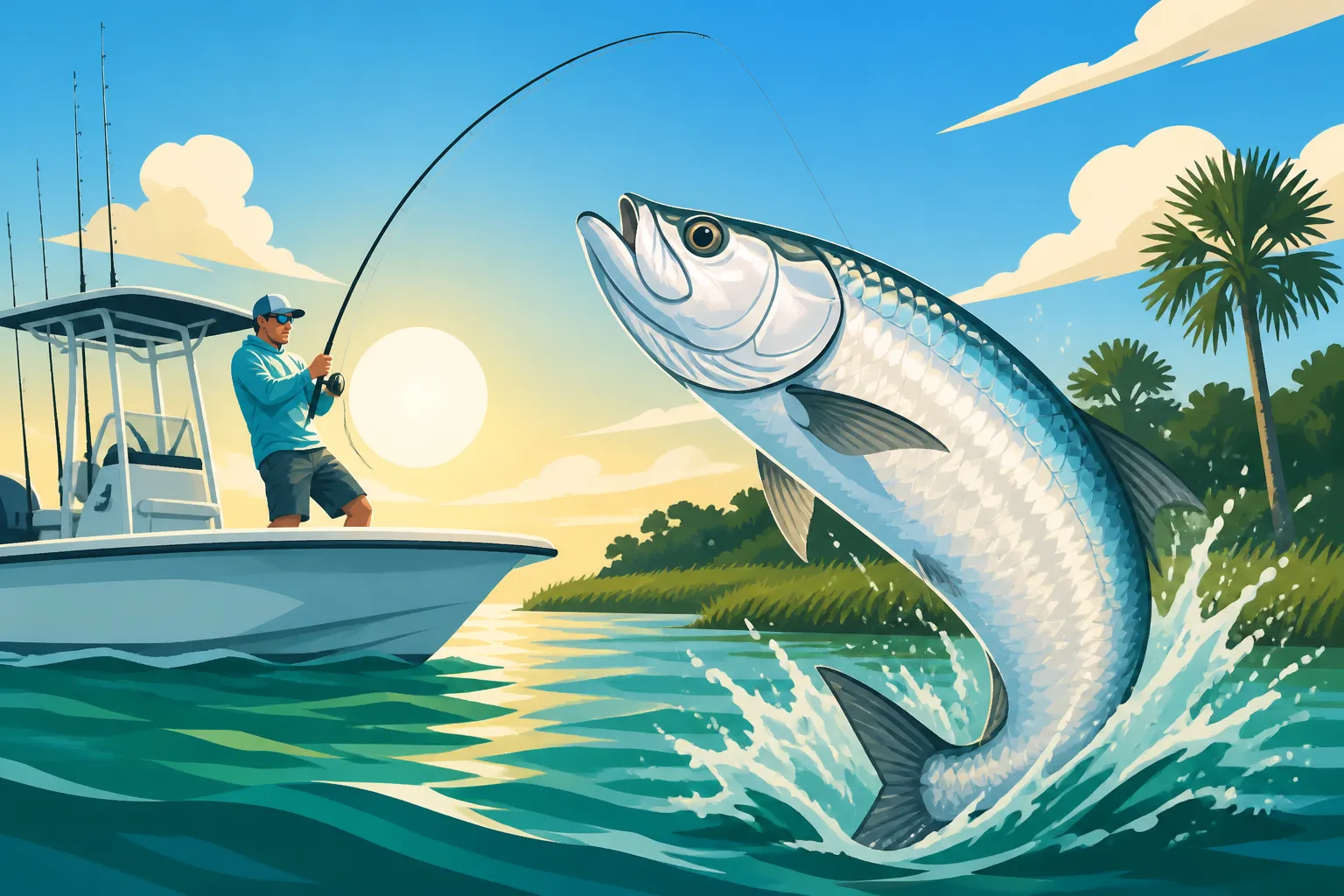
Tarpon are often called the "Silver King" for good reason – their scales gleam like polished chrome, and their regal presence in the water is undeniable. But it's not just their beauty that makes them so sought after. What truly captivates anglers is their legendary fighting ability. When a tarpon takes the bait, be prepared for an aerial show! They launch themselves out of the water, shaking their heads violently in an attempt to throw the hook. This acrobatic display, combined with powerful runs that strip line from your reel at an alarming rate, creates an adrenaline rush unmatched by almost any other species.
Their sheer size is another factor. While juveniles might be smaller, adult tarpon in South Carolina can easily reach weights of 80 to 150 pounds, with some truly massive fish pushing even larger numbers. Landing a fish of that magnitude, especially one that fights with such vigor, is a true test of skill and endurance. It's not just a catch; it's a battle, a dance between angler and fish that leaves you breathless and exhilarated. The memory of hooking into such a powerful creature, feeling its raw strength, and witnessing its majestic leaps, stays with you long after the trip is over.
The Seasonal Window: Why Summer is Prime Time for Tarpon in SC
While a few resident tarpon might hang around year-round in deeper holes, the real "tarpon season" in South Carolina kicks off in late spring and peaks throughout the summer months, typically from June through September. This timing isn't a coincidence; it's all about their migratory patterns and water temperature preferences. Tarpon are warm-water fish, and as the Atlantic Ocean along our coast heats up, vast schools begin to move northward from warmer Florida waters, following baitfish and seeking ideal feeding grounds.
These migratory patterns bring them into the estuaries, inlets, and nearshore waters of South Carolina, making them accessible to charter boats. The warmer water temperatures energize these fish, making them more active and willing to strike. As summer progresses, the abundance of mullet, menhaden, and other forage fish in our coastal marshes and ocean nearshore provide a rich buffet for hungry tarpon, further concentrating them in certain areas. Understanding this seasonal migration is key to successful tarpon fishing, as guides plan their trips around when and where these magnificent fish are most likely to be found.
Where Tarpon Roam: Key Coastal Areas in South Carolina
South Carolina's diverse coastline offers several hotspots where tarpon congregate during the summer. Knowing these areas can help you decide where to book your adventure. While tarpon can be found anywhere from the North Carolina border down to Georgia, some regions are particularly renowned for their tarpon populations and experienced guides.
One of the most popular areas is the Lowcountry, particularly around Charleston and Hilton Head Island. The vast network of estuaries, marsh creeks, and barrier islands in these regions provides excellent habitat and feeding grounds. Guides in Charleston often target tarpon in the harbor and surrounding inlets, utilizing their deep knowledge of the tides and currents. Further south, Hilton Head Island offers similar opportunities, with a strong focus on nearshore waters and the mouths of larger rivers. Hilton Head Island Fishing Charters, South Carolina can often put you on these migrating giants. Another fantastic area is Murrells Inlet, known for its unique geography and healthy baitfish populations, which draw tarpon closer to shore. Murrells Inlet Inshore Fishing Charters frequently target tarpon here. Anywhere you find vast expanses of marsh and healthy baitfish schools, you're likely to find a tarpon guide who knows the secret spots.
Understanding South Carolina Tarpon Charters
Booking a specialized tarpon charter isn't like signing up for a general inshore trip. These excursions are often geared towards targeting a specific species known for its challenge, and the experience reflects that focused effort. When you embark on a South Carolina Fishing Charters: The Complete Guide with tarpon in mind, you're signing up for an intense and rewarding pursuit.
What to Expect from a Dedicated Tarpon Trip
A dedicated tarpon charter is typically a full-day commitment, although some half-day options might be available, particularly later in the season. These trips are highly specialized because tarpon are not always easy to find, and once found, they can be incredibly finicky. Your captain will often start early, sometimes even before sunrise, to take advantage of cooler temperatures and specific tidal movements that tarpon favor. The focus will be entirely on locating and enticing these elusive fish. You might spend a significant amount of time "running and gunning" – moving from spot to spot – or quietly poling shallow flats, searching for rolling or cruising fish.
The gear used will be heavy-duty, designed to handle the immense power of a tarpon. Think stout rods, large conventional or spinning reels spooled with strong braided line, and heavy leaders. Most charters provide all the necessary tackle, bait, and often, the fishing license you'll need. These trips are less about catching a high volume of fish and more about the quality of the experience and the potential for that one epic battle. Patience is key, as is a willingness to put in the effort required to pursue such a magnificent game fish.
The Role of an Experienced Tarpon Guide
When it comes to tarpon, an experienced guide isn't just helpful; they're essential. Tarpon are highly migratory and can be incredibly elusive, making local knowledge invaluable. A seasoned tarpon captain has spent countless hours on the water, tracking their movements, understanding their feeding habits, and knowing which tides and bait presentations are most effective. They're tuned into the subtle signs – a distant roll, a change in water temperature, or a specific current line – that indicate tarpon presence.
Beyond finding the fish, a good guide will provide expert instruction on proper casting techniques, how to present bait naturally, and perhaps most importantly, how to fight a tarpon effectively. They'll coach you through the blistering runs and spectacular jumps, helping you keep the line tight and the pressure on. They also handle the boat, navigate challenging waters, and ensure your safety throughout the trip. Without an expert at the helm, your chances of success on a tarpon charter would be significantly reduced. Many anglers use resources like FishingBooker to find and compare experienced tarpon guides in various South Carolina coastal towns, ensuring they're booking with a pro who knows their stuff.
Typical Tarpon Fishing Techniques Used by Charters
South Carolina tarpon charters employ a variety of techniques, often dictated by the specific conditions and the behavior of the fish on any given day. The most common approach involves live bait. Fresh mullet, menhaden, or even large shrimp are often presented on sturdy circle hooks, either free-lined or under a float, especially in deeper channels or near structure. Guides will often net or catch bait fresh that morning to ensure it's as lively as possible.
Another popular and thrilling method is sight fishing, particularly during calm summer mornings when tarpon can be seen rolling or cruising on shallow flats or along barrier island beaches. This requires keen eyesight from both the angler and guide, quick casting, and precise bait placement. Artificial lures, such as large soft plastics, jerkbaits, or even flies, can also be effective, especially when tarpon are actively feeding on smaller baitfish. The choice of technique often depends on the guide's preference and what they've found to be most successful for the specific area and conditions, but almost always involves patience and a readiness to react quickly when a tarpon decides to bite. For more on how to manage the conditions, check out Tide-Based Techniques for Inshore Fishing.
Planning Your South Carolina Tarpon Charter
Once you've decided to chase the Silver King, a little planning goes a long way. This isn't a spur-of-the-moment decision; it involves research, preparation, and understanding the unique demands of tarpon fishing. The goal is to maximize your chances of success and ensure you have a comfortable and enjoyable day on the water.
Choosing the Right Charter and Captain
Selecting the right charter and captain is paramount for a successful tarpon trip. You want someone with a proven track record specifically for tarpon, not just general inshore fishing. Look for captains who specialize in or frequently offer Summer Tarpon Charters on the South Carolina Coast. A good starting point is to read reviews and ask for recommendations from other anglers. Websites like FishingBooker are fantastic for this, allowing you to browse various South Carolina captains, see their experience, and read authentic customer feedback about their tarpon success rates.
Consider their boat setup; is it appropriate for the waters they fish and the size of tarpon? Does the captain prioritize conservation and responsible angling? Don't hesitate to call potential captains and discuss your expectations, their approach to tarpon fishing, and what's included in the trip price. This pre-booking conversation can give you a good feel for their professionalism and passion for tarpon, which is often a strong indicator of a great guide. For general booking guidance, take a look at How to Book a Fishing Charter in South Carolina.
Essential Preparations for Your Tarpon Adventure
While your charter will provide the heavy-duty gear, there are several things you should bring to ensure your comfort and safety. Dress in layers, as mornings can be cool but summer afternoons on the water can be scorching. Sun protection is non-negotiable: wear a wide-brimmed hat, polarized sunglasses (crucial for spotting fish and protecting your eyes), and plenty of high-SPF sunscreen. Long-sleeved, breathable fishing shirts are also highly recommended. Non-marking shoes are usually preferred on boats.
Bring plenty of water and snacks, as tarpon trips can be long and require sustained energy. A small cooler with ice for your drinks and food is often a good idea. Don't forget your camera to capture those incredible moments, but make sure it's waterproof or in a protective case. Many charters include your fishing license, but it's always wise to confirm this beforehand. For a more exhaustive list, see What to Bring on a South Carolina Fishing Charter. Finally, make sure to get a good night's sleep before your trip – you'll need your energy for the fight!
Conservation and Catch-and-Release Practices
Tarpon are a highly valued game fish, and their populations are protected throughout much of their range, including South Carolina. They are primarily a catch-and-release species, meaning that while you can legally land them, they must be released unharmed. Your charter captain will be well-versed in proper handling techniques to ensure the fish's survival. This includes minimizing fight time, avoiding touching the fish's gills or eyes, supporting its weight horizontally when taking a quick photo, and reviving it properly before release.
The thrill of tarpon fishing is in the fight and the release, not in keeping the fish. Responsible anglers understand the importance of conservation to ensure future generations can also experience the magic of the Silver King. Your guide will emphasize these practices, and it's vital for you as an angler to cooperate fully. Respecting these magnificent creatures ensures the health of South Carolina's tarpon fishery for years to come.
Making the Most of Your Tarpon Experience
A summer tarpon charter along South Carolina's coast is more than just a fishing trip; it's an adventure. From the moment you feel that powerful strike to the triumphant release, every element contributes to an unforgettable memory. Embrace the journey, the challenge, and the unparalleled beauty of the Lowcountry.
The Thrill of the Fight
There's no feeling quite like a tarpon taking your bait and the subsequent explosion of silver scales as it breaches the water. When that happens, your guide will likely shout "Bow to the King!" – a crucial instruction. When a tarpon jumps, you need to quickly lower your rod tip, effectively "bowing" to the fish, which creates slack in the line. This prevents the fish from landing on a tight line and potentially breaking it, or worse, tearing the hook out of its mouth.
The fight itself is a test of endurance and technique. Be prepared for long, powerful runs, followed by more jumps and deep dives. Listen to your captain's instructions on how to apply pressure, when to reel, and when to just hold on. It's a full-body workout, but the sheer adrenaline will keep you going. The ultimate goal is to bring the fish boatside quickly and safely for a proper release, minimizing stress on the animal.
Photography and Memories
After a hard-fought battle, capturing the moment with a photograph is a cherished part of the experience. Your captain will guide you on how to safely handle the tarpon for a quick picture, often keeping the fish in the water or just barely out, supporting its belly to minimize stress. They'll also ensure you get that iconic shot with the gleaming Silver King.
These photos aren't just snapshots; they're tangible memories of a challenging and rewarding achievement. Imagine showing off a picture of yourself with a majestic, leaping tarpon against the backdrop of a vibrant South Carolina sunset. Beyond the fish itself, take time to appreciate the stunning coastal scenery, the camaraderie with your guide, and the peaceful moments on the water. These are all part of the unique tapestry of a South Carolina tarpon charter. While tipping is always appreciated, the memories made are truly priceless. Check out Tipping Your South Carolina Fishing Guide for more on that.
Beyond the Catch: Enjoying South Carolina's Coastal Beauty
While the primary objective of your charter is to chase tarpon, don't forget to soak in the incredible natural beauty of South Carolina's coast. From the expansive marshlands teeming with birdlife to the pristine barrier islands and the endless expanse of the ocean, the scenery is breathtaking. You might spot dolphins playing in the wake, ospreys diving for fish, or even loggerhead sea turtles surfacing for air.
A tarpon charter offers a unique vantage point to appreciate the rich ecosystem of the Lowcountry. It's an opportunity to connect with nature, breathe in the salty air, and simply enjoy being out on the water. Even if the tarpon are finicky on a particular day, the experience of being in such a special environment, away from the hustle and bustle, is a reward in itself. These trips often fall under the category of South Carolina Inshore Fishing Charters Explained, blending the thrill of the chase with the tranquility of the coastal environment.
Disclaimer
This article is for general informational purposes only and does not constitute professional advice. Laws, prices and regulations vary by location and change over time. Consult a qualified professional for guidance on your specific situation.