Cypress Stump Flats on Lake Marion for Bass Fishing
Feeling overwhelmed trying to pinpoint the best bass fishing spots on a massive waterbody like South Carolina's Lake Marion? You're not alone. It's easy to get lost in its sprawling waters, but I'm here to tell you there's a particular gem that consistently produces: the Cypress Stump Flats. This guide will deep-dive into why these unique areas are a largemouth bass paradise and how you can unlock their full potential for a fantastic day on the water.
Unveiling the Magic of Lake Marion's Cypress Stump Flats
Lake Marion, part of the legendary Santee Cooper Lakes, is a true angling marvel, but its sheer size can be daunting. Among its diverse underwater landscapes, the Cypress Stump Flats stand out as prime real estate for bass. These aren't just random underwater obstacles; they represent a thriving, intricate ecosystem that largemouth bass adore, offering everything they need to survive and thrive.
What Makes These Flats Unique?
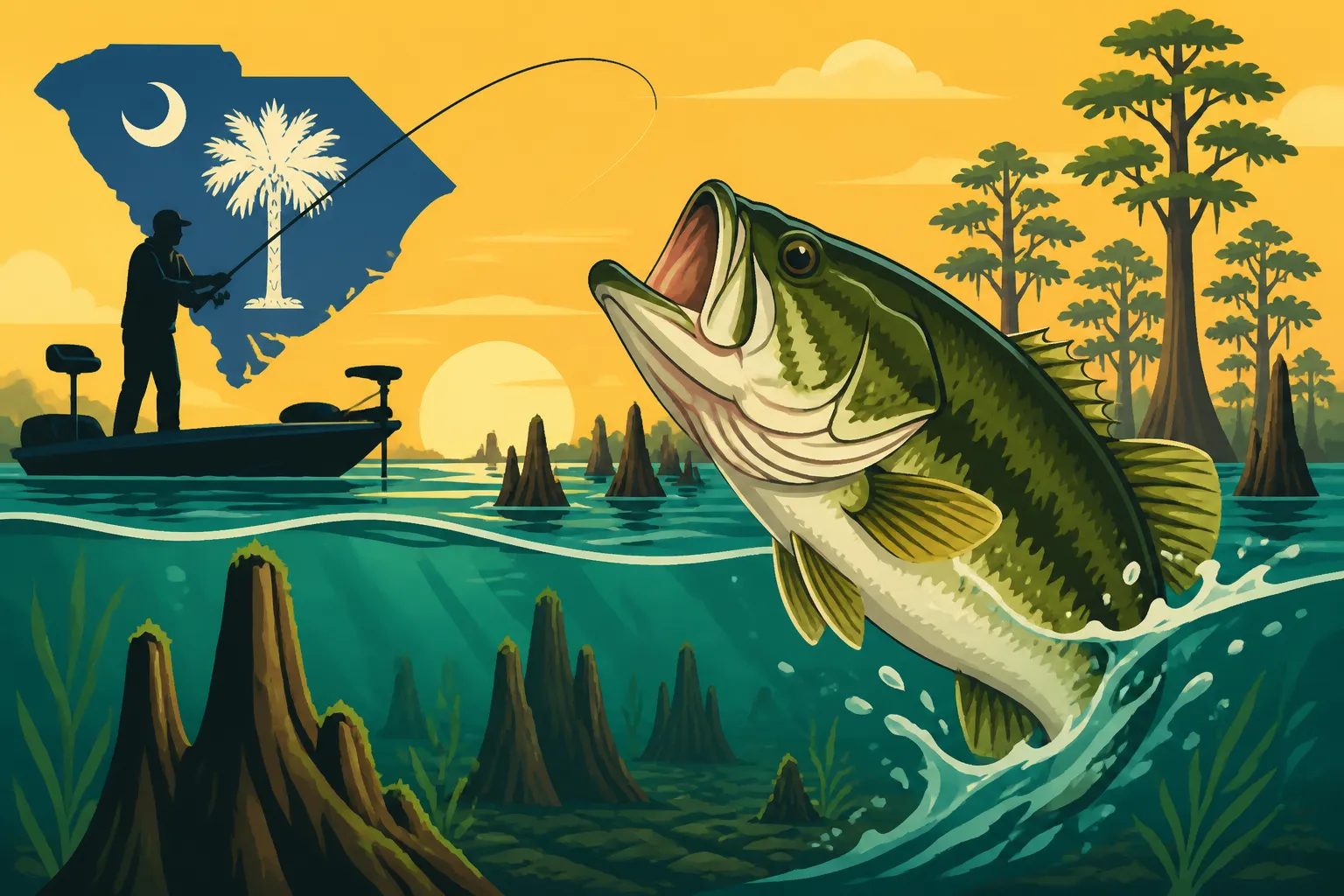
Imagine a flooded forest, preserved underwater. That's essentially what the Cypress Stump Flats are. Before the Santee Cooper lakes were impounded in the 1940s, this area was a vast cypress forest. When the waters rose, these ancient trees remained, their hardy wood resisting decay. What you see today are countless cypress stumps, knees, and even some standing trunks, creating an unparalleled maze of cover, especially in the shallower, flatter sections of the lake. These areas are distinct from the deeper channels or open water expanses, offering a unique blend of shallow-water accessibility and dense, structure-rich habitat. The water here tends to be stained, offering bass excellent camouflage and making them feel secure among the timber. It's a truly wild and natural environment, a stark contrast to the more manicured lakes you might find elsewhere.
This isn't just about cover, though. The vast network of roots and stumps creates micro-habitats for all sorts of smaller forage species, from baitfish like shad and shiners to crustaceans and insect larvae. This rich food source, coupled with the unparalleled protection, makes the Cypress Stump Flats a consistent draw for hungry largemouth bass. They act as natural ambush points, giving bass the perfect setup to surprise their prey. Knowing the unique appeal of these flats is the first step in understanding how to fish them effectively.
Why Bass Love the Cypress Stumps
Largemouth bass are ambush predators by nature, always looking for structure and cover from which to dart out and snatch an unsuspecting meal. The Cypress Stump Flats provide this in spades. Each stump, each knee, each submerged log is a potential hiding spot, a place for a big bass to hunker down and wait. Think of it like a giant underwater apartment complex for bass – there's always a vacant spot, and plenty of amenities!
During different seasons, bass utilize these stumps for various reasons. In the cooler months, the dense wood can absorb heat, providing a slightly warmer microclimate. In the scorching South Carolina summers, the shade provided by the taller stumps or dense patches of knees offers crucial relief from the intense sun. When the bass are spawning in spring, many will create their beds right next to a stump or a cluster of knees, using the hard structure to protect their eggs and fry. The sheer density of cover also offers protection from larger predators, further solidifying the flats as a bass sanctuary. It's this combination of shelter, ambush opportunities, and abundant forage that makes the Cypress Stump Flats legendary for South Carolina's Bass Fishing in the Palmetto State.
Navigating to the Best Bass Haunts in the Flats
You can't just motor out into Lake Marion and expect to hit the jackpot immediately. The Cypress Stump Flats are vast and can be tricky to navigate. Understanding where to focus your efforts and how to safely move through these areas is crucial for a successful and enjoyable trip.
Key Locations and General Areas to Explore
While cypress stumps are scattered throughout Lake Marion, some areas are particularly renowned for their dense flats and consistent bass action. The upper reaches of Lake Marion, particularly around the areas leading into the Congaree River and Santee River, feature extensive shallow cypress flats. These areas often have numerous creeks and feeder ditches winding through them, which are excellent pathways for bass. Another prime location is the northeastern section of the lake, closer to the Sparkleberry Landing area. This zone is famous for its intricate network of stumps and hydrilla beds that often intertwine, providing even more cover.
When you're out there, look for large, relatively shallow areas (typically 2-6 feet deep) where the water is darker, and you can see a thick forest of stumps, both visible and just submerged. These flats often extend for miles, so don't be afraid to move around. Utilize mapping software on your boat's electronics to identify areas marked as "stump fields" or "timber." These maps can be incredibly helpful in understanding the general layout and avoiding potential hazards. Remember, the true magic is often found in the most daunting-looking thickets.
Essential Navigation Tips and Cautions
Navigating the Cypress Stump Flats requires patience and respect for the environment – and your boat! First and foremost, a reliable trolling motor is not just a luxury; it's a necessity. It allows you to slowly and quietly pick your way through the stumps without constantly firing up your outboard. If you have a shallow water anchor system, like a Power-Pole or Talon, it will be your best friend, allowing you to quickly hold your position when you find a promising spot.
Always approach these areas with caution, especially if you're unfamiliar with them. Never run your outboard at high speeds in shallow water where stumps are abundant. Trim your motor up as much as possible, or better yet, lower your trolling motor and navigate solely on electric power. Your boat's depth finder will be invaluable here, helping you identify submerged stumps before you hit them. Some anglers even use specialized "stump jumpers" or prop guards, though careful navigation is always the best defense. It's a good idea to have a set of good quality polarized sunglasses to help you spot submerged obstacles and fish. Always keep an eye on your charts, and if you're new to the lake, consider consulting a local expert or even booking a guide through platforms like FishingBooker to show you the ropes safely. Getting a feel for the lay of the land, or rather, the stumps, will save you a lot of headache and potentially costly repairs.
Mastering Bass Techniques for the Cypress Stump Flats
Fishing the Cypress Stump Flats isn't just about showing up; it's about understanding how bass relate to this unique structure and adapting your techniques accordingly. These bass are often tight to cover, meaning precise presentations are key.
Seasonal Strategies for Consistent Success
The bass in the Cypress Stump Flats behave differently throughout the year, so your approach needs to change with the seasons.
-
Spring (Pre-Spawn & Spawn): This is prime time! As the water warms, bass move into the shallower flats to prepare for and engage in spawning. Look for them around large, isolated stumps or dense clusters, particularly on sunny banks that warm up quickly. They'll be feeding aggressively. During the spawn, they'll be guarding beds.
- Techniques: Pitching and flipping jigs, creature baits, and soft plastics (like Texas-rigged worms or Senkos) right up against the stumps. Topwater baits can be deadly on warmer days, especially around dawn and dusk. For more on this, check out our guide on Spring Bass Fishing on South Carolina's Lake Hartwell, which shares similar seasonal patterns.
-
Summer: The heat drives bass deeper or tighter into the densest cover. They'll often seek the shade provided by the larger stumps or find refuge in the deeper pockets within the flats, or even along the edges of channels that run nearby.
- Techniques: Flipping and pitching heavy jigs or soft plastics into the thickest cover. Working slower, deeper presentations with Carolina rigs or weighted worms can be effective. Early morning and late evening topwater action can still be fantastic. Try fishing a hollow-bodied frog over any mats of hydrilla or lily pads that might have grown up around the stumps.
-
Fall: As temperatures cool, bass become very active and start feeding heavily in preparation for winter. They'll often move more freely throughout the flats, chasing baitfish.
- Techniques: This is a great time for moving baits. Spinnerbaits, chatterbaits, and shallow-diving crankbaits can be highly effective as bass chase shad. Don't forget your jigs and Texas rigs for probing the stumps where bass are still holding tight. Focus on areas where baitfish are schooling up.
-
Winter: Bass typically slow down in colder water and become less active. They'll often pull off the shallowest stumps and move to deeper edges of the flats, or into channels and deeper holes within the flats, but still relating to the cover.
- Techniques: Slow, deliberate presentations are key. Jigging spoons, blade baits, and slow-rolled crankbaits can entice lethargic bass. Finesse techniques with shaky heads or drop shots might also work on suspended fish. Pay attention to our Winter Fishing Techniques in South Carolina Lakes for more universal cold-water advice.
Top Lures and Baits for Different Conditions
Choosing the right lure is paramount on the Cypress Stump Flats. Here’s a breakdown of some go-to options:
- Jigs (Flipping & Pitching Jigs): These are absolute workhorses in the stumps. A 3/8 to 1/2 ounce jig, often with a weed guard, can be pitched directly into the tightest cover. Pair them with creature bait trailers in shades of black and blue, green pumpkin, or brown. The weed guard helps prevent snags, letting the jig slip through the wood.
- Soft Plastics (Texas Rigs, Senkos, Creature Baits): Versatile and effective. Texas-rigged worms (like a 10-inch worm) or creature baits can be worked slowly around and over stumps. A weightless Senko is also fantastic for a natural, subtle fall when bass are finicky. Keep your hooks sharp and your line strong!
- Topwater Lures (Frogs, Poppers, Walking Baits): When bass are actively feeding near the surface, especially in low light conditions or over matted vegetation, topwater baits provide explosive strikes. Hollow-bodied frogs are excellent for working over dense hydrilla or lily pads that might be interspersed with stumps.
- Spinnerbaits & Chatterbaits: Great for covering water and triggering reaction strikes, especially in fall or when bass are more active. Use a single Colorado blade for slower retrieves in murky water, or a double willow leaf for faster retrieves and more flash. Chatterbaits excel at vibrating through cover without snagging too often.
- Crankbaits (Shallow & Mid-Diving): Shallow-diving crankbaits that deflect off stumps can be incredibly effective, mimicking fleeing baitfish. Choose models with tough bills that can withstand repeated collisions with wood. Think about lures that dive to the 3-6 foot range to effectively work the flats.
Rigging and Presentation Tips
Precision is crucial when fishing the Cypress Stump Flats. You're not just casting; you're targeting.
- Pitching and Flipping: These techniques are essential. Instead of long casts, you'll be making short, accurate pitches or flips right up against the base of a stump, into a small opening in a cluster of stumps, or into the deepest shadows. This minimizes splash and maximizes accuracy, getting your bait right into a bass's strike zone.
- Heavy Gear: Don't skimp on your tackle. You'll need heavy or extra-heavy action rods (7' to 7'6" is common), stout baitcasting reels, and strong line – at least 17-20 lb fluorocarbon or 50-65 lb braided line. When a big bass hits in thick cover, you need to turn its head immediately to pull it out before it wraps you around a stump.
- Slack Line vs. Tight Line: Depending on the lure, you might want a bit of slack for a natural fall (like a weightless Senko) or a tight line to feel every bump and tick (like a jig). Experiment to see what the fish prefer on any given day.
- Multiple Presentations: Don't be afraid to try multiple lures on a single stump or stump cluster. Sometimes a bass might ignore a jig but smash a topwater. Work the cover thoroughly from different angles before moving on. Slow down, be methodical, and let the fish tell you what they want. Remember to check out Santee Cooper Bass Fishing Seasons in South Carolina for more overarching strategies related to these famous lakes.
| Season | Primary Bass Behavior | Key Techniques | Go-To Lures & Baits |
|---|---|---|---|
| Spring | Spawning, aggressive feeding, shallow water | Pitching/Flipping, Topwater (dawn/dusk) | Jigs, Soft Plastics (worms/creatures), Frogs |
| Summer | Seeking shade/cooler water, deeper pockets | Flipping into dense cover, Slower presentations | Heavy Jigs, Carolina Rigs, Frogs, Weighted Worms |
| Fall | Actively feeding, chasing baitfish, covering water | Moving Baits, Pitching/Flipping | Spinnerbaits, Chatterbaits, Shallow Crankbaits, Jigs |
| Winter | Less active, deeper edges of flats, channel access | Slow, deliberate presentations, vertical jigging | Jigging Spoons, Blade Baits, Slow-rolled Crankbaits |
Planning Your Trip and Maximizing Your Experience
A successful trip to the Cypress Stump Flats isn't just about what lures you throw; it's also about preparedness and understanding the broader conditions.
Essential Gear and Boat Considerations
Beyond the heavy rods and reels, a few other items are critical for fishing the Cypress Stump Flats. A good quality trolling motor is non-negotiable for silent navigation and holding your position. If you have a shallow water anchor (like a Power-Pole or Talon), it will be invaluable for quickly stopping your boat to work a promising area without drifting. A reliable depth finder with GPS mapping is also key, not only for finding structure but also for navigating safely through the maze of stumps. Many anglers also bring a sturdy landing net because pulling a big bass out of the stumps can be a challenge. Don't forget polarized sunglasses for spotting submerged stumps and fish, and plenty of water and sunscreen, especially during those hot South Carolina summer days.
Consider the type of boat you're using. While any bass boat can navigate these areas with caution, some anglers prefer aluminum boats or even kayaks for the shallower, tighter sections. A stable, maneuverable vessel is far more practical than a deep-V offshore boat when you're trying to sneak through the timber.
When to Go: Best Times and Conditions
While the Cypress Stump Flats can produce year-round, certain conditions truly make them shine.
- Water Levels: Stable or slightly rising water levels often push baitfish and bass further into the shallower, dense stump fields, making them more accessible. Conversely, rapidly falling water can pull fish out to deeper edges. Always check local water level reports before your trip.
- Weather: Overcast days or periods of light rain can often be excellent, as bass might roam more freely from cover. Extremely bright, sunny days often drive them deeper into the densest shade. A light breeze can also be beneficial, breaking up the water surface and making your presence less noticeable. However, strong winds can make boat control and accurate casting incredibly difficult among the stumps.
- Moon Phase: While not a strict rule, many anglers swear by fishing around the new and full moon phases, believing fish activity is heightened. It's one more piece of the puzzle to consider, and tracking the moon can sometimes correlate with heightened feeding windows.
- Time of Day: Like most bass fishing, early mornings and late evenings often offer the best bite, especially for topwater action. During the day, particularly in summer, bass will often hold tight to cover, requiring more precise and slower presentations.
Considering a Local Guide for Deeper Insights
If you're new to Lake Marion or specifically to fishing the Cypress Stump Flats, hiring a local fishing guide can be an absolute game-changer. These seasoned professionals spend hundreds of days a year on these waters. They know the current patterns, the subtle nuances of the stump fields, and exactly which lures and techniques are producing. A good guide can teach you more in one day than you might learn in a dozen trips on your own. They'll also navigate the tricky waters safely, allowing you to focus purely on fishing.
Platforms like FishingBooker make it easy to find and book experienced guides who specialize in bass fishing on Lake Marion. They can provide all the necessary gear, sometimes even your Fishing License Requirements in South Carolina, and most importantly, invaluable local knowledge. It's an investment that can significantly shorten your learning curve and lead to some unforgettable catches. Plus, a guide can offer insights into other great spots, like the Lake Marion Bass Fishing Spots in South Carolina, and help you understand how the bass behave across the entire lake, not just the flats.
Disclaimer
Fishing regulations, conditions, and fish behavior can change. Always check the latest South Carolina Department of Natural Resources (SCDNR) regulations before you head out, and prioritize safety on the water. This guide is for informational purposes only.