Fishing Techniques for Windy Days
Oh, the wind! It's one of those forces of nature that can make a perfectly planned fishing trip feel like an uphill battle, turning serene waters into a choppy mess and making even the simplest cast a frustrating ordeal. There's nothing worse than getting to your favorite South Carolina spot, only to find the conditions are blowing your plans (and your line!) right out of the water. But don't despair! This guide is here to equip you with the knowledge, techniques, and gear adjustments you need to not just survive, but actually thrive, when the wind decides to show up uninvited.
Understanding How Wind Affects Your Fishing Experience
Wind isn't just an annoyance; it fundamentally changes the dynamics of fishing. It influences everything from how you present your bait to where the fish are holding, and understanding these impacts is the first step to conquering blustery conditions.
The Challenges Wind Presents for Anglers
Let's be real, a strong breeze can really throw a wrench into your day. For starters, casting becomes a whole new ball game. That perfect, gentle flick you've practiced a thousand times? Forget about it. The wind grabs your line, turns your lure, and sends it sailing somewhere you definitely didn't intend, often into trees, bushes, or worse, tangles with your buddy's line. Accuracy goes right out the window, and you spend more time untangling knots than actually fishing.
Then there's line management. Whether you're in a boat or on the bank, the wind creates a huge belly in your line, making it incredibly difficult to feel subtle bites. It pulls your bait away from the strike zone, and by the time you realize you've had a bite, the fish has often spit the hook. This lack of sensitivity is a major frustration, especially when targeting finicky fish. If you're drifting in a boat, the wind dictates your speed and direction, often pushing you off your desired structure or making it impossible to hold a precise position. And for those of us on the bank, the relentless gusts can make standing comfortably, let alone casting effectively, quite the challenge. You might even find yourself constantly fighting to keep your hat on!
Reading the Wind: When to Embrace It, When to Avoid It
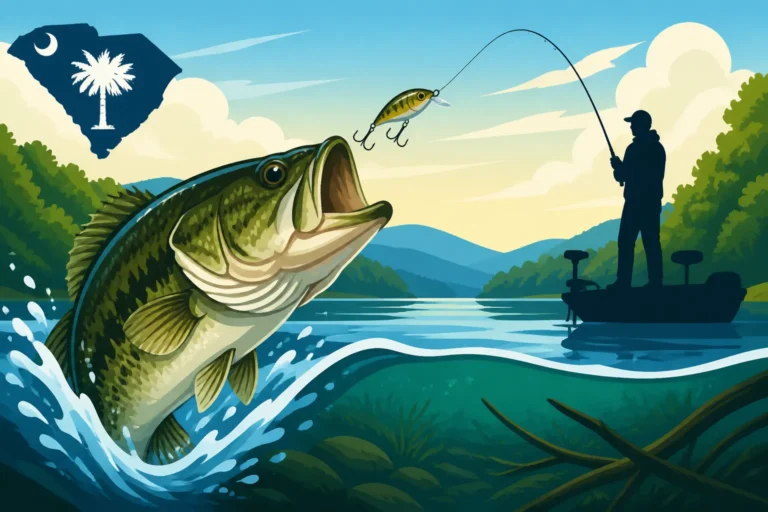
While often seen as a hindrance, wind isn't always bad. In fact, a gentle to moderate breeze can actually improve fishing conditions, especially in warmer weather. The surface chop it creates breaks up the water's surface, making it harder for fish to spot you or your line. This can make them less wary and more willing to venture into shallower areas. The wind also pushes baitfish, concentrating them on certain banks or points, and where the bait goes, the predators often follow. These wind-blown areas can be fantastic for targeting aggressive species like largemouth bass or redfish. You'll often find that even if the water is a little murkier, the feeding activity picks up.
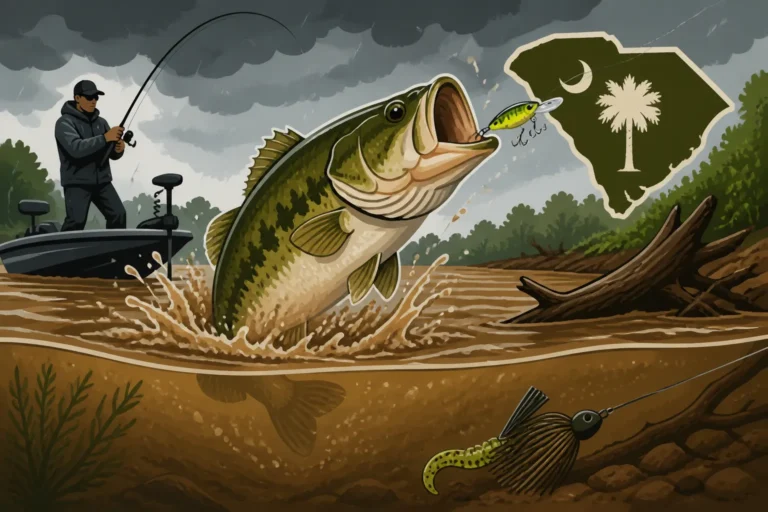
However, there's a fine line. A truly strong, sustained wind can stir up too much sediment, reducing visibility for both fish and angler. It can make boat control dangerous, especially on large bodies of water like Lake Murray or the Santee Cooper Lakes. If the whitecaps are rolling in and your boat is being tossed around, it's probably time to reconsider your plans, or at least move to a more sheltered cove. Always check the forecast and trust your gut. If it feels too risky, it probably is. Remember, a bad day fishing is still better than a good day at work, but a dangerous day fishing isn't good for anyone.
Essential Gear and Preparations for Windy Conditions
When the wind is howling, your standard setup might not cut it. Making a few strategic adjustments to your gear and how you prepare can dramatically improve your success and comfort.
Rods, Reels, and Line Choices for Battling the Breeze
The right equipment can make all the difference. When faced with a strong wind, consider opting for a slightly heavier action rod than you might typically use. A medium-heavy to heavy action rod, particularly one with a faster tip, will give you more backbone to punch through the wind on your cast and maintain better control of your lure. Look for rods that are a bit stiffer, as a very flexible rod will load too much with the wind resistance on your line, making accurate casting nearly impossible.
For reels, baitcasters often excel in windy conditions, especially when casting heavier baits, due to their greater control and accuracy compared to spinning reels. However, if you prefer spinning gear, choose a reel with a smooth, reliable drag system and pair it with a rod that has enough power to handle longer casts into the wind.
Line choice is critical. Monofilament and fluorocarbon lines have more surface area and are lighter, which means the wind catches them more easily, creating that dreaded bow in your line. This is where braided line truly shines. Braid has a much thinner diameter for its breaking strength, is significantly more dense, and has virtually no stretch. This means less wind resistance on your cast, better line control, and improved sensitivity, even when a belly develops in the line. You'll feel those subtle bites much better. If you’re concerned about fish seeing the braid, you can always tie a fluorocarbon leader. You can find excellent selections of all these lines on platforms like Amazon, making it easy to prepare for any condition.
Boat Positioning and Anchoring Strategies
If you’re fishing from a boat, controlling your vessel is paramount on a windy day. Trying to cast accurately while your boat is being blown around like a leaf is a recipe for frustration. Shallow water anchor systems, like those offered by Power-Pole or Minn Kota Talon, are invaluable for holding your boat steady in depths where they can reach. They dig into the bottom, keeping you precisely on your spot. For deeper water, a traditional anchor can work, but it takes time to set and retrieve, and you might still swing.
Another excellent tool is a drift sock, also known as a sea anchor. This simple device deploys off the side or bow of your boat, acting like a parachute in the water. It slows your drift significantly, allowing you to cover water more deliberately and make more controlled casts. Combining a drift sock with a trolling motor can be a game-changer. Your trolling motor can then be used to steer and make micro-adjustments to your drift, letting you work specific submerged structures or Fishing Techniques After a Cold Front more effectively.
If you don't have these fancy gadgets, look for natural wind breaks. Islands, dense tree lines along the shore, or even the lee side of a large point can offer shelter from the wind and create calmer water where fish might seek refuge. Positioning your boat on the windward side of such structure, letting the wind push your scent and bait towards the fish, can be a highly effective tactic. Remember, boat control is about efficiency; the less you’re fighting the elements, the more you’re actually fishing.
Proven Fishing Techniques for Windy Days
Now that your gear is dialed in and your boat is under control, let's talk about the actual fishing. Adapting your presentation and knowing where to target fish are key when the wind is up.
Adapting Your Casting and Presentation
Casting into the wind is always tough. Instead of your usual overhead cast, try a low, sidearm cast. This keeps your lure closer to the water's surface, reducing the amount of time the wind has to grab your line and throw off your accuracy. Think of it like skipping a stone across the water rather than lobbing a ball high into the air. If you're fishing tight to cover, a roll cast can also be incredibly effective, as it minimizes air exposure of your line.
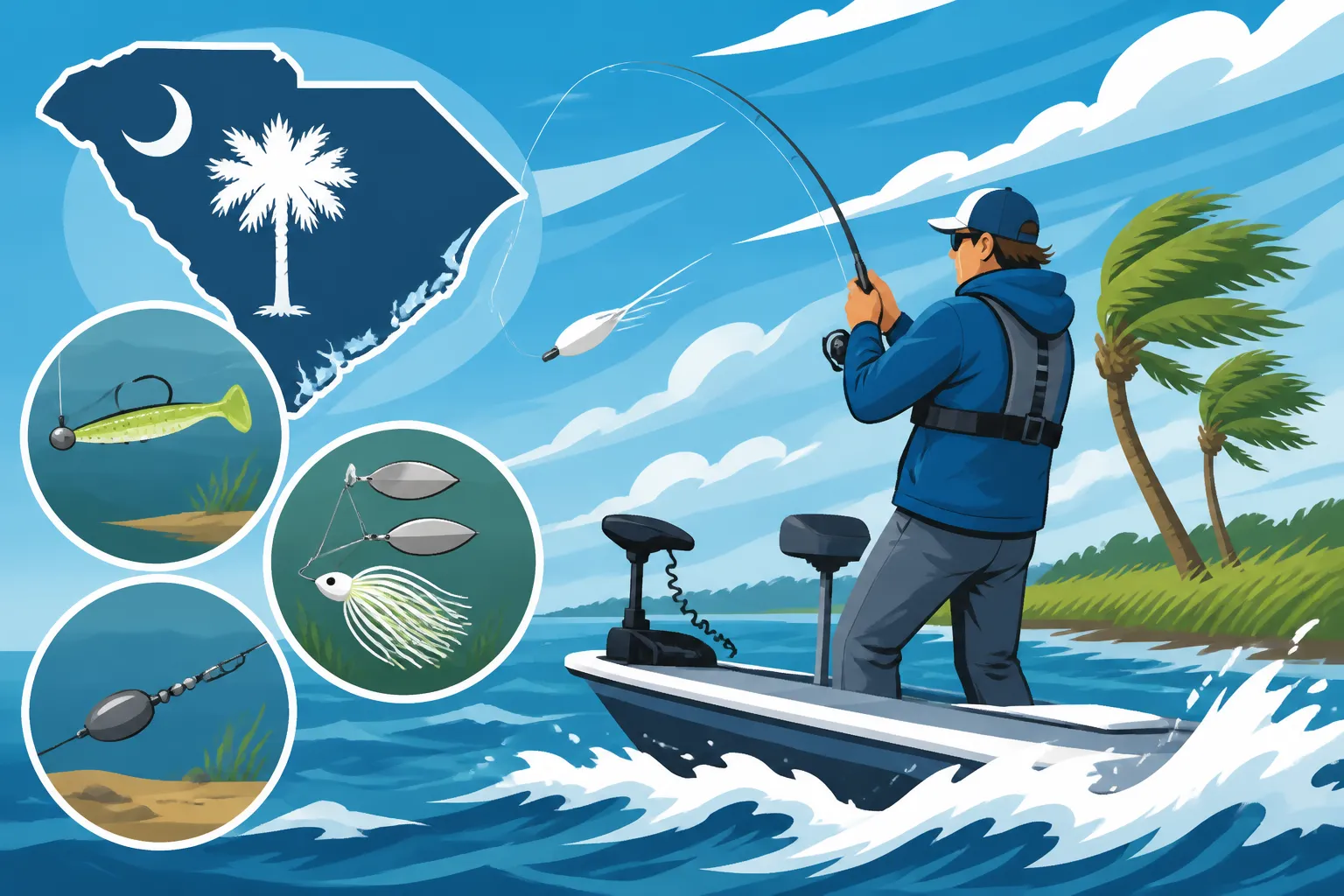
When presenting your bait, heavier lures are your friend. A lighter lure will simply get tossed around by the wind before it even hits the water, and once it's in the water, it'll be difficult to keep contact with. Opt for baits that have enough weight to cut through the wind and sink quickly, getting below that turbulent surface chop. This could mean using a heavier jig head, a bulkier spinnerbait, or a deep-diving crankbait.
Maintaining line contact is paramount. After your cast, quickly reel in any slack line created by the wind to regain control. Instead of a fast retrieve, try a slower, more deliberate retrieve that allows you to feel the lure and any subtle taps. Keep your rod tip low, sometimes even touching the water, to minimize the amount of line exposed to the wind. This significantly reduces bow in your line and improves sensitivity. Sometimes, the fish will hit with a surprising amount of force, but other times, it's just a faint tick, and you need every advantage to detect it.
Targeting Fish in Windy Water
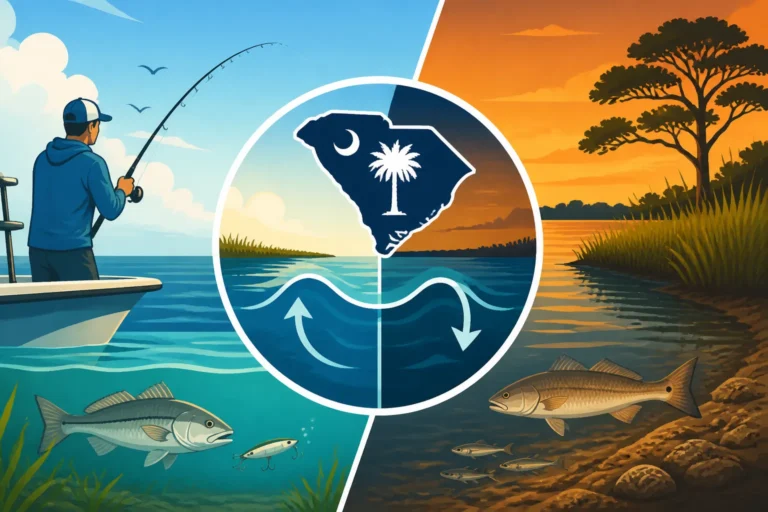
Wind doesn't just push your boat around; it pushes water and oxygen, which affects fish behavior. Smart anglers use this to their advantage. One of the most effective strategies is to target wind-blown banks and points. The wind concentrates baitfish, plankton, and other forage along these shores, creating a buffet for predatory fish. Largemouth bass, striped bass, and redfish will often move into these areas to feed aggressively. Look for areas where the wind has been consistently pushing water for a while, as these are often the most productive. Places like the points on Lake Hartwell or the banks of the Charleston Harbor can really turn on during windy conditions. You'll find that these spots, which might be quiet on a calm day, are bustling with activity when the breeze kicks up.
Current breaks, whether natural or man-made, also become crucial. A strong wind can create subtle currents, and fish, being opportunistic, will often hold on the downstream side of any obstruction that breaks that current, waiting for an easy meal to be swept to them. This could be a submerged log, a rock pile, a dock, or a bridge pilings. By casting slightly upwind of these structures and allowing your bait to drift naturally into the strike zone, you can often entice a bite from fish that are conserving energy.
Sometimes, if the wind is really strong and the shallow water is too turbulent or churned, fish will retreat to deeper water to escape the chop and find more stable conditions. In these scenarios, vertical jigging or slow-trolling deeper diving crankbaits can be highly effective. Understanding Boat Fishing Techniques for Deep Water Bass becomes especially important here, allowing you to present your bait accurately to fish holding near the bottom. Don't be afraid to experiment with different depths until you find where the fish are comfortable.
Specific Lure and Bait Choices for Blustery Conditions
When the wind is up, confidence in your lure choice can make a huge difference. As mentioned, heavier baits are generally better. Jigs, especially those with bulkier trailers, can be fantastic. Their compact design and weight allow for better casting accuracy and quicker descent through the water column, making it easier to maintain contact. Spinnerbaits are another excellent choice for windy conditions, particularly when fishing wind-blown banks. Their flash and vibration can attract fish even in murkier, wind-stirred water, and their single hook design makes them relatively weedless. You can find a fantastic array of these and other lures on Amazon, ensuring you have the right tools for the job.
Crankbaits, particularly those designed to dive deeper, can also be very effective. The wind often pushes fish down slightly, and a crankbait that gets down to that 8-12 foot range can tempt strikes. Choose models with a wide wobble that displace a lot of water, as this will help fish find them in low visibility.
Of course, live bait is always a winner, especially when fish are less willing to chase artificials. A stout Carolina rig or a slip-sinker rig with a live minnow, shrimp, or a big nightcrawler can be cast out and allowed to sit on the bottom, minimizing wind interference. The natural movement of the bait does all the work, and your main job is to feel the bite through your less-affected line. When using live bait, remember that South Carolina Fishing Bag Limits Explained still apply, so always be mindful of regulations.
Safety First: Navigating Windy Waters in South Carolina
Fishing on a windy day isn't just about catching fish; it's also about staying safe. Conditions can change rapidly, especially on South Carolina's larger lakes and coastal waters.
When to Call It a Day
This is perhaps the most important decision you'll make on a windy day. There's a fine line between challenging conditions and unsafe ones. If the wind is creating whitecaps that are consistently breaking over the bow of your boat, if visibility is significantly reduced by spray, or if you're struggling to maintain control of your vessel, it's time to call it quits. No fish is worth risking your safety.
Always assess the conditions before you launch, and keep an eye on the sky and water throughout your trip. Gusts can come out of nowhere, especially in areas with unique topography, like certain sections of the Best Fishing Spots in South Carolina. If you're fishing solo, be extra cautious, as there's no one else to help if you run into trouble. It's always a good idea to let someone know your float plan – where you're going and when you expect to return. Sometimes, the best fishing technique for a truly windy day is to head home, tie some new knots, and plan for a calmer day.
Essential Safety Gear and Practices
Even on a moderately windy day, having the right safety gear is non-negotiable. Always wear a U.S. Coast Guard-approved life jacket, especially if you're in a smaller boat or if the water is choppy. Modern life jackets are much more comfortable and less restrictive than older models, so there's really no excuse not to wear one. You can find comfortable and effective options on Amazon.
Ensure your boat is equipped with all the necessary safety equipment: a whistle or horn, navigation lights (if you'll be out near dawn or dusk), throwable flotation devices, and a fire extinguisher. A reliable communication device, such as a fully charged cell phone in a waterproof case or a VHF radio, is also essential. Even if you're fishing from the bank, let someone know where you are. Wind can make footing tricky, and unexpected gusts can send you tumbling.
For those on the water, be mindful of other boaters. Wind can make maneuvering difficult for everyone, so maintain extra distance and be predictable in your movements. Understand the rules of navigation and practice defensive boating. A little preparedness goes a long way in ensuring your windy-day adventure remains a fun and safe one. For more comprehensive planning, check out resources like What to Bring on a South Carolina Fishing Charter to make sure you're always fully prepared for your time on the water.
Here's a quick guide to help you assess windy conditions and adjust your approach:
| Wind Speed (MPH) | Water Surface Description | Recommended Actions for Anglers | Preferred Lure/Bait Types | Considerations |
|---|---|---|---|---|
| 0-5 (Light) | Calm, ripples only | Standard techniques, focus on stealth. | Any, including topwater and finesse baits. | Excellent for sight fishing; fish may be wary. |
| 5-10 (Moderate) | Small waves, few whitecaps | Use sidearm casts, keep rod tip low, target wind-blown areas. | Jigs, spinnerbaits, crankbaits, live bait. | Good for breaking up surface; increased feeding activity. |
| 10-15 (Breezy) | Moderate waves, frequent whitecaps | Heavier baits, braided line, strong boat control (drift sock/trolling motor). | Heavier jigs, deep-diving crankbaits, substantial live bait rigs. | Focus on sheltered areas, deeper water. |
| 15-20 (Strong) | Large waves, whitecaps, spray | Essential safety gear, strong boat control (anchoring), consider bank fishing. | Heavy jigs, bottom-bouncing baits, large swimbaits. | Potential for unsafe boating; check weather apps frequently. |
| 20+ (Gale Force) | Hazardous, very large waves, poor visibility | Stay off the water. Consider fishing from a well-protected bank or pier. | Not recommended for boating; extreme caution for bank fishing. | Dangerous conditions; reschedule your trip for safety. |
Wind can certainly test an angler's patience, but with the right mindset, preparation, and techniques, it can also open up new opportunities. South Carolina's diverse waters, from the coastal estuaries where South Carolina Redfish Slot Limit Rules apply, to the vast freshwater lakes, offer plenty of places to fish, even when the breeze picks up. So next time the forecast calls for a bit of a blow, don't pack it in immediately. Instead, grab your heavier gear, adjust your strategy, and head out there to put these windy-day techniques to the test! You might just find that some of your most memorable catches happen when the wind is whipping.
Disclaimer
This article is for general informational purposes only and does not constitute professional advice. Laws, prices and regulations vary by location and change over time. Consult a qualified professional for guidance on your specific situation.