Kid-Friendly Techniques for Catching Bluegill
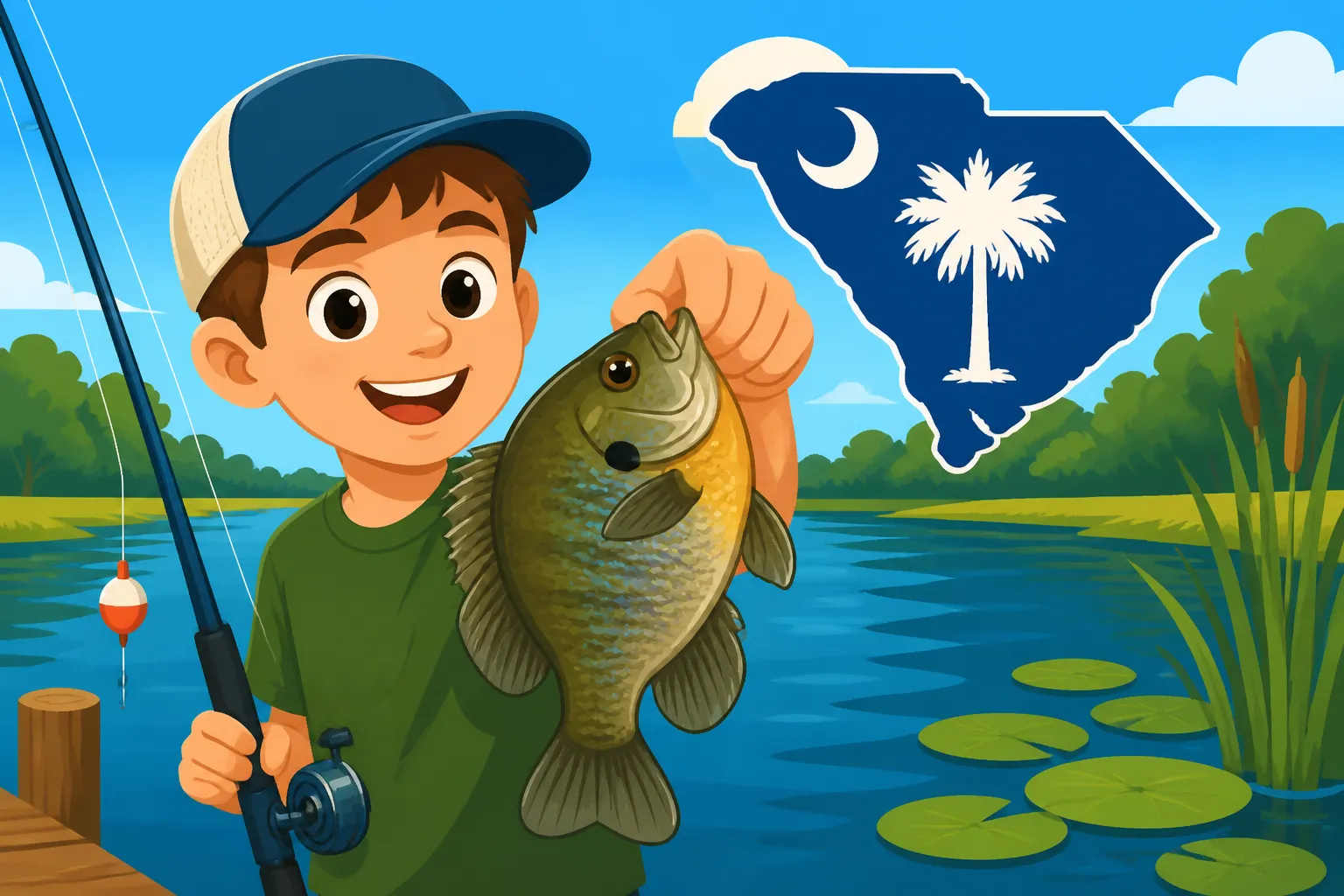
There's nothing quite like the joy of watching a child's face light up when they feel that first tug on their fishing line. But let's be real, taking kids fishing can sometimes feel more like a test of your patience than theirs, especially if the fish aren't biting! The good news is, South Carolina's abundant bluegill population offers the perfect remedy, practically guaranteeing smiles and memorable moments. This guide will walk you through the absolute best kid-friendly techniques to make catching bluegill easy, fun, and a surefire hit for your next family outing.
Why Bluegill Are the Perfect First Fish for Kids (and Parents!)
Bluegill truly are nature's gift to young anglers and their guiding parents. If you've ever tried to keep a child engaged for more than five minutes, you know how crucial instant gratification can be. Bluegill deliver on that promise, making them an ideal starting point for anyone new to fishing.
The Bluegill Advantage: Abundance and Aggressiveness
One of the biggest frustrations for parents taking kids fishing is when nothing bites. Kids get bored quickly, and a long, fishless stretch can turn a fun outing into a whiny expedition. This is where bluegill shine. They are incredibly common across nearly all freshwater bodies in South Carolina – from small farm ponds to the edges of our biggest lakes like Lake Murray or Lake Moultrie. You’ll find them congregated around docks, submerged timber, lily pads, and shaded areas, always on the lookout for a meal.
What makes them truly "kid-friendly" isn't just their numbers, but their aggressive, opportunistic feeding habits. Bluegill aren't shy. If they see a tasty morsel, they're likely to snatch it up, often with a decisive tug that's easy for even the smallest hands to feel. This high catch rate means more action, more excitement, and less time spent explaining why the fish aren't biting today. It's a fantastic way to build a child's confidence and foster a lifelong love for the outdoors. If you're looking for specific locations, our guide on South Carolina's Best Ponds for Panfish Fishing has some excellent suggestions.
Simple Setup, Maximum Fun
Another huge plus for bluegill fishing with kids is the minimal gear required. You don't need fancy, expensive equipment, nor do you need to master complex casting techniques. This simplicity reduces the barrier to entry, making it less intimidating for both children and parents who might be new to fishing themselves. The focus shifts from gear management to the pure joy of the activity.
The setup is straightforward, easy to explain, and quick to rig, meaning less downtime and more fishing time. This is especially helpful for younger kids whose attention spans might be shorter than a bluegill's bite time. Easy handling of the fish once caught is also a major benefit; bluegill are typically small enough for kids to manage (with adult supervision, of course) and their spines are less intimidating than some other species. This straightforward approach is a key part of making fishing a truly enjoyable experience for the whole family. For more general advice, check out Simple Bream Fishing Techniques for Kids.
Essential Kid-Friendly Gear for Bluegill Fishing
When it comes to outfitting your young angler for bluegill, less is often more. The goal is simplicity, ease of use, and something durable enough to withstand the inevitable bumps and drops that come with kids and fishing poles.
Rods and Reels: Keeping It Light and Easy
For kids, especially those just starting out, a spincast rod and reel combo is the absolute champion. These reels are designed for ease of use: just press a button, sweep the rod forward, and release the button. No complicated bail to flip or lines to untangle every five minutes.
- Size Matters: You'll find spincast combos in various sizes. For toddlers and preschoolers, a shorter rod (around 3 to 4 feet) with a smaller handle is perfect. As kids get a bit older (elementary school age), a 5 to 6-foot rod can offer a little more casting distance and control.
- Durability is Key: Kids are not always gentle, so look for combos that are robust. You don't need top-of-the-line carbon fiber; a simple fiberglass rod will do just fine. Many popular brands offer affordable, brightly colored kids' combos that are practically indestructible. You can often find excellent starter kits for kids that include a rod, reel, and basic tackle for a very reasonable price on platforms like Amazon.
- Line: Most kid combos come pre-spooled with decent monofilament line. A light line, perhaps 4 to 6-pound test, is ideal for bluegill, as it's thin enough to be less visible but strong enough to handle their spirited tugs.
The Right Bait: Irresistible Treats for Bluegill
Bluegill aren't picky eaters, which is fantastic news for kids. Forget trying to match the hatch or fussing with complex lures. The best baits for bluegill are simple, effective, and readily available.
- Worms (The All-Time Champion): Red wigglers or nightcrawlers cut into smaller pieces are irresistible to bluegill. They're natural, smelly, and wiggle enticingly. Plus, kids usually get a kick out of handling worms, turning baiting into part of the adventure! You can find these at almost any bait shop, many convenience stores, or even in your own backyard compost pile.
- Crickets: Another fantastic live bait, crickets are a bluegill magnet. They're a bit livelier to handle than worms, which some kids love, and they float nicely, making them perfect for fishing under a bobber.
- Corn: Yes, plain old canned corn! It's cheap, easy to use, and bluegill absolutely devour it. Just thread a few kernels onto a small hook. It’s a great option if live bait isn't your child's favorite.
- Dough Baits & PowerBait: There are also various commercially available dough baits and PowerBait specifically designed for panfish. These are often brightly colored and scented, making them appealing. They can be a less messy alternative to live bait, and you can stock up on different varieties from Amazon for your tackle box. For more ideas on what to use, check out our guide on the Best Bait for Catching Bluegill.
Terminal Tackle: Bobbers, Hooks, and Weights
This is the minimal hardware you'll need, and keeping it simple is the name of the game.
- Bobbers (Floats): Absolutely essential for kid-friendly bluegill fishing. A bobber acts as a visual indicator of a bite. When that bobber dips, your child will know instantly that something is happening! Small to medium-sized clip-on bobbers are perfect. The red and white classic is iconic for a reason.
- Hooks: Stick to small, sharp hooks. Size 8 or 10 Aberdeen or "gold hook" styles are excellent. They're fine enough to fit in a bluegill's mouth but strong enough to hold them. Barbless hooks are also a great idea for kids, as they make unhooking fish much easier and safer.
- Weights (Split Shot): You’ll need a few small split shot weights to get your bait down to where the fish are. These are tiny lead or steel balls that you crimp onto your line a few inches above the hook. Make sure to use just enough weight to sink your bait and keep your bobber upright.
Here's a quick reference table for your kid-friendly bluegill setup:
| Gear Item | Recommendation for Kids | Why It's Great |
|---|---|---|
| Rod & Reel | 3-6 ft Spincast Combo (e.g., Zebco, Shakespeare) | Easy button-cast, durable, simple for small hands |
| Fishing Line | 4-6 lb Monofilament (often pre-spooled) | Good balance of strength and sensitivity for bluegill |
| Bobber | Small to Medium Clip-on (red/white classic) | Clear visual bite indicator, adds excitement |
| Hooks | Size 8 or 10 Aberdeen or "gold" hooks (barbless optional) | Appropriately sized for bluegill mouths, easier unhooking |
| Weights | Small Split Shot Sinkers | Gets bait to depth, keeps bobber upright without being too heavy |
| Bait (Live) | Red Wigglers, Cut Nightcrawlers, Crickets | Irresistible to bluegill, natural scent |
| Bait (Artificial) | Canned Corn, Small Panfish Dough Baits (e.g., Berkley PowerBait) | Less messy, easy to use, still very effective |
| Essentials | Small cooler for snacks/drinks, sunscreen, hat, small pliers | Keeps everyone comfortable and safe, helps with hook removal |
Step-by-Step Kid-Friendly Bluegill Fishing Techniques
Now that you've got your gear, let's talk about the fun part: actually catching some bluegill! The techniques are incredibly straightforward, focusing on the basics to ensure success and enjoyment.
The Classic Bobber Setup: A Visual Delight
This is the go-to method for kids, hands down. It provides instant visual feedback, which is incredibly engaging for young minds.
- Attach the Bobber: First, clip your bobber onto the fishing line. You'll want to adjust the depth later, but for now, place it about 12-24 inches from the end of your line.
- Add Split Shot: Crimp one or two small split shot weights onto the line, usually 6-10 inches above where your hook will be. This helps sink the bait and keeps the bobber standing upright. Don't use too much weight, or your bobber will sink!
- Tie on the Hook: Use a simple knot like an improved clinch knot to attach your small hook to the end of the line. Make sure it's secure!
- Bait Up: This is a key step where kids can get involved. Help them thread a piece of worm, a cricket, or a few kernels of corn onto the hook. Make sure the hook point is exposed for a better hook set.
- Adjust Depth: Once you cast out, observe your bobber. If it's lying flat, your bait is probably resting on the bottom. If you see fish activity deeper, you might want to slide the bobber up the line a bit to let your bait sink further. Bluegill often hang out just off the bottom or suspended in the water column.
- Cast (Gentle!): Show your child how to press the button on the spincast reel, do a gentle underhand or overhead cast, and release the button as the bait flies. Emphasize a smooth motion rather than a forceful one.
- Watch the Bobber: Now, the magic begins! Teach your child to intently watch that bobber. When a bluegill bites, the bobber will dance, jiggle, or, most excitingly, disappear completely under the water! This visual cue is often all it takes to trigger squeals of delight. You can find more specific tips on How to Fish a Bobber for Bream if you want to refine your technique.
Finding Bluegill: Simple Spotting for Little Anglers
Even with the best bait, you won't catch fish if they aren't there! Luckily, finding bluegill with kids is less about advanced electronics and more about simple observation.
- Look for Structure: Bluegill love cover. Think lily pads, fallen trees, brush piles, submerged logs, or even the shadows cast by docks and bridges. These areas provide protection and ambush points for food.
- Shallow, Warm Waters: Especially in spring and early summer, bluegill will move into shallower, warmer waters to spawn. Look for dish-shaped depressions on the bottom, which are bluegill beds. These areas are usually teeming with fish. Our article on How to Find Bluegill Beds in Spring offers great advice on this.
- Observe the Water: Sometimes, you can actually see bluegill darting around in clear, shallow water. If you spot them, you've found a honey hole! Even if you can't see them, look for areas with calm water and good access. Many state parks and local ponds in South Carolina offer fantastic bank fishing opportunities perfect for kids. For general advice, consider our Bluegill Fishing Tips for South Carolina Ponds.
The Hook Set and Reel In: Gentle Guidance
Once that bobber goes down, the real excitement (and sometimes chaos!) begins. This is where your guidance can turn a missed fish into a cherished memory.
- The Hook Set: When the bobber disappears, tell your child to lift the rod tip straight up firmly but not aggressively. A hard jerk can pull the hook out of a bluegill's soft mouth. A gentle sweep or lift is usually all it takes to set the hook.
- Reel In: Once the hook is set, encourage your child to reel steadily. Remind them to keep the rod tip up, maintaining tension on the line. Bluegill put up a surprisingly good fight for their size, and letting the child feel that battle is part of the fun. Be ready to step in if the line snags or if they need a little help turning the reel handle.
- The Reveal: As the fish gets closer, the anticipation builds! Help them lift the fish out of the water gently. This is the moment for high-fives and proud smiles. Be ready to take a quick photo before you release or place the fish in a bucket.
Making the Most of the Fishing Trip: Beyond the Catch
Fishing with kids isn't just about catching fish; it's about the entire experience. It's an opportunity to connect with nature, teach patience, and create lasting family memories.
Safety First: Sun, Water, and Hooks
Safety should always be your top priority, especially when fishing with little ones.
- Sun Protection: South Carolina sun can be intense. Pack plenty of sunscreen, wide-brimmed hats, and lightweight, long-sleeved clothing. Reapply sunscreen frequently.
- Hydration: Bring a cooler packed with water bottles and juice boxes. Kids can get dehydrated quickly when they're excited and active outdoors.
- Hook Safety: This is paramount. Always handle the hooks yourself when baiting or unhooking fish, especially with very young children. Teach older kids how to be careful, keeping their fingers away from the hook point. Small pliers or a de-hooker can make removing hooks safer and easier for both you and the fish.
- Water Safety: If you're near open water, consider having younger children wear life vests, even if they're just bank fishing. Accidents can happen quickly. Keep a close eye on them, especially near steep banks or boat launches.
- Snacks and Breaks: Pack an abundance of snacks! A hungry or bored child is a grumpy child. Be prepared to take breaks, explore the surroundings, or just relax.
Creating Memories: The Real Catch
While catching fish is undeniably exciting, remember that the true success of a kid-friendly fishing trip lies in the memories you create.
- Focus on the Experience, Not the Haul: It's okay if you only catch one bluegill, or even none (though that's rare with this setup!). Celebrate every cast, every nibble, and every moment spent together. Praise their efforts, their patience, and their enthusiasm.
- Encourage Observation: Turn the trip into a nature lesson. Point out birds, turtles, insects, or interesting plants. Talk about the water, the weather, and what makes a good fish habitat.
- Make it an Adventure: Let them choose the fishing spot (within reason), help carry the tackle box, or even name the fish they catch. Even something as simple as finding a cool stick or skipping a rock can be a highlight for a child. Consider taking them to places like Kid-Friendly Fishing Ponds Near Columbia for a guaranteed good time. The Best Time of Year to Catch Panfish can also influence how active the fish will be, improving the odds of success.
- Photography: Snap plenty of photos! A picture of a child proudly holding their first fish is a treasure you'll revisit for years.
Catch and Release (or Keep a Few!): Teaching Conservation
Fishing is a fantastic way to teach kids about responsible outdoor ethics and conservation.
- Gentle Handling: Show your child how to hold a fish gently, supporting its body. Explain that fish are living creatures and we want to treat them with respect.
- Catch and Release: Teach them the importance of releasing fish carefully, especially if they're not going to be eaten. Explain that putting fish back helps ensure there are plenty for future generations.
- Keeping a Meal: If you plan to keep some bluegill for a delicious dinner (and believe me, fresh bluegill are fantastic to eat!), involve your child in that process too. Talk about why you're keeping certain fish (within legal limits) and how you'll prepare them. This completes the cycle and connects the experience to the dinner table. Just remember to always be mindful of South Carolina Fishing Bag Limits Explained for panfish in your area.
- Licensing: Remember, even for kids, there are rules. It's a good idea to understand Fishing License Rules for Kids in South Carolina and South Carolina Fishing License Exemptions by Age to ensure everyone is compliant. Generally, younger children are exempt, but it's always best to check current regulations from the South Carolina Department of Natural Resources (SCDNR).
By focusing on these kid-friendly techniques and remembering that the journey is just as important as the destination, you're not just taking your kids fishing—you're nurturing a love for nature, teaching valuable life skills, and building memories that will last a lifetime. Happy fishing!
Disclaimer
This article is for general informational purposes only and does not constitute professional advice. Laws, prices and regulations vary by location and change over time. Consult a qualified professional for guidance on your specific situation.