Bank Fishing Techniques for Bass
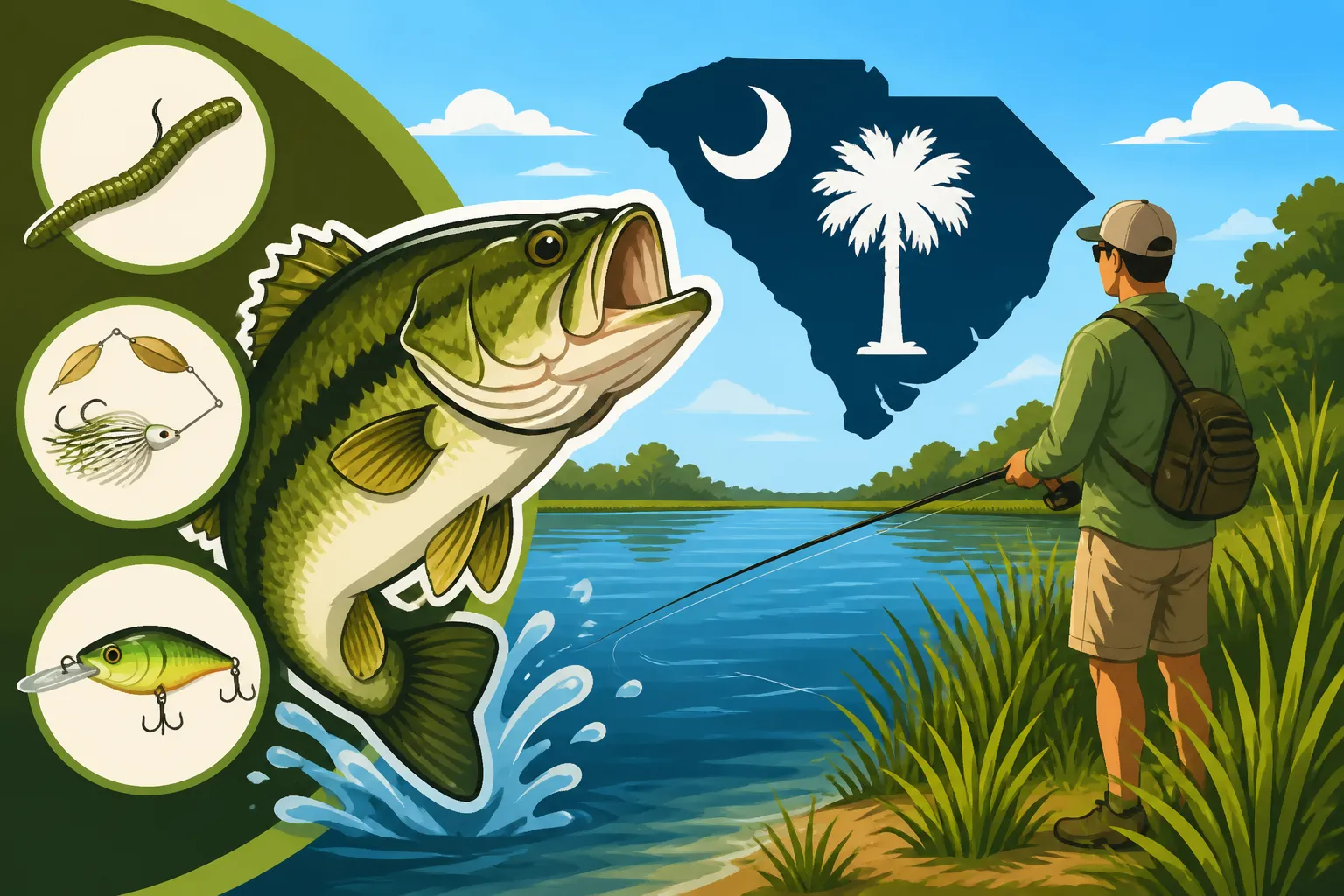
There’s a common misconception that you need a fancy boat, expensive electronics, or access to private docks to consistently catch bass in South Carolina. The reality is, many anglers feel limited if they don’t have these things, often overlooking the incredible potential right at their feet: bank fishing. This guide is here to prove that you absolutely can find and land quality bass from the shore, breaking down the techniques and strategies that will turn those "no boat" days into memorable fishing adventures.
Understanding Bass Behavior from Shore
Bank fishing for bass isn't just about casting into the water and hoping for the best. It's about understanding how bass behave, especially when you're limited to a fixed position on the shore. Think of yourself as a detective, piecing together clues about where these elusive fish might be hiding and what they might be doing. The key is to leverage what you do have – observation skills, patience, and the right approach – to overcome the perceived limitations of not having a boat.
Seasonal Movements and Bank Access
Bass, much like us, respond to the changing seasons, and their movements dictate where you'll find them from the bank. In South Carolina, this means adjusting your strategy throughout the year.
During the spring, particularly as the water temperatures begin to rise into the 50s and 60s, bass start moving into shallower areas to prepare for the spawn. This is prime time for bank anglers because these fish are often within casting distance of the shore. They'll seek out protected coves, shallow flats, and areas with submerged cover like fallen trees or thick vegetation – all spots that are often accessible from the bank. Learning about the Largemouth Bass Spawning Season Explained can give you a significant edge in timing your trips. You'll find bass, especially bigger females, cruising these shallows, making them vulnerable to well-placed casts.
As summer heats up, especially in the South Carolina swelter, bass tend to move to deeper, cooler water during the day, making them harder to reach from the bank in many spots. However, they will still move shallow during low-light conditions like dawn, dusk, and even at night. Focus your efforts on these times, targeting shaded areas, drop-offs near the bank, and the mouths of creeks that offer slightly cooler water. This is also when you might find them congregated around deeper structures if you can reach them.
In fall, as water temperatures cool, bass become more active and start feeding aggressively, bulking up for winter. This is another fantastic time for bank anglers. Bass will often follow baitfish into shallower pockets and coves. Look for schooling baitfish near the surface or crashing into banks, as bass are likely nearby. The cooling water can bring them back to accessible shoreline cover. For specific tactics, consider exploring Best Bass Lures for Fall Fishing.
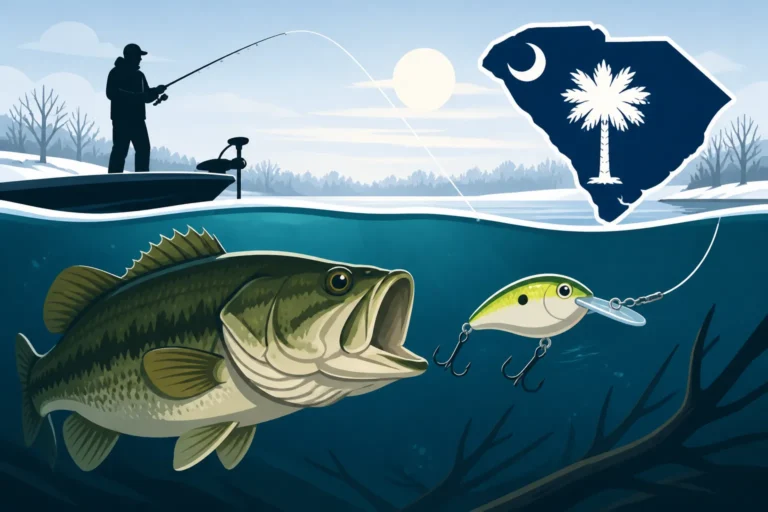
Winter presents the biggest challenge. Bass will typically hold in deeper, more stable water, often suspending over structure. Bank access to these deep zones can be limited. However, warmer winter days can still bring bass to sun-drenched banks for short feeding windows. Targeting northern banks that receive more direct sunlight can sometimes pay off. Understanding Do Largemouth Bass Bite in Cold Weather? can help you tailor your approach during these colder months.
Reading the Water for Bass Holding Structure
From the bank, your vision and understanding of topography become your most valuable tools. You need to "read the water" to identify potential bass holding structures that are within casting range. This isn't just about what you see on the surface; it's about imagining what lies beneath.
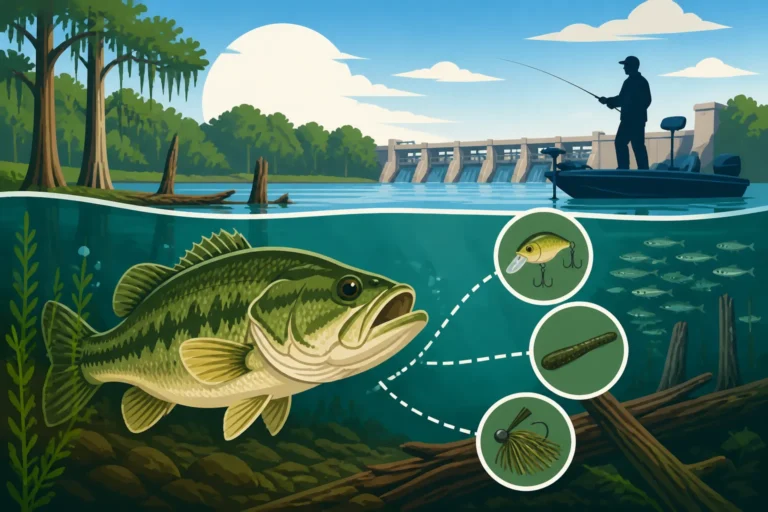
Look for visible cover like fallen trees, brush piles, docks, lily pads, or reeds. These are obvious bass magnets, providing ambush points and shelter. Don't just cast at them; try to cast past them and retrieve your lure through the cover, mimicking a baitfish darting for safety. Submerged rocks or old tires can also hold fish, and while you might not see them, look for changes in water depth, color, or currents that might indicate their presence. A subtle current seam, for instance, could be a sign of underwater structure funneling bait.
Pay close attention to points and coves. Points extending into the water are highways for bass, especially during seasonal transitions, as they move between shallow and deep water. Coves offer protection from wind and current, often warming up faster in spring and holding baitfish. Areas where a feeder creek enters a larger body of water are also prime spots, as they bring in nutrients and often create distinct current breaks. Even a simple change in the bank's composition – from sandy to rocky – can be a significant indicator.
The Impact of Weather on Bank Fishing
Weather isn't just a comfort factor; it's a huge determinant of bass behavior. As a bank angler, you're particularly exposed to these changes, and learning to adapt can make or break your day.
Cloudy days are generally excellent for bank fishing. The reduced light penetration makes bass feel more comfortable moving into shallower water, and they'll often feed more aggressively throughout the day, not just during low-light periods. Overcast skies can extend the prime fishing window, especially in warmer months.
Sunny days, on the other hand, can push bass deeper or under heavy cover, making them harder to reach. When it's bright, focus on shaded areas – beneath docks, overhangs, or dense vegetation. Bass will often tuck into these spots to avoid direct sunlight. Your Best Fishing Techniques for a Rising Barometer article might also offer some useful advice on how atmospheric pressure changes relate to fish activity. Early morning and late evening become even more critical during clear, sunny weather.
Rainy conditions can be fantastic for bank fishing, especially light rain or drizzle. The rain breaks up the surface tension, making it harder for bass to see you, and it washes insects and nutrients into the water, attracting baitfish and subsequently, bass. Heavy downpours, however, can muddy the water too much and make fishing difficult, though bass can sometimes be found near the edges of muddy runoff, ambushing disoriented bait. For deeper insight, refer to Bass Fishing Techniques for Muddy Water After Rain.
Wind can be a double-edged sword. A light chop on the water helps conceal your presence and creates current, which can position baitfish and bass. Casting into a light breeze can also help you cover more water, as your lure drifts with the wind. Strong winds, however, can make casting extremely challenging and uncomfortable. On very windy days, seek out protected coves or banks where the wind is at your back, making casting easier and allowing you to fish calmer water.
Essential Gear for South Carolina Bank Bass Fishing
One of the beautiful things about bank fishing is that you don't need a truckload of expensive equipment. Simplicity and versatility are your friends. However, having the right basic gear can significantly improve your experience and success rate. Don't let a lack of specialized boat equipment deter you; a well-chosen rod, a few key lures, and a few smart accessories are all it takes to get started. Many quality items are readily available through retailers like Amazon, making it easy to build your essential kit.
Rods, Reels, and Line Choices for Shore Anglers
For bank fishing, you want a setup that offers a good balance of casting distance, power, and versatility.
Rods: A medium-heavy power spinning or casting rod, typically 6'6" to 7'6" in length, is a great all-around choice. Longer rods, like a 7-foot medium-heavy, offer better casting distance, which is often crucial when you're stuck on the bank. They also provide more leverage for fighting fish and working lures through cover. If you primarily fish smaller ponds with less open water, a shorter 6'6" rod might be more manageable. Look for a rod with a fast or extra-fast action, meaning the tip bends easily but the backbone is stiff, which helps with hooksets and sensitivity. Brands like Ugly Stik offer durable, affordable options that are perfect for knocking around the bank.
Reels: A spinning reel in the 2500-3000 size range or a baitcasting reel with a medium gear ratio (around 7.1:1) will pair well with your chosen rod. Spinning reels are generally easier for beginners to cast, especially with lighter lures, and are excellent for dealing with wind knots, which can be frustrating when you're moving around the bank. Baitcasting reels offer more power and precision for heavier lures and can be great for punching through thick vegetation if you have the skill.
Line: The type of fishing line you choose depends on the cover and lures you're using.
- Monofilament (mono): A good all-around choice, 10-14 lb test mono has stretch, which can be forgiving with aggressive strikes, and it floats, which is helpful for topwater lures.
- Fluorocarbon (fluoro): Nearly invisible underwater and very sensitive, 12-17 lb test fluoro is excellent for Texas rigs, jigs, and crankbaits where stealth and feel are important. It sinks, making it less ideal for topwater but great for getting lures down faster.
- Braided Line: Very strong, no stretch, and casts incredibly far. 20-30 lb test braid is fantastic for fishing heavy cover, punching mats, or throwing frogs. Its high visibility isn't an issue if you use a fluorocarbon leader. Many anglers prefer braid on their spinning reels for the increased casting distance, especially when paired with a quality spinning reel from a brand like Shimano or Daiwa.
Lure Selection for Versatile Bank Angling
When you’re bank fishing, you can’t carry a tackle shop with you. The trick is to have a versatile selection of lures that can imitate various forage and work in different conditions and depths.
- Soft Plastics: These are arguably the most versatile and effective lures for bank fishing. Texas-rigged worms (7-10 inches), Senkos, creature baits, and crawfish imitations are essential. They can be fished weedless in heavy cover, Texas rigged worms for bass, or wacky-rigged in open water. Darker colors (junebug, black/blue) are great for stained water, while natural colors (green pumpkin, watermelon seed) excel in clear water. This category is a must-have, and you can find a vast array of options on Amazon.
- Jigs: Flipping jigs (1/4 to 1/2 oz) with a craw trailer are deadly around docks, fallen trees, and brush piles. Swim jigs are excellent for working through lighter vegetation. Black and blue, green pumpkin, and brown are staple colors.
- Crankbaits: Medium-diving crankbaits (diving 5-10 feet) and squarebills (for shallower, woody cover) are great for covering water and eliciting reaction strikes. Choose natural baitfish colors or bright colors for muddy water.
- Spinnerbaits: Excellent for covering large areas, especially in stained water or around sparse cover. White and chartreuse are classic bass colors. They work wonders when bass are chasing baitfish.
- Topwater Lures: Poppers, walking baits (like a Heddon Super Spook), and hollow-body frogs are exhilarating to fish, especially during low light or over matted vegetation. They can draw explosive strikes when other lures fail.
- Swimbaits: Smaller paddle-tail swimbaits on a jig head can be incredibly effective, especially when bass are feeding on shad or other small baitfish.
Remember, less is often more. Focus on mastering a few key lures and how to present them effectively from the bank, rather than carrying a giant tackle box.
Bank Fishing Accessories That Make a Difference
Beyond your rod and lures, a few thoughtful accessories can significantly improve your bank fishing experience and safety.
- Pliers/Forceps: Essential for safely removing hooks from fish, especially those that are deeply hooked.
- Line Cutters: Small scissors or clippers are much more efficient than biting your line.
- Small Tackle Bag/Backpack: Rather than a heavy box, a lightweight bag that you can comfortably carry is ideal for carrying your selected lures, extra line, and tools.
- Polarized Sunglasses: These are a game-changer. They cut glare, allowing you to see submerged cover, changes in bottom contour, and even cruising bass that you would otherwise miss. This insight can drastically improve your ability to read the water.
- Hat: For sun protection, of course, but also helps with glare even with polarized sunglasses.
- Sunscreen/Insect Repellent: Essential for comfort and safety, especially during warmer months in South Carolina.
- Water Bottle/Snacks: Stay hydrated, especially on longer trips.
- Small First-Aid Kit: Accidents happen, and a basic kit for cuts and scrapes can be invaluable.
- Landing Net (optional but recommended): Especially if you're targeting bigger fish, a collapsible landing net can save a trophy bass from getting away at the bank, where snags are common. You can find excellent collapsible nets for bank fishing that are easy to carry.
- Grippers (optional): Fish grippers can help you safely handle toothy fish like pickerel or even large bass, preventing fin pokes or hook injuries.
- Waders (optional): If you're serious about accessing those slightly out-of-reach spots in shallower areas, a pair of lightweight chest waders can open up many more fishing opportunities.
Remember, you're hiking into your spots, so keep your load light and focused on essentials. A good backpack from brands like Plano or Bass Pro Shops, available widely, can keep your gear organized and accessible.
Top Bank Fishing Techniques for Largemouth Bass
Successful bank fishing isn't just about having the right gear; it's about mastering the techniques that allow you to effectively present your lures to bass from a fixed position. Because you can't move your boat around to hit every angle, precision, stealth, and understanding how to work your lures are absolutely critical. Here, we'll dive into some of the most effective methods to entice those South Carolina largemouths from the shore.
Mastering Soft Plastics from the Bank
Soft plastics are hands-down one of the most versatile and effective lure categories for bank anglers, primarily because they can be fished slowly and thoroughly, mimicking natural prey.
The Texas Rig is your bread and butter. It's incredibly weedless, allowing you to cast into dense cover like fallen trees, brush piles, or lily pads without constantly getting snagged. Use a worm (like a Zoom Trick Worm or a Berkley Power Worm), a creature bait (like a Yamamoto Senko), or a crawfish imitation. Pair it with an appropriate weight (1/8 oz to 3/8 oz, depending on depth and wind) and a wide gap hook. To fish it, cast to your target cover, let it sink to the bottom, and then slowly drag, hop, or twitch it back. Most bites happen on the fall or when you pause the retrieve. Feel for a subtle "tick" or a sudden weightlessness, then set the hook hard. This technique is fantastic for targeting individual pieces of cover.
The Wacky Rig is another gem, especially for finesse presentations in clearer water or when bass are finicky. Simply hook a Senko-style worm (or similar straight worm) through the middle. When it sinks, both ends wiggle enticingly, mimicking a dying baitfish. This rig is best fished in more open water or around sparse cover, as it's not weedless. Cast it out, let it sink on a slack line, and watch your line for subtle twitches or movement – that's often a bite. A slow, gentle lift and fall retrieve works wonders.
Finally, Jigs with Soft Plastic Trailers offer a bulkier profile and a different action. A jig, tipped with a craw or creature bait, is excellent for punching through vegetation or crawling along the bottom near structure. Black and blue jigs are particularly effective in darker water, while green pumpkin or brown excel in clearer conditions. Cast your jig to cover, let it sink, and then use short hops and drags along the bottom. The jig's skirt and the trailer's action combine to create an irresistible presentation.
Crankbaits and Spinnerbaits for Covering Water
When you need to cover a lot of water quickly from the bank, searching for active bass, crankbaits and spinnerbaits are your go-to options. They excel at eliciting reaction strikes and can help you pinpoint where bass are holding.
Crankbaits are hard-bodied lures with a lip that causes them to dive. For bank fishing, focus on squarebill crankbaits for shallow water (0-5 feet) and areas with laydowns or stumps, as their square lip deflects off cover, preventing snags. Medium-diving crankbaits (5-10 feet) are great for probing slightly deeper banks, submerged humps, or drop-offs. Cast your crankbait out as far as possible, especially parallel to the bank or to visible points. Use a steady retrieve, letting the lure hit and deflect off any cover you encounter – this is often when a bass will strike. Vary your retrieve speed and incorporate pauses to see what triggers a bite. For deeper insights into this kind of active fishing, check out articles on How to Fish Deep Water From a Boat, though many principles translate to casting from the bank to deeper accessible areas.
Spinnerbaits are incredibly versatile and forgiving, making them a favorite among many bank anglers. With their flashing blades and pulsating skirt, they create a lot of vibration and visual appeal. They're excellent for fishing in stained or muddy water, windy conditions, or around sparse vegetation. White and chartreuse are classic colors. Cast your spinnerbait out and use a steady retrieve, varying the speed until you find what the fish prefer. You can "slow roll" it along the bottom, "burn" it just under the surface, or "yo-yo" it by lifting and dropping the rod tip. They are relatively weedless, allowing you to retrieve them through lily pads or over submerged grass beds where bass might be hiding.
When using either of these lures from the bank, try to make casts parallel to the shoreline, covering as much linear distance as possible. This allows the lure to stay in the strike zone longer. Also, fan cast, meaning you make several casts at different angles from your position to cover a wider area before moving to your next spot.
Topwater Excitement from the Shoreline
There's nothing quite like the explosive strike of a bass on a topwater lure. These lures float on the surface, mimicking injured baitfish, frogs, or insects, and they are incredibly exciting to fish, especially during low-light conditions.
Poppers are a fantastic starting point for topwater. They have a concave face that "cups" water, creating a "pop" or "splash" when twitched. Cast your popper to likely holding spots (near cover, shaded banks) and let it sit for a few seconds. Then, give it a sharp twitch, let it sit again, and repeat. The "pop, pop, pause" cadence is a classic. This is particularly effective during dawn and dusk.
Walking baits, like the Heddon Super Spook or Zara Spook, are designed to be retrieved in a "walk-the-dog" style, moving side-to-side across the surface. This technique takes some practice but is incredibly effective at drawing bass from a distance. A continuous, rhythmic twitch of the rod tip, combined with reeling in slack, will get the lure walking. This retrieve mimics a distressed baitfish, making it irresistible to hungry bass.
Hollow-body frogs are essential if you're fishing over matted vegetation, lily pads, or other dense cover that would snag any other lure. These lures are completely weedless. Cast your frog onto or near the cover and twitch it, pause it, and slowly work it across the surface. When a bass blows up on it, resist the urge to set the hook immediately! Wait until you feel the weight of the fish on your line before sweeping the rod back hard. This ensures the bass has fully engulfed the lure. These are excellent choices for warmer months when bass often hide in the thick stuff.
Topwater fishing from the bank is often most productive during the Best Time of Day to Catch Bass, particularly early morning and late evening, or on overcast days when bass are more willing to rise to the surface. It’s a visual, thrilling way to catch bass and highly effective when conditions are right.
Targeting Bass in Different South Carolina Bank Environments
South Carolina offers a diverse range of fishing environments, from sprawling reservoirs to tranquil farm ponds and winding rivers. Each presents unique challenges and opportunities for the bank angler. Understanding these differences and adapting your approach is key to consistent success. You wouldn't fish a private pond the same way you'd tackle the banks of Lake Murray, for example.
Pond and Small Lake Bank Fishing Strategies
Ponds and small lakes are often the most accessible options for bank anglers, frequently found in neighborhood parks, private property, or state parks. They might seem simple, but they hold excellent bass.
The biggest advantage of ponds is their contained nature. Bass usually don't have far to go to find food or cover, so they're often concentrated. Look for visible structure: old docks, fallen trees, cattails, lily pads, or even subtle depth changes near the bank. These are prime ambush points. In smaller bodies of water, bass are generally less pressured than in larger lakes, and a more subtle approach can pay off.
Strategies for Ponds:
- Thorough Exploration: Walk the entire perimeter if possible, making casts at every piece of cover or contour change you find. Don't be afraid to try different angles at the same spot.
- Finesse First: Start with soft plastics like Texas-rigged worms or Senkos. They are versatile, can be fished slowly, and imitate many common prey items in ponds. For example, a small green pumpkin creature bait near a lily pad patch can be irresistible.
- Downsizing: Bass in smaller waters might be more wary. Consider using smaller lures and lighter line (e.g., 8-10 lb fluorocarbon).
- Topwater Fun: Ponds are excellent for topwater lures, especially in the early morning or late evening. Frogs over matted grass or poppers near bank vegetation can draw explosive strikes.
- Observe and Adapt: Ponds often have clearer water, allowing you to see bass activity. Look for baitfish schooling, bass cruising, or even beds during the spawn. If you see activity, adjust your lure and technique to match.
Remember to be respectful of private property if fishing farm ponds, and always practice catch and release if you're targeting big bass in smaller, less productive waters. For more ideas on where to go, check out Best Places for Bank Fishing on South Carolina Lakes.
River and Creek Bank Fishing Approaches
Fishing rivers and creeks from the bank in South Carolina requires a different mindset. Current is the primary factor, and bass will position themselves strategically to conserve energy and ambush prey.
Strategies for Rivers and Creeks:
- Identify Current Breaks: Bass will always be near a current break, a place where the faster flow meets slower water. This could be behind a large rock, a log, a bridge pilings, or in an eddy created by a bend in the river. Cast your lures into the faster water and let them drift into the current break, or directly into the slower water.
- Target Cover in Current: Fallen trees, log jams, and undercut banks along the river are exceptional spots. Bass will tuck into these areas out of the main current. A Texas-rigged jig or creature bait fished slowly through these snags can be very effective.
- Upstream Casts: Often, casting upstream and allowing your lure to drift naturally downstream with the current, then retrieving it, is a highly effective presentation. This mimics baitfish naturally moving with the flow.
- Versatile Lure Selection: Spinnerbaits and crankbaits that dive to the appropriate depth are excellent for covering water in rivers, as they allow you to work different current seams. Jigs and soft plastics are perfect for probing specific pockets behind structure.
- Safety First: River banks can be slippery or unstable. Always be aware of your footing and wear appropriate footwear. Also, understand the potential for strong currents, especially after heavy rains.
River bass are often leaner and fight harder due to the constant current. Learning about Best River Fishing Spots in the South Carolina Upstate can point you to some great bank-accessible areas.
Larger Reservoir Bank Fishing Challenges
South Carolina's large reservoirs like Lake Murray, Lake Hartwell, and the Santee Cooper lakes offer incredible bass fishing, but bank access can be challenging. Most of the prime spots are boat-accessible. However, with careful planning and exploration, you can still find productive bank fishing opportunities.
Challenges and Strategies for Reservoirs:
- Limited Access: Public access points are key. Look for state parks, public boat ramps, causeways, or dedicated bank fishing areas. These spots are often chosen because they offer some bank angler advantage, such as a deep drop-off or submerged brush accessible from shore.
- Covering Water: Because reservoirs are vast, your ability to cover water efficiently from the bank is paramount. Long casts with crankbaits, spinnerbaits, or even Carolina-rigged soft plastics (if you can get them out far enough) are crucial. Fan casting is more important than ever.
- Timing is Key: Focus your efforts during seasonal transitions (spring and fall) when bass are more likely to be in shallower, more accessible water. Early mornings and late evenings are especially important in summer.
- Focus on Points and Pockets: Look for prominent points that extend into the main lake, or sheltered coves and pockets that offer protection and hold baitfish. These are natural bass congregating areas.
- Targeting Depth: Use lures that can reach different depths. A selection of shallow-diving and medium-diving crankbaits, along with weighted soft plastics, will allow you to explore the water column. You might also want to consult articles like Fishing Techniques After a Cold Front for strategies that apply to larger bodies of water.
- Patience and Persistence: Reservoir bank fishing often requires more patience. You might have to walk a considerable distance along the shoreline to find active fish, but the reward of hooking a quality reservoir bass is well worth the effort.
While the sheer size of these lakes can be intimidating, don't write them off. Many offer fantastic bank fishing, especially if you know South Carolina's Best Bass Fishing Lakes and specifically where to find walk-in access.
Maximizing Your Success with Bank Fishing Tactics
Bank fishing for bass is a game of patience, stealth, and observation. Since you're often limited to where you can stand, every cast, every retrieve, and every decision you make needs to be deliberate. It’s about making the most of your fixed position and outsmarting the fish that are often just as aware of your presence as you are of theirs.
Stealth and Presentation Tips
From the bank, you are much more visible to the fish. That means stealth isn't just a suggestion; it's a necessity. How you approach the water and present your lure can make all the difference.
Approach with Caution: Don't stomp down to the water's edge and immediately cast. Bass, especially in shallower water, are highly sensitive to vibrations and shadows. Approach quietly, staying low if possible, especially if you're on a high bank overlooking clear water. Take a few moments to observe the water before making your first cast. Look for any signs of fish activity or visible cover.
Long Casts and Accuracy: Since you can't get as close to all the good spots as a boater, making long, accurate casts is crucial. Practice your casting to hit those distant pieces of cover, fallen trees, or lily pad edges. A good quality fishing line, like braided line from PowerPro or a smooth fluorocarbon from Seaguar, helps immensely with casting distance and accuracy, especially when you pick it up from a trusted retailer like Amazon. Don't just cast at the cover; try to cast past it and retrieve your lure through the strike zone.
Vary Your Retrieve: Don't just cast and reel. Experiment with different retrieve speeds, pauses, and twitches. Sometimes a fast, erratic retrieve triggers a reaction strike; other times, a slow, methodical crawl is what bass are looking for. Pay attention to what the bass are telling you – if you get a follow but no bite, try speeding up or slowing down.
"Fan Casting" Strategy: From one position, make casts in a fan pattern, starting from your left, moving directly in front of you, and then to your right. This ensures you cover the widest possible area from your spot before moving on. Once you've thoroughly worked an area, move down the bank to your next spot and repeat the process.
Best Times of Day for Bank Bass Fishing
Understanding the Best Time of Day to Catch Bass is paramount for bank anglers, as your windows of opportunity can be narrower than for those with boats who can chase fish to deeper haunts.
Dawn and Dusk: These are arguably the absolute best times for bank fishing, especially during warmer months. The low light levels make bass feel more secure moving into shallower water to feed. Baitfish are often more active then too, creating prime feeding opportunities. Topwater lures, spinnerbaits, and shallow crankbaits are particularly effective during these periods. A peaceful sunrise or sunset over a South Carolina lake or river bank is an unforgettable experience, even if the fish aren't biting.
Overcast Days: As mentioned earlier, cloudy days can extend the prime fishing window throughout the day. The reduced sunlight encourages bass to stay active in shallower, more accessible areas. Take advantage of these days to fish midday when you might otherwise struggle.
After a Front: While fishing immediately after a cold front can be challenging, the day or two following a stable weather pattern can bring bass back into a feeding mode. After a cold front, bass might be lethargic and hunkered down, but as conditions stabilize, they become more active. You can find more detailed advice on this in How to Catch Bass After a Cold Front.
Night Fishing: Don't rule out night fishing, especially for big bass in hot summer months. Bass are primarily sight feeders, but they also use their lateral line to detect vibrations. Dark-colored jigs, worms, and even slow-rolled spinnerbaits or buzzbaits can be incredibly effective after dark. Just be sure to be extra cautious and aware of your surroundings when fishing at night.
Safety Considerations and Ethics for Shore Anglers
Bank fishing is generally very safe, but being prepared and respectful ensures a positive experience for everyone.
Personal Safety:
- Footwear: Wear sturdy, closed-toe shoes with good grip. Riverbanks can be slippery, and you never know what kind of debris might be on the shore.
- Sun Protection: Always use sunscreen, wear a hat, and polarized sunglasses to protect yourself from the South Carolina sun.
- Hydration: Carry plenty of water, especially during hot summer days.
- Awareness of Surroundings: Be mindful of uneven terrain, venomous snakes, spiders, and other wildlife. Always check local regulations for specific wildlife concerns.
- Know Your Limits: Don't try to climb down steep, unstable banks or wade into unknown waters if you're unsure of the depth or current.
Environmental & Angling Ethics:
- Leave No Trace: Always pack out everything you pack in, including discarded fishing line, lure packaging, and food wrappers. Litter spoils the environment for everyone.
- Respect Private Property: Only fish where you have legal access. Trespassing is illegal and gives all anglers a bad name.
- Catch and Release: Consider practicing catch and release, especially for larger bass or in smaller ponds with limited fish populations. If you do keep fish, know and adhere to all South Carolina Fishing Bag Limits Explained and size regulations.
- Handle Fish Carefully: If you plan to release a fish, handle it minimally and gently. Keep it in the water as much as possible, use wet hands, and support its full body weight.
- Be Mindful of Others: If you're fishing in a public area, be respectful of other anglers, hikers, and park visitors. Avoid loud noises and give others their space.
Adhering to these guidelines not only keeps you safe but also preserves the beauty of South Carolina's natural spaces for future generations of bank anglers.
| Lure Type | Best Scenarios | Advantages | Disadvantages | Retrieve Style (Bank Fishing) |
|---|---|---|---|---|
| Soft Plastics | Versatile, heavy cover, clear/stained water | Weedless (Texas Rig), subtle, natural imitation | Slower retrieve, less active search lure | Slow drag, hop, twitch, dead stick, wacky fall |
| Crankbaits | Covering water, reaction strikes, shallow/medium | Deflects off cover, strong vibration | Can snag, depth limited by lip, less subtle | Steady retrieve, stop-and-go, varying speeds |
| Spinnerbaits | Stained water, wind, sparse cover, active fish | High visibility/vibration, weedless, covers water | Less subtle in clear water, may twist line | Steady retrieve (slow roll, burn), yo-yo, bumping cover |
| Topwater Lures | Low light, matted vegetation, calm water | Exciting strikes, draws fish from cover | Limited to surface, less effective midday | Pop & pause, walk-the-dog, twitch & wait, steady gurgle |
| Jigs | Heavy cover, pitching/flipping, deep water | Precise, bulky profile, good imitation of crawfish | Can snag, requires accurate casting, slower | Hop, drag, shake, vertical jigging (if deep) |
Disclaimer
The information provided in this guide is for general informational purposes only and is subject to change. Fishing regulations, seasons, and licensing requirements in South Carolina can vary. Always consult the most current regulations set forth by the South Carolina Department of Natural Resources (SCDNR) before embarking on any fishing trip. Individual fishing success is not guaranteed and depends on numerous factors, including skill, conditions, and luck.