Do You Need a Fishing License for a Hilton Head Charter?
There's nothing quite like the excitement of planning a fishing trip to the beautiful South Carolina coast, especially around a premier destination like Hilton Head Island. But then the questions start bubbling up: "Do I need a fishing license for this trip? What about the kids? Is my out-of-state license valid?" It can feel like navigating a legal labyrinth before you even cast a line, adding an unnecessary layer of stress to what should be a relaxing adventure. This guide aims to clear up all that confusion, specifically addressing the common query about fishing licenses when booking a charter out of Hilton Head. We'll delve into the nuances of license requirements, clarify the role of your charter captain, and help you understand exactly what you need (or don't need!) to worry about before heading out on the water.
The Big Question: Do You Need a Fishing License on a Hilton Head Charter?
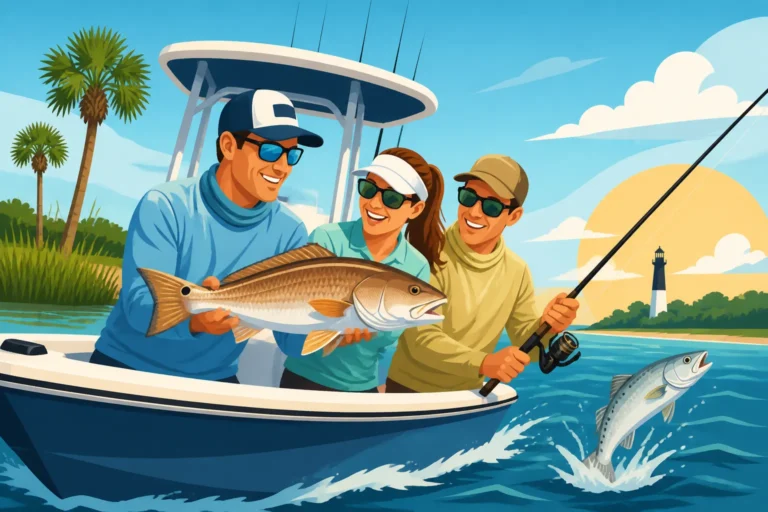
Let's get right to the heart of the matter because this is often the biggest hurdle for folks planning a trip. When you book a fishing charter out of Hilton Head Island, one of the best parts about it, beyond the expertise of your captain and the promise of a great catch, is the sheer convenience regarding licenses. For the vast majority of recreational anglers stepping aboard a legitimate, licensed charter boat, you will not need to purchase your own individual South Carolina fishing license. This is a huge relief for many, especially visitors from out of state or those who only fish occasionally.
The General Rule for Most Anglers
The standard practice in South Carolina, and indeed in most coastal states, is that the charter boat itself operates under a commercial license that covers everyone on board for recreational fishing. Think of it like a blanket policy: your captain holds a specific permit that allows paying passengers to fish legally from their vessel during the duration of the trip. This means when you’re out chasing redfish in the marshes or heading offshore for snapper, you can focus on the fishing, not the paperwork. This arrangement is designed to make charter fishing as seamless and enjoyable as possible, removing a common barrier for tourists and casual anglers alike. It’s one of the primary benefits of going with a professional guide—they handle the red tape so you don't have to. You might compare this to how a restaurant has a license to serve food, and you don't need your own food service license to eat there. The same principle applies here for recreational fishing on a commercial charter.
When Individual Licenses Might Still Be Required
While the general rule is comforting, it's always wise to be aware of rare exceptions or specific scenarios where an individual license could still come into play. For instance, if you were participating in a highly specialized tournament that has its own unique set of regulations, sometimes those rules might supersede the standard charter coverage. It's not common for regular recreational charters, but certain competitive events can introduce additional requirements. Always check with the tournament organizers for specific rules, as they can sometimes demand specific state-issued permits for individual participants. Similarly, if you plan to do any fishing before or after your charter trip on your own—say, casting a line from a public pier or the shore—then you absolutely would need your own Saltwater Fishing Rules in South Carolina license. The charter's coverage only extends to you while you are physically on their boat and actively participating in the guided trip. It doesn't cover any independent fishing you might do elsewhere.
Understanding What Your Hilton Head Charter Typically Covers
Stepping onto a charter boat is more than just getting a ride to a good fishing spot; it’s an all-inclusive experience tailored to get you on fish successfully and legally. The captain and crew are not just guides; they are licensed professionals who manage all the logistical and legal aspects of your trip, including the all-important fishing permits.
The Captain's Role and License Coverage
Your Hilton Head charter captain is a highly experienced and certified professional. They hold not just extensive knowledge of local waters and fish behavior but also the necessary commercial fishing licenses issued by the state of South Carolina, and often federal Coast Guard credentials depending on the type of water they operate in. These licenses are specifically designed to cover all individuals fishing recreationally from their vessel. This means that when you book a trip, the cost you pay includes this regulatory coverage for everyone in your party. You don't need to worry about the specific details of a South Carolina Fishing License Guide or the individual Fishing License Requirements in South Carolina because your captain has already handled that on behalf of their business and guests. It's a key part of the value and peace of mind that comes with booking a reputable charter.
What's Usually Included and What's Not
Beyond the license coverage, most Hilton Head fishing charters are incredibly comprehensive. Typically, your booking will include:
- All necessary fishing licenses: As discussed, the captain's commercial license covers all recreational anglers on board.
- Top-quality fishing gear: Rods, reels, lines, and tackle are almost always provided. This means you don’t need to pack your own heavy gear, making travel much easier.
- Bait and lures: Whether it’s live shrimp for inshore redfish or specialized offshore lures, your captain will have the right bait and tackle for the target species and conditions.
- Safety equipment: Life jackets, first-aid kits, and communication devices are standard and legally required.
- Expert guidance: The captain and crew offer invaluable local knowledge, tips, and hands-on assistance, especially helpful for beginners or those targeting specific species.
However, while charters are generous with inclusions, there are a few things you’ll typically need to bring yourself. These often include:
- Food and drinks: Pack snacks, sandwiches, and plenty of water or other beverages.
- Sun protection: Sunscreen, hats, and sunglasses are essential on the water.
- Appropriate clothing: Dress in layers, consider rain gear, and wear non-slip shoes.
- Cooler for your catch: If you plan to keep fish (and are within legal bag limits), bring a cooler to transport your fillets home. The charter will usually have one on board for the trip, but you'll want one for your car.
- Gratuity for the crew: Tipping is customary and much appreciated for good service.
When you're browsing different charter options, platforms like FishingBooker often do an excellent job of detailing exactly What's Included in a South Carolina Charter Fishing Trip, making it easy to see at a glance what you can expect and what you'll need to pack. This transparency helps manage expectations and ensures you're fully prepared for your day on the water.
Important Exceptions and Specific Scenarios to Consider
While the charter license covers most recreational fishing, it’s always good to understand the broader context of fishing regulations in South Carolina. Knowing these distinctions ensures you stay on the right side of the law, no matter how you choose to fish.
Private Boats vs. Chartered Vessels
This is a critical distinction that sometimes confuses people. If you’re fortunate enough to be invited out on a friend's private boat for a day of fishing, the rules change considerably. In this scenario, because it's not a commercial, for-hire operation, everyone on board who is fishing and is of legal age to require a license must possess their own valid South Carolina fishing license. This applies whether you're fishing freshwater or saltwater. So, while a charter frees you from this requirement, a trip on a buddy's boat places the onus on each individual angler. Make sure you check the South Carolina Fishing License Age Requirements if you're planning a private boat trip with minors, as children often have exemptions up to a certain age.
Specific Tournament Rules
Fishing tournaments, particularly those with significant prizes or specialized categories, often have their own set of rules that can sometimes include specific individual license requirements. Even if you're on a charter boat for a tournament, the tournament organizers might require each angler to hold a specific state-issued permit beyond what the charter captain's license covers. This is less about basic recreational fishing and more about compliance with competitive event rules. If you're planning to participate in a tournament out of Hilton Head, always, always check the official tournament regulations or speak directly with the organizers. It's a good idea to look into Tournament Angler License Rules in South Carolina to understand if any special permits might apply to your competitive fishing venture.
Multi-State Waters or Border Considerations
Hilton Head Island is firmly within South Carolina's coastal waters, so you generally don't have to worry about crossing state lines on a standard inshore or nearshore charter trip. However, it's a good concept to understand in general for fishing elsewhere in the state. South Carolina shares some freshwater bodies, like Lake Hartwell and the Savannah River, with neighboring states like Georgia, and some rivers with North Carolina. In these unique border water situations, reciprocity agreements might allow a license from one state to be valid in certain areas of the other. For instance, you might find information on South Carolina Fishing License Reciprocity With Georgia for those specific freshwater bodies. But for saltwater fishing charters operating purely out of Hilton Head, this particular concern isn't typically relevant. You'll be well within South Carolina's jurisdiction.
How to Confirm License Details Before Your Trip
While the information here should give you a solid understanding, a little confirmation never hurts. Especially when you're spending money on a memorable experience, you want to ensure every detail is covered.
Asking Your Charter Captain Directly
The absolute best way to confirm any lingering questions about fishing licenses is to simply ask your charter captain or the booking agent directly. They are the experts on their own operations and the specific regulations that govern them. Before you finalize your booking, or even after, send a quick email or make a phone call. Questions like "Does your charter license cover all guests for recreational fishing?" or "Do I need to purchase a separate individual license for this trip?" will get you a definitive answer straight from the source. Reputable captains want you to feel comfortable and confident, so they'll be happy to clarify. This direct communication also helps build a rapport before your trip.
Checking Charter Listings and Websites
Many professional charter operations understand that license requirements are a common concern for potential clients. Therefore, they often explicitly state their policy on their websites or within their online booking listings. When you're browsing for a charter, perhaps through a platform like FishingBooker, take a moment to read the "What's Included" or "FAQ" sections. You'll frequently find clear statements like "All fishing licenses are provided" or "No individual license required." These details are often highlighted to put your mind at ease. If you don't see it, that's your cue to reach out and ask! Online resources are designed to make your booking process smoother and more informed, reducing the need to search for answers about complex topics like South Carolina Nonresident Fishing License Guide or specific Resident Freshwater Fishing License Costs in South Carolina when you're already covered by the charter.
Understanding South Carolina's General Fishing License Requirements
It's useful to have a basic grasp of South Carolina's fishing license system, even if you don't need one for your charter, as it helps appreciate the convenience the charter provides. Generally, residents and non-residents over the age of 16 need a license to fish in public waters. There are different licenses for freshwater and saltwater, and various durations available (annual, 14-day, 3-year, etc.). For instance, if you were to fish from the bank of a public lake or from a pier on your own, you would need to acquire one of these licenses. The penalties for fishing without a license in South Carolina can include fines and other legal repercussions, so it's a rule that officials take seriously. This is why the charter's blanket coverage is such a benefit – it neatly sidesteps all these individual requirements and potential worries for the duration of your trip.
Here's a quick comparison to summarize license requirements for different fishing scenarios:
| Scenario | Individual Fishing License Required? | Covered by | Notes |
|---|---|---|---|
| Commercial Fishing Charter | No | Captain's Commercial License | Covers all recreational passengers on board for the trip duration. Most common for Hilton Head. |
| Fishing on a Private Boat | Yes | Each individual angler | Each person over 16 (or state-specific age) needs their own license. |
| Fishing from Shore/Pier | Yes | Each individual angler | This includes any public access points not associated with a licensed charter. |
| Tournament Fishing (Charter) | Typically No, but check tournament rules | Captain's Commercial License (usually) | Some specialized tournaments may have additional individual requirements. |
In conclusion, when you're planning that exciting fishing trip out of Hilton Head Island with a licensed charter, you can confidently leave your worries about individual fishing licenses at home. The charter captain's commercial license will cover you and your entire party for recreational fishing during your excursion. This fantastic convenience allows you to fully immerse yourself in the thrill of the chase, whether you're targeting elusive redfish in the tidal creeks or battling powerful king mackerel offshore. Just remember to bring your sunscreen, snacks, and enthusiasm, and don't hesitate to confirm any details directly with your chosen charter captain. Happy fishing!
Disclaimer
This article is for general informational purposes only and does not constitute professional advice. Laws, prices and regulations vary by location and change over time. Consult a qualified professional for guidance on your specific situation.