Broad River Fishing Access Points in South Carolina
If you've ever dreamt of casting a line into a productive, sprawling river system, chances are the Broad River in South Carolina has crossed your mind. But let's be honest, dreaming about it and actually finding those prime fishing spots can feel like two entirely different adventures. It's frustrating to drive around, peering through trees, wondering where to even pull over, let alone launch a boat or simply cast from the bank. This guide is here to cut through that confusion, providing you with a detailed breakdown of accessible fishing points along the Broad River, from its headwaters to its majestic confluence with the Saluda.
Understanding the Broad River's Unique Fishing Landscape
The Broad River isn't just any river; it's a dynamic, powerful artery of South Carolina, offering diverse fishing experiences that change dramatically as it flows from the foothills down to the midlands. Understanding its character and the species it holds is your first step to a successful outing.
The Character of the Broad River's Waters
Imagine a river that begins as a series of small, clear mountain streams, eventually swelling into a formidable, wide body of water. That's the Broad River. In its upper stretches, closer to the North Carolina border, you'll find clearer, faster-moving water, often with rocky bottoms and swift currents. As it progresses downstream, especially once it hits the central part of the state near Columbia, it broadens considerably, its flow becomes more influenced by dams, and the water often takes on a slightly darker, tannic stain. The riverbed can shift from rocky shoals to sandbars and deeper, muddier channels, creating a variety of habitats for fish. This constant evolution means that a technique that works in one section might be completely ineffective just a few miles downstream. It's a river that truly keeps you on your toes!
The fluctuations in water levels, particularly after heavy rains or due to releases from upstream dams, can drastically alter fishing conditions. A favorite shallow flat one day might be a raging torrent the next. This requires anglers to be adaptable and always aware of current conditions, which you can often check through local USGS stream gauges or by calling bait shops near your intended access point. These changes are part of the river's wild charm but can certainly add a layer of challenge to your planning.
Key Fish Species to Target
The Broad River is a freshwater angler's dream, hosting a robust population of several popular species. Knowing what you're after will directly influence where you choose to access the river and what gear you bring.
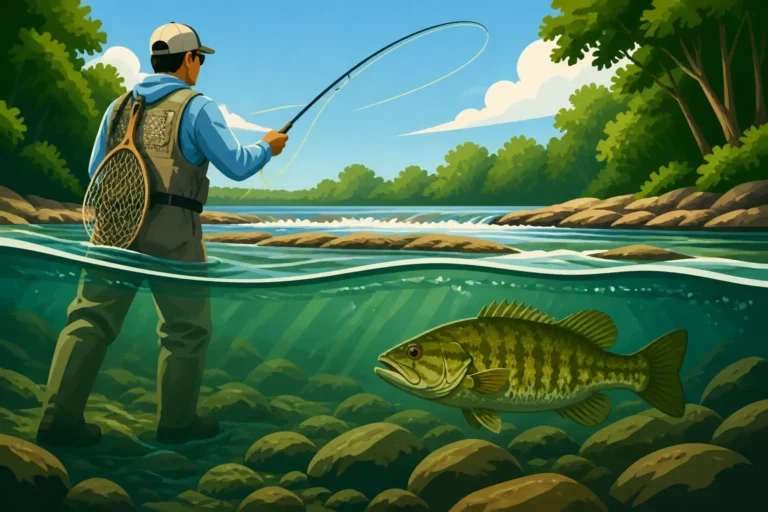
Largemouth Bass are plentiful throughout the river, especially in slack water areas, around submerged timber, and along the banks with vegetation. Anglers chasing these hard-fighting fish will often find success pitching jigs, spinnerbaits, or topwater lures into cover. You'll find good populations from the upper reaches all the way down to the confluence. For deeper insights, you might want to check out our guide on South Carolina's Freshwater Fishing Regulations.
Another major draw, particularly in the lower stretches closer to Columbia, are Striped Bass. These powerful fish migrate upstream from the Santee Cooper Lakes and even the ocean, offering an incredible fight. They often congregate in deeper holes or below rapids, feeding on baitfish. Live bait, large swimbaits, and heavy spoons are popular choices for these strong swimmers. The Broad River is considered one of South Carolina's Best Striped Bass Waters for a reason, especially during seasonal runs.
Catfish, including Channel, Blue, and Flathead, are abundant throughout the entire river system. The Broad River's deep holes and muddy bottoms provide ideal habitat for these whiskered giants. Anglers often target them using cut bait, stink baits, or live minnows on the bottom. It's a fantastic river for those looking to land a trophy cat, and many of the best tactics for these can be found in our comprehensive guide to Best Catfish Fishing Spots in South Carolina.
Beyond these mainstays, you'll also find various Panfish like Bluegill and Redbreast Sunfish, particularly in slower-moving sections and backwater eddies, offering a fun and accessible target for families or those looking for lighter tackle action. Crappie can also be found, often hiding around fallen trees and brush piles, especially during cooler months.
Upstate Access Points: Where the River Begins its Journey
The upper reaches of the Broad River, primarily in Cherokee, Union, and Chester counties, offer a different flavor of fishing. Here, the river feels wilder, less developed, and often more intimate.
Key Locations in the Upper Broad River
When you're looking at the Upstate section of the Broad River, you're generally thinking about areas north of Columbia. Public access points can be a bit more scattered and rudimentary here, but they often lead to some fantastic, less-pressured fishing. Near towns like Gaffney and Union, you'll find a mix of smaller, often unpaved boat ramps and informal bank access points. These spots are usually managed by the South Carolina Department of Natural Resources (SCDNR) or local municipalities.
For example, areas around the Pacolet River confluence (a major tributary) or near the town of Union will have some decent spots. Look for small county parks or SCDNR signs indicating public access. The key here is flexibility – sometimes what looks like a good spot on a map might require a bit of bushwhacking or a smaller boat to effectively use. These upstream sections are particularly great for those who enjoy wading or kayak fishing, offering a more tranquil experience away from the larger boat traffic. Keep an eye out for designated public boat landings like Neal Shoals Dam Access or the Blacksburg Access, though always check local conditions as these can vary.
Navigating Smaller Public Ramps and Bank Access
Fishing these upstream sections often means embracing a more rugged approach. Unlike the paved, amenity-rich ramps you might find on larger lakes, many Broad River access points in the Upstate are simple gravel or dirt ramps, best suited for smaller jon boats, canoes, or kayaks. If you're planning to launch a larger bass boat, you'll need to do your homework to ensure the ramp is suitable. It's a common frustration to arrive at an access point with a big rig, only to find the ramp too steep, too shallow, or simply too rough for your boat. Always scout ahead if possible, or consult online forums and satellite maps.
Bank access, while sometimes tricky to find, can be highly rewarding. Look for public land adjacent to the river, such as state-owned parcels or road bridges with safe parking. Always be respectful of private property and clearly marked boundaries. These spots are fantastic for bait fishing for catfish or casting lures for bass and panfish, allowing you to cover various river features without the need for a boat. You might be surprised what you can catch just a few feet from shore. Before you head out, remember to secure your South Carolina Fishing License Guide to ensure you're fishing legally.
Mid-River Opportunities: From Columbia to the Congaree Confluence
As the Broad River makes its way toward the state capital, Columbia, it transforms into a much wider, more powerful waterway, offering expanded access and different fishing dynamics.
Prominent Access Points Near Columbia
The area around Columbia, where the Broad River eventually converges with the Saluda River to form the Congaree River, offers some of the most popular and well-maintained access points. This confluence is a major draw for anglers, particularly those chasing striped bass and robust populations of catfish. One of the most well-known spots is the Broad River Landing on River Road. This public boat ramp provides ample parking and easy access for a variety of boat sizes, making it a bustling hub on weekends. From here, you can motor upstream or drift downstream towards the confluence.
Another excellent option is the Boyd Island Landing, which is also conveniently located and provides access to both the Broad and the lower Saluda, putting you right in the sweet spot for migratory fish. The accessibility of these ramps means they can get crowded, especially during peak seasons for stripers or on pleasant weekend days. If you're not keen on crowds, consider hitting these spots early in the morning or later in the afternoon. The Columbia Riverwalk, while primarily for recreation, also offers some bank fishing opportunities, especially for those who prefer to stroll and cast. For those interested in the neighboring waters, consider exploring Congaree River Catfish Fishing Spots Near Columbia as well, since the two rivers are so closely intertwined in this region.
Exploring Kayak and Canoe Launches
While large boat ramps are great, the Broad River is truly a paddler's paradise, offering some incredible experiences for those in kayaks, canoes, or even small johnboats. The beauty of these smaller craft is their ability to access shallower, less-traveled areas that larger boats simply can't reach. This often means finding undisturbed pockets of fish. Near Columbia, beyond the main boat ramps, you'll find several smaller, less formal put-ins that cater specifically to paddlers.
These might be designated kayak launches in state parks or even just roadside pull-offs where you can safely launch. For instance, the stretch of river both upstream and downstream from Columbia has numerous islands and sandbars that are best explored by paddle craft. Anglers can drift quietly, casting into pockets of submerged timber or along grassy banks, targeting bass and panfish that thrive in these quieter zones. Remember that river currents can be swift, so always gauge your comfort level and skill. Planning a float trip from one access point to another can be an adventurous way to cover a lot of productive water. If you're into paddle craft fishing, our article on Edisto River Kayak Fishing Spots offers some great universal tips that can be applied to the Broad River too.
| Broad River Access Point | Location (Nearest Town) | Access Type | Target Species | Notes |
|---|---|---|---|---|
| Broad River Landing | Columbia | Paved Boat Ramp | Stripers, Bass, Catfish | High traffic, good amenities, near confluence |
| Boyd Island Landing | Columbia | Paved Boat Ramp | Stripers, Bass, Catfish | Also provides Saluda River access, popular for migratory fish |
| Neal Shoals Dam Access | Union | Gravel Boat Ramp | Bass, Catfish, Panfish | Upper river, smaller boats, often less crowded |
| Blacksburg Access | Blacksburg | Dirt/Gravel Ramp | Bass, Catfish | Far Upstate, more remote, limited amenities |
| Columbia Riverwalk | Columbia | Bank Fishing | Bass, Catfish, Panfish | Urban access, scenic, limited casting options |
| Peak Boat Ramp | Peak (near Pomaria) | Gravel Boat Ramp | Bass, Catfish, Stripers | Mid-river access, less crowded than Columbia ramps |
Navigating Challenges and Maximizing Your Trip
Fishing the Broad River, like any substantial river system, comes with its own set of challenges. Being prepared for these can make the difference between a frustrating day and a memorable one.
Understanding River Conditions and Safety
One of the most critical aspects of fishing the Broad River is understanding its dynamic nature. Water levels can change rapidly due to rainfall in the watershed or dam releases upstream. A section that was calm and easily navigable one day might become a swift, dangerous torrent the next. Always check local river conditions, especially current flow rates and gauge heights, before you head out. Websites like the USGS provide real-time data that can be invaluable. It's truly disheartening to arrive at your favorite spot only to find it unfishable or even dangerous.
Safety should always be your top priority. Strong currents can be deceptive, and submerged hazards like rocks and fallen trees are common. Always wear a life jacket, especially if you're in a smaller boat or kayak. Inform someone of your float plan, including where you're putting in and taking out, and your estimated return time. Weather can also change quickly, so keep an eye on forecasts for thunderstorms, which can bring sudden downpours and lightning. Being caught in a squall on a large river can be quite serious. It's not about being overly cautious, but about being realistic about the power of nature.
Essential Gear and Tackle for Broad River Anglers
Your choice of gear will depend heavily on what you're targeting and where on the river you'll be fishing. For the diverse species in the Broad, a versatile setup is often your best bet.
For bass and general river fishing, a medium-heavy spinning or baitcasting rod, around 6'6" to 7' feet long, paired with a reliable reel spooled with 12-17 lb monofilament or 20-30 lb braided line, will cover most situations. You'll want a selection of lures including spinnerbaits, crankbaits (especially those designed for river current), jigs, and soft plastics for pitching into cover. For those targeting catfish, heavier action rods are a must, capable of handling 20-50 lb test line, along with sturdy circle hooks and egg sinkers to keep your bait on the bottom. Cut bait (like shad or mullet) and stink baits are proven winners for catfish.
If you're specifically after those hard-fighting striped bass, you might need an even heavier setup, especially if you're using large live baits or heavy spoons. A stout rod capable of handling strong pulls and heavier line (30-50lb braid) is advisable. Beyond fishing gear, essential safety equipment includes a life jacket for every person, a whistle or horn, a first-aid kit, plenty of water and snacks, sun protection, and a reliable communication device. Having a detailed map of the river, even if you have GPS, can also be a lifesaver in unfamiliar waters.
Strategic Planning for a Successful Broad River Outing
A truly successful fishing trip on the Broad River goes beyond just knowing where to cast your line; it involves understanding the subtle rhythms of the river and leveraging local expertise.
Best Times to Visit and Seasonal Considerations
The Broad River offers excellent fishing year-round, but the bite for specific species certainly varies with the seasons.
- Spring (March-May): This is prime time for Largemouth Bass as they move into shallower waters for their pre-spawn and spawning phases. Look for them in protected coves, eddies, and around newly submerged vegetation. Striped Bass also become very active as they migrate upstream. This is a fantastic season for variety and action, and you'll find more insights in our Bass Fishing Techniques for Spring Pre-Spawn guide.
- Summer (June-August): As temperatures rise, bass often move to deeper haunts, but early morning and late evening topwater action can be phenomenal. Catfish fishing truly shines in the summer, especially at night or in deeper holes during the day. Panfish are abundant and active, making it a great time for family outings. Remember that the summer heat can be brutal, so plan for hydration and sun protection.
- Fall (September-November): Many anglers consider fall to be one of the best fishing seasons on the Broad. Bass become very aggressive as they feed up for winter, and striped bass often have another strong run. The cooler temperatures make for more comfortable fishing, and the changing foliage along the riverbanks adds to the scenic beauty.
- Winter (December-February): While activity slows, dedicated anglers can still find success. Largemouth bass often hold in deeper channels and slow-moving pools. Striped bass can be found in deeper holes, and catfish remain a viable target, though they may bite less aggressively. This is often the time for fewer crowds and a more peaceful fishing experience for those who don't mind the chill.
Utilizing Local Resources and Guides
Even with all the online information available, nothing beats local knowledge. Before heading to a new section of the Broad River, consider stopping by a local bait and tackle shop. These folks are often treasure troves of information, happy to share insights on current conditions, hot baits, and even lesser-known access points. They can tell you what the fish are biting on right now and what areas to avoid.
If you're looking for a truly guided experience, especially if you're new to the river or targeting a specific species like trophy stripers, hiring a local fishing guide can be incredibly beneficial. Guides not only know the river intimately but also provide all the necessary gear and safety equipment, making your trip much smoother. Websites like FishingBooker can be a great starting point for finding reputable guides in the Broad River region, allowing you to compare options and read reviews from other anglers. A good guide can teach you techniques specific to the river and drastically increase your chances of success, turning a potentially frustrating trip into an educational and rewarding adventure. It's an investment that often pays off in knowledge and memories.
Preserving the Broad River: Responsible Angling Practices
As anglers, we have a responsibility to protect the very resources that bring us so much joy. Practicing responsible angling ensures that the Broad River remains a thriving ecosystem for generations to come.
Catch and Release vs. Keeping Your Catch
South Carolina has specific regulations regarding what fish you can keep, their size, and daily bag limits. It is absolutely crucial to be familiar with these rules, which are detailed in the South Carolina Fishing Bag Limits Explained guide provided by the SCDNR. These regulations are designed to manage fish populations and ensure sustainability. Always measure your fish carefully, and if it doesn't meet the legal size, release it immediately and gently.
Many anglers on the Broad River, particularly those targeting larger bass or striped bass, practice catch and release, especially for the biggest, most valuable breeding fish. If you plan to release a fish, handle it minimally, support its weight horizontally, and get it back into the water as quickly as possible. Consider using single, barbless hooks to minimize harm, and if a fish is deeply hooked, cut the line rather than trying to remove the hook forcefully. While enjoying your catch can be part of the experience, making informed decisions about what to keep and what to release contributes significantly to the health of the fishery.
Minimizing Your Environmental Impact
The "Leave No Trace" principle is paramount when fishing any natural waterway, and the Broad River is no exception. This means packing out everything you pack in, including all trash, discarded fishing line, and bait containers. Even seemingly small items like cigarette butts can pollute the water and harm wildlife. Make it a point to inspect your fishing area before you leave, ensuring it's as clean, or cleaner, than you found it.
Beyond trash, be mindful of your boat's impact. Avoid disturbing sensitive aquatic vegetation where fish might spawn or feed. Prevent the spread of invasive species by cleaning your boat, trailer, and gear thoroughly between different water bodies. Always adhere to ethical bait practices, such as not introducing non-native species into the river. Our enjoyment of the Broad River is a privilege, and by acting as stewards of this incredible natural resource, we ensure its beauty and bounty endure for future anglers. Remember, fishing without a valid license can lead to Penalties for Fishing Without a License in South Carolina, another important aspect of responsible angling.
Disclaimer
The information provided in this guide is for general informational purposes only and is subject to change. Fishing regulations, access point conditions, and fish behavior can vary. Always consult the most current South Carolina Department of Natural Resources (SCDNR) regulations and local authorities before planning your fishing trip. Exercise caution and prioritize safety when on or near the water.