Best Bank Fishing Spots for Catfish
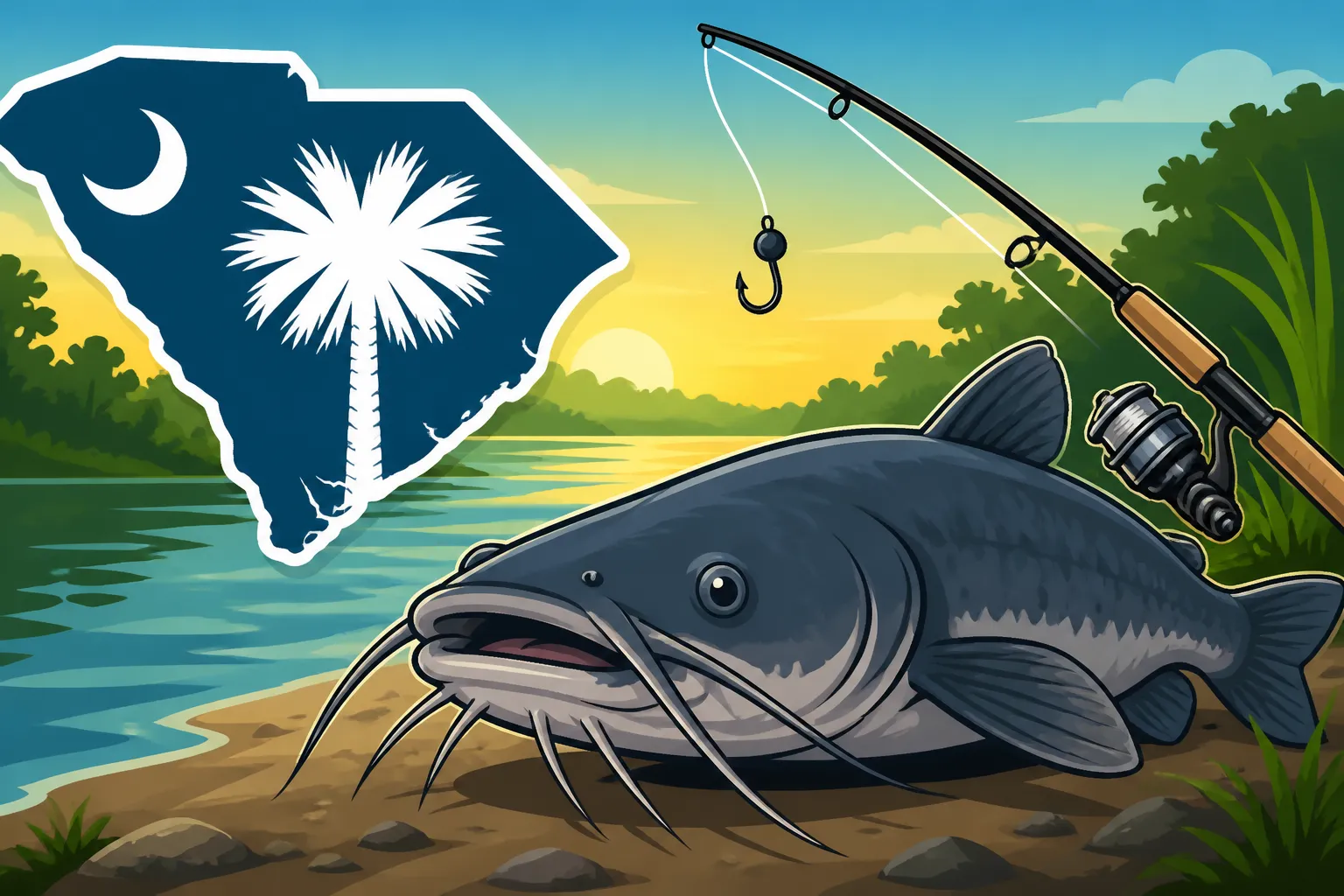
One of the biggest frustrations for many aspiring anglers in South Carolina is feeling like you need a fancy boat and all the bells and whistles to catch anything worthwhile, especially when it comes to hard-fighting catfish. It’s simply not true! This guide is here to prove that you can have incredible success targeting catfish right from the bank, exploring some of the best public access spots in the Palmetto State, and sharing the simple techniques that will have you reeling in whiskered trophies without ever stepping foot on a boat.
Understanding Catfish Behavior for Successful Bank Fishing
Before we even talk about specific locations, it’s crucial to understand a bit about how catfish operate. These aren't your typical sight-feeders; they rely heavily on their incredible sense of smell and touch, often hugging the bottom and prowling structures. Knowing this helps us pick the right spots and employ the most effective strategies when we're limited to bank access. It's all about thinking like a catfish!
Deep Holes and Structures Near Shore
Catfish, especially the bigger flatheads and blues, love to hang out in deeper water during the day, seeking refuge from sunlight and strong currents. But here’s the kicker for bank anglers: these deep holes and underwater structures often aren’t way out in the middle of a vast lake. They can be surprisingly close to shore, especially in rivers or lakes that were once riverbeds. Look for areas where the bank drops off steeply, perhaps near old river bends, submerged timber, or rock piles. These spots provide ambush points and comfort for catfish.
Imagine a section of the Congaree River near Columbia, where the bank suddenly plunges into a deeper channel. That’s prime real estate. You might not see it, but beneath the surface, there could be a labyrinth of logs and crevices perfect for a big blue cat. Even on larger lakes, points that extend into the water can create underwater shelves or drops that attract catfish. Your goal is to find those hidden depths that a boat might pass over but are perfectly accessible with a long cast from the bank.
Current Breaks and Eddies
Whether you're fishing a sprawling lake or a flowing river, current is a major factor for catfish. They don't want to fight a strong current all day; it expends too much energy. Instead, they position themselves just out of the main flow, in areas known as current breaks or eddies. These are calmer pockets of water where food gets funneled to them. From the bank, this means looking for things like fallen trees along a riverbank, bridge pilings, or sharp bends in a river where the water slows down.
Think about a river like the Edisto. As the water meanders, it creates slower spots on the inside bends or behind larger obstructions. A big logjam on the bank might look like a nuisance, but to a catfish, it's a buffet line and a resting spot all in one. Casting your bait just upstream of these breaks, allowing the current to wash it into the calmer water, can be incredibly effective. Even on lakes, wind-driven currents can create similar patterns along shorelines, especially near jetties or causeways.
Night Fishing Advantages
Catfish are primarily nocturnal feeders, which is fantastic news for bank anglers. As the sun sets and boat traffic dwindles, catfish often become much more active and move into shallower waters to feed. This makes them significantly more accessible from the bank. The cover of darkness provides them with a sense of security, and the cooler water temperatures can also increase their activity levels.
Planning a night trip to a well-known catfish spot can dramatically increase your chances of success. You'll often find that the bites pick up considerably after twilight. Just remember to bring a good headlamp, some bug spray, and let someone know your plans. Fishing at night also offers a unique tranquility, a chance to really connect with the water as the sounds of the day fade away. It's a prime time for these whiskered predators to go on the hunt, and you, positioned on the bank, can be right in their path. For more on this, check out our guide on whether Is Night Fishing Better for Catfish?.
Top Bank Fishing Locations for Catfish in South Carolina
South Carolina is blessed with an abundance of fantastic waterways, and many of the best catfish spots are surprisingly accessible without a boat. From vast inland lakes to historic blackwater rivers, there are opportunities galore to land a monster blue or channel cat right from shore. We’ll explore some of the most consistent producers for bank anglers.
Major Lakes with Public Access
When you think of big catfish in South Carolina, the Santee Cooper lakes system often comes to mind, and for good reason! Lake Marion and Lake Moultrie are legendary for their trophy blue and flathead catfish. The good news is, you don't need a boat to tap into this fishery.
- Lake Marion and Lake Moultrie (Santee Cooper Lakes): These massive reservoirs offer numerous public access points perfect for bank fishing. Areas around Santee State Park on Lake Marion, or multiple boat landings and parks along Lake Moultrie, provide ample shoreline. Look for access near causeways or bridges, as the pilings and deeper channels often attract bigger cats. The Santee Cooper Diversion Canal also offers prime bank access, connecting the two lakes and creating fantastic current flow that catfish love. Anglers often find success here using heavy tackle and substantial baits. Our guide on Santee Cooper Lakes: South Carolina's Legendary Bass Fishery might focus on bass, but many of the access points are excellent for catfish too.
- Lake Murray: While famous for striped bass, Lake Murray also holds a healthy population of blue and channel catfish. Dreher Island State Park provides excellent bank access, with fishing piers and extensive shoreline. Other public landings around the lake can also offer good bank opportunities, especially where deep water is close to shore. You might have to scout a bit, but those deep humps and ledges near the bank are worth exploring. To learn more about specific spots, you can also read about Catfish Fishing Spots on Lake Murray, South Carolina.
Rivers and Tributaries Accessible by Bank
South Carolina's rivers are veins of life, offering incredible bank fishing for catfish, often in more natural and scenic settings than the big lakes. The current and natural structures make them ideal for bottom fishing.
- Edisto River: This blackwater river is a gem for channel and flathead catfish. Numerous public boat landings and bridge crossings along its length provide easy bank access. The river's winding nature creates plenty of oxbows, logjams, and deep bends where catfish lie in wait. Targeting slower moving water with natural bait often yields great results here.
- Congaree River: Flowing through the heart of the state near Columbia, the Congaree River is a fantastic blue catfish fishery. Congaree National Park, though focused on its floodplain forest, has areas where you can access the river for fishing. Additionally, various public parks and bridge access points in and around Columbia offer bank fishing opportunities. The strong currents and deeper channels here are perfect for big blues. For more localized information, check out Congaree River Catfish Fishing Spots Near Columbia, South Carolina.
- Santee River: Downstream from the Santee Cooper lakes, the Santee River continues its legacy as a catfish powerhouse. Many public landings and bridge crossings offer direct access to the river's banks. Look for areas with slower current, eddies, and submerged timber. The sheer volume of water and abundant food sources make this river a prime destination for large catfish. We cover more on this in Santee River Fishing Spots for Catfish.
State Parks and Public Piers
South Carolina's state parks are invaluable resources for bank anglers, providing well-maintained access and often additional amenities. Many offer designated fishing areas or piers that put you in prime catfishing territory without needing a boat.
- State Park Piers and Shorelines: Beyond Dreher Island, many other state parks like Lake Wateree State Park or Lake Greenwood State Park feature public piers or extensive shorelines that are perfect for setting up a bank catfishing station. These spots are often chosen because they offer good access to deeper water or structure, making them more productive. They also usually come with parking, restrooms, and sometimes even bait shops, which makes for a much more comfortable outing.
- Coastal Piers: While often associated with saltwater species, many coastal piers, particularly those that extend into brackish estuaries or bays, can hold surprising numbers of channel and even some blue catfish, especially after heavy rains push freshwater downstream. Always check with the pier authority for specific regulations, as some may have different rules or fees.
| Location Category | Example Spots | Primary Catfish Species | Key Bank Features | Best Time |
|---|---|---|---|---|
| Major Lakes | Lake Marion, Lake Moultrie, Lake Murray | Blue, Channel, Flathead | Public parks, boat landings, causeways, piers, deep drops | Year-round, especially night |
| Rivers & Tributaries | Edisto, Congaree, Santee Rivers | Channel, Blue, Flathead | Bridge crossings, public landings, oxbows, logjams, bends | Spring, Summer, Fall |
| State Parks & Piers | Dreher Island State Park, local piers | Channel, Blue | Designated fishing areas, piers, amenities, convenient | Day and Night |
Essential Gear and Techniques for Bank Catfishing
Don't let anyone tell you that you need a complicated setup for successful catfishing from the bank. While specialized gear can be fun, the beauty of catfishing is its simplicity. With a few key items and some straightforward techniques, you can be just as effective as anglers in a fancy boat.
Simple Rod and Reel Setups
For bank fishing, you want a rod and reel combination that offers a good balance of casting distance and power. You're not usually sight-casting tiny lures; you're often slinging heavy baits for hard-pulling fish.
- Medium-Heavy to Heavy Action Rod: A rod between 7 to 9 feet with a medium-heavy to heavy action is ideal. This length gives you good casting distance to reach those deeper channels or current breaks from shore. The heavy action provides the backbone needed to cast substantial weights and to muscle in larger catfish, especially if they're trying to bury themselves in structure. Look for durable rods that can take a beating.
- Large Spinning or Baitcasting Reel: Pair your rod with a sturdy spinning reel in the 4000-6000 size range, or a baitcasting reel designed for heavy line. Both are perfectly capable, with spinning reels generally being easier for beginners to cast. Load your reel with 15-30 pound monofilament or braided line. Braided line offers superior sensitivity and strength for its diameter, which can be a huge advantage when you're trying to feel those subtle catfish bites at a distance. When looking for reliable options, you might find a good selection of durable rods and reels on platforms like Amazon.
Best Baits for Bank Catfishing
Catfish are opportunistic feeders, and while they can be caught on lures, natural baits are almost always king for bank anglers. The key is to use something stinky and robust enough to stay on the hook.
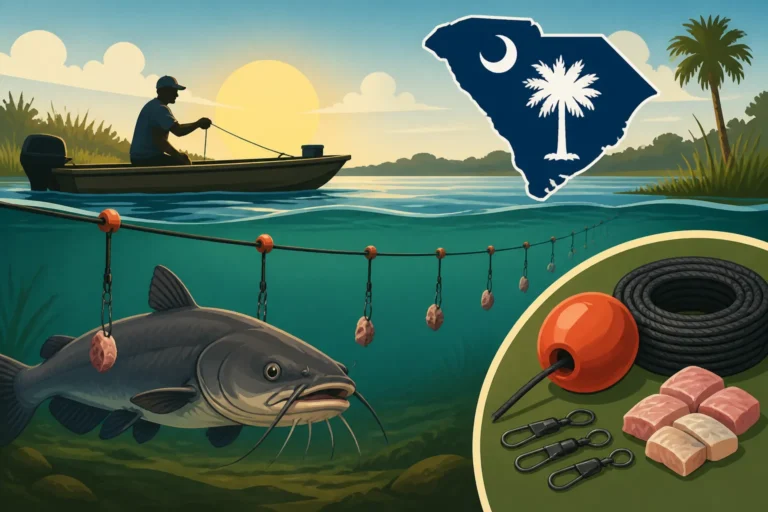
- Cut Bait: This is a perennial favorite for big blue and flathead catfish. Freshly cut pieces of oily fish like shad, herring, mullet, or even smaller panfish like bream work incredibly well. The blood and oil create a scent trail that catfish can detect from a long distance. Cut bait is particularly effective in rivers with current, as the scent disperses widely. Our guide on How to Rig Cut Bait for Catfish offers excellent tips.
- Live Bait: For trophy flatheads, live bait is often preferred. Smaller bluegill, sunfish, or even shiners can be used. Flatheads are ambush predators that prefer live prey. Ensure you check local regulations on baitfish size and species.
- Stink Baits and Prepared Baits: For channel catfish and even some blues, commercial stink baits, chicken livers, and various prepared dough baits can be highly effective. These are often easier to find and handle than fresh cut bait, making them a popular choice for casual anglers. Just be prepared for the smell!
- Worms: While not as potent for large blues or flatheads, a big wad of nightcrawlers can be irresistible to channel catfish and bullheads, making them a great option if you're targeting smaller cats or just want some consistent action.
Setting Up Your Bank Station
Fishing from the bank isn't just about casting; it's about setting up a comfortable and efficient "station" that allows you to fish effectively for hours, especially if you're planning a night trip.
- Rod Holders: These are essential. Whether you use simple spike-in rod holders (available at most tackle shops or on Amazon) or a more elaborate tripod setup, getting your rods off the ground and angled properly is key. This prevents your rod from being pulled into the water by a powerful strike and positions your line for optimal bite detection.
- Chairs and Lights: A comfortable folding chair makes a world of difference during those long waits. For night fishing, a reliable headlamp is a must, allowing you to tie knots, bait hooks, and land fish hands-free. A lantern can also be great for ambient light around your setup.
- Cooler and Tackle Box: Keep your bait fresh in a cooler with ice, especially cut bait or chicken livers. A well-organized tackle box with extra hooks, weights, line, and any other essentials ensures you're ready for anything the catfish throw at you. A pair of pliers for hook removal is also vital. Remember, you might be out there for a while, so being prepared for hunger, thirst, or a broken line is crucial.
Navigating Public Access and Regulations for Catfish
Even when fishing from the bank, understanding where you can legally fish and what regulations apply to your catch is paramount. South Carolina has clear rules, and knowing them ensures a smooth, enjoyable, and lawful fishing experience. Nobody wants a surprise citation when they're just trying to enjoy some peace and quiet. For a full breakdown of general fishing laws, you can check out our South Carolina Fishing License Guide.
Finding Legal Public Access Points
Not all shoreline is public, and it’s important to respect private property. Fortunately, South Carolina offers many well-marked public access points.
- State Parks and Wildlife Management Areas (WMAs): These are often your best bet. State parks usually have designated fishing areas, and WMAs are managed for public recreation, including fishing. Always check the park or WMA's specific rules before you go, as some areas may have restrictions on hours or activities.
- Public Boat Landings and Ramps: Even if you don't have a boat, public boat landings often provide excellent bank access. They are designed for public use, and while boaters have priority, there's usually room for bank anglers. Just be mindful of boat traffic and give them plenty of space.
- Bridge Crossings and Causeways: Many bridges over rivers and lakes have pull-off areas or adjacent public land that can offer prime bank access, especially since bridges often span deeper channels or current breaks. Always exercise caution near roads and be aware of any "no trespassing" or "no fishing from bridge" signs.
- Online Resources: The South Carolina Department of Natural Resources (SCDNR) website is an invaluable tool. They often have maps and listings of public access points, including those suitable for bank fishing. A quick search can reveal hidden gems you might not otherwise find.
Understanding Catfish Regulations
Catching a giant catfish is thrilling, but knowing the rules about what you can keep is just as important as knowing how to catch them. South Carolina has specific regulations for different catfish species.
- Species-Specific Limits: South Carolina typically has different daily creel limits (how many fish you can keep) and sometimes even size limits for blue catfish, channel catfish, and flathead catfish. Blue catfish, for instance, often have a more generous daily limit, while flatheads might have a lower limit or specific size restrictions. These regulations are in place to manage fish populations and ensure healthy fisheries for the future.
- Check Current Regulations: Always, and I mean always, consult the most current South Carolina Freshwater Fishing Regulations before you head out. Regulations can change, and what was legal last year might not be this year. The SCDNR publishes an annual guide, and you can usually find the most up-to-date information on their website. It's your responsibility as an angler to know and follow these rules. Ignoring them can lead to penalties for fishing without a license or exceeding bag limits.
- Possession Limits: Be aware that possession limits often mirror daily creel limits. This means you can't have more than the daily limit in your possession, even if you've been fishing for multiple days. This is especially important if you're camping or staying near your fishing spot.
Disclaimer
This article is for general informational purposes only and does not constitute professional advice. Laws, prices and regulations vary by location and change over time. Consult a qualified professional for guidance on your specific situation.