Spotted Seatrout in South Carolina Waters: The Full Guide
Ah, the spotted seatrout! These beautiful, feisty fish are a true gem of South Carolina's inshore waters, offering incredible sport and some delicious table fare. But let's be honest, trying to figure out where they are, what they're biting on, and all the specific rules can feel like trying to solve a puzzle while standing in the middle of a constantly changing tide. It's frustrating to head out with high hopes only to come back empty-handed because you didn't quite understand their habits or the nuances of the local regulations. This comprehensive guide is here to untangle all that confusion, diving deep into everything you need to know about targeting spotted seatrout in the Palmetto State, from identifying them to the best techniques and even navigating those tricky seasonal bans.
Understanding the Spotted Seatrout
Before we can even think about casting a line, it's really helpful to get acquainted with our finned target. Spotted seatrout, or "specs" as many locals affectionately call them, are a cornerstone of our coastal fishery, and they have some unique characteristics that set them apart.
What Makes a Spotted Seatrout Unique?
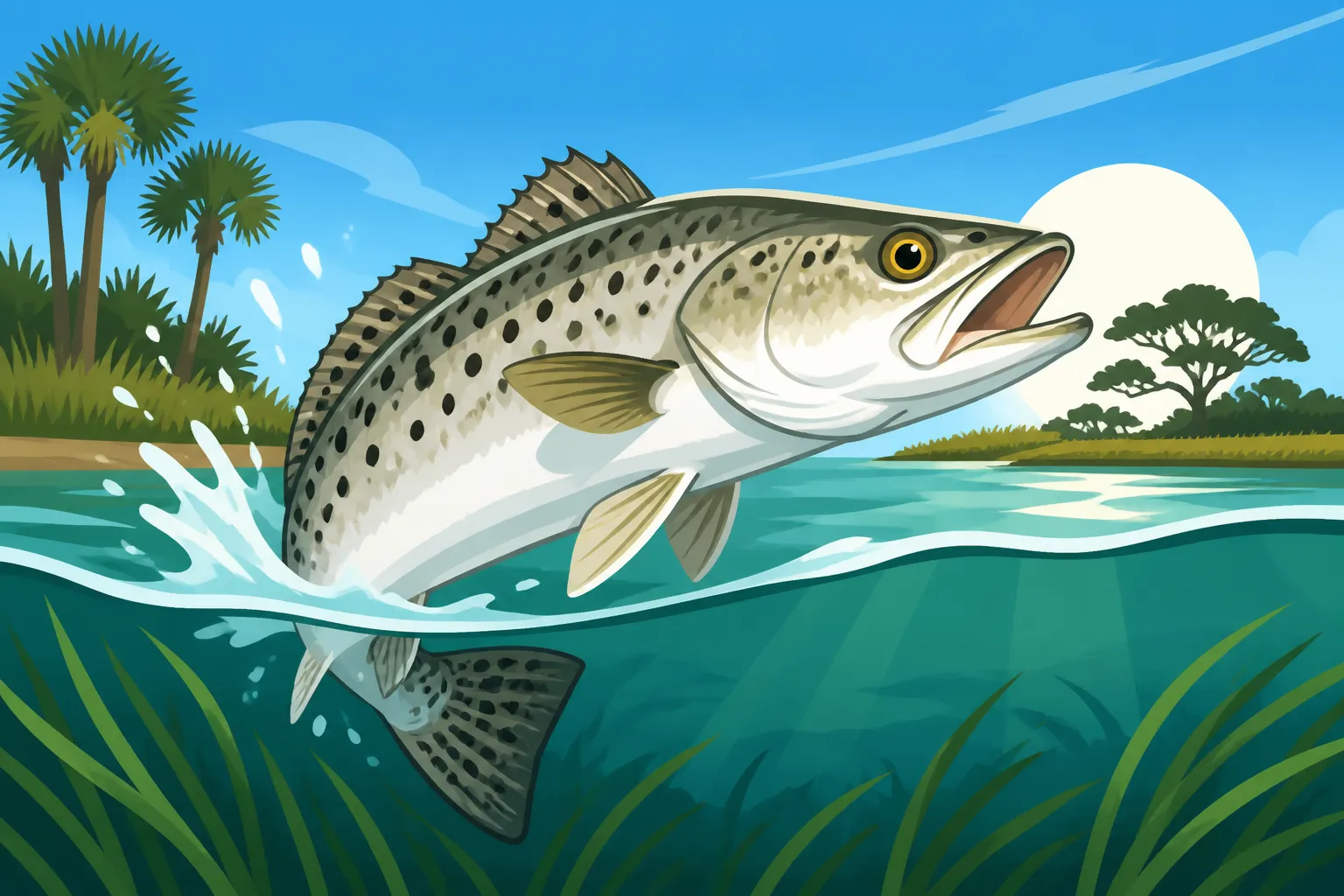
First off, let's talk about their looks. A spotted seatrout is truly a handsome fish. They typically have a sleek, elongated body that's usually dark grey or green on the back, fading to a silvery white on their belly. What truly sets them apart, though, are those distinct black spots scattered across their back and dorsal fins—hence the "spotted" in their name. These spots are irregularly shaped and can vary in size, but they're always there, making identification pretty straightforward. Unlike freshwater trout, which are members of the salmon family, spotted seatrout are actually part of the drum family, making them relatives of redfish and black drum. They possess two prominent canine-like teeth in the upper jaw, which are incredibly sharp and help them grab hold of slippery prey. This means you need to be careful when handling them! Their habitat preferences are also quite distinct; they thrive in brackish water, meaning areas where freshwater rivers meet the saltwater of the ocean. Think coastal estuaries, tidal creeks, and the protected bays along our shoreline.
When it comes to size, spotted seatrout in South Carolina can range anywhere from small "squeakers" to impressive "gator trout" over 25 inches. Most anglers are thrilled to catch fish in the 14-20 inch range, which offer a fantastic fight and are perfect for dinner. They're opportunistic feeders, which means they're always on the lookout for an easy meal. This makes them a fun challenge for anglers, as they'll hit a wide variety of baits and lures if presented correctly. Knowing these basic characteristics is the first step in understanding how to successfully find and catch them, as it informs everything from where you fish to what gear you use.
Spotted Seatrout vs. Other Trout Species
Now, this is where some folks can get a little mixed up, especially if they're new to saltwater fishing or coming from a freshwater background. Despite the name, spotted seatrout are not true trout in the biological sense, like the rainbow or brook trout you might find in the mountains. They belong to the drum family, Sciaenidae, which includes species like red drum and black drum, as I mentioned earlier. True trout are in the Salmonidae family. The "trout" in their name likely came from their somewhat similar body shape and delectable flavor, which reminds many of their freshwater counterparts.
Another common point of confusion can be distinguishing spotted seatrout from weakfish, sometimes called gray trout. Both are found in similar saltwater environments and share some physical traits, but there are key differences. Weakfish typically have fewer, if any, spots, and their overall color tends to be a bit more muted or yellowish on the sides. The most reliable way to tell them apart is by checking their mouths: weakfish usually have smaller, less prominent canine teeth compared to the distinctive sharp canines of a spotted seatrout. Furthermore, the dorsal fins can offer clues, though this requires a bit more practice to discern subtle differences. Understanding these distinctions is not just for bragging rights; it's crucial for compliance with regulations, as bag and size limits often differ between species. You certainly don't want to accidentally keep a weakfish when you're targeting seatrout and potentially face a penalty because of a misidentification! Taking the time to observe these details on your first few catches will make you a more knowledgeable and responsible angler in the long run.
Habitat and Life Cycle in South Carolina
Spotted seatrout absolutely thrive in the diverse and dynamic estuarine environments of South Carolina. These are their nurseries, their feeding grounds, and their homes. You'll typically find them in shallow, brackish waters, especially over oyster beds, shell rakes, and seagrass flats. The intricate network of tidal creeks, marshes, and protected bays along our coast—from the Lowcountry up to the Grand Strand—provides the perfect environment for them. They love areas where there's a good current to bring food but also plenty of structure to ambush prey or seek refuge. This includes submerged structures like docks, fallen trees, and even subtle changes in bottom contour. Their preference for these environments means that if you're exploring spots like those around Murrells Inlet Redfish Fishing Spots in South Carolina or even Charleston Harbor Sheepshead Fishing Spots, you're often in prime seatrout territory too.
Their life cycle is closely tied to these estuarine systems. Spotted seatrout generally spawn in deeper bays and sounds from spring through early fall, peaking in warmer months. The eggs and larvae then drift into the calmer, nutrient-rich shallow marsh creeks, where the young "fry" grow rapidly, feeding on tiny crustaceans and other small organisms. As they mature, they move out into slightly deeper creeks and flats, continuing to grow and predate on larger shrimp and baitfish like mullet and menhaden. They are relatively fast-growing fish, reaching keeper size within a year or two. While they don't undertake extensive migrations like some offshore species, they do move within the estuaries based on water temperature, salinity, and food availability. In colder months, they tend to seek out deeper holes and protected waters to avoid extreme temperature fluctuations, making them predictable if you know where to look. Understanding this seasonal movement and their preferred habitats is key to consistently finding them throughout the year, as it dictates where you should focus your efforts and which techniques will be most effective.
Prime Spotted Seatrout Fishing Spots in South Carolina
South Carolina's coastline is a maze of productive waters, and knowing where to focus your efforts for spotted seatrout can make all the difference. These fish aren't just everywhere; they prefer specific types of environments that offer them both food and protection.
Coastal Estuaries and Inshore Waters
The heart of South Carolina's spotted seatrout fishery lies within its vast coastal estuaries and intricate inshore waters. These areas, where freshwater mixes with saltwater, create a nutrient-rich environment that supports a thriving food chain. Think about the sprawling marshlands around Charleston, Beaufort, or even the quieter areas near Georgetown and McClellanville. These are prime hunting grounds. Specifically, look for large expanses of spartina grass flats, especially those dissected by meandering tidal creeks. Seatrout love to ambush baitfish and shrimp along the edges of these grass lines as the tide moves in and out. Oyster beds and shell rakes are also absolute magnets for seatrout. These natural structures provide shelter for bait and create eddies in the current, making them ideal feeding stations.
Popular areas like the tidal creeks and flats around Mount Pleasant and Isle of Palms, the expansive waters of the Folly River, and the numerous estuaries feeding into Port Royal Sound are consistently productive. Even the backwaters of larger systems, like those found around Mount Pleasant Redfish and Trout Fishing Spots, can hold impressive numbers. When the water temperatures are mild, you'll often find them spread out across these flats, especially during higher tides. As temperatures drop or during periods of strong current, they might consolidate into deeper pockets or channels within these same systems. The key is to pay attention to subtle changes in depth, structure, and current flow within these expansive inshore zones.
Tidal Creeks and Rivers
Beyond the broad estuaries, the countless tidal creeks and the lower stretches of our coastal rivers offer some of the most consistent and exciting spotted seatrout fishing opportunities. These narrower waterways concentrate baitfish and provide excellent ambush points for hungry trout. During an incoming tide, seatrout will push up into these creeks, often following the baitfish that are seeking refuge in the shallow marsh. As the tide turns and begins to fall, they'll position themselves at choke points, creek mouths, or deeper bends, waiting for the retreating bait to be swept past them. This tidal movement is incredibly important; knowing how to fish an How to Fish an Outgoing Tide for Trout can drastically improve your success rate.
Many anglers find success by targeting creek junctions, where two or more creeks meet, or where a smaller creek empties into a larger river or sound. These confluence points are natural funnels for bait and create current breaks where trout can hold. Deeper holes within the creeks, especially those with some kind of structure like a submerged log or rock pile, are also key, particularly during colder months or at low tide when trout seek refuge. Rivers like the Cooper, Ashley, Wando, and even the smaller, lesser-known blackwater creeks that snake through the marshes, all hold excellent populations. However, navigating these areas requires a keen eye for detail and often a shallow-draft boat or even a kayak. Learning to "read" the water and anticipate where the bait will be pushed by the tide is a skill that will serve you well in these environments.
Piers and Jetties
For anglers without a boat, or those just looking for a more accessible fishing experience, South Carolina's numerous piers and jetties can be fantastic spots to catch spotted seatrout. These man-made structures extend into deeper water or along channels, providing direct access to fishing grounds that would otherwise require a vessel. Piers like the Folly Beach Pier, Cherry Grove Pier, and the Mount Pleasant Pier offer excellent opportunities, particularly during fall and spring migrations when seatrout are more active near the inlets. The pilings and rock structures associated with these locations create habitat and attract baitfish, which in turn attract the trout.
When fishing from a pier or jetty, focus your efforts around the pilings, rock jetties, or any underwater structure that breaks the current. Seatrout will often hold in these areas, waiting for an easy meal. Cast parallel to the structure, letting your bait or lure drift with the current. Pay attention to changes in depth or current flow around the structure; subtle depressions or eddies can hold a school of fish. It's also a great way to explore Best Inshore Fishing Spots in South Carolina without needing your own boat. While you might not be able to cover as much water as an angler in a boat, the convenience and accessibility of piers and jetties make them invaluable for many, especially those who enjoy a social fishing experience or are just starting out. Always check local pier regulations regarding bait, tackle, and specific species limits before you go.
Essential Gear for Spotted Seatrout Anglers
Having the right equipment can significantly enhance your chances of success and overall enjoyment when targeting spotted seatrout. You don't need the most expensive gear, but a thoughtful selection will make a big difference.
Rods, Reels, and Line Choices
When it comes to rods and reels for spotted seatrout, the name of the game is light tackle. These fish aren't typically massive, but they put up a spirited fight, especially when hooked on lighter gear. A good choice would be a medium-light to medium power spinning rod, anywhere from 6'6" to 7'6" in length. This length provides good casting distance for reaching those distant grass lines or oyster beds, while still offering the sensitivity to detect subtle bites and enough backbone to handle a decent "gator trout." The action should be fast or extra-fast, which means the rod bends mostly near the tip, allowing for quick hook sets and better feel.
Pair your rod with a lightweight spinning reel in the 2500 to 3000 series size. This size is well-balanced for the rod, provides enough line capacity, and has a smooth drag system, which is crucial for fighting strong fish without breaking your line. For line, braided line is a popular choice among many South Carolina anglers, and for good reason. It offers superior casting distance, incredible sensitivity, and much thinner diameter for its breaking strength compared to monofilament. A 10 to 15-pound braided line is generally perfect. You'll want to tie on a 2-3 foot leader of fluorocarbon line, typically 15 to 20-pound test, at the end of your braid. Fluorocarbon is nearly invisible underwater, which can be critical for wary seatrout, and it's also more abrasion-resistant, protecting your main line from sharp oyster shells or the trout's sharp teeth. While monofilament is an option, especially for beginners due to its stretch (which can be forgiving), the advantages of braid and fluorocarbon usually outweigh it for serious seatrout fishing.
Lures and Baits That Work Best
Spotted seatrout are opportunistic feeders, meaning they'll hit a wide variety of offerings, but some baits and lures consistently outperform others in South Carolina waters. When it comes to natural bait, live shrimp are probably the undisputed king. Whether fished under a popping cork, on a Carolina rig, or free-lined, a lively shrimp is incredibly enticing to seatrout. Mud minnows (also called tiger minnows or killifish) are another excellent live bait, especially in cooler water or when targeting larger fish. Small finger mullet can also be very effective. The key with live bait is to keep it fresh and lively, so a good bait bucket or livewell is essential.
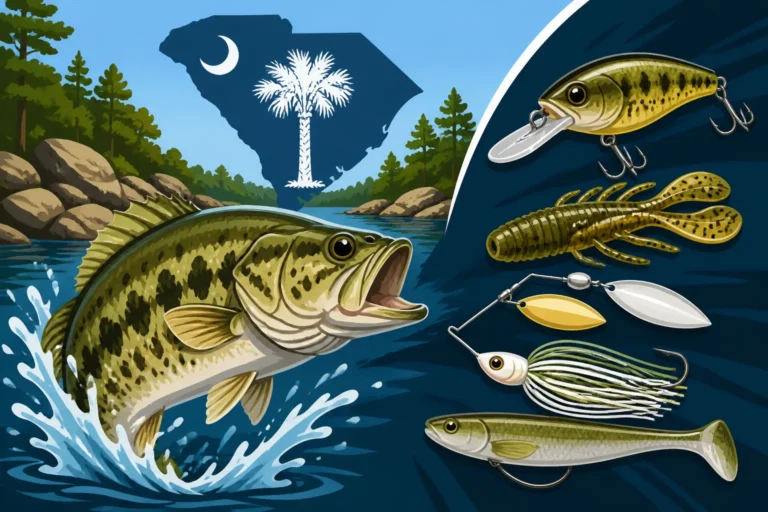
For artificial lures, there's a vast array of options. Soft plastic jerkbaits or paddletail swimbaits, rigged on a jig head (1/8 to 1/4 ounce is common), are incredibly versatile. Colors like "chartreuse," "electric chicken," "new penny," or "pearl" are perennial favorites. You can find a huge selection of these soft plastics, along with various jig heads, on sites like Amazon, making it easy to experiment with different combinations without breaking the bank. Another incredibly effective lure is the popping cork. This setup involves a float that makes a "pop" sound when jerked, mimicking the sound of feeding fish, with a lure or live bait suspended beneath it. Popping corks are excellent for covering water and calling attention to your offering. Topwater lures, particularly walk-the-dog style baits, are thrilling to fish, especially during calm mornings or evenings. The explosive strikes from seatrout on topwater are unforgettable. And don't forget small suspending or shallow-diving hard plastic lures that imitate baitfish. Having a diverse tackle box that includes a mix of live bait options and a variety of these proven artificial lures will ensure you're ready for whatever the seatrout are biting on.
Terminal Tackle and Accessories
Beyond your rod, reel, and primary baits, there are several crucial pieces of terminal tackle and accessories that every spotted seatrout angler should have on hand. First, hooks are paramount. When fishing with live shrimp, a small, sharp circle hook (sizes 1/0 to 3/0) is ideal. Circle hooks are designed to hook the fish in the corner of the mouth, reducing gut-hooking and making catch-and-release much easier and safer for the fish. For artificial soft plastics, you'll need a selection of jig heads in various weights (1/8 oz, 1/4 oz, and 3/8 oz are good starting points) to match different depths and current conditions. It’s always a good idea to have extra leader material, as those sharp seatrout teeth or oyster shells can quickly fray your line. A good quality fluorocarbon in 15-20 lb test is standard. Small swivels or snaps might be useful if you're frequently changing lures, but many anglers prefer a direct knot to the leader for maximum sensitivity.
Beyond the essentials, a few accessories will make your trip smoother. A pair of long-nose pliers or a hook remover is absolutely necessary for safely extracting hooks, especially with those sharp canine teeth. A pair of braid scissors or clippers is invaluable for cleanly cutting braided line. A measuring device, like a tape measure or a fish ruler (many of which you can easily find on Amazon with clear markings for South Carolina's regulations), is critical for ensuring your catch meets the legal Spotted Seatrout Size and Bag Limits in South Carolina. polarized sunglasses are also a game-changer, as they cut glare and allow you to see into the water, spotting fish, bait schools, or important underwater structure. Finally, a small tackle bag or box to keep all your terminal tackle organized and easily accessible is a must. Being prepared with these items means less fumbling and more focused fishing time.
Effective Techniques for Catching Spotted Seatrout
Spotted seatrout are known for being aggressive feeders, but they can also be finicky. Mastering a few key techniques will give you a significant advantage on the water.
Fishing with Live Bait
Using live bait is often the most consistently productive method for catching spotted seatrout, especially when they're less aggressive or when you're looking for larger fish. The key is to present the bait naturally, mimicking what the trout are already feeding on. As mentioned, live shrimp are king. One popular setup is a popping cork rig. You tie a leader (usually 18-36 inches of fluorocarbon) below a popping cork, with a small circle hook at the end for the shrimp. Cast this rig out near grass lines, oyster beds, or creek mouths, and then give the rod a sharp jerk every 10-20 seconds. This makes the cork "pop," creating a sound that imitates feeding fish and attracts curious seatrout. When the cork goes down, reel in!
Another effective method for live shrimp or mud minnows is a Carolina rig, especially in deeper channels or when you want your bait to stay close to the bottom. This involves a weight (usually an egg sinker or slip sinker) on your main line, followed by a swivel, and then a leader (12-24 inches) to your hook. This allows the bait to swim freely and naturally along the bottom. For free-lining, simply tie a hook directly to your leader and cast a live shrimp or small baitfish into areas with current. The bait drifts naturally, often producing strikes when trout are actively feeding near the surface or in the middle of the water column. The trick with live bait is patience and observation. Watch for signs of baitfish, current seams, and subtle disturbances on the water's surface, as these are often indicators of feeding trout. And remember, the lighter the tackle, the more natural your live bait presentation will be, leading to more strikes.
Artificial Lure Strategies
While live bait can be incredibly effective, there's a special thrill in catching a fish on a lure you've chosen and presented yourself. Artificial lures for spotted seatrout are diverse and can be incredibly productive. Soft plastic baits are arguably the most popular and versatile. Paddletail swimbaits and jerk shads rigged on a light jig head (1/8 to 1/4 ounce) are fantastic. Cast them near structure or grass lines, let them sink to the desired depth, and retrieve them with a steady retrieve punctuated by occasional twitches or pauses. Experiment with different retrieve speeds until you find what the fish are responding to. Colors like pearl, white, chartreuse, and "new penny" with a bit of glitter are often top producers. You can find a huge variety of soft plastics, often in multi-packs, on Amazon, which is great for trying out different styles and colors.
Topwater lures are another exciting option, especially during low-light conditions like dawn or dusk, or on calm, overcast days. Walk-the-dog style baits or poppers that create a commotion on the surface can elicit explosive strikes from aggressive seatrout. The key here is proper retrieve: a rhythmic "walk-the-dog" action requires a consistent, subtle twitch of the rod tip while reeling in slack. It takes practice, but the payoff is worth it. Small suspending or shallow-diving crankbaits that mimic baitfish can also be effective when fish are holding slightly deeper. The most important thing with artificial lures is to experiment. Fish preferences can change daily based on weather, water clarity, and tide. Don't be afraid to switch up colors, sizes, or retrieve styles until you crack the code.
Targeting by Tide and Time of Day
Understanding the influence of tides and the time of day is absolutely critical for consistently catching spotted seatrout in South Carolina's inshore waters. Unlike many freshwater species, saltwater fish like seatrout are heavily influenced by the ebb and flow of the ocean. Generally, moving water is good water for seatrout, as it stirs up the bottom, dislodges bait, and creates current seams where fish can ambush prey. Both incoming and outgoing tides can be productive, but the stage of the tide often dictates where the fish will be. For instance, an incoming tide often pushes baitfish into the shallow marsh grass, and seatrout will follow them in. As the tide reaches its peak and begins to fall, seatrout tend to position themselves at the mouths of creeks, along deeper grass edges, or at pinch points where the bait is being flushed out. This is a great time to focus on spots near How to Catch Redfish on a Falling Tide as redfish and trout often share similar feeding patterns.
Beyond the tide, the time of day plays a significant role, especially in warmer months. Early mornings and late evenings, often referred to as "low light conditions," are frequently the most productive times. During these periods, seatrout are often more active and willing to venture into shallower water to feed. The cooler temperatures and reduced light make them feel more secure. Overcast days can extend these prime feeding windows throughout the day. In the heat of midday summer, seatrout tend to move into deeper, cooler water or seek shaded areas under docks and mangroves. However, some anglers find success targeting them at night, especially around lit docks or bridges, where baitfish congregate. Mastering Tide-Based Techniques for Inshore Fishing and pairing it with an understanding of daily light cycles will elevate your seatrout fishing game from hit-or-miss to consistently productive.
South Carolina Regulations for Spotted Seatrout
As responsible anglers, it's our duty to know and follow the rules that protect our precious fisheries. Spotted seatrout are a valuable resource, and South Carolina has specific regulations in place to ensure their sustainability. These rules can change, so always double-check the latest information from the SCDNR.
Size and Bag Limits
South Carolina has specific size and bag limits for spotted seatrout that anglers must adhere to. These limits are designed to allow enough fish to reach spawning maturity, ensuring future generations. Currently, there's typically a minimum size limit, meaning any fish shorter than that measurement must be immediately released unharmed. There's also a daily bag limit, which dictates the maximum number of spotted seatrout an individual angler can keep in a single day. On top of that, you might also encounter a vessel limit, which is the total number of spotted seatrout that can be onboard a boat, regardless of how many licensed anglers are present. For the most up-to-date figures on these critical numbers, especially since they can vary, always check the South Carolina Department of Natural Resources (SCDNR) website or their current fishing regulations guide. It's truly a pain when these things shift, but it's for the good of the fishery! You don't want to get caught off guard, so before every trip, it's wise to quickly review the Spotted Seatrout Size and Bag Limits in South Carolina.
It’s crucial to measure your fish carefully and accurately. Lay the fish flat on a ruler, ensuring its mouth is closed, and measure to the tip of its tail. If it's even a fraction short, it goes back into the water. Releasing undersized fish promptly and gently is key to their survival. Keeping oversized fish is generally not allowed either, as larger, older fish are often the most prolific spawners and are vital for the health of the population. Understanding these limits isn't just about avoiding a fine; it's about being a conservation-minded angler and helping ensure that our children and grandchildren can enjoy catching spotted seatrout for years to come.
The Spotted Seatrout Gigging Ban
Here's a regulation that often causes a bit of confusion and frustration, especially for those who enjoy alternative fishing methods: the South Carolina's Winter Gigging Ban for Seatrout. In South Carolina, there is a seasonal ban on gigging for spotted seatrout. Gigging is a method where you use a long spear or gig to harvest fish, often at night with the aid of lights, targeting fish that are in shallow water. While it can be an effective way to harvest fish, concerns about overharvesting of spotted seatrout during their vulnerable winter months led to this specific regulation.
The ban typically runs during the colder parts of the year, from December through February. This period is critical because spotted seatrout tend to school up in deeper, often more predictable, holes and channels to escape the cold water temperatures. This makes them particularly susceptible to gigging, which could lead to significant localized depletion. The ban aims to protect these wintering aggregations, giving the fish a chance to survive the colder months and prepare for their spring spawning. It's important to note that this ban applies only to gigging; rod-and-reel fishing for spotted seatrout is still permitted during this period, provided you adhere to the standard size and bag limits. It's a prime example of how specific regulations are tailored to protect vulnerable populations and ensure sustainable fishing opportunities for everyone. If you're wondering Is Seatrout Gigging Legal in South Carolina in December?, the answer is definitively no. Always be aware of the exact dates of the ban each year by checking the SCDNR resources to ensure compliance.
General Licensing Requirements
Before you even think about casting a line for spotted seatrout in South Carolina, you absolutely need to make sure you have the proper fishing license. This might seem obvious, but it's surprising how many people overlook this fundamental requirement, often leading to unnecessary fines and a spoiled day on the water. For anyone fishing for saltwater species in the coastal waters of South Carolina, a valid South Carolina saltwater fishing license is required. This applies whether you're fishing from a boat, from the shore, a pier, or a bridge.
There are different types of licenses available: annual, 3-year, and even short-term options for visitors. Residents and non-residents also have different pricing structures. You can purchase these licenses online through the Go Outdoors South Carolina website, at most tackle shops, bait and tackle stores, or even some larger retail chains. If you're unsure about the specifics, a quick read of the South Carolina Fishing License Guide or the Saltwater Fishing Rules in South Carolina will clear things right up. There are specific exemptions for age, such as very young children, and sometimes for residents fishing on specified free fishing days, but generally, if you're an adult casting a line in saltwater, you need a license. Charters and guides usually cover the vessel's license, but it's always smart to confirm beforehand if individual licenses are needed for passengers. Don't let a simple licensing oversight ruin your fishing adventure; it's easy enough to get one.
Conservation and Responsible Angling
Enjoying the bounty of South Carolina's waters comes with a responsibility to protect it. Conservation isn't just for scientists or policymakers; it's a critical role for every angler.
Best Practices for Catch and Release
While catching and keeping some spotted seatrout for the dinner table is a cherished tradition, practicing responsible catch and release is vital for the long-term health of the fishery. Many anglers choose to release a portion of their legal catch, especially larger "gator trout" which are important spawners. To maximize a released fish's chances of survival, handle it as little as possible. If you must handle it, do so with wet hands to protect its slime coat, which acts as a barrier against disease. Avoid touching its gills or eyes. Use a de-hooking tool or long-nose pliers (easily found on Amazon) to remove the hook quickly. If the fish is deeply hooked, it may be better to cut the line as close to the hook as possible rather than tearing sensitive tissue trying to extract it.
When releasing, support the fish gently in the water, allowing it to recover and swim away on its own power. Don't just toss it back. If it's sluggish, hold it upright and move it back and forth gently to push water over its gills until it regains strength. This is especially important during warmer months when water temperatures are higher and fish can be more stressed. By following these simple catch-and-release guidelines, you significantly increase the chances that the fish you release will survive to fight another day and contribute to future generations of spotted seatrout. It's a small effort that makes a huge difference.
Understanding Their Role in the Ecosystem
Spotted seatrout aren't just a prized catch; they play a crucial role in the intricate web of South Carolina's estuarine ecosystems. As a mid-level predator, they help maintain the balance of their environment. They primarily feed on small baitfish like mullet, menhaden, and pilchards, as well as crustaceans such as shrimp and crabs. By preying on these smaller organisms, seatrout help control their populations, preventing any one species from becoming overly dominant. This, in turn, impacts the health of seagrass beds and oyster reefs, which are critical habitats for countless other marine species.
In turn, spotted seatrout themselves serve as a food source for larger predators, including larger fish species, dolphins, and various seabirds. They are an integral link in the food chain, connecting the lower trophic levels (like shrimp and small baitfish) to the higher ones. A healthy population of spotted seatrout is therefore an indicator of a healthy estuarine environment overall. Disruptions to their population, whether through habitat degradation or overfishing, can have cascading effects throughout the entire ecosystem. Understanding this interconnectedness helps us appreciate why conservation efforts, like bag limits, size restrictions, and habitat protection, are so vital. When we protect the seatrout, we're essentially protecting the entire rich and diverse ecosystem that makes South Carolina's coast so special.
How Anglers Can Contribute to Conservation
Every angler, whether a seasoned veteran or a complete beginner, has a part to play in the ongoing conservation of spotted seatrout and South Carolina's marine resources. The most immediate way is to simply adhere to all fishing regulations. This includes respecting size and bag limits, understanding closed seasons or areas, and always possessing a valid fishing license. These rules aren't arbitrary; they are based on scientific data designed to protect the fishery. Beyond compliance, consider practicing selective harvest. This means keeping only what you plan to eat and releasing the rest, especially the largest breeding-size fish.
Another crucial way to contribute is by protecting the habitat. Avoid littering, properly dispose of fishing line and hooks, and be mindful of your boat's impact on sensitive seagrass beds. Participating in local clean-up efforts or angler surveys can also make a real difference. Reporting any suspicious or illegal fishing activity to the SCDNR is also a responsible action that helps enforcement efforts. Supporting organizations that are dedicated to marine research and habitat restoration in South Carolina also contributes to the greater good. Education is also key: share your knowledge about responsible angling and conservation with fellow anglers, especially newer generations. By taking these actions, we move beyond just "taking" from the resource and become active stewards, ensuring that the thrill of catching a spotted seatrout in South Carolina remains a vibrant experience for years to come.
Seasonal Patterns for Spotted Seatrout in South Carolina
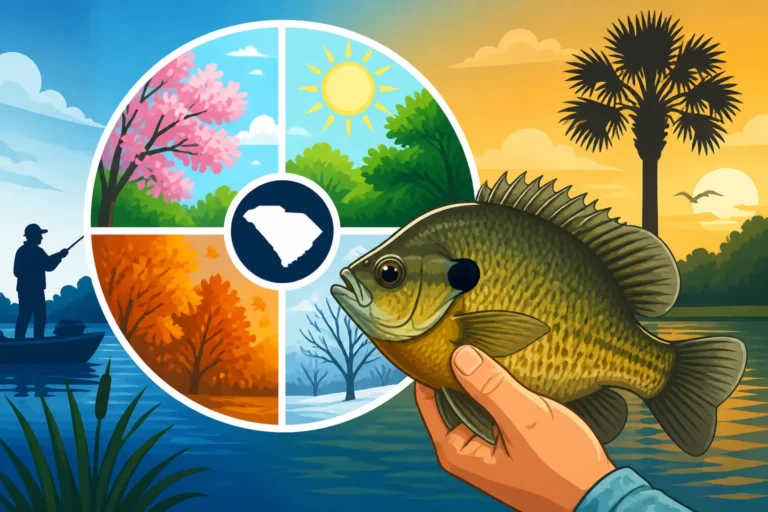
Spotted seatrout fishing in South Carolina is a year-round affair, but their behavior and where you find them will shift significantly with the seasons. Understanding these patterns is crucial for consistent success.
Spring and Summer Strategies
As the water temperatures begin to rise in spring, spotted seatrout become increasingly active, spreading out from their wintering holes into shallower areas. This is a fantastic time to target them, as they are actively feeding and preparing for their spawning season. During spring, look for them along grass lines, oyster beds, and the mouths of tidal creeks, especially as the tide is moving. They'll be ambushing baitfish and shrimp that are also becoming more abundant. Soft plastic lures rigged on light jig heads, fished with a slow retrieve, are incredibly effective. Popping corks with live shrimp or artificial shrimp imitations are also deadly, particularly when you need to cover more ground.
Summer sees water temperatures at their warmest, and this can change seatrout behavior. During the peak heat of the day, trout will often seek out deeper, cooler water in channels, around shaded structures like docks, or in deeper holes within creeks. However, the early morning and late evening hours, and even night fishing under dock lights, can be incredibly productive. This is when topwater lures shine, creating explosive strikes as the sun begins to peek or dip below the horizon. As you prepare for warmer months, keeping track of South Carolina Saltwater Fishing Seasons can give you an edge, allowing you to tailor your approach to the conditions. Live bait, like shrimp or mud minnows, fished on the bottom in deeper areas during the midday heat, can also yield excellent results. Don't be afraid to fish shaded areas or deeper structure during summer; the fish are still there, just seeking comfort from the heat.
Fall and Winter Tactics
For many South Carolina anglers, fall is arguably the absolute best time to target spotted seatrout. As water temperatures begin to cool, the baitfish start to migrate out of the estuaries, and seatrout go into a feeding frenzy, packing on weight for the colder months ahead. They become incredibly aggressive and are often found in large schools. Look for them in similar areas to spring—grass flats, oyster beds, and creek mouths—but they might be even more spread out and willing to chase down lures. Soft plastics, topwater baits, and suspending lures can all be highly effective. The cooler, more comfortable air temperatures also make for a more pleasant fishing experience for anglers. This is prime time for catching good numbers of fish and often some of the largest "gator trout" of the year.
Winter brings the coldest water temperatures, and this is when seatrout consolidate into deeper, more stable environments. They'll seek out deep holes in tidal creeks, protected bays, and channels where the water temperature fluctuates less. Their metabolism slows down, and they become less active, but they still need to feed. The key to winter fishing is slowing down your presentation. Live bait, such as mud minnows or slow-fished shrimp, can be very effective. Soft plastics on light jig heads, retrieved very slowly along the bottom or jigged subtly, can also draw strikes. This is also when the South Carolina's Winter Gigging Ban for Seatrout comes into effect, protecting these vulnerable winter aggregations. Patience is a virtue in winter seatrout fishing. Find the deeper holes, present your bait slowly and precisely, and you can still find great success, often with larger, more lethargic fish that are easier to land. Don't let the cold deter you; winter can be incredibly rewarding for those who understand these seasonal shifts.
| Season | Prime Habitat Focus | Preferred Baits/Lures | General Activity Level | Key Tactic |
|---|---|---|---|---|
| Spring | Shallow grass flats, creek mouths, oyster beds | Live shrimp, mud minnows, soft plastics, popping corks | High, actively feeding | Covering water, subtle presentations |
| Summer | Early/late shallow, mid-day deeper channels/shade | Topwater (dawn/dusk), live bait (deeper), soft plastics | Moderate, heat-dependent | Low light periods, targeting deeper structure |
| Fall | Expansive grass flats, creek mouths, outgoing tides | Soft plastics, topwater, suspending lures, live bait | Very High, feeding frenzy | Aggressive retrieves, searching for schooling fish |
| Winter | Deep holes, protected channels, warmer pockets | Live mud minnows, slowly retrieved soft plastics | Low, lethargic | Slow presentation, focus on structure and depth |
Disclaimer
This article is for general informational purposes only and does not constitute professional advice. Laws, prices and regulations vary by location and change over time. Consult a qualified professional for guidance on your specific situation.