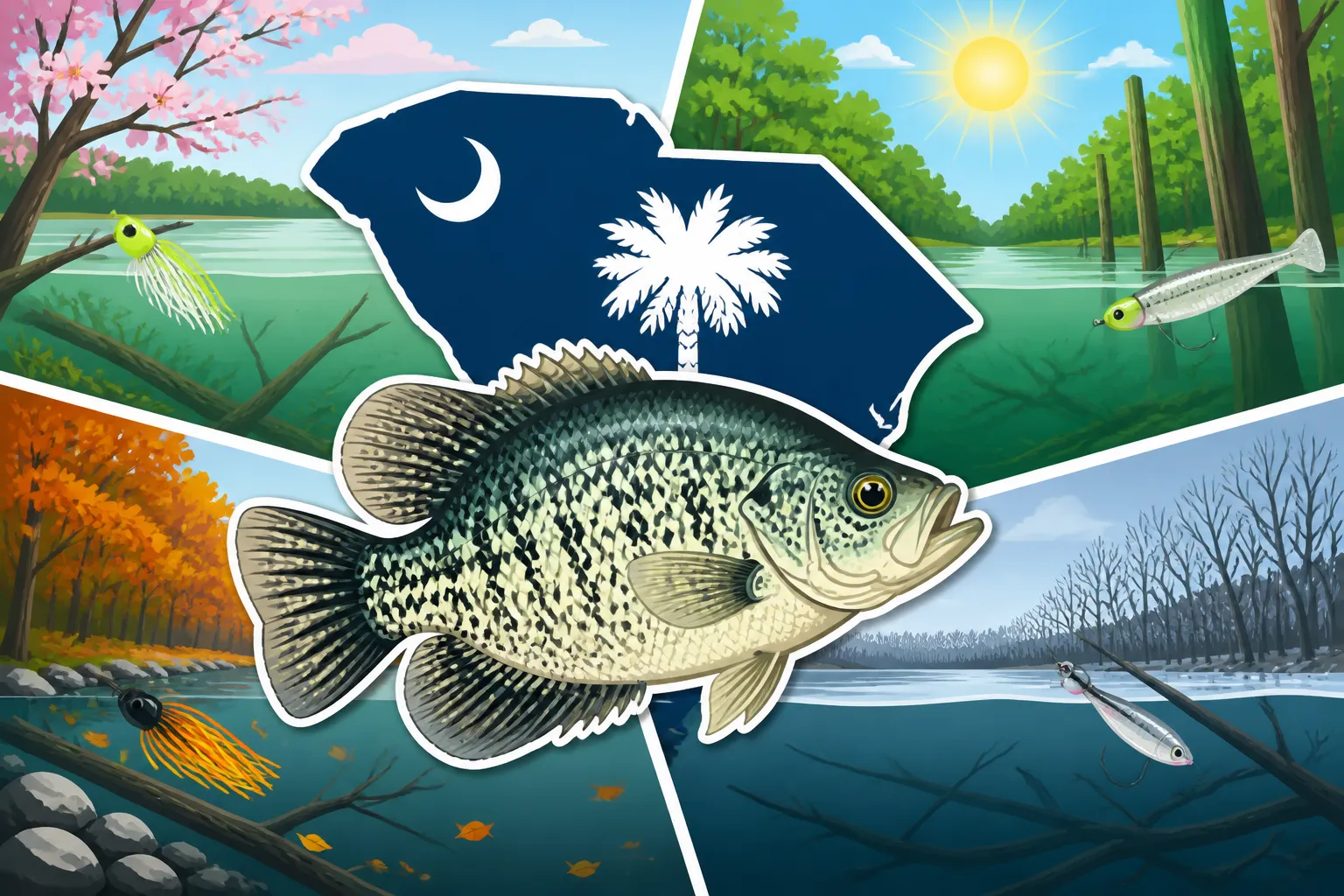
South Carolina Crappie Fishing Techniques by Season
Crappie fishing in South Carolina can feel like a guessing game sometimes, especially when the weather starts to shift. Just when you think you've got them figured out, the water temperature changes, and suddenly, your tried-and-true spots are dead zones. This comprehensive guide is here to walk you through the nuances of crappie behavior and the most effective techniques for reeling them in, no matter what season it is in the Palmetto State.
Understanding Crappie Behavior Through the Seasons
Crappie, whether black or white, are fascinating fish because their behavior is so profoundly dictated by water temperature and the availability of food. They’re not as territorial as a largemouth bass, for example, but they are incredibly sensitive to environmental changes. Knowing what triggers their movements and feeding frenzies throughout the year is the key to consistent success on the water. It’s all about being where they are, when they’re ready to bite, and presenting them with something they can’t resist.
Winter Crappie Strategies
When the mercury drops and a chill settles over South Carolina's lakes and rivers, many anglers pack up their gear, assuming the fishing's gone dormant. But don't make that mistake with crappie! Winter offers some fantastic opportunities, though it requires a bit of a shift in mindset and technique. The crappie are still there, they're just not nearly as active, and they've often moved to deeper, more stable water.
Think about it: just like us trying to stay warm, crappie are looking for the most comfortable spots where the water temperature is consistent. This typically means deep ledges, submerged brush piles, old creek channels, or even offshore humps. They'll school up tight in these locations, conserving energy. Your presentation needs to be slow, subtle, and right in front of their faces. You’re not looking for aggressive strikes; you're looking for a barely perceptible tap. Many folks find success with Tightlining for Crappie in Deep Water during these colder months, as it allows for precise bait presentation. A small, light jig, often tipped with a live minnow, becomes incredibly effective because it mimics a slow-moving, easy meal. Experiment with jig weights to find what gets you down to them without being too heavy.
Spring Crappie Tactics: The Spawn and Beyond
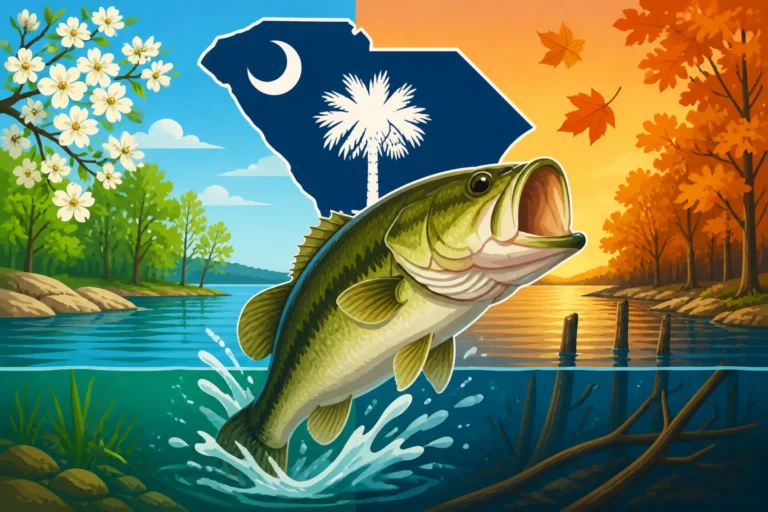
Ah, spring! This is arguably the most anticipated time for crappie anglers in South Carolina. As the water begins to warm, usually when temperatures hit the low to mid-50s Fahrenheit, crappie start to move from their deep winter haunts toward shallower waters, preparing for the spawn. This pre-spawn period can be a fantastic time to catch some of the biggest crappie of the year as they aggressively feed to fuel up for the upcoming breeding season. You'll find them staging in areas adjacent to their spawning grounds, often on the first significant drop-off or around submerged timber.
Once water temperatures climb into the 60s, the real magic happens: the spawn. Crappie will move into extremely shallow water, often just a few feet deep, seeking out brush, lily pads, or even sandy bottoms near cover. They become very concentrated, and for a brief window, they can be relatively easy to catch. This is when techniques like pitching small jigs or live minnows into visible cover really shine. Many anglers swear by the effectiveness of minnows during this time, but small tubes, grubs, and spider jigs can also be deadly. After the spawn, typically when water temperatures reach the upper 60s and low 70s, crappie will retreat to slightly deeper water to recover. They won't be as aggressive as during the pre-spawn, but they'll still be feeding, often congregating around secondary points or deeper brush. Understanding How to Find Crappie in Spring can give you a significant advantage.
Summer Crappie Fishing: Beating the Heat
Summer in South Carolina means heat, and heat means crappie move deep. This can be one of the most challenging times to consistently catch them, but it’s certainly not impossible. The key is understanding how they react to warmer water and fluctuating oxygen levels, especially in our larger reservoirs like Lake Murray or the Santee Cooper lakes. Don't let the heat deter you from pursuing these tasty panfish; you just need to adjust your approach significantly.
Daytime Summer Challenges
During the dog days of summer, surface water temperatures can climb into the 80s, driving crappie to seek cooler, more oxygenated water. They'll often suspend over deep water or tuck themselves tightly into the densest, shadiest cover they can find – think deep brush piles, submerged timber, or even bridge pilings. The thermocline, a layer in the water where the temperature rapidly changes, often dictates their depth. Fishing below this layer can be unproductive due to low oxygen. This means you need to be precise with your depth finder and patient with your presentation. This is where How to Jig for Crappie in Deep Water really becomes essential, often requiring vertical jigging or slow trolling with multiple lines (spider rigging) to cover different depths until you locate the sweet spot. You might not get as many bites as in spring, but the ones you do get can be impressive.
Embracing Night Fishing
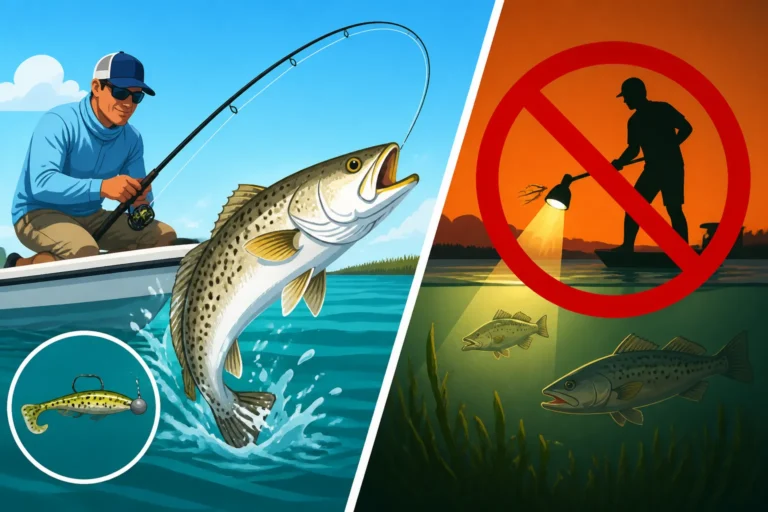
If daytime summer fishing proves too frustrating, or if you simply prefer the cooler air and quiet of the night, then night fishing for crappie is an absolute game-changer in South Carolina. As the sun sets and the air cools, crappie often move shallower, drawn by baitfish that are also seeking out comfortable temperatures and oxygen-rich water. This is where light comes into play. Green submersible lights, easily found on Amazon, are incredibly popular. These lights attract plankton, which attracts baitfish, which in turn attracts crappie.
You can anchor over a known deep brush pile or structure, deploy your green light, and wait for the ecosystem to gather around it. Once the crappie move in, vertical jigging with small, glow-in-the-dark jigs or live minnows becomes incredibly effective. It's a serene, productive, and often much more comfortable way to fish for crappie when the South Carolina summer heat is relentless. Make sure you're prepared with headlamps and proper navigation lights if you're out on the boat after dark. Many seasoned anglers will tell you that Can You Catch Crappie at Night? isn't just possible, it's often the best time.
Fall Crappie Fishing: The Feeding Frenzy
Fall is another prime time for crappie fishing in South Carolina, rivaling spring in terms of action. As the cooler air signals the approach of winter, crappie go on a feeding frenzy, trying to pack on weight for the lean months ahead. They become much more active, chasing baitfish and often spreading out more across the water column than in summer. The falling leaves and crisp air make for some truly enjoyable days on the water.
Early Fall Transition
In early fall, as water temperatures slowly begin to drop from their summer highs, crappie will start to migrate from their deep summer sanctuaries. They'll follow schools of baitfish, which also become more active and start to move into creek channels and secondary points. This is a great time for trolling jigs or small crankbaits, covering a lot of water until you find concentrations of fish. Look for areas where submerged cover meets a creek channel, or where there's a significant drop-off near a flat. The crappie won't be as tightly schooled as in winter, but they'll be actively foraging, making them more willing to chase a bait. You might find them suspended at various depths, so multi-line approaches can be very effective.
Late Fall Preparations
As late fall approaches and water temperatures continue to plummet, crappie will begin their transition back to their wintering grounds. They're still feeding heavily, but their movements become a bit more predictable. They'll start congregating around deeper structure and channel bends, getting ready for the cold. This period can be excellent for vertical jigging or tight-lining with minnows over deep brush piles and submerged timber. The bites might become a bit more subtle, similar to winter, but the fish are still actively looking for food. Pay close attention to your electronics to pinpoint these schools, and be ready to slow down your presentation as the water cools further. For more specific insights into this period, check out Crappie Fishing Techniques for Fall.
Essential Gear and Bait for Seasonal Success
Having the right tackle and knowing which baits to use can make all the difference, especially when adapting to seasonal changes in South Carolina crappie fishing. You don't need a boatload of expensive gear, but a few key items will significantly boost your chances. Remember, crappie have a surprisingly light bite, so sensitivity is paramount.
Rods, Reels, and Lines
For crappie, light tackle is your best friend. A good crappie rod is typically 5 to 7 feet long, with a light to ultra-light action. This extra sensitivity allows you to detect those subtle nibbles that heavier rods might miss. Popular choices include fiberglass or graphite rods, with graphite offering more sensitivity but sometimes being a bit more fragile. Pair this with a small spinning reel (like a 1000 or 2000 series) spooled with 4 to 6-pound test monofilament or fluorocarbon line. Braided line can offer even greater sensitivity and strength, but you might want to tie a fluorocarbon leader for invisibility, especially in clear water. For spider rigging or trolling, some anglers opt for longer, limber rods, often up to 12-16 feet, to spread out baits and cover more water.
When it comes to Crappie Fishing Tips for South Carolina Lakes, one often overlooked aspect is your line. Using fresh line at the beginning of each season is a small investment that can prevent big frustrations. Line degrades over time, becoming brittle and less sensitive, which means more missed bites and broken off fish.
Go-To Baits and Lures
You can talk to a dozen crappie anglers, and you'll get a dozen different "best" baits, but a few stand out as consistent performers across all seasons.
- Live Minnows: These are arguably the king of crappie baits. Rigged under a bobber in shallow water during the spawn, or tight-lined in deep water during winter, a lively minnow is hard for a crappie to resist. You can find minnows at almost any local bait shop across South Carolina.
- Jigs: Small jigs are incredibly versatile. Think 1/32 to 1/16 ounce for most situations, though you might go up to 1/8 ounce for deeper water or strong currents. Jig bodies come in countless colors and styles:
- Tube Jigs: These mimic small baitfish or invertebrates and are effective year-round.
- Grubs: Curly-tail or straight-tail grubs are also excellent, offering enticing action on the fall.
- Spider Jigs: Often used in spider rigging, these jigs have multiple small "legs" that provide a lot of subtle movement.
- Colors: While natural colors like white, chartreuse, and clear with glitter are always good, don't be afraid to experiment. Sometimes, a bright pink or orange jig is what it takes, especially in stained water. For more on this, check out Best Jig Colors for Crappie Fishing. When shopping for jigs or soft plastics, you can find a huge variety of options on Amazon, allowing you to stock up on different sizes and colors to match local conditions.
- Small Crankbaits: While not as common for crappie as jigs or minnows, small crankbaits can be deadly for trolling, especially in early fall when crappie are aggressively chasing bait. Look for models that dive to the depth where you're marking fish.
- Bobbers: For shallow water fishing, a small, sensitive bobber (like a slip bobber for depth control) is crucial. It keeps your bait at the right depth and signals those delicate bites.
| Season | Typical Water Temperature | Crappie Location | Primary Techniques | Recommended Baits/Lures |
|---|---|---|---|---|
| Winter | Below 55°F | Deep ledges, brush piles, creek channels | Vertical jigging, tightlining | Small jigs (1/32-1/16 oz), live minnows |
| Spring | 55-68°F | Pre-spawn: staging areas near cover; Spawn: shallow cover (1-5 ft) | Pitching jigs, bobber & minnow, slow trolling | Live minnows, small tube jigs, curly-tail grubs |
| Summer | 70-85°F | Suspended in deep water, dense submerged cover | Vertical jigging, spider rigging, night fishing | Live minnows, heavier jigs (1/16-1/8 oz), glow jigs for night |
| Fall | 60-75°F | Early: chasing baitfish in creek channels; Late: deeper structure, channel bends | Trolling jigs/crankbaits, vertical jigging, casting | Live minnows, tube jigs, curly-tail grubs, small crankbaits |
Ultimately, consistent crappie success in South Carolina comes down to observation, adaptability, and patience. Don't be afraid to try new things, even if it feels a little outside your comfort zone. The crappie are out there, and with these seasonal strategies, you'll be well-equipped to find them and bring them home.
Disclaimer
Fishing regulations, including bag limits, size restrictions, and license requirements, can change frequently. Always consult the official South Carolina Department of Natural Resources (SCDNR) website or their most current printed regulations guide before heading out on the water. This information is for general guidance and educational purposes only.