Post-Spawn Bass Patterns on South Carolina’s Santee Cooper
That post-spawn period on South Carolina's magnificent Santee Cooper lakes can really throw a wrench into your fishing plans, can't it? One day the bass are on beds, easy to spot and aggressive, and the next, it feels like they’ve simply vanished into thin air. It's a common frustration for even seasoned anglers, but understanding the post-spawn bass patterns on Santee Cooper is key to turning those puzzling days into successful outings. This guide will walk you through why bass behave the way they do after the spawn, where to find them in this sprawling system, and what techniques and baits will put more fish in your boat during this tricky transition.
Understanding the Post-Spawn Transition on Santee Cooper
The post-spawn phase is arguably one of the most challenging times to consistently catch largemouth bass, especially on a massive, diverse fishery like the Santee Cooper lakes. Many anglers pack up their gear thinking the season is over, but in reality, it's just shifting gears. The bass are still there, they're just not doing what they were doing a week or two ago. Patience and adaptability are your best friends here.
Why Bass Behavior Changes Drastically After Spawning
Imagine running a marathon, then trying to sprint the next day. That's essentially what a bass goes through during the spawn. Both male and female bass expend an enormous amount of energy guarding nests, fanning eggs, and fighting off predators. Once the fry hatch and become independent, both parents are physically exhausted and often lean. Their primary focus immediately after the spawn isn't chasing down every lure that crosses their path; it's recovery. They're looking for easy meals and places to rest, often in slightly deeper, cooler water where they can recuperate without expending too much effort.
This recovery period means their metabolism slows down, and their feeding windows become shorter and less predictable. You won't find the same aggressive, territorial strikes you might have seen during the pre-spawn or actual spawn. Instead, they become more finicky, often requiring a more subtle presentation or a bait that perfectly mimics their forage. Understanding these biological drivers is the first step to cracking the code. They're not gone; they're just nursing a severe case of "post-marathon blues."
Key Environmental Factors Influencing Post-Spawn Activity
The sheer size and varied habitat of the Santee Cooper Lakes—Lake Marion and Lake Moultrie—mean that environmental factors play a huge role in dictating post-spawn bass patterns. Water temperature is paramount. As spring transitions into summer, surface temperatures on Santee Cooper can climb quickly, pushing bass towards cooler, oxygen-rich areas. While they might have been shallow during the spawn, rising temperatures compel them to seek out slightly deeper waters or dense cover offering shade.
Water levels, particularly on a lake system like Santee Cooper which can fluctuate, also influence where bass position themselves. Higher water might push them into flooded vegetation or allow them to access new cover, while falling water can pull them off banks and expose previously submerged structure. Wind and cloud cover can also dictate activity. Overcast days with a light chop might encourage bass to move shallower for shorter feeding windows, while bright, calm days often keep them tucked tight to cover or in deeper haunts. A keen angler always pays attention to these subtle environmental cues, as they are often the missing piece of the puzzle. If you're looking for a wider overview, our guide to the Santee Cooper Bass Fishing Seasons in South Carolina can provide even more context on these seasonal shifts.
Locating Post-Spawn Bass in Santee Cooper
Finding post-spawn bass on a massive system like Santee Cooper can feel like searching for a needle in a haystack if you're not sure where to start. They aren't going to be holding in the same places they were a few weeks prior. Instead, they’re making a gradual migration from their shallow spawning grounds to deeper, more comfortable summer patterns. Your job is to intercept them along that transition route.
Targeting Offshore Structure and Deeper Water
Once bass finish their spawning duties, they often begin to move towards the main lake or larger creek channels, seeking out deeper water that offers more stable temperatures and abundant forage. On Santee Cooper, this means looking for a variety of offshore structures. Think about areas like submerged humps, ledges, and deep points that extend into the main river or creek channels. These are essentially highways for bass as they transition. You'll want to focus on the first significant drop-off or breakline from the spawning flats. This could be a channel swing near a shallow cove or a tapering point that drops from 5 feet to 15 feet.
Electronic fish finders become invaluable tools during this period. You're not just looking for fish; you're looking for baitfish schools and any subtle irregularities on the bottom that might hold bass. Often, bass will suspend over these structures, especially during the middle of the day, or relate directly to the contours. Don't be afraid to explore areas that are 10-20 feet deep. On Lake Marion, the vast stump fields provide endless hidden gems, while Lake Moultrie's deeper basin has distinct ledges and old river beds that are magnets for post-spawn fish. Learning How to Fish Deep Structure for Bass in Summer can give you a significant advantage here.
Focusing on Cover: Docks, Brush Piles, and Submerged Timber
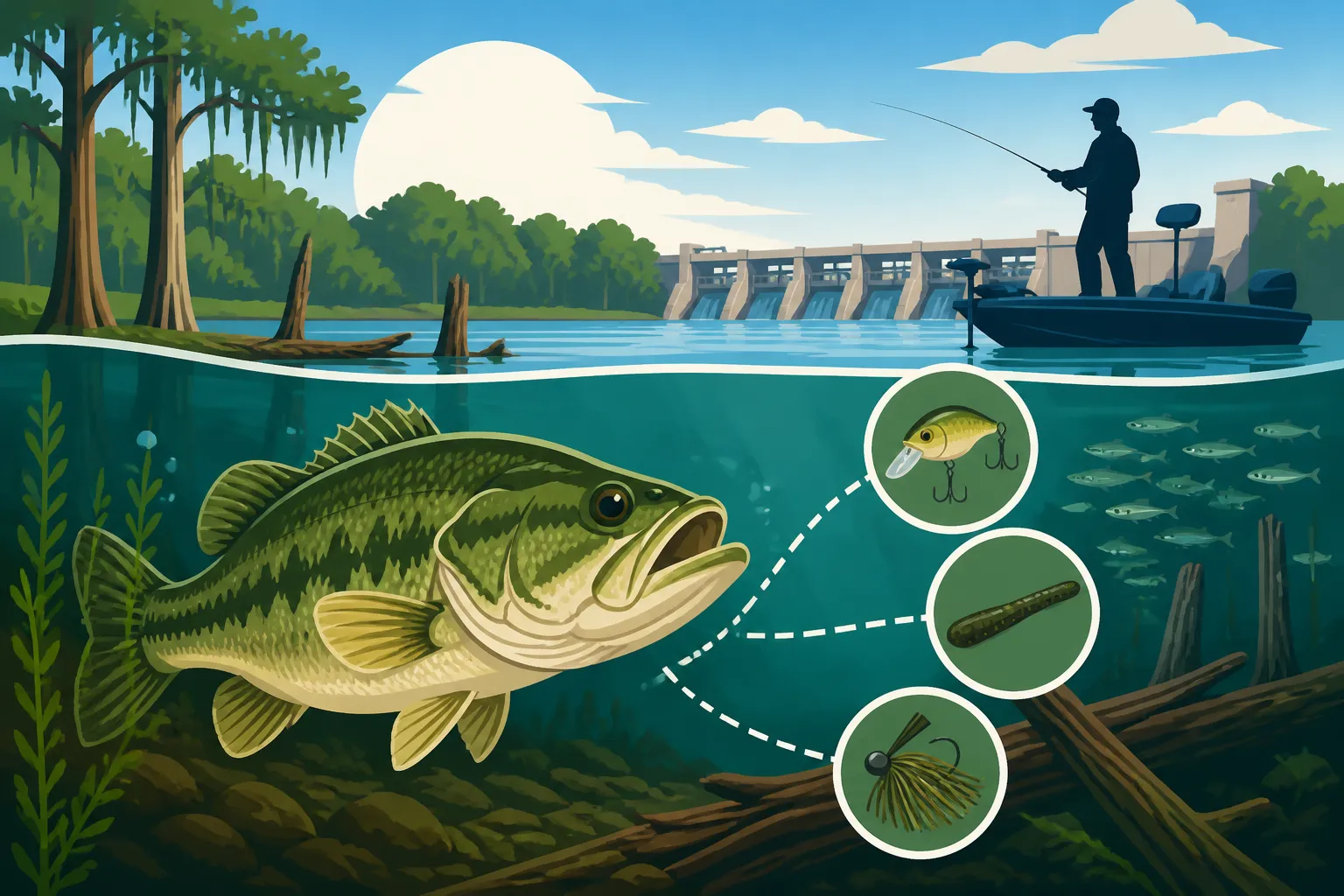
Even as bass move deeper, they still crave cover. Santee Cooper is famous for its abundant submerged timber, cypress trees, and extensive dock systems, all of which provide crucial shade, ambush points, and protection. Post-spawn bass will often hold tight to the densest parts of this cover. For docks, focus on the deepest ones, especially those with brush piles sunk underneath or those closest to the main channel. Bass might be resting in the shade underneath, waiting to ambush any passing baitfish.
Similarly, brush piles and submerged timber are prime real estate. These are natural fish attractors, concentrating baitfish and offering bass a comfortable spot to recover and feed. On the Santee Cooper lakes, these can be man-made brush piles placed by anglers or natural accumulations of fallen trees and branches. Your electronics can help you locate these hidden gems, especially if they are sitting on a channel ledge or point. Once you find a good brush pile, fish it thoroughly from all angles, as bass might be holding at different depths within the cover. For more specific guidance, our article on Lake Marion Bass Fishing Spots in South Carolina details some of these prime locations.
Effective Techniques and Lures for Post-Spawn Bass
Once you’ve got a handle on where the post-spawn bass are likely to be hiding on Santee Cooper, the next step is choosing the right techniques and lures to entice them. This isn't a one-size-fits-all situation; you'll often need to adapt your approach based on how active the fish are and the specific conditions of the day.
Topwater and Reaction Baits for Active Fish
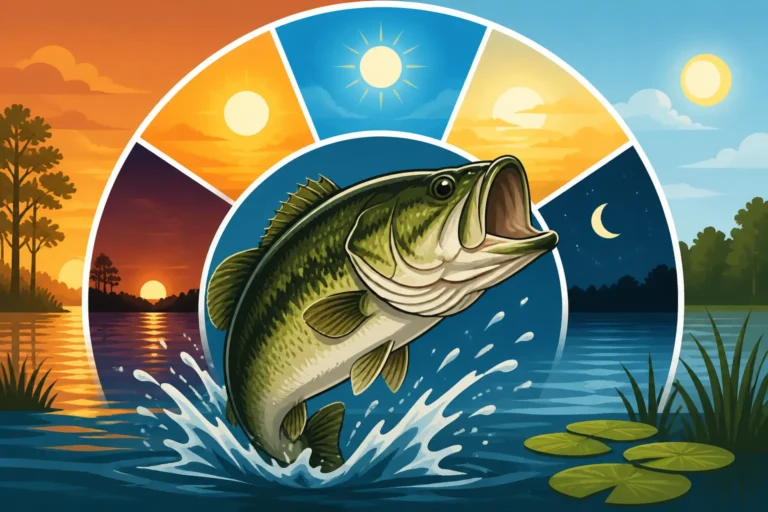
While post-spawn bass are generally more lethargic, there are still windows of opportunity when they become highly active, particularly during low-light conditions like dawn, dusk, or on cloudy, breezy days. This is when topwater baits can be incredibly effective, especially around shoreline cover or over submerged grass beds. A walk-the-dog style bait, a popper, or a buzzbait can draw explosive strikes from recovering bass looking for an easy, high-protein meal. The key is to work them slowly enough to give the bass time to react, but with enough action to trigger an instinctual bite.
Reaction baits like crankbaits and spinnerbaits also have their place. Medium-diving crankbaits that bump off submerged timber or ledges can trigger deflecting strikes from bass that are otherwise inactive. Experiment with different retrieve speeds; sometimes a fast retrieve works, but often a slower, more methodical approach with pauses can be more productive. Spinnerbaits, especially those with larger thumping blades, are excellent for covering water and penetrating denser cover, mimicking a struggling baitfish. You might find that a good selection of these on Amazon can save you a trip to a tackle shop, ensuring you have a variety of colors and sizes.
Slow and Subtle Approaches for Finicky Bass
More often than not, post-spawn bass on Santee Cooper will be finicky and require a more subtle approach. When they're recovering, they're less inclined to chase and prefer an easy, slow-moving meal. This is where soft plastics, jigs, and slow-moving presentations really shine.
- Soft Plastics: Wacky-rigged Senkos, shaky head worms, and Carolina-rigged lizards or creature baits are absolute staples. The slow, tantalizing fall of a weightless Senko can be irresistible to a bass suspended under a dock or in open water. Shaky heads are fantastic for probing brush piles and rock piles, allowing you to maintain bottom contact and impart subtle action. For covering deeper offshore structure, a Carolina rig is perfect, presenting your bait just above the bottom. When bass are sluggish, sometimes downsizing your bait can make a huge difference. Stocking up on specific lures like a Carolina rig or a deep-diving crankbait from Amazon can be a smart move, ensuring you're ready for any situation.
- Jigs: Flipping and pitching jigs into heavy cover like cypress trees, docks, or thick brush can be incredibly productive. Pair them with a crawfish-imitating trailer and work them slowly, feeling for that subtle thump as a bass inhales it. Black and blue, green pumpkin, and brown jigs are often top producers on Santee Cooper.
- Drop Shot Rigs: For extremely finicky bass holding tight to specific structures or suspending in deeper water, a drop shot rig can be a game-changer. It allows you to present a small, soft plastic bait at a precise depth, keeping it in the strike zone longer. This technique often works wonders when other presentations fail.
Ultimately, the key is to experiment. Start with a more active approach, and if that's not producing, slow down and get more subtle. Our article on Bass Fishing Techniques After the Spawn dives deeper into these methods.
Seasonal Variations and Best Times to Fish
The "post-spawn" isn't a single, static period; it's a transition that evolves as spring truly gives way to summer. Understanding these nuances on Santee Cooper can help you fine-tune your approach for maximum success.
Early Post-Spawn: Recovering and Feeding Heavily
Immediately following the spawn, typically from late April through May on Santee Cooper, you'll find bass in what's known as the "recovery" phase. They are depleted and often slightly disoriented, but they're also ravenously hungry once they shake off the post-spawn funk. This is when you can still find some fish relatively shallow, especially in the mornings and evenings, actively trying to regain weight. They’ll often stage on the first significant drop-off or around isolated cover adjacent to their spawning flats.
During this early post-spawn, reaction baits like lipless crankbaits, square bill crankbaits, and even some faster-moving topwaters can still be effective if you find an active school. The key is to target feeding lanes and ambush points where they don’t have to chase far. As the day progresses, these fish will often retreat to the cover of docks, submerged brush, or deeper channels. This is also a good time to check out our tips on What Time of Day Do Bass Bite Best? for optimizing your trip.
Late Post-Spawn to Summer: Adapting to Warm Water
As we move deeper into late May and June, the post-spawn period fully transitions into early summer patterns. The water temperatures on Santee Cooper rise significantly, and the bass have largely recovered from the spawn. Their metabolism picks up, and they settle into more defined summer haunts. This often means moving to deeper offshore structures, major creek channel ledges, river bends, and main lake points. You'll find them concentrating around areas with good current or deeper oxygenated water, often in larger schools.
During this phase, heavier tackle and more robust presentations are often required. Deep-diving crankbaits, football jigs, large Carolina rigs, and even shaky heads on heavier line become more prominent. Bass will be looking for larger meals and are often more aggressive than in the immediate post-spawn, but you still have to put the bait directly in front of them. Pay close attention to your electronics, looking for baitfish schools and isolated pieces of cover in deeper water. This transition period is vital, and those who adapt their strategies are the ones who consistently catch fish. For those venturing out, consider browsing fishing electronics on Amazon to help locate those elusive fish.
Here’s a quick overview of post-spawn lure choices and conditions:
| Lure Type | Best Conditions | Presentation Style | Target Depth (approx.) | Target Cover |
|---|---|---|---|---|
| Topwater (Popper, Walker) | Low light (dawn/dusk), overcast, light chop | Walk-the-dog, pop-and-pause, steady retrieve | Surface | Shallow banks, grass edges, docks |
| Spinnerbait | Cloudy, windy, stained water | Slow roll, erratic retrieve, bumping cover | 2-8 feet | Submerged timber, brush, grass |
| Crankbait (Medium Diver) | Active fish, probing ledges, points, timber | Deflection off cover, steady retrieve, pause-and-go | 5-12 feet | Ledges, points, submerged timber |
| Jig (Flipping/Pitching) | Any conditions, especially tight to heavy cover | Lift-and-drop, subtle shakes, pitching into openings | 3-15 feet | Docks, cypress trees, brush piles, stumps |
| Shaky Head Worm | Finicky fish, detailed probing of cover, recovery mode | Slow drag, subtle shakes, long pauses | 5-20+ feet | Brush piles, rock piles, hard bottom areas |
| Carolina Rig | Deeper offshore structure, covering large areas | Slow drag, long pauses, feeling bottom changes | 10-25+ feet | Ledges, humps, main channel points, shells |
| Wacky Rig Senko | Clear water, calm conditions, pressured fish | Weightless fall, subtle twitch, long pauses | 2-10 feet | Docks, grass lines, isolated cover |
| Drop Shot Rig | Very finicky fish, suspended bass, precise depth | Minimal movement, slight shakes, holding in strike zone | 8-30+ feet | Ledges, brush piles, standing timber, humps |
When you're equipping yourself for the challenging yet rewarding post-spawn period, remember that having the right tools can make all the difference. From high-quality fishing line to a variety of soft plastics, many anglers find that shopping for their gear on Amazon is a convenient way to get everything they need delivered right to their door. Whether you're targeting the elusive post-spawn largemouth or looking for other species, having a well-stocked tackle box is always a good idea.
Disclaimer
Please remember that fishing regulations, including bag limits and size restrictions, can change. Always consult the latest South Carolina Department of Natural Resources (SCDNR) guidelines before heading out on the water. This information is intended for general guidance and educational purposes only.